

C
Species Profile

Corman Shepherd

Canis lupus familiaris

Big-dog brains, short-dog swagger
Veronica Varos/Shutterstock.com

Corman Shepherd Distribution

Click a location to explore more animals from that region

Origin Location

This map shows the native origin of the Corman Shepherd. As a domesticated species, they are now found worldwide.

Loading map...

Size Comparison

Human 5'8"
Corman Shepherd 1 ft 5 in

Corman Shepherd stands at 25% of average human height.

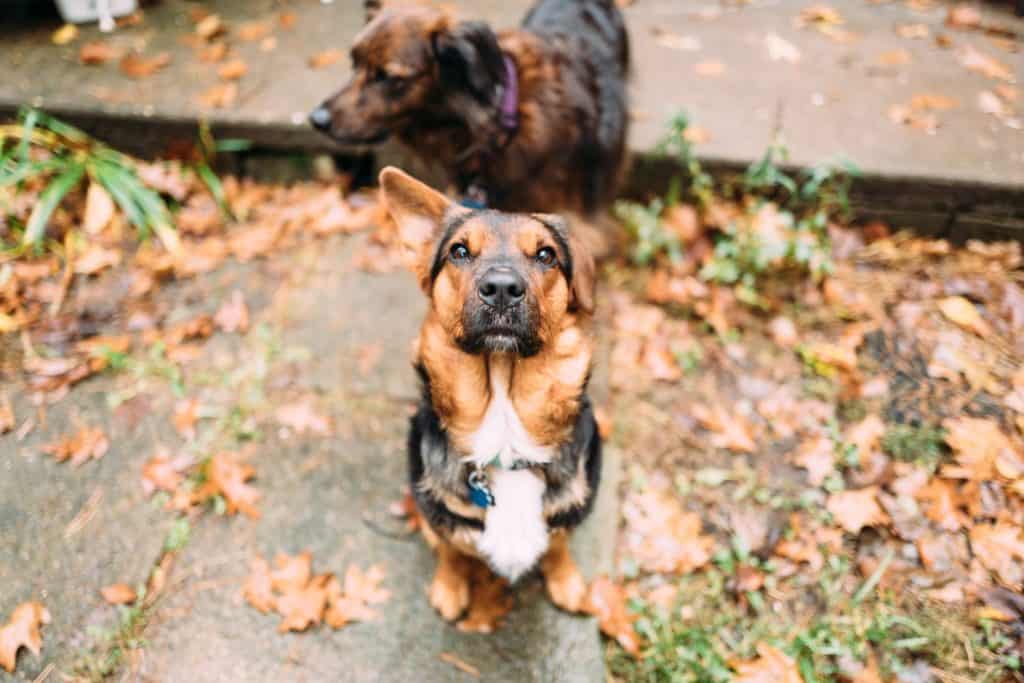
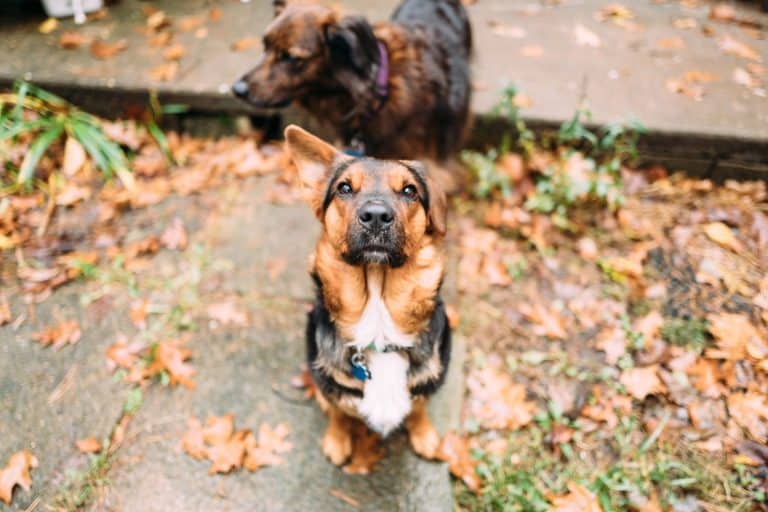
German Shepherd Corgi dog mix with one raised ear and one floppy ear looking into camera

At a Glance

Domesticated
Also Known As Corgi Shepherd, Corgi-GSD mix, Corgi x German Shepherd, Corgi Shepherd Mix, Corgi–German Shepherd cross
Diet Omnivore
Activity Diurnal+
Lifespan 5 years
Weight 32 lbs
Status Not Evaluated
Did You Know?

"Corman Shepherd" is an informal nickname-this is a mixed-breed dog, not a standardized kennel-club breed.

Scientific Classification

A domestic dog mixed-breed (designer cross) derived from a German Shepherd Dog and a Welsh Corgi (most often Pembroke). Individual appearance and temperament can vary depending on which parental traits are expressed.

Kingdom
Animalia
Phylum
Chordata
Class
Mammalia
Order
Carnivora
Family
Canidae
Genus
Canis
Species
Canis lupus familiaris

Distinguishing Features

  • Mixed parentage: German Shepherd Dog × Welsh Corgi (commonly Pembroke)
  • Often a longer body and shorter legs than a typical German Shepherd, with shepherd-like head/coat pattern possible
  • Traits can range from Corgi-like (short stature, compact build) to Shepherd-like (larger frame, longer legs), with intermediate forms common

Physical Measurements

Males and females differ in size

Height
1 ft 6 in (1 ft 2 in – 1 ft 12 in)
1 ft 6 in (1 ft 2 in – 1 ft 10 in)
Length
3 ft 3 in (2 ft 6 in – 3 ft 11 in)
3 ft 1 in (2 ft 4 in – 3 ft 9 in)
Weight
44 lbs (31 lbs – 62 lbs)
44 lbs (31 lbs – 60 lbs)
Tail Length
12 in (8 in – 1 ft 4 in)
12 in (2 in – 1 ft 6 in)
Top Speed
28 mph
Speed depends on build

Appearance

Primary Colors
Secondary Colors
Skin Type Typical double coat with medium undercoat and straight to slightly wavy guard hairs. Skin color usually matches coat (darker under black areas). Some have sensitive skin or seasonal shedding; check for parasites.
Distinctive Features
  • Mixed-breed (designer cross) derived from German Shepherd Dog × Welsh Corgi (often Pembroke); appearance can swing toward either parent, so no single uniform 'breed standard.'
  • Often shows a German Shepherd-like head shape and alert, erect or semi-erect ears combined with a Corgi-influenced longer body and potentially shorter legs (chondrodystrophic build may occur in some individuals).
  • Coat commonly medium length with notable seasonal shedding; some inherit a thicker, plush double coat and pronounced 'blow coat.'
  • Tail can vary from long and bushy (Shepherd-like) to shorter/less plumed; if Pembroke ancestry contributes a natural bobtail gene, tail length can be shorter-highly variable by individual.
  • Athletic but frequently lower-to-the-ground than a German Shepherd; body proportions may place added mechanical stress on spine/joints in shorter-legged individuals.
  • Watch for hip and elbow dysplasia; degenerative myelopathy (from German Shepherd side); intervertebral disc disease or back strain if short back/legs from Corgi; obesity and skin allergies.
  • Keep Corman Shepherd lean to protect back and hips. Give low-impact exercise (walks, sniff work, play). Avoid repeated high jumps/stairs if long-backed or short-legged. Brush 2–4× weekly. Train early, have vet check joints and spine.
  • Unlike typical dogs (Canis lupus familiaris), Corman Shepherds mix Corgi and German Shepherd traits: short legs and long body, working-dog build, varied colors, high energy and alertness, and more body variation.

Sexual Dimorphism

As in most domestic dogs (Canis lupus familiaris), sex-based differences are generally subtle and overlap heavily; males tend to be somewhat larger and more robust, but size/structure varies widely in this mixed cross depending on which parent traits are expressed.

  • Often slightly heavier-boned with broader head/neck and more pronounced musculature.
  • May develop a thicker ruff/neck coat in individuals with longer, denser outer coat expression.
  • Often slightly lighter-framed with a narrower head/neck and less overall mass.
  • May appear more compact; coat and color pattern differences are not reliably sex-linked in this cross.

Did You Know?

"Corman Shepherd" is an informal nickname-this is a mixed-breed dog, not a standardized kennel-club breed.

They often inherit the "herding heel nip" from Corgis and the focused, handler-oriented work style of German Shepherd Dogs.

Coats can range from short to plush double coats; many shed heavily year-round with seasonal "blowouts."

Ears frequently end up upright or semi-upright-thanks to both parent breeds commonly carrying pricked-ear traits.

Their body shape can vary dramatically: some look like a low, long Shepherd; others resemble a tall Corgi with a Shepherd face.

Like many mixes, they can show wide variation even within the same litter because domestic dogs (Canis lupus familiaris) are highly genetically diverse.

Unique Adaptations

  • Herding-specialist instincts: both parent breeds were shaped for controlling livestock, so many Corman Shepherds show natural motion-sensitivity and directional control behaviors.
  • Highly trainable cognition: domestic dogs were selected for cooperative communication with humans; Shepherd lineage often amplifies biddability and task focus.
  • Variable "working body plan": some inherit shorter legs/longer backs (Corgi influence) while keeping Shepherd stamina-useful for quick turns and low-center movement, but it changes injury risk.
  • Double-coat insulation is common, supporting outdoor activity in cooler weather-paired with significant grooming needs.
  • Keen scenting and environmental scanning: Canidae sensory strengths (smell and motion detection) are often pronounced, making enrichment games especially rewarding.

Interesting Behaviors

  • Heel-nipping or circling family members and other pets, especially during excitement-classic herding-style control behavior.
  • Intense "shadowing" of a favorite person, mirroring movements room-to-room (common in Shepherd-type bonding).
  • Alert barking at doorways or new sounds; they can be excellent "early-warning" household dogs.
  • Toy carrying and "job seeking" (bringing items, patrolling windows), reflecting working-dog motivation.
  • The Corgi-style "sploot" (hind legs stretched out) may appear, especially in low-bodied individuals.
  • Strong play-drive with quick pivots and bursts of speed, then switching to watchful stillness.

Cultural Significance

The Corman Shepherd (Corgi × German Shepherd, Canis lupus familiaris) is a modern mix of the German Shepherd, linked to policing and service work, and the royal herding Corgi. People seek its smart, bold nature in a smaller dog, but traits and health vary.

Myths & Legends

Welsh folklore tells that corgis were gifts from the fairy folk, used as fairy steeds; markings on some dogs were described as "saddle" or "harness" traces from riding gear in these tales.

In 20th-century popular stories, German Shepherds got their hero image from film dogs like Rin Tin Tin, a rescued war dog who became a Hollywood star and made the breed seem brave and loyal.

British cultural tradition has long linked corgis with the royal household-an enduring modern association that turned a working Welsh herder into an international symbol of cheerful companionship and national identity.

German Shepherds carry a widespread "guardian" legend in many communities-stories of steadfast dogs that watch over homes and children-echoing the breed's historic role as a versatile protector and working partner.

Conservation Status

NE Not Evaluated

Has not yet been evaluated against the criteria.

Population Stable

Life Cycle

Birth 5 pups
Lifespan 5 years

Lifespan

In the Wild
3–8 years
In Captivity
10–14 years

Reproduction

Mating System Polygynandry
Social Structure Managed Domestic
Breeding Pattern Transient
Fertilization Internal Fertilization
Birth Type Managed_selective

Corman Shepherd (Corgi × German Shepherd; Canis lupus familiaris) shows polygynandry (multiple males and females may mate). Breeding is usually managed by people, with internal fertilization by mating and a brief "tie." Females cycle 1–2 times a year; gestation about 63 days; litter size varies.

Behavior & Ecology

Social Pack Group: 3
Activity Diurnal, Crepuscular
Diet Omnivore Meat-forward, complete-and-balanced dog diet (often most motivating with chicken or beef flavors); high-value lean meats used as training rewards.

Temperament

HUBS (breed-group pattern): intelligent, biddable, and people-focused with strong learning capacity; variation is wide depending on whether Corgi-like boldness/vocal alertness or German Shepherd-like vigilance/handler focus is more expressed.
Often alert and watchful; many individuals become reliable "watchdog" barkers (more frequent vocalizing is common when Corgi traits dominate).
High herding/working drive possible: may try to control movement of children/other pets (circling, blocking, heel-nipping). Best managed with impulse-control training, tug/fetch rules, and herding-style games rather than punishment.
Typically loyal and affectionate with family; can be reserved with strangers. Early socialization (people, dogs, novel surfaces/sounds) helps prevent fear-based reactivity.
Energy level usually moderate to high: needs daily aerobic exercise plus mental work (training, scent games, puzzle feeding). Under-stimulation often shows up as barking, pacing, or destructive chewing.
Trainability is generally high; responds well to reward-based methods and clear structure. Harsh corrections can increase anxiety or defensive behavior in sensitive individuals.
May inherit Corgi's short legs and long back plus German Shepherd's size and energy, making a compact, powerful dog that can be agile but risks spine and joint strain—avoid big jumps.
Watch for hip and elbow dysplasia, degenerative myelopathy (German Shepherd risk), intervertebral disc disease/back strain (Corgi risk), obesity, and skin allergies. Keep dog lean, use joint-friendly exercise, and get screenings.
Needs more care than many dogs: steady training and social time, daily play, brush its double coat several times weekly, regular nail and ear care, ramps for long backs, and traction on slippery floors.

Communication

alert barking Often frequent/intense in some lines
low woofing/guard barks
whining/whimpering for attention or frustration
growling Warning; commonly paired with stiff posture
howling or "talking" Variable; some are quiet
yips/high-pitched barks during play or herding arousal
body posture changes: forward weight shift, stiffening, piloerection Guarding/arousal
ear and tail signaling Erect/forward vs. pinned; tail carriage varies with individual conformation
eye contact and "stare"/tracking behavior common in herding types
heel-nipping, blocking, circling, and orienting behavior as herding-style communication Should be redirected to appropriate games/training
nose nudges, pawing, leaning, and following closely Affiliative/attention-seeking
play bow and bouncy approaches to initiate play; mouthing during play if not trained
scent marking and sniffing for information-gathering; may over-mark on walks if confident
lip licking, yawning, turning away as appeasement/stress signals-important in managing introductions and preventing escalation

Habitat

Biomes:
Temperate Forest Temperate Grassland Boreal Forest (Taiga) Tundra Alpine Mediterranean Desert Hot Desert Cold Savanna Tropical Dry Forest Tropical Rainforest Freshwater Wetland Marine +8
Terrain:
Plains Hilly Valley Plateau Mountainous Coastal Island Riverine +2
Elevation: Up to 14763 ft 9 in

Ecological Role

Human-associated domestic omnivore: companion/working animal and opportunistic mesopredator-scavenger in anthropogenic environments; may suppress or disturb local small-wildlife populations when free-roaming.

companionship and mental-health support to humans property/stock alerting and deterrence (watchdog function) rodent deterrence/pest pressure reduction in some settings support to human activities (training sports, assistance/therapy potential varies by individual) nutrient cycling via waste in managed urban/suburban ecosystems (minor, human-mediated)

Diet Details

Main Prey:
Small rodents Rabbit Squirrel Ground-nesting birds Insects and other small invertebrates
Other Foods:
Grasses Berries and fallen fruit Roots, tubers and plant scraps Vegetables Starches and grains

Human Interaction

Domestication Status

Domesticated

Canis lupus familiaris were domesticated from gray wolves about 15,000 years ago, bred to be less fearful and to work or be companions. The Corman Shepherd, a recent German Shepherd × Welsh Corgi cross, is bred for a small shepherd type. They vary in size, often herd, train well, live as family pets, and many do therapy, alerting, or sports.

Danger Level

Moderate
  • Biting/nipping risk if strong herding instinct is expressed (may nip heels, especially with children) and if undertrained or underexercised
  • Fear-based aggression/reactivity possible without early socialization (common risk factor in high-drive shepherd-type dogs)
  • Protective/territorial behavior and loud alert barking may escalate without management
  • Physical injury risk from jumping/mouthing in adolescence; size/strength varies but can be substantial with GSD influence
  • Secondary risks: back/orthopedic pain may increase irritability and bite risk if touched unexpectedly

As a Pet

Suitable as Pet

Legality: Corman Shepherds are usually legal where pet dogs are allowed. Must follow local dog license, leash, and rabies and vaccine rules. Some areas may restrict shepherd-type or large-looking dogs. Check city, county, and housing rules.

Care Level: Experienced

Purchase Cost: Up to $2,500
Lifetime Cost: $18,000 - $65,000

Economic Value

Uses:
Companion animal market Training/behavior services Pet supplies (food, grooming, equipment) Veterinary and preventive healthcare Dog sports and events
Products:
  • companion/household pet placement
  • training classes (obedience, manners, reactivity management)
  • grooming services (shedding management)
  • pet insurance and routine veterinary care
  • sport participation (rally/obedience/scent work; agility with structure-aware modifications)

Relationships

Ecological Equivalents 6

Animals that fill a similar ecological role in their ecosystem

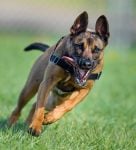
Belgian Malinois
Belgian Malinois Canis lupus familiaris Similar niche as an active, highly trainable companion/working dog. Overlaps with many Corman Shepherds, which inherit strong drive, vigilance, and a need for structured exercise and mental work.
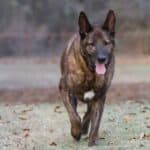
Dutch Shepherd
Dutch Shepherd Canis lupus familiaris Comparable all-purpose herding and guarding functional profile. Relevant because Corman Shepherds can exhibit shepherd-like reactivity and alertness and benefit from early socialization and reward-based training to channel it.
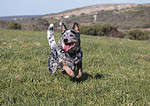
Australian Cattle Dog
Australian Cattle Dog Canis lupus familiaris Energetic, intelligent herding-dog role; a useful analogue for the Corman Shepherd's care needs: daily aerobic exercise, mental enrichment, and consistent boundaries to reduce nuisance behaviors.
Border Collie
Border Collie Canis lupus familiaris Shared 'busy brain' herding niche; this highlights that many Corman Shepherds are not low-maintenance — without training, games, scent work, or tasks they may develop barking, chasing, or anxiety-driven behaviors.
Swedish Vallhund
Swedish Vallhund Canis lupus familiaris Ecologically similar as a compact herding-type dog. Also a reminder that some Corman Shepherds inherit a longer-backed, shorter-legged conformation; weight control and careful management of jumping and stairs can be important to reduce back stress.
Rough Collie
Rough Collie Canis lupus familiaris Comparable family companion and watchdog/herding-adjacent niche. Also parallels coat-care variability: Corman Shepherd coats can range from short/double-coated to heavier-shedding coats, often requiring routine brushing and seasonal de-shedding.

Cormon Shepherds are loyal and courageous, though they can be a little stubborn. They are medium to large in size, but their size can vary significantly depending on the traits inherited from each parent.

The Corman Shepherd puppies are known to inherit the best qualities from both parents and are often called the German Corgi or the Corgi German Shepherd. You could adopt these hybrid dogs from adoption centers and rescue shelters, but you can also seek out a known breeder. The lifespan of these dogs is about 10 to 15 years.

3 Pros and Cons of Owning a Corman Shepherd

Before adopting Corman Shepherds from a rescue, you would need to know the pros and cons of having them in your family. This would be helpful so that you can make conditions comfortable for them to adjust to your lifestyle. Some of the pros and cons include:

ProsCons
Active: Corman Shepherds are active and very energetic, and are sure to keep the owners up and running.Shedding: Due to their double coats, Corman Shepherds tend to shed a lot, which could eventually create quite a mess in your home.
Great watchdogs: They make great watchdogs. If you are looking to adopt a dog for safety purposes, this would be a good choice.Separation anxiety: Corman Shepherds do not do very well with staying alone. They can develop behavioral issues if they are left alone for a long period of time.
Good with children: Corman Shepherds make great playful mates with the kids of the house.Stubborn: Corman Shepherds can sometimes be very stubborn, which could be a problem for the owners in the long run.
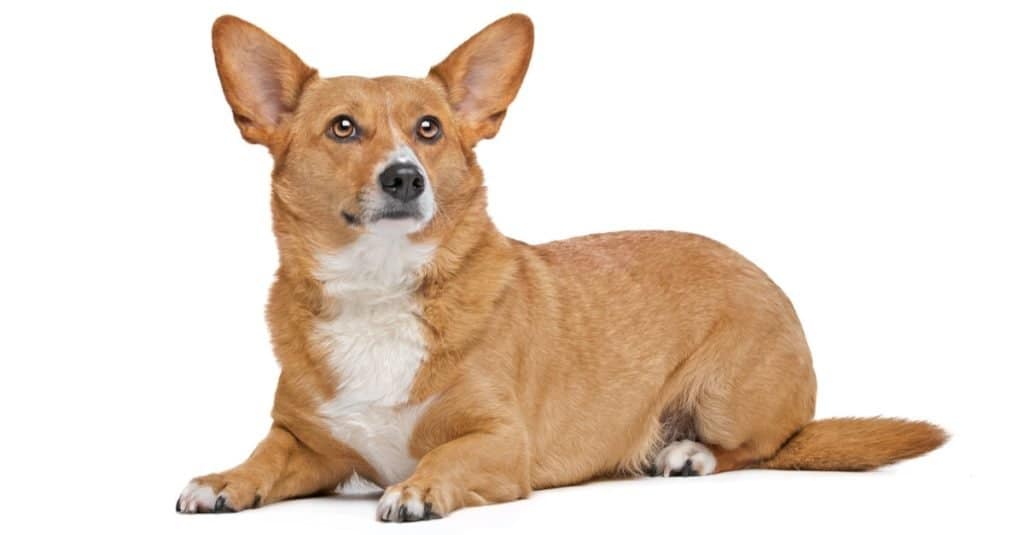
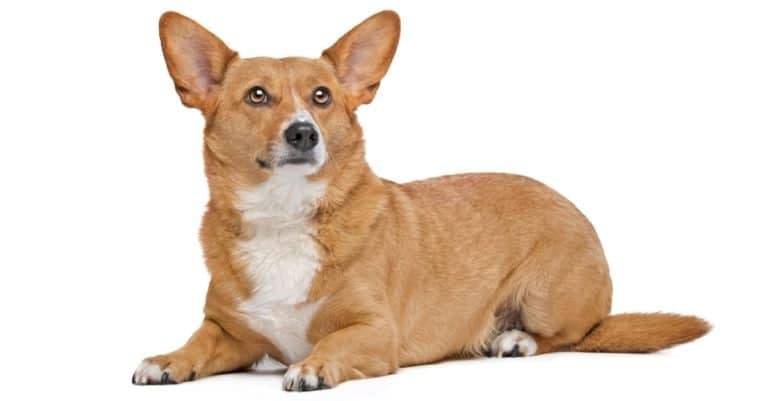
Corman Shepherd, mixed-breed dog, Corgi and German Shepherd mix isolated on white background.

Friendly Corman Shepherd, Corgi and German Shepherd mix, lying on the sofa.

Size and Weight

Due to their breeding, Corman Shepherds can have a rather broad range of sizes in their puppies. Typically, they only stand about 12 to 15 inches in size, influenced by the size of the Corgi. Some individuals may be taller depending on the influence of the German Shepherd parent. They weigh around 20 to 70 pounds, inheriting this range from a combination of the Corgi and the German Shepherd.

Common Health Issues

Corman Shepherds are generally healthy dogs, which is an intentional characteristic that they are bred to have. However, it is always a possibility that a puppy inherits some disease from either of its parents.

Some of the problems that Corman Shepherds might suffer from include joint dysplasia and back problems, which are derived from issues in their bone structure. These problems are fairly easy for a veterinarian to identify since the dog will limp to show their discomfort.

They should have their eyes regularly checked for potential threats to their vision, though it is common for the Corman Shepherd to experience an allergic reaction to their environment. Other problems include improper diet or difficulties in the digestive tract, like bloating or weight gain. Ask the breeder about the health problems that your dog might have.

Temperament

Corman Shepherds are smart and intelligent. They would go to any extent to please their owners. These dogs are loyal and are very dedicated to the family. They are also known to be protective of the owner’s families. Due to this trait, they are known to be great guard dogs and make great watchdogs.

Corman Shepherds are energetic and are known to be very active. They have a sweet temperament overall. They are great with the kids of the family and with other pets that you might have. These dogs will always need your care and attention, and are obedient. Leaving them alone for long periods might not be a good idea. Caring less for Corman Shepherds might end up making them aggressive.

How to Take Care of a Corman Shepherd

Taking care of a pet is of utmost importance. Educate yourself in advance about taking care of Corman Shepherds before you decide to adopt them from the rescue homes or shelters. You should also ask the breeder about anything special that you should be doing while taking care of your dog. Here are a few things that you would need to know about taking care of Corman Shepherds.

The Best Dog Food

Your dog would need a healthy diet. You must never compromise on the quality of food that you feed to the dog. Three-fourths to one and a half cups of good-quality dog food would be enough for Corman Shepherds. You would need to divide this food into two to three meals throughout the day. Another important way to prevent bloat is to monitor meals so your dog won’t eat too fast, and space meals and exercise out with enough time in between.

Consider this breed’s risk of allergies and the potential need to get an appropriate limited-ingredient or allergy-care food. Also, don’t expect this to replace grooming or eliminate shedding altogether, but there are shed control foods out there, too.

Maintenance and Grooming

The coats of these hybrid dogs are a mix of the coat colors of their parents’ coats. These include black, white, brown, and golden blonde. Their coats are often a blend of two or more colors, and they are rarely one solid color.

These dogs shed a lot because they have double coats. You would need to have blowing sessions to remove the shedding coat from their bodies. The coats have to be brushed daily.

Apart from that, basic care would be necessary. You would need to brush their teeth and trim their nails. You would also need to check their ears occasionally for any infections that they might have developed.
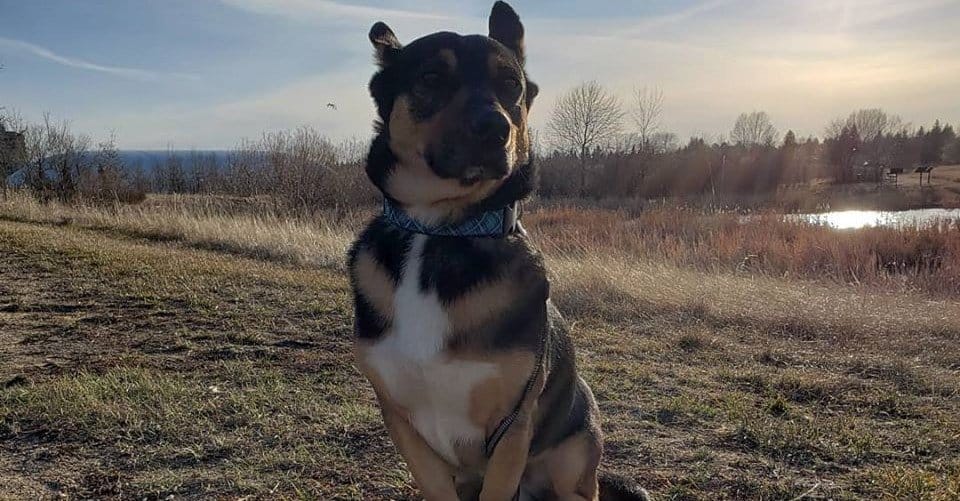
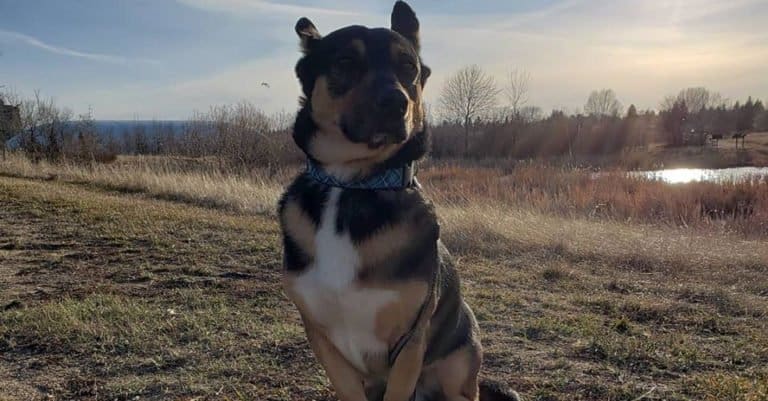
Corman Shepherd sitting in a field

Corman Shepherds are easy to train as they are intelligent and obedient.

Training

Training these dogs is not too difficult as they are obedient. You will need to teach your dog how to stay alone from time to time. You could start leaving them alone for short periods and can gradually increase the time. When you come back, you should use positive reinforcement and give your dog a treat so that they can start associating you leaving them alone with something good.

You would also need to train your dog to be fine around other people. Otherwise, it could turn them into very aggressive and possessive dogs. They need to be trained right from puppyhood so that they do not develop any behavioral issues.

Exercise

These dogs are very active and energetic. Due to this, they have fairly high exercise needs. Two long walks a day, plus additional playtime, would do your dog good daily. Apart from that, your dog might also need yard time and short walks to the dog park. They need to regulate their energy. If that does not happen, it could result in poor behavioral issues in the dog.

Puppies

Early training is necessary when these dogs are still puppies. That would help in avoiding behavioral defects later in life. Puppies would also need to be fed more times a day with smaller quantities of food, as they wouldn’t be able to digest a lot of food at once. You could adopt a puppy from your nearest rescue house.

Corman Shepherd and Children

While these dogs are great around children and can be very playful around them, you would have to be careful when they are around kids, as the kids could unintentionally end up hurting the dog while playing, especially when they do not know how to be around miniature dogs or are doing so for the first time.

Dogs Similar to Corman Shepherds

Since this miniature breed isn’t necessarily for everyone, here are a few dogs that are similar to them:

  • German Shepherd: These dogs are easy to train and are beautiful. They also have long life spans.
  • Corgipoo: These dogs are easy to train, they shed very little, and are great with the kids in the family.
  • Northern Inuit dog: These dogs are friendly and healthy. They are also good around other dogs.
View all 395 animals that start with C

Sources

  1. Drwaggers / Accessed April 30, 2021
  2. 101 Dog Breeds / Accessed April 30, 2021
  3. Dog Time / Accessed April 30, 2021
  4. Pet Keen / Accessed April 30, 2021
  5. Animalso / Accessed April 30, 2021
A-Z Animals Staff

About the Author

A-Z Animals Staff

AZ Animals is a growing team of animals experts, researchers, farmers, conservationists, writers, editors, and -- of course -- pet owners who have come together to help you better understand the animal kingdom and how we interact.
Connect:

Thank you for reading! Have some feedback for us?


Corman Shepherd FAQs (Frequently Asked Questions)

Corman Shepherd is a hybrid dog. It is a crossbreed between the Corgi and the German Shepherd dog breeds.