




C
Species Profile

Corgipoo

Canis lupus familiaris

Big brain, short legs-maybe!
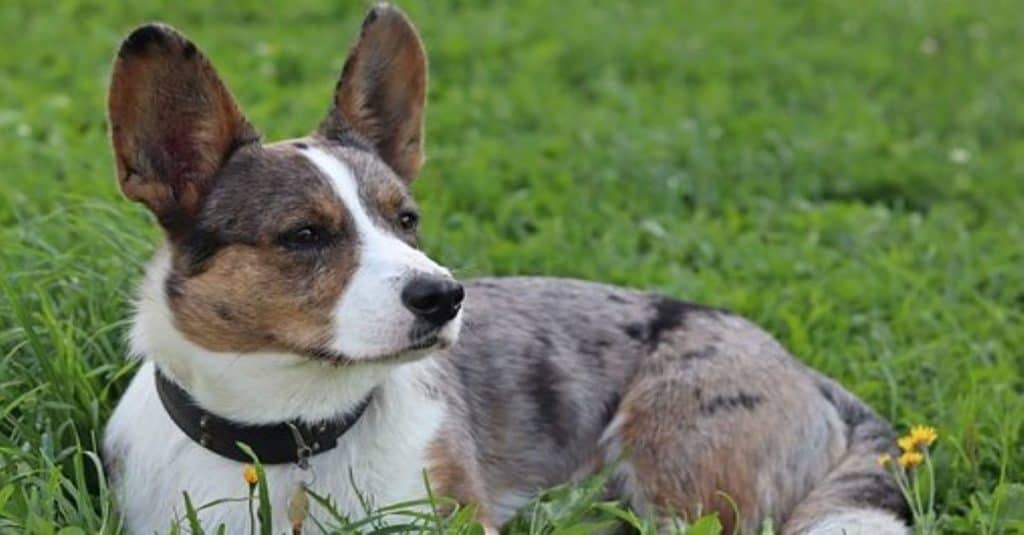
Svetlbel / pixabay

Corgipoo Distribution

Domesticated Species

Found Worldwide

Size Comparison

Human 5'8"
Corgipoo 1 ft 1 in

Corgipoo stands at 19% of average human height.

Corgipoo

At a Glance

Domesticated
Also Known As Corgi-Poo, Corgi Poodle mix, Corgi x Poodle, Corgi-Poodle cross, Corgi Poo, Corgi-Poodle hybrid
Diet Omnivore
Activity Diurnal+
Lifespan 13 years
Weight 18 lbs
Status Not Evaluated
Did You Know?

"Corgipoo" isn't a standardized breed; puppies can look and behave very differently even within the same litter.

Scientific Classification

A Corgipoo is a domestic dog hybrid typically produced by crossing a Welsh Corgi (Pembroke or Cardigan) with a Poodle (often Miniature or Toy). Traits vary widely by parentage and generation (F1 vs multigenerational), but they’re generally kept as companion dogs.

Kingdom
Animalia
Phylum
Chordata
Class
Mammalia
Order
Carnivora
Family
Canidae
Genus
Canis
Species
Canis lupus

Distinguishing Features

  • Mixed Corgi-type body proportions (often short legs/longer body) with Poodle-influenced coat texture (wavy/curly possible)
  • High variability in size depending on Poodle variety used (Toy/Miniature/Standard)
  • Coat shedding can range from low to moderate; not guaranteed hypoallergenic
  • Temperament often combines Corgi alertness/herding instincts with Poodle trainability, but varies by individual

Physical Measurements

Males and females differ in size

Height
1 ft 1 in (10 in – 1 ft 3 in)
Length
2 ft 2 in (1 ft 10 in – 2 ft 6 in)
Weight
26 lbs (18 lbs – 35 lbs)
24 lbs (15 lbs – 35 lbs)
Tail Length
7 in (2 in – 12 in)
5 in (2 in – 8 in)
Top Speed
25 mph
Medium top speed

Appearance

Primary Colors
Secondary Colors
Skin Type Domestic-dog skin with hair-bearing coat; pigmentation often mirrors coat colors. Skin may be moderately sensitive in some individuals (itchiness/allergy-prone), and heavy coats can trap moisture-regular skin/coat checks recommended.
Distinctive Features
  • Designer dog hybrid (Corgi × Poodle), not a formally standardized kennel-club breed; appearance can vary substantially by parent breeds (Pembroke vs Cardigan; Toy/Miniature/Standard Poodle) and by generation (F1 vs multigenerational).
  • Often retains Corgi-like silhouette: long-backed, shorter-legged build; some individuals are more proportionate if Poodle structure predominates.
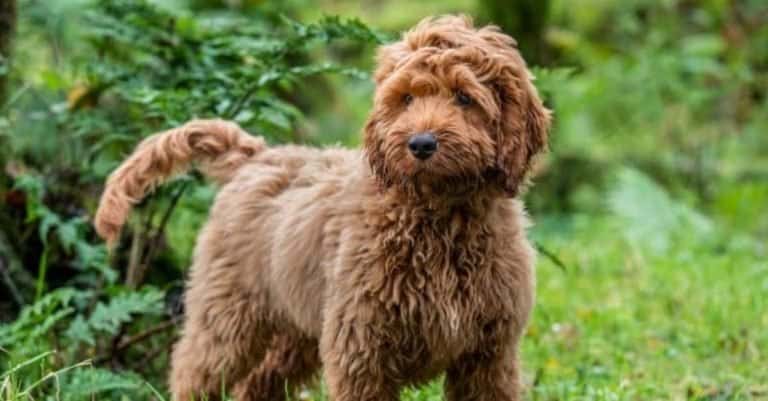
  • Coat texture ranges from straight to wavy to curly; density can be plush/double-coat-like (more Corgi) or curlier/single-coat-like (more Poodle). Shedding is variable and not reliably "hypoallergenic."
  • Ears may be erect/triangular (Corgi-like), semi-erect, or drop/pendant (Poodle-like); ear shape affects cleaning needs (floppier ears can trap moisture).
  • Tail may be long and plume-like, moderately feathered, or shorter depending on ancestry and natural variation (tail docking is not an inherent breed trait).
  • Face often combines a Corgi-like foxiness with a Poodle-like muzzle; may have noticeable furnishings (mustache/eyebrows) if coat is curlier.
  • Common care requirement: frequent brushing and periodic professional grooming if coat is wavy/curly (to prevent matting), plus routine ear care and nail trimming.
  • May have back/neck strain and intervertebral disc disease in long-backed, short-legged dogs; also hip dysplasia, patellar luxation, progressive retinal atrophy, degenerative myelopathy, dental crowding, allergies, and obesity—weight control is vital.
  • Exercise/behavior context: typically an active companion dog needing daily walks and mental enrichment; herding-drive traits may appear (nipping/chasing), and Poodle-type intelligence can increase training needs.

Sexual Dimorphism

Mild sexual dimorphism typical of domestic dogs (Canis lupus familiaris). Differences are more about overall size/robustness than coat color/pattern; the wide size range is driven more by the Poodle parent's size (Toy/Miniature/Standard) and individual genetics than by sex alone.

  • On average slightly larger/heavier-boned with broader head/neck in some lines.
  • May appear more robust through chest/shoulders, especially if the Corgi build is prominent.
  • Often slightly smaller/lighter-framed; may look more refined in head and body lines.
  • Can appear more compact where the smaller Poodle sizes are involved, though individual variation is high.

Did You Know?

"Corgipoo" isn't a standardized breed; puppies can look and behave very differently even within the same litter.

Adult size often depends on the Poodle parent (Toy/Mini vs Standard), while the Corgi influence can keep the body long and low.

Some inherit a Poodle-like low-shedding coat, but others shed heavily like a Corgi-coat type can't be guaranteed.

Many Corgipoos combine Poodle problem-solving with Corgi herding boldness, making training both fun and occasionally stubborn.

Corgi ancestry may show up as a "heel-nipping" instinct during play, especially with running children.

Their ears can be fully upright (Corgi-like), floppy (Poodle-like), or one of each-often changing as they mature.

Unique Adaptations

  • Domestication traits (Canis lupus familiaris): strong bonding to humans, flexible diet, and heightened responsiveness to human communication compared with wild canids.
  • Possible low-slung build from Corgi lines can aid quick turns and close-to-ground movement-historically useful for herding around hooves.
  • Potential for a curlier, more continuously growing coat from Poodle ancestry, which can reduce loose shedding but increases grooming needs.
  • High learning capacity and pattern recognition (often Poodle-influenced), supporting complex cue chains and puzzle-toy work.
  • Variable "hybrid" trait expression: temperament, coat, and size can shift widely across F1 vs multigenerational crosses due to genetic recombination.

Interesting Behaviors

  • Herding-style circling or gentle ankle/heel targeting when excited (a Corgi carryover).
  • High attentiveness to human cues; many excel at trick training and clicker games (a Poodle hallmark).
  • Alert "watchdog" barking at novel sounds or visitors-common in many Corgi-influenced mixes.
  • Toy-carrying and "show-and-tell" behaviors, especially in individuals with retrieving/play drive.
  • Zoomies and sudden sprints followed by strong lap-dog tendencies-energy often comes in bursts.
  • Selective listening/stubborn streak if under-exercised or if training isn't rewarding and consistent.

Cultural Significance

Corgipoo (Corgi–Poodle mix) shows modern designer dog trend: a planned cross for companions aiming for Corgi charm and Poodle ease of training. Not a purebred in major kennel clubs, it’s a popular, family-friendly small dog choice boosted by social media and city/suburban life.

Myths & Legends

In Welsh folklore, corgis are linked to fairies: tales describe corgis as fairy steeds, with markings said to resemble a fairy saddle and harness traces.

European court and circus history helped turn the Poodle into a cultural icon-celebrated for clever performances and companionship among nobles, later echoed in popular art and fashion.

Anecdotal "origin stories" around doodle-style mixes (including Poodle crosses) often describe them as purpose-bred companions for modern homes-valued for trainability and a potentially lower-shedding coat-though outcomes vary by individual dog and lineage.

Conservation Status

NE Not Evaluated

Has not yet been evaluated against the criteria.

Population Stable

Life Cycle

Birth 4 pups
Lifespan 13 years

Lifespan

In the Wild
12–15 years
In Captivity
12–15 years

Reproduction

Mating System Polygynandry
Social Structure Managed Domestic
Breeding Pattern Transient
Fertilization Managed Selective
Birth Type Internal_fertilization

Corgipoo (Canis lupus familiaris hybrid of Corgi × Poodle) are bred by people. Humans pick mates and timing; breeding is polygynandrous under human control. Bonds are brief; natural tie or artificial insemination used. Gestation ~63 days; pups wean ~6–8 weeks.

Behavior & Ecology

Social Pack Group: 4
Activity Diurnal, Cathemeral
Diet Omnivore Meat-forward meals (e.g., chicken/turkey or fish-based kibble or gently cooked diets) with occasional high-value training treats

Temperament

Affectionate, companion-oriented; typically seeks close proximity to caregivers and enjoys interactive play.
Highly trainable and attention-sensitive (Poodle influence), often responding best to positive reinforcement; can be stubborn or independent if Corgi traits dominate.
Alert and sometimes vocal/watchful; may be prone to nuisance barking or alarm barking without training and enrichment.
Playful, energetic bursts with moderate endurance; many show herding-motivated behaviors (chasing, circling, ankle/heel nipping), especially with fast-moving children or other pets.
Can be socially friendly yet selectively wary of strangers; early, structured socialization strongly shapes adult dog-directed confidence.
Corgipoo dogs are people-focused, respond well to routines, and need mental play. Behavior varies a lot by generation (F1 vs multigenerational) and by Poodle size (Toy/Mini) and Corgi type (Pembroke/Cardigan).
Breed-distinguishing vs base species context: reduced cooperative hunting/territoriality; elevated reliance on human cues; intensified neotenous social signals (soliciting, play bows) and tolerance for dense, mixed-species living.
Corgipoo: health issues can affect behavior—obesity raises irritability and lowers friendliness; long backs risk disc/back strain, avoid repeated jumping; hip or patella problems lower play; eye disease, Corgi-line myelopathy, allergies, and crowded teeth.
Daily training games and sniffing/foraging outlets prevent boredom barking. Give moderate, low-impact exercise. Curly, low-shed coats need regular brushing and trims; thick coats need de-matting and undercoat care. Train handling for vet/groomer visits.

Communication

Barking (alarm, demand, excitement); may be more frequent if strong Corgi alertness is inherited.
Whining/whimpering Attention seeking, anticipation, mild distress
Growling Boundary-setting or during rough play; should be interpreted with body language
Occasional howling or "talking" in response to household sounds or social triggers.
Body language: play bows, bouncy approach, paw lifts, lowered head with wagging tail; may show herding-style stalking/chase postures in play.
Facial/ear signals: Poodle-influenced expressiveness (soft eyes) vs Corgi-influenced alert ear set; stress signs include lip-licking, yawning, head turns.
Physical contact: leaning, pawing, nudging toys into laps; may mouth hands during excitement if not trained.
Scent communication: urine marking on walks (more common in intact males), sniff-and-greet rituals with other dogs.
Human-directed signaling: sustained eye contact, bringing leash/toy, positioning near doors; strong use of learned cues due to high trainability.

Habitat

Biomes:
Temperate Forest Temperate Grassland Boreal Forest (Taiga) Tundra Desert Hot Desert Cold Mediterranean Alpine Freshwater Wetland Marine Savanna Tropical Dry Forest Tropical Rainforest +8
Terrain:
Plains Hilly Coastal Island Valley
Elevation: Up to 16404 ft 3 in

Ecological Role

Human-associated companion omnivore and opportunistic micro-predator; primarily dependent on people for food rather than filling a wild trophic niche.

Rodent/pest deterrence around homes (limited, varies by individual) Scavenging/cleanup of human food waste when accessible (not desirable-requires management) Supports human wellbeing as a companion animal (indirect social ecosystem service)

Diet Details

Main Prey:
Small mammals Rabbits and hares Small birds Insects
Other Foods:
Berries and other fruits Vegetables Grains and starches Grasses

Human Interaction

Domestication Status

Domesticated

Dogs (Canis lupus familiaris) are a domesticated subspecies of the gray wolf, shaped by people over thousands of years for work and companionship. The Corgipoo is a modern pet cross of a Welsh Corgi and a Poodle, bred for friendly nature, small size, and often lower shedding. Appearance and coat vary; many need regular grooming and pet care.

Danger Level

Low
  • Bites/scratches (usually associated with fear, pain, poor socialization, or mishandling; risk increases around children if boundaries aren't taught)
  • Allergic reactions to dander/saliva (no dog is truly hypoallergenic; coat type may reduce shedding but not allergens)
  • Zoonotic/parasite risks if preventive care is neglected (fleas/ticks, roundworms/hookworms)
  • Fall/trip hazards in the home, especially with small/active dogs

As a Pet

Suitable as Pet

Legality: Generally legal as a pet anywhere domestic dogs are allowed. Some housing/insurance policies restrict dogs by size, appearance, or "mix" labeling; local ordinances (licensing, leash laws, breeding permits, anti-puppy-mill regulations) still apply.

Care Level: Moderate

Purchase Cost: $500 - $2,500
Lifetime Cost: $15,000 - $45,000

Economic Value

Uses:
Companion animal (pet) market Small-scale breeding and sales Veterinary services (preventive care, dentistry, orthopedic care) Grooming and coat-care services Training/daycare/boarding services Pet retail (food, crates, leashes, enrichment)
Products:
  • puppy purchase/adoption fees
  • spay/neuter, vaccinations, parasite prevention
  • professional grooming (clipper cuts, deshedding when relevant, nail trims)
  • training classes and behavior support
  • pet insurance and emergency care spending
  • food, treats, toys, harnesses, crates, bedding

Relationships

Ecological Equivalents 6

Animals that fill a similar ecological role in their ecosystem

Domestic dog
Domestic dog Canis lupus familiaris Corgipoo (Welsh Corgi × Poodle mix) is a small companion dog with a wavy/curly coat, intelligent and bold, prone to back and joint problems as well as eye and bleeding issues, and requires training, regular grooming, and weight control.
Pembroke Welsh Corgi
Pembroke Welsh Corgi Canis lupus familiaris One common parent breed. Contributes herding drive, a bold/alert temperament, and a short-legged, long-backed conformation that can increase risk of intervertebral disc disease (IVDD), making weight management especially important in a Corgipoo.
Cardigan Welsh Corgi Canis lupus familiaris Alternate parent breed. Can contribute a heavier frame, herding behaviors, and some shared orthopedic risks. Temperament may be slightly more reserved than Pembroke in some lines.
Poodle
Poodle Canis lupus familiaris Miniature and toy varieties are commonly used as the poodle parent in Corgipoos; they contribute high trainability, potential for a curly or wavy coat (often lower shedding), and predispositions seen in poodles such as certain eye diseases and von Willebrand disease. Grooming needs often increase with a more poodle-like coat.
Cockapoo
Cockapoo Canis lupus familiaris Fills a similar companion 'poodle-mix' niche, with comparable variability in coat and temperament and similar grooming demands; used as a rough behavioral and care analogue for families considering a Corgipoo.
Cavapoo
Cavapoo Canis lupus familiaris Another small companion poodle-mix occupying a similar household niche. Highlights common care themes for poodle crosses: grooming, ear care, training, and screening for inherited diseases from both parent lines.

Quick Take

  • Achieving the 22-inch height requirement remains entirely dependent on the specific pedigree of the parents.
  • The IVDD condition causes Corgipoos to lose sensation in all 4 legs.
  • These small hybrids surprisingly function as effective guard dogs due to a specific watchful temperament.
  • Implementing early obedience training is necessary to manage their independent and leadership traits.

The Corgipoo is a hybrid mix of the miniature poodle and the Welsh Corgi, bred specifically as a soft and curly-haired pup in the United States. They are excellent companions for any family, primarily due to their friendly nature and intelligence.

The Corgipoo is believed to have been developed as a designer breed in the late 1980s or early 1990s, though the exact date and origin are not definitively documented, providing new owners with a small dog that has a hypoallergenic coat.

An educational infographic about the Corgipoo breed, featuring sections on pros and cons, health issues, size, and care instructions with illustrative line icons.
The cuddly companion that doubles as a fierce protector—provided you can navigate its high-stakes health risks and independent streak. © A-Z Animals

Origins of the Corgipoo

To know the Corgipoo better, let’s review some facts about its parent breeds.

The Poodle originated in Germany first and later in France as a descendant of different water dogs from Europe. The name comes from Pudel, which shows they love to splash about in puddles. They were bred to hunt birds and ducks, bringing them to their owners. Poodles were widely popular from the 1960s to the 1980s in the U. S. and are ranking high again of late. Owners love their loyal and friendly temperament and hypoallergenic coats.

The Welsh Corgi is thought to have descended from dogs of the Vikings. While they are short, they make excellent herding dogs as well as companions. The name Corgi actually means “dwarf dog,” and they are known as companions of fairies. Welsh Corgis have links to the Royal Family, being the late Queen Elizabeth II’s favorite breed. They are also friendly and energetic companions.

3 Pros and Cons of Owning a Corgipoo

Corgipoo dogs, much like any other dog, have things that you may and may not like about them. To get a full understanding of what you’re in for, take a look at these pros and cons first.

ProsCons
Easily trainable: If you are looking for an easily trainable dog, these dogs might be a perfect choice. They are easy to train and quickly pick up commands.Prone to obesity: If these dogs are fed unhealthy or fatty diets. They are prone to obesity, which eventually leads them to a host of other problems.
Less shedding: These dogs shed relatively less than other dogs, due to their hypoallergenic coat. If you have allergies to other breeds, this dog may be the solution.Attention seeking: These dogs require a lot of time with owners, and if you do not have that kind of time to spend with your pet, this dog might not be a good choice for you.
Great with kids: Though these dogs may be a little suspicious of strangers, they are loving and welcoming to little ones in the home.Grooming needs: These dogs have a lot of grooming needs to maintain their coat.

Size and Weight

Corgipoo

Adult corgipoos weigh between 12 and 28 pounds on average.

Corgipoo dogs are small in size due to the breeds that they are made from. When they are full-grown, most of these dogs stand between 10 and 12 inches, but the pedigree of the parents can lead to larger sizes, growing up to 22 inches. Corgipoo dogs can weigh between 12 and 28 pounds when they are full-grown, but they can be larger for the same reasons as the changes in height.

Common Health Issues

Though they were bred to be safer pups for the sinuses, Corgipoo dogs are also prone to a lot of health issues. Intervertebral disc disease (IVDD) is a common condition that may be dealt with, which causes the dog to lose partial or complete feeling in their legs. There are both surgical and non-surgical treatments for IVDD.

Corgipoos can also succumb to pancreatitis, which leads to inflammation in the pancreas. This condition is treatable in mild cases, but some cases can lead to hemorrhaging and sudden death.

Legg-Calve-Perthes disease, which often impacts dogs of this size, can lead to a limp, which starts minimally and worsens over time.

Some Corgipoos end up with a luxating patella, which just means that their kneecap moves out of place. Much like the other conditions that these dogs are prone to, the first sign of a luxating patella is a limp.

Corgipoo Temperament
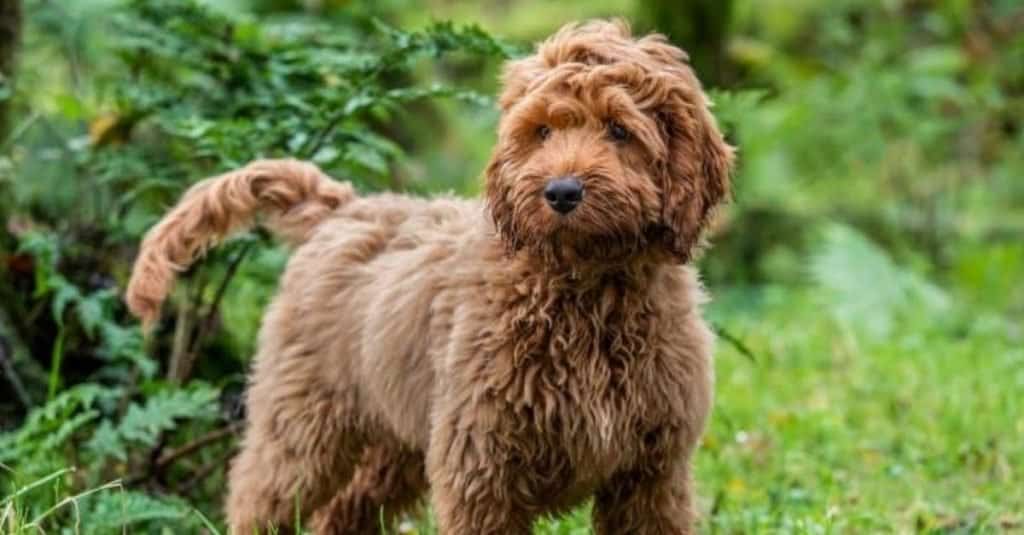
brown corgipoo

The Corgipoo is fearless and sociable, making friends wherever it goes.

The temperament of the Corgipoo dogs is affectionate. These dogs are sweet-natured and intelligent. They are also very watchful, making them effective guard dogs.

Corgipoos are very connected to their owner family members. They are friendly and are particularly good with children and elderly people in the family. Corgipoos tend to get along well with other animals, leading to fewer conflicts if you also have other pets in the home.

Corgipoos are highly active dogs, preferring to enjoy active playtime with their owners. With the right training, they can make excellent companion dogs and will not bark. They pick up on simple commands rather quickly, and they tend to be well-behaved.

How to Take Care of a Corgipoo

To own any pet, you would always need to know what kind of needs the pet has, helping you to make them more comfortable in the home. Let’s take a look at what this dog needs to remain healthy and strong.

The Best Dog Food

Corgipoo dogs would usually need a high-quality diet, and their diet needs to be well-balanced. Meat is essential to their diet due to the amount of protein and vitamins that it offers. With their short legs, they may need supplements that will support their joints, adding chondroitin or glucosamine to the diet.

The best food to feed your Corgipoo dog would be premium dry dog food, helping to break down any debris on their teeth. Though most pet owners like to give some human foods to their dogs, too much excess food outside of their normal diet can lead to obesity (which is a major risk among this breed).

Maintenance and Grooming

While the Corgipoo has grooming habits and needs like any other pet dog would, they are fairly easy to maintain and do not require excessive attention to their coat. They can have medium to long hair that needs daily brushing, eliminating tangles to preserve the curls.

They also need their ears cleaned regularly to prevent the buildup of wax. This will help prevent ear infections.

Also, it would be important to clean out the teeth of your Corgipoo dog at least twice a week to maintain dental health and keep the dog’s mouth disease-free.

Training

You must start early while training your dog so that they learn to pick up commands efficiently. It also helps them develop good habits from an early age.

These dogs are not difficult to train and are quick learners. They tend to be fairly active and enjoy active playtime with their owners. They are highly intelligent, which is why training becomes an easy affair with these dogs.

Exercise

These dogs are known to have high-energy needs. However, they tire out easily; even if they have a long walk, it is usually enough and tires them out quickly. To keep their energy needs met, take them on a few short walks or runs in a day.

Puppies

Corgipoo puppies are extremely cute and tend to take on an independent disposition, making them natural leaders in the home. They need early obedience training and may require smaller meals than the adults would.

Corgipoo and Children
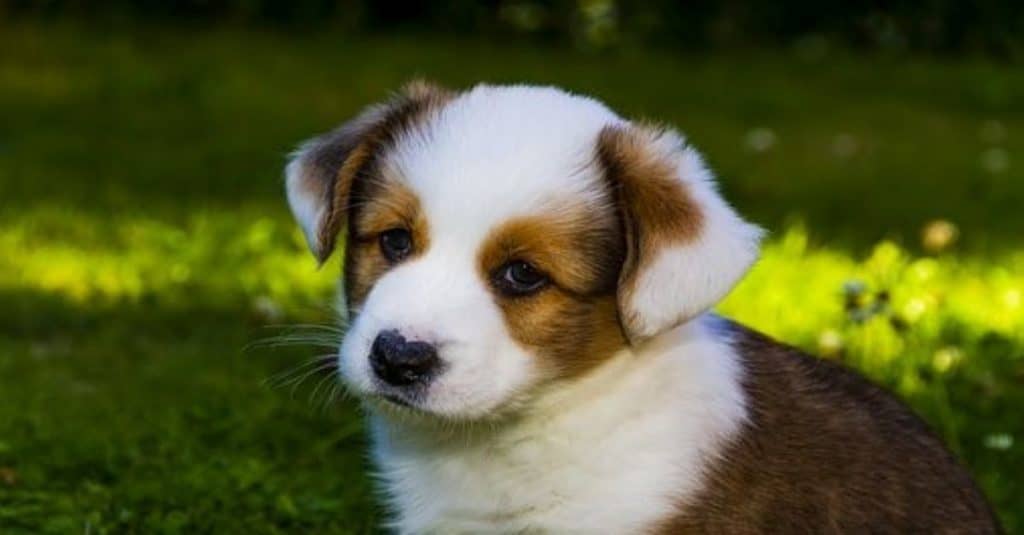
corgipoo puppy standing in the grass

Corgipoos have a temperament that makes them a great choice for children.

The Corgipoo dogs are known to be excellent around children and enjoy playtime with them — they are just as active and playful already! However, they can sometimes also indulge in rough play without meaning to. All parents should watch their smallest children around this dog to ensure that they build better habits in their interactions.

Dogs Similar to the Corgipoo

Some of the dogs that are similar to Corgipoo dogs include:

  • Poodle: These dogs are clever, intelligent, and elegant, and are known for their looks that are attractive. They require plenty of grooming to stay presentable.
  • Maltipoo: These dogs are another type of mixed breed. Also bred from the poodle, they are known to be great companions and are very friendly in nature.
  • Afghan Hounds: Also known by their looks, these dogs were originally bred to be hunting dogs and are one of the oldest dog breeds in the world.

View all 392 animals that start with C

Sources

  1. K9 web / Accessed March 4, 2021
  2. Animal corner / Accessed March 4, 2021
  3. How To Train The Dog / Accessed March 4, 2021
  4. Dogbreeds911 / Accessed March 4, 2021
  5. Wagwalking / Accessed March 4, 2021
  6. Petguide / Accessed March 4, 2021
  7. My Dog Name / Accessed March 4, 2021
  8. Greenfield Puppies / Accessed March 4, 2021
Ashley Haugen

About the Author

Ashley Haugen

Ashley Haugen is the editor of A-Z Animals. She's a lifelong animal lover with an affinity for dogs, cows and chickens. When she's not immersed in A-Z-Animals.com (her favorite editorial job of her 25-year career), she can be found on the hiking trails of Middle Tennessee or hanging out with her family, both human and furry.
Connect:

Thank you for reading! Have some feedback for us?


Corgipoo FAQs (Frequently Asked Questions)

Corgipoo dogs are small-sized dogs that are a mix of Miniature Poodle and Welsh Corgi.