
G
Species Profile

German Sheprador

Canis lupus familiaris

Smart, steady, ready for action.
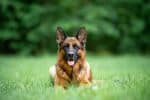
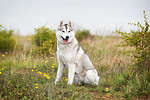
Michar Peppenster/Shutterstock.com

German Sheprador Distribution

Click a location to explore more animals from that region

Origin Location

This map shows the native origin of the German Sheprador. As a domesticated species, they are now found worldwide.

Loading map...

Size Comparison

Human 5'8"
German Sheprador 1 ft 12 in

German Sheprador stands at 35% of average human height.

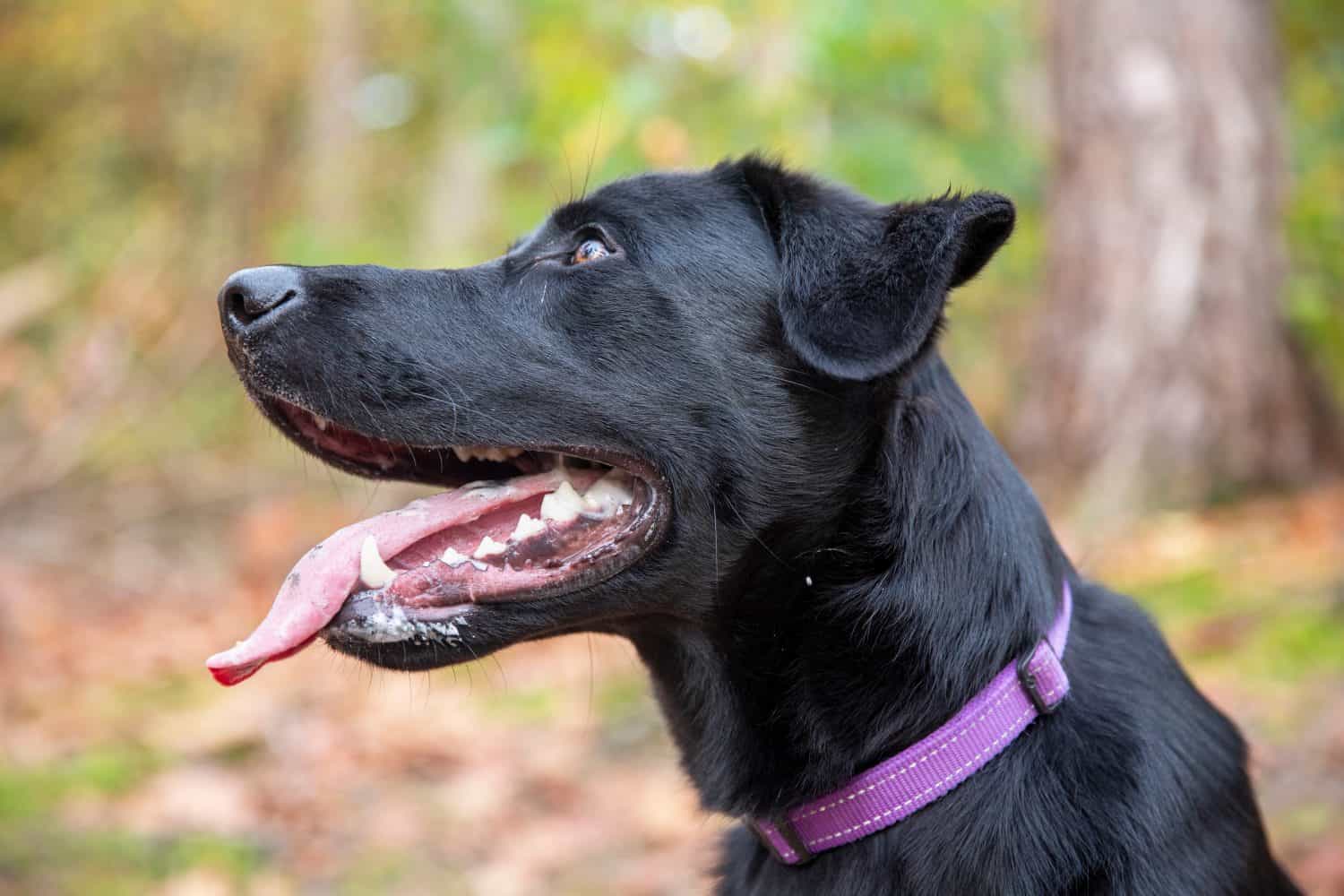
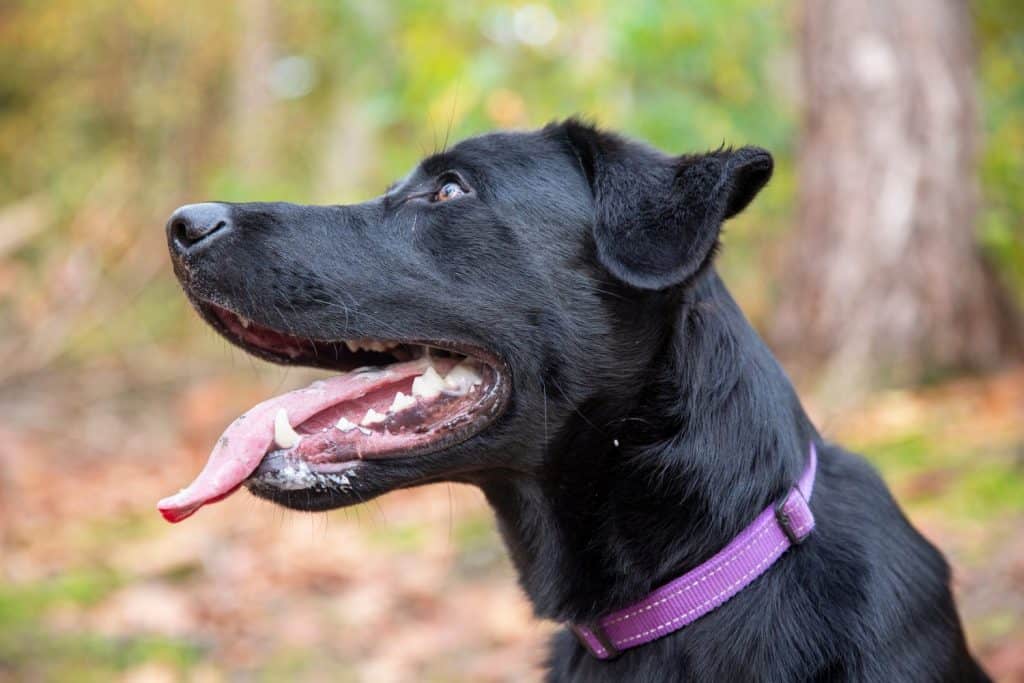
Sheprador in the forest; looking cute.

At a Glance

Domesticated
Also Known As Sheprador, Shepador
Diet Omnivore
Activity Diurnal+
Lifespan 5 years
Weight 40 lbs
Status Not Evaluated
Did You Know?

"Sheprador" is a common nickname for the German Shepherd Dog × Labrador Retriever cross, but it's not a recognized pure-breed standard.

Scientific Classification

A domestic dog crossbreed combining ancestry from the German Shepherd Dog and the Labrador Retriever; typically a medium-to-large, athletic, highly trainable companion often associated with working/active households.

Kingdom
Animalia
Phylum
Chordata
Class
Mammalia
Order
Carnivora
Family
Canidae
Genus
Canis
Species
lupus

Distinguishing Features

  • Mixed-breed dog; traits vary widely by individual
  • Often medium-to-large body size with athletic build
  • Coat commonly short-to-medium; colors often black, tan, sable, chocolate, or mixed
  • Frequently exhibits high energy and strong trainability/drive

Physical Measurements

Males and females differ in size

Height
2 ft (1 ft 10 in – 2 ft 3 in)
1 ft 10 in (1 ft 8 in – 2 ft)
Length
3 ft 9 in (3 ft 3 in – 4 ft 3 in)
Weight
79 lbs (62 lbs – 99 lbs)
60 lbs (44 lbs – 75 lbs)
Tail Length
1 ft 4 in (1 ft 1 in – 1 ft 7 in)
1 ft 3 in (12 in – 1 ft 6 in)
Top Speed
31 mph
About 45–55 km/h

Appearance

Primary Colors
Secondary Colors
Skin Type Skin with dark nose and eye rims. Coat usually a dense double coat with guard hairs and a warm undercoat, shedding seasonally. Some have shorter water-resistant Lab coats; others thicker Shepherd coats with longer feathering.
Distinctive Features
  • Crossbreed (German Shepherd Dog × Labrador Retriever), not a standardized pure breed: appearance, coat, and temperament can vary widely between individuals and litters.
  • Medium-to-large, athletic build typical of active companion/working households; commonly deep chest, strong neck/shoulders, and powerful hindquarters.
  • Head and muzzle often intermediate: broader than a German Shepherd but longer/less blocky than many Labradors; expressive almond-to-round eyes (brown most common).
  • Ears vary: may be fully erect (Shepherd-like), semi-erect, or dropped (Lab-like); ear carriage can change through adolescence.
  • Tail usually thick and strong; may be an "otter tail" (Lab-like) or longer with more plume/feathering (Shepherd-like).
  • Domestic dog mix (Canis lupus familiaris) bred for companionship and trainability rather than wild survival; usually shows strong human-focused social behavior, obedience, and willingness to work compared with wild canids.
  • Typical behavioral traits: high trainability, strong retrieval/working drive, and high energy; many individuals benefit from structured tasks (fetch, scent work, obedience, agility) and consistent reinforcement-based training.
  • Watch for hip and elbow dysplasia, cranial cruciate ligament injury, osteoarthritis, ear infections, skin allergies, obesity, bloat/GDV, possible degenerative myelopathy, and progressive retinal atrophy or cataracts.
  • Care requirements: daily exercise (often 60-120+ minutes depending on age/individual), plus mental enrichment to reduce boredom behaviors; early socialization and impulse-control training are important due to size/drive.
  • Grooming: regular brushing (often 2-4×/week; daily during seasonal shed) to manage undercoat; routine nail care and dental hygiene; monitor ears and dry/clean as needed, especially after swimming.
  • Management tips: maintain lean body condition to protect joints; consider screening (hips/elbows, eyes) when lineage information is available; use age-appropriate conditioning and avoid excessive repetitive impact in young dogs until growth plates close.

Sexual Dimorphism

As in many domestic dogs, males are often larger and more heavily boned than females, but overlap is common and variation is amplified by crossbreed genetics and parent size.

  • Often taller/heavier with broader head and thicker neck/shoulders.
  • May develop a more pronounced chest and overall heavier bone structure.
  • Often slightly smaller with a more refined head and lighter frame.
  • May appear more tucked-up at the waist and less blocky through the shoulders.

Did You Know?

"Sheprador" is a common nickname for the German Shepherd Dog × Labrador Retriever cross, but it's not a recognized pure-breed standard.

Puppies in the same litter can look quite different-ears may stand like a Shepherd's or flop like a Lab's, with coats from short to medium length.

Many inherit strong "retrieving" instincts (carrying toys) alongside Shepherd-style alertness and watchfulness.

Common coat colors reflect both parent lines: black, tan/black saddle patterns, sable, chocolate, and yellow are all possible depending on genetics.

They often excel in dog sports (agility, obedience, scent work) because both parent breeds were developed for demanding jobs.

Compared with wolves (Canis lupus), Shepradors are far more tolerant of human handling and social cues-traits shaped by domestication and selective breeding.

Unique Adaptations

  • Human-directed cooperation (vs. wild Canis lupus): strong responsiveness to training, eye contact, and social reinforcement typical of domestic dogs.
  • Versatile "generalist athlete" build: medium-to-large, muscular frame suited to endurance, running, and multi-purpose work rather than a single niche.
  • Thick, weather-tolerant coat potential: many inherit double-coat traits that help in cold/wet conditions (varies by individual).
  • High biddability: many combine Shepherd-style task focus with Lab-style food motivation, aiding positive-reinforcement training.
  • Powerful olfaction and persistence: inherited from both working lineages, making them strong candidates for scent games and structured jobs.

Interesting Behaviors

  • "Shadowing": many Shepradors follow their person room-to-room, combining Shepherd loyalty with Lab people-focus.
  • Object-carrying and "delivery" games: some like to pick up household items or bring toys repeatedly, reflecting retrieving drives.
  • Vigilant scanning at windows/doors: a common Shepherd-influenced habit, especially in adolescence.
  • Mouthy play and strong chew needs: can appear during teething and young adulthood; channel with safe chew items and training.
  • Scent-first exploration: nose-to-ground walks and enthusiasm for sniffing games, reflecting Canidae hunting ancestry plus Lab scent interest.
  • High enthusiasm greetings (jumping/leaning): common in social, energetic individuals unless trained early for polite hellos.

Cultural Significance

German Sheprador (German Shepherd × Labrador Retriever mix) (Canis lupus familiaris): a modern designer mix of two famous working dogs—German Shepherd (police, military, herding) and Labrador (gundog, popular family dog). Valued as a trainable, active companion; crossbreeds vary in looks, health, and behavior, unlike pure breeds.

Myths & Legends

In many Native North American traditions, the Wolf is a strong, important figure—often a teacher, guide, or ancestor. These stories shaped views of canids, including dogs, as loyal, guiding, and watchful.

In Norse mythology, the giant wolves Fenrir and his offspring (Sköll and Hati) embody untamed power and cosmic fate-cultural echoes that continue to color "wolf-like" dog imagery in Europe.

In Roman tradition, the she-wolf who nursed Romulus and Remus became a foundational legend of protection and founding-an enduring symbol applied to canids in art and civic identity.

In British and Irish folklore, black dogs (such as the "Black Shuck") appear as spectral guardians or omens; modern black-coated dogs are sometimes playfully linked to these old tales.

Historical breed lore (anecdotal): the Labrador Retriever's rise from St. John's water dogs in Newfoundland to British gundog fame is often told as a seafaring working-dog story-fueling modern enthusiasm for Lab crosses as "do-it-all" companions.

Modern naming folklore: "Sheprador" has become a community label used by owners and rescues to describe a high-trainability, high-energy mix-more a living nickname tradition than a formal breed history.

Conservation Status

NE Not Evaluated

Has not yet been evaluated against the criteria.

Population Stable

Life Cycle

Birth 6 pups
Lifespan 5 years

Lifespan

In the Wild
2–8 years
In Captivity
8–15 years

Reproduction

Mating System Polygynandry
Social Structure Managed Domestic
Breeding Pattern Not Applicable
Fertilization Managed Selective
Birth Type Managed_selective

Behavior & Ecology

Social Pack Group: 4
Activity Diurnal, Crepuscular, Cathemeral
Diet Omnivore Meat-forward foods (commonly chicken or fish-based diets/treats), reflecting strong food motivation from Labrador ancestry.

Temperament

Human-oriented, affiliative, and highly trainable; commonly seeks engagement and can become restless or mischievous without daily purpose (notable vs many lower-drive domestic dog types).
Confident and alert, blending Labrador openness with German Shepherd watchfulness. Usually friendly with familiar people; reactions to strangers range from outgoing to shy, based on which parent's traits and early socialization.
High play/food/retrieve motivation is common; many individuals show strong toy drive and enjoy fetch, tracking games, and carrying objects. Some may mouth more during play (manage with training).
Typically biddable and responsive to reward-based methods; can be sensitive to harsh corrections and may develop reactivity if stressed or under-exercised. Consistent training, impulse-control work, and predictable routines support stable social behavior.
Protective tendencies may appear (more common in Shepherd-leaning individuals): can include territorial barking, body-blocking, or heightened vigilance. Early neutral exposure to visitors/dogs and structured greetings reduce problematic guarding.
Care requirements (behavior-linked): needs substantial daily physical exercise plus mental work (training, scent games, retrieval, problem-solving). Under-stimulation increases barking, chewing, and pacing. Coat shedding is often moderate-to-heavy; routine grooming supports comfort and tolerance of handling.
Watch hip/elbow dysplasia and other orthopedic issues—limit high-impact exercise, keep lean. Shepherd lines risk degenerative myelopathy; Lab lines risk exercise-induced collapse. Obesity or bloat reduce activity, harm mood; regular vet checks help.

Communication

Barking Alert, demand, play, and territorial signaling
Whining/whimpering Attention-seeking, arousal, frustration
Growling Warning, play growls, resource/space signaling
Howling Occasional; social contact or arousal
Grumbles/"talking" sounds Contentment or mild protest
Tail carriage and wag style Broad friendly wag vs stiff high wag in alert states
Ear and head position Forward focus/alert vs relaxed/neutral
Body posture and weight shift Lean-in confidence, freeze/tense guarding, crouch uncertainty
Facial expressions and gaze Soft eyes vs hard stare; look-aways as calming signals
Play bows and bouncy approaches to initiate play
Mouthing, pawing, nudging, and retrieving/bringing objects to solicit interaction Common in this mix
Scent investigation and marking Sniffing routines; urine marking varies by individual/sex and training
Licking and close contact for affiliative bonding; leaning/body contact can be strong in Shepherd-leaning individuals

Habitat

Biomes:
Temperate Forest Temperate Grassland Boreal Forest (Taiga) Tundra Alpine Mediterranean Desert Hot Desert Cold Savanna Tropical Dry Forest Tropical Rainforest Freshwater Wetland Marine +8
Terrain:
Plains Hilly Valley Mountainous Coastal Island Riverine +1
Elevation: Up to 16404 ft 3 in

Ecological Role

Domestic companion and working-capable canid; functions as a human-associated omnivore/mesopredator analogue that primarily consumes human-provided food and may opportunistically scavenge.

Companionship and social support to humans Guarding/alerting and deterrence (often Shepherd-leaning traits) Retrieving assistance and recreational sporting roles (often Labrador-leaning traits) Service work potential (mobility support, assistance tasks when trained) Search-and-rescue/detection potential (scent work) Localized pest deterrence (discouraging rodents/mesopredators around homes)

Diet Details

Main Prey:
Small mammals Birds and eggs Fish Insects and other invertebrates Carrion and food waste
Other Foods:
Grasses Berries and fallen fruit Vegetables Cooked grains/starches Fungi

Human Interaction

Domestication Status

Domesticated

German Sheprador (German Shepherd × Labrador Retriever), Canis lupus familiaris, is a crossbreed. Domestic dogs came from gray wolves over 15,000–30,000 years through human selection. This mix from recent working breeds is medium–large, athletic, trainable, people-focused, blending Labrador sociability with Shepherd protectiveness. Often companions or service, search, detection, therapy, and security dogs; they need vets, groomers, and trainers.

Danger Level

Moderate
  • Bite risk typical of medium-to-large dogs; potential severity is higher due to size/strength
  • Protective/territorial behavior may be stronger when German Shepherd traits dominate, especially without early socialization
  • Mouthy play/jumping can injure children or frail adults if training is inconsistent
  • Higher likelihood of behavior problems (reactivity, nuisance barking, destructive behavior) when mental/physical exercise needs are unmet
  • Health-related interaction risks: hip/elbow dysplasia pain can increase irritability; ear infections/skin allergies can reduce tolerance to handling

As a Pet

Suitable as Pet

Legality: German Sheprador is usually legal as a pet because it is a domestic dog, not a wild dog. Some limits may apply: dangerous-dog rules after incidents, HOA or insurance rules, and normal licensing/leash laws.

Care Level: Moderate

Purchase Cost: Up to $2,000
Lifetime Cost: $15,000 - $40,000

Economic Value

Uses:
Companion animal value (household pet) Professional training and behavior services Working roles (service, SAR, detection, therapy visitation) Veterinary, preventive care, and insurance markets Boarding/daycare and grooming services Sport/competition participation (agility, obedience, dock diving)
Products:
  • trained assistance/service capability (task-trained support; varies by individual)
  • search-and-rescue or detection training potential (high trainability/drive in many lines)
  • property deterrence/alert presence (more common when shepherd traits are prominent)
  • pet-industry spending: food for large/active dogs, durable equipment, enrichment
  • behavior modification services (notable demand if under-exercised or under-socialized)

Relationships

The German Sheprador is an all-around excellent and obedient dog that nevertheless requires quite a lot of care and attention. It is the offspring of Labrador Retriever and German Shepherd parents. The German Shepherd is a large work or herding dog that originated from Germany around the turn of the 20th century. The Labrador Retriever was originally bred from the St. John’s Water Dog in its native Newfoundland around the early 19th century. Its primary purpose was to retrieve game for its owner.

While these two breeds will sometimes reproduce naturally on their own, it wasn’t until the 1990s that people began to breed them deliberately together regularly. The term for a cross between two purebred dogs is a “designer dog.” While there is no agreed-upon Sheprador standard, it is usually a large dog with a long, square muzzle and somewhat downturned ears. The straight and dense medium to long coat of fur will have a combination of black, white, cream, blue, grey, and red colors and markings. It bears many hallmarks of an ideal companion.

3 Pros and Cons of Owning a German Sheprador

ProsCons
Athletic: This is an excellent dog for athletic owners who want an exercise companion and playmate.Needs Plenty of Space: This highly energetic dog needs enough space to run and play.
Loyal and Friendly: They form a deep bond with their owner.High Separation Anxiety: They should not be left alone for too long.
Intelligent and Trainable: This dog responds very well to human commands.Grows Bored Easily: This dog needs plenty of things to do, or else it could turn to destructive behavior.

Size and Weight

The German Sheprador is a medium or large dog with a muscular frame. Males are slightly larger than females on average.

Height (Male):20 to 25 inches
Height (Female):20 to 25 inches
Weight (Male):85 to 95 pounds
Weight (Female):75 to 85 pounds

Common Health Issues

The German Sheprador is a healthy dog with a lifespan of around 10 to 12 years if it can avoid any serious complications. Nevertheless, this dog may be prone to some of the same conditions as its parents, including ear infections, allergies, cancer, weight gain, hip dysplasia (which causes the hip joint to come out of alignment), and bloating (a serious condition that causes the stomach to expand to a dangerous size). Some of these issues could be avoided by seeking out a high-quality breeder who screens for genetic conditions.

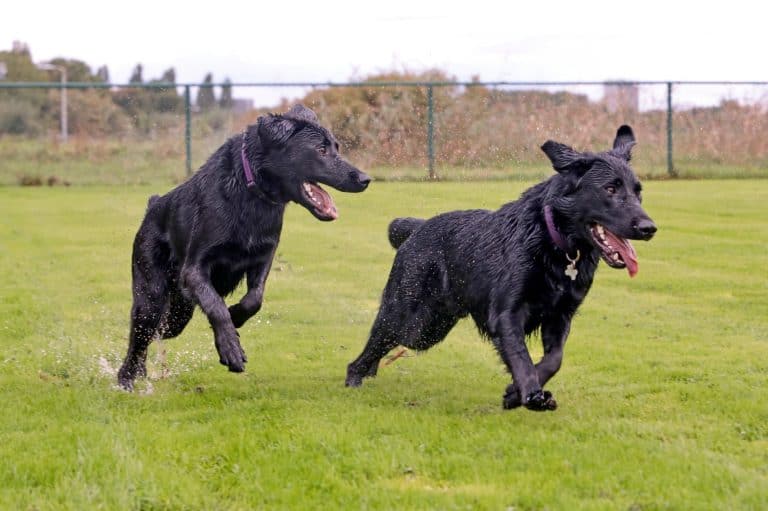
Two Shepradors running through the rain.

The Sheprador is a highly energetic dog that needs enough space to run and play.

Temperament

The German Sheprador has a protective, alert, and fiercely loyal personality; in other words, many of the traits that make for a good watchdog. When it hears a stranger approaching the door, it will immediately alert its owner by barking. But this hybrid dog is also very friendly, affectionate, and intelligent, which makes it suitable as a family-friendly companion.

The German Sheprador needs frequent mental and physical stimulation, or else it may become bored and start engaging in destructive behavior. It does not do as well in smaller physical spaces. This makes it better suited for large houses than apartment living. Since the German Sheprador tends to chew, it is always a good idea to have a steady supply of toys around to give it something to do. Keep in mind that every dog is its own individual and might not conform to the standard behavioral template in every single way.

How to Take Care of the German Sheprador

The German Sheprador is a difficult dog to care for, so it is recommended for experienced owners who have the time and ability to take care of its needs. Starting as a puppy, the German Sheprador should have a regular physical examination at the vet to catch early health problems. If you need any help with the dog’s daily routine and care, then you should consult with your vet as well.

The Best Dog Food

Depending on its size, age, and energy level, this large, active dog needs up to 3 cups of high-quality food, preferably divided into multiple meals per day to prevent some bloating. The German Sheprador does have some tendency to gain weight, so you should not leave food out for it to munch on. If it appears to be putting on weight, then you should restrict its calorie intake. They also sometimes have allergic reactions to certain foods like chicken or beef. If this is the case, then the solution is to buy dog food specifically designed for allergy sufferers.

Maintenance and Grooming

Despite its tendency to shed, the German Sheprador only needs to be brushed a few times per week, preferably with a pin brush, comb, and deshedder. This should be combined with daily teeth brushings and frequent dental chews to keep the dog’s oral health in excellent order. You should also check the dog’s ears every day and clean them as necessary to prevent the buildup of debris and obstructions. Finally, the occasional bath once every two months should be sufficient to maintain a healthy coat. Use a gentle shampoo to prevent skin irritation and damage to the coat.

Training

This dog needs to be socialized from an early age and taught how to interact with other dogs, children, and strangers. Fortunately, the Sheprador should be very easy to train. It responds well to human commands and learns quickly. If you plan to use the crate frequently to transport your dog, then crate and kennel training should likely be part of its routine as a puppy as well. If you need help with any aspect of its training, consider finding a professional in your area.

Exercise

The German Sheprador is a very high-energy dog that will need at least 1 to 2 hours of exercise every single day. It is recommended that you have a large yard, dog park, or other wide open space nearby in which it can run around, play, and burn off excess energy. This dog will also enjoy a long walk or jog with its owner. Swimming is another great option if you have a pool or lake around your home.

Puppies

Sheprador puppy at 5 months old.

Sheprador puppy at 5 months old. These puppies can take up to two years to fully develop.

When you’ve finally decided that you want to bring home a German Sheprador, the most important step is to find an appropriate breeder. It’s worth the extra effort to do your homework and find a high-quality breeder in your area that tends to breed healthy puppies from the best stock. As an alternative to a breeder, you might also want to consider trying to find a rescue group that carries this mix. After bringing it home, the German Sheprador may take up to two years to properly grow and develop. In that time, it is a good idea not to let your dog run or play on hard surfaces, at least until its joints are fully developed.

German Shepradors and Children

The German Sheprador is a good family pet and should get along very well with children; though this dog will behave best if it’s been trained and socialized from an early age. Its large size and high energy could be intimidating to smaller children, so you should not leave them alone together in the same room without an adult present.

Dogs Similar to the German Shepradors

The German Sheprador bears many strong similarities with other retriever and work dogs, whether purebreds or hybrids. Apart from its two parent breeds, the Labrador Retriever and German Shepherd, it is most similar to the following types of dogs:

  • Golden Retriever: Sporting a lustrous yellow coat, the Golden Retriever combines a strong and intelligent bearing with a real lust for adventure. As a very faithful companion, it makes for a great family dog that almost anyone can enjoy.
  • Golden Shepherd: Bred from a cross between the German Shepherd and Golden Retriever, the Golden Shepherd is both affectionate and protective toward the entire family and young children in particular. It is highly athletic and also very easy to train.
  • Siberian Shepherd: This cross between a German Shepherd and a Siberian Husky is a loyal and hard-working dog that aims to please its owner, but its sheer size and physical needs may make it challenging for first-time owners or single households.
View all 261 animals that start with G

Sources

  1. Wagwalking / Accessed March 26, 2021
  2. Petguide / Accessed March 26, 2021
Ashley Haugen

About the Author

Ashley Haugen

Ashley Haugen is the editor of A-Z Animals. She's a lifelong animal lover with an affinity for dogs, cows and chickens. When she's not immersed in A-Z-Animals.com (her favorite editorial job of her 25-year career), she can be found on the hiking trails of Middle Tennessee or hanging out with her family, both human and furry.
Connect:

Thank you for reading! Have some feedback for us?


German Sheprador FAQs (Frequently Asked Questions)

The German Sheprador is a cross between a German Shepherd and a Labrador Retriever. Sporting a dense black, tan, and/or reddish-brown fur, this is a very intelligent and athletic dog that forms a deep bond with its owner.