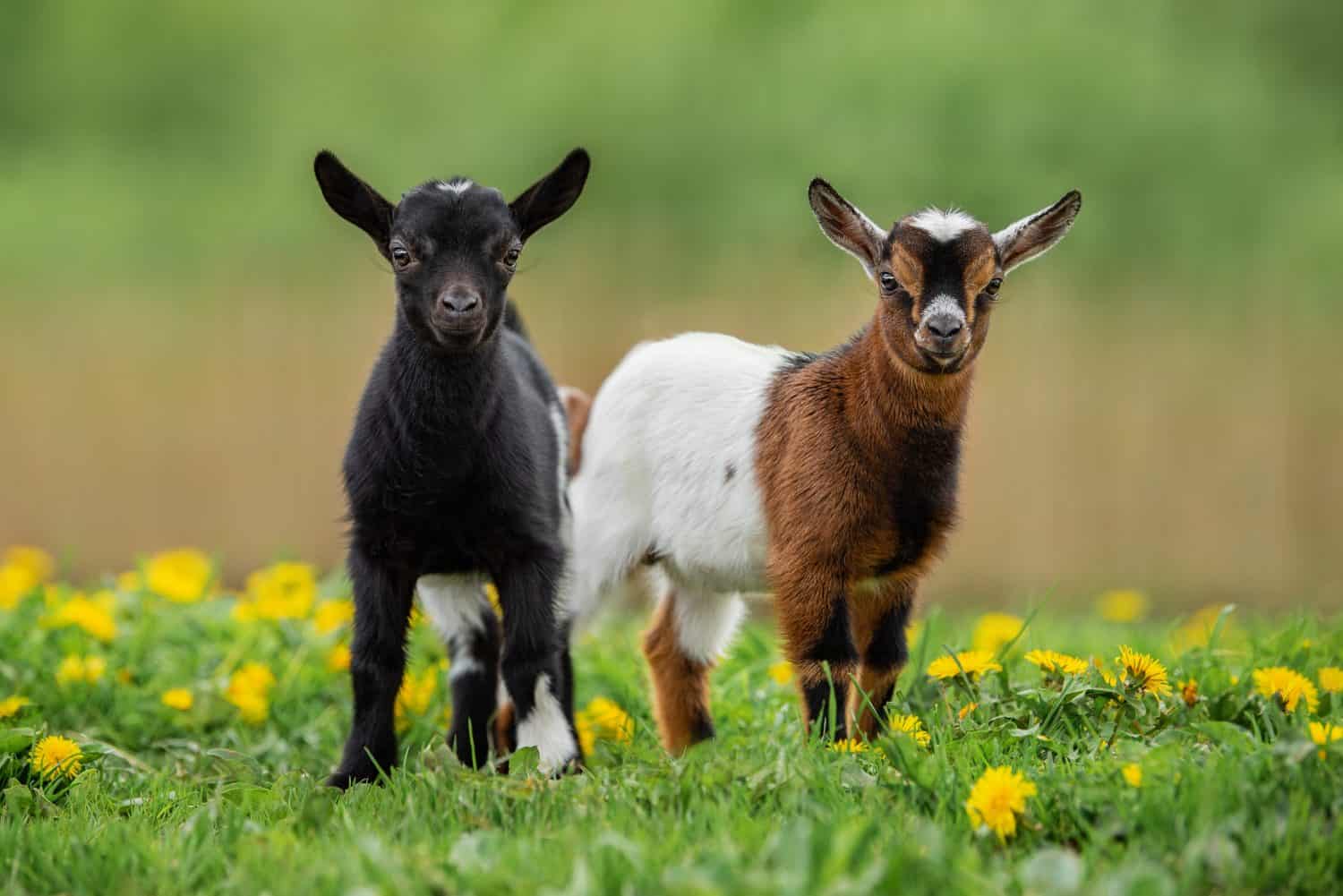

There are over 200 recognized breeds of domesticated goats in the world. Each breed has unique characteristics that determine whether they are used for milk, meat, fiber, or as companion animals. But aside from reproductive organs, what characteristics distinguish males from females? Keep reading to find out what sets male and female goats apart.
Comparing Male and Female Goats
| Male Goats | Female Goats | |
|---|---|---|
| Physical Appearance | Larger and stockier than females; thicker horns; may have more pronounced beard | Smaller with a more slender frame; may have thinner horns or no horns; less pronounced facial hair |
| Behavior | Loud, aggressive, and odorous; may urinate on legs and face; lean forward to urinate; wethers are friendlier and more affectionate toward humans | Less aggressive; establish strong bonds with their kids; increased activity and vocalizing during rut; squat while urinating |
| Sex-Related Health Concerns | Urinary calculi and Clostridium tetani infections | Primarily related to pregnancy and childbirth |
| Role in the Herd or on the Farm | Protect the herd from predators; breed with females; dominant bucks establish order; wethers assist in herd management and make good pets | Breed with bucks to produce kids and milk; dominant doe leads herd to best grazing areas; non-breeding does make good pets |
Naming Conventions for Goats
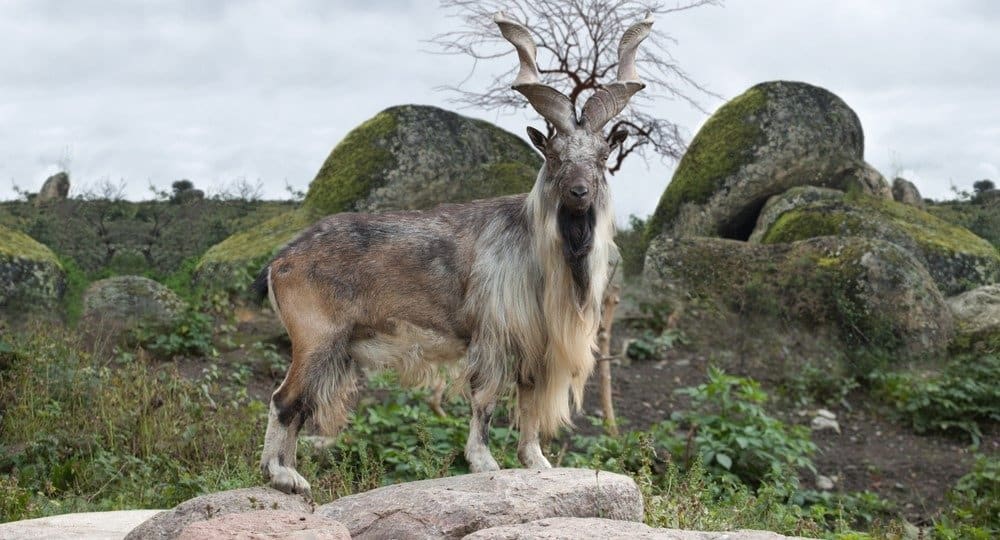
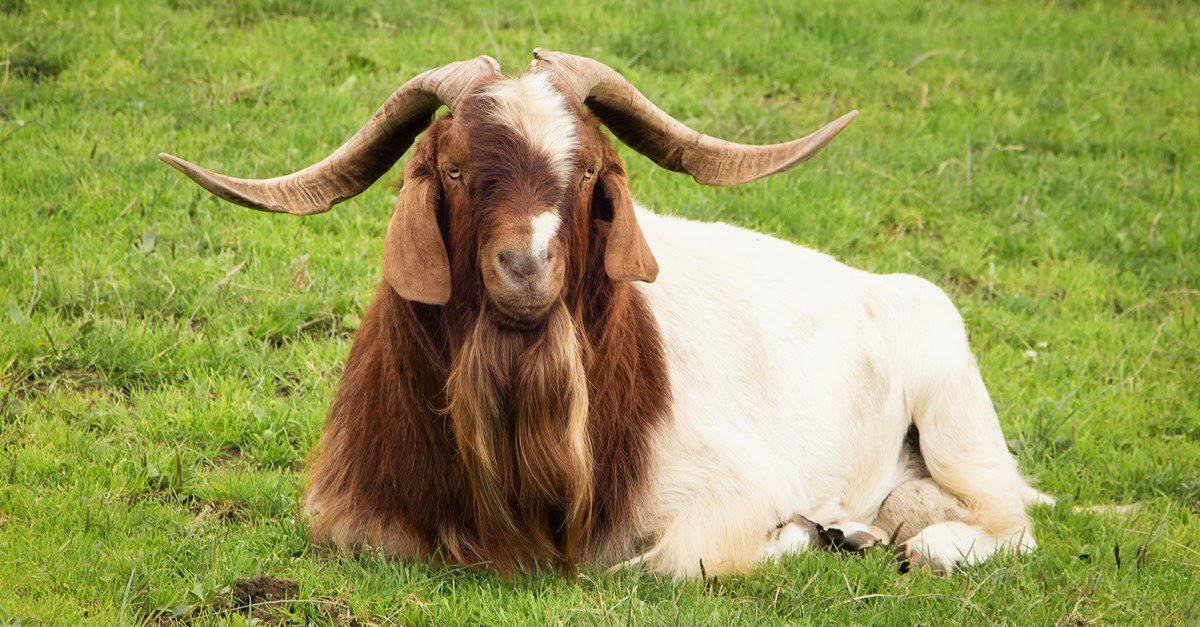
Male goats are larger and have more prominent horns than female goats.
©Igor Boldyrev/Shutterstock.com
Before we discuss the differences between male and female goats, it is important to note the names for males and females of different ages and reproductive statuses. Adult male goats that are still intact are called bucks or billies. The term for a castrated male goat is wether. Immature male goats are bucklings. Male goats typically reach sexual maturity at 4-6 months of age, although this can vary by breed.
Female goats are called does, like female deer, before they have their first pregnancy. They are referred to as nannies after their first pregnancy. Young female goats that have not reached maturity are called doelings. Female goats usually reach sexual maturity between 6 and 9 months of age, though this can vary depending on breed and management.
The Key Differences Between Male and Female Goats
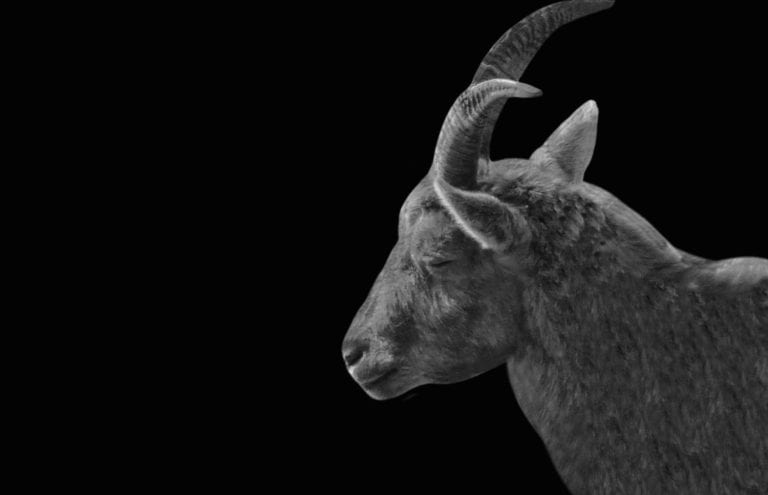
Depending on the breed, male and female goats can appear similar. In some breeds, such as mountain goats, it can be difficult to tell the males and females apart. While there are generally some differences in physical appearance, males and females also differ in behavior, sex-related health concerns, and in their roles in the herd and on the farm. Take an in-depth look at each of these differences below.
Physical Appearance
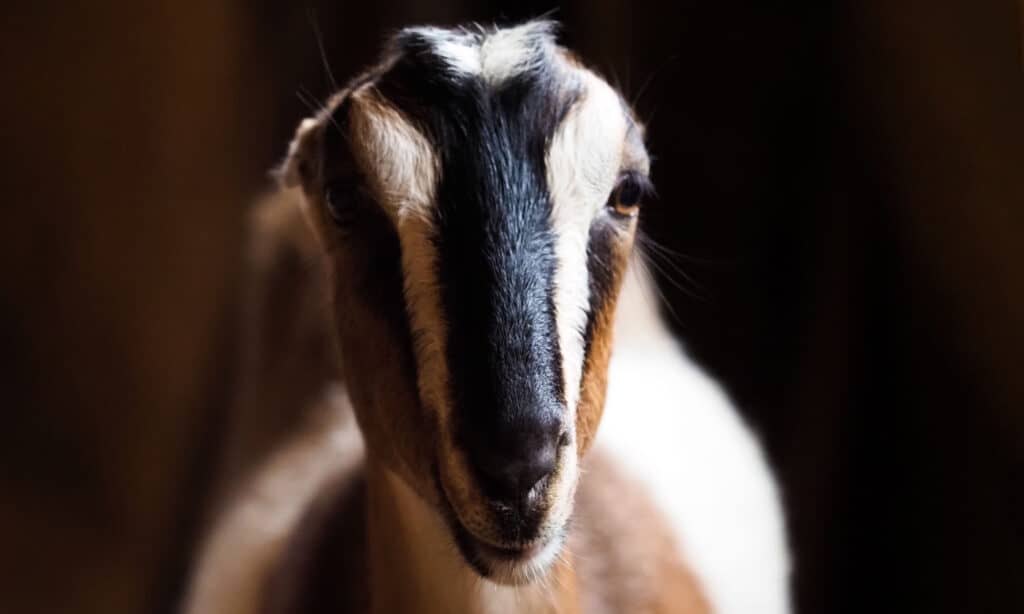
Female goats are smaller and more slender than male goats.
©ANGHI/Shutterstock.com
Male goats are typically larger and stockier than females, but the degree of sexual dimorphism varies by breed. For example, a male pygmy goat weighs between 60-86 pounds, while a female weighs 53-75 pounds. However, a male mountain can reach up to 40% larger than a female mountain goat. A male mountain goat can weigh over 300 pounds, while a female mountain goat can only weigh up to 180 pounds. Male goats also generally grow longer beards and longer, thicker horns. Their horns often have a narrower base and more gradual curvature, but patterns vary by breed. Males use their horns when battling other goats for dominance and to protect the herd from threats.
Female goats are smaller and more slender than male goats. They have horns like males unless they are a breed that is typically hornless. A goat that does not grow horns is called a polled goat. Female goats with horns tend to have shorter and thinner horns than males. Their horns are often set further apart at the base, and the curvature is more abrupt than that of males. Females use their horns in defense and to establish dominance in the herd.
Behavior
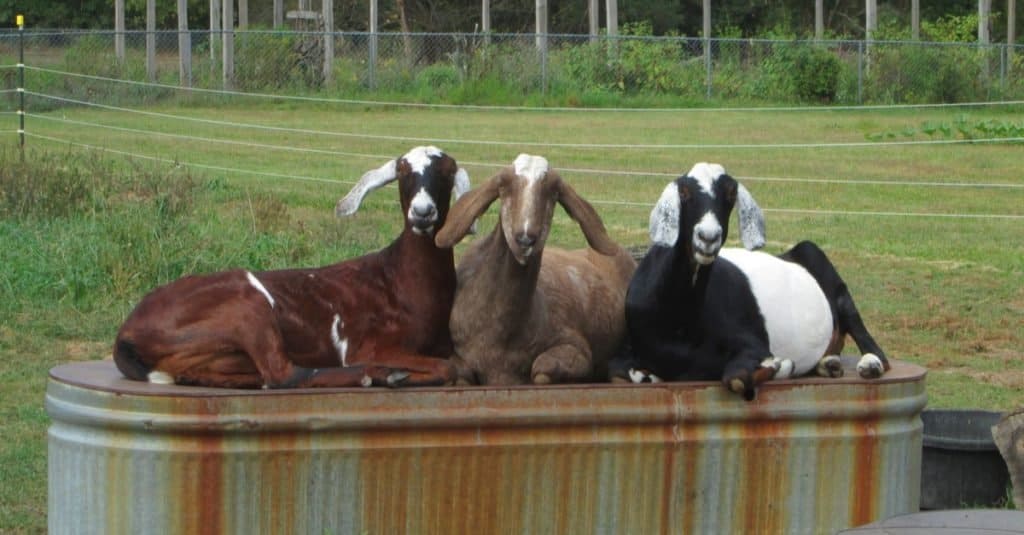
Female goats are less likely to fight than males.
©Bailey Davenport/Shutterstock.com
Bucks are more antagonistic than females and do not typically care to be petted or touched. Male goats will headbutt or attack anything or anyone they feel is threatening the rest of the herd. During the rut, bucks are loud, aggressive, and odorous. They may urinate on their legs and face because the scent attracts females. Like male horses, male goats lean forward to urinate. Wethers, or castrated males, are highly social. They are less likely to fight and are friendlier and more affectionate toward humans.
Females and nannies are also typically less aggressive than the bucks. However, when they are in the estrous cycle, the females can be more assertive. They exhibit increased activity and vocalization during the rut. Unlike the males, females squat while urinating. After they give birth, the nannies establish strong bonds with their kids. The females are also more affectionate with the other goats and with humans. Hormonal differences make female goats easier to train than male goats. Female goats are more content in their pens and pastures and are less likely to try to escape from an enclosure.
Sex-Related Health Concerns
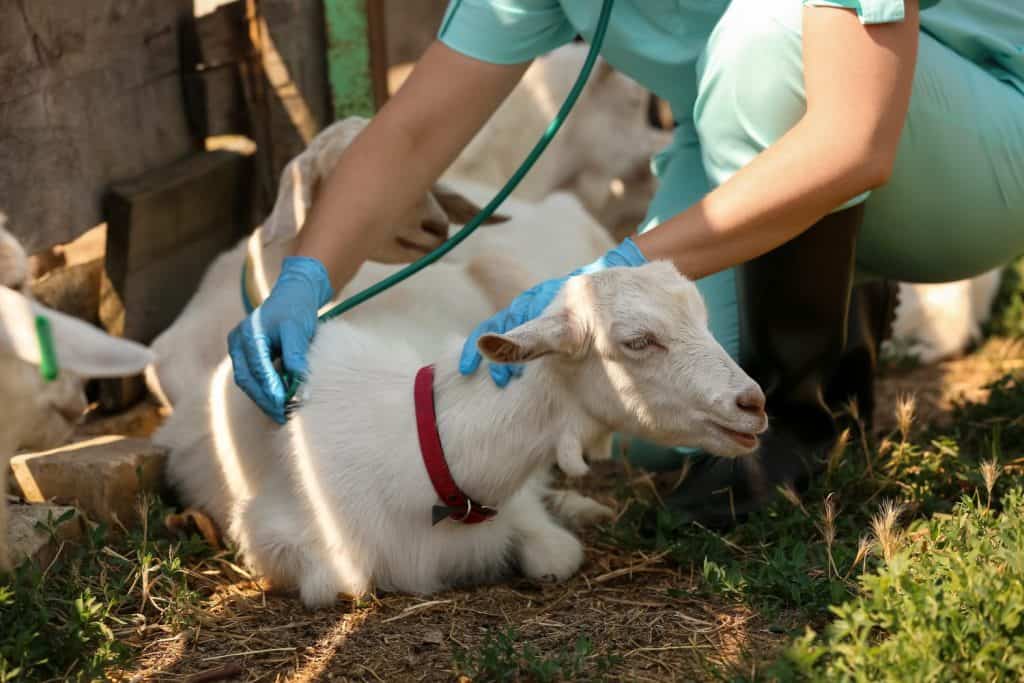
Female health issues that do not affect males are primarily related to pregnancy and childbirth.
©Pixel-Shot/Shutterstock.com
The health concerns for male goats that differ from female goats are urinary calculi and Clostridium tetani infections. Urinary calculi are caused by kidney stones forming and blocking the goat’s urethra. This condition can be fatal if not corrected. Male goats that consume too much grain often suffer from this urinary condition. Clostridium tetani infections can happen to males or females if they have suffered a wound, but the most frequent cause of this condition is castration in males. To protect goats from infections, owners vaccinate them before they are castrated.
Female health issues that do not affect males are primarily related to pregnancy and childbirth. Mastitis, pregnancy toxemia, and uterine prolapse are the three main health concerns that do not affect males. Keeping the goat udders clean will help prevent mastitis. Prevention also includes milking the nanny to relieve swollen udders. Proper nutrition and housing will lower the chances of pregnancy-related toxemia. Breeding the doe to the proper size buck so that she does not carry large kids will reduce the possibility of uterine prolapse.
Role in the Herd or on the Farm
Dominant bucks establish order in the herd.
©honzik7/Shutterstock.com
A buck’s role is to protect the herd from predators and to breed with females. Dominant bucks, also sometimes referred to as “top bucks,” establish order in the herd. Wethers also assist with herd management. Their calmer demeanor helps keep the peace and maintain a more harmonious herd dynamic. Wethers may also be used for wool production. They do not expend energy on breeding, which is said to result in higher quality fleece. Male goats do not make the best pets unless they are wethers. The hormones present in an intact male goat cause excessive aggression and violent behavior. Their pungent odor also makes bucks unpleasant companions.
Female goats breed with bucks to produce kids and, consequently, milk. The dominant doe, also called the “flock queen,” leads the herd to best grazing areas. Both nanny goats and does can make good pets. They are calmer, more affectionate, and more social animals. They are also not as vocal as male goats. Another reason does make good companions is that you do not have to be concerned with breeding or milking, as female goats can only produce milk after breeding.