G
Species Profile

Gollie

Canis lupus familiaris

Two working legends, one loyal sidekick
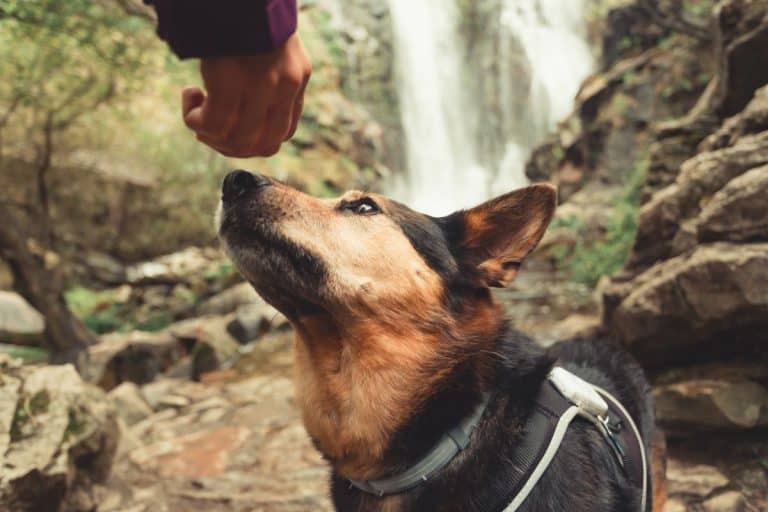
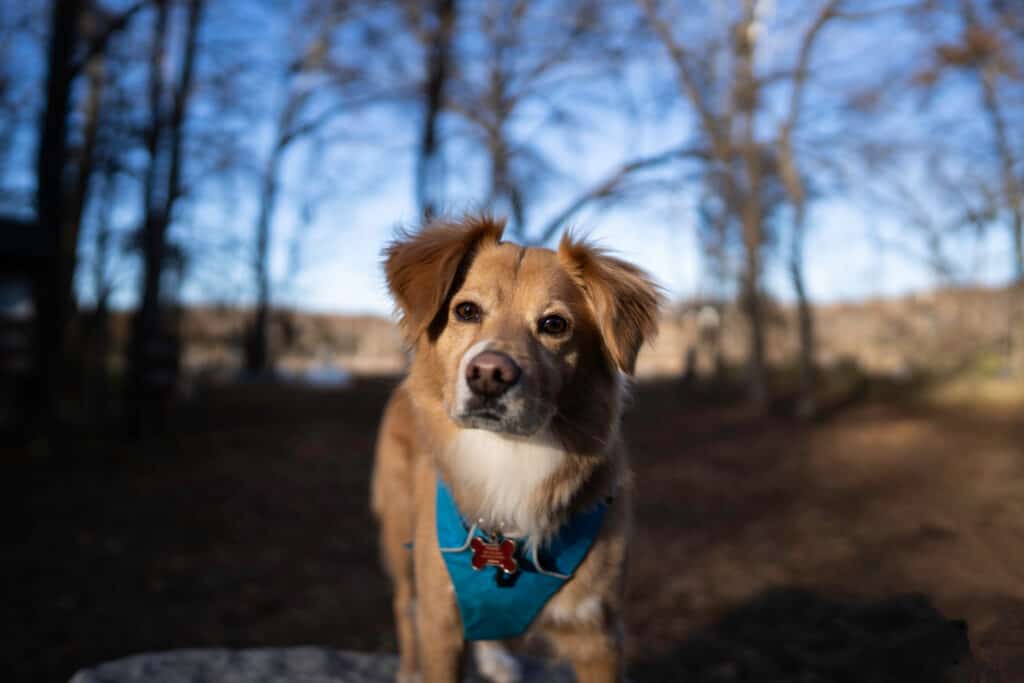
Mhughes Photography/Shutterstock.com

Gollie Distribution

Domesticated Species

Found Worldwide

Size Comparison

Human 5'8"
Gollie 1 ft 11 in

Gollie stands at 34% of average human height.

Gollie

At a Glance

Domesticated
Also Known As dog, domestic dog, canine, pooch, pup, man's best friend, doggo, mutt
Diet Omnivore
Activity Diurnal+
Lifespan 5 years
Weight 35 lbs
Status Not Evaluated
Did You Know?

"Gollie" isn't a standardized pure breed-litters can vary widely in size, coat, and temperament.

Scientific Classification

A “Gollie” is a non-standard (not formally recognized) mixed-breed domestic dog, usually combining Golden Retriever traits (friendly, biddable, retriever build) with Collie-type traits (athleticism, herding tendency, high trainability).

Kingdom
Animalia
Phylum
Chordata
Class
Mammalia
Order
Carnivora
Family
Canidae
Genus
Canis
Species
Canis lupus familiaris

Distinguishing Features

  • Medium to large-sized dog; athletic build
  • Coat often medium-length; may be straight/wavy with feathering; commonly golden, black-and-white, or mixed patterns depending on Collie type
  • High intelligence and trainability; often energetic and needs regular exercise and mental stimulation
  • May show herding behaviors (especially if Border Collie lineage) alongside retriever-like sociability

Physical Measurements

Males and females differ in size

Height
2 ft (1 ft 10 in – 2 ft 2 in)
1 ft 9 in (1 ft 7 in – 1 ft 12 in)
Length
4 ft 1 in (3 ft 7 in – 4 ft 7 in)
3 ft 1 in (2 ft 6 in – 3 ft 7 in)
Weight
66 lbs (51 lbs – 79 lbs)
55 lbs (40 lbs – 71 lbs)
Tail Length
1 ft 3 in (12 in – 1 ft 6 in)
1 ft 2 in (12 in – 1 ft 5 in)
Top Speed
31 mph
Short burst speed, varies

Appearance

Primary Colors
Secondary Colors
Skin Type Canis lupus familiaris skin is usually covered by a medium-to-long, often double coat (thick undercoat with longer topcoat). Dogs shed seasonally; some get allergies or hot spots needing gentle grooming and parasite care.
Distinctive Features
  • Non-standard mixed-breed ("designer cross") rather than an officially standardized kennel-club breed; appearance and temperament can vary significantly even within the same litter.
  • Parent-breed blend: Golden Retriever influence often contributes a broader retriever build, friendly/biddable demeanor, and feathered coat; Collie-type (often Border Collie) influence often adds a more athletic outline, intense focus, and herding tendency.
  • Size commonly medium to large with an athletic, endurance-oriented frame; chest depth and leg length vary from retriever-sturdy to collie-lithe.
  • Coat commonly medium-long with feathering (tail, rear legs, chest); can range from straight to slightly wavy; heavy shedding is common, especially during seasonal "blow."
  • Head and ears are variable: may have a retriever-like broader muzzle or a narrower collie-like muzzle; ears can be fully floppy, semi-erect, or erect depending on genetics.
  • Behavioral tendencies often split between retrieving instincts (carrying/bringing items, soft mouth) and herding behaviors (stalking, circling, heel-nipping), requiring early training and appropriate outlets.
  • Care requirements: typically needs high daily exercise plus mental work (training, scent games, fetch, agility/herding-style games); without this, may develop nuisance behaviors (barking, chewing, pacing).
  • Grooming needs: brushing several times weekly to prevent matting in feathered areas; routine de-shedding during seasonal coat changes; regular ear checks/cleaning especially in drop-eared individuals.
  • Health risks (vary by parent lines): hip and elbow dysplasia, cruciate tears in active dogs, progressive retinal atrophy, Collie Eye Anomaly in collie lines, some epilepsy, skin allergies/hot spots, and weight gain if less active.
  • Lifestyle fit: generally people-oriented and highly trainable but can be sensitive to harsh handling; benefits from positive reinforcement, clear structure, and early socialization to manage intensity and herding drive.

Sexual Dimorphism

As in most domestic dogs, sex-related differences are usually mild to moderate and are less predictable in a mixed-breed. Males often trend larger/heavier with more head breadth; females often appear slightly finer-boned.

  • Often slightly taller/heavier with broader chest and head
  • May carry more neck/shoulder mass, giving a stockier outline in retriever-leaning individuals
  • Often slightly lighter and more refined in head and bone
  • May appear more leggy/streamlined in collie-leaning individuals

Did You Know?

"Gollie" isn't a standardized pure breed-litters can vary widely in size, coat, and temperament.

Many Gollies blend two working histories: retrievers bred to carry game gently and collies bred to control livestock with precision.

Some inherit a "soft mouth" (careful carrying) from Golden Retriever lines-handy for fetch and canine sports.

Herding and retrieving drives can show up together: a dog that fetches nonstop may also try to "organize" kids or other pets.

Coats range from Golden-like feathering to Collie-like longer coats; colors often include gold, sable, black/white, or tricolor influences.

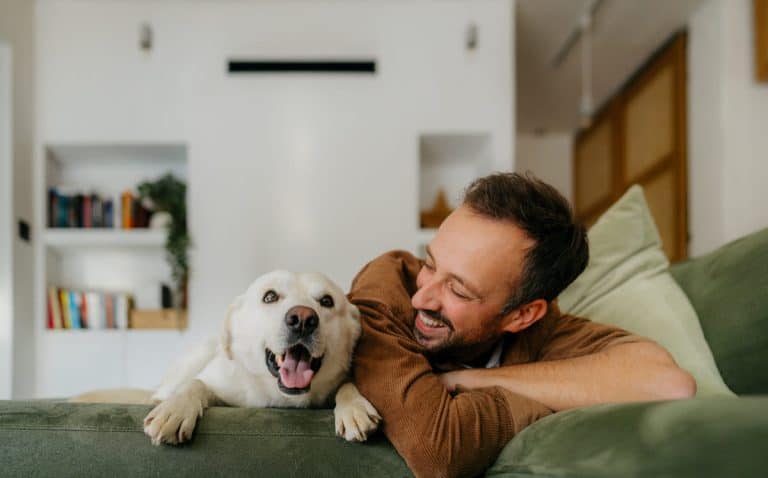
They're often described as "velcro dogs" because they bond strongly and prefer being near their people.

High trainability means they can excel at obedience, agility, rally, scent work, and therapy work-if their exercise needs are met.

Unique Adaptations

  • Domestic-dog specialty vs the wild base species (gray wolf): heightened ability to read human cues (pointing, gaze) and to cooperate with people for rewards.
  • Potential hybrid of two task styles: retriever-style carrying and collie-style directional control-useful for complex training sequences and sports.
  • Coat versatility: often a double coat with varying length that can insulate in cool weather, but requires regular brushing to prevent mats.
  • Biddability and "train-to-work" attitude: many respond strongly to praise and structured tasks, reflecting both parent breeds' working selection.
  • Athletic efficiency: collie-type agility plus retriever endurance can produce a dog suited to long walks, hikes, and active families.

Interesting Behaviors

  • Switching between "fetch mode" and "herd mode": retrieving toys, then circling or gently body-blocking to guide movement.
  • Intense focus and "checking in": frequent eye contact with handlers, common in collie-type dogs selected for responsiveness.
  • Shadowing favorite humans room-to-room; many show strong social attachment and may dislike being left alone too long.
  • "Gathering" behavior: bringing objects (toys, shoes) to a person, sometimes as a social invitation rather than play.
  • Sensitivity to motion: quick reactions to bicycles, runners, or bouncing balls-funneled best into structured games and training.
  • Problem-solving with persistence: pawing, nosing, or trying alternate strategies to access treats/puzzles-great for enrichment, risky for mischief if bored.

Cultural Significance

Domestic dogs (Canis lupus familiaris) are one of the first animals people tamed. They help hunt, herd, guard, and pull loads. As pets and service or therapy animals, they also appear in religion, stories, and art, showing loyalty and protection.

Myths & Legends

A long-told Golden Retriever origin tale claims the breed began with "Russian circus dogs" bought from a traveling show-an enduring story that added mystique to the Golden's early history.

Collies entered popular imagination through heroic herding-dog stories and later the cultural legend of "Lassie," shaping the collie as a symbol of loyalty and child-saving intuition.

Scottish sporting estates helped build the Golden Retriever's reputation in anecdotes of exceptional gundogs faithfully returning birds across moor and marsh-stories that cemented the Golden as the ideal companion for gamekeepers.

Border Collie tradition often circles around the famed working dog "Old Hemp," celebrated in herding lore as a foundational figure whose style influenced generations of sheepdogs.

In some rural British and Irish folk beliefs about farm dogs, a keen-eyed collie-type guardian was thought to "know" when storms or trouble were coming-an old superstition tied to dogs' sensitivity and watchfulness.

Conservation Status

NE Not Evaluated

Has not yet been evaluated against the criteria.

Population Stable

Life Cycle

Birth 7 pups
Lifespan 5 years

Lifespan

In the Wild
2–12 years
In Captivity
10–15 years

Reproduction

Mating System Polygyny
Social Structure Managed Domestic
Breeding Pattern Serial
Fertilization Managed Selective
Birth Type Internal_fertilization

Canis lupus familiaris (domestic dog) — Gollie: mating is people-managed with temporary pairings. Owners plan matings; one stud may sire many litters (polygyny). No long term pair bonds or regular cooperative breeding.

Behavior & Ecology

Social Pack Group: 4
Activity Diurnal, Crepuscular, Cathemeral
Diet Omnivore Meat-forward meals (especially poultry or beef) with high-value fat/protein aromas.

Temperament

Friendly, highly affiliative, and handler-focused (Golden Retriever influence), often seeking social contact and cooperative play; typically less wary than wolf-derived baseline canids.
Biddable and trainable with strong reinforcement sensitivity; many Gollies thrive on structured work (retrieving games, obedience, agility) and can develop nuisance behaviors (jumping, mouthing, demand barking) if attention-seeking is accidentally reinforced.
Herding-leaning behavioral motifs (Collie-type): attentive to movement, may chase/circle/jog alongside runners/bikes, may 'gather' family members; requires impulse-control training and safe outlets (fetch, scent work, controlled herding-style games).
Generally sociable with dogs and strangers when socialized early; can show alertness and vocal reactivity (barking at novel sights/sounds) more than many retriever-only mixes, especially without adequate mental enrichment.
May have hip or elbow dysplasia and arthritis, bloat risk in deep-chested lines, skin allergies, and Collie-type eye issues; possible MDR1 medication sensitivity. Needs daily exercise, calm training, and regular grooming.

Communication

bark Alert, excitement, demand, frustration
whine/whimper Appeasement, attention-seeking, discomfort
growl Boundary-setting, play growl, resource guarding warning
howl Rare/variable; social facilitation or response to sirens
grunt/sigh Contentment or mild frustration
body posture and facial expressions Soft vs hard eye, ear carriage, hackles
tail carriage and wag patterns Broad loose wag vs high stiff wag
play bow and bouncy gait Play solicitation
licking/lip-licks and turning away Appeasement/de-escalation
pawing/nudging and bringing objects Retriever-style solicitation
mouthing Common in young dogs; managed via bite-inhibition training
scent marking Urination, ground sniffing) and pheromonal investigation (anal gland/urine cues
herding-style movement cues Circling, body-blocking, 'casting' to guide motion

Habitat

Biomes:
Temperate Forest Temperate Grassland Boreal Forest (Taiga) Tundra Alpine Mediterranean Desert Hot Desert Cold Savanna Tropical Dry Forest Tropical Rainforest Freshwater Wetland Marine +8
Terrain:
Mountainous Hilly Plateau Plains Valley Coastal Island Riverine Volcanic Karst Rocky Sandy Muddy +7
Elevation: Up to 16404 ft 3 in

Ecological Role

Human-associated mesocarnivore/omnivore and companion animal; opportunistic predator-scavenger in anthropogenic environments.

companionship and psychosocial support deterrence of some pests/wildlife near homes (presence/predation on rodents opportunistically) working/utility potential depending on individual (retrieving, herding support, assistance tasks) indirect ecosystem impact via waste consumption/scavenging and influencing local wildlife behavior

Diet Details

Main Prey:
Small mammals Rodents Ground-nesting birds/eggs Carrion
Other Foods:
Berries and fallen fruit Grasses/greens Roots, tubers and plant scraps Human-provided plant foods

Human Interaction

Domestication Status

Domesticated

Canis lupus familiaris (domestic dog) comes from gray wolves and was shaped by humans for work and friendship. A Gollie is a mixed-breed from Golden Retriever and Collie lines, not recognized by kennel clubs. Gollies are friendly, highly trainable, active, may herd, and have medium-long coats needing regular grooming. They are often family pets and sport dogs.

Danger Level

Moderate
  • Bite risk exists for all dogs; individual temperament, socialization, pain/illness, fear, and poor management are key drivers. Gollies are often friendly, but excitement and herding instincts can lead to mouthy/nipping behavior, especially in juveniles.
  • Size/strength-related injury risk: knocking over children/elderly during play; leash-pulling injuries without training.
  • Zoonotic and health risks: parasites (roundworm/hookworm), tick-borne exposures, rabies risk if unvaccinated, bacterial infections from bites/scratches.
  • Allergy/asthma triggers from dander/saliva.
  • Behavioral nuisance risks: barking, separation distress, destructive chewing if under-exercised/under-enriched.

As a Pet

Suitable as Pet

Legality: Canis lupus familiaris is usually legal as a pet in most U.S. places. Local rules (housing, leash, nuisance, some breed laws) plus license, rabies shots, or service-dog rules may apply.

Care Level: Moderate

Purchase Cost: Up to $2,000
Lifetime Cost: $15,000 - $45,000

Economic Value

Uses:
Companionship and family pet value (quality-of-life, recreation) Professional services: therapy-dog work (volunteer/paid programs), service-dog potential in select individuals Working/sport value: obedience, agility, rally, scent work, tracking, canine fitness Consumer spending ecosystem: veterinary care, grooming, training, boarding/daycare, insurance, food and supplies Shelter/rescue ecosystem: adoption, fostering, transport, spay/neuter programs
Products:
  • Primary 'product' is companionship and trainable behavior rather than a physical commodity
  • Paid services involving the dog: pet therapy visits (program-dependent), sport titles/competition participation, training classes
  • Downstream goods/services: vaccinations/preventives, spay/neuter, dental care, grooming (especially if longer-coated), professional training, toys/enrichment, leashes/harnesses/crates, pet insurance

The Gollie has a combination of both the Golden Retriever and the Collie. Even though the Golden Retriever and Collie’s ancestry connection took place in Scotland, surprisingly, Gollie dogs were bred in the surroundings of the USA.

The most significant part about owning a Gollie is that this hybrid breed inherited charming and attentive characteristics from its Scottish roots.

Fun Facts about the Gollie Dog

  • Gollie dogs can also be called Golden Collies.
  • The Gollie dog has a variety of colors on its fur. These colors consist of black, brown, gold, and white. Sometimes their coat can be one color or a combination of colors.
  • Depending on the genes of the Gollie’s DNA, they could inherit a small, narrow frame of the Collie or a broader, heavier build of the Retriever.
  • They bark at strangers, cars, and loud noises like airplanes.

Pros and Cons of owning a Gollie Dog

ProsCons
Gentle with children: the Gollie dog is gentle and patient, making this the perfect pet for your children.They shed a lot: their long-haired and fluffy locks are known to molt. So you will have to invest in a high-powered vacuum cleaner to keep those hairs at bay.
They are very lovable: they stay close to their owners and always seek love and attention.Requires a significant amount of exercise: because they have high bursts of energy, they need ample space to play and run around. Therefore, the Gollie dog is not suitable for tiny apartment homes.
Trained easily: Gollies are very intelligent, making them quick learners. They will abide by commands and like to show off their skills.Health issues are prone to epilepsy, hip dysplasia, and cataracts, depending on the genes inherited from the Golden Retriever and Collie’s parents.

The Best Dog Food for the Gollie Dog

The Gollie loves to eat and, at times, never knows when to stop munching. Because of this habit, they are prone to packing on extra weight. Therefore, it is vital to provide your Gollie with healthy nutrition options, as this supports a well-functioning metabolism and helps build a strong immune system. This breed can consume either dry kibble or wet food as long as there is a high amount of

  • Protein
  • Healthy fats and carbohydrates
  • Fiber
  • Minerals and vitamins

If you are unsure what food to provide your Gollie, you can get a full assessment at your local vet, who will weigh your dog and give you guidelines on how much food they should consume to prevent weight gain.

Gollie Dog Weight and Size

The Male Gollie breed is medium in size; as for the female, she will be slightly smaller. Both males and females weigh 50 to 75 pounds, and their height can range from 22 to 26 inches.

Gollie Dogs Health Issues

The Gollie breed is generally healthy, but due to it being a hybrid dog, they can experience health issues from either the Golden Retriever or the Collie. These health issues include:

These diseases typically start to show as your dog becomes older with age. If you notice signs that your dog is not feeling well or experiencing any pain, take them to the vet immediately to get examined.

Gollie Dogs Temperament

Because this breed is exceptionally loyal to its owners, at times it can become very clingy. However, with them always showing so much love and affection, you are bound to get lots of licks and slobbery kisses.

Because they get excited quickly, their behavior can be a bit boisterous. They can express themselves by barking a lot, especially when meeting a stranger. They will jump toward you to say hello, but with proper training, they will learn to be calmer and obey commands if they become too rowdy.

How to Take Care of a Gollie Dog
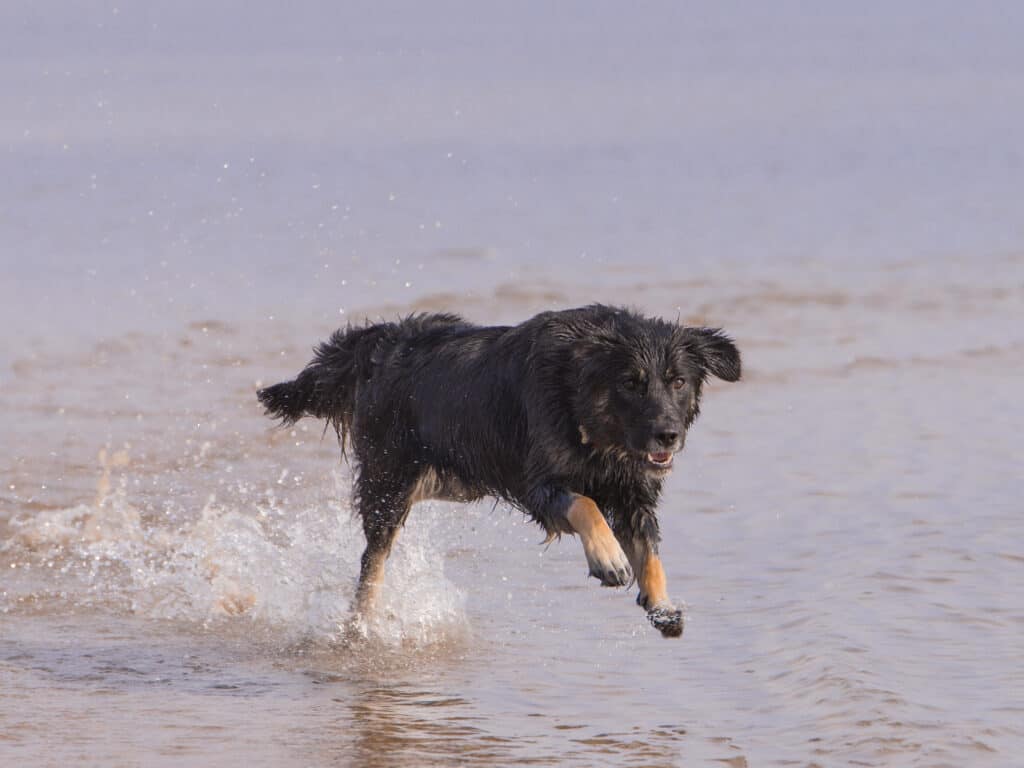
Gollie

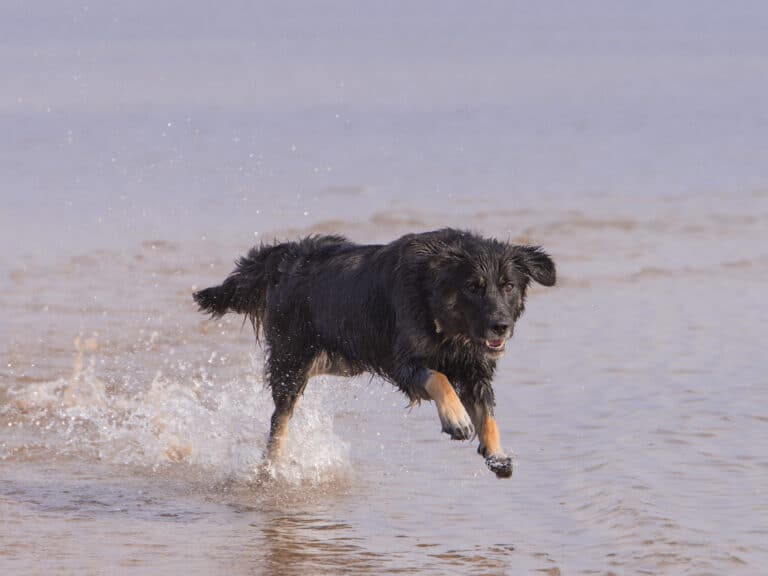
 These dogs have a variety of fur colorings consisting of a black tone with hints of tan or white markings around the paws and chest area.

The Gollie dog has a lot of energy, which is why it needs a good amount of physical exercise. These exercises can include running or playing fetch. Being outdoors keeps their body and minds stimulated and prevents them from becoming bored. In addition, they need to be fed a healthy diet and given fresh water daily.

Grooming

They require daily brushing as their fine hair will shed and stick to everything. It is best to take your Gollie to get groomed by professional groomers, who will assist your dog with a tapered trim on their coat and nails. When outdoors, their coats can get dirty. It’s advised to bathe them every 4 to 8 weeks, or as needed if they get particularly dirty, to maintain a healthy coat and skin. If you struggle to brush your dog’s teeth, instead of using toothpaste, you can give them dental treats or even vegetables such as celery and carrots, as this will rub the plaque off their teeth.

Training

The Gollie breed is very trainable as they take on commands skillfully and obediently. Training is a necessary learning experience for your dog, where it can assist in:

  • Mental stimulation
  • Preventing behavioural issues
  • Correcting social situations  

Exercise

When the Gollie dog reaches adulthood, they need 1 hour of exercise daily to keep them strong and healthy. Because they are known to get hip and elbow dysplasia, keep a close eye on their joints and bones as they age, prevent your dog from running a lot, and incorporate slow walks.

Puppies

The female Gollie breed can fall pregnant at least twice a year, and her pregnancy can last a total of 63 days which she can bear a litter of 4 to 8 puppies. When the pups are born, they will stay close to their mother, as the newborn pups can’t adjust their body temperature. When the puppies are born, they don’t have any control over their eyesight and hearing as their eyes and ears are still developing. They will start to hear and see more clearly 21 days after birth. The puppies will nurse and gain enough nutrition from their mother’s milk. As they start to grow and learn to walk, the puppies will start to explore their new world.

Gollie Dog and Children

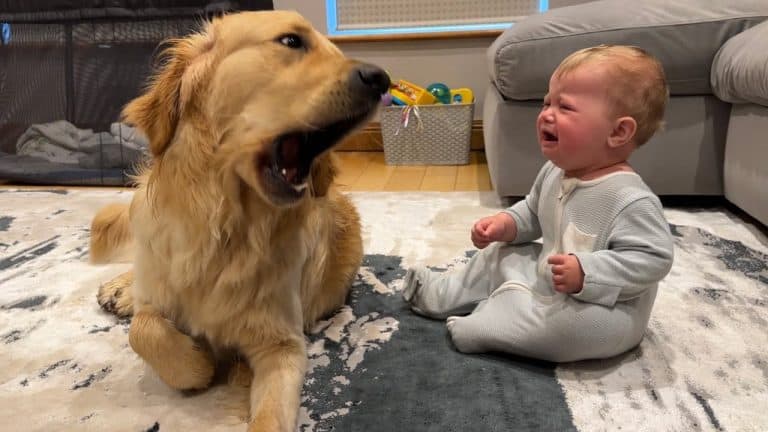
Children are known to be very unpredictable, as they can be noisy, emotional, and rough. Some dogs don’t enjoy the chaos, but as for the Gollie dog, their loving and patient nature builds beautiful bonds with children. They will definitely keep your children entertained; in fact, your child will most certainly gain a furry friend.

Dogs Similar to the Gollie Dog

The Border Collie is very Similar to the Golden Gollie. Border Collies are known to be working dogs as they were bred to assist farmers in herding sheep. Nowadays, they make dedicated service dogs that assist police officers in finding bombs and narcotics.

 Their intelligence and hard-working skills really make for a skillful and obedient dog. They do make the perfect fit for a family that can give them a big space of land to run and explore the outdoors, and of course, a comfy, warm bed. Bear in mind that if you do have younger children in the household, the Border Collie can push and be a bit rough as they still tend to herd, but with guiding and teaching them proper training techniques, they can become more gentle.

View all 261 animals that start with G

Sources

  1. Dogbreed / Accessed October 13, 2022
  2. wagwalking / Accessed October 13, 2022
  3. petkeen / Accessed October 13, 2022
Kayeleen Parsons

About the Author

Kayeleen Parsons

Kayeleen Parsons is a writer at A-Z Animals that thoroughly enjoys writing about animals of all types. She has a love for many animals, but her Cocker Spaniel dog holds a special place in her heart. In addition to being a writer, she's also an English teacher, sharing her knowledge to help her students become excellent in the language and literature. When she's not busy writing, Kayeleen enjoys reading and spending quality time with her family in her homeland of Cape Town.

Thank you for reading! Have some feedback for us?


Gollie FAQs (Frequently Asked Questions)

Yes, they are intelligent, and hard-working skills really make for a skillful and obedient dog.