



H
Species Profile

Havapoo

Canis lupus familiaris

Small dog, big charm, smart curls
Tryon Pics/Shutterstock.com

Havapoo Distribution

Click a location to explore more animals from that region

Origin Location

This map shows the native origin of the Havapoo. As a domesticated species, they are now found worldwide.

Loading map...

Size Comparison

Human 5'8"
Havapoo 11 in

Havapoo stands at 16% of average human height.

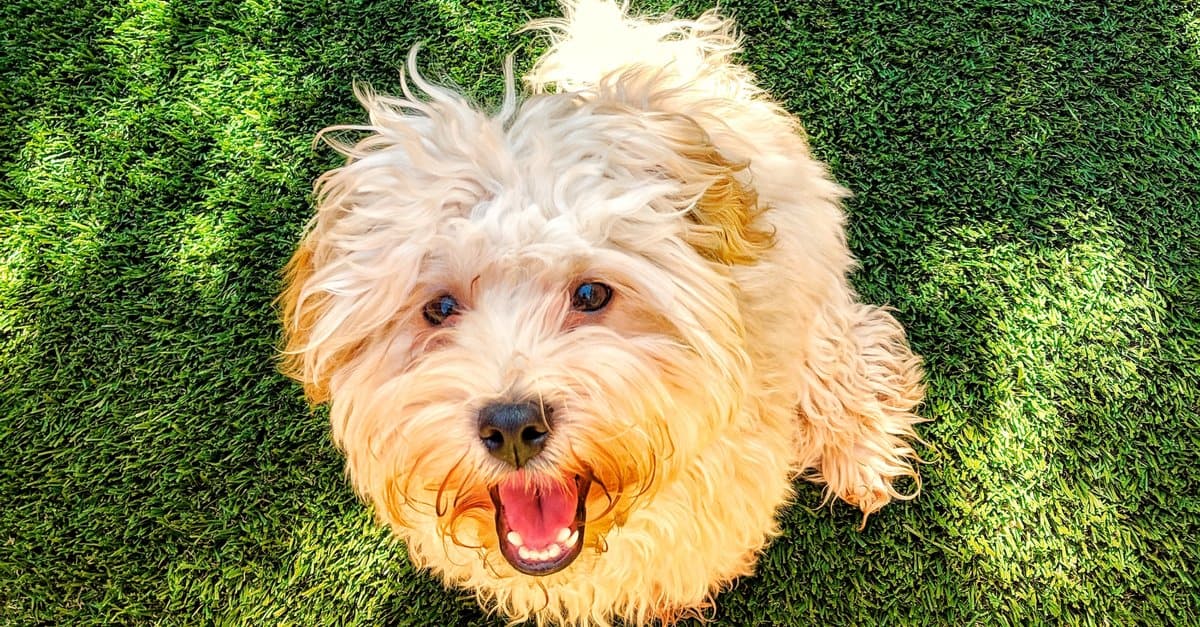
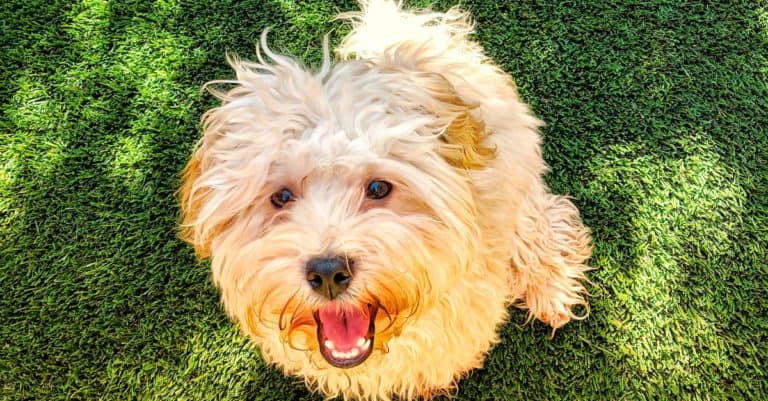
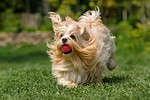
Havapoo dog standing in the grass

At a Glance

Domesticated
Also Known As Hava-poo, Hava Poo, HavaPoo
Diet Omnivore
Activity Diurnal+
Lifespan 5 years
Weight 10 lbs
Status Not Evaluated
Did You Know?

Havapoo isn't a separate species-it's a designer hybrid within the domestic dog (Canis lupus familiaris).

Scientific Classification

A small companion dog type produced by crossing a Havanese with a Poodle (commonly Toy or Miniature). Marketed for a sociable temperament and a low-shedding, often wavy/curly coat, though traits vary by individual and generation (F1, F1B, etc.).

Kingdom
Animalia
Phylum
Chordata
Class
Mammalia
Order
Carnivora
Family
Canidae
Genus
Canis
Species
Canis lupus familiaris

Distinguishing Features

  • Hybrid of Havanese × Poodle (often Toy/Mini Poodle)
  • Typically small size; adult size varies with the Poodle parent
  • Coat often wavy to curly, potentially low-shedding (not guaranteed)
  • Companion-oriented temperament; traits vary widely among individuals

Physical Measurements

Males and females differ in size

Height
♂ 12 in (9 in – 1 ft 3 in)
♀ 11 in (8 in – 1 ft 2 in)
Length
♀ 1 ft 7 in (1 ft 2 in – 1 ft 11 in)
Weight
♂ 13 lbs (8 lbs – 20 lbs)
♀ 12 lbs (7 lbs – 18 lbs)
Tail Length
♂ 6 in (5 in – 8 in)
♀ 6 in (4 in – 7 in)
Top Speed
19 mph
About 25–32 km/h

Appearance

Primary Colors
Secondary Colors
Skin Type Typical domestic-dog skin with a single coat or low-shedding coat overlaying normal canine skin; some lines show sensitivity/atopy-prone skin (itching, recurrent ear/skin infections), especially when dense curls trap moisture if grooming/drying is insufficient.
Distinctive Features
  • Designer dog hybrid (Havanese × Poodle), not a separate taxonomic species; taxonomy remains Canis lupus familiaris (domestic dog).
  • Small companion build; size and proportions vary with Poodle variety (Toy vs Miniature) and generation (F1, F1B, etc.).
  • Coat often wavy to curly with a soft texture; shedding is commonly reduced compared with many dogs but not guaranteed, and allergen levels vary by individual (avoid promising 'hypoallergenic').
  • Feathering on ears, legs, and tail is common; tail may be plumed and carried over the back (Havanese influence).
  • Face often shows a teddy-bear look: rounded skull, shorter muzzle than many Poodles (variable), expressive eyes; tear staining can be noticeable on lighter coats.
  • Care requirements: frequent brushing/combing to prevent mats (especially in curlier F1B types); routine professional grooming often needed; regular ear cleaning/drying because drop ears and dense coat can predispose to otitis.
  • Common health issues from both parent breeds: patellar luxation (small-dog risk), dental crowding and gum disease (needs regular tooth brushing), ear infections, allergies, and inherited eye or bone/joint problems (e.g., Legg-Calvé-Perthes, Poodle-linked).
  • Distinguishing from the broader domestic dog: intentionally selected for small size, sociable companion temperament, and a coat that is often low-shedding/curly compared with the wide coat and body-type range typical of C. l. familiaris overall.

Sexual Dimorphism

Sexual dimorphism is subtle, typical of small companion dogs; differences are more about average size and head/body robustness than coat pattern.

♂
  • Often slightly larger/heavier on average; may look a bit more robust through the chest and head.
♀
  • Often slightly smaller/finer-boned on average; overall appearance differences are modest and can be overshadowed by individual variation and generation (F1 vs F1B) and Poodle size (Toy vs Miniature).

Did You Know?

Havapoo isn't a separate species-it's a designer hybrid within the domestic dog (Canis lupus familiaris).

Coat and allergy-friendliness vary by generation: F1 (50/50) vs F1B (often more Poodle-like) can change curl and shedding.

Size can differ noticeably depending on whether the Poodle parent is Toy or Miniature.

Many inherit the Poodle's "low-shedding" coat tendency, but no dog is truly hypoallergenic-dander and saliva still matter.

Both parent breeds were historically companion-forward, so Havapoos often thrive on human interaction and routine.

They're frequently quick learners due to Poodle-derived trainability combined with Havanese attentiveness.

Unique Adaptations

  • Companion-specialist selection: like many small breeds, the Havapoo is primarily shaped for human cohabitation-sociability, tractability, and tolerance of indoor living.
  • Coat diversity from mixed ancestry: can range from silky-wavy (Havanese-like) to tighter curls (Poodle-like), influencing shedding, matting risk, and grooming frequency.
  • Potentially reduced loose-hair shedding (in some individuals): more hair may be retained in the coat, which can lower visible shedding but increases mat formation risk without brushing.
  • High trainability potential: Poodle lineage often supports rapid cue learning and responsiveness to positive reinforcement.
  • Small-body agility: compact size and relatively light build can suit indoor games, trick training, and short agility-style activities (with safe jumps and surfaces).

Interesting Behaviors

  • "Velcro-dog" shadowing: often follows favorite people room-to-room and seeks lap time.
  • Social greeting bias: many show high affiliative behavior with familiar humans and can be enthusiastic with visitors.
  • Play-rest cycling: bursts of toy play or zoomies followed by cuddling; common in small companion lines.
  • Alert barking: may vocalize at door sounds or new stimuli-especially if under-exercised or under-socialized.
  • Problem-solving and "working for food": many enjoy puzzle feeders, scent games, and shaping/clicker training.
  • Separation sensitivity: can show stress behaviors (whining, pacing, destructive chewing) if left alone too long without gradual training.
  • Grooming-related behaviors: pawing at face/ears or rubbing after meals can be more noticeable in longer-coated individuals.

Cultural Significance

Havapoos are designer dog crosses made mainly for friendly nature and low-shedding coats. They sit between purebred tradition and pet market demand, showing how Canis lupus familiaris was shaped by humans to be social, ready for indoor life, and good at working with people.

Myths & Legends

In Cuba, the Havanese (ancestor line for Havapoos) was long romanticized as the "lapdog of Havana," kept by aristocratic families; stories describe them as cherished salon companions and treasured gifts among households.

A common Poodle origin legend says the breed came from European waterfowl hunting. Tales tell of skilled "water dogs" fetching birds from icy water, and the clip began as practical then became a court fashion.

French cultural anecdotes often portray the Poodle as a clever performer in street acts and salons-stories credit the breed with uncanny intelligence and an ability to "read" human intentions.

Companion-dog superstition across Europe held that small, watchful house dogs could warn of misfortune by sensing strangers or changes in the home-an idea frequently applied to alert toy and companion breeds in household lore.

Modern naming lore: "Havapoo" (like many -poo names) follows a contemporary tradition of blending parent-breed names to signal expected traits-sociability from the Havanese and trainability/coat tendencies from the Poodle.

Conservation Status

NE Not Evaluated

Has not yet been evaluated against the criteria.

Population Stable

Life Cycle

Birth 4 pups
Lifespan 5 years

Lifespan

In the Wild
3–12 years
In Captivity
10–14 years

Reproduction

Mating System Polygynandry
Social Structure Managed Domestic
Breeding Pattern Serial
Fertilization Managed Selective
Birth Type Internal_fertilization

Havapoos, like domestic dogs, are not obligatorily pair-bonded; when free-ranging, both sexes may mate with multiple partners (promiscuous/polygynandrous). In typical pet breeding, mating is human-managed, with selected, temporary pairings rather than long-term monogamy.

Behavior & Ecology

Social Pack Group: 3
Activity Diurnal, Crepuscular
Diet Omnivore Highly palatable, protein-forward commercial small-breed dog food (often chicken/turkey/fish-based), with occasional safe fruit/veg treats

Temperament

Highly affiliative, companion-oriented; tends to seek frequent social contact and physical closeness
Friendly and playful with familiar people; usually good with respectful children when socialized
Generally sociable with other dogs; may show cautiousness with unfamiliar dogs/people without early, positive exposure
Biddable/intelligent (often Poodle-influenced), responds well to reward-based training; can develop nuisance behaviors if under-stimulated
Moderate energy: enjoys short-to-moderate daily exercise plus interactive play; benefits from puzzle/skill training as mental enrichment
Can be sensitive/soft-tempered; harsh handling may increase fearfulness or reactivity
Prone to separation-related behaviors (vocalizing, pacing, destructiveness) if left alone abruptly or for long durations
Havapoo (Canis lupus familiaris) need frequent grooming, dental care, and ear cleaning. Mats, tooth pain, or ear infections cause discomfort, making them less patient and more irritable.
Havapoo (Canis lupus familiaris) may have patellar luxation, Legg-Calvé-Perthes, hip dysplasia, allergies, progressive retinal atrophy, cataracts, or mitral valve disease; screening and weight control help keep activity and social life normal.

Communication

Alert barking Often at novel sounds/door activity; may be more frequent without training
Excitement yips and play barks during greetings/play
Whining/whimpering to solicit attention or when distressed Including potential separation distress
Growls during resource guarding or discomfort Should be respected as a warning signal
Low, brief howls are possible but typically less common than barking in many individuals
Tail wagging with full-body wiggle during friendly approach; lowered tail/avoidance when unsure
Pawing, licking, leaning, and lap-seeking as affiliative/contact-seeking signals
Play bow, bounce, and exaggerated approach-retreat to initiate play with humans/dogs
Turning head away, lip licking, freezing, or moving behind the handler as stress/appeasement signals Important in busy social settings
Scent investigation and light marking behavior on walks Generally less intense than in many primitive/working types, but variable by sex and neuter status
Mouthing/soft nibbling during play or attention-seeking; managed with redirection and chew enrichment

Habitat

Biomes:
Temperate Grassland Mediterranean Boreal Forest (Taiga) Tundra Alpine Desert Hot Desert Cold Tropical Dry Forest Savanna Tropical Rainforest Wetland +5
Terrain:
Plains Hilly Coastal Valley Island Mountainous
Elevation: Up to 16404 ft 3 in

Ecological Role

Domesticated companion omnivore; minimal natural hunting role compared with wild canids, but may opportunistically prey on small pests in home environments.

human companionship and social support (including therapy/ESA roles) minor household pest deterrence (rodents/insects) participation in human-managed nutrient cycles via consumption of commercial foods (anthropogenic food web)

Diet Details

Main Prey:
Rodents Small birds Rabbit Insects
Other Foods:
Berries Orchard fruits vegetables Grains and starches

Human Interaction

Domestication Status

Domesticated

The Havapoo (Canis lupus familiaris) is a modern companion cross of Havanese × Toy or Miniature Poodle. Not a single, standard breed; traits vary by generation. Bred for small size, friendly nature, and a low-shedding wavy or curly coat. Lives indoors, needs grooming and care, can be a therapy/support pet, but may bark, get anxious, or nip if poorly socialized or bred.

Danger Level

Low
  • Low overall physical threat due to small size, but bites/nips can occur, especially with fear, pain, or poor handling (common in small companion dogs).
  • Allergy exposure: dander/saliva can still trigger allergies; "hypoallergenic" is not guaranteed even with low-shedding coats.
  • Zoonotic and hygiene risks typical to pet dogs (e.g., roundworms/hookworms without prevention; bacterial contamination from feces).
  • Trip/fall risk in homes due to small stature underfoot.
  • Behavioral nuisance risks: separation-related distress, excessive barking, or reactivity if under-socialized or unintentionally reinforced.
  • Health-related handling risks: discomfort from orthopedic issues (e.g., patellar luxation) may increase likelihood of defensive snapping during handling.

As a Pet

Suitable as Pet

Legality: Havapoo (Canis lupus familiaris) is generally legal as a pet in most places. Owners must follow local rules: license, rabies shots, leash laws, and housing/HOA rules. Breed bans usually target large guard or fighting breeds; check local and rental rules.

Care Level: Moderate

Purchase Cost: $800 - $3,500
Lifetime Cost: $15,000 - $40,000

Economic Value

Uses:
Companion animal / household pet Breeding and sales of companion dogs (designer cross market) Veterinary services and preventive healthcare Professional grooming and coat care Training, daycare, boarding, and pet sitting Pet products and insurance Animal-assisted therapy/ESA-related services (where appropriate and legally compliant)
Products:
  • Puppy sales/adoption fees (varies by breeder ethics, lineage, and region)
  • Spay/neuter, vaccination series, parasite prevention, dental care, wellness exams
  • Grooming services (bathing, haircuts, deshedding/coat management, nail trims)
  • Training classes (puppy socialization, basic obedience, behavior consults)
  • Crates, bedding, leashes/harnesses, toys, enrichment puzzles
  • Specialty diets or sensitive-skin/GI diets when indicated
  • Pet insurance policies and routine care plans

Relationships

Quick Take

  • Havapoos must achieve their full physical growth within a 12-month developmental window.
  • Havadoodles possess a specific separation anxiety trait that makes standard 8-hour isolation impossible.
  • Surprisingly, low-energy hybrids like the Poovanese require 1 hour of daily exercise.
  • Completing a specific vaccination protocol is mandatory before starting any socialization or obedience processes.

Havapoos are a mixed, or hybrid, breed. They have one Poodle (standard or miniature) parent and one Havanese parent. The first Havapoo was likely bred within the last 20 or 30 years.

Havapoos are not super high-energy dogs, like many other breeds, and make good pets for families and/or individuals living in an apartment.

They are loving, intelligent, and relatively easy to train. The Havapoo dogs are also very friendly and playful, and get along well with people and other pets.

The Havapoo dog may have curly or wavy coats. Their exact appearance can vary based on whether the Poodle or Havanese genes are stronger. They generally have a medium to long coat that may be a variety of colors, including white, black, brown, gray, cream, or red.

Poodles are hypoallergenic, and a Havapoo won’t shed much thanks to the Poodle genes it inherited. These dogs go by a variety of other names, including Havadoodle, Poovanese, Island Mini Doodle, and Havanoodle.

A detailed infographic about Havapoos featuring green circular icons for facts, a chart of pros and cons, and a row of six small, fluffy dogs in various coat colors.
They might look like the perfect apartment pet, but the Havapoo's extreme social needs could turn your 9-to-5 into a disaster. © A-Z Animals

Evolution

The Havapoo is one of the newer “designer dogs” that emerged during the surge in popularity of Poodle mixes in the 1980s, following the trend started by breeds like the Labradoodle. The poodle’s low-shedding fur was a desirable trait – especially to people with allergies — leading to the creation of dozens of “doodle” breeds. The havapoo is one of those doodles — the result of a Havanese and a poodle.
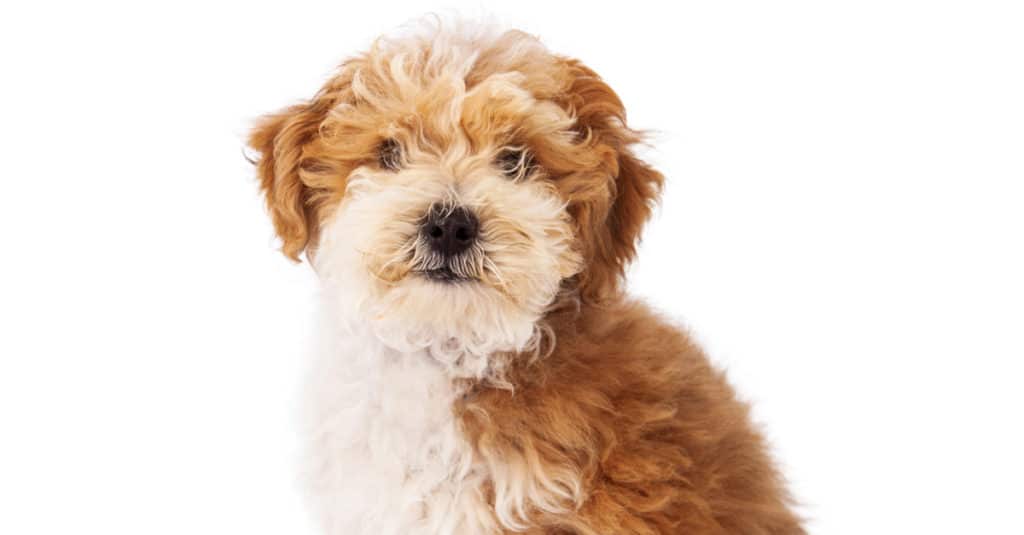
Havapoo dogs are loving and affectionate

Havapoos are very friendly and affectionate and make great family pets.

3 Pros and Cons of Owning a Havapoo

ProsCons
Suitable for an apartment: Island Mini Doodles are not a very high-energy breed and can live happily in an apartment.Hard to predict size and appearance: it may not be easy to predict without knowing whether the Poodle or Havanese genes are stronger.
Family-friendly: Havapoos are very friendly and affectionate. They do well with kids and can make great family pets.Prone to separation anxiety: may develop separation anxiety if they are left home alone for too long. This isn’t a good breed if someone won’t be home most of the day.
Low shedding: With their Poodle genes, Havapoos don’t shed much at all.Not a good guard dog: Havadoodles do not make a good guard dog.

Appearance

The particular look of your Havapoo from pup to pup can vary when it comes to color, pattern, and coat. This isn’t too uncommon because it is a fairly new breed. Most importantly, it is because the Havapoo is a mixed breed, which really shakes things up! Not only is their appearance a wild card from adult to adult, but it is also a jumble of appearances within each Havapoo litter. It really makes it fun to see what comes out.
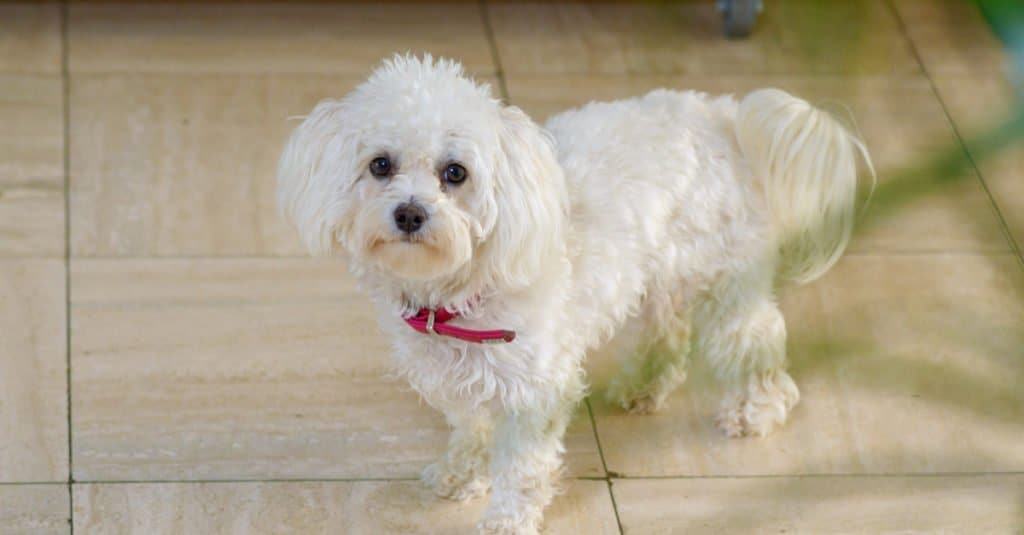
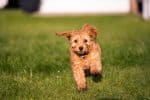
Havapoo puppy standing in the grass

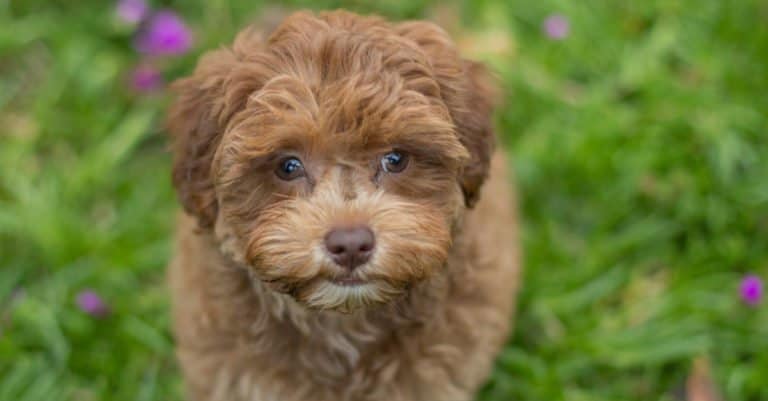
Havapoos’ appearance can vary depending on whether the Havanese or Poodle genes are dominant.

Size and Weight

The size of a Havapoo can vary depending on whether the Poodle or Havanese genes are more dominant. Whether their Poodle parent is a standard-size Poodle or a Miniature-size Poodle can also affect a Havapoo’s size. Both male and female Havapoos generally weigh between 7 and 20 pounds. Their height may be anywhere between 8 and 15 inches. If the Poodle genes are more dominant, they may be on the upper end of these ranges, and if the Havanese genes are more dominant, they may be on the lower end of these ranges.

Havanoodle puppies generally weigh between 1.5 and 2.5 pounds when they are eight weeks old. Six-month-old puppies weigh between 6.6 and 13.4 pounds. Havapoos should be fully grown by the time they are 12 months old.

Common Health Issues

Since Havapoos are not purebreds, they can be prone to some of the genetic conditions their parents may have. However, there are still a few health concerns you’ll want to be aware of to help you know what to look out for if you plan to own a Havapoo.

Hip dysplasia is one potential problem. Hip dysplasia is a genetic condition where the hip bone doesn’t form properly, and the hip and thigh bones rub against each other, causing the dog pain and making it challenging to walk. A hip replacement surgery may be necessary if your pup has hip dysplasia.

Both Havanese and Poodles have eye issues that could be passed down to a Havapoo. One condition is progressive retinal atrophy or PRA. This is a condition where the retina slowly deteriorates and causes blindness. There is no cure for PRA.

A Havapoo may also suffer from patellar luxation. This is a condition where the kneecap slips in and out of place. It can make it painful and challenging for a Havapoo to walk. Surgery may be required to fix this condition.
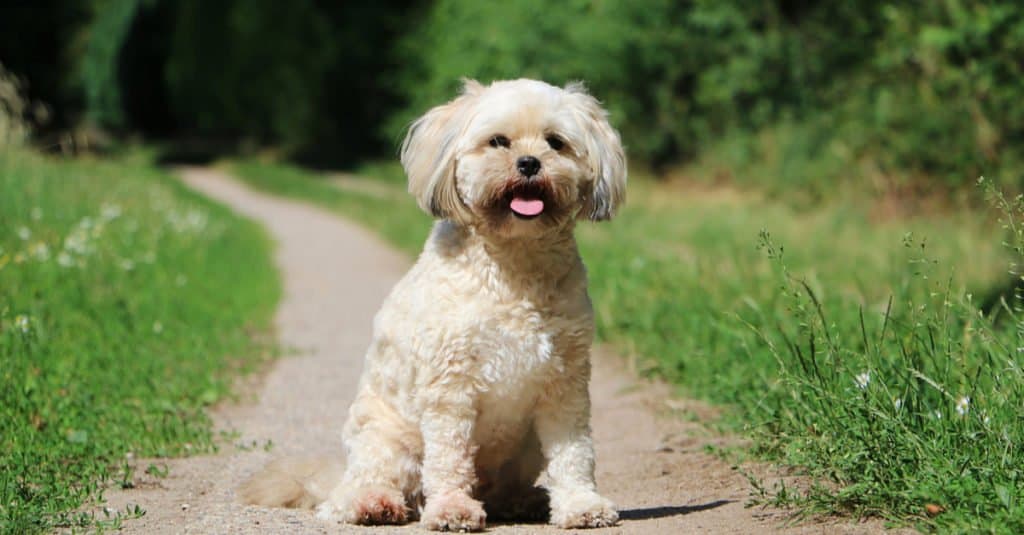
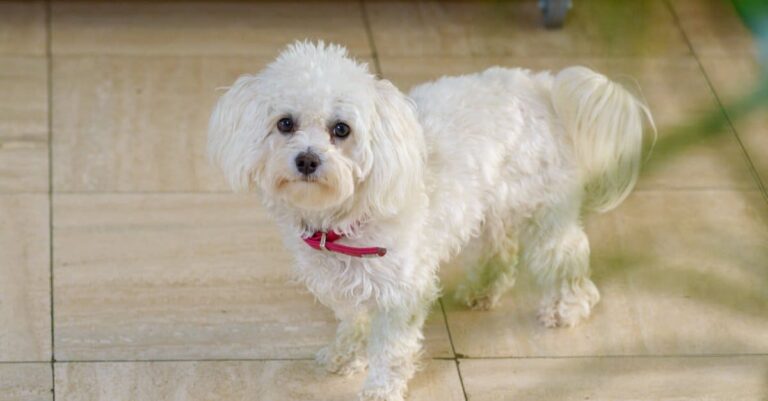
Havapoo dogs love to be outdoors and play.

Havapoos are generally healthy but are prone to a few health conditions.

Temperament and Behavior

In general, a Havapoo is a very outgoing and friendly breed. They also exhibit very loving traits and playful behaviors. Both Havanese and Poodles are very intelligent dogs, and this trait was also passed down to the Havapoo.

The exact personality of a Havapoo, however, can vary a bit based on whether the Poodle or Havanese genes are more dominant and whether the Poodle parent is a standard or miniature Poodle. Poodles are a bit more reserved around strangers and are also good at picking up cues from a person’s body language. Miniature Poodles can be more anxious or fearful of a new situation. They are also more easily excited than a Standard Poodle. Havanese are very confident. Havanese puppies can be more mischievous than Poodles.

Havanoodles can get bored easily and may become destructive. They are also more prone to separation anxiety than some other breeds, so it is best if someone will be home with the pup most of the day.

How to Take Care of a Havapoo

Havapoos have unique needs. A care plan for this variety will look different from a care plan for another breed. Keep this hybrid breed’s health concerns, temperament, dietary needs, and activity requirements at the front of your mind as you plan to take care of your new Havapoo.

The Best Dog Food

Havapoos should eat nutrient-rich small-breed dog food. Look for foods that have sufficient protein and minerals to match a Havapoo’s higher energy levels. The exact amount of food that is right for your pet will vary based on his weight, age, metabolism, and any health concerns, but most will need somewhere between 1 and 1.5 cups of food. Once you determine the ideal portion of food for your pup (check with your veterinarian if you’re unsure), you will want to split the total amount into two meals to prevent your dog from overeating.

Havapoo puppies have smaller stomachs than full-grown dogs. This means they will need to be fed more frequently throughout the day. Aim to feed puppies who are younger than six months old three to four meals each day. Once the puppy is six months old, cutting back to just two meals should be fine.

Ideally, Havapoos should try to find a small-breed, high-quality dog food with a nutritional profile that caters especially to the joints and eyes.
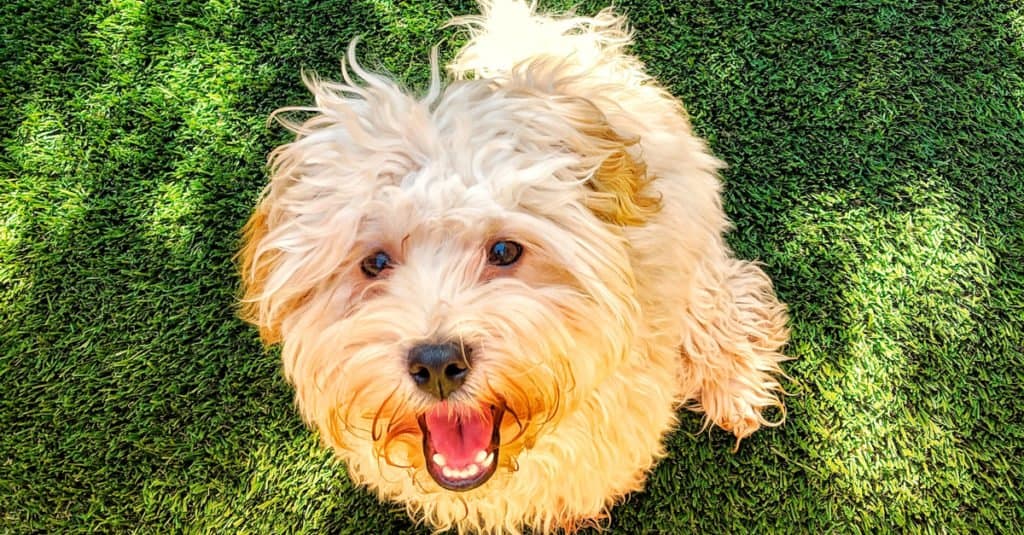
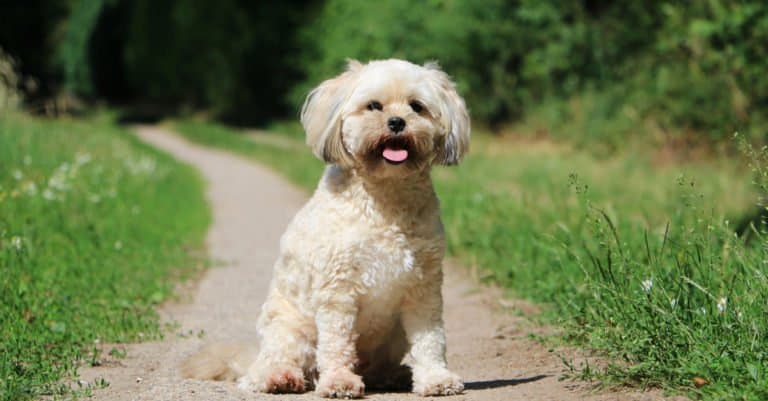
Havapoo dog standing in the grass

Havapoos are affectionate and love to play.

Maintenance and Grooming

Havapoos don’t shed very much and are not too challenging to groom. However, you will want to try to brush your dog a few times a week to remove any loose hairs and keep their coat from getting tangled. You may need to give your Havapoo an occasional bath if they start to smell, but take care not to bathe it too often, as it can remove the natural oils from its coat.

Your Havapoo will also need to have its teeth brushed a few times a week and have its nails trimmed regularly to keep them from getting too long. If the nails get too long, it can make it painful for the dog to walk. You should also check your Havapoo’s ears regularly. Remove any loose debris and keep them clean to prevent ear infections.

Training

Havapoos are intelligent dogs who are very eager to please. This personality combination means that this breed is generally easy to train. They will do best with a confident trainer who is encouraging and uses positive training strategies. Use treats to praise your Havanoodle when they act appropriately or follow your commands. Havapoos, like Poodles, can be more sensitive to their owners’ tone of voice and body language. This can make it easier for them to gauge whether their actions are pleasing you.

For best results, you should start training your Poovanese from an early age. Early socialization is also important. Bring your dog with you to a variety of places and expose them to different people and pets. This will help him or her learn which behaviors are appropriate and which are not.

Exercise

Havapoos should get one hour or more of exercise every day. Find time to take your pup for a walk or play with it outside. In addition to physical exercise, it is also important to mentally exercise a Havapoo. If they don’t get enough physical or mental stimulation, they can get bored. When bored, they may get into trouble, so look for ways to exercise and challenge your pet mentally each day. Mental challenges can include playing games with them, giving them a puzzle feeder, or working on new tricks.

Puppies

Early training and socialization are essential for a Havapoo puppy. This will help your dog adjust to different scenarios and people and learn how to act appropriately. Before socializing your puppy with other dogs or signing up for an obedience training class, you should wait until the puppy is fully vaccinated.

Before bringing home your new puppy, ensure your house is set up and ready for a dog. Locate a veterinarian, purchase puppy food and other supplies, and move any potentially hazardous or special items out of the rooms the puppy will have access to.
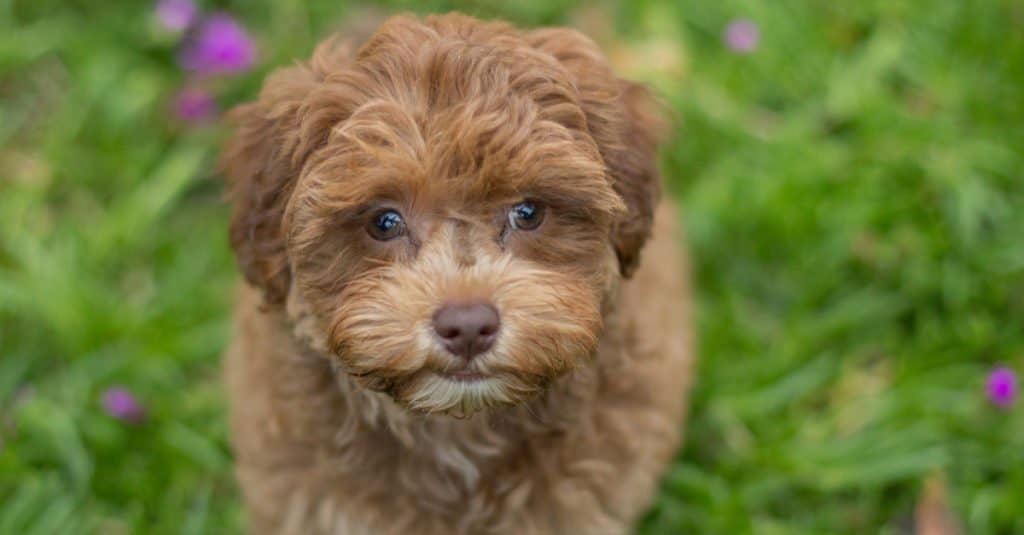
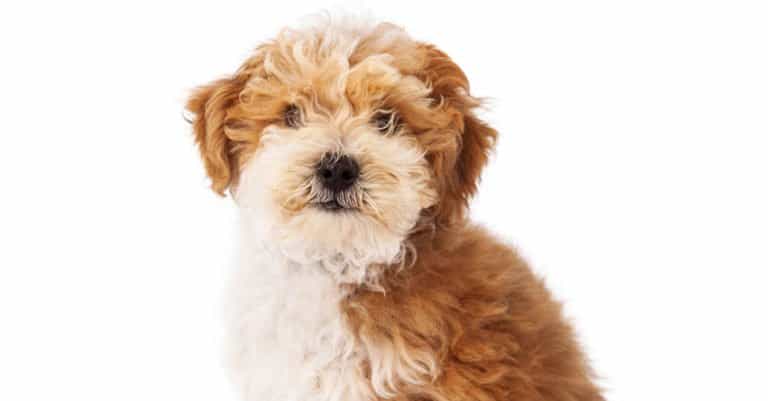
Havapoo puppy standing in the grass

Havapoo puppies are typically easy to train. While they are friendly and love people, they are prone to separation anxiety.

Havapoos And Children

If you are looking for the perfect family dog, look no further than a Havapoo. This breed does very well with children. They are gentle, tolerant, and very affectionate. Havapoos can also be very energetic and can make excellent playmates for a child.

Dogs Similar to Havapoo

Havanese, Poodles, and Bichon Frises are three breeds that are similar to the Havapoo.

  • Havanese: Havanese are one of the breeds mixed to create a Havapoo. Like Havapoos, Havanese are small dog that rarely sheds. Havapoos are generally a little more intelligent than Havanese.
  • Poodle: Poodles are the other breed that is mixed to create a Havapoo. Poodles and Havapoos are both very intelligent and easy to train. However, Poodles are much larger than Havapoos. Poodles can weigh between 45 and 60 pounds, while Havapoos only weigh between 7 and 20 pounds.
  • Bichon Frise: Bichon Frises and Havapoos are both around the same size; Bichons can weigh between 7 and 13 pounds, and Havapoos can weigh between 7 and 20 pounds. Both dogs shed very little, but a Bichon is much more challenging to groom than a Havapoo.

View all 288 animals that start with H

Sources

  1. Breeding Business / Accessed February 11, 2021
  2. Perfect Dog Breeds / Accessed February 11, 2021
  3. All Things Dogs / Accessed February 11, 2021
  4. Petguides / Accessed February 11, 2021
  5. Havane Senation / Accessed February 11, 2021
  6. Mans Best Friend / Accessed February 11, 2021
  7. Perfect Dog Breeds / Accessed February 11, 2021
Ashley Haugen

About the Author

Ashley Haugen

Ashley Haugen is the editor of A-Z Animals. She's a lifelong animal lover with an affinity for dogs, cows and chickens. When she's not immersed in A-Z-Animals.com (her favorite editorial job of her 25-year career), she can be found on the hiking trails of Middle Tennessee or hanging out with her family, both human and furry.
Connect:

Thank you for reading! Have some feedback for us?


Havapoo FAQs (Frequently Asked Questions)

A Havapoo is a mixed/hybrid breed with a Havanese parent and a Poodle parent. They are a small dog that makes a great family pet. Because Havapoos don’t have excess energy, they can also make a good dog for individuals or families living in an apartment. The first Havadoodle was bred about 20 or 30 years ago.