Quick Take
- Your favorite summer drink might paint a target on your back, and even scientists can't explain why.
- Masking your natural scent may backfire in a way you won't expect.
- A popular garden flower has a reputation as a bug repellent, but the reality is messier than the hype.
- One scent beloved by bees is loathed by mosquitoes. The article reveals how it pulls off both.
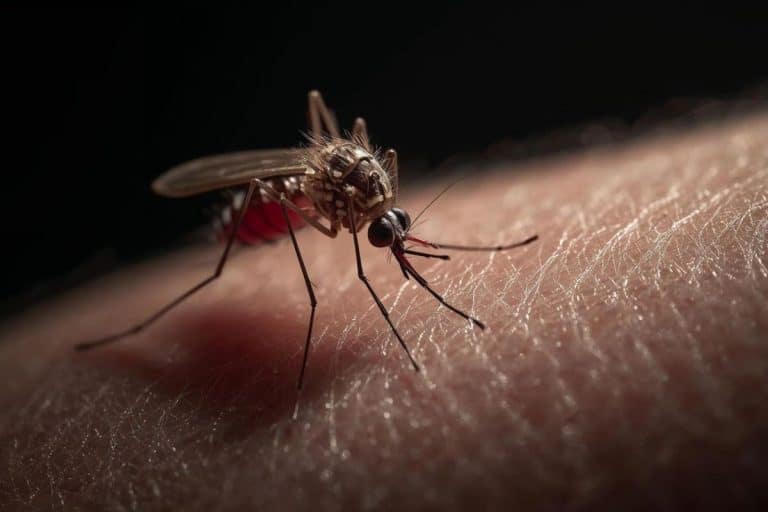
When enjoying the great outdoors, the last thing you want to do is attract bugs. Whether you’re having a barbecue, a family reunion, or just relaxing at the beach, keeping bugs away is a must. There are certain smells that attract insects and others that keep them away. Before you pack the car for a weekend camping trip or to head out to the lake, be sure to steer clear of these scents that bugs love.
Scented Hygiene Products
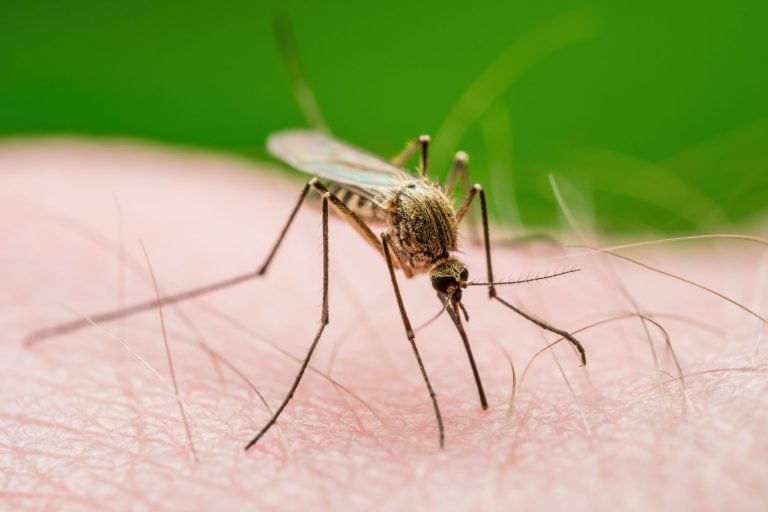
Your potential new girlfriend may like the smell of your new cologne, but so do mosquitoes. A quick and simple method for turning into bug bait is to use heavily scented hygiene products.
Cosmetics with potent floral aromas, lactic acids, or alpha hydroxy acids may attract mosquitoes and other pesky insects, though the evidence for personal products is limited.
Avoid wearing perfume or cologne during outdoor activities.
©Prostock-studio/Shutterstock.com
Sweat
Sweat contains ammonia and lactic acid, which function similarly to floral smells. Although your body odor may be offensive to other humans, your persnal scent seems more like food to bugs, including mosquitoes.

It can be hard to control how much you sweat, thus inviting more bugs near you.
©EugeneEdge/Shutterstock.com
Sadly, masking the body’s natural odor with fragrant substances can aggravate the situation. By limiting the release of chemicals that exist in sweat, minus the floral aroma, non-floral solutions like unscented deodorant can keep pests away.
Decaying Matter
Flies love the smell of decay. Whether you have an old banana peel lying around or your pooch went to do his business in your yard, it can attract flies.
Take out the trash regularly to keep insects out of your house.
©Mike_shots/Shutterstock.com
These pests also adore sugar. If you’re having a picnic, make sure to cover any sugary drinks or treats to keep flies away from you and your food.
Herbs
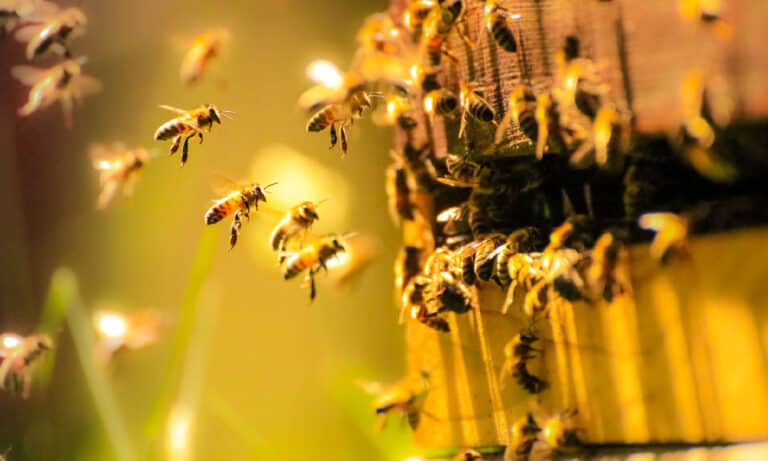
Pollinators typically find herbs to be alluring. Bees and butterflies generally do not mind herbal scents and actively seek out flowering herbs. While the oils inside the leaves repel leaf-eating pests, the nectar-rich blossoms of herbs are powerful magnets for beneficial insects.
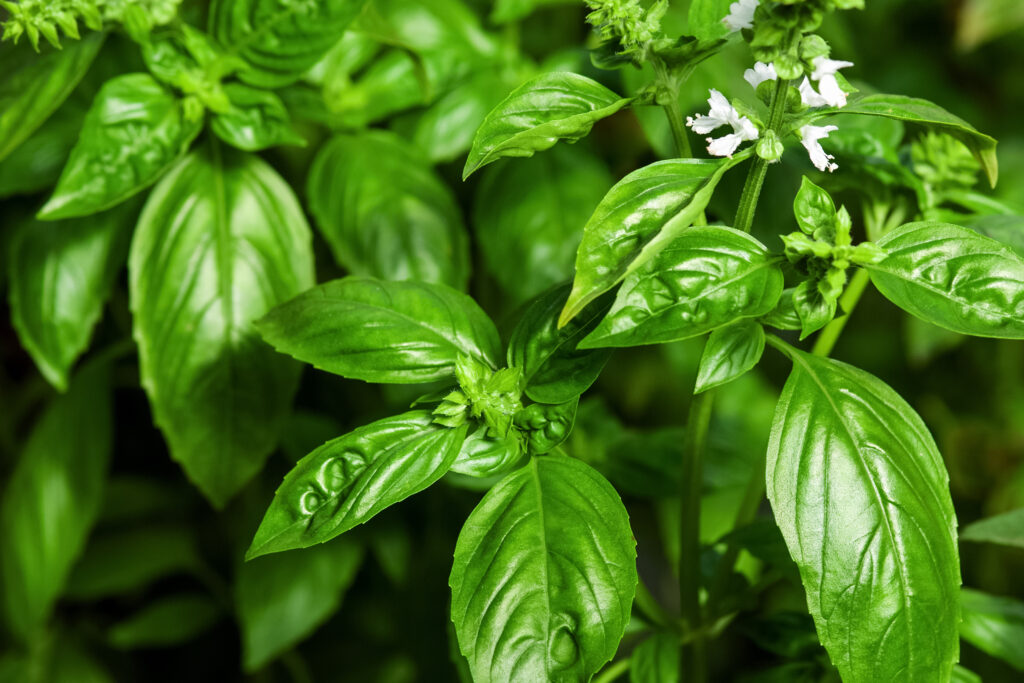
Some insects love basil, while others despise it.
©Nadya So/Shutterstock.com
Bees are fond of bee balm, chamomile, marjoram, sage, rosemary, and thyme. These and other herbs’ powerful scents frequently entice bees to visit your yard.
Alcohol
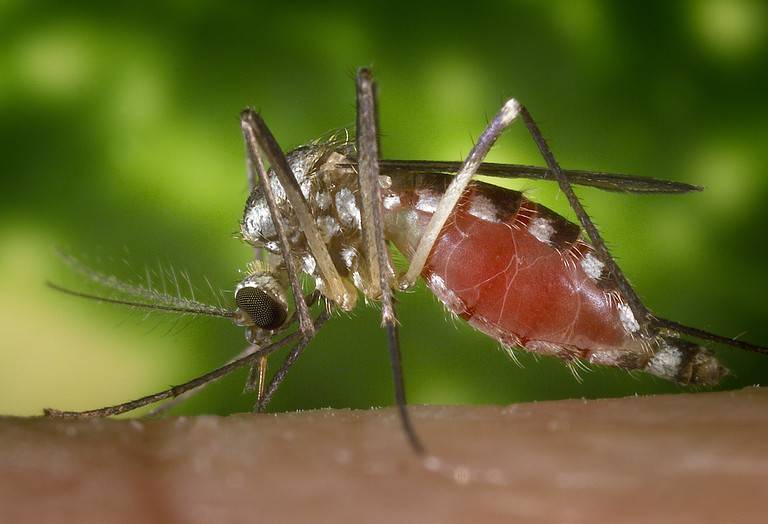
There’s nothing better than enjoying an ice-cold beer on a toasty summer afternoon. Sadly, this is bad news for those who are already susceptible to mosquitoes.

This dog is pondering whether or not his owner’s beer is attracting dangerous mosquitoes.
©Claire Lucia/Shutterstock.com
Alcohol can boost your likelihood of becoming a mosquito’s target, per a study published in the Journal of the American Mosquito Control Association. Interestingly, the researchers found that mosquito landings did not correlate with the ethanol content of drinkers’ sweat or their skin temperature, so the exact cause is still unclear.
Smells Bugs Hate
Now that you know what scents attract bugs, how can you get rid of these pesky critters? Here are some of the main smells that bugs can’t stand.
Vinegar
Are you dealing with ants? A lot of insects are unwilling to interact with vinegar. It is well renowned for helping to ward off pests.
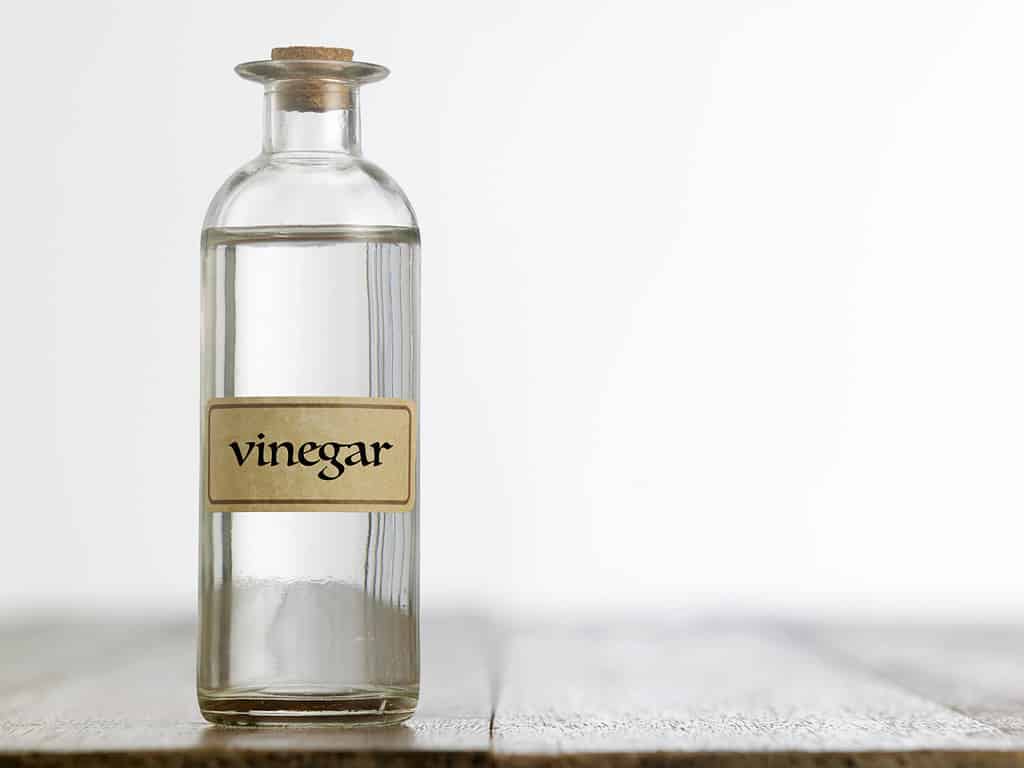
Keep a vinegar spray bottle around your home to ward off pests.
©focal point/Shutterstock.com
Vinegar can be used to eliminate scavenging ant scent trails. Ants may become confused as a result, making it more difficult for them to come back to your yard.
Vanilla Extract
Although vanilla is often said to mask human odors from mosquitoes and gnats, studies have found little to no repellent activity from vanillin, its main compound, and sweetened vanilla products actively attract wasps, ants, and flies. Unlike pungent herbs like peppermint or citronella, which physically irritate insects, vanilla is mostly neutral to bugs and simply covers up the scents they use to find you
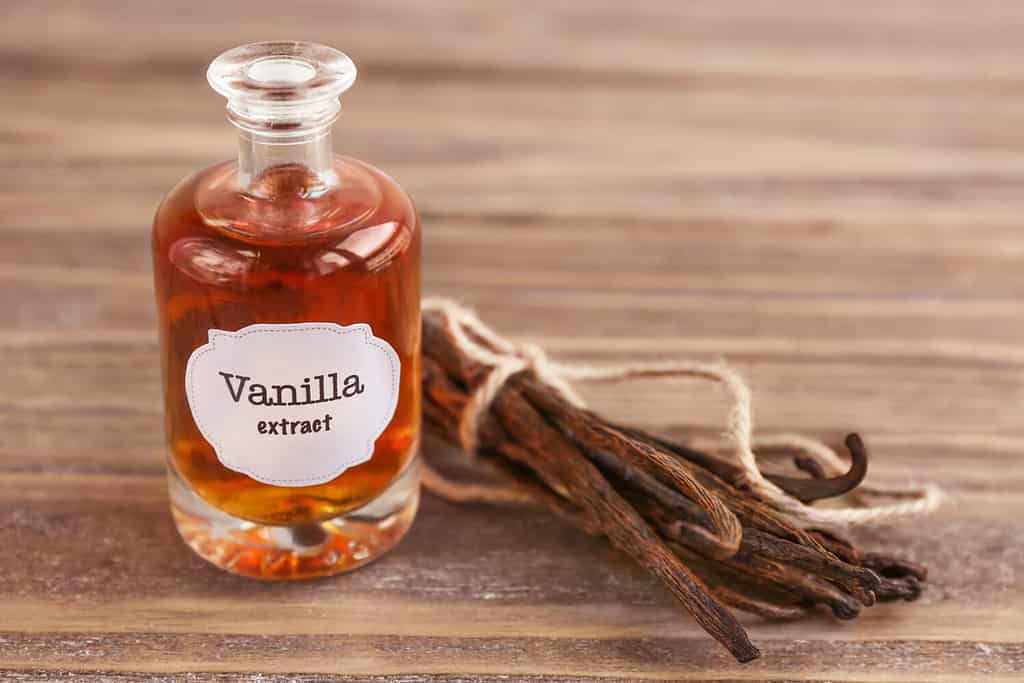
Opt for sugar-free vanilla extract when possible.
©Africa Studio/Shutterstock.com
Marigolds
Bugs are tricky. One minute floral scents attract them, while flowers like marigolds are often promoted as deterrents. However, simply growing marigolds has not been shown to repel mosquitoes; only concentrated extracts have shown effects in lab tests.
This flower may contain mosquito-toxic pesticides, according to a 1990s scientific study.
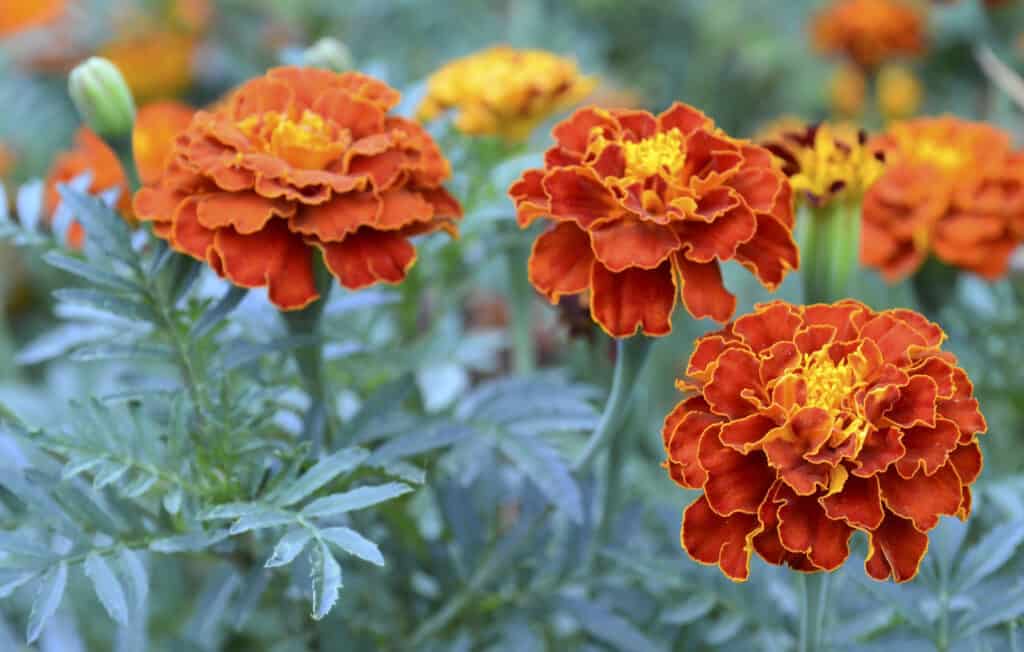
Marigolds can even repel rats.
©iStock.com/svf74
Eucalyptus
One of the scents that insects detest is eucalyptus. Its fragrant compounds, specifically 1,8-cineole (eucalyptol), may repel insects like mosquitoes
This explains why candles and soaps with aromas like eucalyptus are frequently used to deter bugs from entering the house.
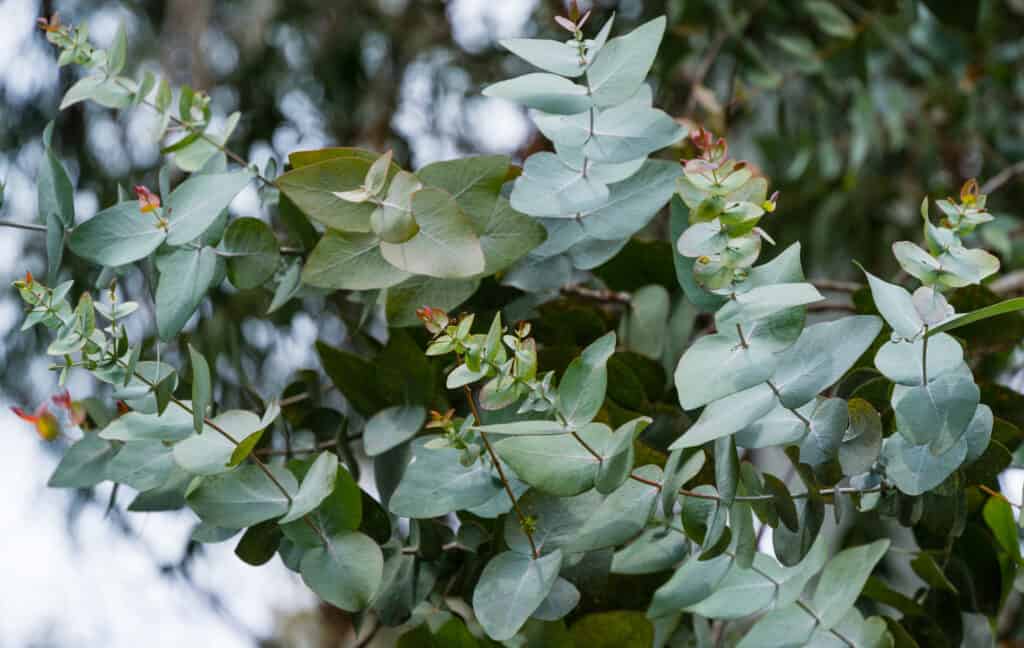
Roll clippings of this plant with a baking roller to extract the oils.
©iStock.com/Marina Denisenko
Lavender
Many pest insects, such as mosquitoes, dislike the smell of lavender, even though bees and other pollinators love it. It’s simple to understand why lavender is a popular ingredient in insect repellent. Concentrated lavender essential oil deters pests by disrupting their odor receptors, though live potted lavender plants have much weaker effects. Research shows that key chemical compounds in lavender, specifically linalool and linalyl acetate, interfere with how insects locate hosts and food
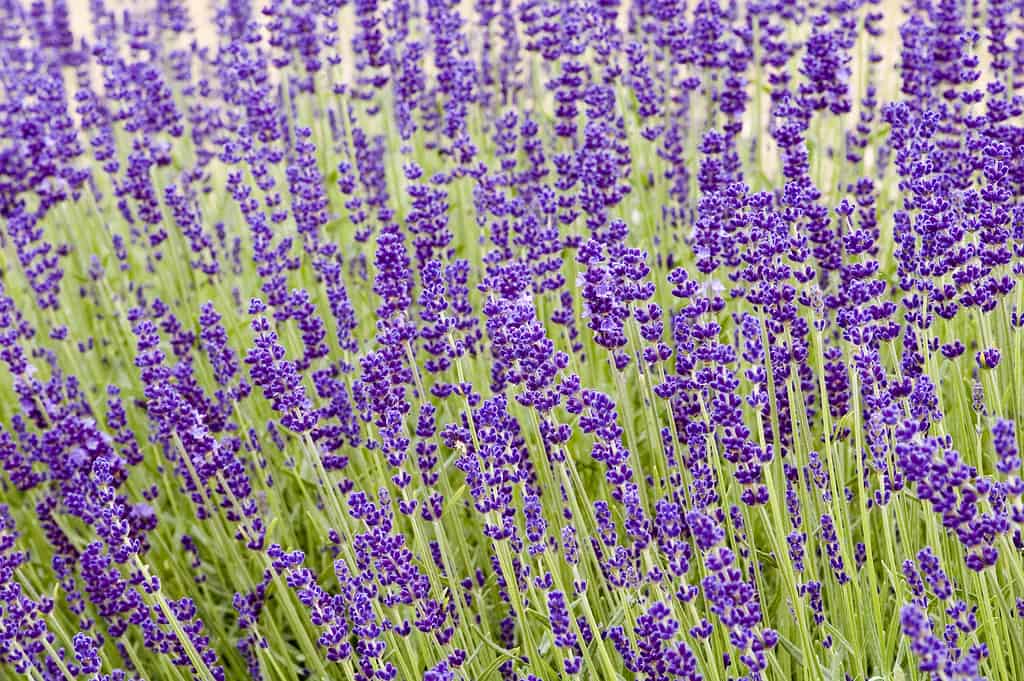
Lavender is calming and keeps pests away.
©gardendata/ via Getty Images