
Quick Take
- Wiping out mosquitoes sounds like a dream, but scientists say it could quietly devastate something you would never expect. See the ecological impact →
- Mosquitoes secretly pollinate a plant most people consume every day, and without them it might disappear. Discover their pollinator role →
- Researchers discovered that a mosquito bite can place you at a crime scene, and the evidence it provides could be enough for a conviction. Explore the forensic evidence →
- Scientists engineered a way to weaponize mosquitoes against themselves, and the results from a single trial were hard to ignore. See the sterile mosquito results →
Mosquitoes have long held a reputation as some of the world’s greatest nuisances, haunting summer nights with their persistent buzzing and itchy bites. Behind this irritating facade, however, lies a far more complex story, one that links mosquitoes not just to disease, but to the health and stability of entire ecosystems.
Behind the Bite: Mosquitoes and Their Global Reach
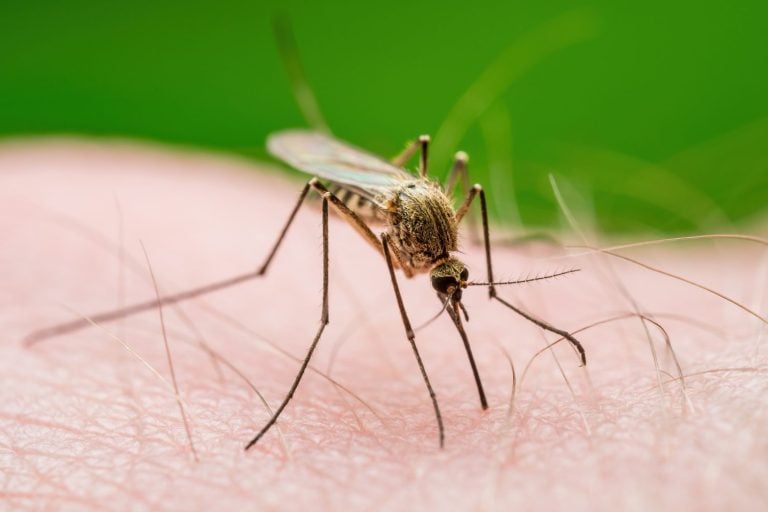
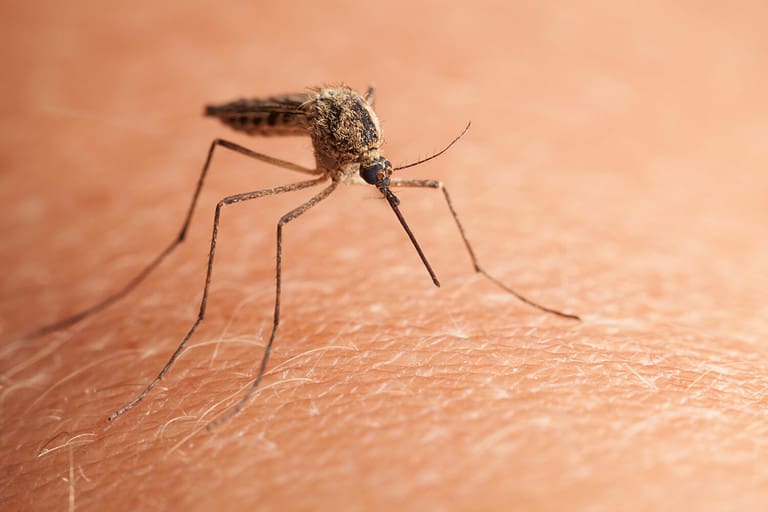
Mosquitoes belong to the Culicidae family, a group of flying insects with more than 3,000 species spread across the planet. Only about 200 of these species, exclusively female mosquitoes, are responsible for biting humans. For those who find themselves frequent targets, refuge exists in only two places: Antarctica and Iceland, where mosquitoes are absent.
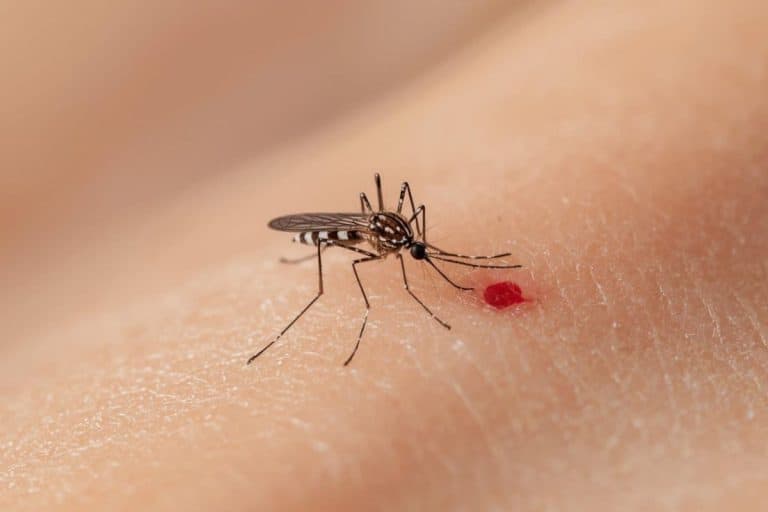
The reach of these insects is undeniable. Today, the tiger mosquito has become a concern across five continents and is closely monitored by public authorities in regions such as France, where it now occupies more than half the country’s departments.
Mosquitoes in the Disease Equation
Some of the world’s deadliest diseases are spread by mosquitoes. Species in the Aedes and Haemogogus genera transmit yellow fever in parts of Africa, Central, and South America. Other mosquito-borne illnesses include West Nile virus, Japanese encephalitis, Rift Valley fever, and lymphatic filariasis. The consequences go well beyond uncomfortable bites: mosquitoes are estimated to kill nearly a million people each year and play a significant role in shaping the development trajectories of many countries.
Given this impact, it’s easy to see why mosquitoes are viewed with such wariness. Yet their ecological role is far more than that of a global menace.
An Insect at the Heart of the Food Chain
Mosquitoes stand as a critical link for a variety of species. Birds, bats, frogs, dragonflies, spiders, hedgehogs, and moles, all rely on mosquitoes or their larvae as a food source. The larvae themselves serve another function: by consuming the decaying remains of other insects, they help break down organic nitrogen into mineral forms, naturally filtering water and aiding plant proliferation.
No known predator feeds exclusively on mosquitoes. Should mosquitoes vanish, it’s unlikely to trigger a mass extinction, though some bird populations may feel the loss most acutely. In the world’s Arctic tundra, certain migratory birds depend almost entirely on mosquitoes, making this region particularly vulnerable to any dramatic changes in mosquito numbers.
Mosquitoes: Pollinators and Unexpected Allies
Bees often take center stage as the quintessential pollinators, but they’re far from the only ones. Mosquitoes, too, supplement their diets with nectar, sometimes playing the role of exclusive pollinator, such as with the cacao tree. Their contribution, while less pronounced than that of bees or butterflies, provides another argument for their ecological value.
In recent years, scientists have begun reimagining mosquitoes not just as a threat, but as a possible tool. In 2018, a team in Brazil released tens of thousands of sterile tiger mosquitoes using a drone, aiming to reduce disease transmission by making eggs laid by wild females nonviable. Results published in Science and Robotics showed that three such releases led to more than half of the collected eggs being sterile, a promising reduction in the mosquito population.
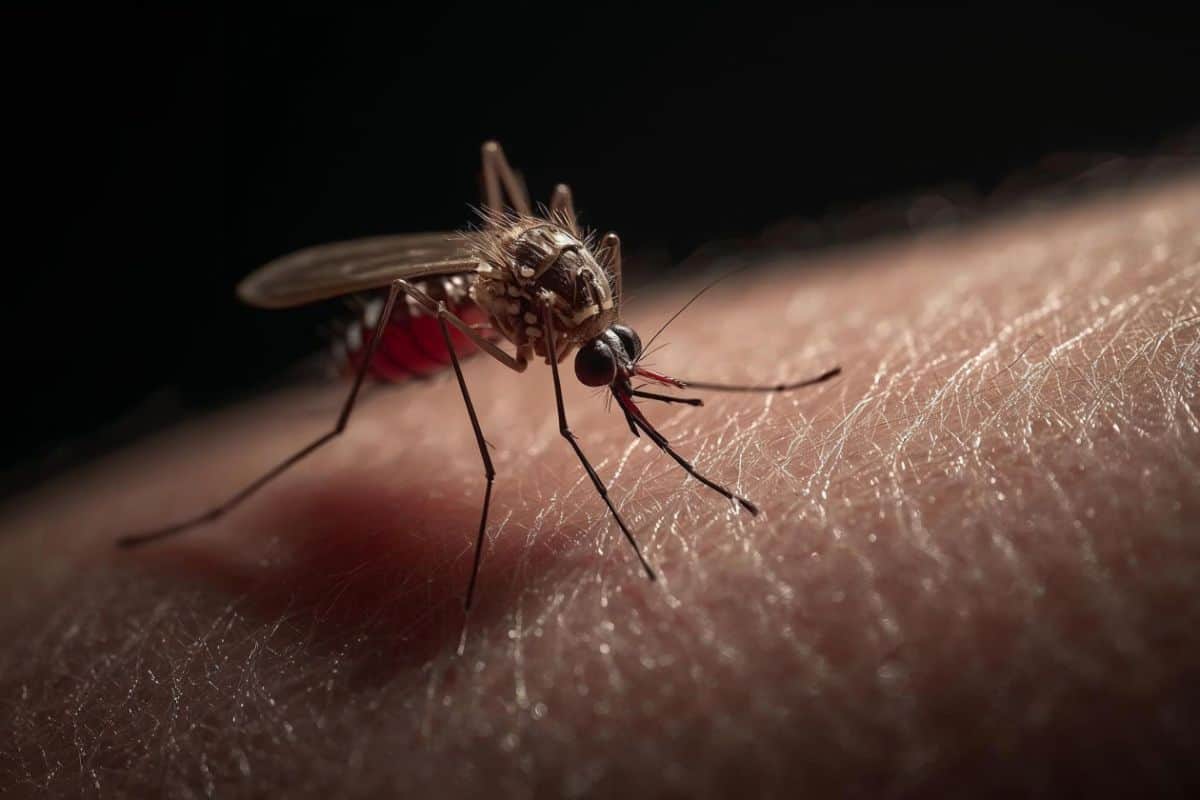
Other innovations reach beyond pest control. Researchers at Nagoya University in Japan demonstrated that the blood inside a mosquito can preserve traces of a person’s DNA for up to 48 hours after a bite. As explained by researcher Toshimichi Yamamoto, this technique could aid police in identifying individuals present at a crime scene, and may one day produce evidence strong enough for a conviction. Their findings were published in PLOS ONE.
The Place of Mosquitoes in a Changing World
There are reasons to value mosquitoes, even as they continue to test the patience of outdoor enthusiasts. For those determined to enjoy summer evenings bite-free, plants known to repel mosquitoes can offer relief, producing scents that help keep the insects at bay.
The story of mosquitoes is one of contrasts: deadliest animal and indispensable ecosystem player, scourge of humanity and inspiration for innovation. Their presence challenges us to look deeper at the unexpected threads that bind nature together, and at what’s at stake when even the most vexing creatures are lost.