











Quick Take
- Securing a show-winning specimen requires an investment reaching $1,600 before the blue coat transition begins.
- The 4 to 6-week grooming requirement creates a persistent maintenance challenge for unprepared owners.
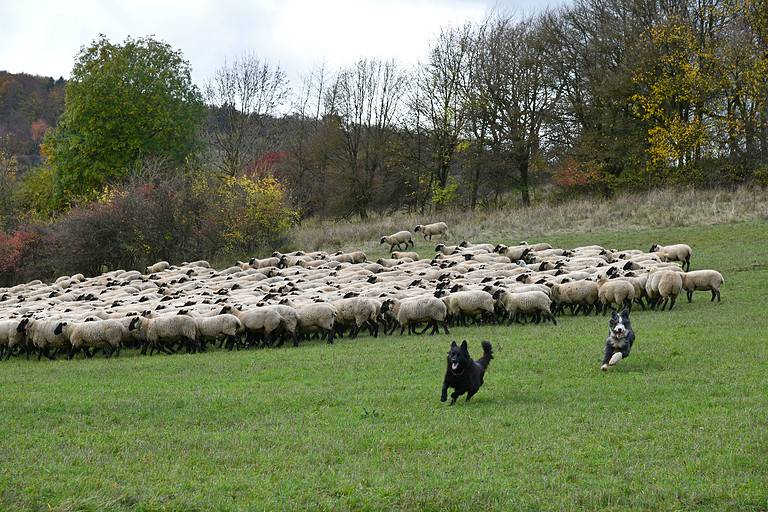
- Surprisingly, the Kerry Blue proved its versatility as a herding dog despite traditional terrier limitations.
- Monitoring the black-to-blue color transition is necessary to verify the purity of pedigree puppies.
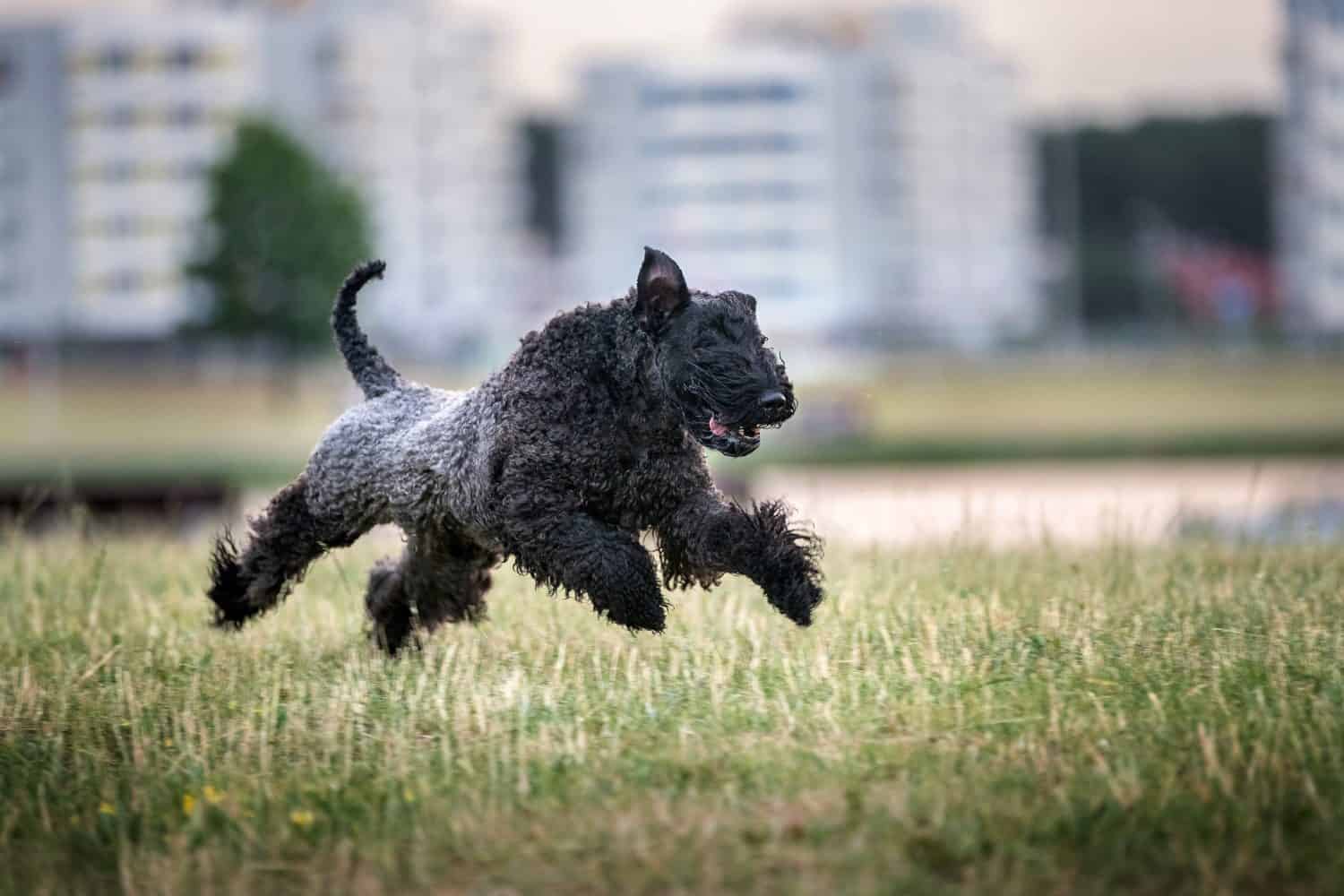
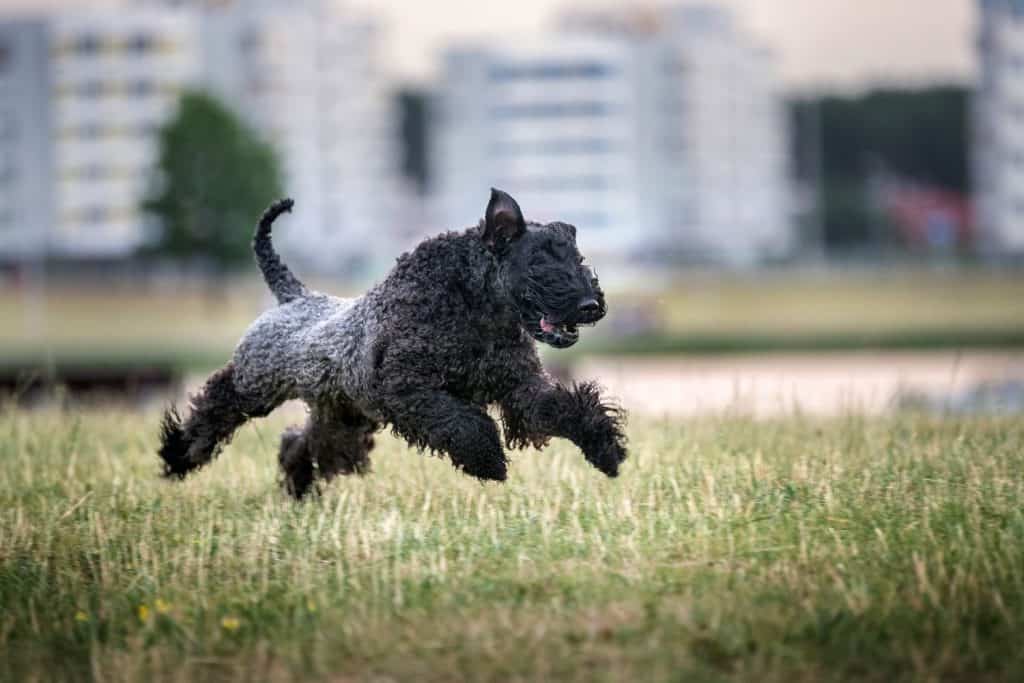
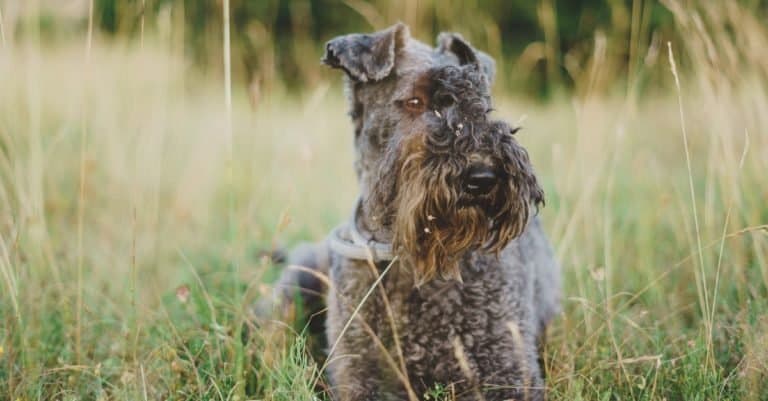
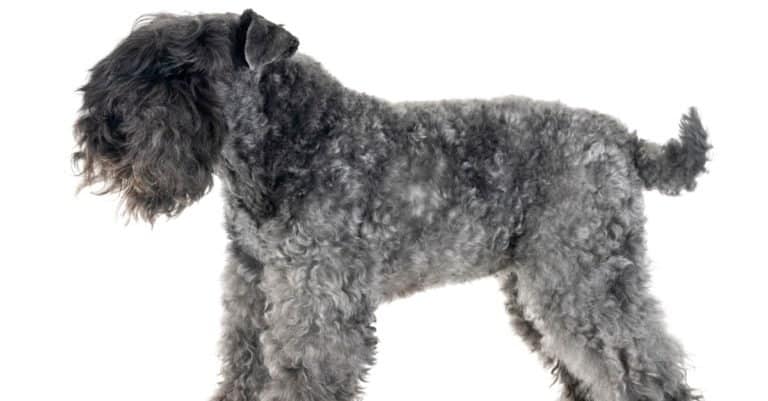
Kerry Blues are a breed of terrier that is known for their blue-toned coats. They are working dogs bred to hunt rodents and herd sheep. Kerry Blue terriers are loving, loyal, and intelligent dogs. They are protective and make great family dogs. Because they are hypoallergenic, they are suitable for people with allergies to dogs.

3 Pros and Cons of Owning Kerry Blue Terriers
| Pros | Cons |
|---|---|
| They have a high energy level. These dogs are ready to exercise whenever you are. Their energetic temperaments make them great running and hiking companions, and they will appreciate a large yard to run around in. | They can be very rowdy when young. This is a high-energy breed, especially early in their lifespan. They need to be exercised daily to keep their temperaments in check. |
| They have a beautiful coat. Soft, wavy, and hypoallergenic, these dogs are prized for their coats. If properly bred, puppies will be born black and then gray as they age to the famous blue coat color. Shedding is not a concern, though they do require regular grooming to keep their coat neat. | Not friendly to other animals. Because they were bred as hunting dogs, it is not safe to keep smaller pets like cats and rabbits around when choosing to rescue a Kerry Blue terrier. They can be trained to be social with other dogs, but their hunting instincts mean befriending other animals is much more difficult. |
| They make great watchdogs. Having been used as police dogs in Ireland, Kerries are very loyal dogs that aim to protect their families. They are strong-willed and brave because of their hunting instincts, so this makes them a good choice as watchdogs. | They are high maintenance. This breed requires regular grooming. They should be taken to a groomer every 4 to 6 weeks, where their coat can be washed and trimmed. Owners can learn to shape and trim the dogs’ coats themselves. |
History of the Breed
The Kerry Blue Terrier, as its name suggests, is a breed of dog that originated from County Kerry in Ireland. Despite the charming Blarney tales surrounding its beginnings, much remains unknown about the actual history of this beloved breed. However, one thing that is certain is that Kerries were highly valued for their versatility and hardworking nature on farms.
During the fight for Irish independence in the early 20th century, Kerries were considered to be symbols of patriotism and played an important role in raising morale among Irish citizens. Since then, they have become popular show dogs and have achieved notable wins in various competitions around the world.
One notable example is Mick, a Kerry Blue Terrier who was a great show dog during the 2000s. This impressive achievement speaks volumes about both their innate ability to perform well under pressure and also their enduring popularity as pets and companions.
Despite being relatively small compared to other breeds such as Great Danes or Mastiffs, Kerry Blues are known for their resilience and determination — traits that no doubt helped them thrive on farms before becoming cherished family pets. Overall, it’s clear why these lovable dogs continue to capture hearts everywhere with their unique blend of charm and hard-working spirit!
Size and Weight
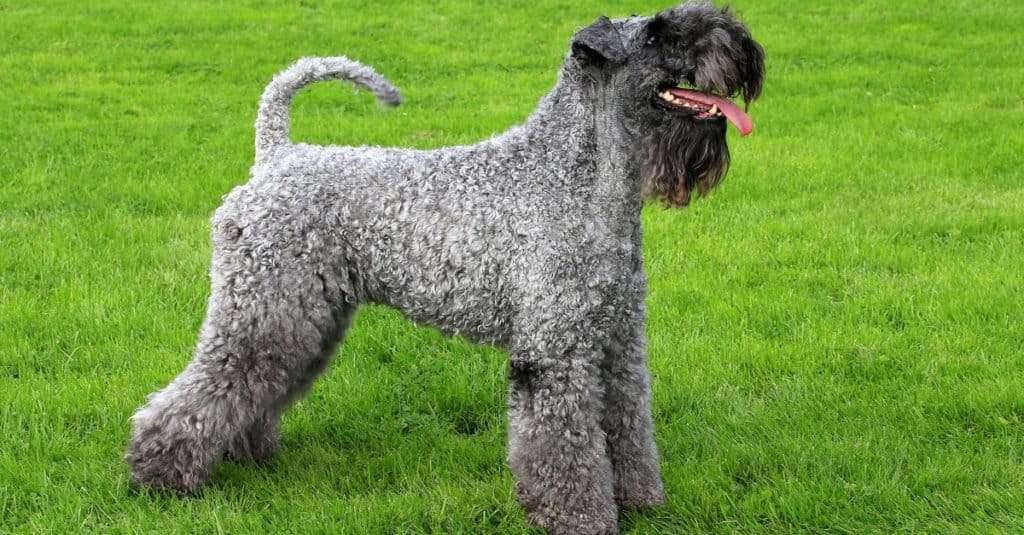
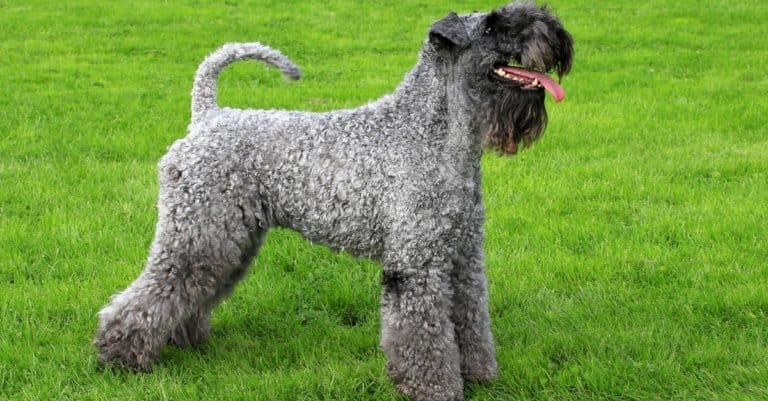
Kerry Blue terriers are medium-sized dogs with soft and wavy coats.
©CaptureLight/Shutterstock.com
Kerry Blue terriers are medium-sized dogs with soft and wavy coats. Breeders aim to produce dogs with a black coat that eventually grays over time, giving them their signature “blue” color. Female Kerry Blue terriers are typically smaller than their male counterparts.
| Male Height | 18.5 to 20 inches |
| Female Height | 17.5 to 19 inches |
| Male Weight | 33 to 40 pounds |
| Female Weight | 33 to 40 pounds |
Common Health Issues
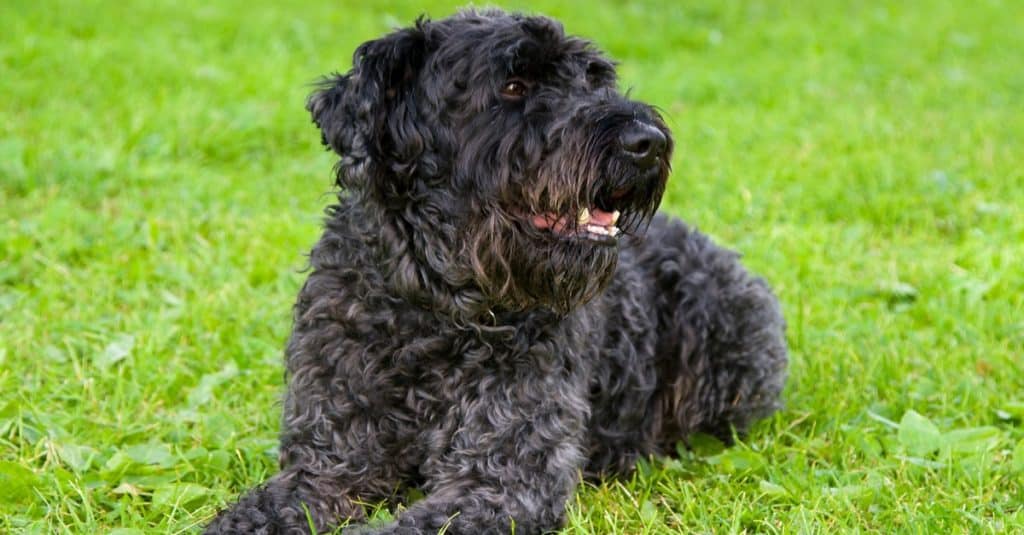
Kerry blue terriers are prone to dysplasia of the hips and elbows.
©Pashin Georgiy/Shutterstock.com
Kerry Blue terriers tend to be fairly healthy dogs, with good breeders dedicated to breeding healthy dogs. However, Kerries may develop serious health issues as they age. These include things like hip and elbow dysplasia, which is a painful condition that affects movement. They are also susceptible to cataracts and dry eyes, affecting their vision as they age. Finally, some Kerry Blues develop cysts or tumors that are very occasionally malignant and require cancer treatment.
Temperament
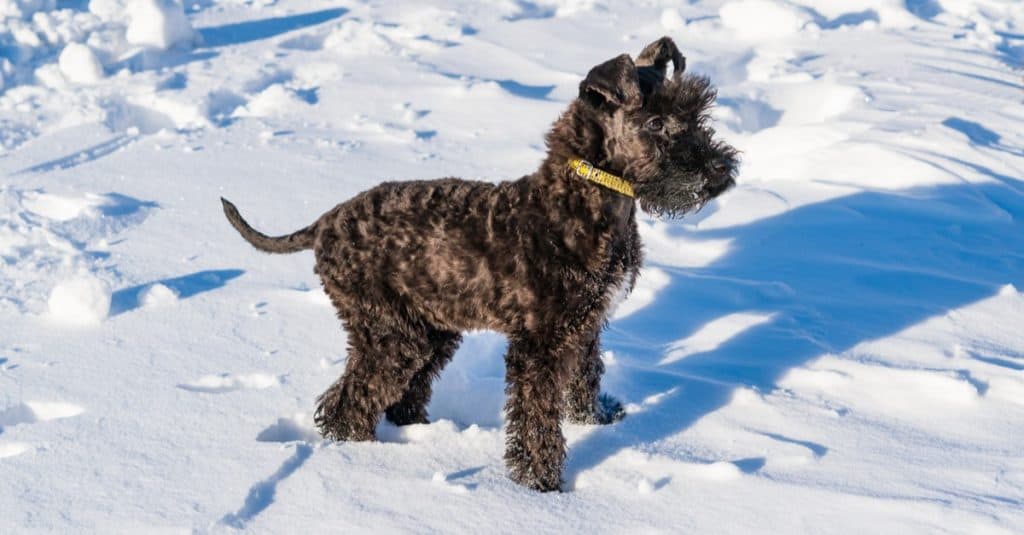
Kerry blue terriers are fun to train.
©golubka57/Shutterstock.com
Kerry Blues are loyal and affectionate. They are also very strong-willed, so they will need an owner who can enforce their training. Puppy classes, when the terriers are young, will provide a solid training foundation for the rest of their lifespan, so they are recommended.
They are good-natured in their interactions with people of all ages, but can be aggressive toward other dogs if they have not been properly trained. These Irish terriers were originally bred to be hunting dogs, so it is not advised to rescue a Kerry Blue if there are also small animals in the household.
The Best Dog Food for Kerry Blue Terriers
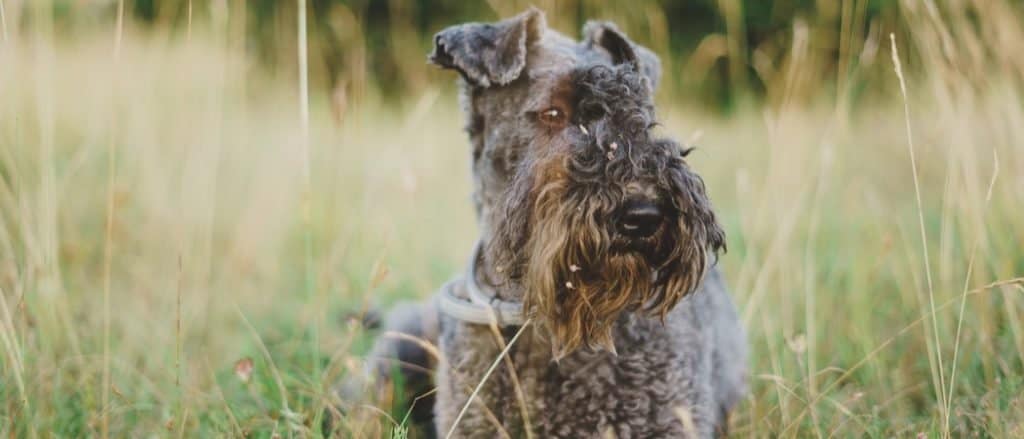
Kerry blue terriers are active dogs that require well-balanced diets and plenty of exercise.
©Simone Capozzi/Shutterstock.com
Kerry Blue terriers are highly active dogs, so their diet must reflect this. Most high-quality dog foods, as recommended by a veterinarian, will suffice for the Kerry Blue terrier.
Puppy Kerry Blue terrier food: Good animal-based fat, such as chicken, omega-3, or fish, should be included in their food, as it promotes healthy development. Treats can be used for obedience training, but be careful not to overfeed them, as these dogs can be prone to obesity.
Adult Kerry Blue terrier food: It is recommended that Kerry Blue terriers be fed 1.5-2 cups of high-quality dry food throughout the day.
Maintenance And Grooming
Kerry Blue terriers are hypoallergenic dogs without much shedding. However, they do require regular grooming and are considered high maintenance. They need to be brushed daily and shampooed every 4 to 6 weeks. Their coat will need to be trimmed monthly.
Training
Training is essential when it comes to Kerry Blue Terriers. They are very protective and should be socialized around other dogs early on as a part of their training. They are natural problem solvers and can become independent very quickly. Kerry Blue terriers respond best to motivational, positive reinforcement. They will need consistent rules during their training.
Exercise
They are sporty dogs who enjoy long walks or jogs. They will need a good amount of exercise each day and would benefit from a trip to the park to play with other dogs. Kerry Blue terriers make excellent companions on a jog or hike. They also enjoy swimming, hunting, and other outdoor activities. They enjoy intelligent play, so any problem-solving play exercises that they can do with their owners will be beneficial for them.
Puppies
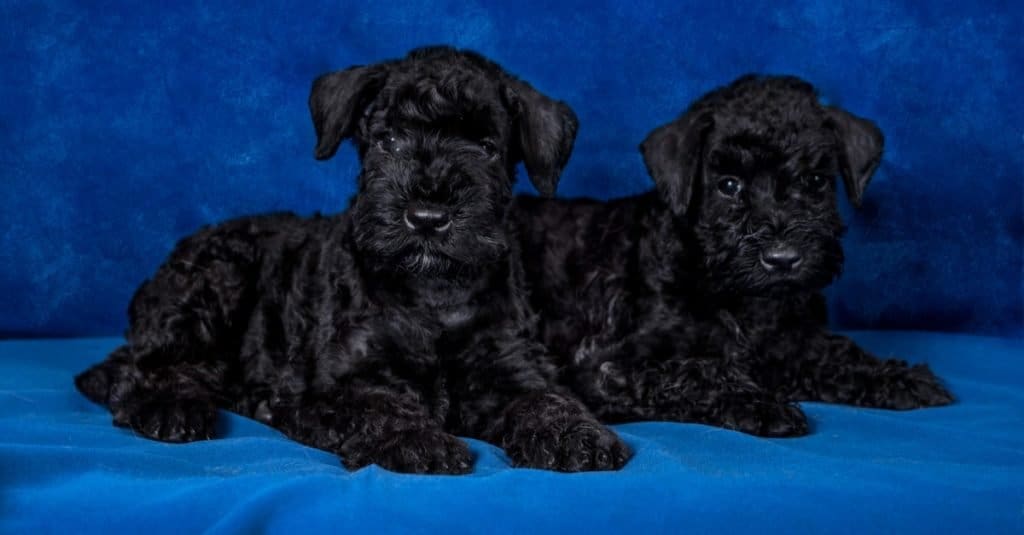
Kerry blue terriers cost more than a thousand dollars for a puppy.
©Evgeniia Shikhaleeva/Shutterstock.com
Kerry Blue terriers have 4 to 8 puppies in a litter. They are purebred dogs, with a price typically ranging from $1,000 to $3,500, depending on the breeder and lineage. This price is quite high because of how specialized this breed is. They should be trained early on as puppies to ensure good habits.
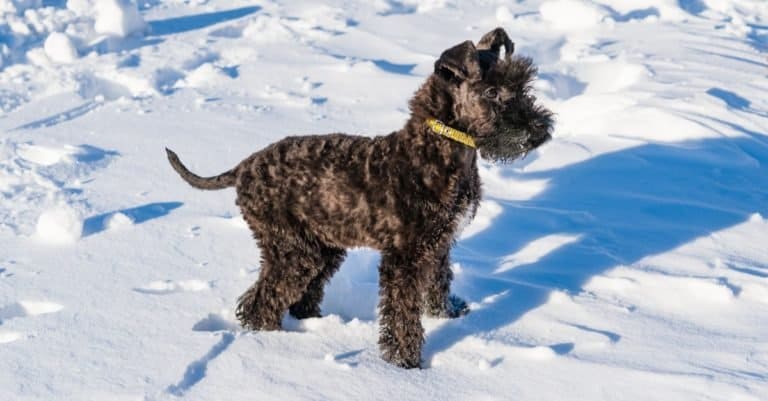
Breeders will produce black Kerry Blue terrier puppies, and these dogs will grow into their famous blue coats as they age.
With Children
With proper training, Kerry Blues are great around children. They are very affectionate and intelligent dogs, making them a perfect fit for a family. Because they are affectionate and playful, they can keep children entertained for hours.
Similar Dogs
- Airedale Terrier: This breed was also bred to hunt and has a similar size and silhouette to the Kerry Blue Terrier. They are also not prone to shedding.
- Giant Schnauzer: Though larger than Kerry Blue terriers, these dogs are also hypoallergenic and make great guard dogs. However, they are larger and slightly more aggressive.
- Irish Wolfhound: While the peasantry bred Kerry Blue terriers to hunt in nobles’ hunting grounds, the royals bred Irish Wolfhounds to protect those grounds. Because of this dichotomy, the two breeds share many similar temperaments and personality traits.
Famous Kerry Blue Terriers
The Irish nationalist leader Michael Collins owned a Kerry Blue terrier named Convict 224. It was Collins who attempted to have the Kerry Blue Terrier named the national dog of Ireland.
A Kerry Blue terrier was the first dog registered in the Irish Kennel Club.
Kerry Blue Terrier Pictures
View all of our Kerry Blue Terrier pictures in the gallery.

Simone Capozzi/Shutterstock.com
Sources
- Dog Time / Accessed March 24, 2021
- American Kennel Club / Accessed March 24, 2021
- Dog Breeds List / Accessed March 24, 2021
- K9 Web / Accessed March 24, 2021
- Dog Food Guru / Accessed March 24, 2021
- Petful / Accessed March 24, 2021
- Your Pure Bred Puppy / Accessed March 24, 2021