
Quick Take
- Achieving survival now requires managing 100% infection rates within specific wild koala populations.
- Using doxycycline to clear chlamydia creates a lethal inability for koalas to digest their only food source.
- Livestock grazing in the 1800s introduced the pathogen currently decimating modern koala numbers.
- Initiating the New South Wales vaccination trial was necessary to stabilize mortality rates during breeding age.
Koalas are an endangered species. This was not always the case, as the wild, adorable marsupials were once widespread across the Australian continent. However, over the last two centuries, particularly the past three decades, koala populations have been declining dramatically. While habitat loss, wildfires, and urban expansion play significant roles in population decline, another factor is causing koalas not only to suffer but also to lose their lives. It is a disease that causes blindness, infertility, and population decline. That disease is chlamydia.
What Is Chlamydia?
Chlamydia is both a sexually transmitted and maternally transmitted infection. What was once a bacterial infection confined to a few wild koala populations has, over the last few decades, spread to infect most wild koalas. The epidemic has sounded the alarm that something needs to be done to stop the transmission, as if left alone, it may just be one of the largest factors in koalas going extinct.
There are two different types of chlamydia that infect koalas. They are Chlamydia pecorum (the main strain) and Chlamydia pneumoniae. Both types of chlamydia can be contracted via sexual intercourse and from fluids transferred from mother to joey at birth. Additionally, when joeys eat pap—a nutrient-dense feces excreted by the mother to prepare joeys to eat eucalyptus leaves—they can also contract chlamydia.
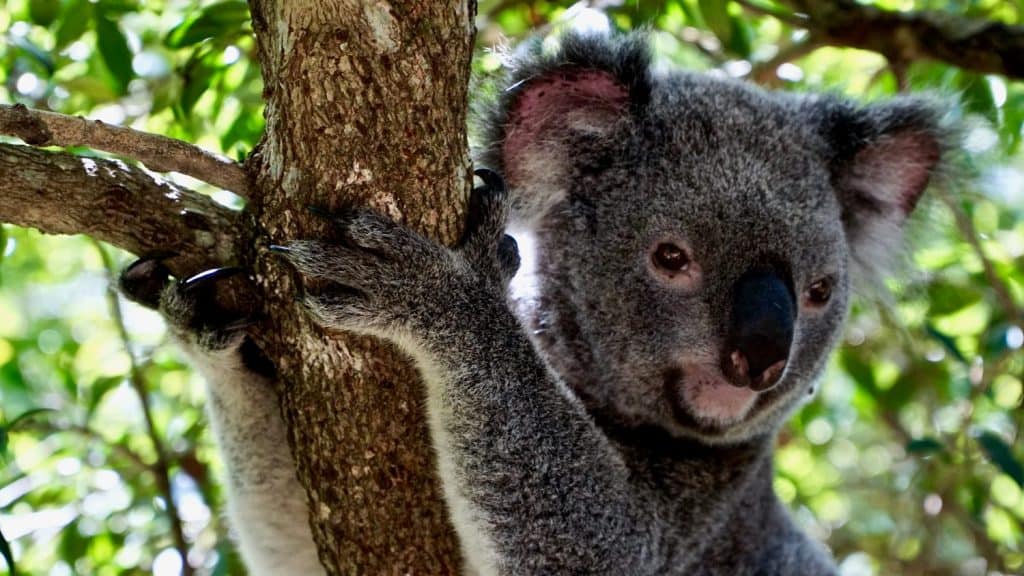
Koalas can present with conjunctivitis and urinary tract infections as part of contracting chlamydia.
©SUKHYEON JO/Shutterstock.com
The most common signs of chlamydia among koalas include:
- Conjunctivitis, or red, swollen eyes
- Urinary tract infection, which presents with a “wet bottom”
There are also other, non-visible signs of chlamydia in koalas. These include digestive problems, reproductive issues that can lead to infertility, and a general decline in health as the infection spreads. When koalas are not treated for chlamydia, the outcomes are not positive. When left untreated, koalas may endure:
- Impaired vision or blindness
- Cystitis
- Infertility in both male and female koalas
- Death
Given that chlamydia did not exist in Australia’s wild koala population a few centuries ago, but now infects so many, a common question is: how was this STI introduced to koalas? The answer is not known for certain, but the introduction of animals to Australia that wreaked havoc on the ecosystem is likely the answer.
How Did Koalas First Contract Chlamydia?
Unlike some diseases that animals contract, there is no definitive answer as to how wild koalas first became infected with chlamydia. However, a generally accepted hypothesis among scientists is that the root cause of the STI in the wild koala community is contact with livestock.

Livestock grazing is believed to be the cause of chlamydia in koalas.
©rickyd/Shutterstock.com
During the early 1800s, livestock was allowed to graze freely in areas inhabited by koalas. Before this time, sheep and cattle had little to no contact with koalas, as these livestock were not introduced to Australia until 1788. The livestock, specifically sheep, are believed to have first infected koalas with chlamydia. This is because the strain that infects sheep is remarkably similar to that which infects koalas.
In the early days of the disease, koalas had enough territory that they may not have come into contact with infected individuals. However, as koalas have had their habitats shrunk to a fraction of what they used to be, the infection has run rampant. Consequently, the once widespread koala populations across Australia have disappeared. Today, there are an estimated 49,000 to 77,250 wild koalas left in the country, leading to the beloved animal being categorized as endangered.
What Percentage of Wild Koala Populations Have Chlamydia?
There is no denying that chlamydia is a massive problem for the koala population. In 2018, it was reported that 100% of the marsupials in some wild populations tested positive for the bacterial infection. With such a high infection rate, the number of wild koalas dying each year increased dramatically.
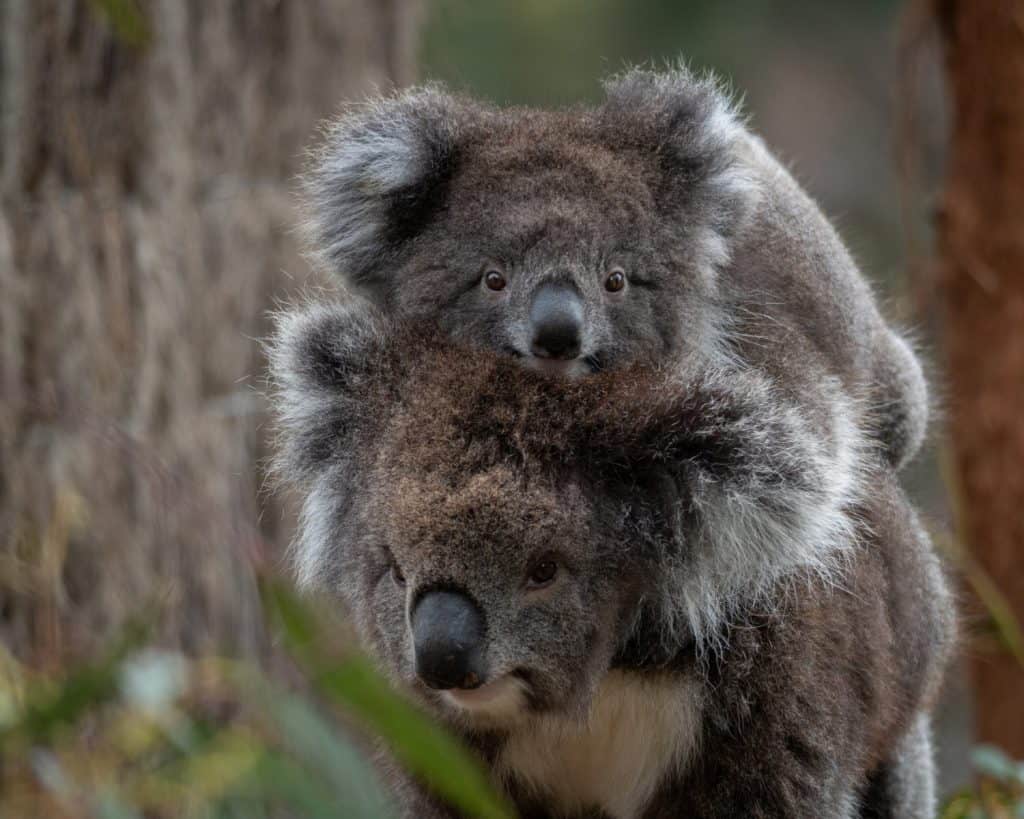
Up to 88% of some populations of wild koalas have chlamydia.
©AGCreations/Shutterstock.com
With treatments, koala numbers have improved somewhat. While wild populations are not free of the STI, today, the wild population in Queensland has infection rates ranging between 29% and 70%, and South Australia has populations with infection rates hovering around 88%. However, these rates are still far too high, leaving hundreds, if not thousands, of koalas suffering. This is why antibiotics are being used to treat the bacterial infection, which causes both infertility and death among wild koalas.
Can Koalas Take Antibiotics for Chlamydia?
Chlamydia is a bacterial STI. Therefore, the only way to ease symptoms and begin clearing the infection is through antibiotics. While antibiotics have proven effective in treating wild koalas infected with chlamydia, there are downsides to treatment that were not anticipated in the early days of efforts to put an end to chlamydia infections in koalas.
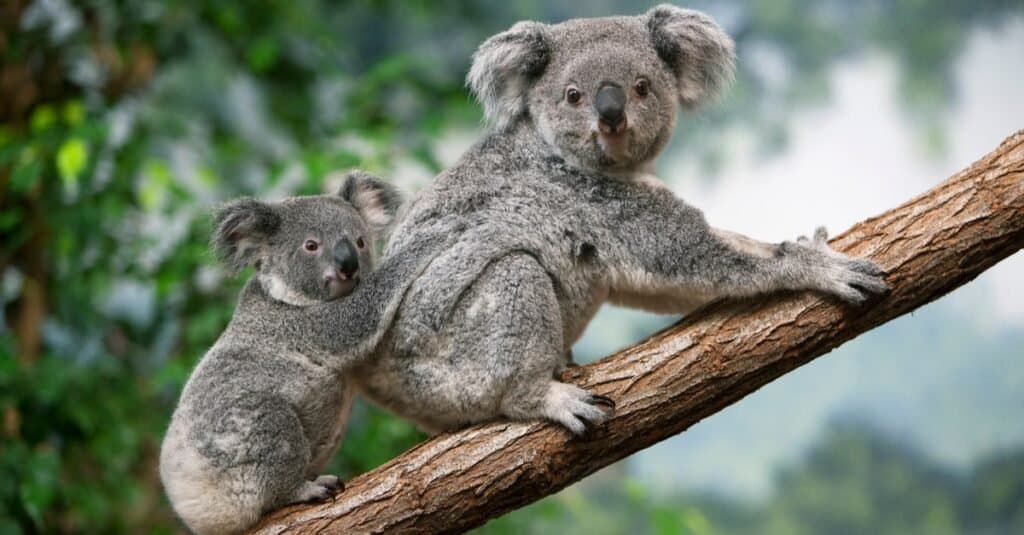
Koalas have been given antibiotics for chlamydia, but doing so comes with consequences.
©slowmotiongli/Shutterstock.com
Taking antibiotics disrupts the gut microbiome. For this reason, patients are often advised to take probiotics to help maintain healthy bacteria. When koalas were given the typical antibiotics for chlamydia treatment, which included azithromycin, chloramphenicol,
doxycycline, enrofloxacin, and florfenicol, they responded well to treatment. Those given doxycycline, in particular, had a 97% success rate in clearing the chlamydia. However, all the antibiotics caused negative effects on the gut.
The most concerning reaction was that the gut microbiome changed so much that koalas could no longer effectively digest eucalyptus leaves, leading to starvation in some cases. In addition, over the years, strains of chlamydia have become resistant to antibiotics. This is directly related to the habitat loss koalas have experienced in recent decades, which has only increased chlamydia cases among the marsupials.
Habitat Loss Is Contributing to the Increase of Chlamydia Cases in Koalas
Koalas have been losing their native habitat for years. However, from the 1990s to 2016, habitat loss was substantial, specifically in Queensland and New South Wales, where millions of acres were cleared. As this acreage was taken from the koalas, it forced populations that had not come in contact with one another to live together for the first time. It is no surprise that because of this, chlamydia infections rose.

Habitat loss has led to an increased number of chlamydia cases for wild koalas.
©LIGHTITUP/Shutterstock.com
The biggest causes of habitat loss for koalas include:
- Urban development
- Agricultural clearing for cattle grazing and crop growth
- Mining
- Logging
- Brushfires
Because koalas no longer have the vast eucalyptus forests to live in, they can only be found in the fragmented forests that remain in Australia. This concentrates the population in dense areas where chlamydia can easily spread. Additionally, the loss of genetic diversity makes koalas more susceptible to chlamydia, as their immune systems are weakened when there is less genetic variation.
Does this mean koalas are bound to become extinct? Given that some populations have a 70% infection rate, it is possible. However, with the advancement of a chlamydia vaccine, there may still be hope.
Can the Vaccine Help Save Koalas from Extinction?
Over the past decade, scientists have been working to develop a vaccine to prevent the spread of chlamydia among wild koala populations. The vaccine was first administered to captive, breeding-age koalas to prevent the STI and monitor for any side effects. By 2023, vaccinated captive koalas were faring well, so the vaccination process was extended to wild koalas.
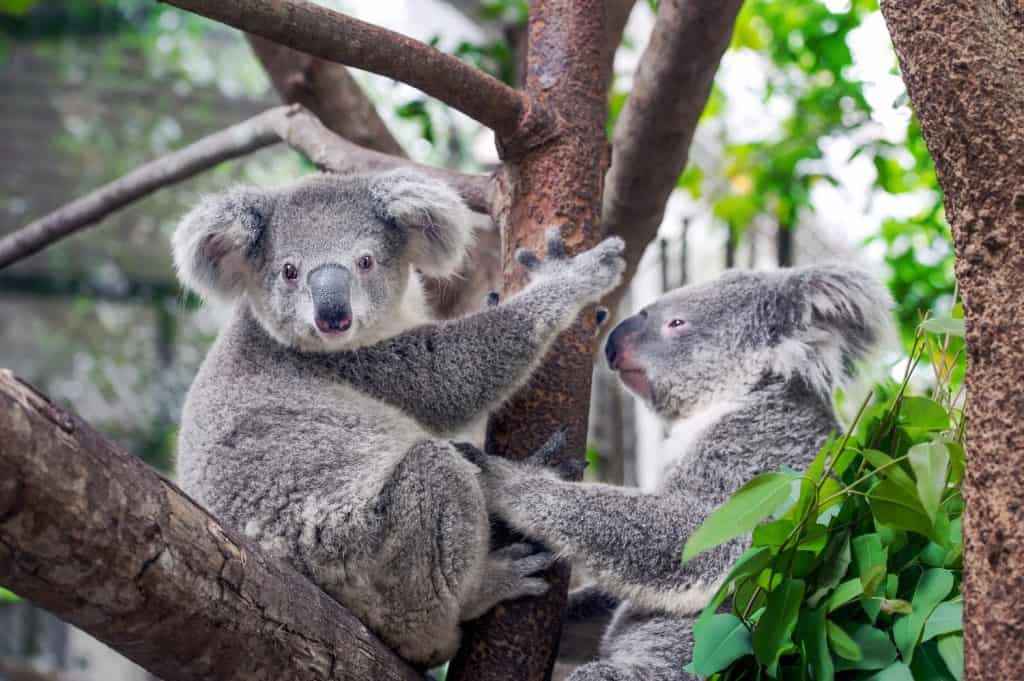
Vaccinations may be the key to stopping chlamydia and saving wild koalas from going extinct.
©Yatra4289/Shutterstock.com
Scientists targeted a small population of approximately 50 koalas in New South Wales to prevent infection and reduce symptoms in those already infected. By 2024, the results were promising. In a study published that year in NPJ Vaccines, the vaccine reduced the risk of koalas developing chlamydia symptoms during breeding age. Further still, the mortality rates decreased by 65% in wild populations.
The vaccine has been approved by the Australian Pesticides and Veterinary Medicines Authority for use throughout Australia to help stop the spread of koala chlamydia through 2027. The goal is to vaccinate all wild koalas to not only increase fertility rates but also stop the suffering koalas face when infected. If vaccination proves successful, the koala population has a chance of recovering, and the threat of the species going extinct by 2050 may not come to fruition.