
Quick Take
- The “Homogenocene” describes a growing trend where ecosystems around the world are becoming more alike as biodiversity declines.
- Human activities such as habitat destruction, climate change, and global trade are driving this shift.
- Adaptable species are thriving in human-altered environments, while more specialized species face increasing pressure and decline.
Wildlife is all around us, yet sometimes we take it for granted. The world’s wildlife is gradually changing, and many of us don’t even realize it. If you look around, have you ever noticed that we’re seeing more of the common animals – the pigeons, the gulls, the foxes – and less of the more unusual species? This change is being described as the “Homogenocene,” a trend in which the ecosystems around us become less diverse. But why is it happening, and is there anything we can do to stop it?
What Is the Homogenocene?
The term “Homogenocene” refers to a broad ecological trend in which the world’s ecosystems are gradually becoming more alike over time as biodiversity declines. Instead of each region supporting its own diverse range of species that thrive in their particular niches, these regions are beginning to lose their uniqueness. These unique species are slowly being pushed out—sometimes to extinction—by an increasing number of more general, adaptable species.
The Homogenocene has two main factors: the loss of localized species and the expansion of more adaptable species. It is sometimes called the “age of sameness.” As unique species are pushed toward extinction, the species replacing them tend to be more similar in their ecological roles and behaviors, as they have less specific needs and a wider distribution.
How Humans Are Reshaping Ecosystems
There are several factors that are driving the shift to the Homogenocene era, and many of these are linked to human activity. Humans have been reshaping ecosystems for thousands of years. However, the speed and magnitude of these changes have increased dramatically in the modern world. These changes to ecosystems don’t just alter habitats; they also directly affect which species are able to survive, as only those that can cope with the changes will continue to thrive.
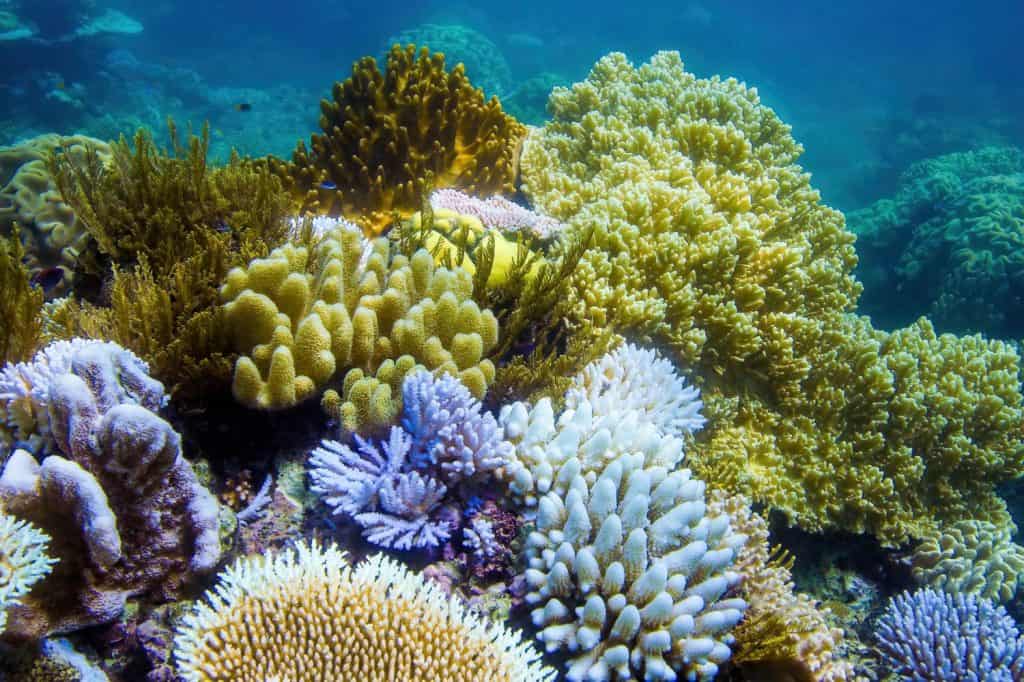
Marine ecosystems, such as coral reefs, are under pressure.
©Alexandre.ROSA/Shutterstock.com
One of the main causes of these pressures on ecosystems is habitat loss. This can be caused by activities such as logging, farming, urban development, and the clearance of land for new infrastructure like roads and railways. Unfortunately, these changes decrease the amount of land available for animals to live on and can cause fragmentation of populations. Habitat loss isn’t limited to land; river dams and coastal development can also disrupt natural habitats. At the same time, climate change is adding another layer of pressure, changing temperatures, and affecting rainfall patterns. Marine ecosystems are also under pressure. Warming waters damage coral reefs and other habitats that support a wide range of species.
Additionally, increased trade and travel due to globalization move plant and animal species to areas outside their native ranges, which can cause problems for native species if the newcomers become dominant.
Why Some Species Win While Others Lose
When it comes to the challenges that species face due to globalization and changes to their habitats, it’s important to realize that not all species respond to these changes in the same way. In general, species can be categorized as either generalists or specialists.
Specialists are species that depend on specific conditions in order to survive. They may need a particular habitat or nesting location, or they might rely on a specific food type. When their habitat is cleared or changed, or their source of food is affected, these animals can’t adapt to the changes as well as generalists can. As a result, they have fewer options, as they can’t simply move on to a new location. These species may end up with fragmented populations and populations that gradually become smaller due to the pressure that they face. Koalas and pandas are clear examples of specialist species. This is because they rely almost entirely on one source of food, making them particularly vulnerable if their habitat is cleared.
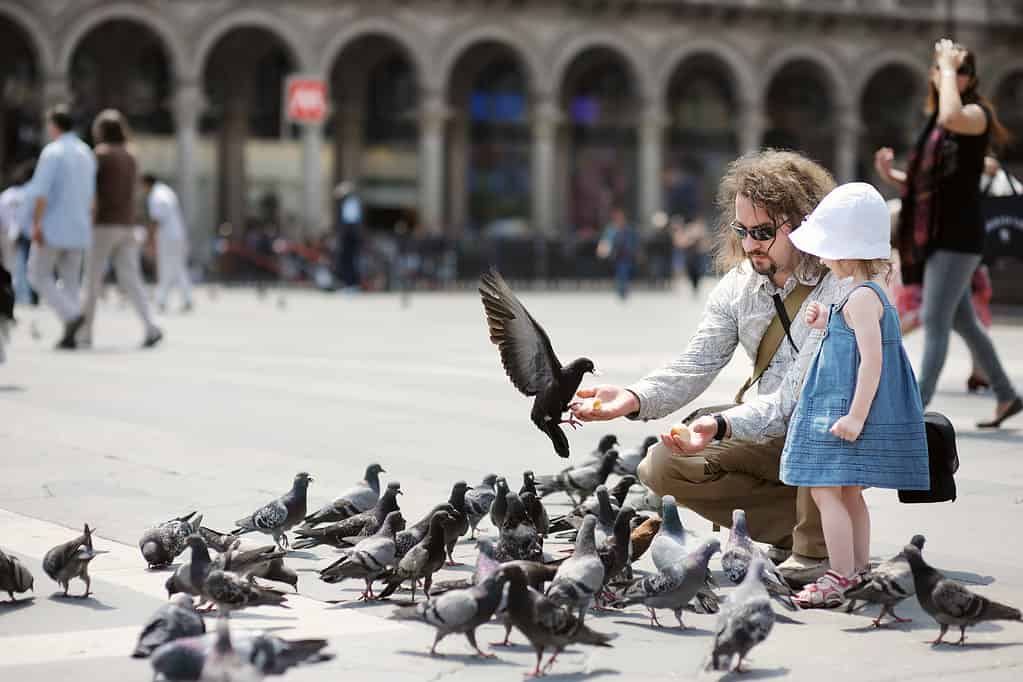
Pigeons are some of the most common generalist species.
©MNStudio/Shutterstock.com
In contrast, generalists are species that are able to survive in a wide range of habitats and locations and can adapt to many changes that they face. They can usually breed quickly, eat a variety of foods, shelter in many places, and tolerate noise and human activity. Their populations are less likely to be heavily affected by fragmentation, and their numbers are usually high. Animals such as pigeons and rats are well-known examples of generalists, as they have become highly successful in areas where humans live. They adapt and thrive rather than die. These animals can quickly fill in the gaps left by disappearing species. This can cause their populations to grow larger, which is why we’re seeing wildlife that looks more “samey”.
The Animals Thriving Alongside Humans
There are many generalist species that inhabit areas where there is increased human presence. These animals aren’t changing to a completely new way of life. Instead, they are simply able to take advantage of the opportunities that they have been presented with. Species such as pigeons, rats, raccoons, gulls, and cockroaches are often able to thrive in both wild and urban areas by taking advantage of a wide range of food sources.
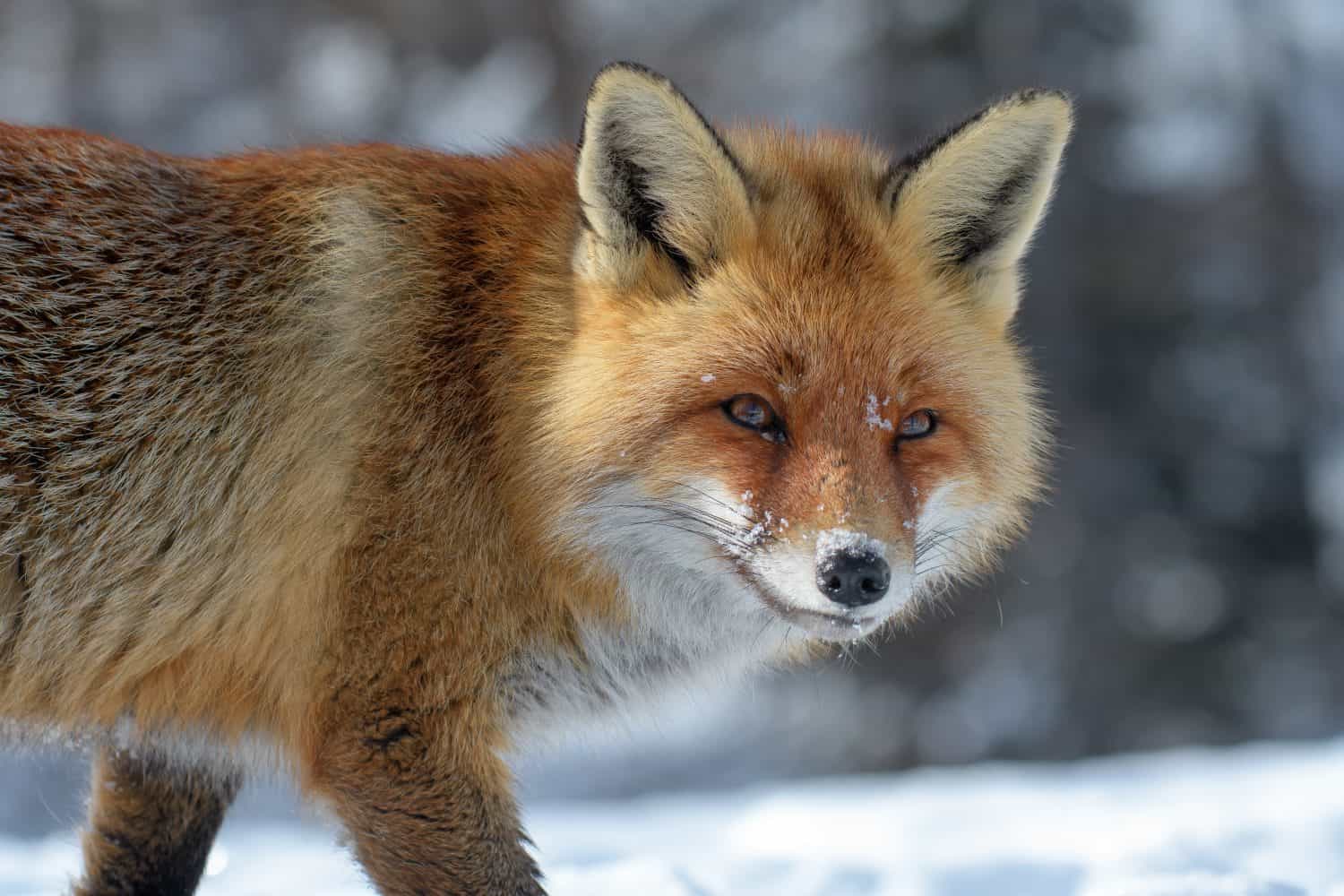
Foxes are another example of a generalist species that has learned to adapt. Although they are most commonly associated with farmland and forests, the number of urban foxes is increasing. These animals have adapted to scavenging for food in towns and cities, while rats and mice—also thriving generalists—make up a large portion of their diet.
In some cases, species introduced by humans can outcompete native wildlife, putting pressure on already vulnerable species. For example, mongooses were introduced to Fiji. They competed against native birds, especially ground-dwelling birds, causing the populations to decline. Similar situations also occurred on many islands, such as Australia’s Macquarie Island and the Galapagos Islands. In these cases, introduced species, such as cats, rats, and ferrets, had a detrimental effect on local wildlife.
Why Biodiversity Still Matters
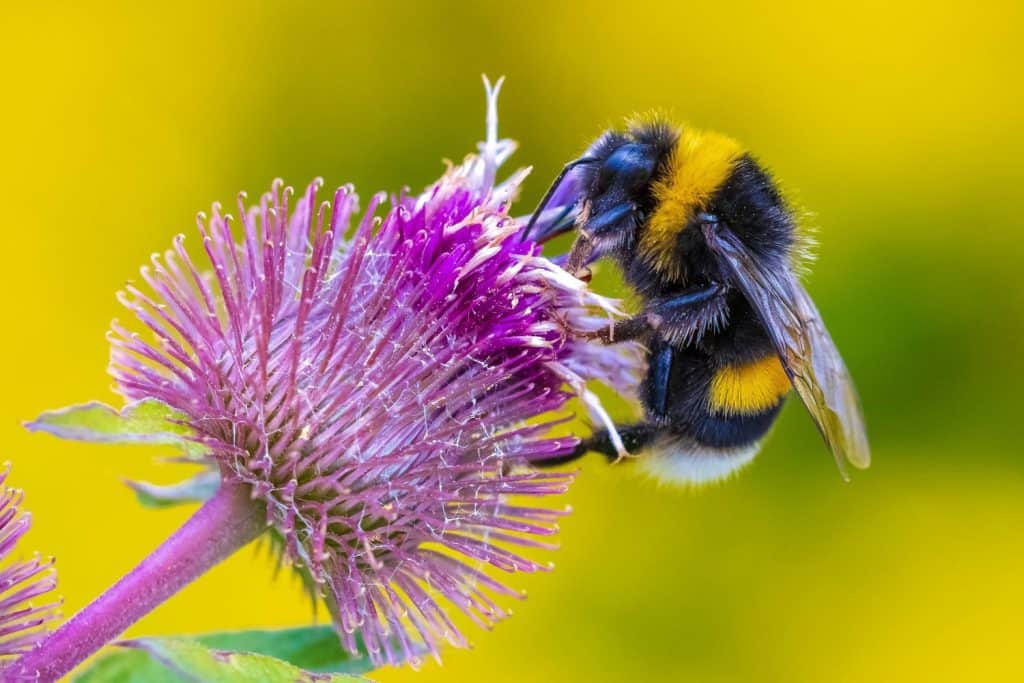
Animals such as bees are vitally important to the ecosystem.
©SanderMeertinsPhotography/Shutterstock.com
Biodiversity isn’t just about how many species there are in the world. Instead, it’s about how stable ecosystems are and how they function. Different species play different roles within the same ecosystem. Some species pollinate plants, some disperse seeds, and others help keep the populations of other species in check. When biodiversity declines, ecosystems become less stable and more susceptible to outside pressures. For example, if the number of insects that pollinate plants declines, then fewer plants will grow. Or if predator or prey numbers shift too much, then it can cause a trophic cascade. This can have a ripple effect on many different species within the food chain.
Even if common, more adaptable species remain, the loss of more specialized species can weaken ecosystems because their important roles are no longer carried out. However, biodiversity isn’t just important for wildlife—it’s actually vital for humans as well, since we depend on healthy ecosystems supported by diverse species. For example, fertile soil for the growth of crops can be affected if the ecosystem is no longer stable. Additionally, many medicines and food systems rely on a wide range of species to function properly.
Can the Trend Be Reversed?
The shift towards the Homogenocene era is not inevitable. Although human activity has driven this change, it is still possible for it to be slowed down or reversed. Better land management and increased conservation practices are key steps that can be taken. This means protecting and restoring habitats where human activity has threatened the ecosystem, allowing them to recover naturally. Additionally, controlling invasive species will help to protect more vulnerable species. We can also try to reduce pollution and change agricultural practices so that they are less damaging to local wildlife.
However, it’s important to note that reversing the trend does not mean removing all human influence from these areas. Instead, it involves finding ways to live alongside and support ecosystems, rather than altering them for the worse. In many cases, when the pressure is reduced, ecosystems can recover more quickly than expected.