
Quick Take
- For 25 years, scientists surveyed this skink without realizing they were looking at the wrong species entirely. See how it was unmasked →
- A lizard hiding in one of Australia's national parks turned out to be one of the rarest reptiles on Earth. See the population numbers →
- The biggest threat to this skink's survival isn't climate change or predators. It's an animal most people would never suspect. Discover the unexpected threat →
- Scientists are debating whether naming the kungaka its own species came too late to actually save it, with some suggesting the window for action may already be closing. Explore the survival debate →
Australia is known for its rare and interesting critters. Some can be frightening and venomous, while others are intimidating but innocuous. Australia’s isolation from other landmasses ensures that many of these animals are not found anywhere else on the planet. This is a double-edged sword, as this isolation can both keep the animals protected and also cause them to go extinct.
One such animal is the “hidden” ancient skink that may be Australia’s rarest reptile. With very few left on the planet, conservation efforts are underway to ensure the kungaka is not just a part of Australia’s past, but of its future.
The Kungaka Is the Rarest Australian Reptile
Skinks are a common creature in Australia. Living in their rocky habitats, they are not often seen, spending much of their days in dark shelters away from the elements and danger.
One of the most common skinks is White’s skink, a widely distributed reptile throughout the country. Until recently, it was believed there was just one species of White’s skink. As it turns out, there is not one, but three. The three species of skink include:
- Southern White’s skink (Liopholis whitii)
- Northern White’s skink (Liopholis compressicauda)
- Kungaka (Liopholis mutawintji)
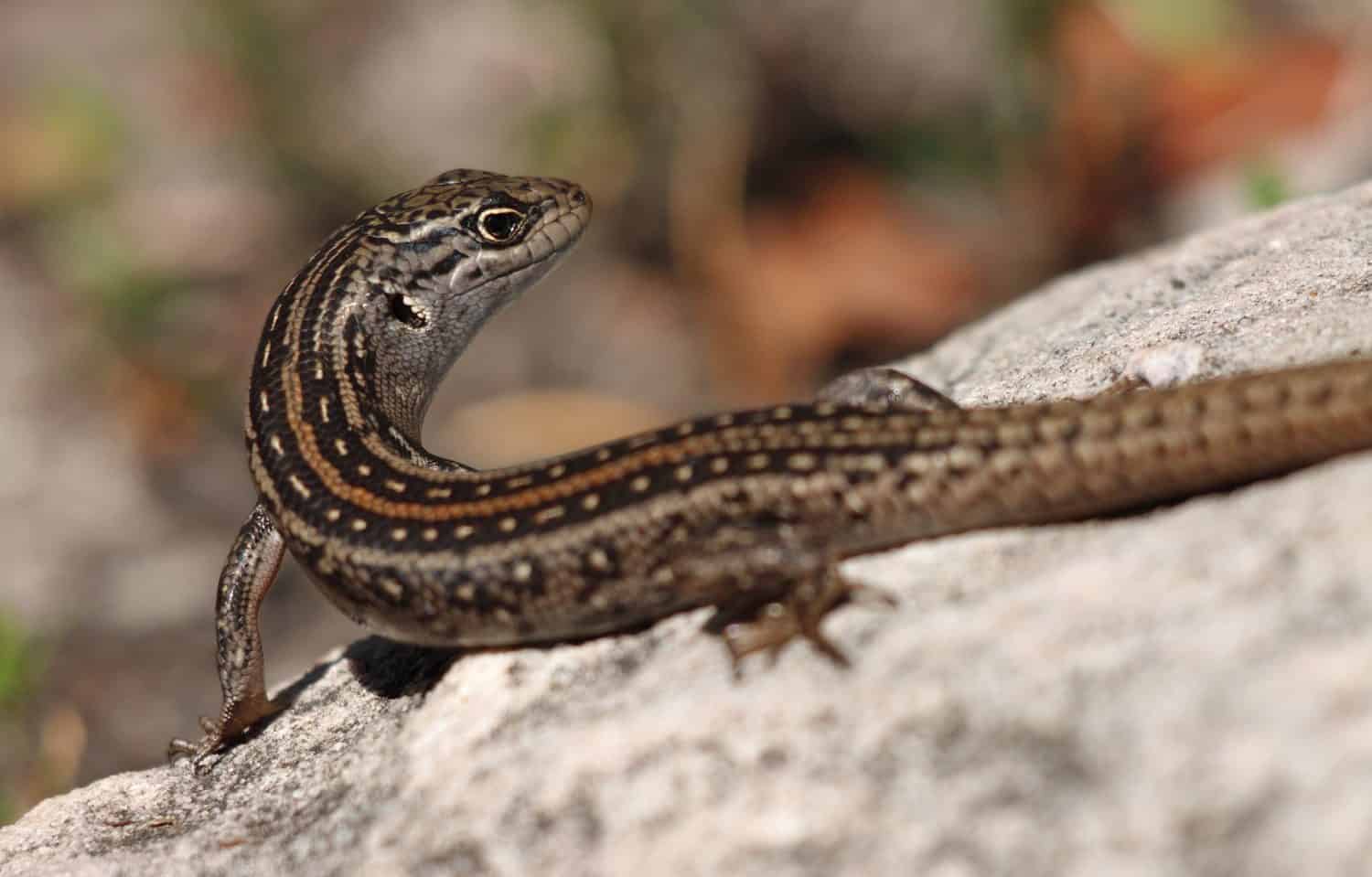
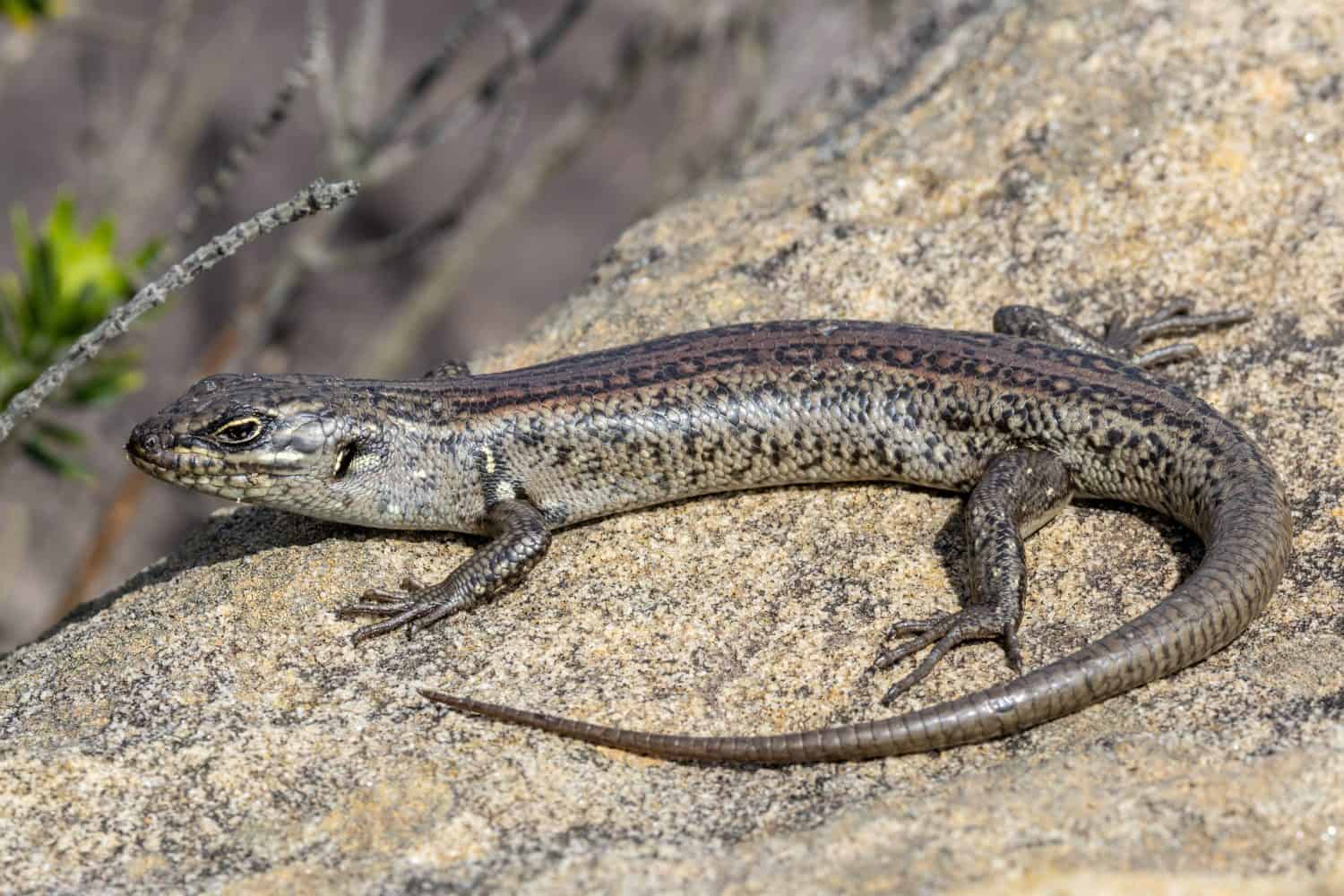
The kungaka, which is similar to this White’s skink, has a population of only 20 individuals left in the world.
©dannersjb/Shutterstock.com
The kungaka was believed to be a small population of White’s skink living within Mutawintji National Park. Instead, the kungaka is a small population of a skink species on the brink of extinction. Kungaka, meaning “the hidden one” among the Wimpatja Aboriginal Owners, is significantly larger than the common skink. Its brown, gray, and cream coloring allows it to blend into the red sandstone of the national park.
The reptile is incredibly rare, with just 20 known to be left on the planet. Whether these are the last individuals before the species goes extinct, or if there is still time for conservation efforts to save the kungaka, is a question on the minds of many.
Why Was the Kungaka Mistaken for Another Skink?
For the last 25 years of surveys, it was believed the kungaka was White’s skink. White’s skink is abundant in the rocky regions of southeastern Australia, the same habitat that the kungaka inhabit. The skinks also look very similar to one another. Therefore, even to the trained eye, the two species were considered one and the same.
It was not until genetic testing was completed and a comparison was made that it became clear that White’s skink and the kungaka were different species. No longer were the kungaka seen as a small population of White’s skink that resided within Mutawintji National Park. They were identified as a species that became isolated 310 miles from all other skinks, which allowed them to remain genetically distinct.
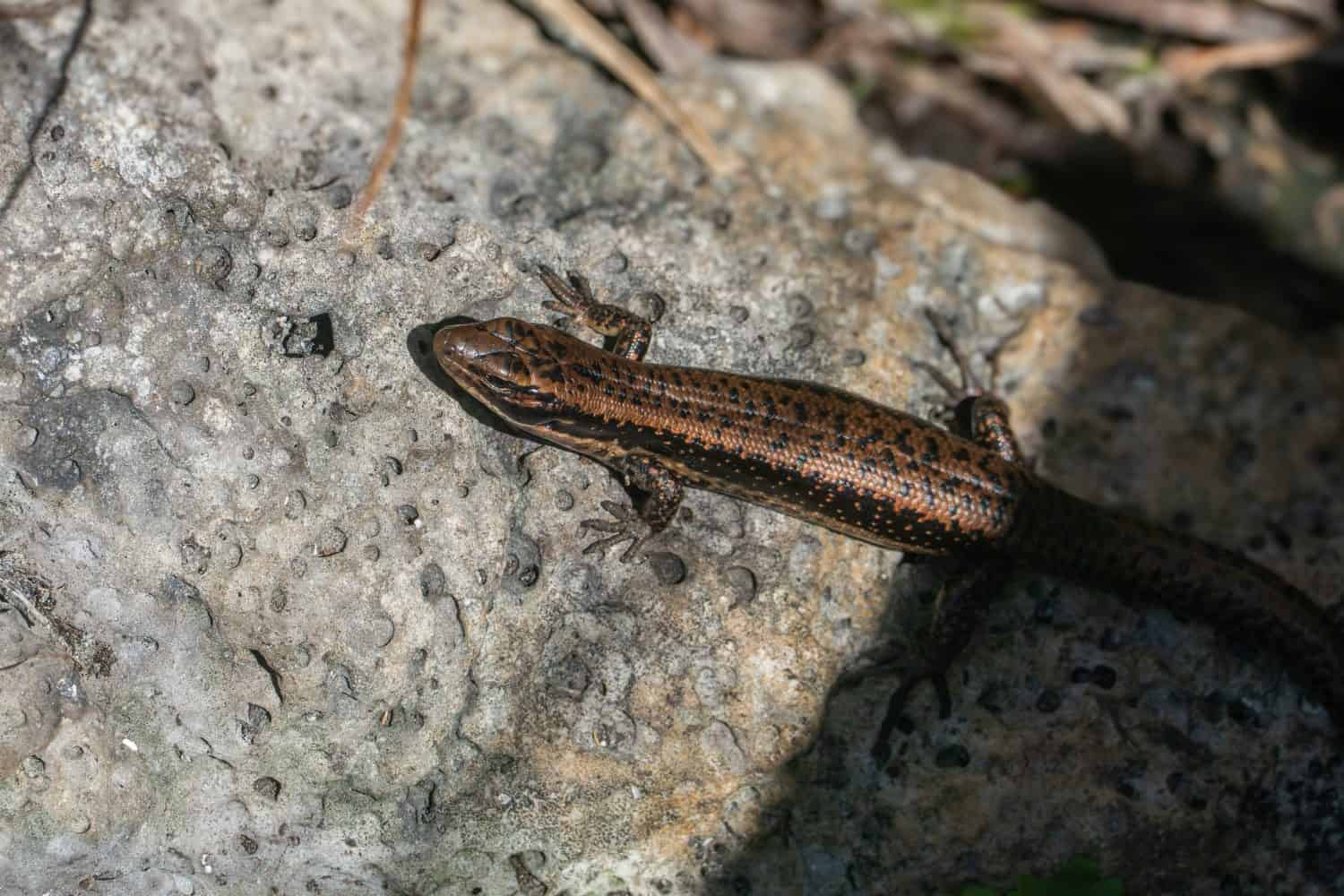
The kungaka was mistaken for White’s skink for 25 years.
©El Paco 33/Shutterstock.com
The problem with just recently naming the kungaka its own species is that there are so few left.
White’s skink is considered a species of least concern, meaning it faces no threat of extinction. With less than two dozen kungaka being observed since the 2024 surveys, the kungaka is considered “functionally extinct,” according to Chair of the Mutawintji Board of Management, Warlpa Thompson.
“We want to try and maintain that population while we work out a strategy to raise the numbers,” Thompson explained to the Australian Broadcasting Corporation. “So, we need to take some fairly drastic action over the next five years.”
It is unclear at this time whether the kungaka can survive another five years, given that their habitat continues to decrease. But with other species making miraculous comebacks, such as the Wangurru—a yellow-footed rock wallaby—there is hope that the kungaka can do the same.
Threats to the Kungaka
The planet has been a very unforgiving place for many species over the last several decades. This has led to up to 200 animals, plants, and insects going extinct daily. Given the small population of kungaka left and the threats they face, it is a wonder they have survived.
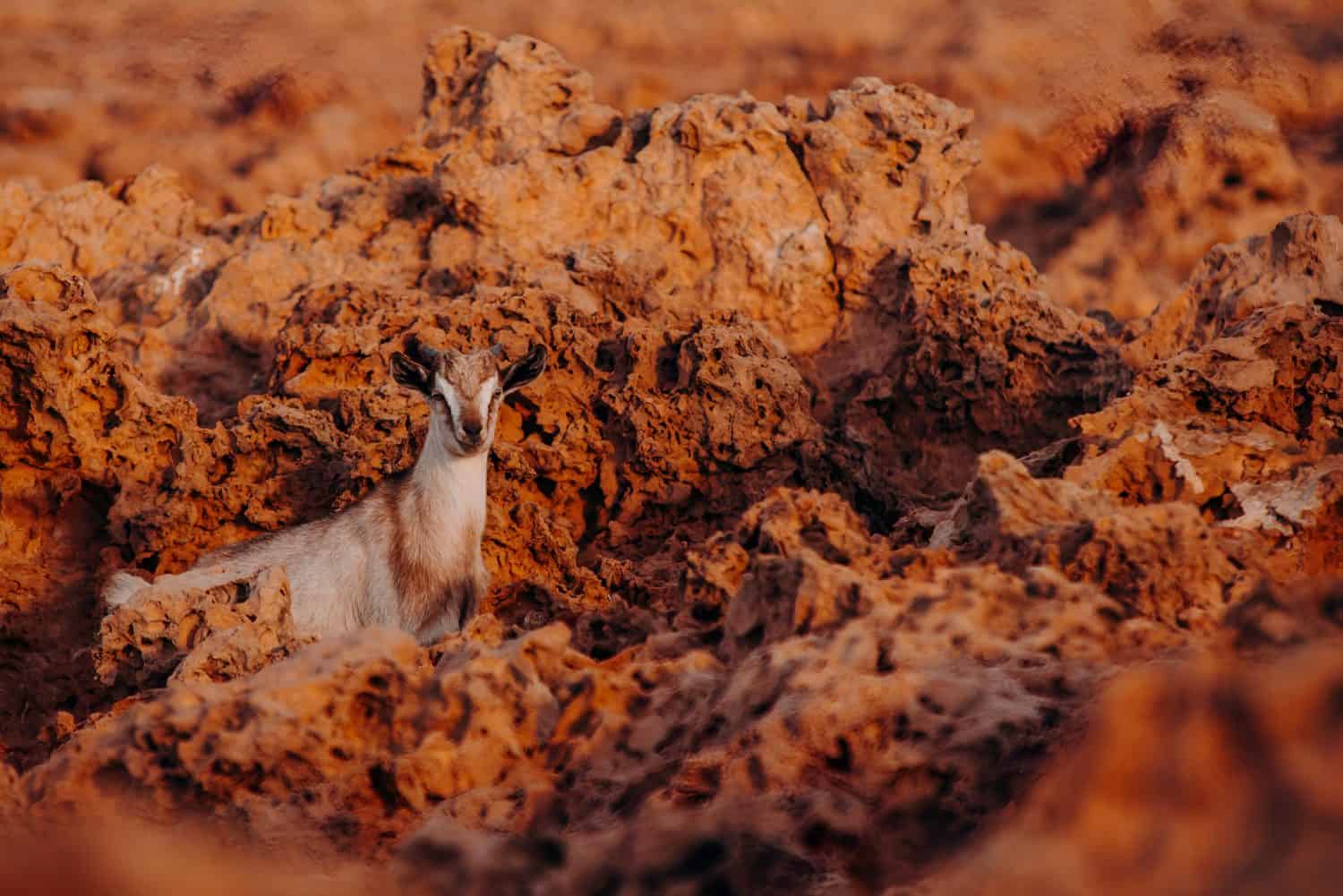
Wild goats threaten the future of the kungaka.
©Lauren Henderson/Shutterstock.com
The threats that the kungaka face include:
- Climate change
- Increased drought
- Being hunted by foxes and cats
- Habitat destroyed by wild goats
Because the kungaka was thought to be part of a more common species until recently, the population decline in Mutawintji National Park was concerning but not considered critical. Now that the kungaka has been recognized as its own species, conservation of this skink is of the utmost importance.
Can the Kungaka Be Saved Before They Go Extinct?
Species recognition of the kungkaka means that it has the potential to receive protections that were not previously available. However, with just 20 known kungaka left, it may be a case of too little, too late. To give the kungaka a chance to reestablish a population, its habitat needs to be restored. Consequently, animals like wild goats need to be better controlled to allow overgrazed plants a chance to regrow. Reducing the number of goats will also help prevent the destruction of the rocky areas in Mutawintji National Park that the kungaka call home.
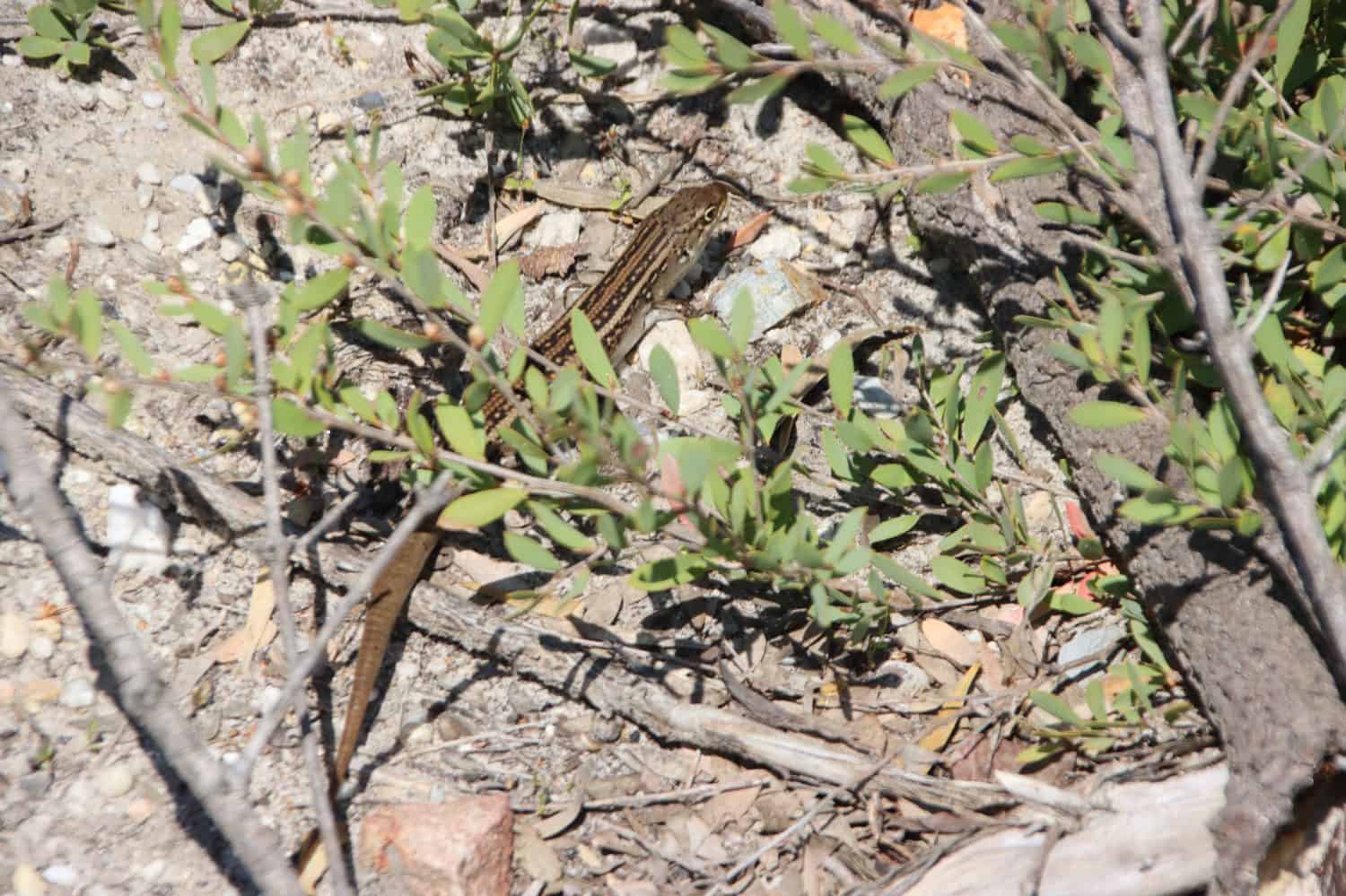
The hope is that conservation efforts can increase the population of the kungaka, similar to this White’s skink, before they go extinct.
©SJM51/Shutterstock.com
However, this may not be enough to increase the kungaka population quickly enough to prevent extinction. Instead, while allowing their environment a chance to heal, captive breeding programs may be necessary. This way, the kungaka have the best chance of surviving their most vulnerable stage of life before being returned to their natural habitat.
If conservationists work quickly, it may be possible to remove the kungaka from the brink of extinction. However, if no changes are made, this ancient skink, which has survived longer than most other Australian creatures, will disappear forever.