








Quick Take
- Achieving companion status required a precise 1990s crossbreeding event for allergy sufferers.
- Exceeding the 4 to 6 week grooming window leads to inevitable skin infections.
- A Maltipoo is not always hypoallergenic despite its Poodle and Maltese ancestry.
- Identifying a skipping gait is the first step in diagnosing why surgery is required.
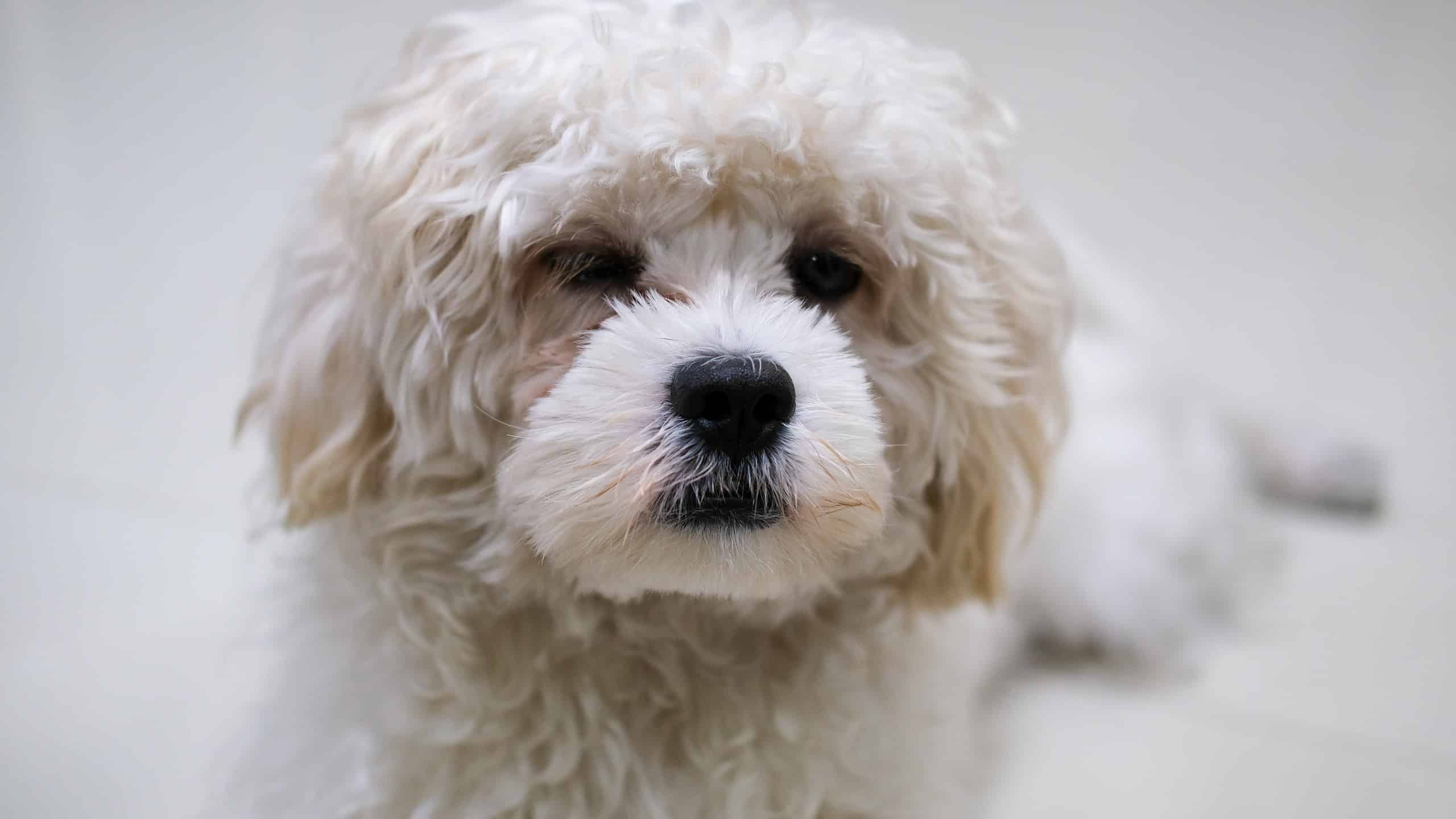
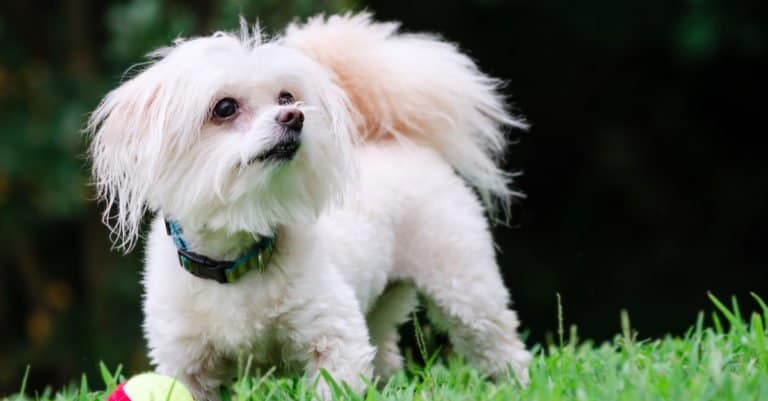
Maltipoos are loving, playful, and intelligent small-breed dogs. They are a hybrid breed that is a cross between a Maltese and either a Poodle or a Miniature Poodle. Breeders originally mixed Poodles and Maltese to create a breed that would make a good companion pet for individuals with allergies. Depending on how strong the Maltese genes are, Maltipoos may be hypoallergenic dogs, like poodles.
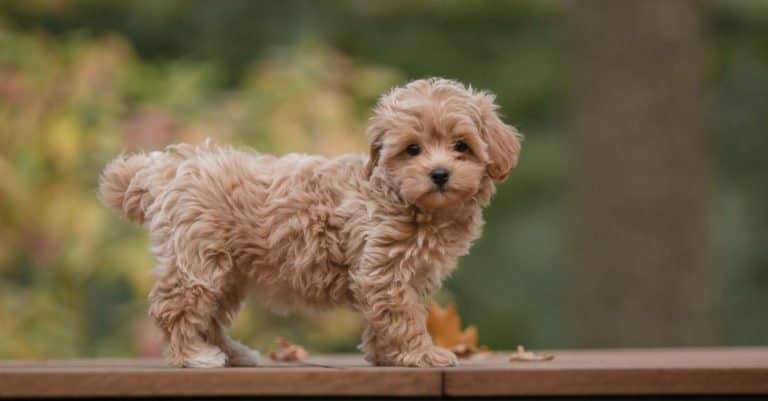
Maltipoos, also known as Malt-A-Poos, can make a great addition to nearly any home. The breed is good with children and loves spending time with the members of their family. A Maltipoo may have a curly or scruffy coat. White, cream, and silver are the most common coat colors, though they can also be blue, gray, black, or brown.

3 Pros and Cons of Owning a Maltipoo
| Pros | Cons |
|---|---|
| Little to no shedding: Most Maltipoos don’t shed much at all and can be a good pet for an allergy sufferer. | Barking: Maltipoos can be very vocal and may bark more than other breeds. |
| Easy to train: Maltipoos can be easy to train. They are motivated by food, so using a positive training method with food rewards can be effective. | Separation anxiety: Maltipoos don’t do well when they are left home alone. They can develop separation anxiety. This breed is not ideal for homes where someone won’t be around most of the time. |
| Good with kids: Maltipoos are gentle and affectionate. They can make a good addition to a home with children, especially older children. | Expensive: Malt-A-Poos can cost more to adopt than many other breeds. |
Origins and History
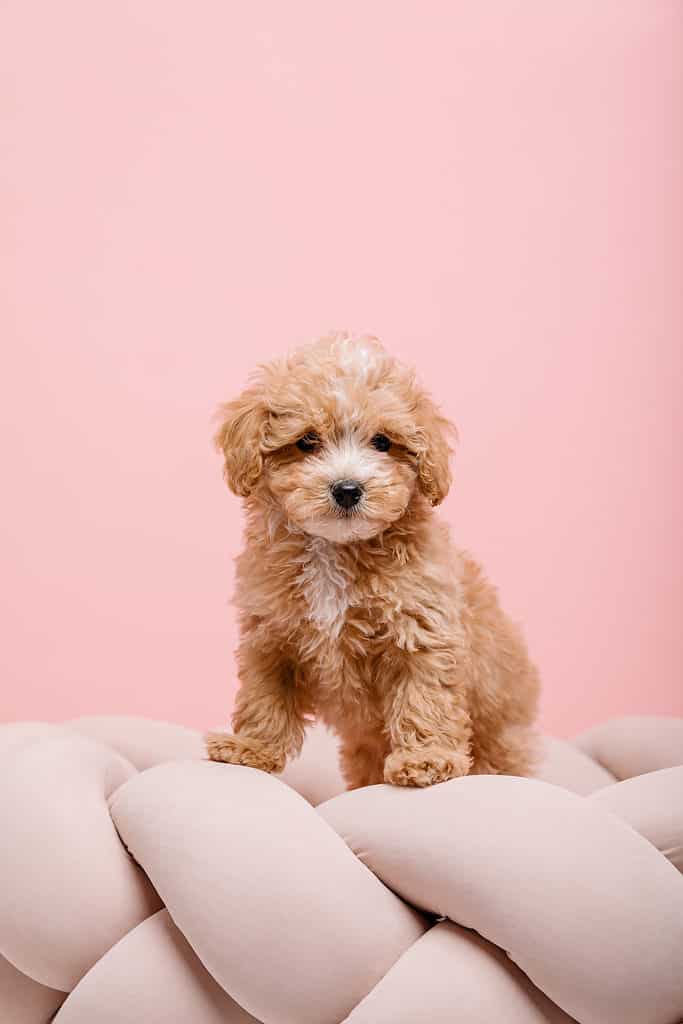
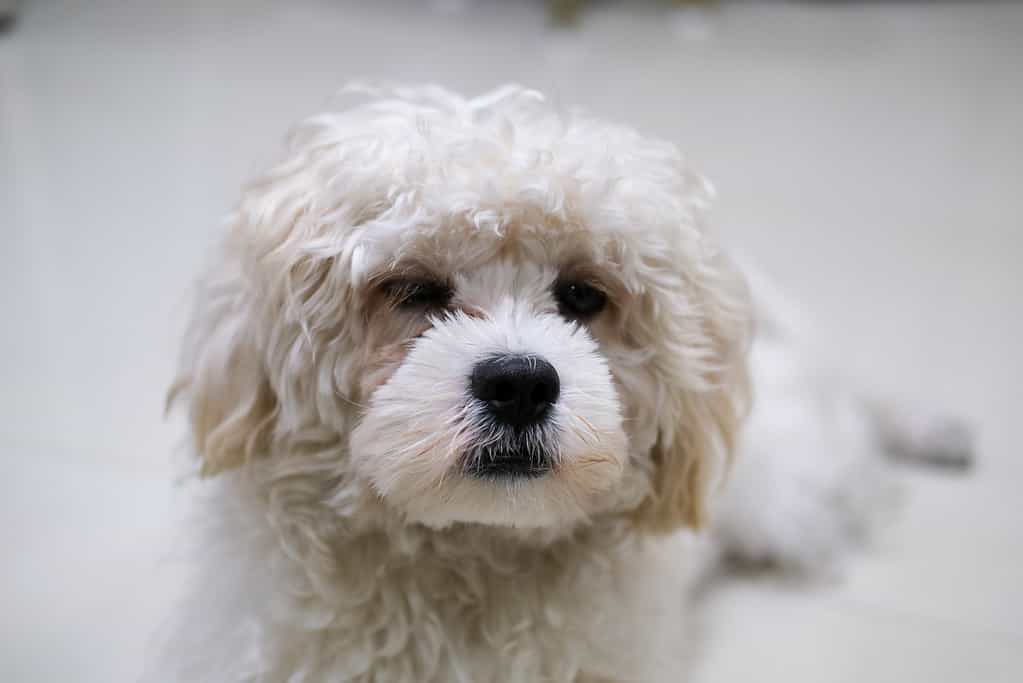
Maltipoo dogs are adorable Maltese and Poodle mix puppies.
©OlgaOvcharenko/Shutterstock.com
The Maltipoo is a hybrid dog breed created by combining a Poodle and a Maltese. This pairing was not an accident, as it was first bred in the 1990s to be a low-maintenance companion. The temperament of the Poodle was adjusted, and the coat of the Maltese was modified to create a friendly dog that would be perfect for novice pet owners.
The Maltipoo breed has only been around for about 30 years, first appearing in America and quickly becoming the go-to pet for many families. The combination of the two parent breeds makes it a desirable choice. If you find the history of the Maltipoo fascinating, you might want to consider adopting one and becoming part of its story.
Size and Weight
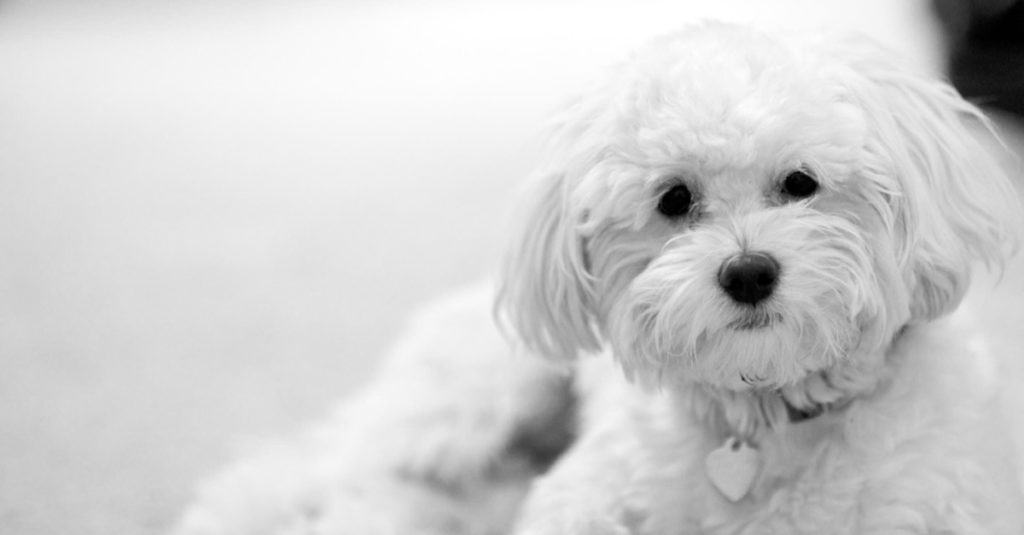
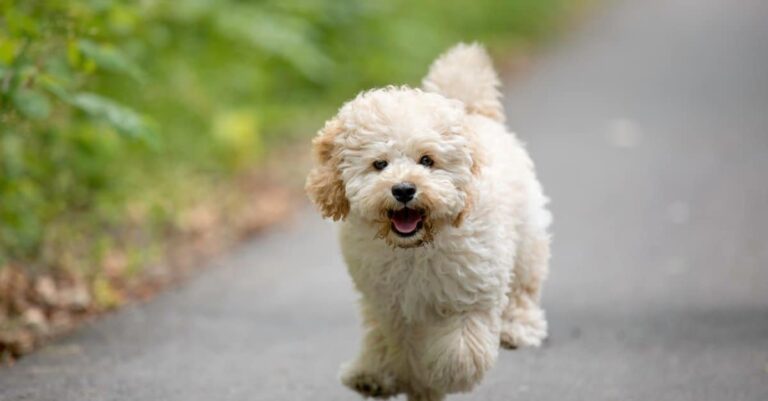
Maltipoos are not too high-energy but like to play. They are great pets for all age groups.
©Tyler Miller/Shutterstock.com
Maltipoos are small-sized breeds. Males and females are roughly the same size. A full-grown Maltipoo may weigh between 5 and 20 pounds and may be between 8 and 14 inches tall. These are relatively wide ranges because the specific genes a Maltipoo inherits from its Maltese and Poodle parents will determine its exact size. Teacups are smaller versions of the dog. A Teacup weighs between 5 and 10 pounds.
Common Health Issues
Before purchasing a Maltipoo, it is a good idea to learn about some of the potential health concerns that can affect this breed. This will help you learn what signs and symptoms to be on the lookout for and help you decide if you should bring your dog to the vet.
Patellar luxation is one possible health issue this breed may face. Patellar luxation is when the patella, or kneecap, isn’t lined up properly and slips in and out of place. It can cause lameness in the leg or may make a dog appear as if they are skipping as they walk. Surgery is sometimes required to fix this problem.
Some Maltipoos may also suffer from epilepsy. Epilepsy is a seizure disorder that is sometimes caused by genetics and sometimes caused by unknown factors. Medication can normally manage epilepsy and allow your pet to live a mostly normal life.
Legg-Calve-Perthes Disease is another potential issue. This disease impacts smaller dog breeds. The condition causes a decreased supply of blood to the top of the femur bone. This causes the head of the femur to disintegrate, which can lead to muscle atrophy, limping, or pain. Surgery can often correct this and allow a dog to walk without pain.
Temperament and Behavior
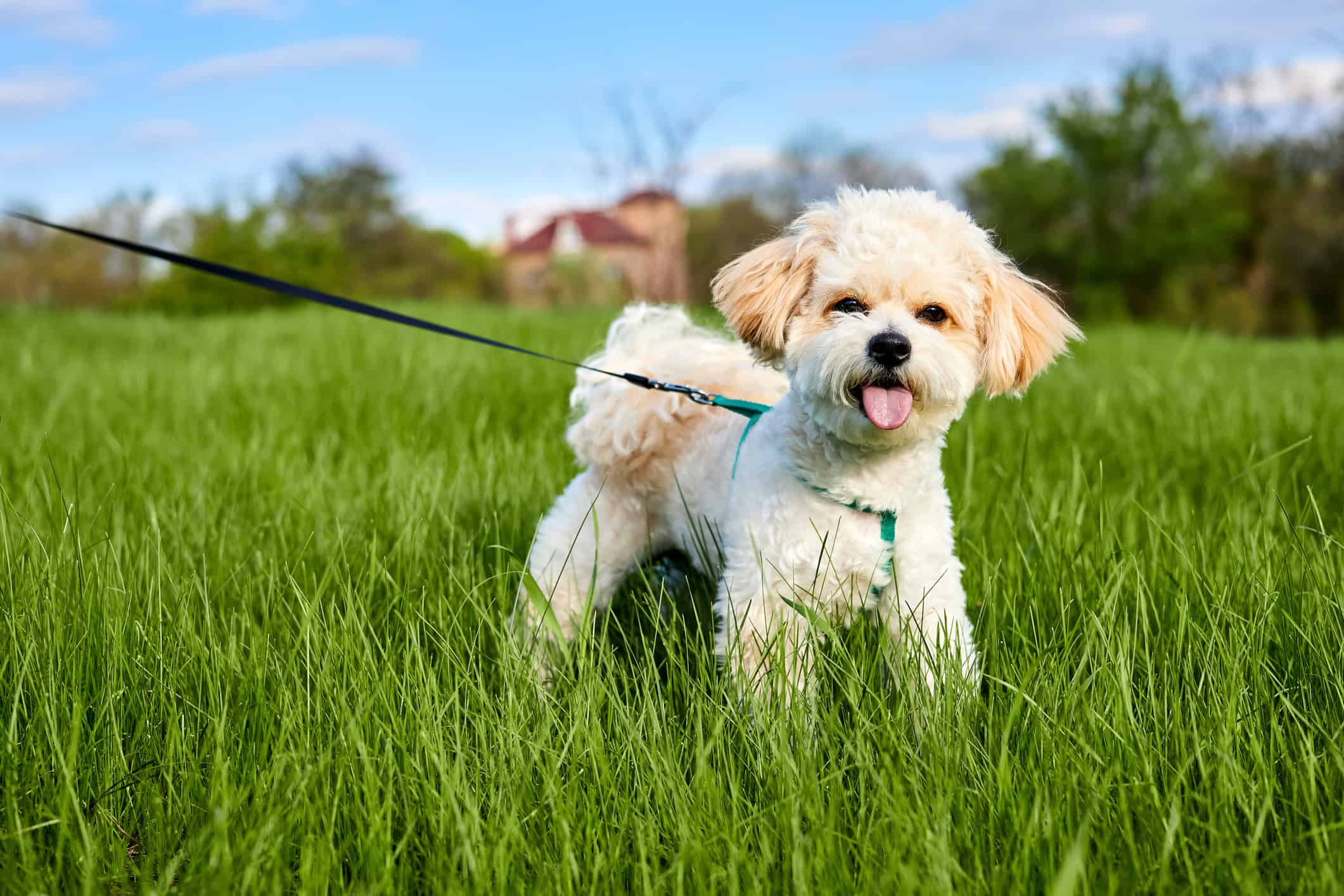
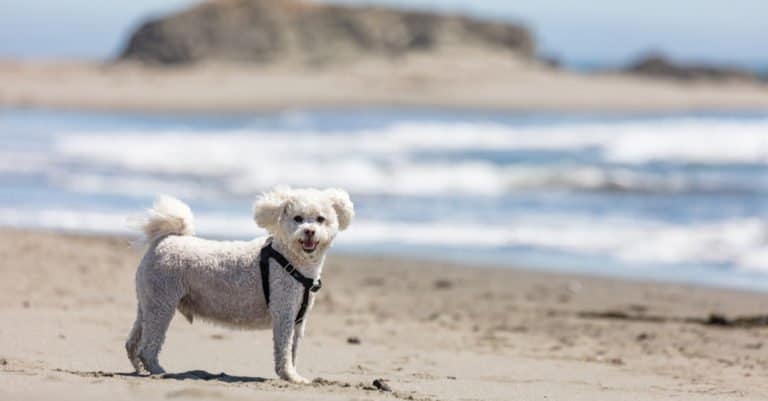
Maltipoos can be great pets for families and are very smart and easy to train.
©iStock.com/marketlan
The exact temperament of a Maltipoo can vary based on its genetic makeup and the traits it inherits from the Poodle or Maltese parents. The traits of the mother seem to be more dominant. However, a Malt-A-Poo’s environment, care, and socialization can also play a role in determining their personality and behavior.
Most of these dogs have very friendly personalities. They are typically more outgoing. This breed also commonly does well with children and can be very loving and gentle. Maltipoos don’t do well when they are left alone for too long. They are also more prone to separation anxiety than some other dog breeds, so this would not be a good pet for you if they are left alone for large parts of the day.
How to Take Care of Them
When thinking about caring for your Maltipoo, there are a number of factors you should consider. The breed’s temperament, health needs, activity needs, and dietary needs should all be considered to ensure you provide your dog with the best care possible.
The Best Dog Food
Maltipoos can be prone to orthopedic problems and epilepsy. So Maltipoo owners should make sure they buy balanced dog food with essential nutrients to prevent health problems as much as possible.
As you plan to care for your Maltipoo, one of the first things you’ll need to think about is feeding your dog. Adult Maltipoos should be fed high-quality small-breed food. They’ll generally need between 5/8 and 1/5 cups of food each day. The exact amount of food can vary based on the specific size of your dog, its activity level, health, age, and other variables.
If you need help determining how much food your Malt-A-Poo should eat each day, consult with their veterinarian. Once you know the ideal amount of food to feed your dog each day, separate that portion into two meals.
Maltipoo puppies who are under six months old will need to eat about four smaller meals each day. This is because a puppy’s stomach is smaller than an adult’s, so it can’t handle too much food at one time. Choose a small-breed puppy food and check with your veterinarian if you are unsure about the exact amount that is ideal for your growing puppy.
Maintenance and Grooming
While the exact grooming needs of your Maltipoo may vary a bit based on the way their coat is, you’ll want to be sure to brush your pet on a regular basis. This means brushing them daily or every other day. Regular grooming will keep their coat from getting tangled and matted and remove any loose hairs.
If your dog has a curlier coat like its Poodle parent, you may find that it’ll need to go to the groomer about once every four to six weeks. If you don’t keep their coat well-groomed and trimmed, it will get matted, which can lead to a skin infection.
Check your Maltipoo’s nails to make sure they aren’t getting too long. Nails that are too long can make walking difficult or even painful for your pup. You should also take care to keep your Maltipoo’s ears clean to prevent them from getting infected. Remove dirt and debris and use an ear-cleaning solution to prevent too much wax from building up.
Finally, you will also want to brush your dog’s teeth at least every few days to prevent plaque and tartar from building up and causing dental disease.
Training
In general, Maltipoos are relatively easy to train. They are very motivated by food, so using a treat-based training method will likely work best with this breed. Training methods that focus on positive reinforcement are most effective with this breed. Maltipoos, especially female Maltipoos, can also be stubborn. This can sometimes make training a bit more of a challenge, but if you are very consistent, you should see positive results.
You will also want to make sure to socialize your Maltipoo from an early age. This will help your dog learn how to act in different situations, around different people, and around other dogs. Waiting until your dog is full-grown to begin training can make the process more challenging, and your dog will likely be more stubborn than when they were younger.
Exercise
While Maltipoos are small, they still require daily exercise. At a minimum, take your dog for a 10- to 15-minute walk each day or play with them in a fenced-in backyard. You can also purchase toys to play with your pup inside. If your Malt-A-Poo doesn’t get enough exercise, he may become bored. Boredom can lead to your pet getting into trouble and becoming destructive, so you’ll want to make sure his exercise needs are met.
Puppies
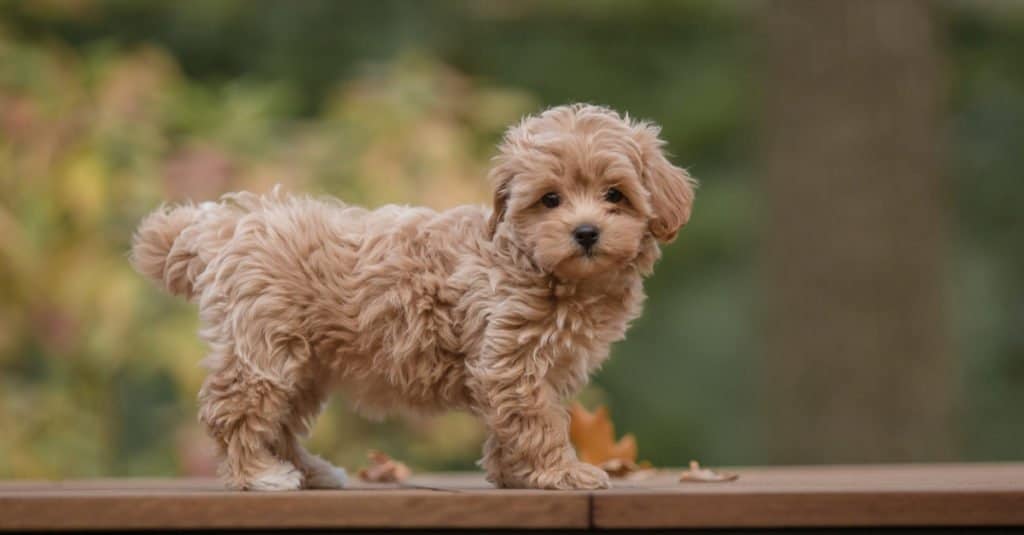
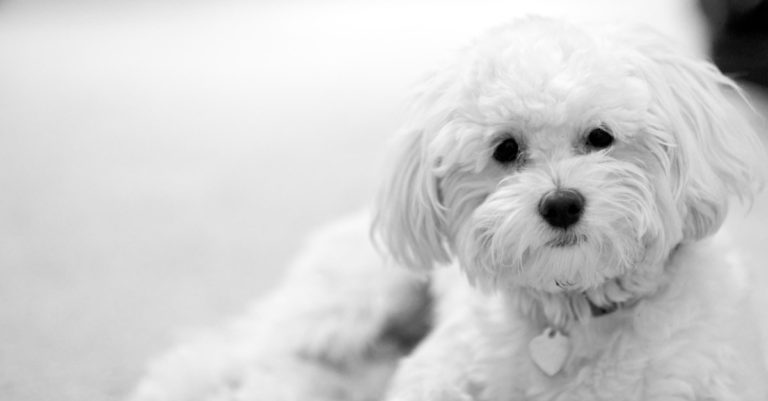
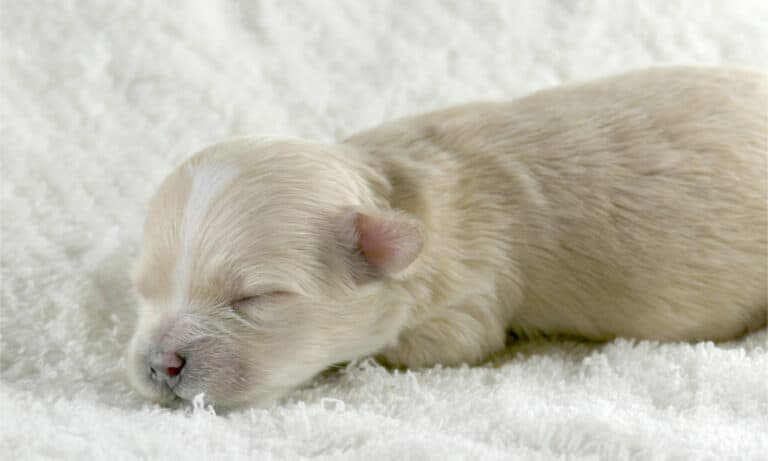
Maltipoo puppies are adorable. They love to cuddle.
©OlgaOvcharenko/Shutterstock.com
Make sure your home is ready for a new puppy before bringing one home. Remove any potential hazards, put away anything you wouldn’t want to see chewed up by a puppy, and purchase food and other supplies to have ready for your dog.
It will be important to start training your Maltipoo as soon as you bring him or her home. This can help the dog learn important commands and expectations from a younger age, so they’ll stick. Once your dog has been fully vaccinated, start socializing him or her and consider signing up for obedience training classes.
With Children
Maltipoos make a great family dog. They are loving, gentle, and playful. However, since Maltipoos are smaller dogs, they could easily be injured by a toddler or younger child who doesn’t know the correct way to play with a dog. For this reason, this breed is best for homes with slightly older children.
Even though Maltipoos are generally good around children, it is always a good idea to closely supervise children when they are with this breed or other breeds. This can prevent the child or the dog from getting accidentally injured.
Similar Dogs:
Poodles, Maltese, and Yorkshire Terriers are three breeds that are similar to Maltipoos.
- Poodle: A poodle makes up half of a Maltipoo’s genes. Both breeds are very intelligent, playful, and easy to train. They both can also make a good family dog. Poodles are much larger than Maltipoos, however. The average weight of a Poodle is over 50 pounds compared to a Maltipoo’s average weight of just 12.5 pounds.
- Maltese: A Maltese is the other half of a Maltipoo’s genes. Both breeds are sensitive, affectionate, and social. A Maltipoo has a higher intelligence level, is easier to train, and has a higher exercise need than a Maltese.
- Yorkshire Terriers: Yorkshire Terriers and Maltipoos are both small dogs that make excellent companion pets. Yorkshire Terriers are smaller than Maltipoos, with an average weight of just 5.5 pounds compared to the 12.5-pound average weight of a Maltipoo. Both breeds are also intelligent and affectionate. Maltipoos make a better family dog than a Yorkshire Terrier, though.
Famous Maltipoos
Maltipoos are a popular hybrid breed. Many celebrities love these friendly, loving, and playful pups as well. Below are a few famous Maltipoos:
- Wolf is Ellen DeGeneres Maltipoo
- Penny is Blake Lively’s Maltipoo
- DJ is Rihanna’s Maltipoo
- Sophie is Miley Cyrus’ Maltipoo
- Kiko is Carmen Electra’s Maltipoo
Maltipoo Pictures
View all of our Maltipoo pictures in the gallery.

Rita Petcu/Shutterstock.com
Sources
- Dogtime / Accessed February 9, 2021
- Vetstreet / Accessed February 9, 2021
- Aspcapet Insurance / Accessed February 9, 2021
- Dailypaws / Accessed February 9, 2021
- Petmaltipoo / Accessed February 9, 2021
- Loverdoodles / Accessed February 9, 2021
- People / Accessed February 9, 2021
- The Happy Puppy Site / Accessed February 9, 2021
- Labradoodle Home / Accessed February 9, 2021
- Dogell / Accessed February 9, 2021
- Dogell / Accessed February 9, 2021
- Dogell / Accessed February 9, 2021