
Quick Take
- The purchase price of a pet monkey can hit $25,000, but that may end up being the smallest check you ever write for one. See purchase prices →
- Finding a vet willing to treat your monkey is only the beginning of a healthcare problem most owners never see coming. Explore veterinary costs →
- Even a small, seemingly manageable monkey breed can destroy your home and your finances, and most owners overlook the math that explains why. Check the lifetime math →
- Owning a pet monkey may already be illegal where you live, and new laws could soon make it a federal offense as well. Review ownership laws →
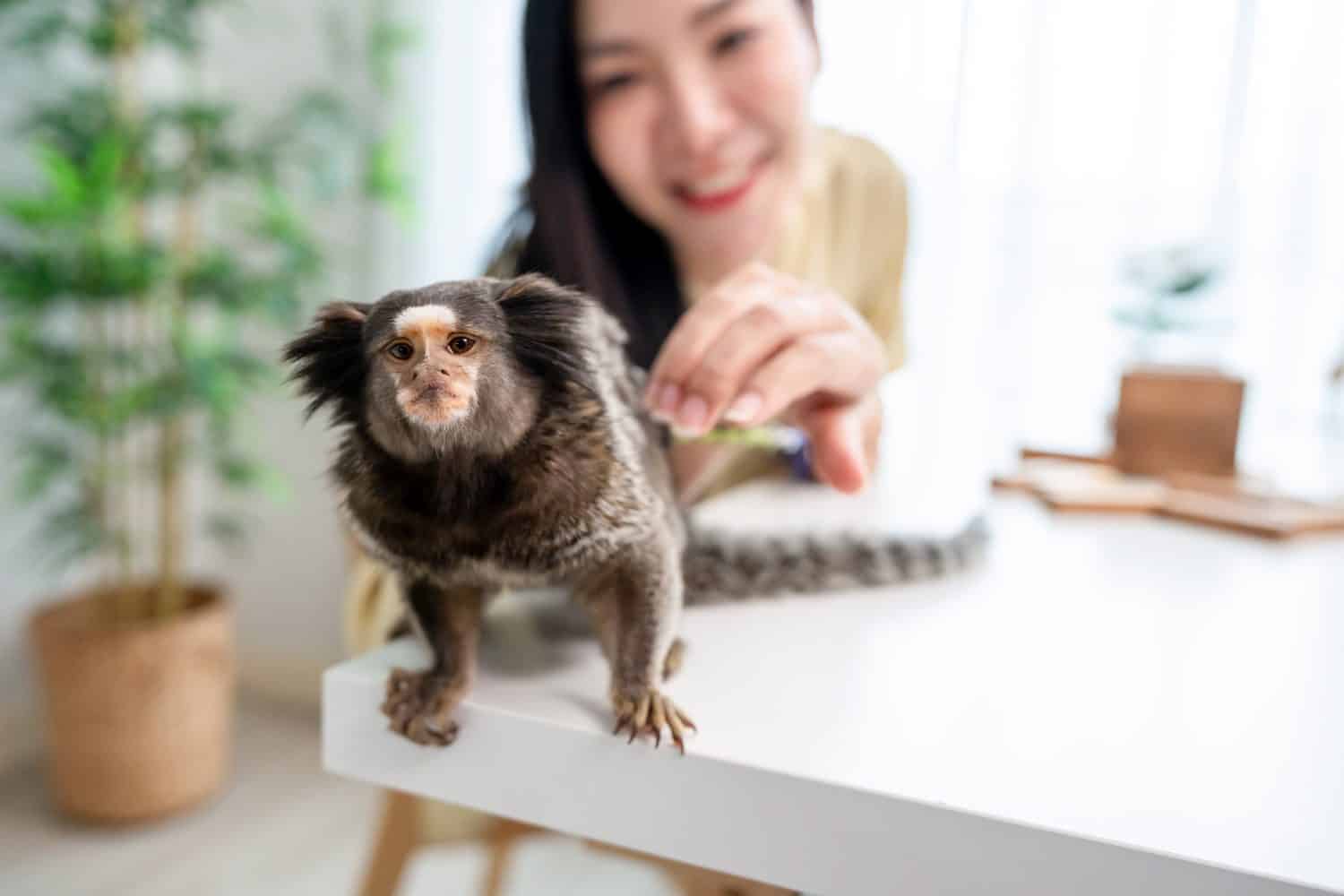
Monkeys are smart, entertaining, and cute, making them appear to be desirable pets. Although purchasing a monkey as a pet sounds enticing to many animal lovers, it is a lot more expensive and more difficult than one might think. Despite the high price tag, the initial purchase price for your pet may actually be the cheapest part of ownership. Read on to learn the estimated costs of owning a monkey.
Cost of a Monkey
Although most pet monkeys are small to medium-sized, they cost much more than the average pet. The price of the monkey depends on the species. When buying a monkey from a USDA-licensed breeder, the cost can range from $7,000 to $25,000 or more, depending on the species. Breeders can set the prices according to customer demand, which can change quickly. For example, demand will change following a popular movie featuring a cute monkey. If the film features a capuchin monkey, the cost of buying this species will rise.
Here is a sample of some of the current pricing for a few of the most common species kept as pets:
- Capuchin monkeys – $16,000-$25,000
- Squirrel monkeys – $8,500-$13,000
- Spider monkeys – $7,000-$14,000
- Marmosets – $7,500 and up
- Tamarins – $7,000 and up
Costs of Preparing for a Monkey
As expected with any pet, there are additional costs besides the purchase price. A pet monkey will need a cage, habitat, appropriate food, veterinary care, and diapers if it is going to be in the same area as humans. These expenses pile up as cages often cost over $3,000 and can go up to $10,000 or even more. Proper enclosures are often custom built, and the larger the enclosure, the better. Some breeders recommend 6 feet as a minimum height for a pet monkey’s enclosure.
Monkeys also need additional items like bedding, feeding bowls, exercise equipment, and toys in their enclosure. These items can range between $100 and $400. Diapers cost roughly $20 per week, depending on how many your pet goes through. However, washable diapers are recommended, so the initial cost of the diapers plus the cost of detergent must then be factored in. You will also need to account for increased water bills.
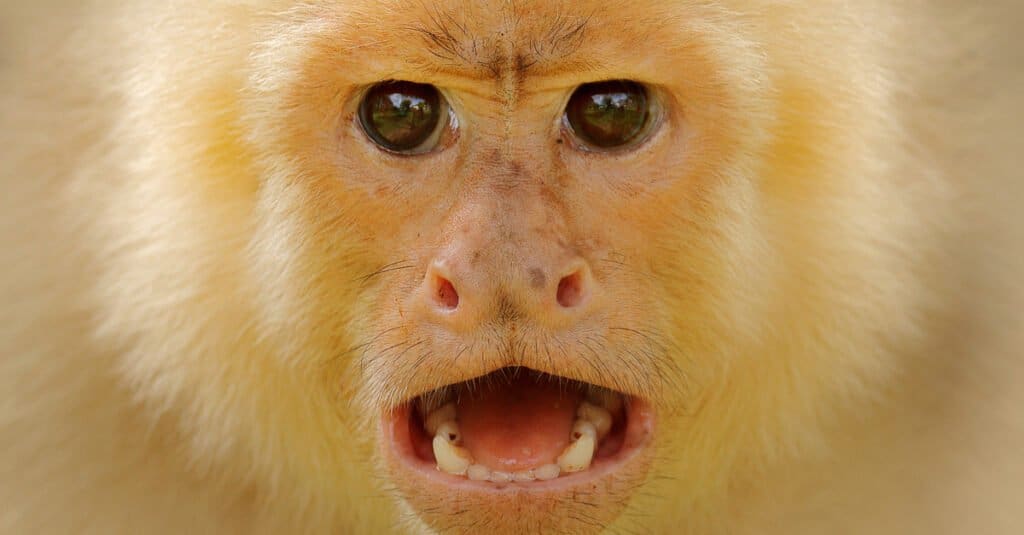
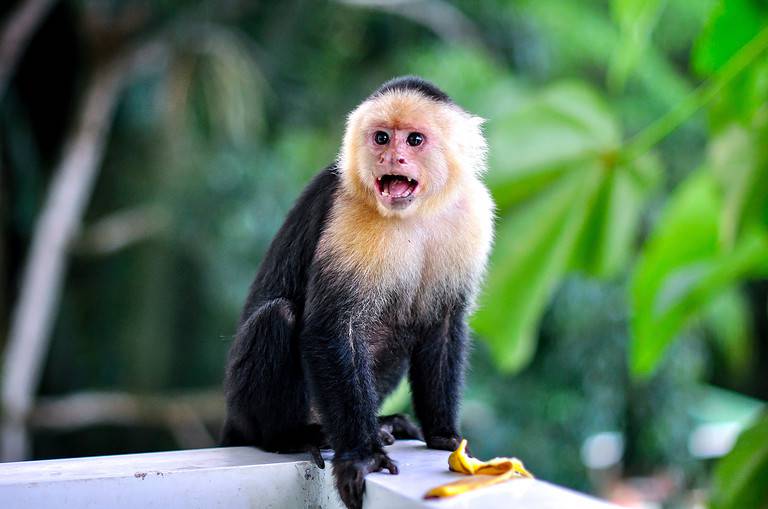
A capuchin monkey is a common monkey species to keep as a pet.
©Ondrej Prosicky/Shutterstock.com
Estimated Long-Term Costs of Owning a Monkey
Monkeys live long lives if you give them the proper care. Popular species can live for 15-30 years or even longer. This care means you will pay between $200 and $1,000 monthly for years to come. Some sources have suggested that the lifetime cost of caring for a capuchin monkey can exceed $100,000.
However, this amount depends on the species you own. Larger monkeys cost more as they eat more and need new toys and exercise equipment more regularly. Smaller monkeys eat less food and are not as destructive as bigger monkeys, which means they can be somewhat more cost-effective. However, do not underestimate the damage smaller monkeys can do when bored because they can rip up furniture and injure family members, pets, or you, resulting in costly medical treatment.
Health Care
Monkeys are not your average pet, so regular veterinarians often cannot offer your pet monkey the necessary health care. This means owners may have to find a vet specializing in treating primates. A monkey’s health care bills may not be a monthly expense if you look after them well, but they still need regular checkups.
Standard wellness visits can cost $200+ per visit, and many facilities include an additional exotic animal fee. Your monkey could also be found to have a chronic illness, requiring regular medication and expert care. In that case, health care costs can rise to over $500 per veterinarian visit. Veterinary care for an exotic animal can be particularly expensive, especially if you must account for gas to drive your pet to another city, or even another state, for care.
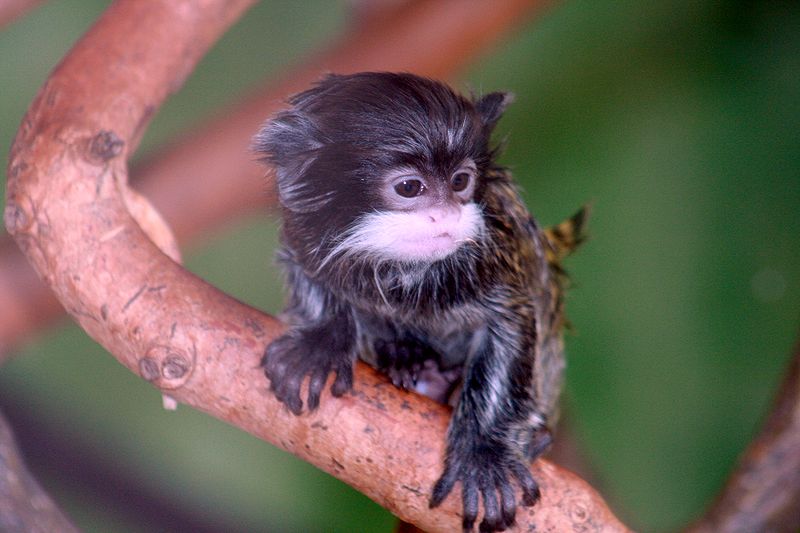
Standard wellness visits for your pet monkey can cost 0+ per visit, plus additional fees.
©Brocken Inaglory / Creative Commons – Original
Food Bills
Depending on the monkey’s species, age, and size, their food bill could also add up quickly. Owners estimate food bills can range between $100 and $500 per month. Smaller monkeys only need small amounts of food, which includes fresh fruits and vegetables, per month. Bigger pet monkeys will need more food, and of course, any monkey may require a special diet due to health concerns.
Insurance
Because monkeys are known to be mischievous, they often get themselves into sticky and dangerous situations. This is why you should take out insurance for your pet, as they will most likely require a veterinary visit at least once in their lifetime. Pet insurance is roughly $50-$85 per month, but it can cost more depending on the species.
You might also want to consult with your insurance adviser regarding coverage for damages, should your pet primate harm someone, their pets, or their property. According to the Animal Legal Defense Fund, at least 300 people have been injured by captive nonhuman primates over the last 30 years.
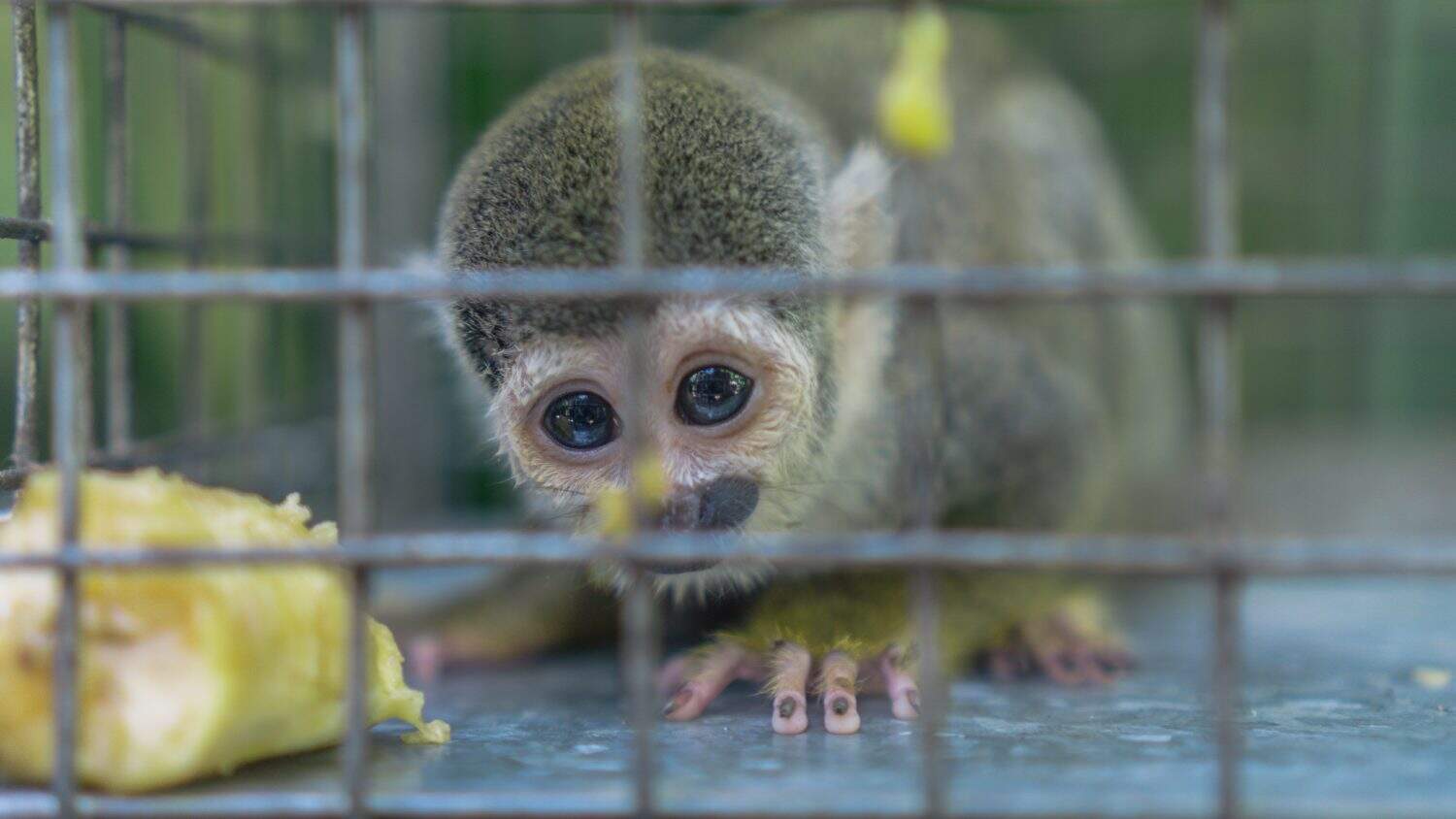
A pet monkey might be affordable for some, but the best place for a monkey is in the wild and not in a cage.
©Andrew J. Clark/Shutterstock.com
Should You Get a Pet Monkey?
Although monkeys can be lovable, affectionate, and entertaining, humans should not own them. Not only is it prohibitively expensive for most households, monkeys are wild animals, not domesticated pets like cats, dogs, and hamsters. Monkeys cannot be domesticated like other animals, and they do not fare well in captivity. They are intelligent, social animals with complicated hierarchies and complex needs that cannot be met by the average person.
While monkeys may be manageable as babies, when they reach sexual maturity, they can sometimes become aggressive or even dangerous. They can suffer from chronic stress due to loneliness, which can lead to illness and self-harm. Monkeys can also spread dangerous pathogens and diseases due to the poor conditions they are kept in by traffickers.
Monkeys can suffer even in zoos and other accredited establishments, despite legions of experts working to ensure the best possible care. As animal lovers, we should leave monkeys in the wild where they can live the life they were meant to. The best way to care for these animals is to make laws to keep them safe from trafficking and protect their natural habitats.
Laws Regarding Owning Monkeys
Internationally, monkeys have been protected by the United Nations Convention on International Trade in Endangered Species of Wild Flora and Fauna (CITES), but this has not stopped different countries from creating their own legislation. In the United States, the laws surrounding owning monkeys differ across states. Some states have no restrictions on keeping a pet monkey, some have banned the practice outright, and others require owners to have a permit. Before purchasing a pet monkey, check your state and local laws first.
It is also important to note that lawmakers are working on several bills to protect both monkeys and humans. In 2025, the Captive Primate Safety Act (H.R.3199/S.1594) was reintroduced in Congress. If passed, the bill would prohibit private ownership, as well as interstate and foreign commerce, of nonhuman primates for the pet trade. The PRIMATE Act, introduced as H.R. 8471 in April 2026, would also prohibit the importation of nonhuman primates. Advocates cite the risks of importing monkeys with dangerous pathogens such as the herpes B virus, salmonella, and tuberculosis from overseas suppliers. The bill would also cut off the supply chain for animals used in research, forcing scientists to find other testing methods.
Note that this article is for informational purposes only. A-Z Animals does not condone the trafficking of nonhuman primates for the pet trade.