







Quick Take
- This dog's coat has a self-maintenance trick that most owners never expect from a double-coated breed. See the self-cleaning coat →
- Archaeologists found something in a Viking grave that permanently changed how we understand this breed's origins. Explore the Viking origins →
- The Norwegian Buhund is eager to please, yet so many owners struggle to train it. Get training tips →
- Leaving this breed alone too long goes beyond making it sad. It can trigger something far harder to fix. See why alone time matters →
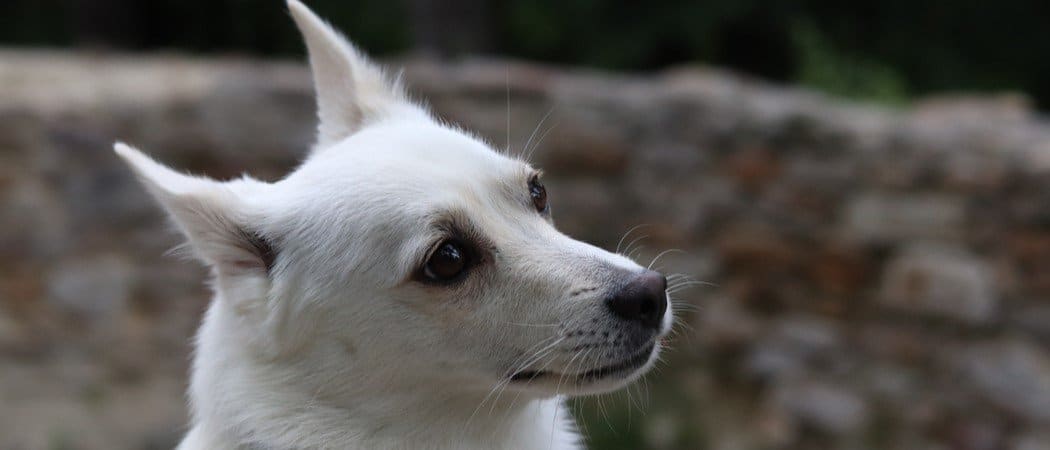
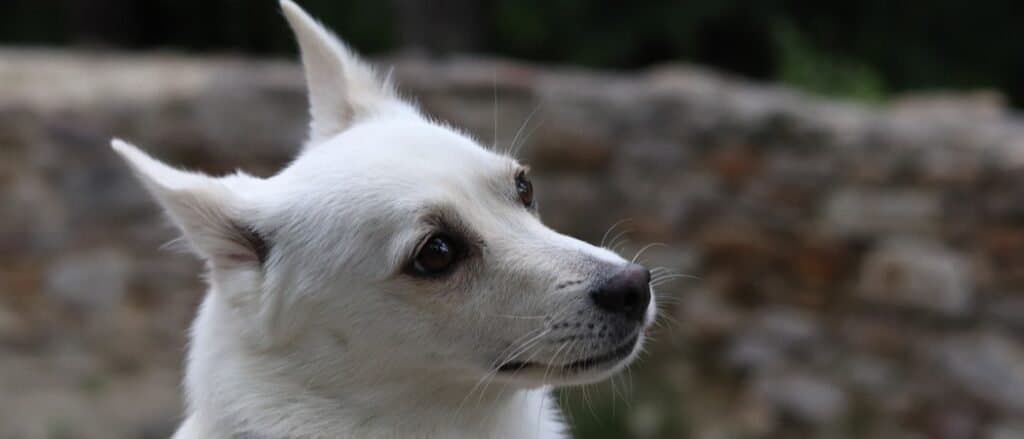
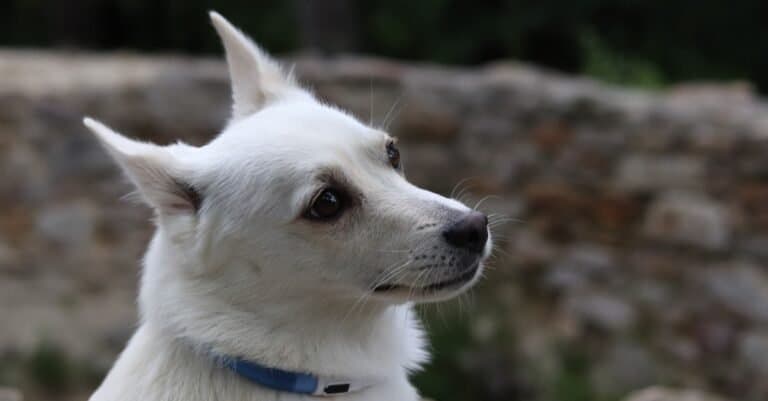
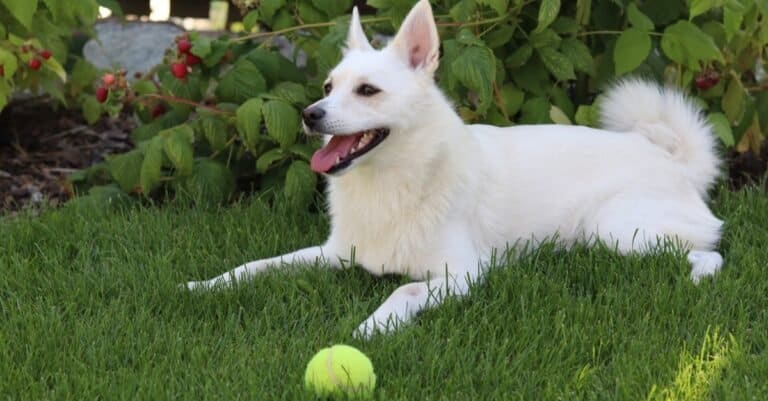
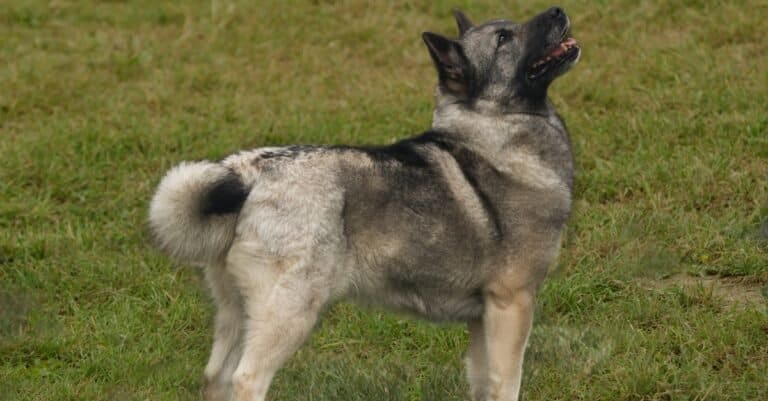
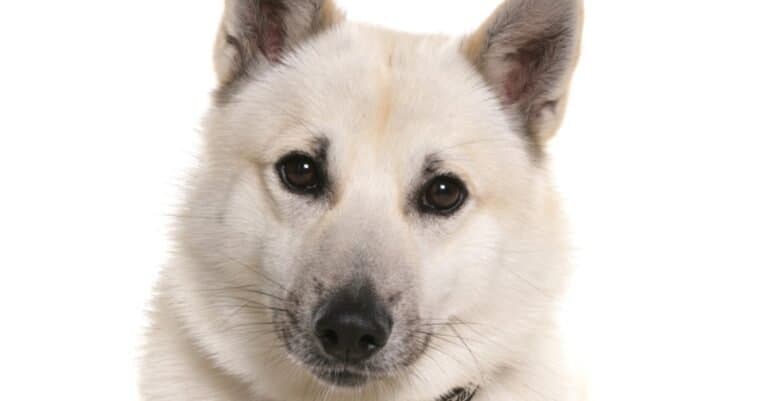
The Norwegian Buhund is a versatile dog, bred for all-purpose farming and herding, that originated from the Norwegian coast and was once associated with the Vikings. It is characterized by a rather square body, erect ears, a curled tail, and a long muzzle. The dense double coat of fur, consisting of a thick outer coat and a soft, woolly undercoat, is normally colored black or wheaten, with a black mask on the face or white markings around the body. The fur is longest around the neck, chest, and thighs, and shortest on the head and front of the legs.
Spitz (meaning “pointed” in German) is the name for this type of northern cold-weather working breed with dense fur. It is closely related to the Icelandic Sheepdog and the Jamthund, both of which originated with the Norse. Evidence for the dog’s ancestry dates all the way back to 900 AD, possibly earlier. Archaeologists found a Viking grave from this time that contained the remains of an early Buhund. However, it only became a separate and definable breed, distinct from other Norwegian herding dogs, around 1600 AD.

3 Pros and Cons of Owning a Norwegian Buhund
| Pros! | Cons! |
|---|---|
| Friendly and Affectionate The Norwegian Buhund has a strong affection for people. | Big Barker The Norwegian Buhund responds to almost everything with a big bark. |
| Hard-Working and Eager to Please This breed has a strong work drive. | Constant Motor This breed has a lot of energy to spare. |
| Alert and Protective The Norwegian Buhund will alert its owner when a stranger is around. | Needs a Lot of Mental Stimulation The Norwegian Buhund has an active and roaming mind. |
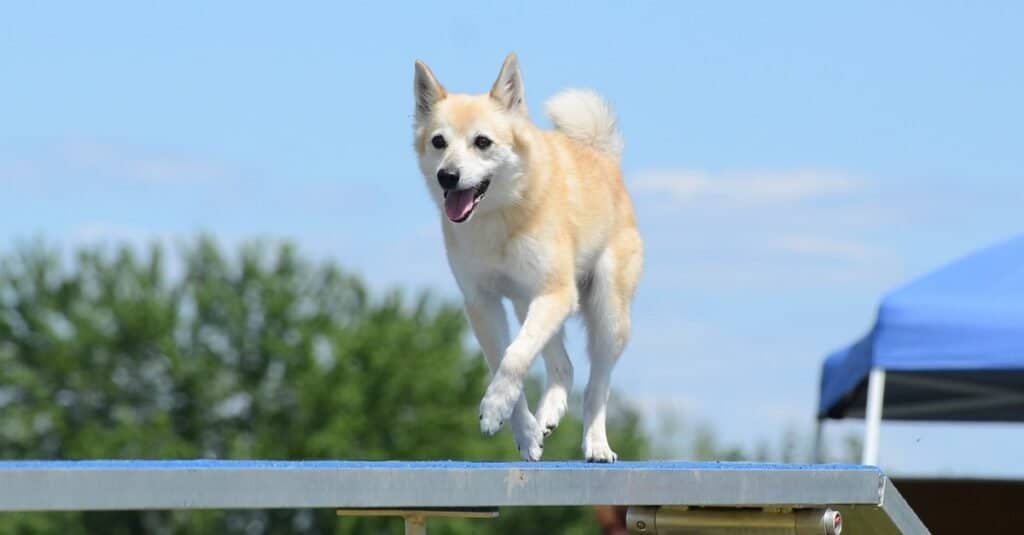
Norwegian Buhund running on a dog walk at an agility trial.
©Mark Herreid/Shutterstock.com
Norwegian Buhund Size and Weight
The Norwegian Buhund is a medium-sized dog with an athletic build and decent height.
| Height (Male) | 17 to 18.5 inches |
| Height (Female) | 16 to 17.5 inches |
| Weight (Male) | 31 to 40 pounds |
| Weight (Female) | 26 to 35 pounds |
Common Health Issues
The Norwegian Buhund is a very healthy breed with an excellent lifespan of 12 to 15 years, but it may be prone to several conditions: cataracts, cancer, von Willebrand’s disease (a blood-clotting disorder), and hip dysplasia, a malformation of the hip joint that can lead to pain, lameness, and arthritis over time.
There are a few things you, as an owner, can do to ensure your dog is healthy and maximize its potential lifespan. The first is to do plenty of research into breeders around your area. You will want to go with someone who has given their dogs a thorough medical evaluation. Second, you should schedule regular visits to the vet to check for common health issues.
Temperament
The Norwegian Buhund combines a sweet, gentle, happy-go-lucky personality with a very strong eagerness to please its owner. Thanks to their alert temperament, their wariness of strangers, and their strong tendency to bark, they also make for good all-around watchdogs. However, this is probably not a breed you would want to leave alone for many hours at a time. Whether you live alone or with your family, it wants to be involved in all household activities and work hard for you.
How to Take Care of the Norwegian Buhund
The highly adaptable Norwegian Buhund is a good choice for all types of living situations and experience levels. While it does require a lot of daily exercise and some effort to train, this breed is very amenable and eager to learn.
The Best Dog Food
The Norwegian Buhund should be fed high-quality, AAFCO-compliant dog food in amounts appropriate for its age, weight, and activity level, as recommended by your veterinarian or the food manufacturer. While this dog doesn’t have a big obesity problem, you may want to limit the number of daily treats.
Maintenance and Grooming
The good news is that these dogs’ double coat of fur will remain naturally clean and odorless without much intervention. It sheds dirt very easily and practically dries itself after a bath. Owners still need to brush the coat about two or three times a week, though perhaps daily during the shedding season.
Another important aspect of the dog’s care will involve regular ear checks to prevent or clean infections; a cotton swab and a cleanser will usually suffice. You should also trim the nails about once a month or at least enough to prevent them from clicking loudly on the floor. Finally, you should brush the teeth on a regular basis with some kind of toothpaste recommended by the vet.
Training
The Norwegian Buhund is intelligent and eager to please, but owners might struggle a bit to deal with its independent streak and tendency to become bored easily. This can be overcome through positive reinforcement methods involving food and clicker training. Since this breed does have a sensitive side, it’s not a good idea to raise your voice or get mad at it. Other than that, owners should strive to be creative but consistent with their commands. Always make your meaning clear.
Exercise
The Norwegian Buhund needs 1 to 2 hours of exercise per day to maintain optimal health. It enjoys hiking, fetching, jogging, and even running next to you on a bicycle. This breed will also benefit from the stimulation that comes with obedience and agility activities.
Puppies
The Norwegian Buhund needs to begin proper socialization and training from the moment it’s brought home. This can include early classes, daycare, trips to the park, and other activities. Otherwise, if you neglect this vitally important task, your pet might develop some antisocial behaviors as an adult. Crates can be a useful training tool for puppies. Dogs seem to instinctively seek out small spaces and won’t soil where they like to sleep. While they work best for young dogs, crates may prove to be useful over the entire course of the dog’s life (especially if you adopt one as an adult).
After a few months, owners should start teaching their puppies more advanced commands and really begin to understand their body language. If you lack the time and effort to do it yourself, then many professionals offer a full spectrum of training services, from the very basics to more advanced techniques. The most important factor in any training class, however, is to be comfortable with the teaching methods of the instructor. Some trainers may let you sit in on classes to observe them first.
The Norwegian Buhund and Children
The Norwegian Buhund is fairly good with children, but it does prefer to be around adults. If you have small children in your home, then you should always supervise all interactions between them and the dog.
Dogs Similar to the Norwegian Buhund
The Norwegian Buhund is most similar to several other types of Nordic spitz dogs.
- Icelandic Sheepdog: This medium-sized herding dog, which arrived in Iceland with the Vikings, is one of the closest living relatives of the Norwegian Buhund. It is characterized by a muscular body, curled tail, and dense fur in white, tan, reddish-brown, chocolate, or black.
- Jamthund: Also known as the Swedish Elkhound, this affectionate and confident breed originated from the Swedish region of Jamtland for the purpose of hunting elk and pulling sleds. It is characterized by erect ears, a loosely curled tail, and a dense double coat of fur with gray and white colorations.
- Shetland Sheepdog: Arising from a cross between a Collie and an Icelandic dog, the Shetland Sheepdog has a long double coat of fur with sable, merle, and black/white color combinations. It is exceedingly intelligent, hard-working, loyal, and friendly.
Norwegian Buhund Pictures
View all of our Norwegian Buhund pictures in the gallery.

Lenka Molcanyiova/Shutterstock.com
Sources
- American Kennel Club / Accessed September 4, 2021
- American Kennel Club / Accessed September 4, 2021
- American Kennel Club / Accessed September 4, 2021
- American Kennel Club / Accessed September 4, 2021