I
Species Profile

Icelandic Sheepdog

Canis lupus familiaris

Iceland's cheerful, tireless herder
Bildagentur Zoonar GmbH/Shutterstock.com

Icelandic Sheepdog Distribution

Click a location to explore more animals from that region

Origin Location

This map shows the native origin of the Icelandic Sheepdog. As a domesticated species, they are now found worldwide.

Loading map...

Found in 1 country

Size Comparison

Human 5'8"
Icelandic Sheepdog 1 ft 5 in

Icelandic Sheepdog stands at 24% of average human height.

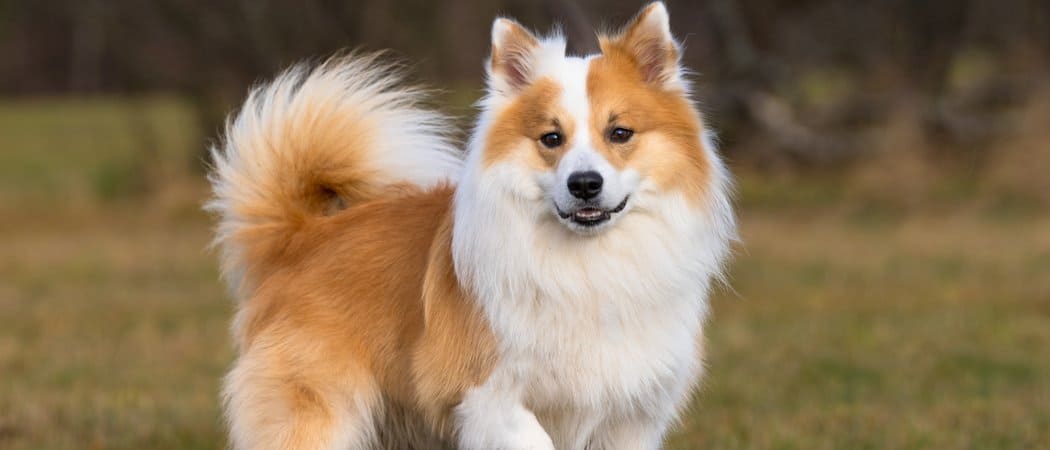
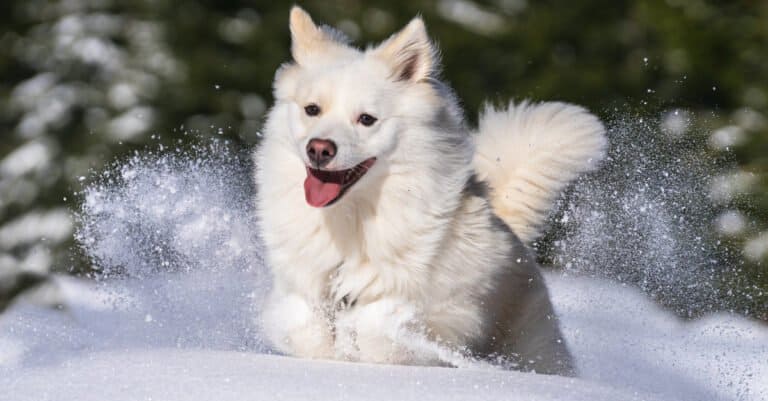
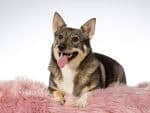
gold and white Icelandic sheepdog smiling

At a Glance

Domesticated
Also Known As Íslenski fjárhundurinn, Íslenskur fjárhundur, Fjárhundur, Icelandic Spitz, Icelandic Farm Dog, Iceland Dog
Diet Omnivore
Activity Diurnal+
Lifespan 13 years
Weight 14 lbs
Status Not Evaluated
Did You Know?

It's Iceland's only native dog breed and has worked Icelandic farms for centuries.

Scientific Classification

The Icelandic Sheepdog is a Nordic spitz-type herding breed of domestic dog developed in Iceland, traditionally used for herding and guarding livestock and known for an alert, friendly disposition and strong work ethic.

Kingdom
Animalia
Phylum
Chordata
Class
Mammalia
Order
Carnivora
Family
Canidae
Genus
Canis
Species
Canis lupus

Distinguishing Features

  • Nordic spitz build with wedge-shaped head and pricked ears
  • Double coat suited to cold, wet conditions (often thick with a weather-resistant outer coat)
  • Tail typically carried curled over the back
  • Commonly noted for an alert, expressive demeanor and frequent vocalizing (barking) in herding/alert contexts
  • Herding behavior adapted to sheep and farm work

Physical Measurements

Males and females differ in size

Height
1 ft 6 in (1 ft 5 in – 1 ft 7 in)
1 ft 5 in (1 ft 4 in – 1 ft 5 in)
Length
2 ft 5 in (2 ft 2 in – 2 ft 9 in)
Weight
31 lbs (26 lbs – 35 lbs)
25 lbs (20 lbs – 31 lbs)
Tail Length
9 in (8 in – 11 in)
Top Speed
28 mph

Appearance

Primary Colors
Secondary Colors
Skin Type Icelandic Sheepdog (Canis lupus familiaris) has pigmented skin under a thick, weatherproof double coat (soft undercoat + coarser outer coat). It sheds heavily seasonally and may itch if undercoat is not cared for.
Distinctive Features
  • Icelandic Sheepdog (Canis lupus familiaris) is a domestic dog breed from gray wolf ancestors, bred for farm herding and guarding. It is smaller, compact, people-friendly, easy to train, and less likely to chase wild animals.
  • Nordic spitz heritage: wedge-shaped head, pricked/erect ears, and a high-set tail carried curled over the back-key visual markers distinguishing it from many non-spitz herding breeds.
  • Thick double coat adapted to Icelandic weather; coat can be short or longer, both with substantial undercoat for insulation and a harsher outer coat for water/wind resistance.
  • Alert, friendly expression; typically agile and light on its feet-built for endurance and quick directional changes while working around livestock on farms.
  • Traditional working role: herding and guarding livestock (often using vocal alerting and movement to control stock). Breed is known for a tendency to bark when excited or on watch.
  • Care requirement: frequent brushing (especially during seasonal "blow coat") to prevent matting, reduce shedding load, and help keep skin healthy; pay attention to friction areas (behind ears, pants, ruff).
  • Care requirement: needs regular exercise and mental work (training, scent games, herding-style activities). Without outlets, may develop nuisance barking or restlessness.
  • Health risks: hip dysplasia (screening recommended), patella problems, eye issues like cataracts and progressive retinal atrophy, and allergies or skin sensitivities that worsen with trapped undercoat or rare grooming.
  • Cold-tolerant due to coat; in warm climates requires heat management (shade, water, avoid heavy exercise in heat) and careful grooming-never shave to the skin as the double coat helps regulate temperature and protects from sunburn.

Sexual Dimorphism

Males are typically slightly taller/heavier with a more pronounced ruff/neck coat and broader head; females are usually a bit finer-boned with a slightly lighter frame, while overall type (spitz ears, curled tail, double coat) remains the same in both sexes.

  • Slightly larger overall size; broader head and chest in many individuals.
  • Often more noticeable ruff/manes and heavier coat furnishings, especially in full adult coat.
  • May carry a more robust, square-compact outline.
  • Slightly smaller and lighter build; finer head and bone.
  • Coat furnishings may be a bit less profuse, though still clearly double-coated.
  • Often a slightly more refined outline while retaining the same spitz silhouette.

Did You Know?

It's Iceland's only native dog breed and has worked Icelandic farms for centuries.

A classic Nordic spitz: pricked ears, thick double coat, and a tail carried curled over the back.

Known for a "talky" bark-useful for moving sheep and alerting people on open farms.

Many are born with dewclaws on the hind legs (sometimes double), a trait seen in some northern landrace dogs.

Bred to handle harsh weather: the coat sheds water and insulates against wind and cold.

Despite being a herder, it's typically people-friendly and sociable compared with many guard-type breeds.

Its population once dropped dangerously low; dedicated breed clubs and records helped preserve it.

Unique Adaptations

  • Weather-ready double coat (dense undercoat + harsher outer coat) that insulates and sheds moisture-an adaptation prized in Iceland's wet, windy climate.
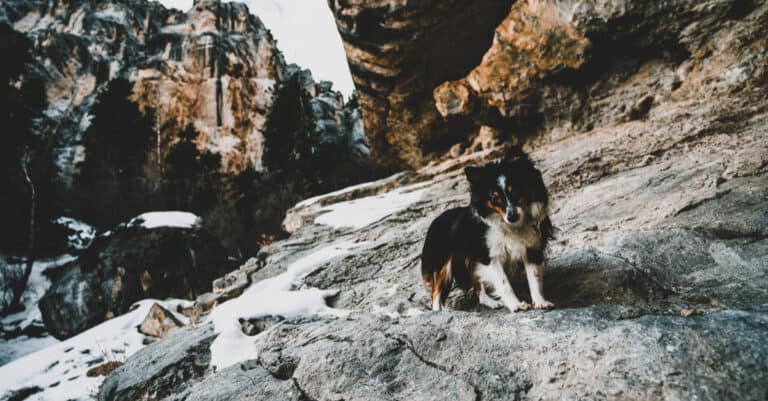
  • Compact, agile build for uneven lava fields, rocky ground, and steep farm terrain; sure-footed movement is typical.
  • Natural "all-day worker" metabolism and endurance selected for long farm days rather than short sprints.
  • Curled tail carried over the back helps protect the tail tip from cold and wet and is characteristic of Nordic spitz ancestry.
  • Breed-typical alert vocalization: selected as an audible alarm and stock-moving tool on dispersed rural holdings.

Interesting Behaviors

  • Bark-and-move herding style: uses voice and quick bursts of motion to turn and gather livestock on wide pastures.
  • "Perimeter patrol" habit: naturally circles or scans property lines, watching for anything out of place.
  • High alertness with quick recovery: reacts fast to novel sights/sounds, then returns to calm when reassured.
  • Social check-ins: tends to keep visual contact with its person/stock, frequently reorienting to the group.
  • Spitz play patterns: bouncy, springy gait and frequent tail/ear signaling during interaction.

Cultural Significance

Icelandic Sheepdog (Canis lupus familiaris) is Iceland’s only native breed. A hardy spitz-type farm dog from Norse settlers, it herds livestock and guards farms in harsh, sparsely settled areas and stands as a symbol of Icelandic rural life.

Myths & Legends

Icelandic tradition holds that the breed arrived with Norse settlers in the 9th-10th centuries, becoming the indispensable farm dog that helped communities survive by guarding and gathering sheep in challenging terrain.

In early modern European accounts, Icelandic dogs were described as prized exports; stories circulated of their remarkable cheerfulness and loud watchfulness, making them memorable "island dogs" in travelers' tales.

A long-told historical anecdote is that disease and hardship in past centuries sharply reduced Iceland's dogs, prompting a cultural effort to preserve the native farm spitz as part of national heritage.

In Icelandic rural tradition, the Icelandic Sheepdog is valued as a vigilant farm dog and watchdog that uses frequent barking to alert people to visitors and to help locate or gather sheep.

Conservation Status

NE Not Evaluated

Has not yet been evaluated against the criteria.

Population Stable

Life Cycle

Birth 5 pups
Lifespan 13 years

Lifespan

In the Wild
12–14 years
In Captivity
12–14 years

Reproduction

Mating System Polygynandry
Social Structure Managed Domestic
Breeding Pattern Serial
Fertilization Managed Selective
Birth Type Managed_selective

Icelandic Sheepdog (Canis lupus familiaris) mating is by nature flexible (polygynandry) but mostly human-controlled. Breeders arrange chosen matings, with temporary, not bonded pairings each heat. Owners help at birth and manage health and timing.

Behavior & Ecology

Social Pack Group: 4
Activity Diurnal, Crepuscular
Diet Omnivore Fish- or lamb-forward, high-quality dog food (e.g., salmon/cod or lamb as primary protein) with omega-3 support for skin/coat

Temperament

Alert, friendly, outgoing; generally welcoming to people compared with the base species' neophobia (wolves)
High social motivation and handler focus; thrives on cooperative tasks (herding-style games, obedience, agility)
Vigilant watchdog tendency with frequent vocal alerting; may be bark-prone without training and structured outlets
Energetic and playful with good work ethic; can become restless or noisy if under-exercised
Typically good with other dogs when well-socialized; may herd/nip at heels of running children or pets (manage with training)
Variation across the HUB (spitz herding breeds): some individuals are more reserved with strangers or more intense herders; early socialization shapes confidence and reactivity
Breed-specific care: needs daily physical exercise plus mental work; benefits from positive reinforcement and clear routines; avoid harsh corrections that can increase reactivity/vocalization
Coat/care: double coat sheds seasonally; regular brushing to manage shedding and maintain skin health
Common health concerns to monitor: hip dysplasia, patellar luxation, eye disorders (e.g., cataracts/PRA in some lines), allergies/skin sensitivities; maintain healthy weight and routine vet/orthopedic-eye screening where indicated

Communication

Frequent barking Alert/notification bark is a hallmark
Whines/whimpers for attention or arousal
Growls Play or warning
Occasional howls or 'talking' vocalizations, less wolf-like long-distance howling overall than the base species
Expressive body language Tail carriage, ear set, bouncing/spitz posture
Herding behaviors: circling, body-blocking, motion control; may use light nipping if not redirected
Visual checking-in with handler; quick orientation to movement and stock/people
Scent investigation and marking typical of domestic dogs, generally less territorial than wolves but can be locally territorial around home/farm
Play signals (play-bow, pawing) used to maintain social cohesion within household/pack

Habitat

Coastal Rocky Shore Grassland Agricultural/Farmland Suburban Urban Woodland Coniferous Forest Deciduous Forest Shrubland Steppe Tundra Alpine Meadow Wetland River/Stream Lake Desert +11
Biomes:
Tundra Boreal Forest (Taiga) Alpine Temperate Forest Temperate Grassland Wetland Freshwater Marine Mediterranean Desert Cold Desert Hot Savanna Tropical Dry Forest Tropical Rainforest +8
Terrain:
Island Coastal Volcanic Mountainous Hilly Plains Rocky +1
Elevation: Up to 6922 ft 7 in

Ecological Role

Domesticated working herder/guardian derived from Canis lupus; unlike the base wild species (a pack-hunting apex predator), the Icelandic Sheepdog's primary ecological role is human-associated-managing and protecting livestock with limited true predation, though it may opportunistically hunt small animals.

Livestock herding and flock cohesion (reduces losses and improves pasture management) Alarm/guard behavior that can deter predators and alert humans Occasional vermin control around farms (rodents) Companionship and human well-being benefits in managed environments

Diet Details

Main Prey:
Small mammals Birds Fish Carrion
Other Foods:
Grasses Berries Fruits and vegetables Cooked grains and legumes

Human Interaction

Domestication Status

Domesticated

The Icelandic Sheepdog (Canis lupus familiaris) is a Nordic spitz-type herding breed from early Scandinavian dogs. Domesticated from gray wolves for human work, they were chosen for herding and guarding in harsh subarctic weather, with a thick double coat, sure-footedness, loud warning bark, and friendly, people-focused nature.

Danger Level

Low
  • Low inherent risk typical of well-socialized domestic dogs; may nip/heel as a herding-derived behavior if under-exercised or poorly trained
  • Can be vocal/alert and may escalate to defensive behavior if fearfully handled or not socialized
  • Bite risk increases with pain, resource guarding, improper child-dog interactions, or lack of training/supervision (as with any breed)

As a Pet

Suitable as Pet

Legality: Generally legal to own as a domestic dog in most jurisdictions; subject to standard local dog ownership laws (licensing, vaccination, leash ordinances, housing/HOA rules) and any country/state import requirements (microchip, rabies, health certificate, quarantine rules where applicable).

Care Level: Moderate

Purchase Cost: $1,500 - $3,500
Lifetime Cost: $18,000 - $42,000

Economic Value

Uses:
Companion animal Working/herding dog Breeding and showing Canine sports and training services Veterinary and pet-care services
Products:
  • livestock herding and flock management assistance (farm utility)
  • breeding stock/puppy sales (ethical programs)
  • dog sport participation (agility, rally, obedience, herding trials)
  • pet-care expenditures (food, grooming tools, training classes, boarding)
  • veterinary services (preventive care; management of orthopedic/allergy/dental issues)

The Icelandic Sheepdog is an affectionate and lovable herding breed that hails from the cold and rocky environs of Iceland. There are many interesting facts about its history. It was first brought to the uninhabited island by the Norse seafaring adventurers around 900 AD. The dog’s primary purpose was to herd sheep and track down lost members of the flock.

Facing the potential of extinction in the 19th and 20th centuries, this breed was rehabilitated by enthusiast organizations and breeders around the world. Their efforts came to fruition when the breed gained full recognition from the American Kennel Club in 2010. Although this is still an obscure and underappreciated breed, it is a very eager, friendly, and lovable companion for the entire family.

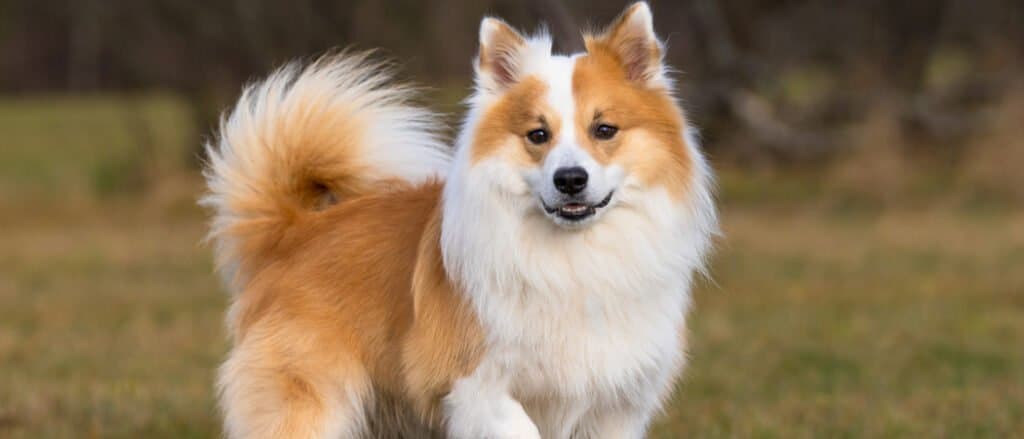
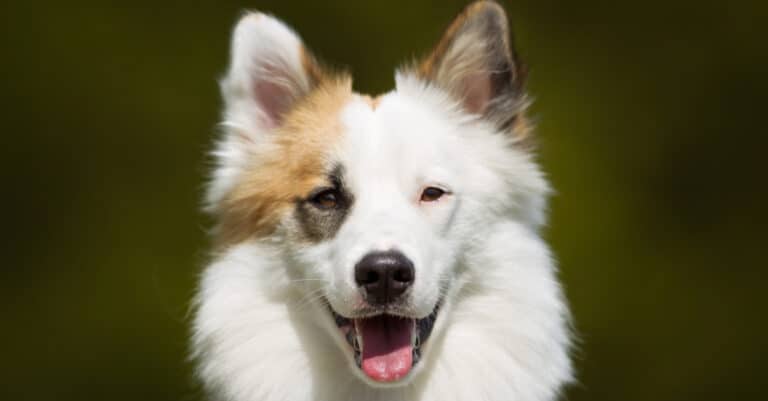
The Icelandic Sheepdog shares many characteristics in common with other Spitz-type dogs. It has a fox-like face, pointed ears, and a bushy tail that curls over the back. It also has two dewclaws on each hind leg. The dense double coat, which consists of a long outer coat and softer undercoat, is covered in white fur with black, cream, fawn, gold, gray, red, tan, chocolate, or sable mixed in.

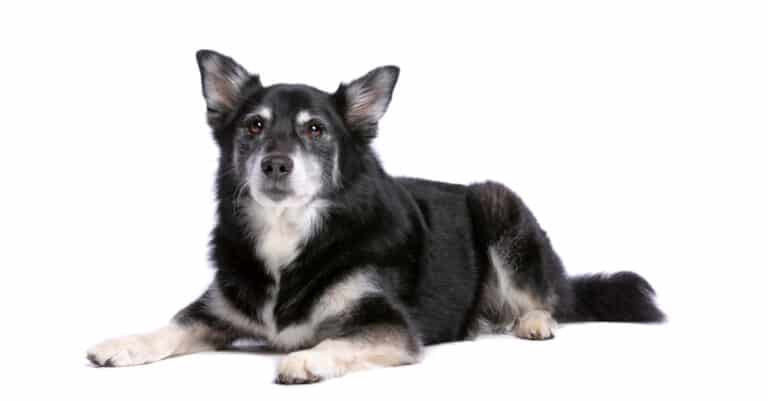
isolated Icelandic sheepdog

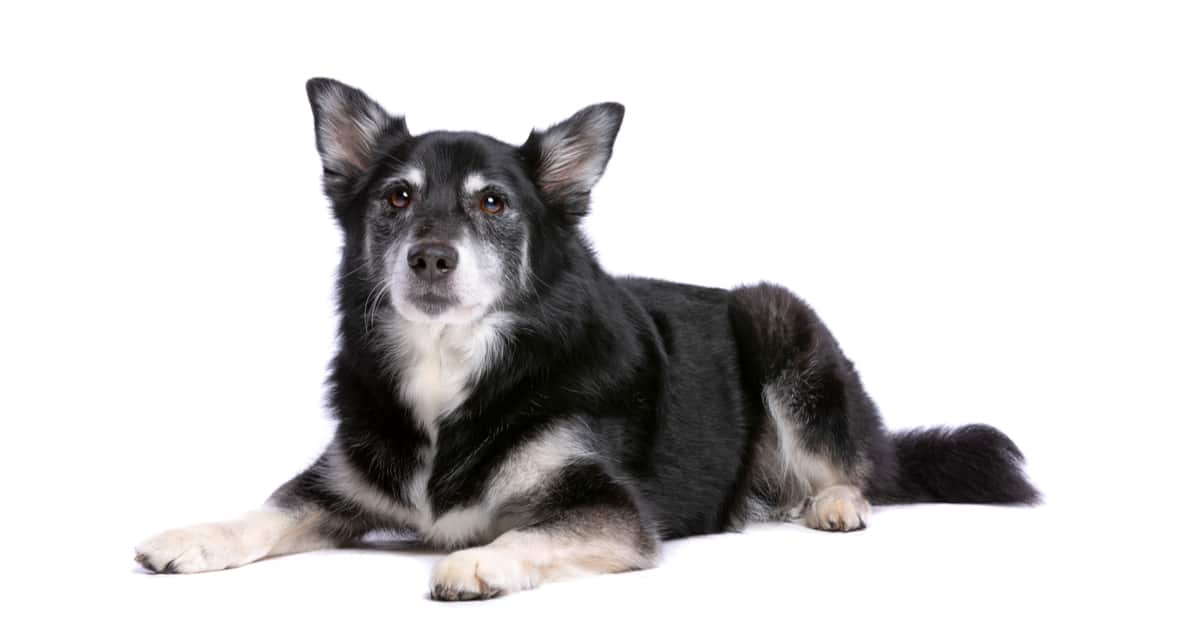
Icelandic sheepdogs come in a variety of colors.

3 Pros and Cons of Ownership

ProsCons
Lively and Affectionate: The Icelandic Sheepdog is a devoted member of the family.Strong Herding Instincts: This breed will herd anything it can . . . people, pets, even cars.
Easy to Train: Among its many pros, this breed is very eager to please its owner.Heavy Shedding: The long, dense double coat will be shed twice a year.
Excellent Health: This breed suffers from few inherited conditions.Needs Lots of Activity: Owners should expect to spend a lot of time with this dog. Its energy levels are very high.

Size and Weight

The Icelandic Sheepdog is a small to medium-sized breed with an athletic frame.

Weight (Male):20-30 pounds
Weight (Female):20-30 pounds
Height (Male):17-19 inches
Height (Female): 16.5-18 inches

Common Health Issues

The Icelandic Sheepdog is a very healthy breed with a typical lifespan of 12 to 14 years. The biggest problems it suffers from are cataracts, patellar luxation (a loose kneecap), and hip dysplasia, in which the joint can slip loose from the socket, causing lameness and pain. Cancer is also a leading cause of death in most dogs. National breed clubs will generally insist on subjecting dogs to hip and eye evaluations. Good, trustworthy breeders will test their stock for these types of issues. You can ask them to provide proof of the stock’s good health. You should also keep in mind that dogs will need regular appointments at the vet to check for health problems.

Temperament
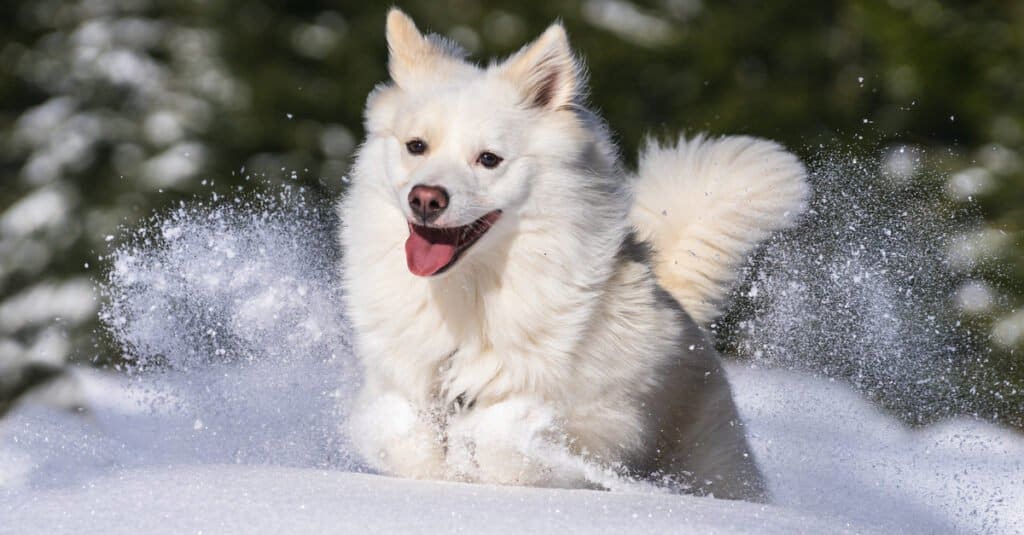
The Icelandic Sheepdog excels at dog sports and wants to be at the center of family activities.

The Icelandic Sheepdog is an incredibly devoted and loving companion that wants to be at the center of family activities. With its immense energy levels and upbeat temperament, this dog is a whirlwind of activity. It needs plenty of games, exercise, and socialization throughout the day, or else it might resort to destructive and unwanted behavior. If you need to leave your dog alone for a few hours, then make sure it has plenty of toys and activities to keep it occupied. Because of the space it needs, this breed is probably not a great choice for apartments or other compact living arrangements.

Care

The Icelandic Sheepdog takes quite a lot of care, but as long as you’re willing to devote the time and effort, this breed will yield some excellent results. Its happy, upbeat disposition helps a lot with making even difficult dog care tasks quite enjoyable. It’s probably not a great choice for novice owners, however, unless you’re willing to learn the nuances of this breed’s care and maintenance.

Best Dog Food

Although this breed is rather healthy, every dog owner wants the best for their canine companion. So the Icelandic Sheepdog probably needs around two to three cups of high-quality dog food per day, with the exact amount depending on the dog’s size and activity level. However, if it starts to show signs of weight gain, then owners should limit calorie intake and treats.

Maintenance and Grooming
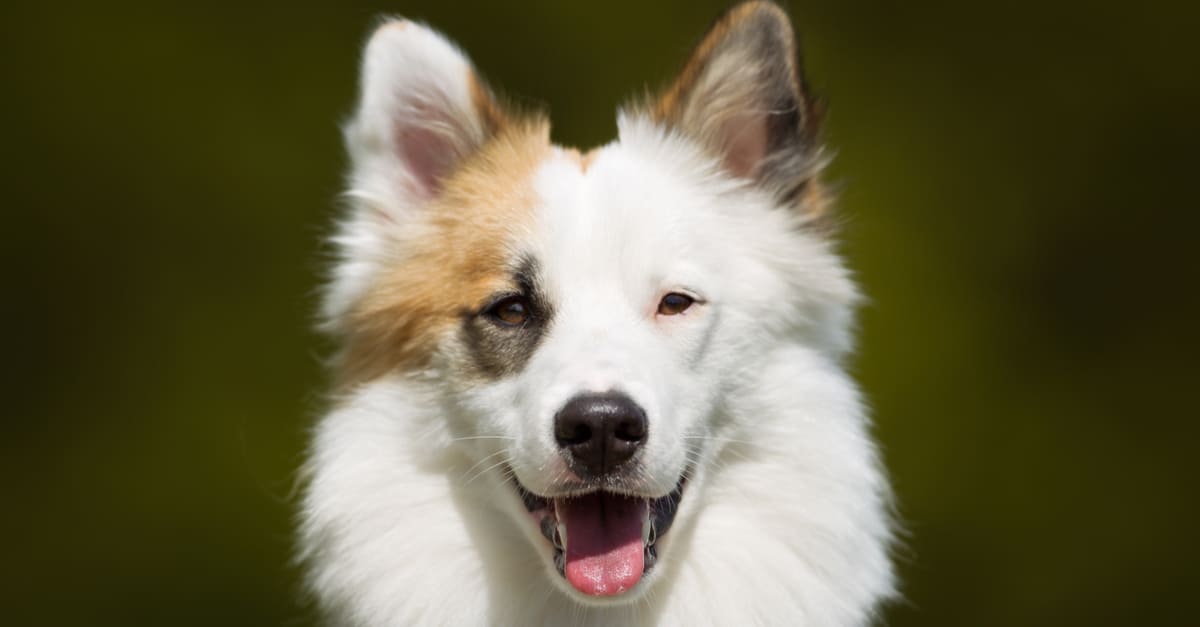
Icelandic sheepdog close up

The Icelandic sheepdog has a weatherproof coat, so it doesn’t need baths very often, but it does need a lot of brushing.

The Icelandic Sheepdog has two annual shedding seasons in the spring and fall. Daily brushes in the shedding season, as well as weekly brushing throughout the rest of the year, should be sufficient to remove loose hair and dirt. Tangles can be worked out with a slicker brush or a metal comb.

Because of its weatherproof coat, this breed shouldn’t need baths very often. However, the nails will need to be trimmed regularly, perhaps once a month, to prevent discomfort and pain. The ears should be checked for signs of infection and then cleaned out with a simple cotton swab and solution. The teeth will need to be brushed regularly as well to maintain proper gum and dental health.

Training

The Icelandic Sheepdog is generally intelligent, amiable, and eager to please. Unlike many breeds, this dog will be an active and engaged participant in its training. Positive reinforcement methods involving treats and praise are highly recommended. They don’t respond very well to overly harsh or disciplinary training methods.
Exercise

With its enormous energy levels, the Icelandic Sheepdog may need up to an hour of exercise every day. Long walks, hikes, and playtime should be enough to keep it happy. This breed also excels at herding, tracking, agility, and obedience challenges. Because of their strong herding instincts, however, it might be a bad idea to let them roam free around the neighborhood. It’s highly recommended that you have a large yard with a big fence to prevent these little escape artists from absconding.

Puppies

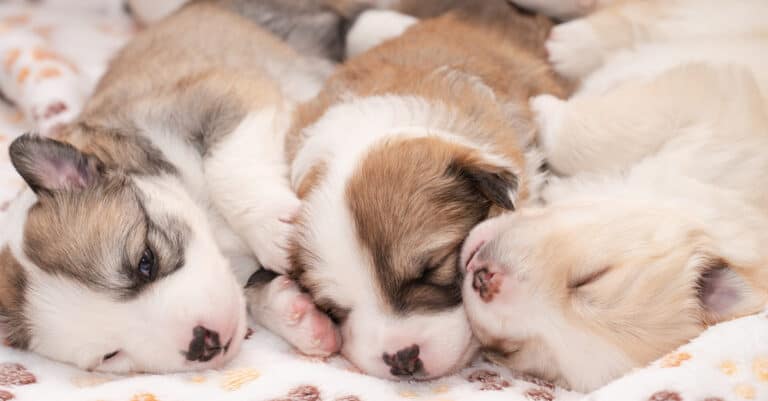
Despite their friendly and upbeat personality, Icelandic Sheepdog puppies still need thorough training and socialization to instill some discipline and prevent bad behavior as adults. Puppy training classes are a great way to learn from an expert and meet new dogs and people. You should never miss an opportunity to socialize your dog; take it out of the house and introduce it to new people often.
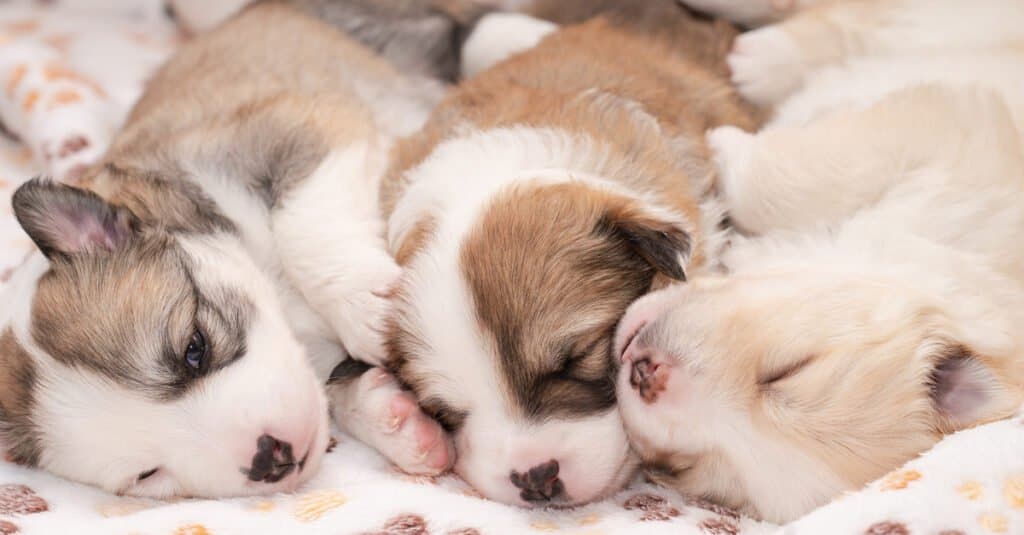
The Icelandic Sheepdog is friendly and loyal, but it still needs socialization and training as a puppy.

Crate training, while not mandatory, can be a great way to solve some housebreaking and behavioral issues with puppies as well. For any questions about vaccines, neutering/spaying, and microchipping, you should talk with your vet.

Children

A well-trained Icelandic Sheepdog should get along with children of all ages. It’s loyal, protective, and very affectionate. Adults should nevertheless supervise all interactions between dogs and younger children.

Similar Dogs

  • Norwegian Buhund: This all-purpose farming dog from Norway is the closest living relative of the Icelandic Sheepdog. A cheerful and active breed, it is characterized by a square profile, wedge-shaped head, curled tail, and dense coat of wheaten or black.
  • Swedish Lapphund: This affectionate and lively Spitz-type herding dog originated many centuries ago. It has a fascinating history and many intriguing facts. The ancestor of this breed was developed by the Sami people to herd and guard reindeer. It is characterized by a very dense coat of black fur.
  • Swedish Vallhund: This small Swedish breed, whose name translates to mean herding dog, was originally bred more than a thousand years ago to drive and herd cattle. It is characterized by short legs, pricked ears, and a dense double coat of grayish brown, red, or yellow fur.
View all 59 animals that start with I

Sources

  1. American Kennel Club / Accessed October 8, 2021

Thank you for reading! Have some feedback for us?


Icelandic Sheepdog FAQs (Frequently Asked Questions)

The typical lifespan of the Icelandic Sheepdog is 12 to 14 years, but it can live longer, depending on its health.