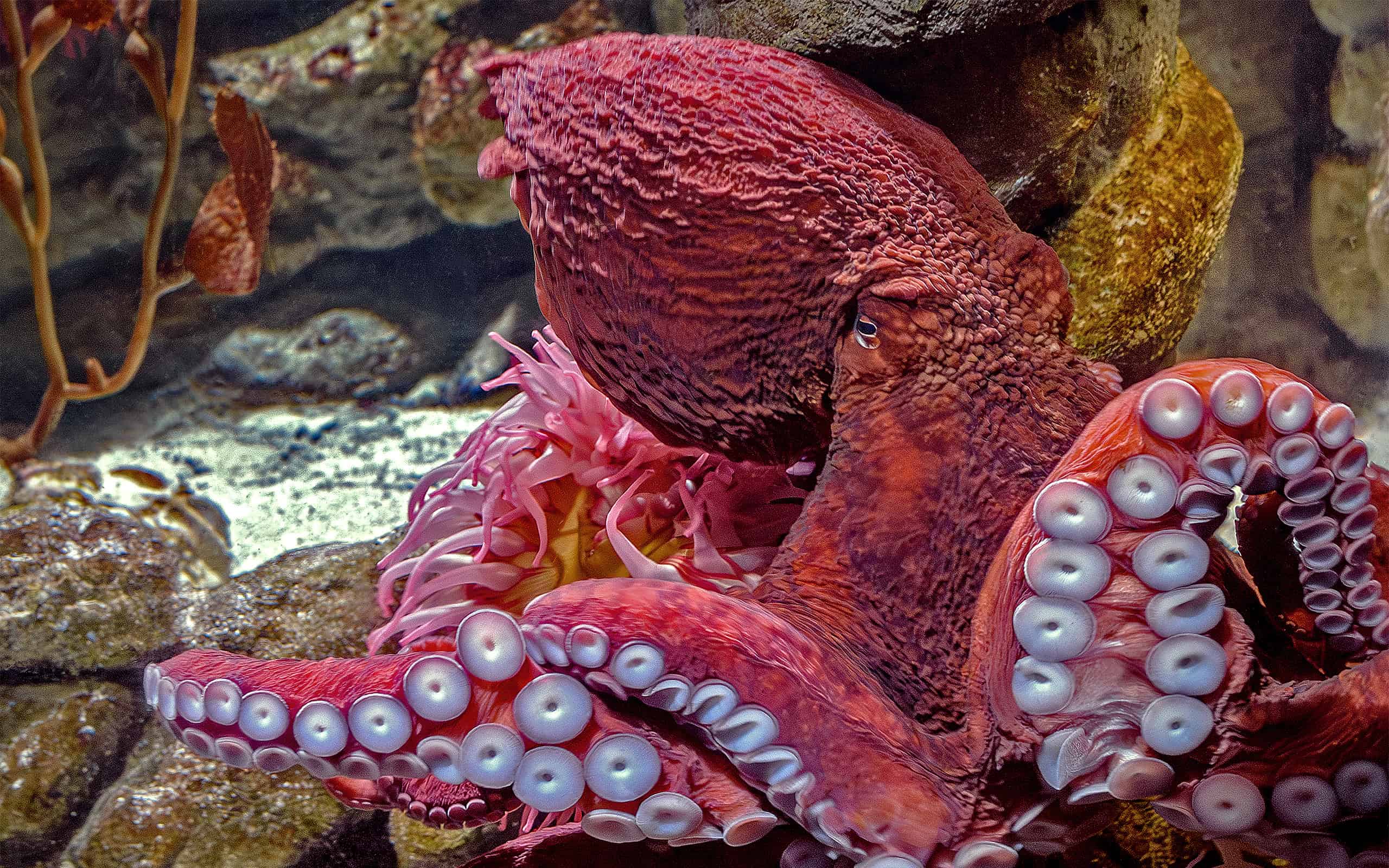

Ghost, the giant Pacific octopus (Enteroctopus dofleini), has been stealing hearts since she arrived at the Aquarium of the Pacific in May 2024. Collected from the wild in British Columbia by a licensed scientific collector, she was just 3 pounds when she first joined the aquarium family. Now, she weighs at least 30 pounds and has eight powerful arms lined with more than 2,000 suction cups, as well as a dazzling strawberry-red body that appears to glow underwater.
Of course, it’s not just Ghost’s good looks that made her a star — it’s her vibrant personality. Ghost is endlessly curious, playful, and clever. She breezes through puzzles with ease and sometimes ignores her food so she can interact with her caregivers. She curls her arms around their hands in a gesture that feels uncannily like a hug.
She is a wonderful octopus and has made an eight-armed impression on all our hearts.
Aquarium of the Pacific
Her charisma and charm make it easy to see why Ghost has become such a beloved animal among visitors and staff alike. Now, Ghost has entered senescence — the natural but bittersweet final stage in an octopus’s life cycle. As she begins this last chapter, the bond she has built with those around her feels even stronger and more meaningful than ever. With World Octopus Day on October 8, it’s clear why Ghost the octopus deserves all the love she can get for the joy, curiosity, and inspiration she brings to everyone who meets her.
Senescence and an Octopus’s Final Chapter
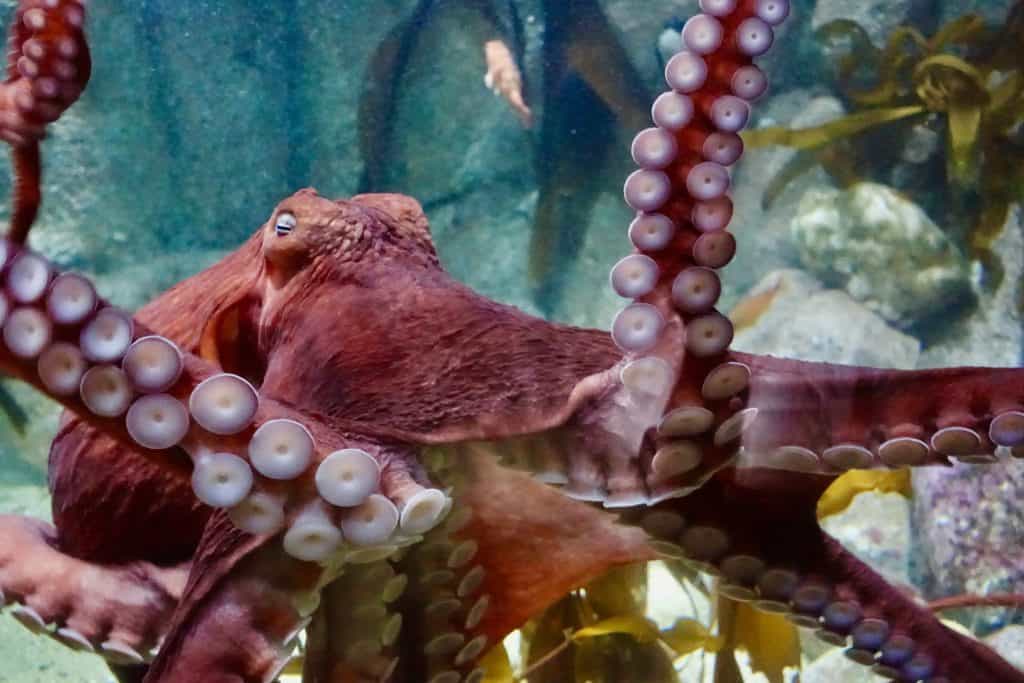
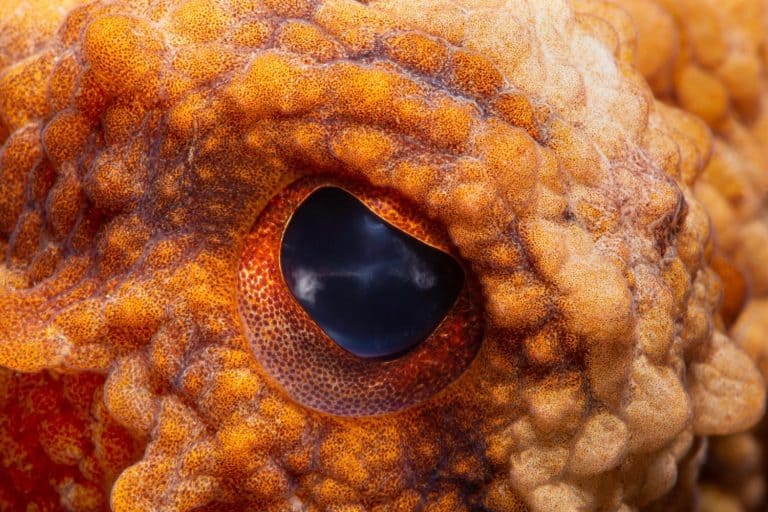
The giant Pacific octopus can change the color and texture of its skin to camouflage with its surroundings.
Experts estimate that Ghost is now between three and five years old, which is the typical lifespan for giant Pacific octopuses. Both males and females experience drastic changes during this stage, referred to as senescence: their once-bright colors fade, their appetite dwindles, their movements become slower and less graceful, and even minor wounds take much longer to heal.
For females like Ghost, senescence is closely tied to reproduction. A giant Pacific octopus lays eggs only once during her lifetime, creating a clutch of 18,000 to 74,000 eggs. From that moment on, she devotes every ounce of her energy to caring for them. She constantly tends the eggs, cleaning them diligently, gently blowing water over them to keep them oxygenated, and brushing away algae and bacteria. For up to seven months, she will not leave their side, ignoring her own needs — even refusing to eat — as she sacrifices her life to give them a chance to survive. While this final chapter may seem tragic, senescence is a natural part of an octopus’s life cycle that is written into their DNA.
Ghost’s Remaining Time
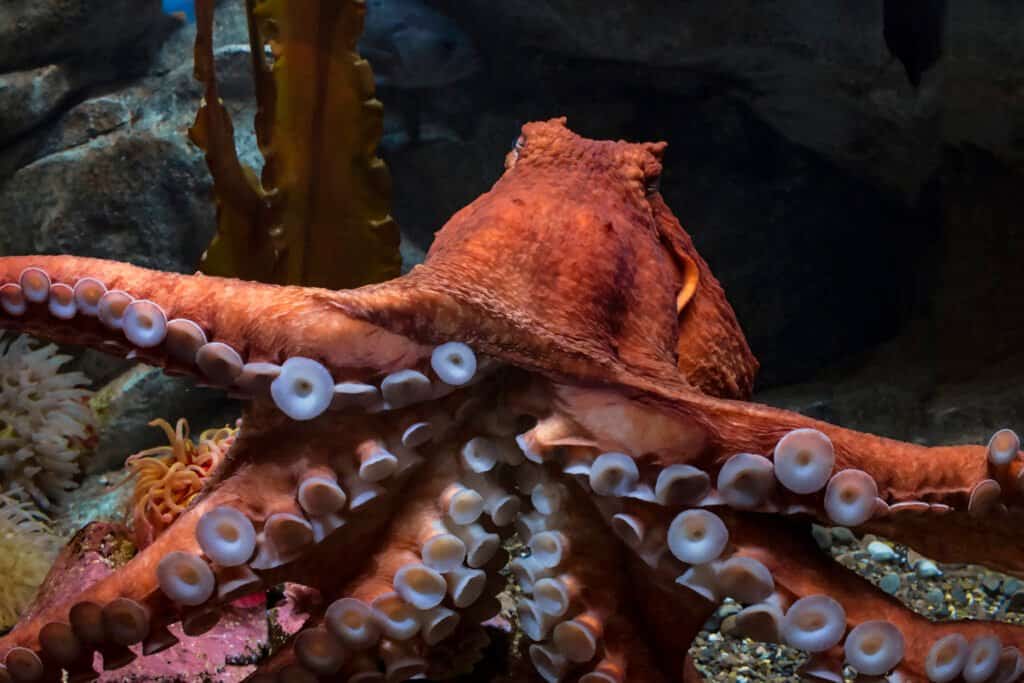
The heaviest giant Pacific octopus ever found weighed 200 pounds.
©karen crewe/Shutterstock.com
Senescence in giant Pacific octopuses is still somewhat of a mystery — sometimes it can stretch on for months, while other times it lasts only a few weeks. This means no one can say exactly how much time Ghost has left. What we do know is that her symptoms began to appear in September 2025. So far, they’ve been fairly minor: small scrapes that don’t heal as quickly as they used to, and, most tellingly, her complete devotion to egg care over her own self-care.
At the Aquarium of the Pacific, Ghost tends her eggs with the same determination as any wild octopus would, even though her own brood will never hatch. To ensure her comfort and well-being, the aquarium does not pair males and females together — giant Pacific octopuses are highly territorial, and forcing them to share space could cause unnecessary stress, especially during these final weeks. As a result, Ghost’s eggs are unfertilized. Still, in true octopus fashion, she dotes on them tirelessly, guided by her deeply ingrained maternal instincts. Ghost is now resting in a quiet, private area behind the scenes where she can peacefully tend to her eggs.
Ghost’s Incredible Legacy

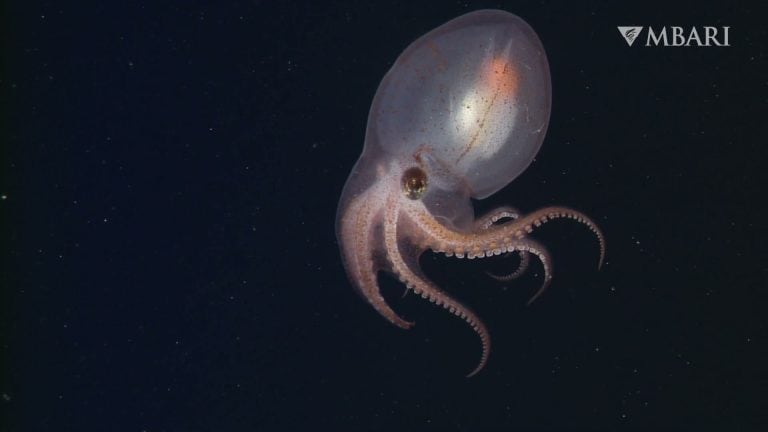
Adult giant Pacific octopuses have at least a 7-foot arm span.
©Aerial-motion/Shutterstock.com
Ghost’s time with us may be short, but her impact is lasting. With her vibrant personality and spunky charm, she’s become unforgettable to everyone who has been lucky enough to meet her. Her caregivers have even trained her to crawl into a basket by choice for health checkups and weigh-ins. She also thrives on enrichment activities like solving complex puzzles. However, what truly sets Ghost apart is how much she loves interacting and connecting with people — both literally and figuratively. That connection has sparked an outpouring of love and creativity, with fans sending in artwork, T-shirts, and even tattoos inspired by this beloved octopus.
It is incredibly rare for the public to witness an animal’s final stage of life, but Ghost has given us a unique opportunity. Her journey through senescence shows us that this phase is just as meaningful as birth or growth.
As the Aquarium of the Pacific stated on their social media platforms, “She is a wonderful octopus and has made an eight-armed impression on all our hearts.”