
Quick Take
- Cramming a million octopus together doesn't just stress them out. What actually happens inside overcrowded tanks is far more disturbing than activists anticipated. See what overcrowding causes →
- Farming octopus was supposed to ease pressure on wild fish stocks, yet the environmental math tells a brutally counterintuitive story. Explore the environmental math →
- 42,000 people rallied to stop this farm, and the timing of the company's withdrawal reveals just how close the whole thing came to going differently. See how the campaign unfolded →
- Nueva Pescanova backed down, but one statement from the company suggests this battle for octopus may be far from over. Read the company's statement →
For one commercial seafood company, building a huge tank that could house up to one million octopus on a Spanish dock seemed like a great business decision. To conservationists and octopus lovers around the world, it sounded like torture for the beloved species.
On July 23, 2026, Nueva Pescanova, the company behind the proposal, finally withdrew its application filed with the Port Authority of Las Palmas. It marked the end of a five-year battle between the commercial producer on one side and animal-rights activists on the other. It was also an epic win for octopuses.
Here’s how it all went down.
What Is Nueva Pescanova and What Did They Want?
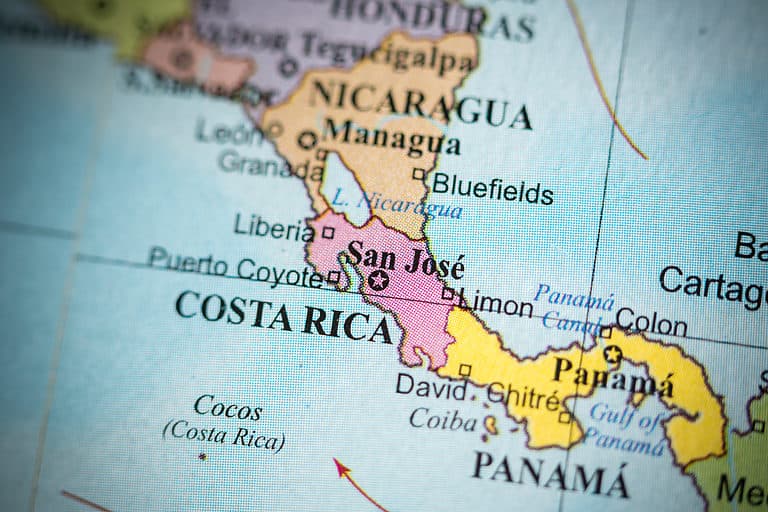
Nueva Pescanova is a Spanish seafood company headquartered in Redondela, Galicia. It operates production facilities in around 10 to 11 countries. In May 2021, it filed for a permit to build a €50 million octopus farm on the island of Gran Canaria in the Canary Islands off the coast of Spain.
The facility would have covered 50,000 square meters of dock space. That’s the equivalent of about seven football fields. Much of that space would have been an extra-large aquarium where octopus would be bred and raised. The goal was to generate about 3,000 tons of octopus meat each year. This figure represents more than 10 percent of Spain’s entire annual octopus catch.
But the move was met with outrage among conservationists and animal activists around the world.
Why Octopuses Don’t Belong On Farms
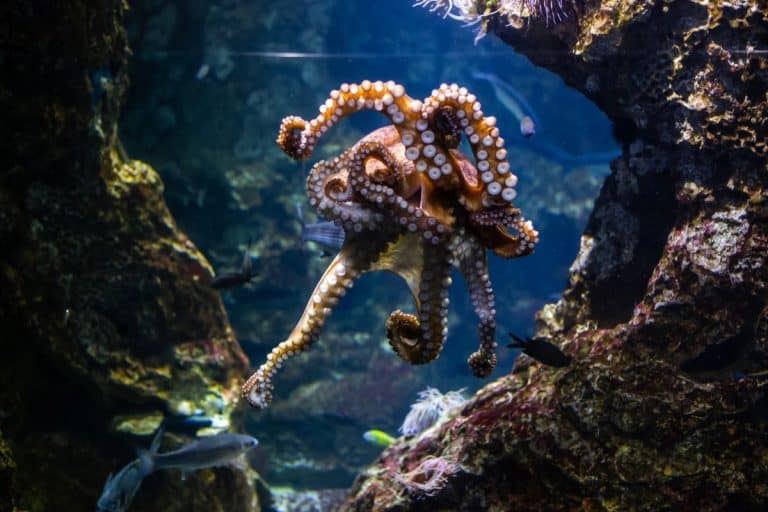
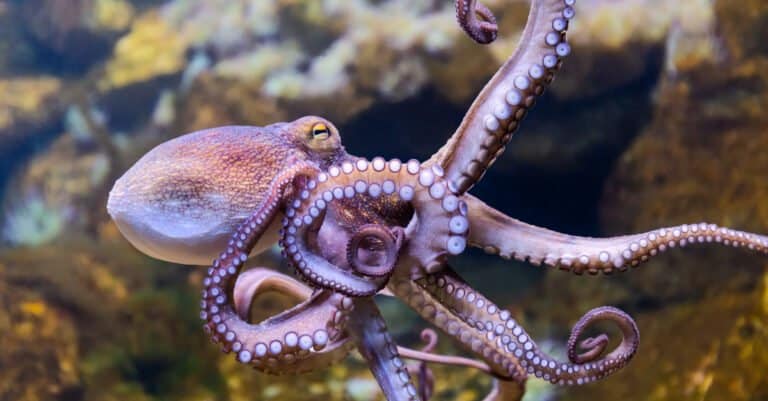
The octopus is one of the smartest animals on earth. Studies show they can solve puzzles, use tools, and recognize people. If you’ve ever seen the movie or read the book Remarkably Bright Creatures, you can see that intelligence on display.
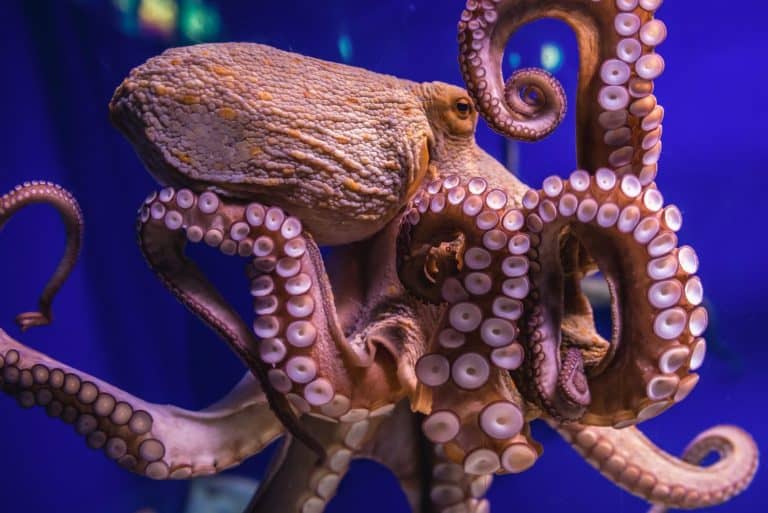
In the wild, octopuses are solitary creatures, preferring to live alone and avoid others of their species. They only come together briefly to mate. Even in reputable aquariums, octopuses are given their own tanks to best mimic their solitary lives in the wild.
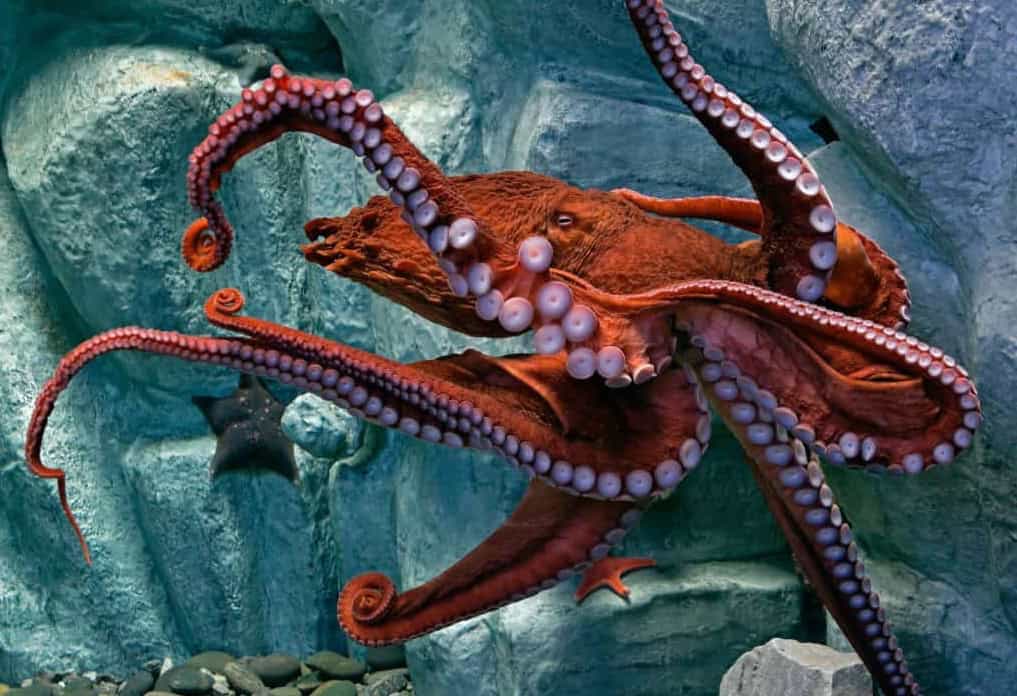
Octopuses, like this giant Pacific species, are some of the smartest creatures in the world.
©Tennessee Aquarium
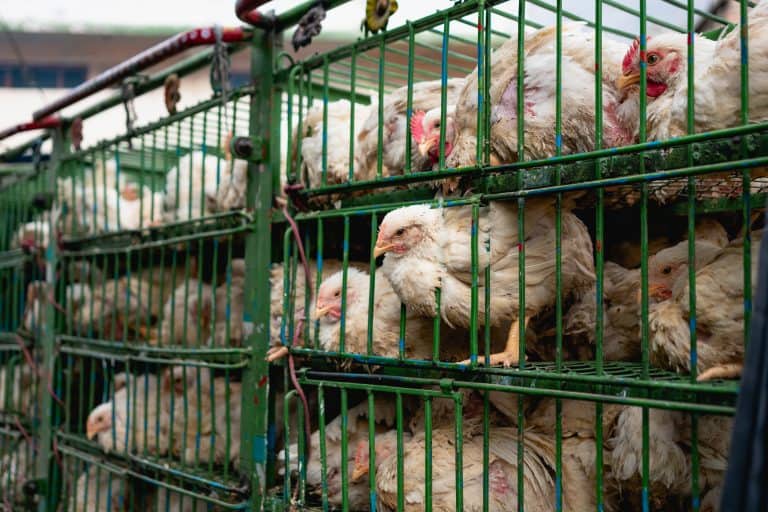
Animal-rights activists objected to Nueva Pescanova’s plans because forcing millions of octopus to live in a crowded space goes against their natural preferences for solitude. When they are forced into crowded tanks, it can cause fighting among the octopus population. In some cases, it even results in cannibalism. Past attempts at octopus farming have demonstrated this.
Another reason for the outrage is that there is no tested and accepted way to humanely kill an octopus in the numbers required for a commercial operation. This is important, because according to a science review from the London School of Economics, there is strong evidence that octopus and other cephalopods can feel pain and distress. The data was so compelling it moved the UK government to add octopuses, crabs, lobsters, and other cephalopods and decapod crustaceans to its main animal welfare law in 2022.
The Environmental Costs Are High
Another factor that fueled animal-rights action against Nueva Pescanova’s plans was related to the natural diet of octopuses. They are meat eaters. To grow 3,000 tons of farmed octopus, the company would need at least 28,000 tons of wild-caught fish per year to feed their octopus supply.
When you break down these numbers, it takes about nine pounds of wild fish to produce one pound of farmed octopus. That number alarmed conservationists, as it would put additional strain on the world’s oceans, which are already suffering from overfishing.
Then there was the impact the proposed facility would have on its immediate neighbors. With a passenger ferry terminal nearby, locals were concerned about potential water quality issues and unpleasant odors from the proposed octopus farm.
How Animal-Rights Groups Won
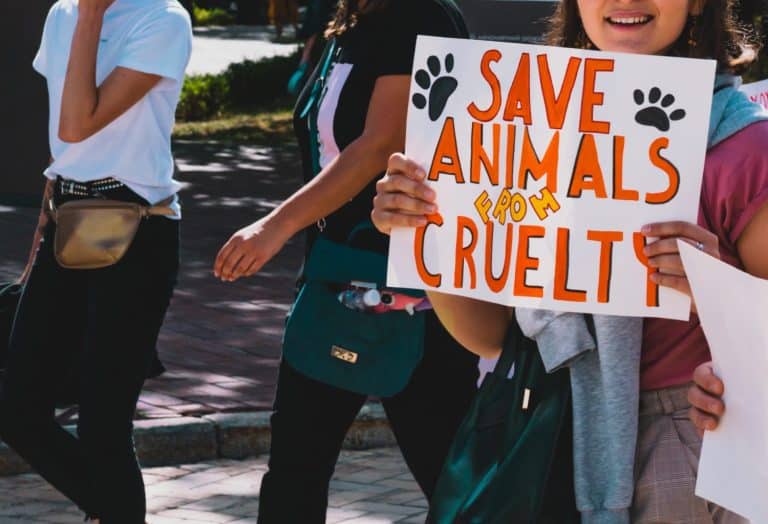
There is power in numbers, as demonstrated by the campaign against Nueva Pescanova’s plan. Compassion in World Farming (CIWF) led an international coalition of conservation organizations, scientists, and animal lovers from around the world. The organization reports that more than 42,000 people contacted the Las Palmas Port Authority urging officials to reject the proposed application.
There was also a public protest planned at the Port, organized by AnimaNaturalis and CIWF, scheduled for July 25, 2026. It would have included many animal rights groups, such as Ecologistas en Acción, the Aquatic Life Institute, and Eurogroup for Animals.
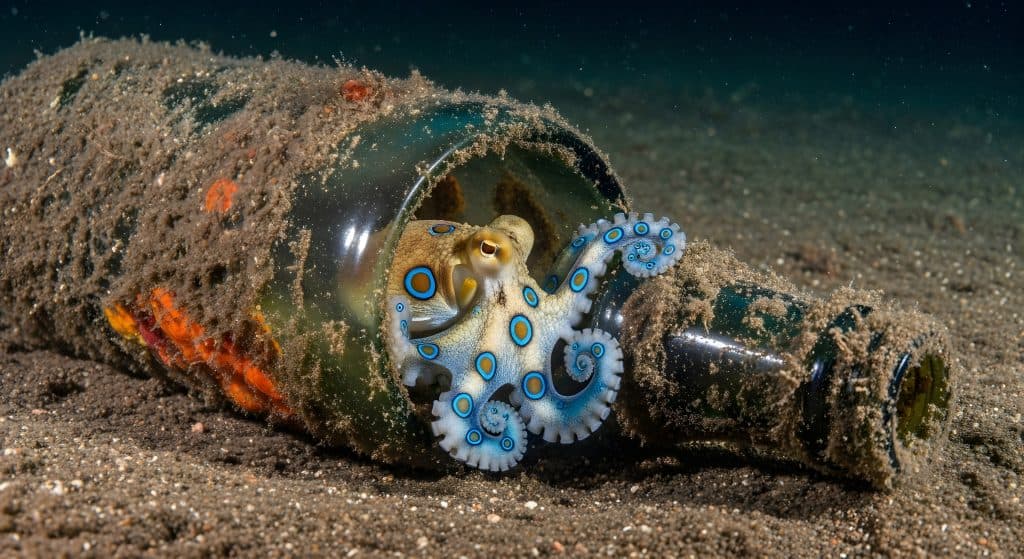
Octopuses, like this blue-ring variety, are solitary creatures and prefer to live alone.
©jafarsodik/Shutterstock.com
Bowing to the growing public pressure, Nueva Pescanova withdrew its permit request two days before the protest was scheduled to begin.
“After years of pressure, this is a huge victory for octopuses, our oceans and everyone who joined us in campaigning to stop the world’s first octopus farm,” said Dr. Elena Lara, Senior Research and Policy Advisor at CIWF in a press release announcing the win. “Octopuses are intelligent, wild animals, not products to be caged in factory farms. The decision to abandon this project sends a powerful message that the future of food must not be built on animal suffering.”
What’s Next?
Building on this success, CIWF has promised to continue the fight to protect octopuses. Their goal now is to encourage governments to pass outright bans on octopus farming around the world.
Several U.S. states, including Washington and California, have already banned commercial octopus farming. CIWF hopes that this momentum will carry forward across the U.S. and beyond.
However, Nueva Pescanova may not have fully accepted that message. The company has said it may pursue a new design or different location for its octopus farming plans in the future. CIWF is monitoring the situation.