
Quick Take
- Some birds have turned blackmail into a legitimate parenting strategy, and research shows it actually works. See the blackmail strategy →
- One animal mother is so devoted that she never eats again, with an outcome that is both stunning and heartbreaking. Meet the self-sacrificing mother →
- A fish has a brood-parasitism trick so devious it makes the cuckoo look like an amateur. Discover the devious catfish trick →
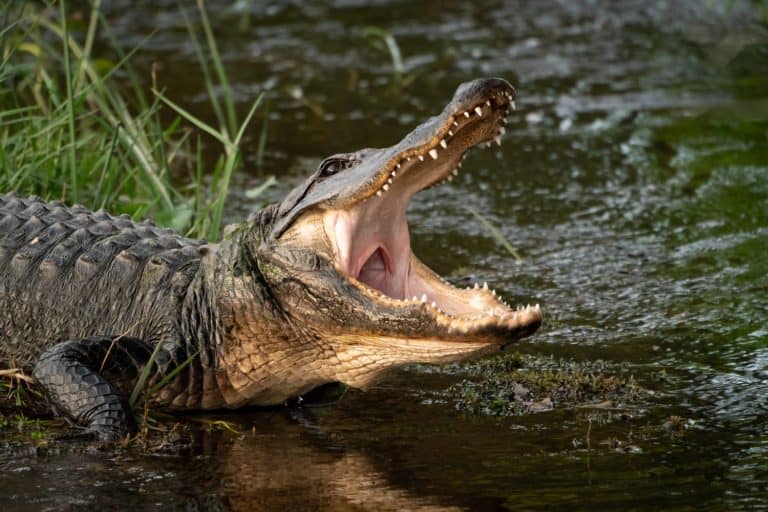
- One of nature's most feared predators turns out to be among the most tender parents on this list, which comes as a surprise to almost everyone. See the alligator's tender side →
Not every animal raises its babies the same way. While some spend months or even years protecting their young, others turn to sneakier methods to give their babies the best chance of survival. They use a variety of strategies, like tricking other animals into doing their work for them or hiding eggs in unexpected places. Some use deceptive tactics to fool predators; others are just extremely dedicated. Each method is incredibly effective in its own way. Here are eight of the cleverest parents in the animal kingdom.
1. Common Cuckoo
©John Navajo/Shutterstock.com
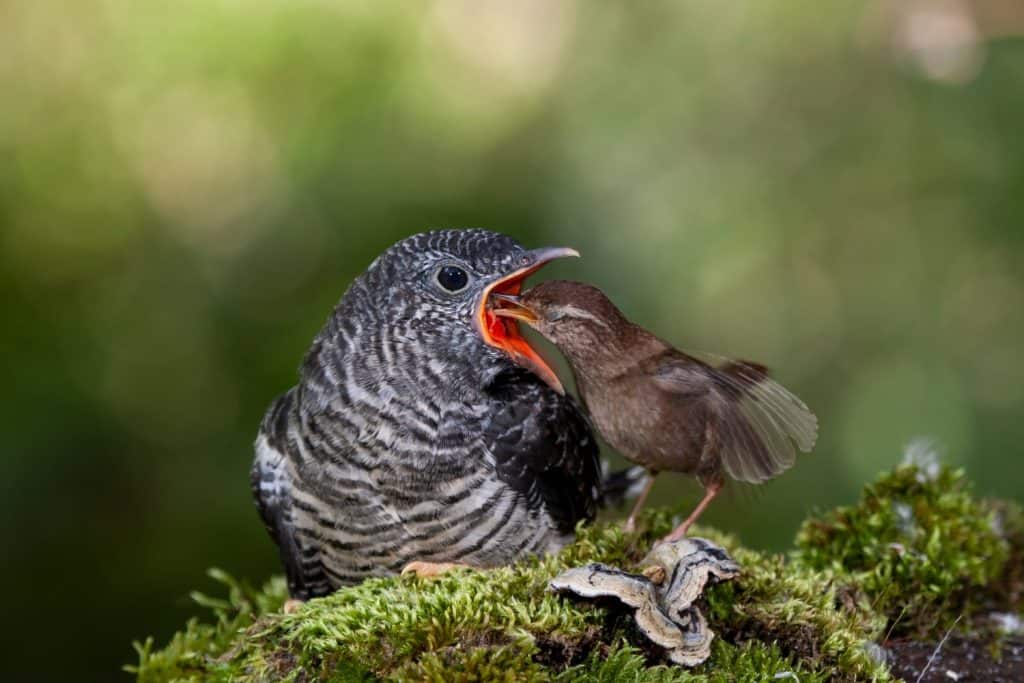
The common cuckoo is perhaps the most famous cheat in the bird world. Instead of building its own nest, the female secretly lays her egg in the nest of another bird while the unsuspecting parents aren’t looking. As if that weren’t enough, the cuckoo chick soon gains the advantage over the other bird babies. It hatches first and instinctively pushes the host’s eggs out of the nest. This way, it gets all the food and parental attention with no siblings to compete with. Even when the baby is much larger than the host species, the adoptive mother doesn’t seem to care. The single chick mimics the calls of a full brood to encourage its foster parents to feed it constantly. The exhausted female ends up raising a baby that isn’t hers while her own offspring are eliminated. It might be the most thankless form of motherhood in the animal kingdom.
2. Emperor Penguin
©vladsilver/Shutterstock.com
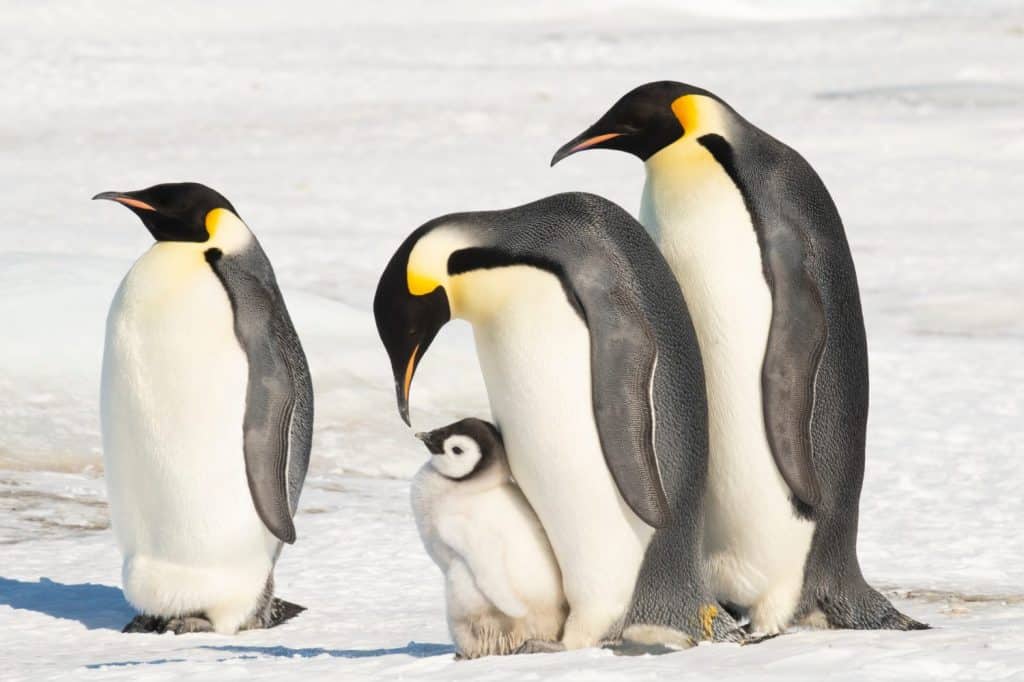
Emperor penguins are incredibly devoted parents. And they have to be to keep their offspring warm in Antarctica’s brutal cold. After laying just one egg, the female gives it to the male and immediately leaves for the ocean to find food. The father balances the egg on his feet under an insulated brood pouch. He does this for roughly two months without ever eating. During this time, the female travels far and wide to find enough prey to fully replenish her energy. She returns with food just as the chick hatches. It’s a beautiful example of parents taking turns to maximize their chick’s chances of survival.
3. Killdeer
©samray/Shutterstock.com
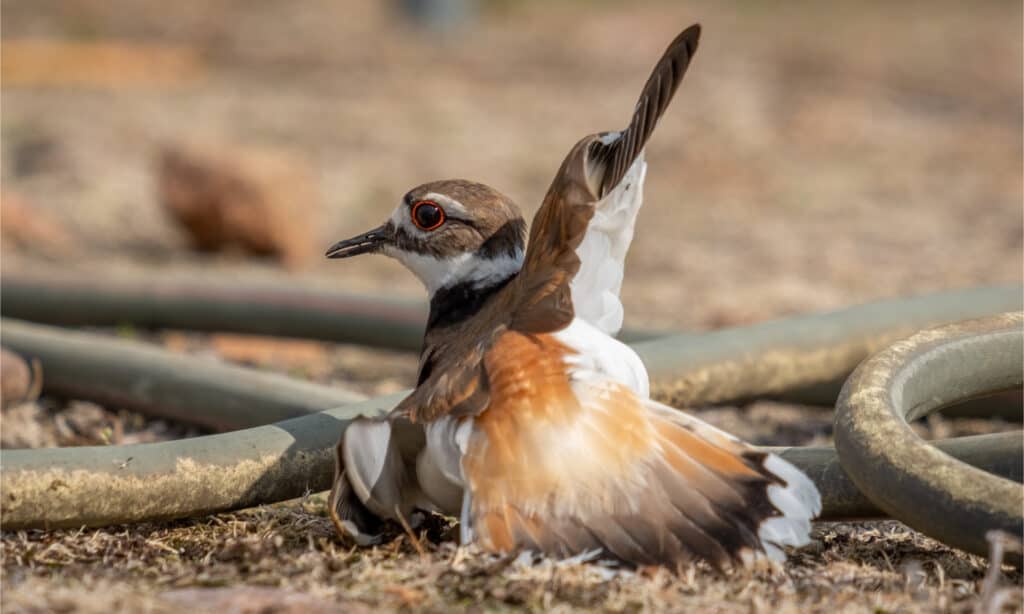
Killdeer don’t hide their nests very well because they lay eggs on the ground in highly visible locations. To make up for this, they rely on their acting skills. When danger approaches, a parent bird will dramatically limp away from the nest, dragging a wing as though it’s badly injured. Predators see the seemingly vulnerable killdeer and chase it, thinking they’re about to get an easy meal. Once the threat is far away from the nest, the perfectly healthy bird suddenly flies off, leaving the confused predator behind.
4. Giant Pacific Octopus

©Karen from Los Angeles, USA / CC BY 2.0 / Wikimedia Commons – Original / License
A female giant Pacific octopus invests everything she has to protect her future offspring. After laying tens of thousands of eggs, she spends months guarding and cleaning them. She spends every bit of her time fanning oxygen-rich water across the eggs and removing any debris that could lead to illness. She is so devoted to this process that she never leaves the precious eggs, not even to hunt. By the time the young hatch, the mother has become so weak from starvation that she dies soon after. It may be the most extraordinary maternal sacrifice anywhere in nature.
5. Brown-Headed Cowbird
©"House Finch – 3 / Brown-Headed Cowbird – 2" by popo.uw23 is licensed under PDM 1.0. – Original / License
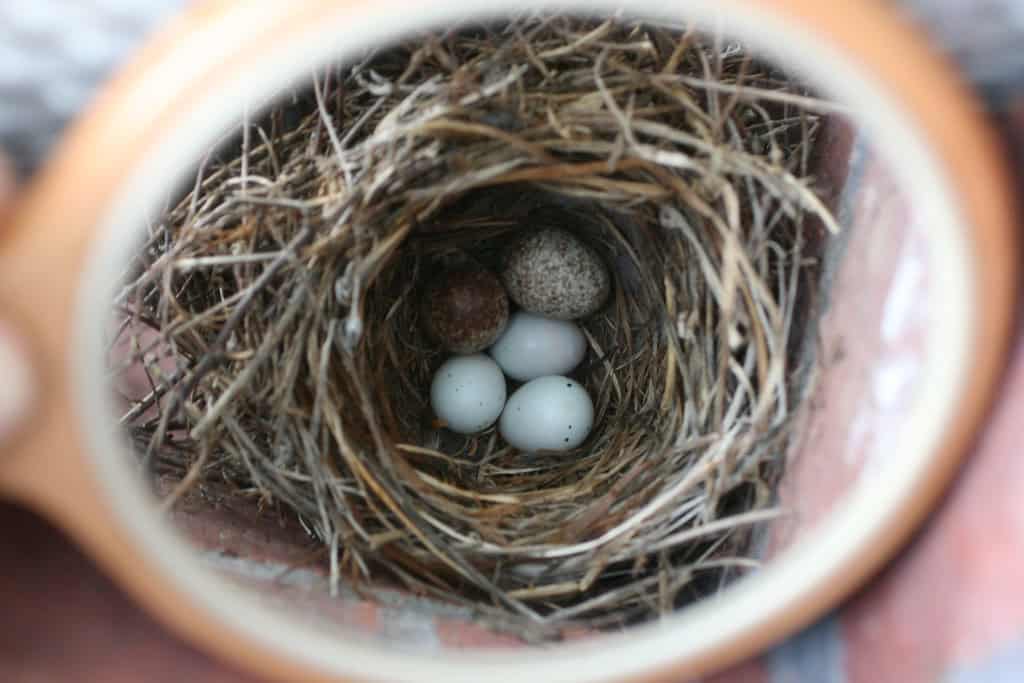
Like cuckoos, brown-headed cowbirds also practice reproductive trickery (known as brood parasitism), but they use a slightly different strategy. A female quietly slips an egg into another bird’s nest, generally a species much smaller than herself. The host birds, for some strange reason, accept the oversized egg and spend weeks feeding the big baby. What happens if the host parent doesn’t cooperate? Some research indicates that cowbirds are quite vindictive, damaging the nests of birds that reject their eggs. This essentially blackmails other birds into future cooperation. Basically, “raise my kid or I’ll demolish your house.” It’s brutal, but it pays off in the natural world.
6. Strawberry Poison Dart Frog
©Pavel Russe/Shutterstock.com
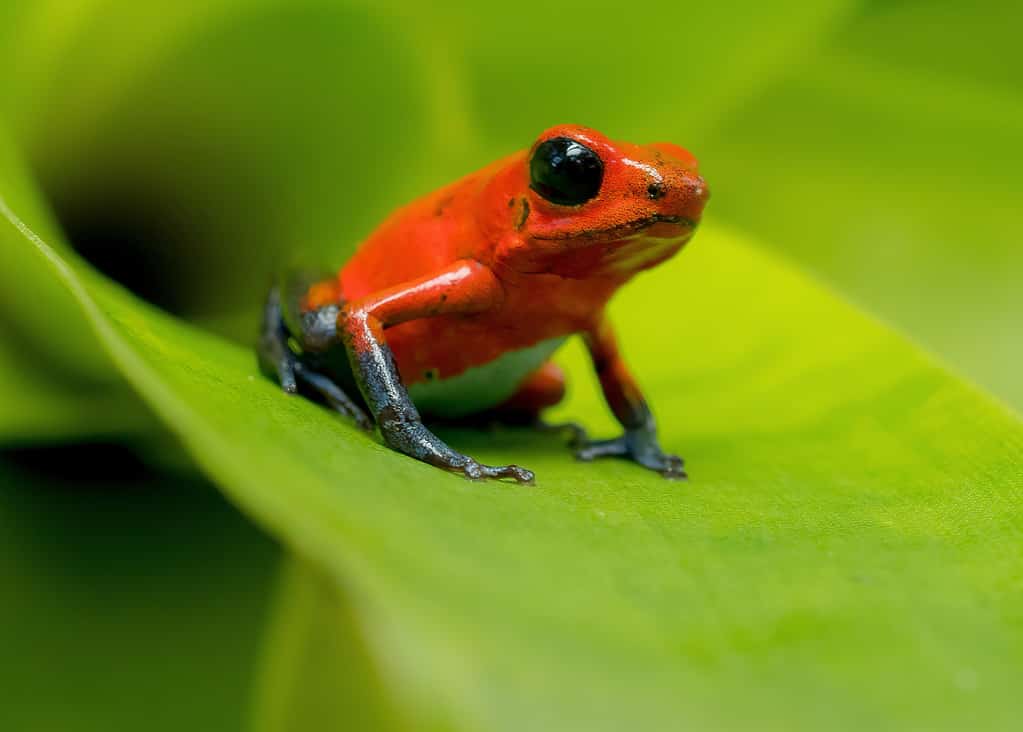
Male strawberry poison dart frogs take parenting to an impressive level. After the eggs hatch, the father carries each tadpole on his back. One at a time, he transports them to their own minuscule pool of water hidden inside plants. Keeping siblings in separate pools reduces competition and lowers the chance they’ll eat each other. The female later delivers food in the form of unfertilized eggs. The carefully executed strategy gives every youngster a much better chance of surviving.
7. Alligator
©Marc Pletcher/Shutterstock.com
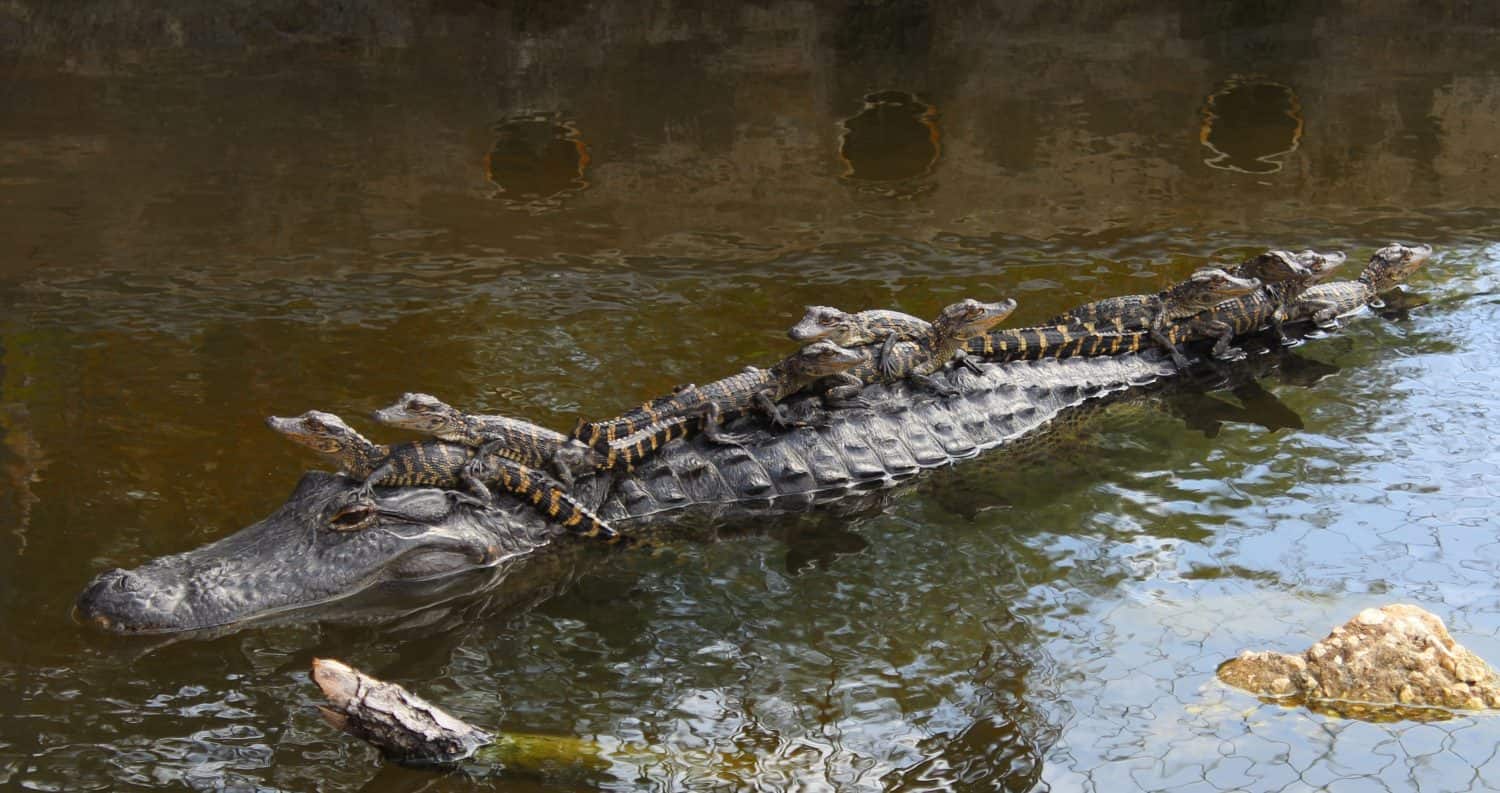
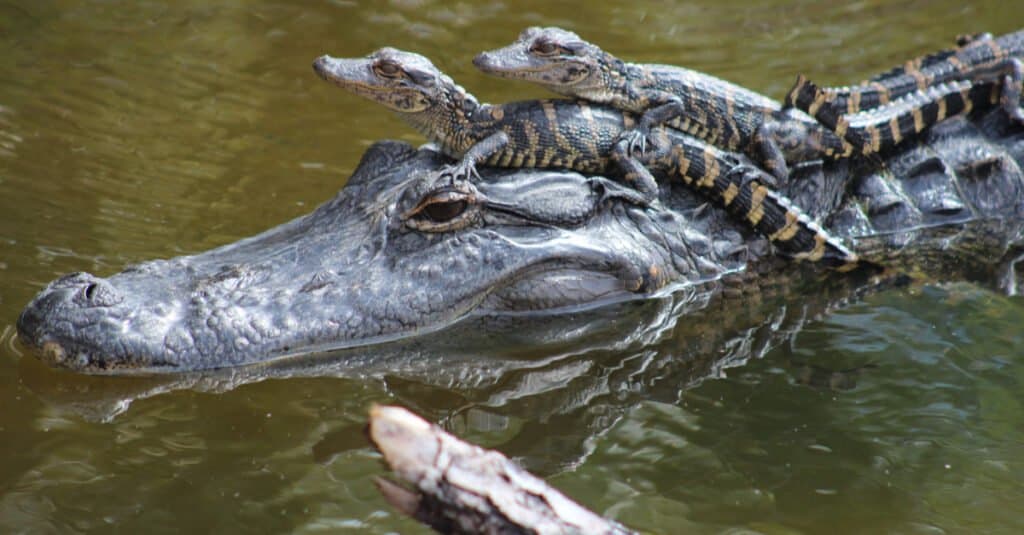
Female alligators are surprisingly attentive mothers. They build camouflaged nests of vegetation. These tucked-away nests generate heat as the plants decompose, creating the perfect natural incubator for their eggs. When the babies are ready to hatch, they call out from inside the eggs. Hearing their cries, the dedicated mother digs the eggs up. Once hatched, the babies take a gentle ride in mom’s powerful jaws. After she transports her young to the water, she stays nearby for many months, aggressively defending them from predators. Most are surprised to learn that the alligator is such a devoted parent.
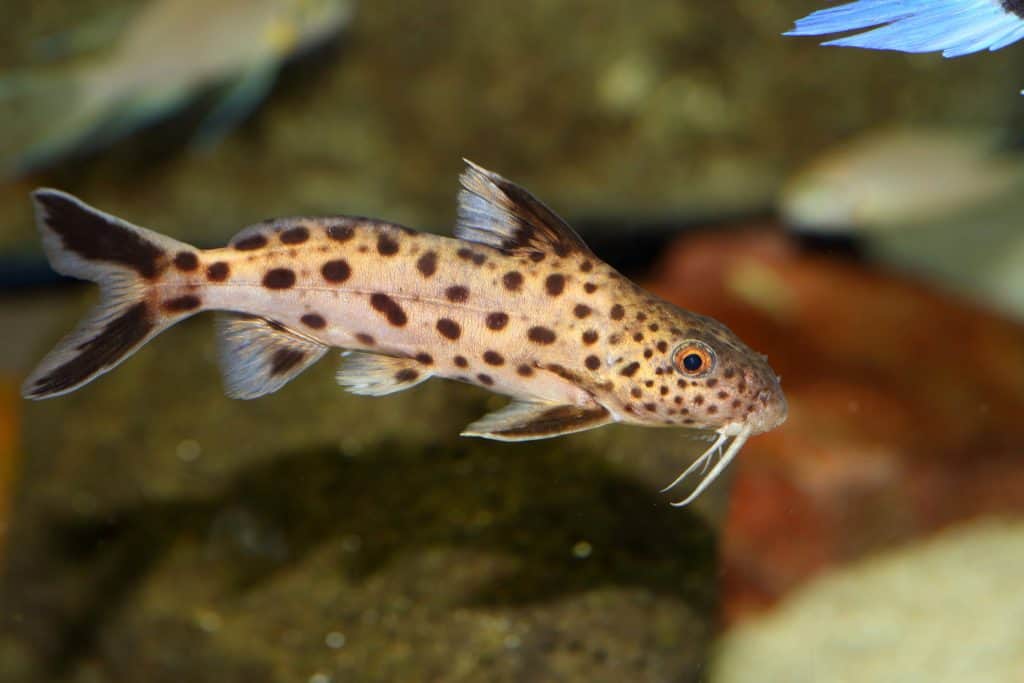
8. Cuckoo Catfish
©feathercollector/Shutterstock.com
Found in Africa’s Lake Tanganyika, the cuckoo catfish has one of the most unusual parenting tricks ever studied. It waits for mouthbrooding cichlid fish to lay their eggs and then rushes over and mixes its own eggs in with theirs. The cichlid parent scoops up all the eggs and carries them safely inside its mouth. Like with the cuckoo bird, the catfish hatch first, giving them an immediate advantage. They actually eat some of the host’s developing young before simply swimming away. The foster parent is fooled into protecting foreign babies that will consume its own.