Quick Take
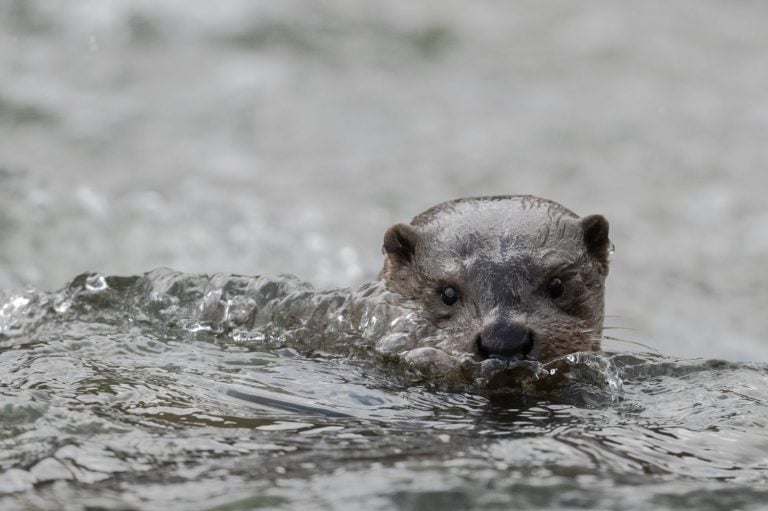
- Otters have few natural predators due to their swimming ability, powerful jaws, and sharp teeth.
- As top predators, otters keep aquatic ecosystems in balance and play a critical role as key indicator species.
- Some otter species defend against threats as a group.
- From 1875 to 2021, researchers documented 59 otter attacks on humans, with one fatality.
Otters belong to the Mustelidae family, which includes ferrets, weasels, wolverines, badgers, mink, and many more. There are 14 otter species in the subfamily Lutrinae. All otters are either marine or semi-aquatic, and they can be found all over the world, except for Australia and Antarctica. They generally have slim, muscular bodies, short legs, long, tapered tails, and dense, water-repellent fur in shades of brown. Otters are well known for their cute expressions and playful antics, but are they dangerous? Keep reading to find out.
All About Otters
Otters vary widely in size, from the tiny, Asian small-clawed otters (Aonyx cinereus) of South and Southeast Asia that measure less than 3 feet in length, to the giant river otters (Pteronura brasiliensis) of South America that can reach nearly 6 feet. Most otters are semi-aquatic, living in freshwater riparian habitats, except for sea otters (Enhydra lutris) and marine otters (Lontra felina), which exclusively inhabit saltwater environments. Only sea otters and North American river otters (Lontra canadensis) inhabit the U.S.
Otters are opportunistic carnivores with a diet of fish, crustaceans, amphibians, mollusks, invertebrates, and other organisms, depending on the species. They have high metabolisms and must eat at least 20% of their body weight each day to thrive. Their dense, double layer of fur keeps them warm and dry. In fact, sea otters have the thickest hair of any animal on the planet, with 600,000–1,000,000 hairs per square inch. Otters are also very intelligent, not only exhibiting cooperative hunting and problem-solving techniques, but also working together to defend their territory from threats.
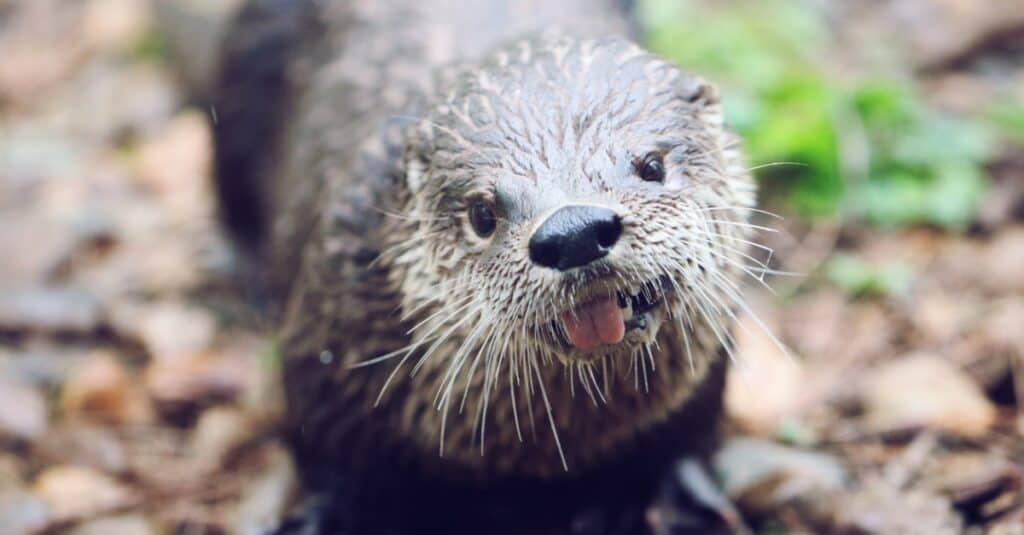
A high metabolism means otters must eat at least 20% of their body weight daily.
©iStock.com/Heather Burditt
Otters Are at the Top of the Food Chain
Many otter species are the apex predators of their ecosystems. For example, sea otters, giant river otters, Eurasian river otters (Lutra lutra), North American river otters, and African clawless otters (Aonyx capensis) are at the top of the food chain in their respective habitats. Otters have few natural predators due to their swimming ability, powerful jaws, and sharp teeth.
As top predators, otters keep aquatic ecosystems in balance and play a critical role as key indicator species of water quality and environmental health. In the Amazon River Basin, giant river otters regulate populations of fish and other organisms to help maintain biodiversity in the region. The literature lists fish, mollusks, crustaceans, reptiles, amphibians, birds, and even small mammals as part of their diet.
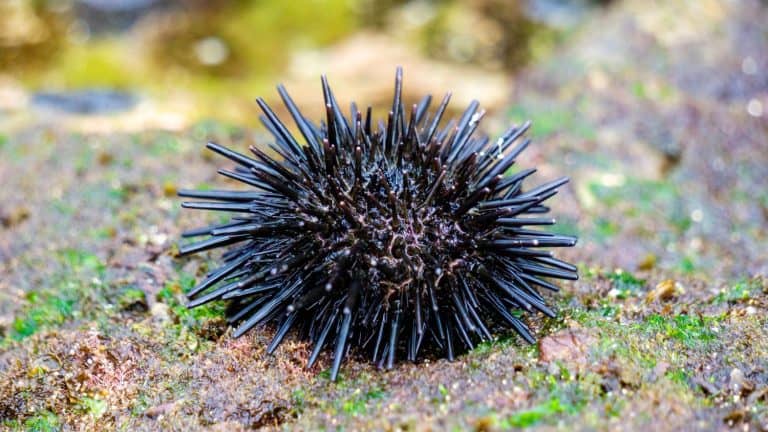
Sea otters contribute to a more diverse nearshore ecosystem by eating sea urchins, which decreases their density and helps maintain the kelp forests. North American river otters control prey species such as frogs and crayfish and keep fish populations diverse. They also alter the environment through den-building and foraging, creating habitats that assist smaller animals and increase biodiversity. Scientists also note that otters contribute river nutrients to terrestrial ecosystems when they leave carcasses for scavengers.
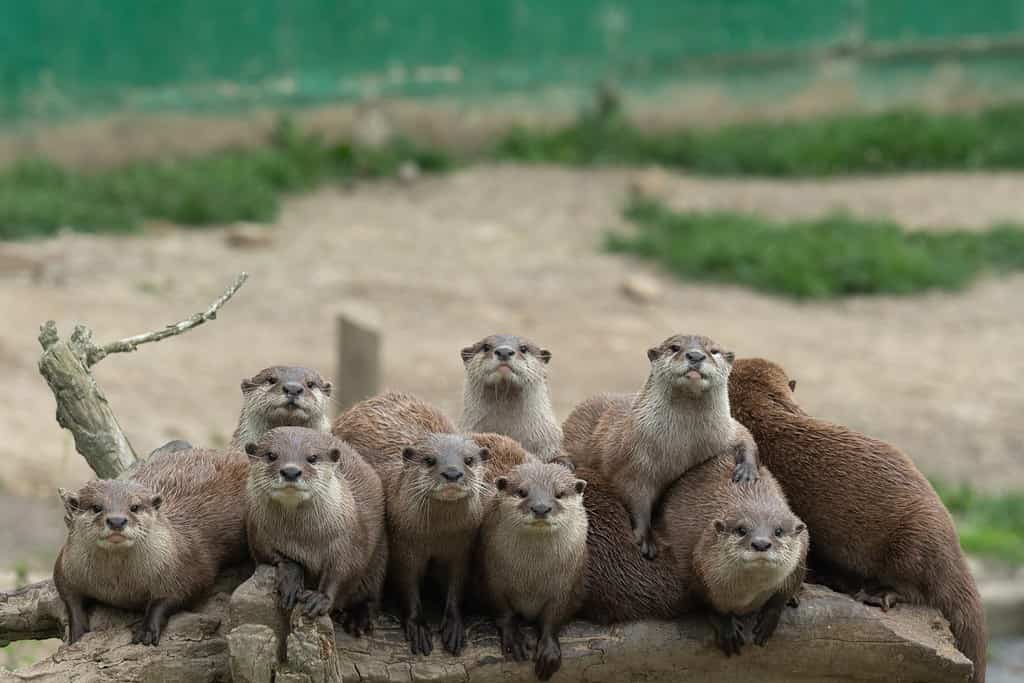
Asian small-clawed otters defend against predators as a unit.
©Tom Meaker/Shutterstock.com
How Dangerous Are Otters?
Otters may be cute, but they are still wild animals. Otters are known to be aggressive in their defense of territory, resources, mates, or pups. As mentioned above, some species also defend against threats as a group. For example, giant river otters live in family groups of up to 20 members. They defend their territory from other otter families and predators such as caiman, anacondas, and jaguars. Asian small-clawed otters also live in large family units, defending against predators as a group. Smooth-coated otters (Lutrogale perspicillata) likewise repel threats as a family. Additionally, researchers have recorded multiple North American river otters aggressively defending their prey from a coyote.
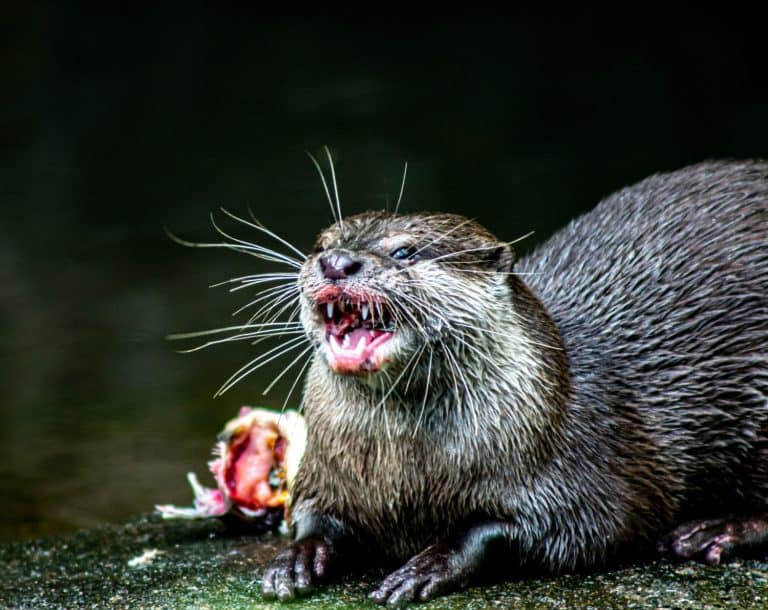
River otters generally have long, pointed canine teeth and sharp incisors, which they use to grasp slippery prey and deliver a killing bite. They also have large carnassial teeth to slice through bone, meat, and hide. They are believed to have a moderately strong bite force, especially at the carnassial teeth. A sea otter’s diet consists mainly of hard-shelled prey, so they have strong molars to crush and grind prey. Sea otters are reported to have a bite force of up to 615 psi, but this has not been confirmed in the scientific literature.
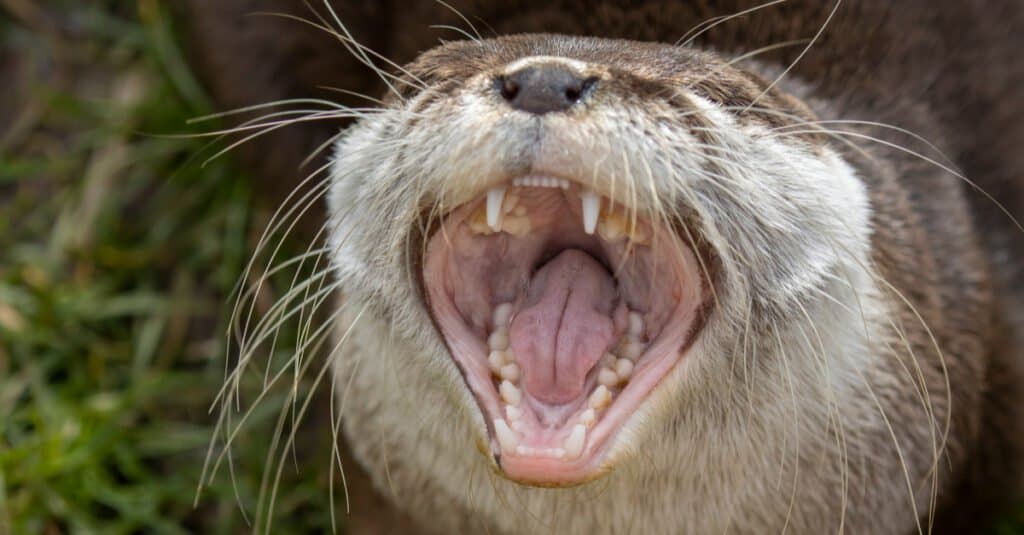
River otters have long, pointed canine teeth and sharp incisors to grasp prey and deliver killing bites.
©Paul A Carpenter/Shutterstock.com
Are Otters Dangerous to Humans?
Research published by the International Union for Conservation of Nature (IUCN) Otter Specialist Group Bulletin reviewed scientific literature and news reports regarding otter attacks. From 1875 to 2021, researchers documented 59 otter attacks. Most attacks took place in the wild, but three attacks occurred in captive environments. The majority of attacks occurred in the U.S. and involved the North American river otter.
Only one of the reports described a fatal otter attack. A fisherman in India was bitten and scratched by smooth-coated otters after he trapped an otter cub in his net. A group of otters surrounded and attacked him, and he later died from his injuries. Smooth-coated otters are the only species that were reported to attack humans in groups.
In anecdotal reports from 1875 to 2010, rabies was believed to be a factor in 24% to 66% of attacks. However, it was suspected in only 10% of attacks from 2011 to 2021. Territoriality also remains a factor. From 2011 to 2021, water-related activities by humans were involved in 53% of attacks. During the same period, 44% of attacks occurred in Florida, where there has been significant human expansion. As humans continue to encroach on otters’ natural habitats, more encounters are likely to occur.