
Cropping pit bulls‘ ears is a controversial practice. Some people think it makes the dog look tougher, while others say it is unnecessary and causes the animal pain. What’s the story with cropped pit bull ears? What is the purpose, and what are the pros and cons? Whether you’re an owner or just someone interested in ethical animal care, this article will give you food for thought.
What Kind of Dog Is a Pit Bull?

Multiple breeds are called “pit bulls.” These similar breeds have muscular frames, wide heads, powerful jaws, and short coats.
©KruBeer Photo/Shutterstock.com
“Pit bull” is not one specific breed, but a general term applied to several similar breeds. These include the American pit bull terrier, American Staffordshire terrier, Staffordshire bull terrier, and others. Their size differs depending on the breed, but in general, they are medium-sized dogs. They stand 17-21 inches at the shoulder and weigh between 30-70 pounds. There are also miniature versions, known as “pocket pitbulls,” that only reach about 16 inches tall. Regardless of size, these breeds all share a muscular frame, wide heads, powerful jaws, and short coats.
Are Pit Bulls Dangerous?
Pit bulls have a history of being bred for dog fighting, a cruel activity that is now illegal. However, this history has contributed to the perception that pit bulls are violent and dangerous animals. Some irresponsible owners are drawn to this image and have mistreated or improperly trained pit bulls to encourage aggressive tendencies. As a result, poorly trained pit bulls have sometimes been involved in attacks on humans, including children.
Some of these attacks have been fatal and have received significant media attention. These tragic events reinforce the narrative that pit bulls are “bad” dogs. Some localities have implemented breed-specific restrictions on the ownership of these dogs. Proponents of these restrictions believe the measures are justified. However, some states have moved away from such laws, and the overall trend is focused on the individual dog’s behavior rather than the breed.

Looking at an adorable pit bull puppy, it’s hard to view them as dangerous. Yet critics say pit bulls are inherently violent.
©iStock.com/AimesElement
Advocates for pit bulls, however, say that any breed of dog can become aggressive if improperly trained. Therefore, when a dog becomes dangerous, it is due to irresponsible ownership rather than the breed’s inherent qualities. Millions of pit bulls are family pets, and the vast majority are loving companions, even around children. They are also trained as service and therapy animals. While pit bulls may be less tolerant of other dogs compared to some breeds, they are generally not aggressive toward people.
Positions on both sides of this issue are passionate and controversial. However, one thing we can agree on is that all pet dogs, regardless of breed, need responsible training. They should be safe not only for their owners, but also for other animals, neighbors, and bystanders. Millions of pit bull owners have demonstrated the ability to do just that.
Pros and Cons of Cropping Pit Bulls’ Ears
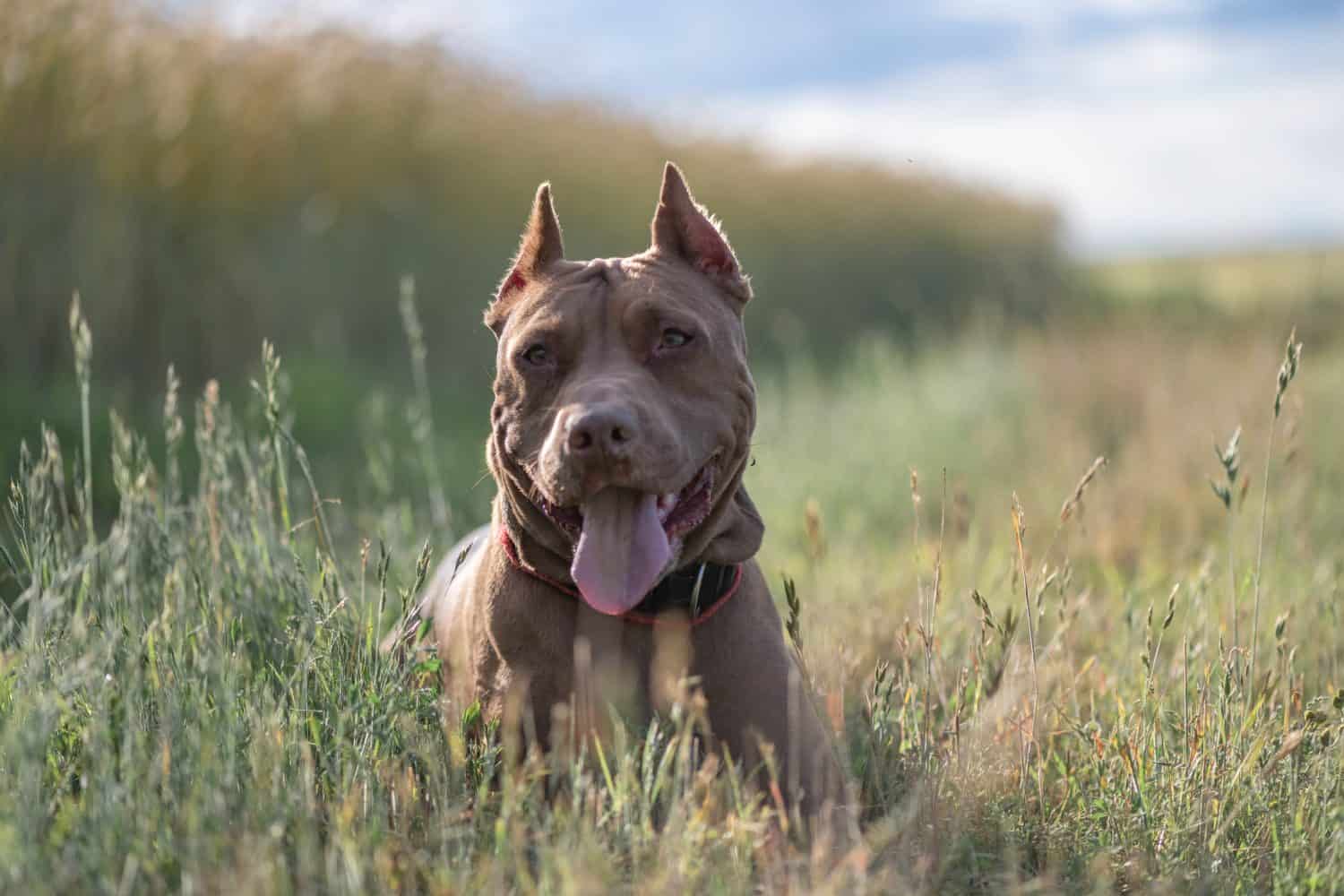
Ear cropping was done in the past to protect the dog’s ears while fighting or hunting.
©shymar27/Shutterstock.com
Cropping a pit bull’s ears means removing part of the dog’s ear flaps, reshaping the cartilage, and stitching the edges. In the past, owners did this to protect the dog’s ears during fighting or hunting. Today, those reasons are no longer relevant. Some owners think it will help prevent ear infections, but research has not supported this idea. Ultimately, ear cropping is a cosmetic procedure intended to achieve a particular look that the owner finds desirable.
Most of the time, a veterinarian performs the surgery while the dog is under anesthesia. It is also important to note that anesthesia carries medical risks, and some animals may not survive the procedure. However, even with anesthesia, the animal still experiences pain during recovery. The dog will need pain medication and monitoring to make sure it does not remove its bandages or stitches. Owners also need to watch for signs of infection and other complications.
There are also behavioral issues associated with ear cropping. Dogs use their ears to communicate their emotional state. With their ears cropped, dogs are unable to use them as a tool to express their feelings and intentions. This can cause misunderstandings between dogs, which may lead to aggressive interactions. Humans can also misinterpret the dog’s temperament, resulting in negative encounters. A dog’s inability to effectively communicate can hinder socialization and may lead to isolation. This process can also be traumatizing for the dog and may cause sensitivity to having its head or ears touched.
Is Ear Cropping Legal?
Some countries, such as England, Wales, Australia, and New Zealand, among others, have banned ear cropping because it inflicts unnecessary pain on the animals without a valid medical reason. While the U.S. does not have an outright ban, both Vermont and New York have considered bills prohibiting ear cropping for cosmetic purposes, and many other states have restrictions on the practice. The American Veterinary Medical Association (AVMA), the British Veterinary Association (BVA), and the Royal Society for the Prevention of Cruelty to Animals (RSPCA) in the U.K. all oppose ear cropping.
Things You Should Know Before Adopting a Pit Bull

Before adopting a pit bull, consider the following factors:
- Research the laws in your area to see what regulations there might be about pit bulls.
- Locate a responsible, reputable breeder or pit bull rescue that can provide information about the animal’s specific parentage and temperament.
- Become aware of the health issues that pit bulls are susceptible to, such as hip dysplasia and skin allergies, and consult with a veterinarian about how to prevent them.
- Talk to a trainer about how to socialize and train your dog. Early socialization is especially important to help ensure your pet is comfortable with other dogs.
- Make sure you are prepared to give your pit bull enough exercise to prevent boredom and destructive behavior.
If you admire this breed, taking the time to do your homework, not only about the pros and cons of cropped ears, but also about their training and care, will help set you and your dog up for years of happiness together.