






P
Species Profile

Poogle

Canis lupus familiaris

Big nose, bright brain, soft coat
Aoife Strahan/Shutterstock.com

Poogle Distribution

Click a location to explore more animals from that region

Origin Location

This map shows the native origin of the Poogle. As a domesticated species, they are now found worldwide.

Loading map...

Found in 1 country

Size Comparison

Human 5'8"
Poogle 1 ft 1 in

Poogle stands at 19% of average human height.

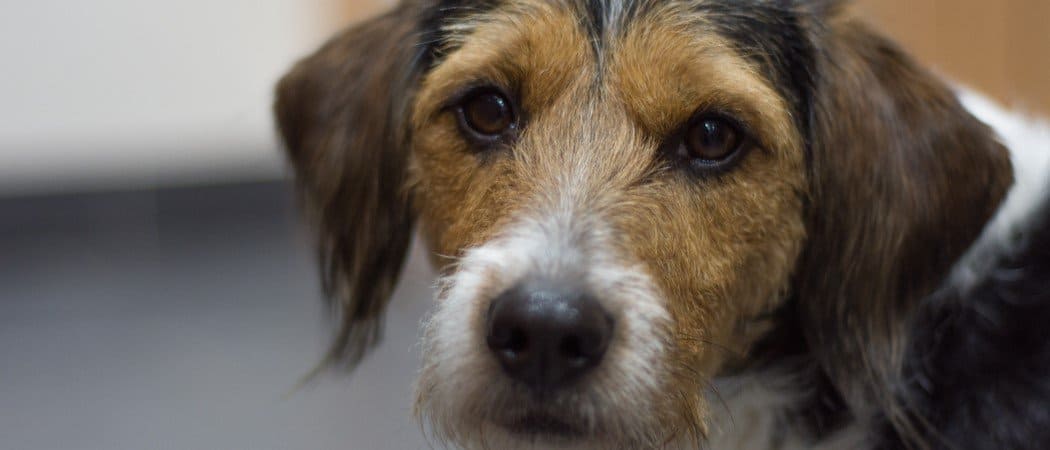
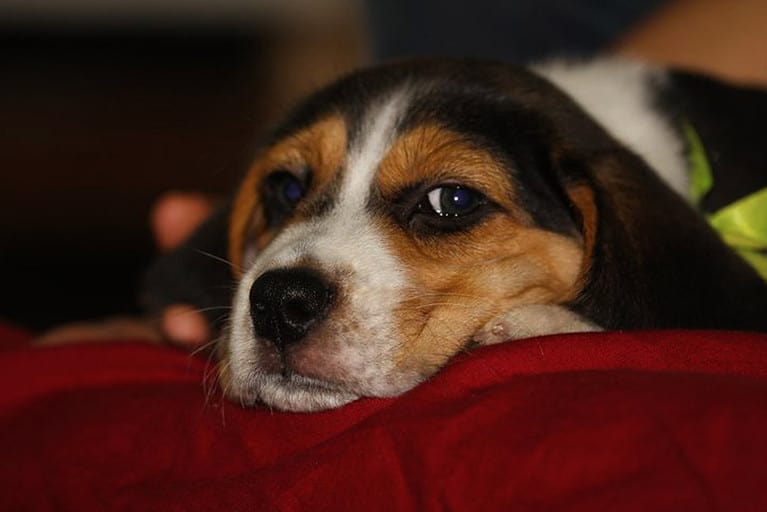
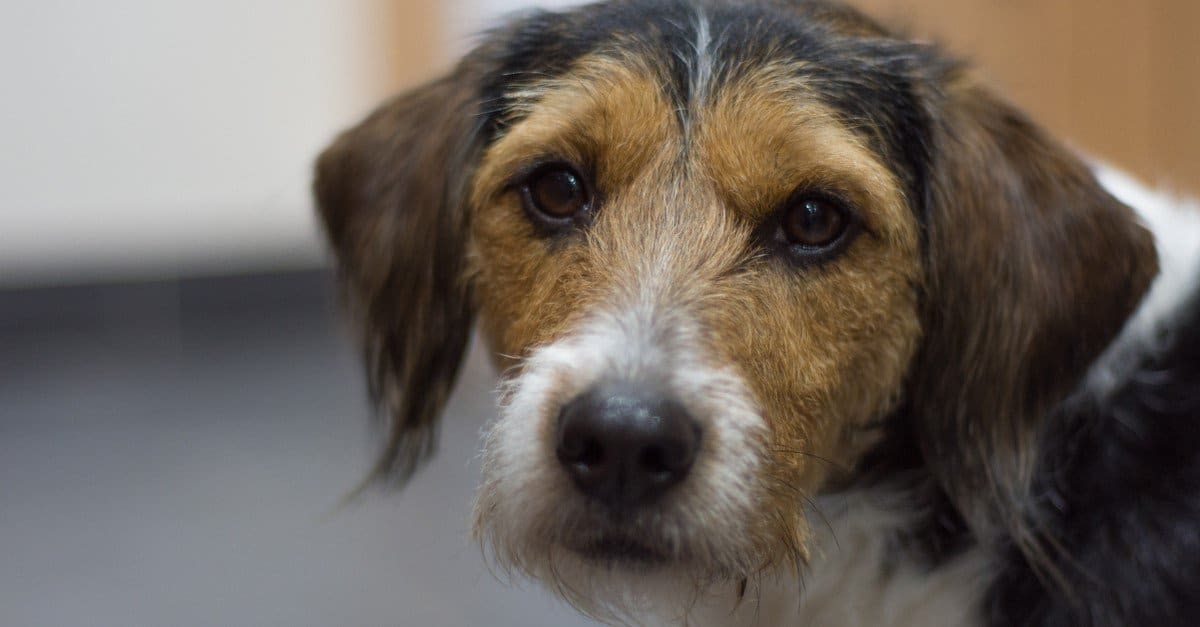
Close up portrait of handsome and cute Poogle (Beagle-Poodle mix) dog

At a Glance

Domesticated
Also Known As Beagoodle, Poagle, Poodagle, Beaglepoo
Diet Omnivore
Activity Diurnal+
Lifespan 5 years
Weight 14 lbs
Status Not Evaluated
Did You Know?

"Poogle" isn't a recognized pure-breed standard; litters can look quite different even from the same parents.

Scientific Classification

A small-to-medium companion dog commonly marketed as a “designer” cross between a Beagle and a Poodle (often Miniature Poodle). Traits vary widely, but many inherit a beagle-like face/ears with a curlier or wavier poodle-influenced coat.

Kingdom
Animalia
Phylum
Chordata
Class
Mammalia
Order
Carnivora
Family
Canidae
Genus
Canis
Species
Canis lupus

Distinguishing Features

  • Mixed, variable appearance; often beagle-like head/ears with poodle-like coat texture
  • Size typically between Beagle and the Poodle variety used (often Miniature)
  • Temperament often combines scent-hound curiosity with poodle trainability, but varies by individual
  • May have higher grooming needs if coat is curly/woolly; potential for heavy shedding if coat is more beagle-like

Physical Measurements

Males and females differ in size

Height
1 ft 1 in (10 in – 1 ft 4 in)
12 in (10 in – 1 ft 2 in)
Length
2 ft 2 in (1 ft 10 in – 2 ft 7 in)
Weight
26 lbs (15 lbs – 40 lbs)
20 lbs (13 lbs – 26 lbs)
Tail Length
9 in (7 in – 12 in)
9 in (7 in – 11 in)
Top Speed
25 mph
running

Appearance

Primary Colors
Secondary Colors
Skin Type Mammalian skin with fur; often moderately sensitive, with higher risk of allergies/irritation and ear-skin issues due to drop ears.
Distinctive Features
  • Designer crossbreed (Beagle × Poodle), not a standardized pure breed; appearance and temperament vary by lineage.
  • Size and build vary with Poodle type used (Toy/Mini/Standard); typically small-to-medium companion proportions.
  • Often a Beagle-like head with long drop ears, paired with a wavy or curly Poodle-influenced coat.
  • Coat may be low-shedding in some individuals, but allergen levels are variable and not guaranteed.
  • Hound scent-drive and curiosity may persist; reliable recall can require consistent training.
  • Needs daily exercise plus mental enrichment (scent games, tracking-style walks) to reduce boredom behaviors.
  • Grooming needs range from weekly brushing to frequent detangling; curly coats may need professional clipping every 6-10 weeks.
  • Drop ears increase risk of otitis; routine ear checks/cleaning and thorough drying after baths/swims are important.
  • Potential inherited health concerns include allergies/skin sensitivities, hip dysplasia, patellar luxation, intervertebral disc issues, and eye disorders; screening and healthy weight help.
  • May inherit Beagle-like vocal tendencies (bay/bark) and Poodle-like intelligence; responds best to positive, structured training.
  • Distinguishes from the base species (domestic dog) mainly by its intentional Beagle-Poodle mix, yielding a hound-face with curlier coat and variable shedding/grooming profile.

Sexual Dimorphism

Sexual dimorphism is mild. Males are often slightly taller/heavier with broader heads and chests, while females commonly appear lighter-framed; individual variation is substantial due to mixed parentage.

  • Slightly larger average size and heavier bone structure
  • Broader head and chest; more pronounced neck ruff if coat is dense
  • Slightly smaller average size with narrower chest
  • Often a lighter, more refined overall silhouette

Did You Know?

"Poogle" isn't a recognized pure-breed standard; litters can look quite different even from the same parents.

Many Poogles inherit the Beagle's strong nose, making them enthusiastic sniffers on walks.

Coat can range from Beagle-short to wavy/curly "poodle-like," affecting grooming needs and shedding.

Size often reflects the Poodle parent (Toy/Mini/Standard); most are small-to-medium when a Miniature Poodle is used.

Floppy ears are common-cute, but they can trap moisture and wax, so routine ear checks matter.

They're often very food-motivated (a Beagle trait), which can make training easier-and counter-surfing more likely.

Compared with the base species (domestic dog, Canis lupus familiaris), Poogles are an intentional cross emphasizing companion traits rather than a working role.

Unique Adaptations

  • Enhanced olfaction potential (from Beagle ancestry): many individuals show strong scent discrimination and persistence once on a trail.
  • High trainability potential (from Poodle ancestry): often responsive to reward-based training and mental challenges.
  • Coat variability as a functional tradeoff: curlier coats may shed less but require more grooming to prevent matting.
  • Floppy-ear morphology: can amplify that classic hound look but increases the need for ear ventilation and hygiene.
  • Behavioral flexibility: as a crossbreed, traits can blend or appear in different proportions, producing a wide range of energy levels and temperaments.

Interesting Behaviors

  • Scent-tracking zigzags: may "vacuum" the ground and change direction suddenly when they catch a smell (Beagle influence).
  • Alert vocalizing: some inherit Beagle-style baying or frequent barking, especially when excited or bored.
  • Shadowing and "velcro" habits: can prefer being near people and follow room-to-room (common in companion-type mixes).
  • Play styles vary: some are fetch- and toy-focused (often Poodle-leaning), others prefer sniff-games and food puzzles (often Beagle-leaning).
  • Selective listening outdoors: a strong scent cue can temporarily override recall training-use long lines and high-value rewards.
  • Comedic "pounce" and head-tilt: quick, expressive body language when hearing new sounds or locating a treat.
  • Burrowing/blanket-nesting: many enjoy nesting behaviors typical of small companion dogs.

Cultural Significance

Poogles (Poodle × Beagle mix, Canis lupus familiaris) are a modern designer crossbreed made for friendly company and sometimes lower shedding. Popular with urban and suburban families who want a small-to-medium active indoor dog. Owners still must give exercise, training, and grooming.

Myths & Legends

Today Poogles (Poodle × Beagle mix) are talked about as "designer dogs," with breeders and owners sharing stories that they mix a Beagle's happy nose and a Poodle's cleverness, a modern, word-of-mouth folklore.

Beagles have a long British hunting history; old stories of small hounds whose calls were followed through hedgerows lead people to hear a Poogle's occasional baying as a charming echo of the hunt.

Poodles have enduring European associations with clever performing dogs and water-retrieving companions; cultural tales of exceptionally intelligent Poodles shape expectations that Poogle mixes will be quick learners and natural trick-dogs, even though individuals vary.

Conservation Status

NE Not Evaluated

Has not yet been evaluated against the criteria.

Population Stable

Life Cycle

Birth 5 pups
Lifespan 5 years

Lifespan

In the Wild
1–12 years
In Captivity
10–15 years

Reproduction

Mating System Promiscuity
Social Structure Managed Domestic
Breeding Pattern Transient
Fertilization Managed Selective
Birth Type Internal_fertilization

In Poogle (domestic dog) breeding, humans typically choose pairings and timing, so mates are not exclusive and bonds are brief. When mating occurs, individuals may mate with multiple partners across heats, with no lasting pair bond.

Behavior & Ecology

Social Pack Group: 3
Activity Diurnal, Crepuscular, Cathemeral
Diet Omnivore Meat-forward foods (especially chicken or turkey) and strong-smelling treats; many Poogle individuals strongly prefer scent-rich, chewy rewards.

Temperament

Species context (domestic dog): highly social, human-attuned, learns routines and cues quickly.
What distinguishes this breed mix: scent-driven Beagle tendencies plus Poodle trainability/handler focus; outcomes vary widely.
HUBS (group-wide pattern): typically friendly companion dogs; variation in coat, shedding, and vocality is high.
Often outgoing and curious; may be distractible outdoors due to strong tracking/nose-to-ground behavior.
Usually sociable with strangers and dogs when early-socialized; can become reactive if under-exercised.
Moderate-to-high energy; benefits from daily sniff walks plus short training/play sessions.
Food-motivated; prone to counter-surfing/scavenging if boundaries and enrichment are lacking.
Vocal tendency ranges from alert barking to Beagle-like baying/howling, especially when bored or following scent.
Can show separation-related distress if left without gradual alone-time training and enrichment.
Prey/chasiness may appear (small animals); reliable recall requires long-term proofing.
Care requirement: coat may mat; plan regular brushing and professional grooming if curly/wavy.
Care requirement: floppy ears increase moisture; routine ear cleaning/drying helps prevent infections.
Common health concerns (breed-influenced): ear infections, allergies/atopy, dental crowding in smaller individuals.
Common health concerns (variable by line): patellar luxation, hip dysplasia, epilepsy, eye issues (e.g., progressive retinal atrophy).

Communication

alert barking
excitement yips
whining
growling
Beagle-like baying
howling Occasional
scent marking and investigative sniffing
body posture Stiffening, crouching, play bow
tail carriage and wag patterns
facial expressions and sustained eye contact
pawing/nudging to solicit attention
mouthing and gentle nips during play
leaning or following closely to maintain contact

Habitat

Biomes:
Temperate Forest Temperate Grassland Mediterranean Temperate Rainforest Boreal Forest (Taiga) Tundra Alpine Desert Hot Desert Cold Savanna Tropical Dry Forest Tropical Rainforest Freshwater Wetland Marine +9
Terrain:
Plains Hilly Valley Coastal Island
Elevation: Up to 16404 ft 3 in

Ecological Role

Human-associated companion omnivore; in free-roaming contexts functions as an opportunistic mesopredator/scavenger.

companionship and human wellbeing support rodent/pest reduction (opportunistic predation) scavenging of edible waste (can reduce some refuse but can also create nuisance if unmanaged) participation in training/working activities (e.g., scent games) that leverage natural foraging drives

Diet Details

Other Foods:
berries Apple Pumpkin/Squash Carrots and green beans Leafy greens Cooked grains Commercial dog food carbohydrates +1

Human Interaction

Domestication Status

Domesticated

Canis lupus familiaris is the fully domesticated dog from gray wolves, shaped by people for work and company. The Poogle (Beagle × Poodle, often Miniature Poodle) is a late-20th/early-21st designer cross for companions. Not a standard purebred; traits vary by generation (F1, F1b, multigen). May mix Beagle sociability/food drive with Poodle ease of training and possibly lower-shedding coat (not guaranteed).

Danger Level

Low
  • Bite/snap risk is generally low-to-moderate and typically situational (fear, resource guarding, pain, rough handling), but any dog can bite.
  • Higher likelihood of nuisance behaviors that can escalate to nipping if unmet needs persist (under-exercised, under-trained, separation distress).
  • Beagle-influenced scent drive can lead to bolting; risk to humans is more indirect (pulling hard on leash, running into traffic, causing falls).
  • Potential for dog-dog reactivity in some individuals; management reduces risk (socialization, controlled introductions).

As a Pet

Suitable as Pet

Legality: Generally legal to own as a companion dog in the U.S.; typically not subject to breed-specific bans. Still governed by local licensing/leash laws, housing/HOA rules, and general "dangerous dog" ordinances (behavior-based).

Care Level: Moderate

Purchase Cost: $300 - $2,500
Lifetime Cost: $18,000 - $45,000

Economic Value

Uses:
Companion animal/household pet market (designer cross demand) Breeding and rehoming (private breeders, rescues, shelters) Veterinary services (preventive care, allergy/ear/dental management, hereditary screening) Training/behavior services (puppy classes, separation/anxiety and recall work) Grooming industry (coat maintenance varies from brush-and-bathe to full clips) Pet retail and insurance (food, enrichment, crates, insurance policies) Human-animal services (therapy dog programs when temperament-suitable)
Products:
  • Companion/household pet value (primary)
  • Service/therapy candidate in some individuals (temperament- and training-dependent)
  • Recreational dog sports participation (nosework/scent games, agility, rally, obedience)

Relationships

Quick Take

  • The Poogle coat that demands the most grooming work is actually the better choice for allergy sufferers, which surprises most people who end up picking the wrong one. See grooming by coat type →
  • A common ingredient found in many popular dog foods poses a specific heart risk for Poogles that most owners never think to check. Check the diet warning →
  • Poogles are easy to train, but one inherited trait means the usual approach backfires. The window to fix it is also shorter than you'd think. See the training approach →
  • The Poogle's most annoying habit is also its most useful one. Whether it's a problem or an asset depends entirely on what you do next. Explore the barking tradeoff →

If you’re looking for a small-to-medium-sized dog who is intelligent, friendly, and playful, consider opening your heart to a Poogle. These are hybrid canines created by crossing either the miniature or toy poodle and the beagle. Other names for the Poogle include Beapoo, Beaglepoo, and Beagledoodle. This hybrid dog breed is recognized by the American Canine Hybrid Club, the Designer Dogs Kennel Club, and the International Designer Canine Registry.

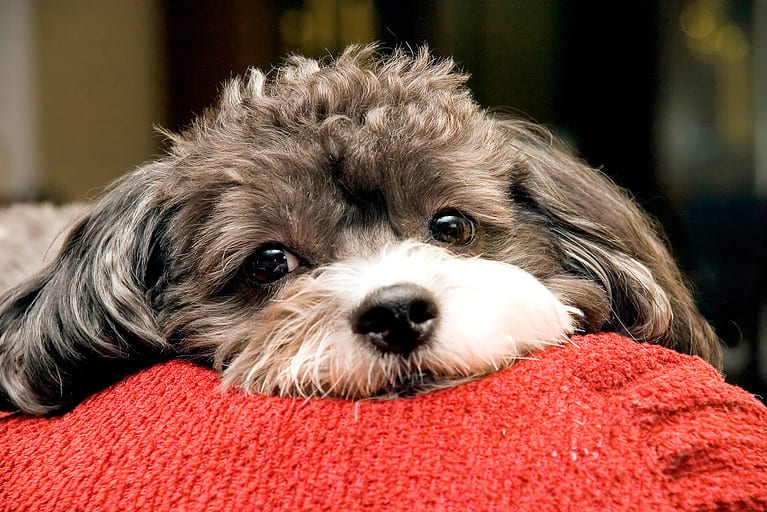
No two Beaglepoos in any one litter look exactly alike. Some will inherit the smooth, dense double coat of the Beagle line, while others will get the poodle’s curly single coat. Poogle coats can be many different colors, including white, tan, grey, brown, black, and mottled. Poogles with more poodle-like coats may require more intensive grooming. Poogles shed only minimally and are considered hypoallergenic.

A detailed infographic about Poogle dogs featuring a central photo of a fluffy puppy and icons for size, weight, and lifespan facts.
More than just a hypoallergenic face—find out why this intelligent hybrid demands a specialized diet and daily dental combat to stay healthy. © A-Z Animals

3 Pros And Cons Of Owning a Poogle

Pros!Cons!
They’re hypoallergenic: Like most poodle hybrids, Beaglepoos shed very little, particularly if their coat takes after their toy poodle or miniature poodle side. Poogles who inherit the beagle’s shorter, coarser coat tend to shed a bit more and so are less hypoallergenic.They may bark: Some Poogles are born barkers. While this can be useful if you want your dog to act as a watchdog, it’s definitely not behavior to encourage if you and your Poogle are apartment dwellers. The good news is that the right training can break your Poogle of its barking habit.
They’re easy to train: Beagles and poodles are both smart dogs, so it makes sense that their offspring have the capacity to learn quickly. Beagles are known to have a stubborn streak, though. You’ll need to begin training early, using consistent techniques that incorporate positive incentives.They’re prone to separation anxiety: Poogles are extremely sociable and don’t like being left alone for long periods of time. If you spend a lot of time out of your home in places where your Beapoo can’t accompany you, this is probably not the dog for you.
They’re good watchdogs: Poogles inherit their Beagles ancestors’ hunting instincts, so they’ll be the first to alert you if an unfamiliar person is somewhere on your property.They may have bad teeth: Toy poodles are prone to dental and periodontal issues, and your Beaglepoo may inherit these issues. It’s very important to brush your dog’s teeth daily.
Cute mixed breed dog, Poogle (Beagle and Poodle mix) sitting on the floor

Cute mixed-breed dog, Poogle, sitting on the floor.

History Of The Breed

Like many designer breed dogs, it is thought that the Poogle originated in the United States in the 1980s. There is not much information on its origin, but it is known that they were bred from the poodle and the beagle. The poodle is an ancient breed dating back to 15th-century Germany, and the miniature and toy poodle breeds were also developed in the 1400s. One of the oldest breeds of waterfowl dogs, this hunting dog still maintains its water-retrieving skills, and some hunters still utilize its skills, although most people keep it as a companion dog.

The beagle has a more uncertain history. While it is thought that they arrived in England with the Normans in the 11th century, the modern beagle was developed in the 1800s in England. Like the poodle, the beagle was used as a hunting dog but was bred to hunt in packs.

Size And Weight

Full-grown Beaglepoos range in size from 6 to 16 inches, depending on whether their Poodle parent is a miniature or toy poodle. Poogles weigh between 11 and 25 pounds. Adult females may be significantly smaller than adult males. Puppies generally reach their adult height by six months old, though it will take them another six months to fill out to their adult weight.

Common Health Issues
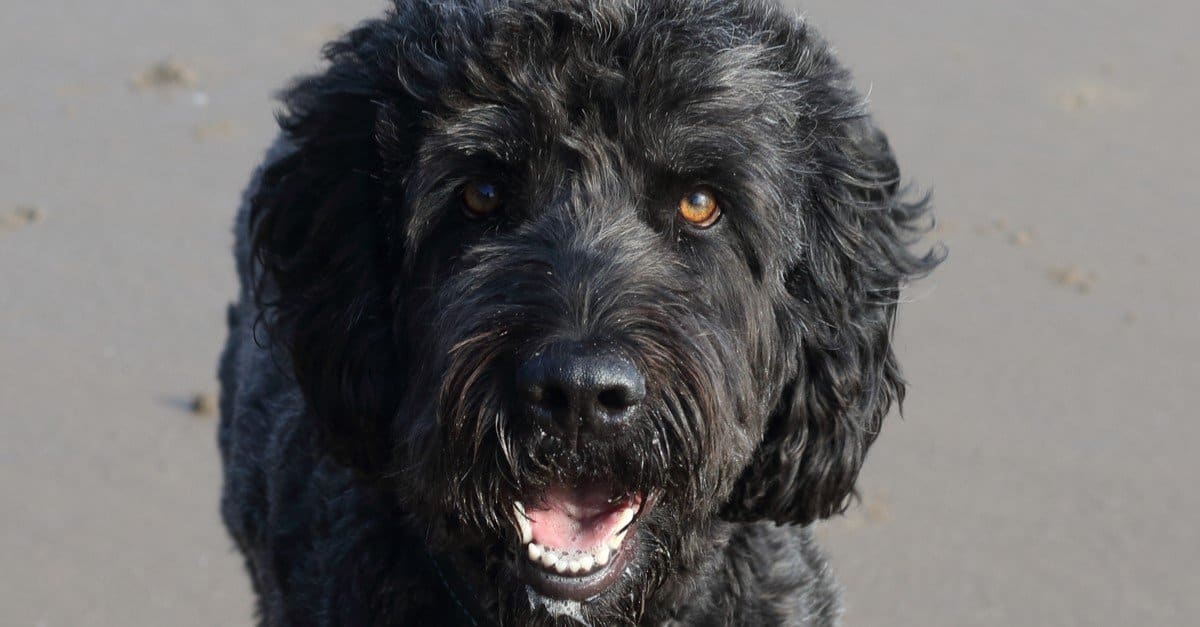
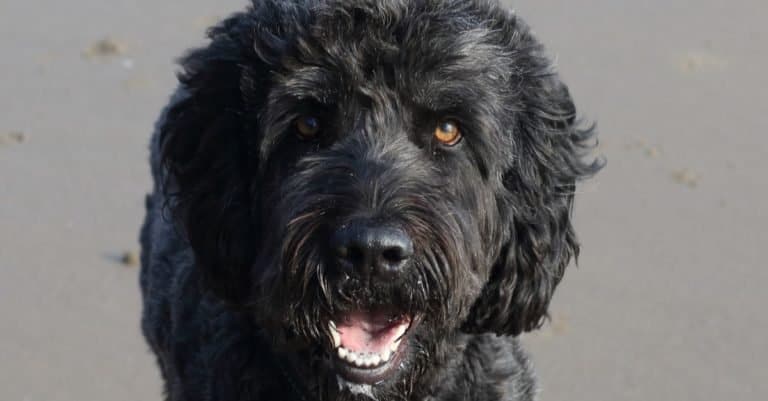
Beautiful Poogle crossbreed dog standing on a sandy beach in west Wales, UK.

Poogles may inherit congenital health issues from their parents.

As a hybrid dog breed, Poogles have fewer health issues related to inbreeding than either of their parent lines. On the whole, they are healthy dogs with a life expectancy between 10 and 13 years. However, some Poogles may inherit congenital health issues from their parents. Poodles have serious issues with tartar buildup that can lead to tooth loss, and some Poogles inherit this tendency. If their parent lines are excessively inbred, Beaglepoos may also inherit hip dysplasia, mitral valve disease, and an endocrine deficiency called Addison’s disease.

Temperament

Poodle-Beagle hybrids have a happy temperament. Your Beagledoodle likes to be a member of the pack, and this means he or she has a friendly personality whose behavior exhibits easy-going, affectionate traits. They’ll bond with all members of your family, including your cat (if your cat lets them). They cherish interaction and may get stressed out if they’re left alone for too long.

They do inherit hunting instincts from their Beagle ancestors, though, so they may not be well-behaved around small animals they do not know. Their hunting dog ancestry also makes them particularly sensitive to unusual smells, and they may lunge off to follow a smell unless you train them not to. For this reason, it’s unwise to let your Poogle wander off-leash.

How To Take Care Of Poogles

Poogles’ grooming needs will vary according to whether their coat resembles a poodle’s or a beagle’s. Poogle owners must also be sensitive to their pets’ very specific dietary, training, and exercise needs.

The Best Dog Food For Poogles
Close up portrait of handsome and cute Poogle (Beagle-Poodle mix) dog

Poogles (Beagle-Poodle mix) should be fed a mix of food that is legume-free.

Adults should be fed no more than one cup a day of high-quality kibble, divided into two meals. Wet dog food may exacerbate any dental problems to which your Beapoo may be prone, so it’s probably wisest to stick to dry food. Also, since Poogles can be prone to heart problems like mitral valve disease, owners should be aware of the link between dog food containing legumes and heart failure. Consider buying legume-free dog food.

Puppies need to be fed three or four times a day with high-quality kibble that’s specially formulated to meet puppies’ dietary needs.

Maintenance And Grooming

Beagledoodles who inherit a curly coat will need more brushing than their smoother-coated siblings to prevent their coats from becoming matted. Curly-coated Poogles actually shed less than smooth-coated Poogles, so they’re a better fit for people with allergies. Unless your dog is actively playing in dirt or mud, he or she will only require bathing every 8 to 12 weeks. Both parent dog breeds are known to have sensitive skin, so be sure to use a gentle shampoo and conditioner when you wash your Poogle.

Brushing your Poogle’s teeth every day is critically important because your pet is prone to dental disease. The fluffy hair around your Poogle’s ears can catch dirt and debris, so keep it trimmed.

Training

Poogles are very smart, and that means they can learn obedience commands and tricks relatively quickly. The earlier you start training and socialization, the better. Poogles can be stubborn and possess a keener memory for past slights than many other dog breeds, so stick with positive reinforcement as a training technique.

Exercise

Beagledoodles are active dogs with a lot of energy to spare. To keep them from developing destructive behaviors, you’ll want to be sure that they get at least 45 minutes of brisk exercise every day. They’re also extremely playful and will enjoy playing fetch, tug of war, and any other games you can devise. If you’re planning to let your Poogle spend unsupervised time in your backyard, you’ll want to make sure you have a secure fence because your pet is likely to take off after any small wild animal he or she spies.

Puppies
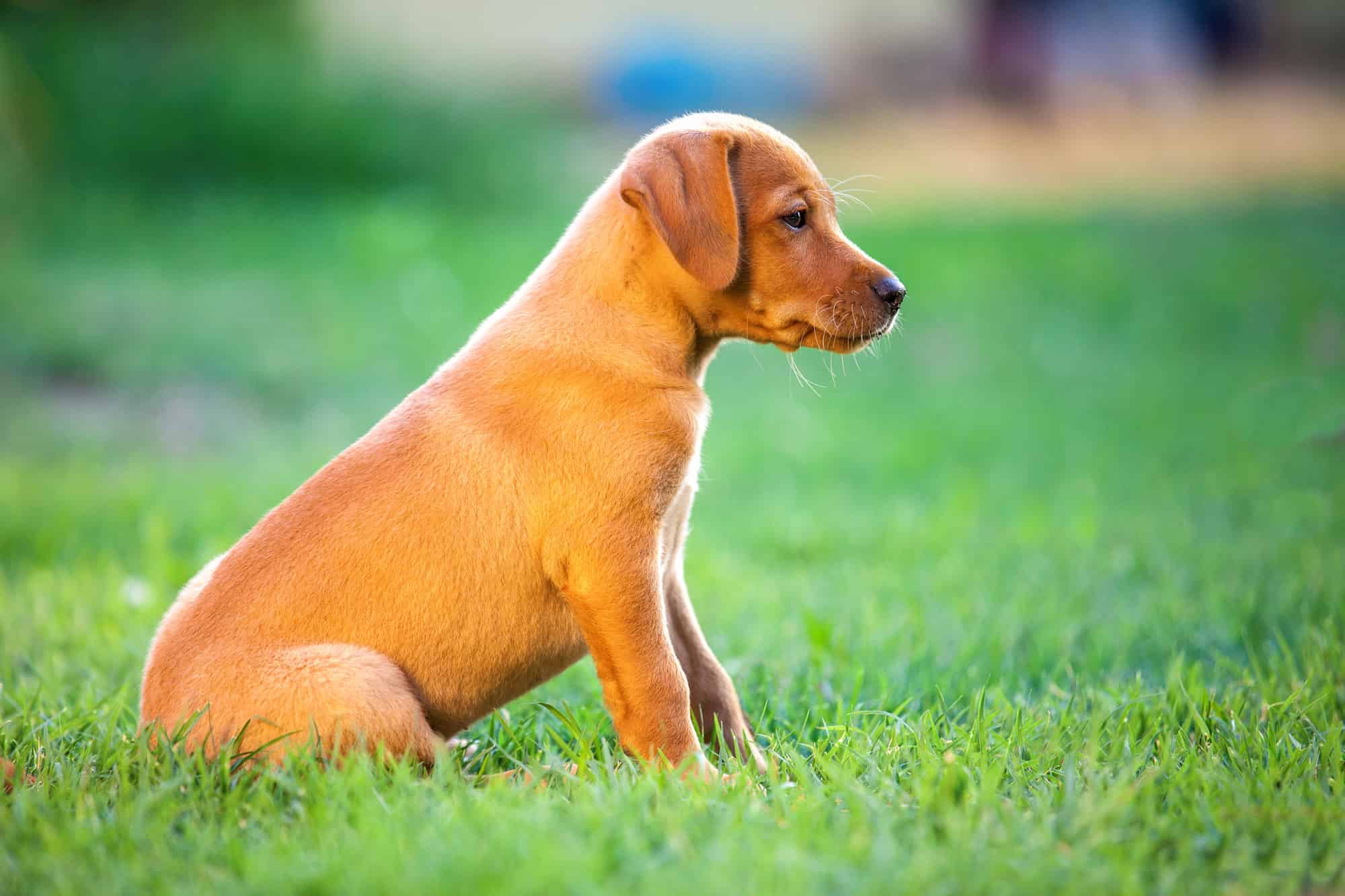
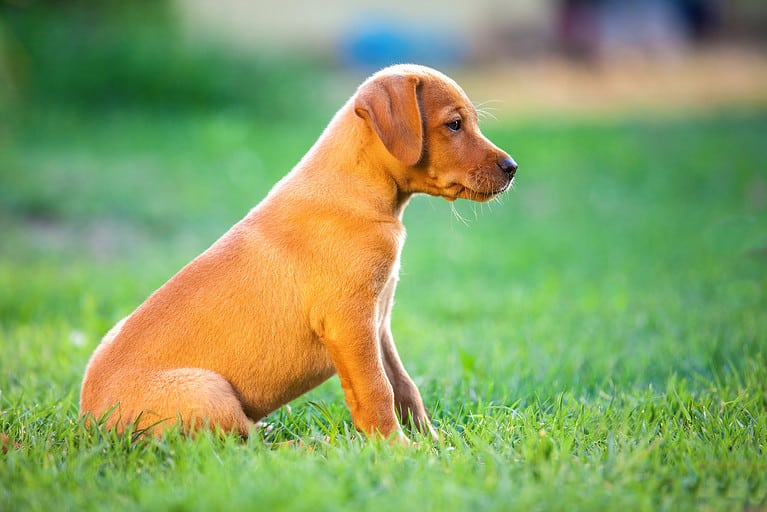
poogle puppy sitting in the yard

The Poogle is easily trained. But if not properly trained in their puppyhood, they will grow to become mischievous animals.

Puppies reach their adult height around six months old, although it will take them another six months or so to fill out to their adult weight. It’s important to begin training and socializing the moment you bring your new pet home in order to keep any headstrong tendencies in check.

Poogles And Children

Their affectionate temperaments and love of romping make Beagledoodles a good pet choice for families with children. Poogle puppies, however, may not be the best choice for families with children younger than 10 years old — you may not have the energy to meet both your children’s needs and your new pup’s demands.

Dogs Similar To The Poogle

Dog breeds that are similar to the Beagledoodle include the cockapoo, the bea-tzu, and the corgi.

  • Cockapoos: Cockapoos are a hybrid dog breed created by combining poodle and cocker spaniel lines. They’re about the same size as a poogle and have similarly affectionate, playful temperaments.
  • Bea-Tzus: Bea-Tzus are a beagle/shih-tzu mix. They’re typically a little bit smaller than Poogles with fast-growing, curly hair. Don’t let their adorable appearance fool you, though; these canines have inherited their beagle ancestors’ hunting instincts and will take off like a bullet in the direction of any rabbit who happens to cross their path.
  • Corgis: Corgis may not look much like Poogles, but they share the Poogle’s friendly, easy-going temperament. Corgis were originally bred to be herding dogs, and they are very protective of the members of their human families.
View all 246 animals that start with P

Sources

  1. petguide.com / Accessed April 24, 2021
  2. wagwalking.com / Accessed April 24, 2021
  3. dogbreeds911.com / Accessed April 24, 2021
  4. Pet Place / Accessed April 24, 2021
  5. Cuteness / Accessed April 24, 2021
  6. Dog Zone / Accessed April 24, 2021
  7. Love Your Dog / Accessed April 24, 2021
  8. Doggie Designer / Accessed April 24, 2021
  9. Rover / Accessed April 24, 2021
A-Z Animals Staff

About the Author

A-Z Animals Staff

AZ Animals is a growing team of animals experts, researchers, farmers, conservationists, writers, editors, and -- of course -- pet owners who have come together to help you better understand the animal kingdom and how we interact.
Connect:

Thank you for reading! Have some feedback for us?


Poogle FAQs (Frequently Asked Questions)

The poogle is a crossbreed. In this case, a mix of the beagle and toy poodle dog breed. The Poogle is also known as a Beagle Doodle, Beaglepoo, and Beapoo. The American Kennel Club won’t recognize the Poogle because it’s a hybrid of two pure breeds. It’s recognized by the Designer Dogs Kennel Club, the American Canine Hybrid Club, and the International Designer Canine Registry.