














C
Species Profile

Cockapoo

Canis lupus familiaris

Big heart, curly smarts
Bartlomiej Rybacki/Shutterstock.com

Cockapoo Distribution

Click a location to explore more animals from that region

Origin Location

This map shows the native origin of the Cockapoo. As a domesticated species, they are now found worldwide.

Loading map...

Found in 1 country

Size Comparison

Human 5'8"
Cockapoo 1 ft 1 in

Cockapoo stands at 19% of average human height.

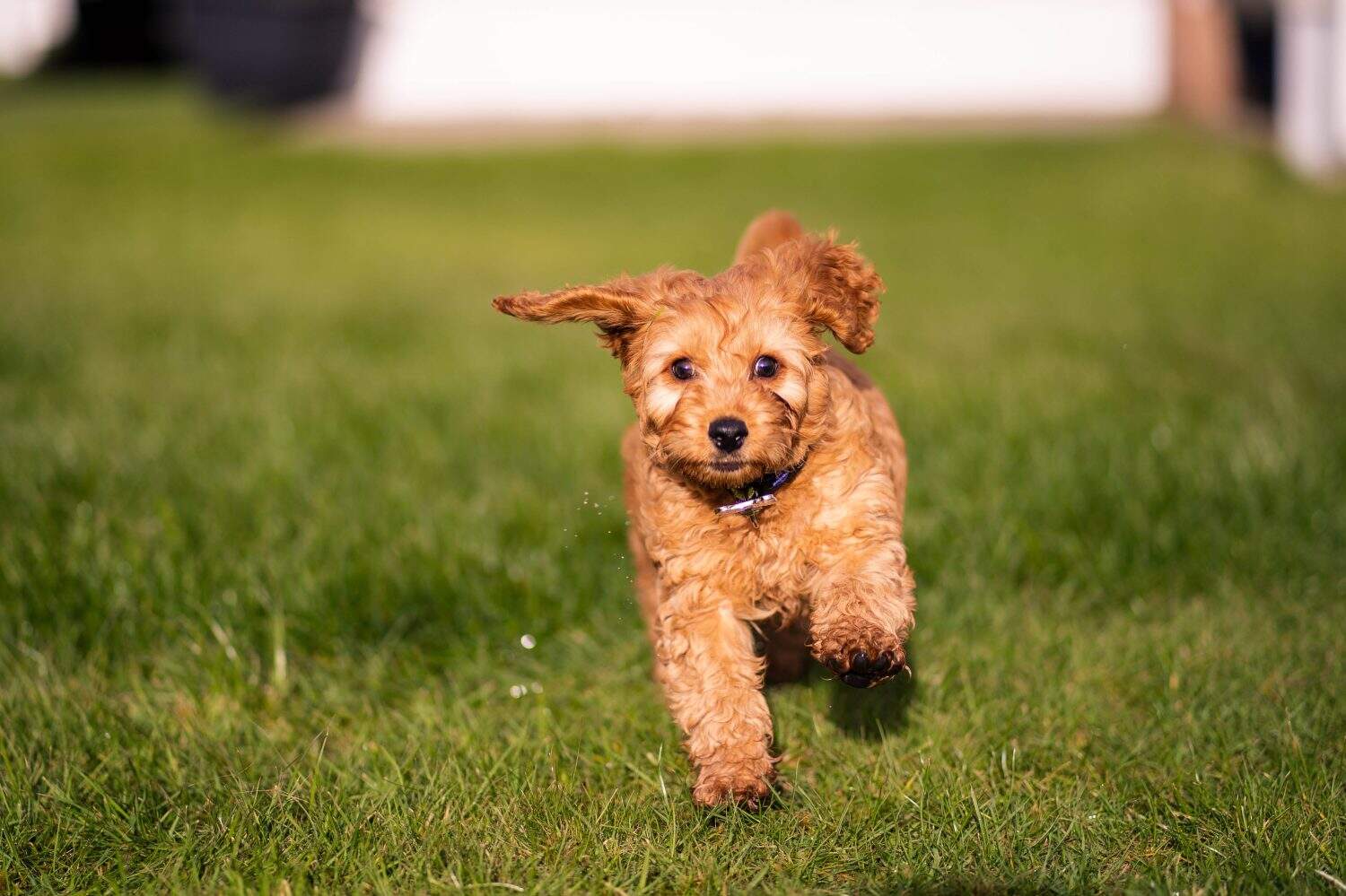
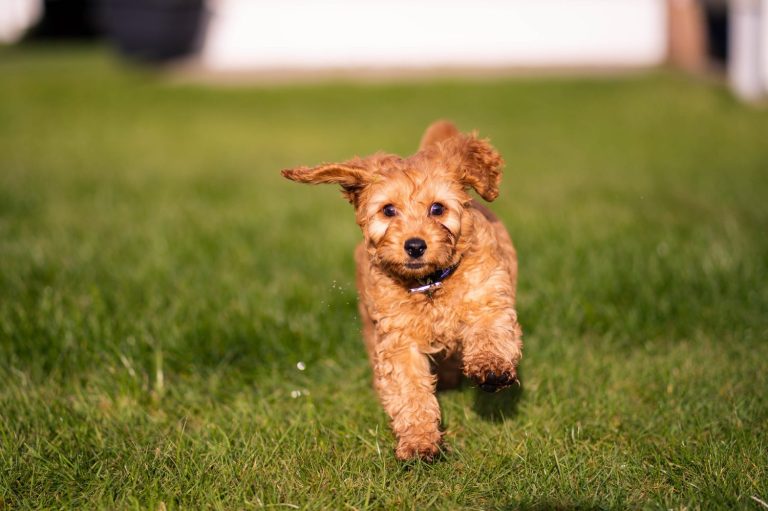
dog in the garden playing dog, happy cockapoo puppy

At a Glance

Domesticated
Also Known As Cock-a-poo, Cockapoodle, Cockerpoo, Cocker-Poo, Spoodle
Diet Omnivore
Activity Diurnal+
Lifespan 4 years
Weight 14 lbs
Status Not Evaluated
Did You Know?

"Cockapoo" is one of the earliest popular "designer dog" names, widely used in the U.S. since the mid-20th century.

Scientific Classification

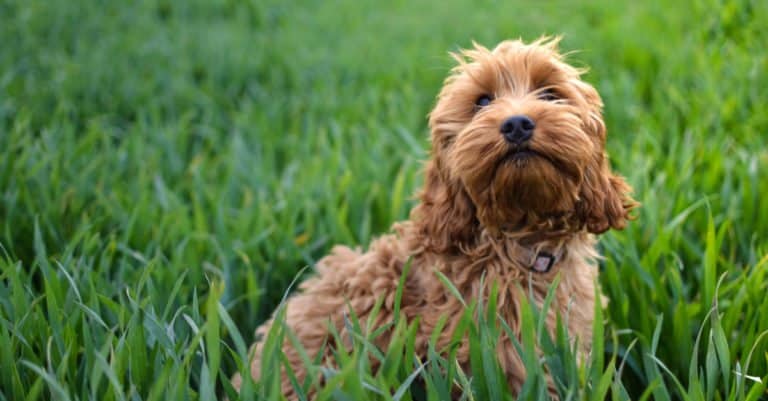
A Cockapoo is a hybrid domestic dog produced by crossing a Cocker Spaniel with a Poodle (often Miniature or Toy). It is not a standardized, universally recognized kennel-club breed in many jurisdictions, but is widely treated as a “designer” companion-dog type.

Kingdom
Animalia
Phylum
Chordata
Class
Mammalia
Order
Carnivora
Family
Canidae
Genus
Canis
Species
Canis lupus

Distinguishing Features

  • Hybrid cross: Cocker Spaniel × Poodle
  • Coat often wavy/curly and typically requires regular grooming
  • Size varies with the Poodle parent (toy/mini/standard)
  • Commonly bred for companion temperament; variability occurs across generations (F1, F1b, etc.)

Physical Measurements

Males and females differ in size

Height
1 ft 1 in (10 in – 1 ft 4 in)
1 ft 1 in (10 in – 1 ft 3 in)
Length
2 ft 1 in (1 ft 9 in – 2 ft 6 in)
Weight
20 lbs (13 lbs – 29 lbs)
20 lbs (11 lbs – 31 lbs)
Tail Length
9 in (7 in – 11 in)
6 in (5 in – 8 in)
Top Speed
22 mph

Appearance

Primary Colors
Secondary Colors
Skin Type Cockapoo (Canis lupus familiaris) skin has a hair coat that can be curly, wavy, or straighter. Skin may be sensitive and get irritated if grooming or ear care is neglected, or if it has allergies.
Distinctive Features
  • Domestic dog (Canis lupus familiaris) companion-dog type produced by crossing Cocker Spaniel × Poodle (often Miniature/Toy); not a separate species and not universally kennel-club standardized, so appearance varies more than in fixed pure breeds.
  • Size and build vary with Poodle size and generation (F1, F1b, multigen): typically small-to-medium, with a soft expression, moderately rounded skull, and medium-length muzzle (often between Spaniel and Poodle proportions).
  • Coat texture is the hallmark: commonly wavy-to-curly "teddy bear" coat; some individuals inherit a straighter, silkier Spaniel-like coat that sheds more. Even low-shedding coats can mat easily.
  • Feathering can appear on ears/legs/tail (Spaniel influence) combined with curl/wool density (Poodle influence).
  • Ears are usually long and drop (Spaniel-like), increasing risk of ear moisture retention and debris buildup.
  • Eyes typically large to medium, round/almond, giving a gentle companion-dog expression; tear staining can be seen in lighter coats.
  • Cockapoos can inherit health issues from parent breeds. Common problems: chronic ear infections (otitis), skin allergies (atopy), patellar luxation, hip dysplasia, progressive retinal atrophy, dental crowding, pancreatitis, obesity.
  • Cockapoos need frequent brushing to the skin to avoid mats, grooming every six to eight weeks for curly or wavy coats, regular ear cleaning and drying and teeth care, daily exercise, and kind social training.

Sexual Dimorphism

As with most domestic dogs, dimorphism is present but subtle; males are often slightly taller/heavier with broader heads/neck, while females may appear finer-boned. Differences are inconsistent due to hybrid variation and the influence of Toy/Miniature/Standard Poodle size in the lineage.

  • Often marginally larger overall size and weight within the same lineage
  • Slightly broader skull/neck and heavier bone in some individuals
  • Often slightly lighter frame and narrower head/neck
  • May mature a bit earlier behaviorally, though variation is high

Did You Know?

"Cockapoo" is one of the earliest popular "designer dog" names, widely used in the U.S. since the mid-20th century.

Size can vary a lot because the Poodle parent may be Toy, Miniature, or (less commonly) Standard-so adults can range from small to medium.

Coats can be curly, wavy, or straighter, and may be low-shedding-but not "non-shedding"; grooming needs depend on coat type.

Many Cockapoos inherit the Cocker's expressive eyes and "spaniel softness" plus the Poodle's trainability and coat texture.

First-generation (F1) litters often show the widest variety in looks and coat; multigenerational Cockapoos may be more predictable.

"Doodle" and other poodle-cross trends grew partly from the Poodle's long history as a water retriever with a practical, trim-friendly coat.

Unique Adaptations

  • Domestic-dog flexibility: like other domestic dogs, Cockapoos thrive on human-guided routines, reading human gestures and tone exceptionally well.
  • Coat variability as a 'human-selected adaptation': wide coat types and colors persist because this hybrid is bred primarily for companionship, not a single working standard.
  • Often strong learning-by-feedback: many respond well to reward-based training, leveraging the Poodle lineage's long selection for trainability.
  • Moderate energy efficiency: typically adaptable to apartment life if given daily exercise and enrichment, reflecting companion-dog selection pressures.

Interesting Behaviors

  • "Velcro dog" tendencies: shadowing family members from room to room, reflecting companion-bred selection in domestic dogs.
  • High social orientation: many greet with full-body wiggles and seek face contact; early training helps prevent jumping.
  • Retrieving and "carry" behavior: may tote toys or household items, echoing both Poodle retrieving instincts and Spaniel softness in mouth.
  • Scent-tracking and "sniff walks": some show spaniel-like nose-led exploration and may zigzag on leash.
  • Vocal signaling: can inherit Cocker alert-barking; pairing "quiet" cues with calm reinforcement often works well.
  • Play style often mixes quick pounces (spaniel) with bouncy, springy movement (poodle), especially in young dogs.

Cultural Significance

Cockapoo (Canis lupus familiaris) is a designer dog from the late 20th century, bred for a friendly nature and low shedding. Popular as small family pets, not always kennel club recognized but has clubs, media, and online communities.

Myths & Legends

Early American "cockapoo" origin tales often describe the cross as a post-WWII effort to create an affectionate family dog that combined a spaniel's sweetness with a poodle's cleverness-an oft-repeated modern origin story within fancier circles.

In some Cockapoo clubs and enthusiast histories, multigenerational lines are celebrated with 'foundation dog' anecdotes-specific early sires/dams remembered as especially gentle or 'teddy-bear' faced and credited with shaping the type.

Some owners and breeders say Cockapoo (Canis lupus familiaris) coat curl means traits: curly coat gives 'poodle brains' (easier to train), straight coat gives 'spaniel softness'—but traits vary by individual and line.

Naming lore: "Cockapoo" itself became a cultural shorthand for friendly poodle-cross companions, helping inspire later -poo names and the broader 'doodle' mythology of the ideal family dog.

Historic parent-breed lore is sometimes folded into Cockapoo storytelling: the Poodle's European water-dog heritage (practical clipping for swimming) and the Cocker Spaniel's sporting-field reputation are retold as a 'two traditions, one companion' narrative.

Conservation Status

NE Not Evaluated

Has not yet been evaluated against the criteria.

Population Stable

Life Cycle

Birth 4 pups
Lifespan 4 years

Lifespan

In the Wild
1–10 years
In Captivity
10–18 years

Reproduction

Mating System Polygynandry
Social Structure Managed Domestic
Breeding Pattern Transient
Fertilization Managed Selective
Birth Type Managed_selective

Cockapoo (Canis lupus familiaris) breeding is human-managed. People plan pairings, so mating is polygynandrous (many males and females over time), usually temporary and sometimes assisted. Dogs do not form long-term pairs; mothers and humans care for puppies.

Behavior & Ecology

Social Pack Group: 4
Activity Diurnal, Crepuscular
Diet Omnivore Meat-forward, highly palatable complete dog food (often poultry- or fish-based) with occasional safe training treats

Temperament

Affectionate, companion-oriented; typically seeks frequent interaction and proximity to caregivers
Generally friendly/sociable with familiar people; may show cautiousness or submissiveness with strangers without early socialization
Playful and moderately energetic; benefits from daily walks and interactive play; can become restless or attention-seeking if under-exercised
Often highly trainable and food/toy-motivated (poodle influence), responding well to positive reinforcement; may be sensitive to harsh correction
Potential for separation anxiety or nuisance behaviors (vocalizing, destructiveness) if left alone for long periods; crate training and gradual alone-time building help
Can be alert and may bark at novel sounds/visitors; tendency varies-some inherit more vocal/guardy tendencies (Cocker) while others are quieter (Poodle)
Grooming tolerance is a key temperament skill: requires early desensitization to brushing, bathing, face/feet handling, and clippers; poor grooming experiences can increase defensiveness
Breed-specific health/care considerations that affect behavior: regular ear care (infection risk), dental care (small/toy lines), weight management, and monitoring for allergies/itchiness that can increase irritability

Communication

Barking: alert/attention-seeking, greeting, or demand barking; may increase with boredom or separation distress
Whining: solicitation, frustration, or anxiety Especially when attention is withheld
Growling: boundary-setting during discomfort (pain, guarding, handling) or over-arousal in play; should be respected and addressed with training/management
Howling/"talking": less common but may occur in response to sirens or excitement
Tail carriage and wag patterns: broad, loose wags during friendly approach; stiff/fast wag with tense posture can indicate arousal or uncertainty
Facial expressions and eye behavior: soft eyes and blink rate for affiliative signals; averted gaze as appeasement; hard stare as escalation
Body posture: play bow, bouncy gait, and loose body indicate play; crouch/freeze indicates fear or conflict
Scent marking and sniffing: information gathering and routine marking on walks; often used to reduce tension in social encounters
Physical contact seeking: leaning, pawing, nudging, lap-sitting (common in Cockapoos) to initiate interaction
Mouthy play: gentle mouthing may occur; training bite inhibition and providing chew outlets reduces unwanted nipping
Human-directed signaling: looking back and "checking in" during walks/play; common in companion breeds and can be shaped into strong recall and cooperative behaviors

Habitat

Biomes:
Temperate Grassland Mediterranean Boreal Forest (Taiga) Tundra Alpine Desert Hot Desert Cold Savanna Freshwater +3
Terrain:
Plains Coastal Hilly Mountainous Island Valley Plateau Riverine +2
Elevation: Up to 16404 ft 3 in

Ecological Role

Domestic companion omnivore; human-associated commensal/pet (not a wild ecological niche specialist)

Companionship and social bonding with humans Therapy/support and service-adjacent roles in some settings Deterrence/alerting (sentinel behavior) around homes Minor localized pest control via occasional hunting of small rodents/invertebrates Nutrient cycling via waste in managed urban/suburban environments

Diet Details

Main Prey:
Commercially prepared animal-protein diets Small mammals Small birds Invertebrates
Other Foods:
Cooked grains and starches Vegetables Fruits Grasses

Human Interaction

Domestication Status

Domesticated

The Cockapoo (Canis lupus familiaris) is a human-made cross of a Cocker Spaniel and a Poodle. Kept mainly as a pet, it is not a formal kennel-club breed in many places. Cockapoos are people-focused, very trainable, playful and often small. Coats are wavy or curly and may shed less.

Danger Level

Low
  • Bites/scratches, typically associated with fear, pain, poor socialization, or mishandling (risk increased around children if boundaries are not taught)
  • Allergy/asthma triggers from dander/saliva (coat type may reduce shedding but does not eliminate allergens)
  • Zoonotic risks common to dogs without proper prevention (e.g., intestinal parasites, ringworm) and injury from jumping/knocking over frail individuals
  • Behavioral issues if under-exercised/under-enriched (nuisance barking, separation-related distress), which can indirectly elevate bite risk

As a Pet

Suitable as Pet

Legality: Cockapoo (Canis lupus familiaris) is usually legal where pet dogs are allowed, but local rules apply (licenses, leashes, shots, breeding rules, housing/HOA limits). Some places regulate commercial breeding or require breeder permits.

Care Level: Moderate

Purchase Cost: $800 - $3,500
Lifetime Cost: $18,000 - $45,000

Economic Value

Uses:
Companion animal market Pet services (grooming, boarding, daycare) Veterinary care and preventive medicine Training and behavior services Therapy/ESA-related services (where legitimately evaluated)
Products:
  • puppy sales/adoption placements
  • stud services and breeding programs (where legal/ethical)
  • professional grooming (clip/trim, bathing, de-matting)
  • training classes (puppy socialization, obedience, agility)
  • pet insurance and wellness plans
  • equipment and supplies (crates, leashes, enrichment toys)

Relationships

The cockapoo is known for its sweet temperament and intelligence. These dogs are good with kids and very loyal.

The history of this unique dog goes back to the 1960s. They were bred in the United States to be companions for their owners. This variety is a cross between a poodle and an American cocker spaniel. There are two types of cockapoos: the mini and the maxi. According to the size chart, the mini cockapoo weighs up to 19 pounds while the maxi cockapoo can weigh up to 30 pounds, though some rare individuals may reach slightly higher weights.

Despite the popularity of this breed, it isn’t recognized by the American Kennel Club. Cockapoos are simply known as hybrids. No matter what, these clever, playful dogs continue to be a favorite in many families!

The 3 Different Types Of Cockapoos And Cockapoo Mixes

There are several mixes of the cockapoo, including:

  • Lacasapoo — a cross between the Cockapoo and the Lhasa Apso
  • English Cockapoo — a cross between an English Cocker Spaniel and a Poodle
  • American Cockapoo — a cross between an American Cocker Spaniel and a Poodle

3 Pros And Cons of Cockapoos

Pros!Cons!
Low-maintenance grooming routine: This dog sheds very little and is considered hypoallergenic. It needs to be brushed just once each week to maintain a soft coat.Separation anxiety:
These dogs like to be in the company of humans. They sometimes become destructive in a home if left alone.
Low level of barking: They do very little barking.Can be costly:
Many breeders charge a high price for their puppies. However, there are rescue organizations where someone can adopt a dog for a lower fee, typically ranging from $450 to $700.
Good with kids:
Socialized dogs are gentle and friendly with children.
Ear infections:
This dog is prone to ear infections. But cleaning its floppy ears can help to prevent them.
white Cockapoo standing on a couch

Socialized cockapoos are gentle and friendly with children.

Size And Weight

This is a medium-sized dog with males and females growing to an average height of 16 inches at the withers. Males and females typically weigh between 12 and 30 pounds fully grown, with some rare individuals reaching up to 40 pounds. An 8-week-old cockapoo weighs around 8 pounds. These dogs are considered full-grown between the ages of 9 and 12 months.

Common Health Issues
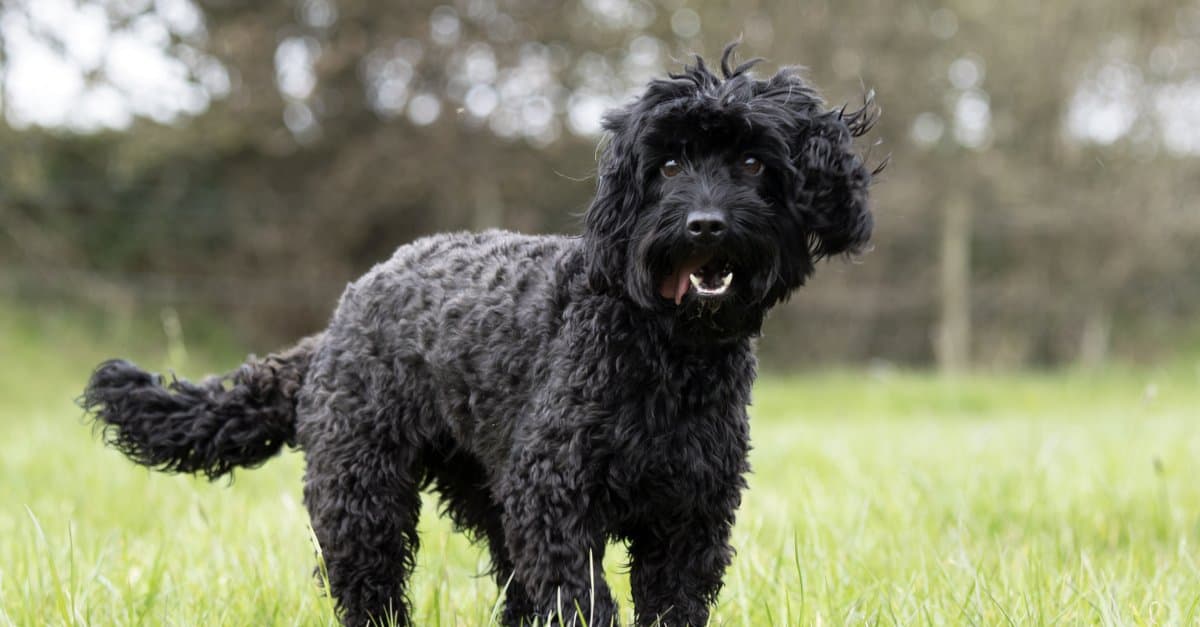
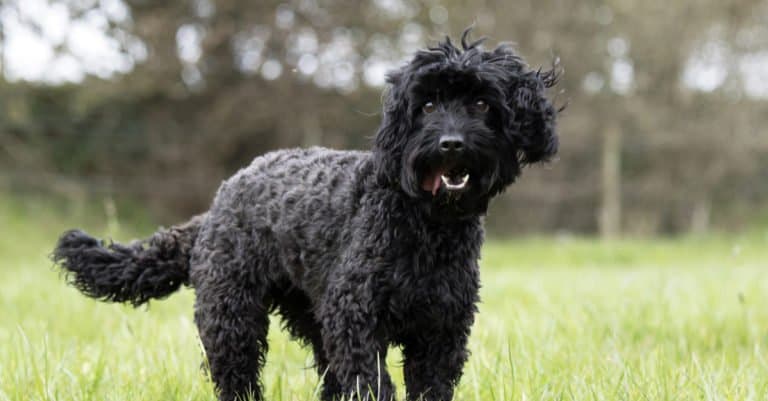
black cockapoo standing

Cockapoos are prone to hip dysplasia and cataracts.

These dogs have a mixture of genes from poodles and cocker spaniels. As a result, they are prone to many of the health issues found in those two breeds. One common health issue of a cockapoo is hip dysplasia. Hip dysplasia occurs when the femur moves away from the hip joint. Inflammation and arthritis are the results of hip dysplasia. A dog with this condition may limp or move awkwardly.

Cataracts are another common health condition in these dogs. Cloudiness in one or both eyes is a sign of cataracts. They affect this dog’s vision but don’t cause pain. Cataracts are more common in older dogs. Ear infections are another common health issue in these dogs. A cockapoo’s ears hang down. As a result, water can become trapped in the ear and lead to an infection. A dog with an ear infection may shake its head or scratch its ears.

The most common health issues of cockapoos include:

  • Hip dysplasia
  • Cataracts
  • Ear infections

Temperament And Behavior
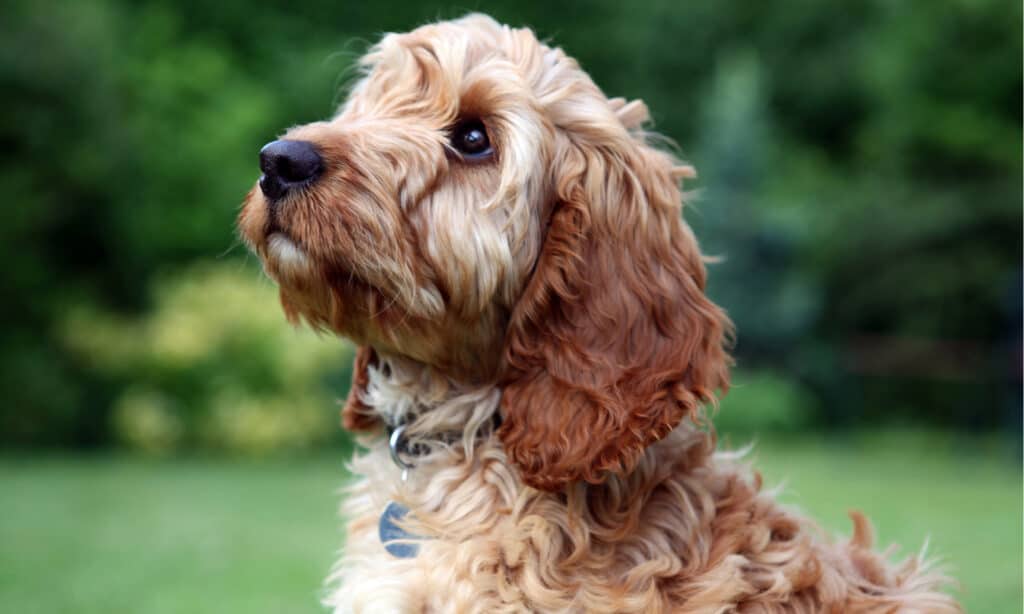
cockapoo

Cockapoos love spending time with their families and were bred to be companion dogs.

“Playful” perfectly describes the personality of this variety. These dogs love to spend time with their family, run around with the kids, and even take a dip in the swimming pool. They have a gentle temperament and get along well with other dogs.

These dogs were bred to be companions to people, so they’ll become agitated if left alone for too long. One of the most endearing traits of this dog is its loyalty. Whether it’s on an energetic walk in the neighborhood or sitting on the sofa watching television, cockapoos love to be around people.

How To Take Care Of Cockapoos

Learning as much as possible about the health issues, dietary needs, exercise requirements, etc., of cockapoos can help an owner take better care of their pet. Not surprisingly, a puppy needs a different level of care than an adult dog. Discover more about this dog breed.

The Best Dog Food For Cockapoos

white Cockapoo standing on a couch

Protein is an important part of the Cockapoo’s diet and helps to maintain strong muscles and a healthy coat.

Puppies and adults need different combinations of nutrients to maintain good health. Consider these factors in a cockapoo’s diet:

Cockapoo puppy food: Protein is an important nutrient in the diet of puppies. Protein builds muscle and helps in the development of healthy tissue. Fat is another essential in a puppy’s diet. A limited amount of fat supports the development of the brain and supplies a puppy with energy for exploration. Fat also supports healthy vision. This builds up their defenses against cataracts. Vitamin E contributes to the strong development of the immune system, and vitamin D helps strengthen a puppy’s bones. Be sure to make water available to puppies at all times. Water helps with proper digestion.

Cockapoo adult dog food: An adult dog needs protein in its diet as well. Protein helps a full-grown cockapoo maintain strong muscles as well as a healthy coat. Calcium keeps bones strong, which can prevent hip dysplasia. A limited amount of carbohydrates gives an adult dog energy while not adding excess weight. These dogs are prone to obesity, so monitoring their intake of fat is a smart idea. Omega-3 fatty acids support brain power and good vision for this active, intelligent canine. Omega-3 fatty acids can also help maintain the health of joints. Providing water is necessary for hydration and proper digestion in an adult cockapoo.

Maintenance And Grooming

cockapoo headshot

This dog sheds very little and is considered hypoallergenic. It needs to be brushed just once each week to maintain a soft coat.

How much do cockapoos shed? Well, some people think cockapoos are hypoallergenic. This isn’t precisely accurate. These dogs do shed, but they shed very little. They have a curly coat like a poodle that needs to be brushed just once a week to keep them looking healthy.

A slicker brush is a great tool for a cockapoo’s delicate, curly hair. Be sure to find a slicker brush with plastic tips on its bristles. These plastic coverings protect the skin of a cockapoo as it’s being brushed. A basic comb can also help to keep the mats and tangles out of this dog’s coat.

An owner should look for any red, irritated patches of skin on their pet. These rough patches of skin can mean the dog has a food allergy or is allergic to something in the environment.

Cockapoos are prone to ear infections, so it’s best to include ear cleaning in the grooming routine. A soft cloth and ear-cleaning solution specially designed for dogs can help to keep their ears clean.

Training

The intelligence of these dogs is part of the reason why these pups are so easy to train. They are also eager to please! It’s best to conduct obedience training in short sessions with lots of praise and dog treats.

Exercise

While the cockapoo doesn’t need much exercise, it should get at least 15 to 20 minutes each day.

These dogs need a low to moderate amount of exercise. Specifically, they need about 15 to 20 minutes of exercise per day. This can be accomplished by taking a cockapoo for a walk. Playing ball or a game of chase in the backyard can also be great exercise.

Taking this dog to a dog park is another way to give it some exercise. Cockapoos are laid back and get along with most other dogs.

The mini cockapoo is a good choice for someone living in an apartment. This dog’s size makes it adaptable to living in a smaller space. Alternatively, a maxi cockapoo is not a good choice for apartment living. An adult maxi cockapoo can weigh up to 65 pounds.

Puppies
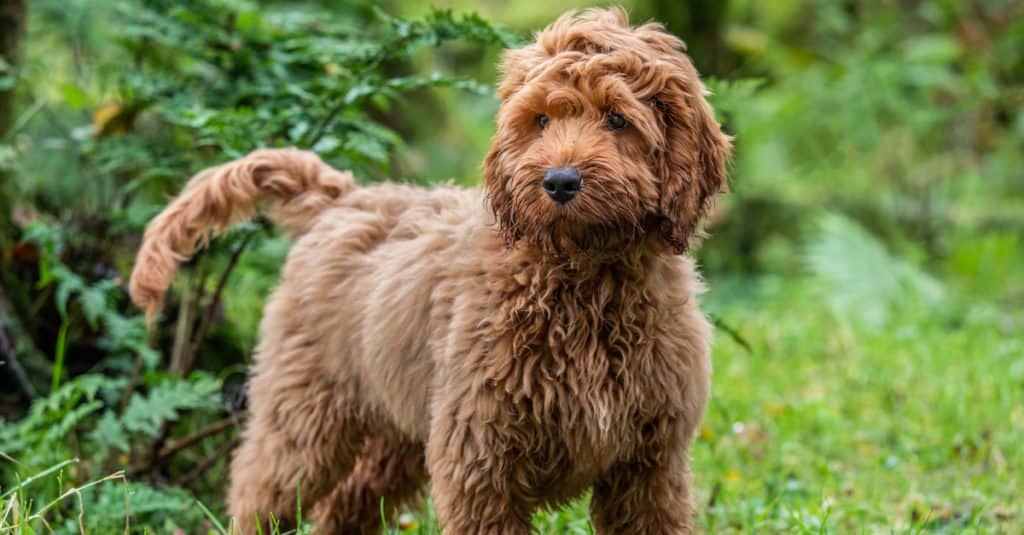
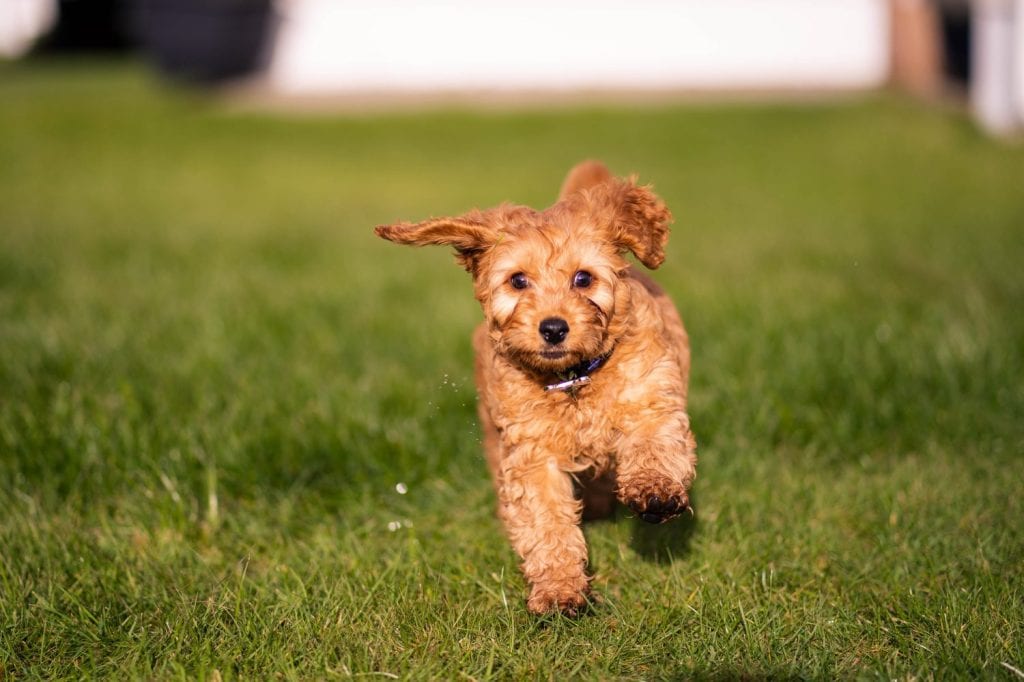
tan cockapoo standing in the grass

Many breeders charge a high price for these puppies. However, there are rescue organizations where someone can adopt a dog for a lower fee.

Anyone who wants to buy a puppy should make sure they deal with a reputable breeder. A responsible breeder will take pains to nurture a reputation of excellence as a breeder. In fact, there are badges an individual can earn to qualify them as a breeder of excellence. Someone who’s dealing with a breeder of excellence can rely on the high standards of the person’s breeding operations.

Cockapoos And Children

This variety is known for interacting well with children as well as adults.

Dogs Similar To Cockapoos

Some dog breeds similar to cockapoos include the Cavapoo, Labradoodle, and Yorkipoo.

  • Cavapoo: Cavapoos are intelligent and fun-loving, just like cockapoos. However, Cavapoos can be a little challenging to housetrain.
  • Labradoodle: These dogs have the same curly coat and affectionate temperament as cockapoos. But, on the size chart, Labradoodles are larger than cockapoos.
  • Yorkiepoo: These dogs have the same gentle temperament and curly coat as cockapoos. But cockapoos are better with children. Yorkipoos have a reputation for being hypoallergenic, though they do shed a little bit.

Famous Cockapoos

This hybrid breed of dog is a favorite among many celebrities in the entertainment field today.

  • Actress Ashley Judd owned two cockapoos that travelled with her on the red carpet!
  • Billie Joe Armstrong of the rock group Green Day owns a poo named Rocky.
  • In 2011, Alfie won the title of Britain’s Happiest Dog. His friendly grin says it all!
View all 392 animals that start with C

Sources

  1. vcahospitals.com / Accessed March 3, 2021
  2. pawster.com / Accessed March 3, 2021

Melissa Bauernfeind

About the Author

Melissa Bauernfeind

Melissa Bauernfeind was born in NYC and got her degree in Journalism from Boston University. She lived in San Diego for 10 years and is now back in NYC. She loves adventure and traveling the world with her husband but always misses her favorite little man, "P", half Chihuahua/half Jack Russell, all trouble. She got dive-certified so she could dive with the Great White Sharks someday and is hoping to swim with the Orcas as well.
Connect:

Thank you for reading! Have some feedback for us?


Cockapoo FAQs (Frequently Asked Questions)

A cockapoo is part poodle, part American cocker spaniel. The breed originated in the 1960s and became popular as a companion dog for kids and families. Its curly coat, intelligence, and fun-loving nature all play a part in making this breed a favorite today.