




B
Species Profile

Bea-Tzu

Canis lupus familiaris

Small dog, big nose, bigger heart
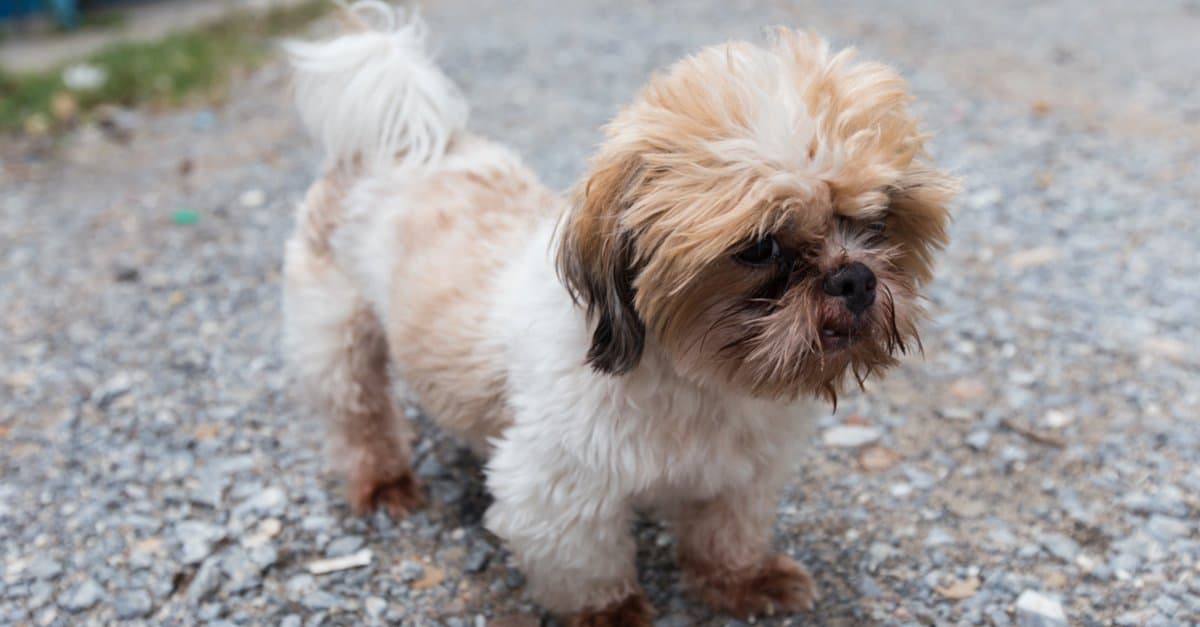
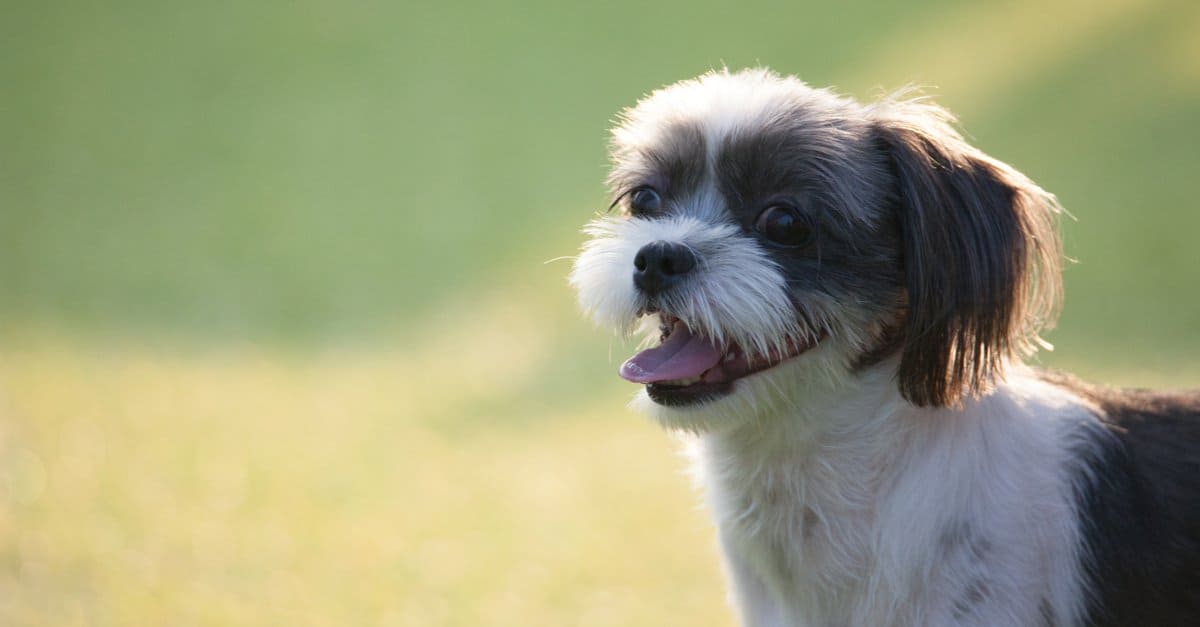
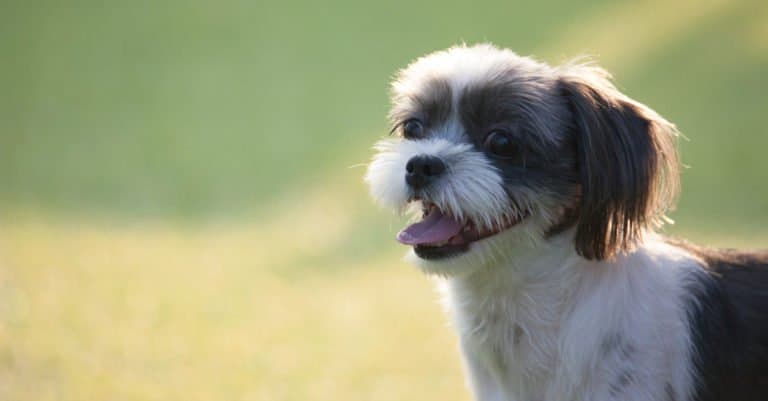
iloveimages/Shutterstock.com

Bea-Tzu Distribution

Click a location to explore more animals from that region

Origin Location

This map shows the native origin of the Bea-Tzu. As a domesticated species, they are now found worldwide.

Loading map...

Size Comparison

Human 5'8"
Bea-Tzu 12 in

Bea-Tzu stands at 17% of average human height.

Toy Bea-Tzu Dogs Need Safe Places To Play

At a Glance

Domesticated
Also Known As Dog, Domestic dog, Domestic canine, Canine, Pooch, Pup, Mutt, Man's best friend
Diet Omnivore
Activity Diurnal+
Lifespan 12 years
Weight 90 lbs
Status Not Evaluated
Did You Know?

A Bea-Tzu is a "designer" mixed breed: Beagle (scent hound) × Shih Tzu (toy companion), so littermates can look and act quite different.

Scientific Classification

The Bea-Tzu is a mixed-breed domestic dog (Beagle × Shih Tzu), typically a small companion-sized dog that may combine the Beagle’s scent-hound drive and vocal tendency with the Shih Tzu’s companion temperament and coat traits. As a cross, appearance and behavior vary widely between individuals.

Kingdom
Animalia
Phylum
Chordata
Class
Mammalia
Order
Carnivora
Family
Canidae
Genus
Canis
Species
Canis lupus

Distinguishing Features

  • Small dog, often with a moderately short muzzle (variable; can be more brachycephalic if Shih Tzu-like)
  • Coat can range from short (Beagle-like) to longer and wavier (Shih Tzu-like); shedding and grooming needs vary
  • May inherit strong scent interest/tracking behavior and tendency to bark or howl
  • Drop ears common; color patterns may include Beagle-like tri-colors or mixed markings

Physical Measurements

Males and females differ in size

Height
1 ft 1 in (10 in – 1 ft 4 in)
11 in (9 in – 1 ft 2 in)
Length
1 ft 10 in (1 ft 5 in – 2 ft 3 in)
2 ft (1 ft 8 in – 2 ft 6 in)
Weight
22 lbs (15 lbs – 29 lbs)
17 lbs (11 lbs – 23 lbs)
Tail Length
7 in (6 in – 9 in)
8 in (6 in – 10 in)
Top Speed
19 mph

Appearance

Primary Colors
Secondary Colors
Skin Type Canis lupus familiaris skin has a haired coat that varies from short, dense (Beagle) to medium/long and silky (Shih Tzu). Often single or light double coat; some have moderate skin sensitivity.
Distinctive Features
  • Designer mixed-breed (Beagle × Shih Tzu) within domestic dog taxonomy (Canis lupus familiaris); appearance is not standardized and varies strongly between individuals and litters.
  • Size/build typically small companion-dog scale (often sturdier than a toy breed), with a compact torso and moderate bone; some inherit the Beagle's slightly longer body and athletic outline.
  • Head/face varies: can range from Beagle-like longer muzzle to more shortened (brachycephalic-leaning) Shih Tzu-type muzzle; watch for individuals with shorter muzzles that may have noisy breathing or heat intolerance.
  • Ears are commonly floppy and medium-long (Beagle influence), sometimes with longer feathering if the coat is Shih Tzu-leaning.
  • Coat variability is a key identifier: can be short and sleek (lower grooming needs) or longer with waves/feathering (higher grooming needs); shedding and matting risk depend on coat type inherited.
  • Tail often carried up or curved over the back (Shih Tzu influence) but may be straighter or less plumed in short-coated individuals.
  • Behavioral mix is typical: scent-hound curiosity and tracking drive plus companion-dog attachment; many are vocal (Beagle influence) and may be alert barkers.
  • Care considerations: needs daily enrichment walks/sniffing time; recall/off-leash reliability may be challenging due to scent drive-use long line/fenced areas and reward-based training.
  • Training considerations: early work on quiet cue, separation comfort, and impulse control; consistent positive reinforcement helps manage stubbornness and vocal tendencies.
  • Grooming needs depend on coat: long/feathered coats require frequent brushing and periodic trimming to prevent mats; short coats usually need weekly brushing. Regular ear cleaning is important due to floppy ears and potential ear infections.
  • Health varies by line. May get skin allergies and itching, ear infections, crowded teeth, slipped kneecaps, back disc problems, and eye issues like tear staining or dry eye. Short muzzles risk breathing and heat problems.
  • Weight management is important: Beagle ancestry can increase food motivation and obesity risk-portion control and daily exercise help prevent joint strain and metabolic issues.

Sexual Dimorphism

Usually mild in this small mixed-breed: males are often slightly larger/heavier with a broader head/neck, but overlap is substantial and individual variation is greater than sex differences.

  • On average slightly larger frame and heavier musculature; may show a broader skull/neck.
  • May be more prone to marking behaviors if not neutered (behavioral, not strictly appearance).
  • On average slightly smaller/lighter frame with a more refined head and narrower chest.
  • May show coat thinning or changes during hormonal cycles/spay-related coat changes in some individuals (varies by coat type and genetics).

Did You Know?

A Bea-Tzu is a "designer" mixed breed: Beagle (scent hound) × Shih Tzu (toy companion), so littermates can look and act quite different.

Unlike the wild base species (gray wolf, Canis lupus), domestic dogs are selected for human companionship-Bea-Tzus commonly show reduced wariness and strong people-bonding.

Many inherit the Beagle's powerful nose and "follow-the-scent" mindset-walks can become scent investigations.

Some inherit the Beagle's voice (bays/howls) while others are quieter like many Shih Tzus-training can shape this a lot.

Coat can range from short (easy-care) to longer, Shih Tzu-like coats that need frequent brushing and face/eye hygiene.

They often make good small-home companions if given daily enrichment and recall training to manage scent-chasing.

Because it's a mix, health risk is not "guaranteed" either way-responsible breeding and preventive care matter more than labels.

Unique Adaptations

  • Domestic-dog social flexibility: compared with wolves, Bea-Tzus are typically better at reading human cues and thriving in human-made routines.
  • Enhanced olfaction potential: if the Beagle traits dominate, they may show strong scent discrimination and persistence on trails.
  • Compact, urban-friendly size: small body with "all-terrain curiosity," making them suited to apartments if exercised and enriched daily.
  • Variable coat and facial structure: some have Shih Tzu-like facial hair/shorter muzzle requiring extra eye, wrinkle, and dental attention.
  • Behavioral adaptability: many can switch between active sniffing sessions and calm indoor companionship, depending on individual mix and training.

Interesting Behaviors

  • Scent-locking on walks: may zig-zag or stop frequently to sample odors, especially if the Beagle side is strong.
  • "Shadowing" family members: many show companion-dog attachment and will follow a favorite person room-to-room.
  • Vocal communication: some bay when excited, when left alone, or when they detect wildlife; others use softer yips/whines typical of small companions.
  • Selective hearing outdoors: if a scent trail is rewarding, recall can fail without gradual training and high-value reinforcement.
  • Burrowing and nesting: may dig into blankets or curl into tight "den" spots-common in many small companion dogs.
  • Food-motivated problem solving: puzzle feeders and nose-work games can quickly become their favorite activities.

Cultural Significance

Bea-Tzu, a Beagle × Shih Tzu mix, shows modern designer-dog trends by blending a scent hound and an old companion. It also shows how Canis lupus familiaris changed from wolf hunters and guards into family pets.

Myths & Legends

Shih Tzu court lore: in Tibetan and Chinese tradition, small "lion dogs" were cherished as palace companions; Shih Tzu are often linked to symbolic guardian-lion imagery in art and storytelling.

The Beagle name is often said in popular historical accounts to come from a French expression meaning "open throat," a nod to the breed's famous voice-an old anecdotal explanation repeated in breed histories.

Hunting-field tradition: English sporting lore celebrates small hounds that could be followed on foot; Beagles became emblematic of communal hunts where the music of the pack guided people through hedgerows.

"Lucky lap dogs" folklore: across Eurasian court cultures, toy dogs were sometimes treated as good-fortune companions and status symbols, reflected in stories and paintings of nobles with small dogs at their side.

A modern breed story: the Bea-Tzu, a recent cross, is said to have the Beagle's nose and the Shih Tzu's cuddly nature, showing how people keep changing Canis lupus familiaris roles.

Conservation Status

NE Not Evaluated

Has not yet been evaluated against the criteria.

Population Stable

Life Cycle

Birth 6 pups
Lifespan 12 years

Lifespan

In the Wild
10–13 years
In Captivity
10–16 years

Reproduction

Mating System Polygynandry
Social Structure Managed Domestic
Breeding Pattern Transient
Fertilization Managed Selective
Birth Type Internal_fertilization

Canis lupus familiaris: Free-ranging dogs often have many males and females mating with several partners (polygynandry). In managed domestic settings, humans control mate choice, timing, and use of one male. Fertilization is internal; pair bonds are brief; helpers are uncommon.

Behavior & Ecology

Social Pack Group: 4
Activity Diurnal, Cathemeral, Crepuscular
Diet Omnivore Meat-forward foods (commonly poultry such as chicken/turkey) in highly palatable forms (wet food or high-protein kibble)

Temperament

Bea-Tzu (Beagle × Shih Tzu) are small companion dogs. Behavior may mix Beagle's strong nose and barking with Shih Tzu's people-loving, lap-dog friendliness. Individuals vary in prey drive, noise, and trainability.
Distinguishing from the base species (gray wolf): markedly more human-bonded and handling-tolerant, less specialized for cooperative hunting, more flexible social structure, and more frequent use of attention-seeking behaviors (pawing, nudging, barking) to communicate with humans.
Social temperament: generally affectionate and people-oriented; may be reserved or barky with strangers depending on socialization. Dog-dog sociability ranges from playful to selective; scent-interest can override recall if the Beagle side is strong.
Motivation & drive: moderate energy with bursts of play; often strongly food-motivated; may show scent-trailing fixation and 'follow-the-nose' behavior outdoors. Some individuals show mild guarding of food/chews; proactive management and training help.
Trainability: often learns with positive rewards but can be stubborn and independent (seen in Beagle and Shih Tzu lines). Use short sessions, strong treats, clear cues; recall may need extra practice because of scent drive.
Bea-Tzu dogs form strong bonds with people, are often curious about smells, have moderate energy and need play, and show mixed vocal behavior—some quiet lap dogs, others lively, nose-led, more vocal like small hounds.
Shih Tzu-type dogs may have short muzzles (brachycephalic) causing snoring and heat trouble; ear infections with drop ears; crowded teeth; obesity if food-motivated; back/disc, kneecap, and eye problems. Risks vary by build and pedigree.
Needs daily walks and sniff play (snuffle mats, scent games); use secure leash for scent-chasing. Early socialization and alone-time training reduce barking and separation problems. Grooming varies; short muzzles need heat care.

Communication

bark Alert/attention-seeking; may be frequent
bay/howl Hound-like vocalization in some individuals
whine Frustration/appeasement/attention
growl Warning, play-growl, resource communication
yip/yelp Startle, pain, high arousal
scent-based communication: sniffing, scent marking, overmarking; strong information-seeking via nose Often more pronounced if Beagle traits dominate
body language: tail position/wag style, ear set, facial tension/softness, play-bow, freezing/avoidance signals
proximity seeking and following Attachment/affiliation), leaning and lap-sitting (companion-style contact
pawing/nudging/mouthing to solicit attention or play
licking (appeasement/affection) and facial grooming behaviors
gaze alternation and pointing-by-orientation toward desired resources Human-directed communication common in domestic dogs

Habitat

Biomes:
Temperate Forest Boreal Forest (Taiga) Temperate Grassland Tundra Alpine Mediterranean Desert Hot Desert Cold Wetland Freshwater Tropical Dry Forest Savanna Temperate Rainforest +7
Terrain:
Plains Hilly Valley Coastal Island Mountainous
Elevation: Up to 18044 ft 8 in

Ecological Role

Human-associated commensal omnivore; primarily a companion animal that can function as an opportunistic mesopredator/scavenger in urban/suburban settings

localized rodent/pest deterrence and occasional predation scavenging of food waste (can also be a nuisance behavior if unmanaged) support of human activities (companionship; scent-driven enrichment/training tasks) indirect contribution to public health/mental well-being through companionship

Diet Details

Main Prey:
Small mammals Small birds and eggs Invertebrates Fish and other animal-based foods provided by humans
Other Foods:
Grasses Berries and other fruits Starchy plant foods Vegetables

Human Interaction

Domestication Status

Domesticated

Canis lupus familiaris is the domestic dog, descended from gray wolves and shaped by humans for tameness and social skills. The Bea-Tzu (Beagle × Shih Tzu) is a small companion cross mixing Beagle scent and baying traits with the Shih Tzu’s lap-dog, people-loving nature and grooming needs. It is usually kept as a pet.

Danger Level

Low
  • Bites/scratches, typically associated with fear, pain, resource guarding, or poor handling/socialization
  • Zoonotic risks common to dogs if preventive care is neglected (e.g., intestinal parasites); rabies risk is mitigated by vaccination
  • Trip/fall risk from leash pulling or underfoot movement, especially in crowded homes
  • Noise nuisance complaints due to possible Beagle-influenced vocalization
  • Allergy triggers (dander/saliva); coat type varies and is not reliably hypoallergenic

As a Pet

Suitable as Pet

Legality: Dogs (Canis lupus familiaris) are legal as pets in most places but must follow dog rules: license, leashes, vaccinations, and sometimes limits on number. Breed laws tend to target big guard or fighting dogs, not small mixes; local rules apply.

Care Level: Moderate

Purchase Cost: Up to $1,200
Lifetime Cost: $15,000 - $35,000

Economic Value

Uses:
Companion animal market Veterinary services and pharmaceuticals Pet food and supplies Grooming and boarding/daycare Training/behavior services Rescue/adoption and shelter services
Products:
  • Adoption/purchase and rehoming services
  • Vaccinations, spay/neuter, preventive care (flea/tick/heartworm)
  • Food (including small-breed formulations) and treats
  • Collars/leashes/harnesses, crates, bedding, toys (especially scent games)
  • Professional grooming (if coat is longer/Shih Tzu-like) and home grooming tools
  • Training classes (leash manners, recall, barking management)

Relationships

Quick Take

  • Maintaining a Bea-Tzu requires providing exactly 8 small meals daily during its early developmental stage.
  • A long back makes the Bea-Tzu highly susceptible to the complications of Intervertebral Disc Disease.
  • This toy dog unexpectedly retains a high prey drive that complicates off-leash safety in open areas.
  • Selecting a young adult over a puppy is necessary for families to avoid common behavioral injuries.

The Bea-Tzu is a cross between a Beagle and a Shih Tzu. The Shih Tzu is one of the most ancient breeds, and it comes from Tibet and China. The Beagle was bred to hunt rabbits in England, but it has a gentle disposition. The Bea Tzu is classified as a toy dog due to its small size. It also has a gentle disposition, but it is a good watchdog and an entertaining companion dog.

The Bea-Tzu breed has a high prey drive because of the Beagle heritage. They are sweet, affectionate, loyal dogs who will take as much love as you can give. They are great companions and get along well with other dogs and children.

A detailed infographic about the Bea-Tzu dog breed, illustrating its physical dimensions, temperament, grooming needs, and common health issues using icons and charts.
From a high-stakes hunting instinct to a spine that demands constant protection, this adorable toy breed is anything but low-maintenance. © A-Z Animals

Ownership Pros and Cons

ProsCons
Bea-Tzus are low maintenance.Bea-Tzus like to chase rabbits.
They are alert and make great watchdogs.These dogs like to bark.
They will get along with other dogs.Bea-Tzus can be difficult to train.

Size and Weight

These are very small dogs. They can range in size, but generally do not exceed 15 inches in height and 23 pounds in weight.

Height (Male)15 Inches
Height (Female)11 Inches
Weight (male)23 Pounds
Weight (female)15 Pounds
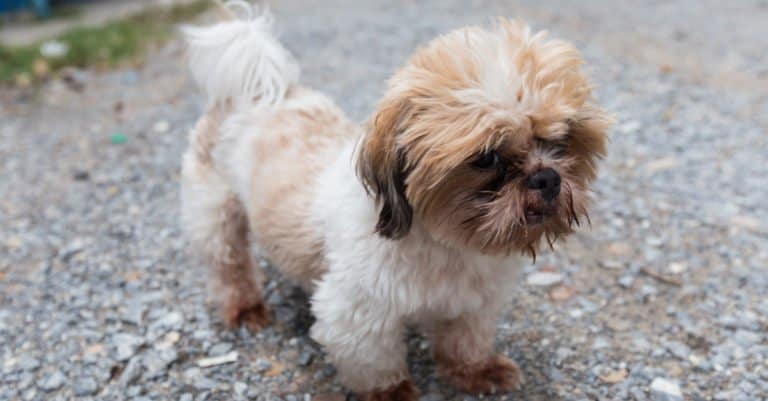
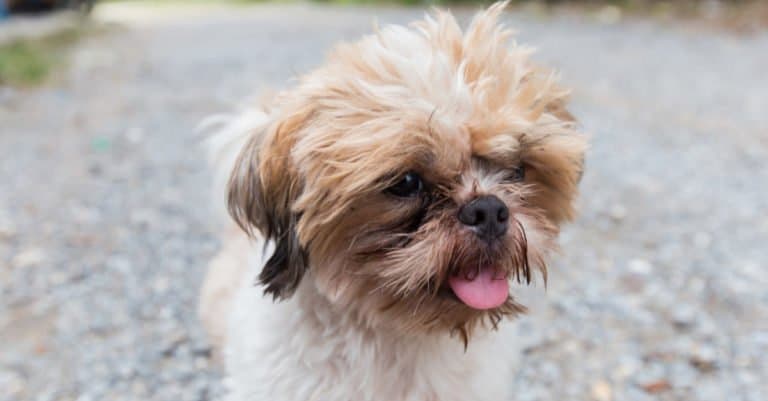
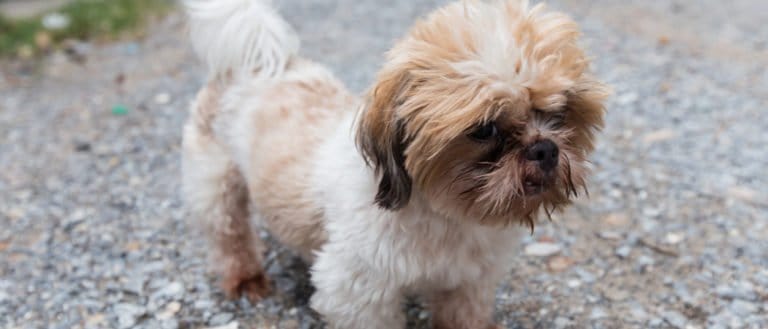
A Freshly Clipped Bea-Tzu

Bea-Tzu Dogs are very small, but they make great companions and get along well with other dogs and children.

Common Health Issues

Smaller dogs, in general, are prone to oral health issues. In addition, this specific breed of dog can suffer from kidney disease and liver disease. Bea-Tzus may develop issues with vision as well. Cataracts may require surgery as the Bea-Tzu ages.

Bea-Tzus are prone to developing intervertebral disc disease. This disease typically affects smaller dogs with long backs. They also have epilepsy issues. This is when the dog has excessive seizures. A reduced ability for circulating thyroid hormone causes hypothyroidism. 

Temperament and Behavior

Bea-Tzus are sweet and playful canines. They are loving and loyal in their behavior toward their owner, but they like to be the center of attention. Bea-Tzus are protective and alert dogs. Possessive behavior is another common character trait associated with this breed. 

This breed of dog is good around children. For a family with very young children, picking up a young adult Bea-Tzu is wise. They mix well with other people and pets if properly socialized early on in life. 

Due to the hunting instincts of its ancestors, one must be careful letting this dog breed off the leash. These dogs are bred to hunt rabbits, so they have a high prey drive towards smaller animals. Bea-Tzus are alert creatures and make good watchdogs. Sometimes they are loud; noisy barking can be a problem. 

Care

In order to prevent injury to this small canine as a puppy, it should be handled gently. Being too harsh with your Bea-Tzu puppy early on will possibly bring on behavioral issues later. It is important to keep the teeth brushed regularly to avoid dental issues such as plaque buildup. 

Best Dog Food

During the first few weeks of its life, the Bea-Tzu puppy will need to be nursed every couple of hours, then weaned off to six or eight small meals a day. As they develop, their diet is mixed between wet and dry food and gradually reduced until the diet is primarily solid. With this dog having a strong lineage from Beagles, it will need a high amount of calories. From this point forward, it will need three to four small meals a day. 

Bea-Tzu adult food: As the dog develops, you will gradually reduce the frequency of meals. Some may eat more than others, but if your dog tends to overeat, you will need to reduce to two healthy portioned meals a day. A healthy amount of fats in a dog’s diet serves as an energy source. Snacks will be necessary for positive reinforcement while in training. 

Maintenance And Grooming

The coat should be brushed every couple of days, with special attention to the face and tail. Ears need to be checked regularly, and if there is wax, they need to be cleaned. Brush teeth twice a week. A visit to the groomer is recommended once in a while to keep the area around the face tidy.

Training

These dogs can be a little difficult to train and will require patience or previous experience. They like to nibble when bored or stressed. They are known to be very intelligent dogs. Bea-Tzus respond well to positive reinforcement, so treats may be necessary at times. They are easily distracted and have a desire to chase prey, especially rabbits. It is important to avoid scolding the dog during training. 

Exercise Regimen
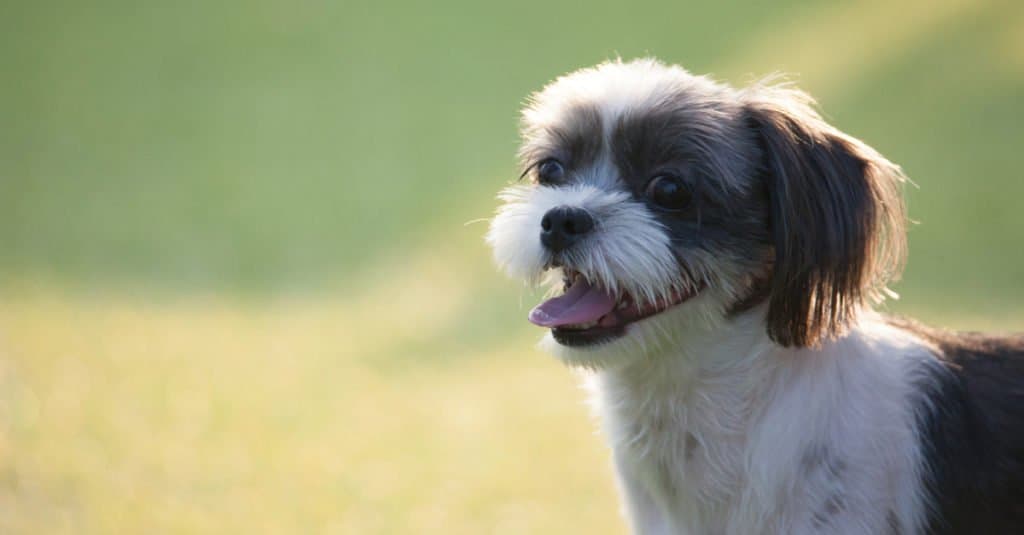
The Bea-Tzu dog is playful and active, but easily distracted and thus a bit difficult to train.

This breed of dog is very driven and active. You will need to walk your Bea-Tzu a couple of times a day. It helps to be in a spacious area enclosed behind a fence. They are very playful and will enjoy playing fetch for an extended period of time.  

Puppies

Puppies are prone to chewing and will nibble when stressed out, bored, or teething. Puppies need to be fed a high-calorie diet. They will need to take a series of vaccinations for issues such as rabies, canine parvovirus, distemper, adenovirus (hepatitis), and canine parainfluenza. If you change brands of food, it should be done slowly and gradually to prevent any digestive issues.

Children

This breed is very fun and friendly. They are sweet and loving. Bea-Tzus do extremely well with children. If you decide to get this breed of dog, it would be best to get it as a young adult due to its tendency to nibble and chew. 

Similar Breeds

The Beagle is a similar breed to the Bea-Tzu. This is its parent and is responsible for fifty percent of the Bea-Tzus lineage. The Shih Tzu is the other parent and a similar dog to the Bea-Tzu. The Shih Tzu is known to have origins in the Asian countries of China and Tibet. Jack-Tzus are another similar dog which is also a toy breed. 

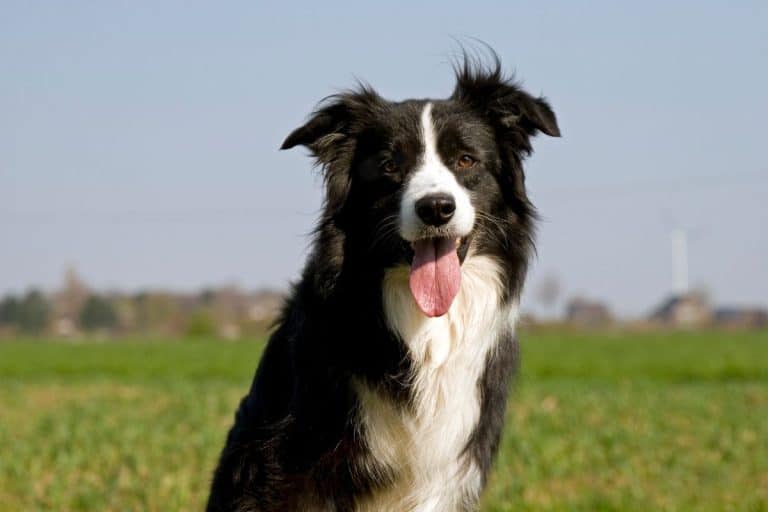
  • Beagle: Small canine bred to hunt rabbits and small game. They were bred in England and eventually traded to North America. 
  • Shih Tzu: This small canine breed originated in the Asian countries of China and Tibet. This is a toy breed that has a decent life expectancy. They are alert and prone to barking, making them good watchdogs.
  • Jack-Tzu: A toy dog crossbreed of Shih-Tzu and Jack Russell Terrier. This breed is good for people with apartments or small homes. 
View all 453 animals that start with B

Sources

  1. AVC - Degenerative Disc Disease in Dogs / Accessed April 23, 2021
Thank you for reading! Have some feedback for us?


Bea-Tzu FAQs (Frequently Asked Questions)

To obtain this dog will cost between four hundred and eight hundred dollars. The annual cost will be about two thousand dollars a year.