
Quick Take
- There is only one species of reindeer, Rangifer tarandus.
- Reindeer are known for having the longest migration of any land mammal.
- Reindeer scat has different qualities, based on the seasons and the reindeer’s diet.
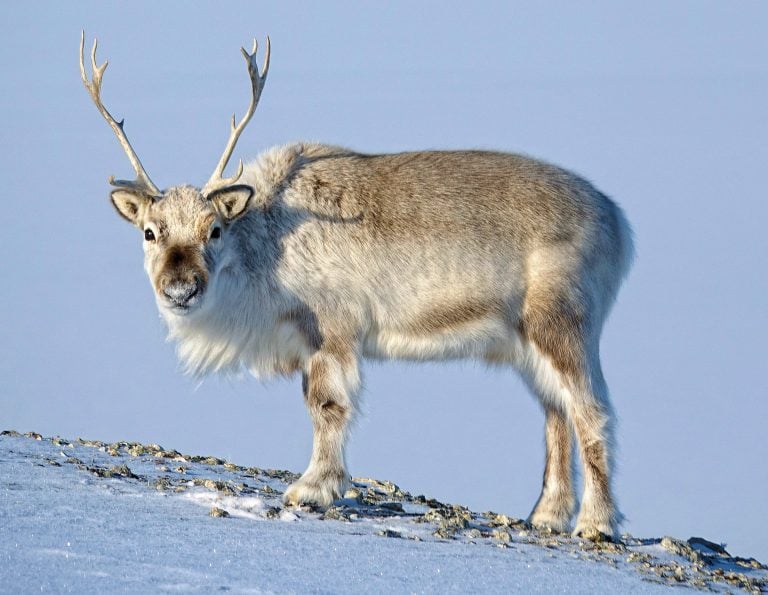
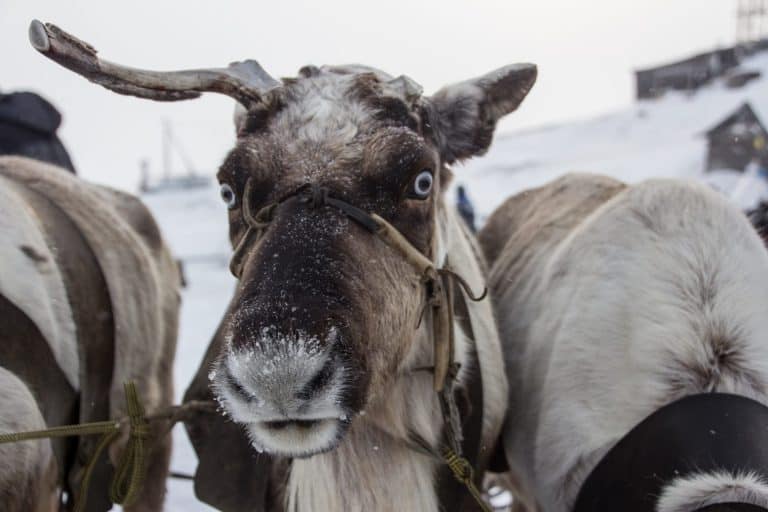
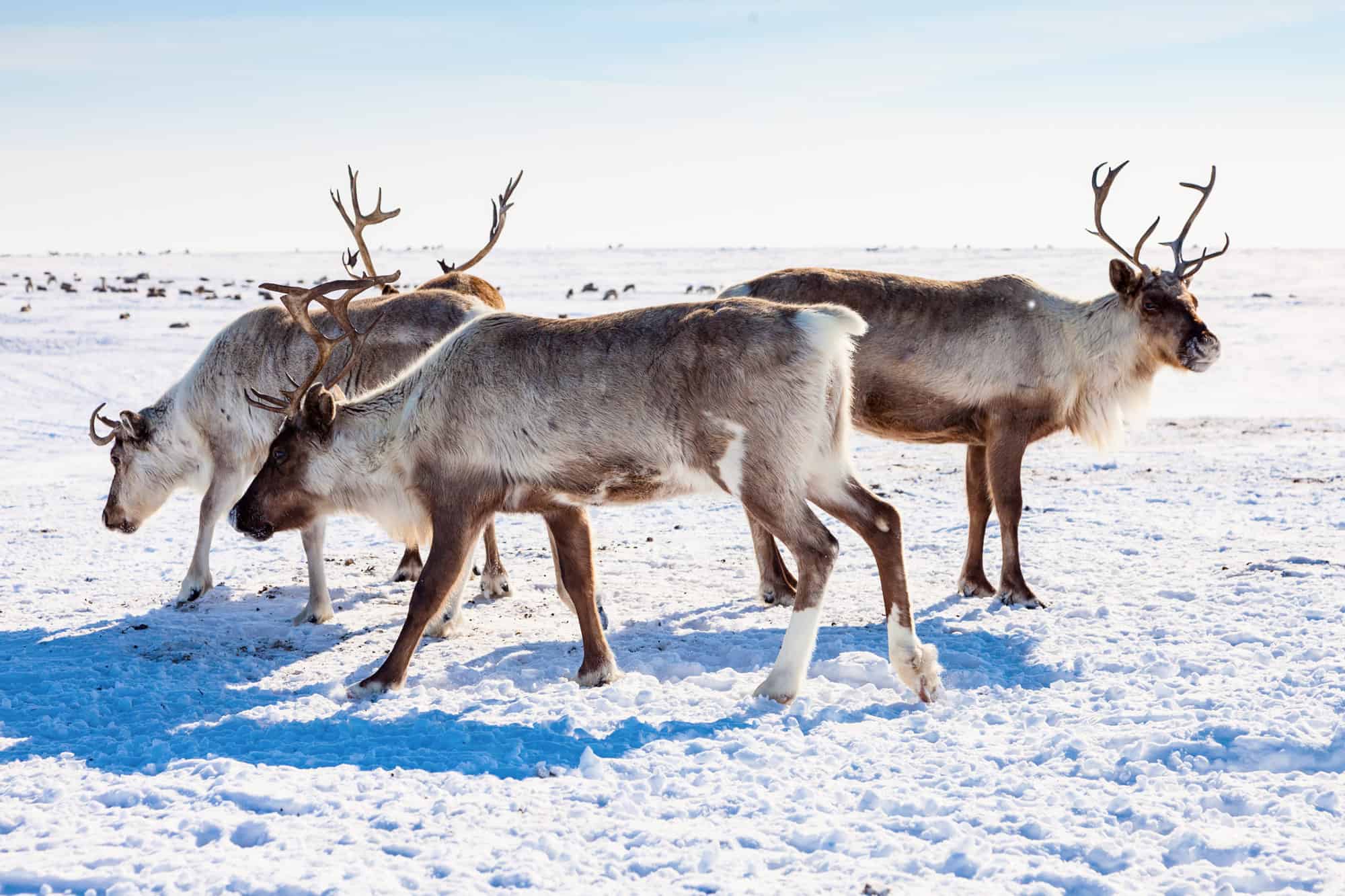
There is only one species of reindeer, Rangifer tarandus, which is divided into approximately 7 to 13 subspecies inhabiting the Arctic tundra and boreal forests of Alaska, Canada, Greenland, Scandinavia, and Russia. In North America, reindeer are called caribou. They are primarily found in Canada, Alaska, and in a small, recovering herd in the Selkirk Mountains of Northern Idaho and Northeastern Washington. Reindeer undertake some of the longest migrations of any land mammal, trekking across Alaska and Canada, leaving behind a 1,500-mile trail of their distinctive scat. Continue reading to discover everything you’ve ever wanted to know about reindeer poop.
What Does Reindeer Poop Look Like?
Reindeer produce oval-shaped pellets as waste. These droppings are pointed at one end, measure approximately 0.75 to 1 inch, and are excreted in clusters of 50 to 80 pellets. The pellets are generally dark brown or black, though their color will change based on the reindeer’s diet. Because their diet affects the quality of their scat, there is a noticeable difference between a reindeer’s winter scat, which is firm and hard, and its summer scat, which is more malleable and consists of pellets that clump together.
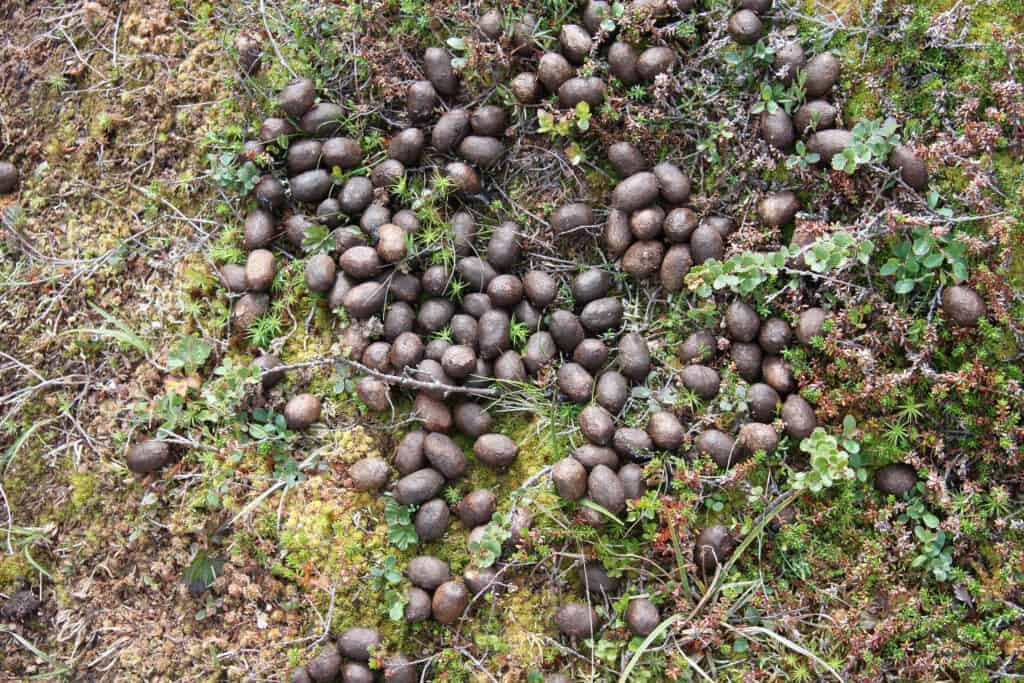
The reindeer’s diet determines the color of its scat, which can be black, brown, or green.
©Jody./Shutterstock.com
Caribou rely on lichen (Cladonia rangiferina), also called reindeer moss, for their winter diet. Using their large, shovel-like hooves, they make craters in the snow to get to the lichen, which is a high-carbohydrate food source that fuels them with the energy needed to survive the harsh weather. Reindeer supplement their winter diet with twigs, dried sedge, and small shrubs.
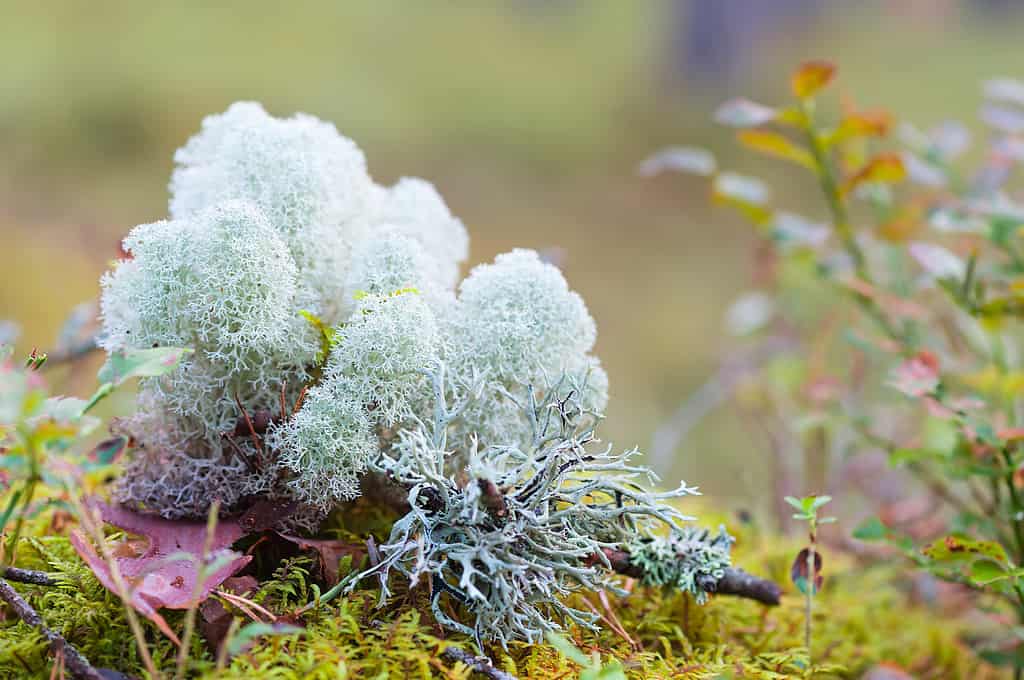
Reindeer moss, or lichen, is a tough, low-nutrient food.
©coffeechcolate/iStock via Getty Images
During winter, their scat becomes firm, dark, and pellet-shaped, often appearing as small, oblong, or slightly pointed capsules. Because lichen is high in fiber and low in nutrients, these droppings are generally dry and odorless, which helps prevent detection by predators.
Summer Scat
During summer, caribou shift from their winter diet of lichen to foraging on willow leaves, grass, flowering plants, and fungi (mushrooms).
This nutrient-rich diet, which reindeer consume heavily to regain body mass, results in softer, more fibrous feces compared to the dry, hard pellets produced during winter.
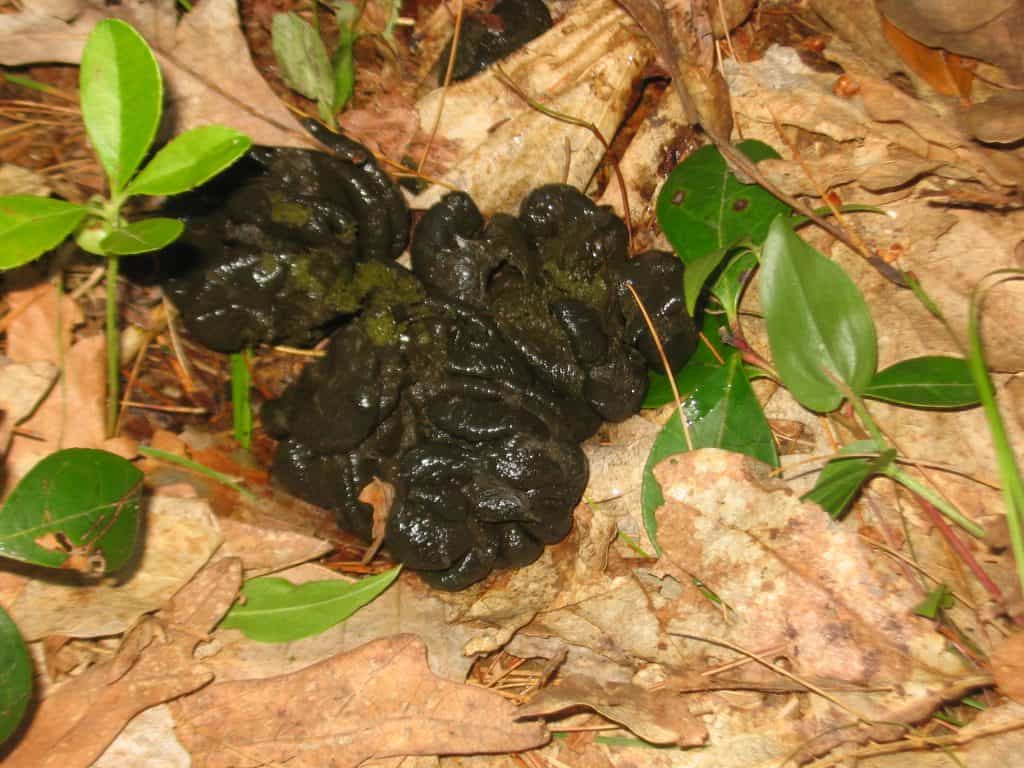
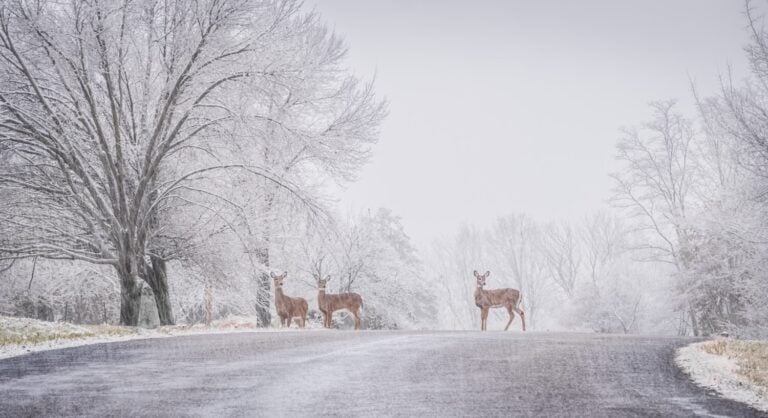
A reindeer’s summer scat might appear similar to this white-tailed deer’s.
While a reindeer’s summer scat can be softer, wetter, and larger than winter pellets, it lacks the strong, pungent odor associated with the feces of carnivores or omnivores.
Is Reindeer Poop Harmful?
Reindeer scat is not harmful per se, but it carries risks of bacterial infection or parasitism if handled directly. While reindeer feces is not a major vector for disease transmission, it can harbor bacteria similar to other deer species, like E. coli, which can cause serious illness in humans.
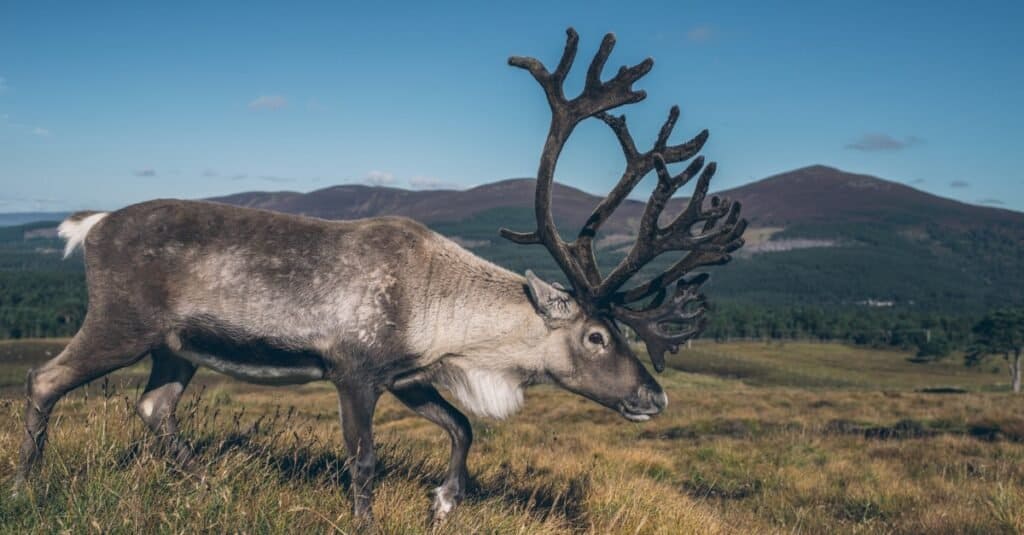
Reindeer droppings make good fertilizer.
©doliux/Shutterstock.com
Reindeer scat makes a good, nitrogen-rich, cold fertilizer that can be applied directly to gardens or lawns without burning plants, similar to rabbit pellets. However, it’s best to compost it first to kill potential bacteria like E. coli.