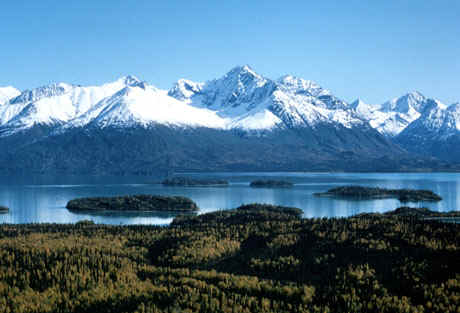

Lake Clark National Park and Preserve plays a vital role in Alaska’s wilderness. Not only is it located at the headwaters of the world’s largest sockeye salmon fishery, but its native lands also belong to the Dena’ina people. Many believe the region is sacred, and those who have hiked through it would likely agree. Visitors to Lake Clark National Park and Preserve can observe some of Alaska’s incredible wildlife, set against the breathtaking backdrop of a glacial mountain range.
Lake Clark has no roads, so visitation is typically less than 19,000 people annually. Despite this, it remains one of Alaska’s best places for wildlife watching. Those who do brave its remote backcountry enjoy hiking, camping, fishing, hunting, and learning about its ancient culture. Lake Clark’s native wildlife plays a significant role in that culture, and these are the animals you might be lucky enough to see.
Black and Brown Bears
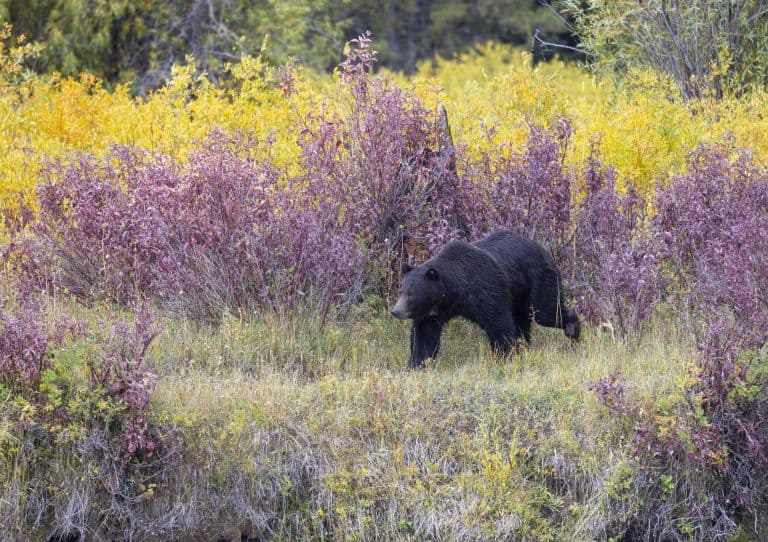
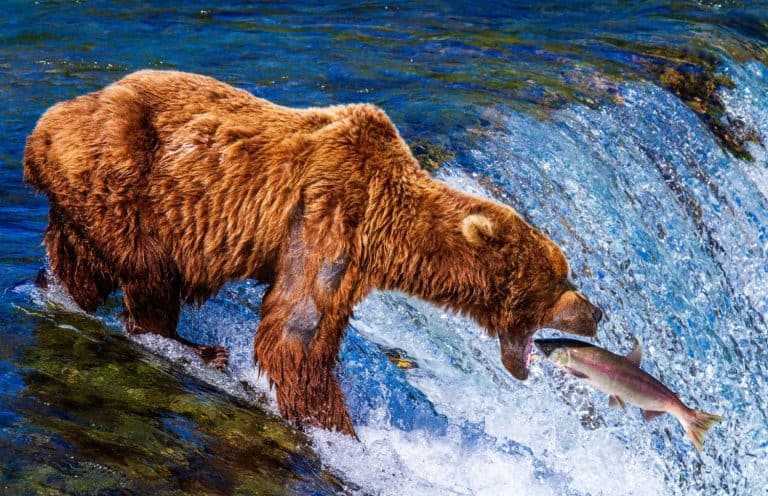
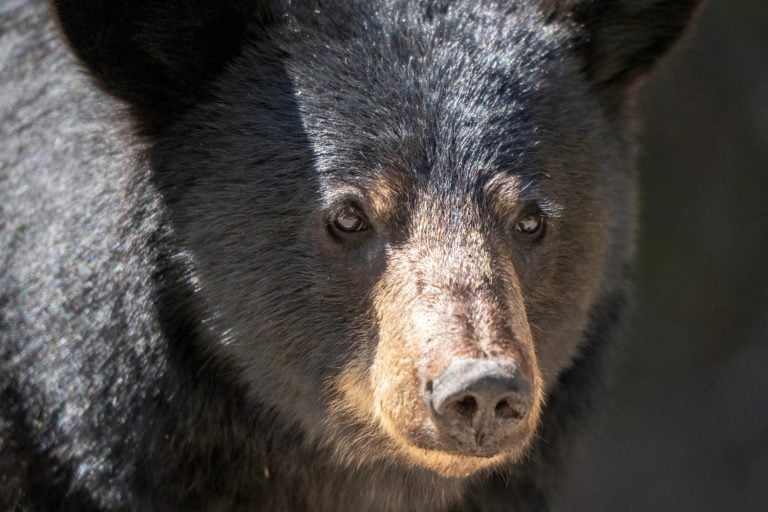
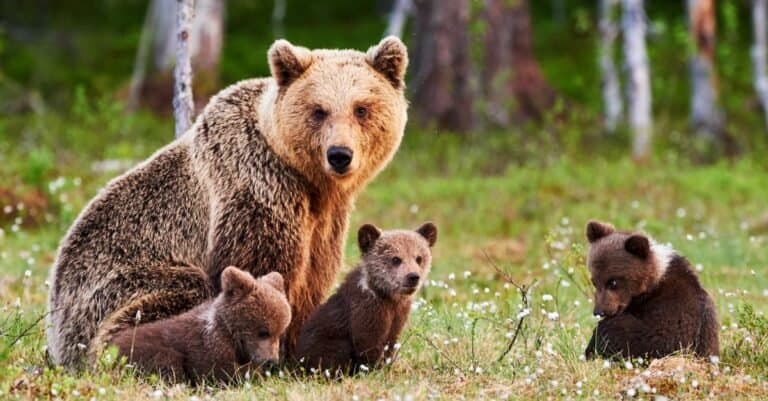
Bears are a common sight in Lake Clark National Park, although black bears are not typically found in the same territory as brown (grizzly) bears. Brown bears thrive along the lake shoreline, kept happy by the constant supply of salmon that live in its waters. Black bears gather in forested areas and are sometimes seen along coastal salt marshes, where they stock up on fish to build up their fat reserves for the winter. They can also be found slightly higher up in the park, but prefer to remain near trees for an easy escape if necessary.
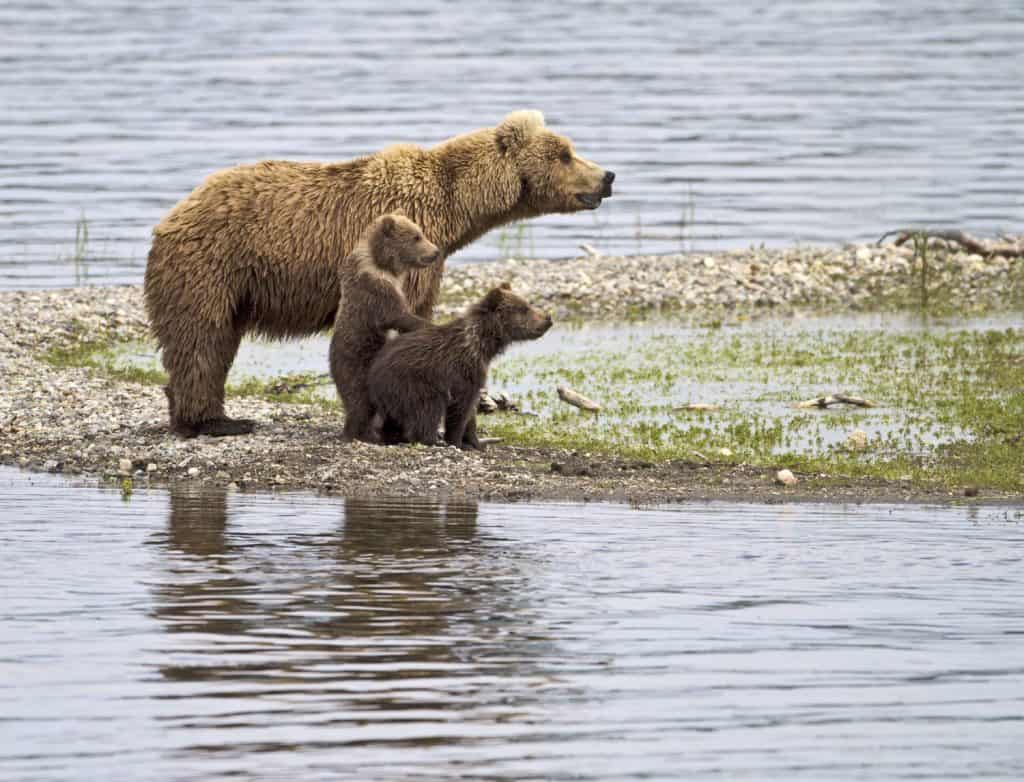
Grizzly bears are at the top of the food chain in Lake Clark National Park.
©Richard Seeley/Shutterstock.com
There’s a dense population of brown bears in Alaska, many of which inhabit Lake Clark National Park. They can be found near the lake’s estuaries, where they catch salmon. There’s also a healthy growth of berry bushes here, which makes up a significant part of a bear’s diet. Large groups of brown bears often gather to stock up on food before the winter, and in this remote territory, they are the apex predators.
Dall Sheep
It could be argued that Alaska’s dall sheep are some of the most agile mountain dwellers in the state. They’re built for rocky outcroppings and prefer to remain in the alpine ranges. However, they won’t be found at the peaks, where their food source is scarce.
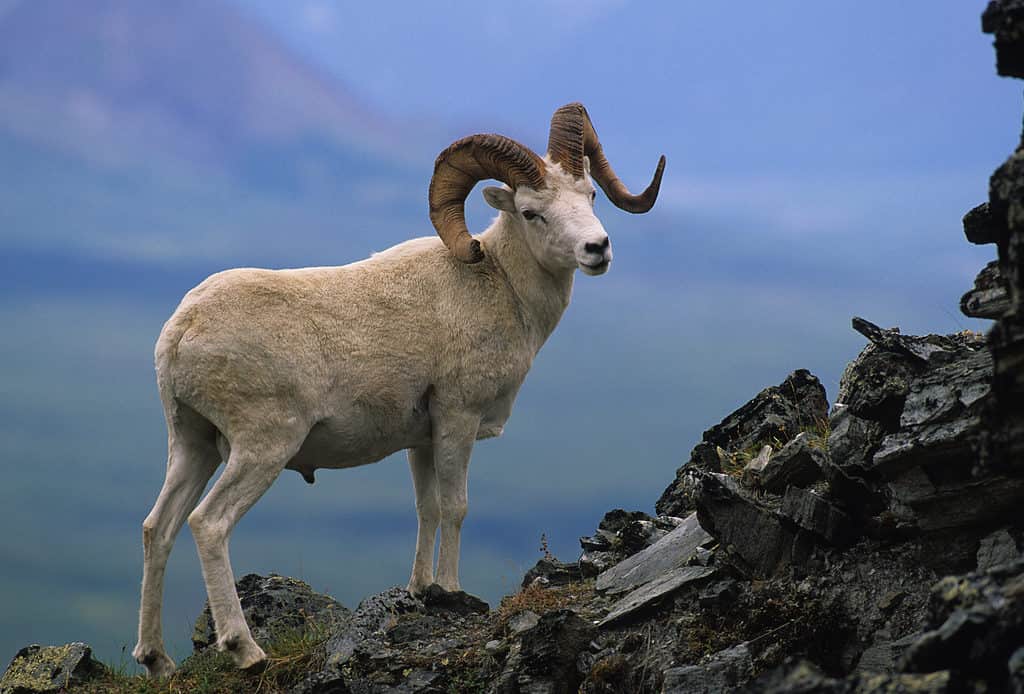
Dall sheep are often found on the slopes of the park’s mountains.
©iStock.com/twildlife
Instead, they inhabit high slopes, occasionally moving further down in search of food during the winter. Visitors are likely to see them on the slopes of the Chigmit or Tanalian Mountains, and sometimes near the Twin Lakes. The males’ large, curved horns are easy to spot while hiking, and they’re a stunning sight to observe in person.
Moose
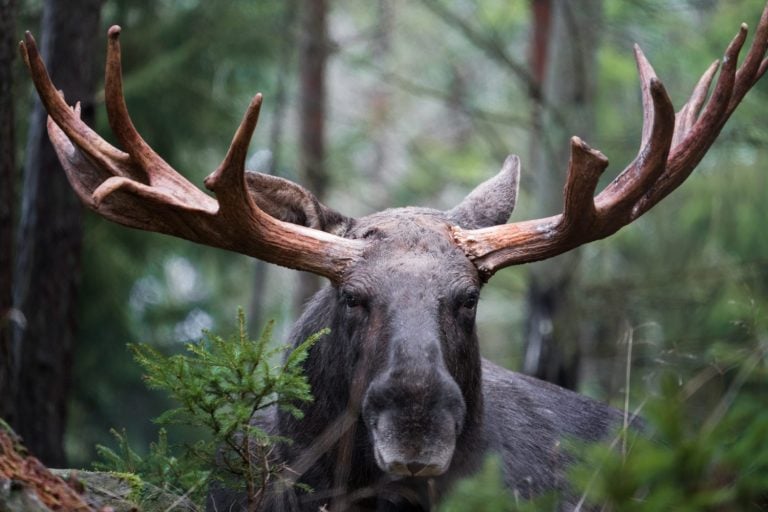
Moose and caribou are the only members of the deer family native to Lake Clark. According to the National Park Service, a fully-grown bull moose can weigh up to 1,600 pounds, while females can weigh as much as 1,300 pounds. While a moose this big is an incredible thing to witness, it’s also something visitors should be wary of.
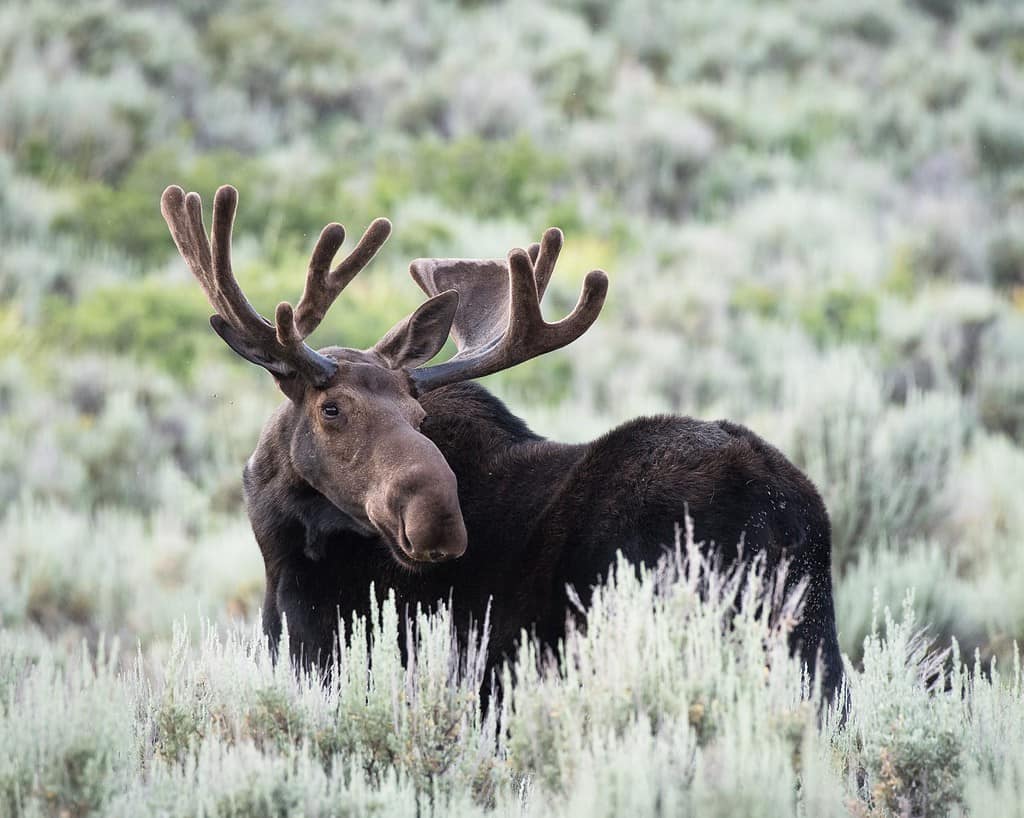
Moose are some of the largest mammals in Lake Clark National Park.
©Justin Crook Photography/Shutterstock.com
Moose primarily inhabit the lowlands between the tundra and forest levels, preferring marshy areas. They eat a steady diet of aquatic and terrestrial vegetation, so they often remain close to bodies of water, such as Lake Clark. Despite their size, they’re keen swimmers and can charge toward a threat without warning. Mating season is from late September until early October, and bulls are particularly aggressive during this time. Additionally, female moose (cows) can be aggressive during late spring and early summer, after giving birth to their calves.
Caribou
Also known as reindeer, caribou inhabit the western part of the preserve. They can be found in the foothills and throughout the tundra plains of Lake Clark. While herd sizes were once enormous throughout the region, they’ve dwindled to only 15,000 as of 2025, according to the National Park Service.
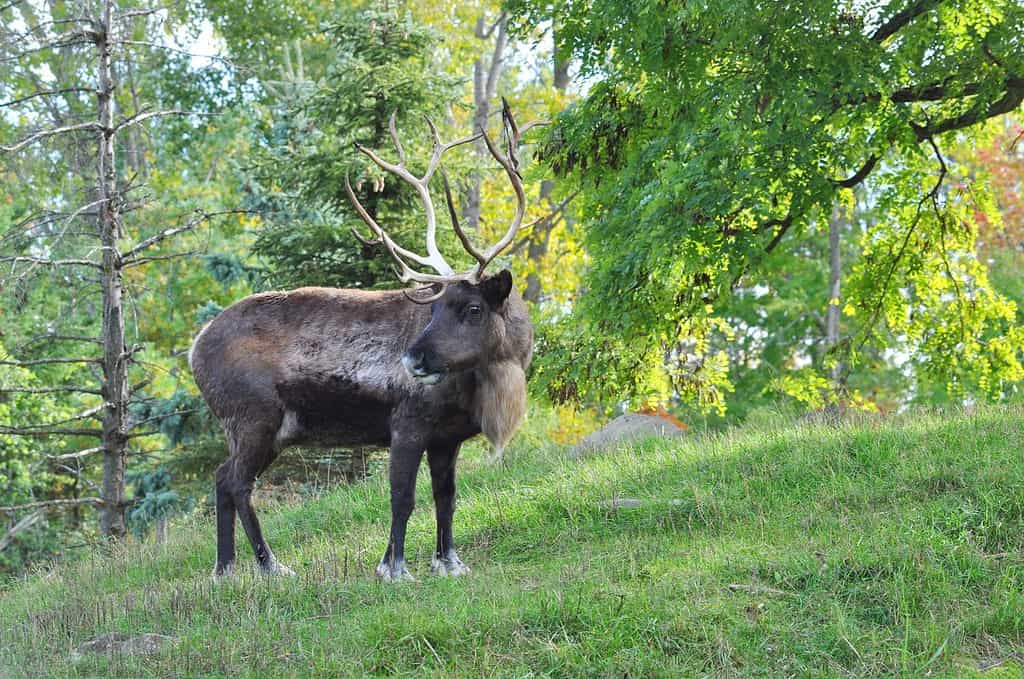
Caribou sometimes wander to lower elevations during the winter in search of food.
©Elizabeth Caron/Shutterstock.com
This makes sightings even more thrilling, especially during the colder months when caribou head to lower elevations in search of food. During the summer, they remain high in the alpine regions to escape the heat and its unwelcome pests.
Lynx
Visitors are less likely to see the elusive lynx, despite it being native to Lake Clark. These big cats inhabit the park’s forested areas, which provide ample coverage from those passing through. Lynxes are primarily active at dusk and dawn and prefer to hunt after dark.
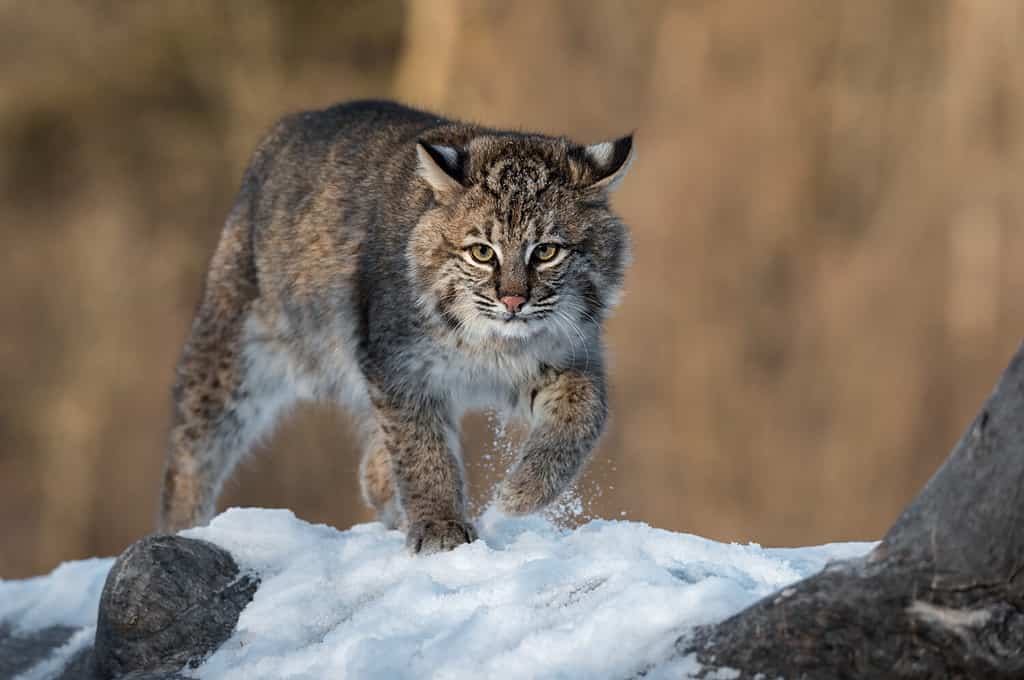
The lynx is an elusive big cat in Alaska’s wilderness.
©Holly Kuchera/Shutterstock.com
They’re tailor-made for Alaska’s snowy, Arctic conditions, and use the weather to their advantage. Their primary prey is the snowshoe hare, which also inhabits the park’s forests and meadowlands. Therefore, the lynx rarely strays from its hunting grounds unless food is scarce.
Wolves
The wolves of Lake Clark are one of its most impressive species. They range in color from gray to brown and can be found in many locations below 5,000 feet. They find easy camouflage in the park’s coniferous forests, where their multicolored coats help them blend into snowy terrain or summer foliage. While biologists are still studying the park’s wolf population, they are abundant, traveling in large packs to hunt, scavenge, and mate.
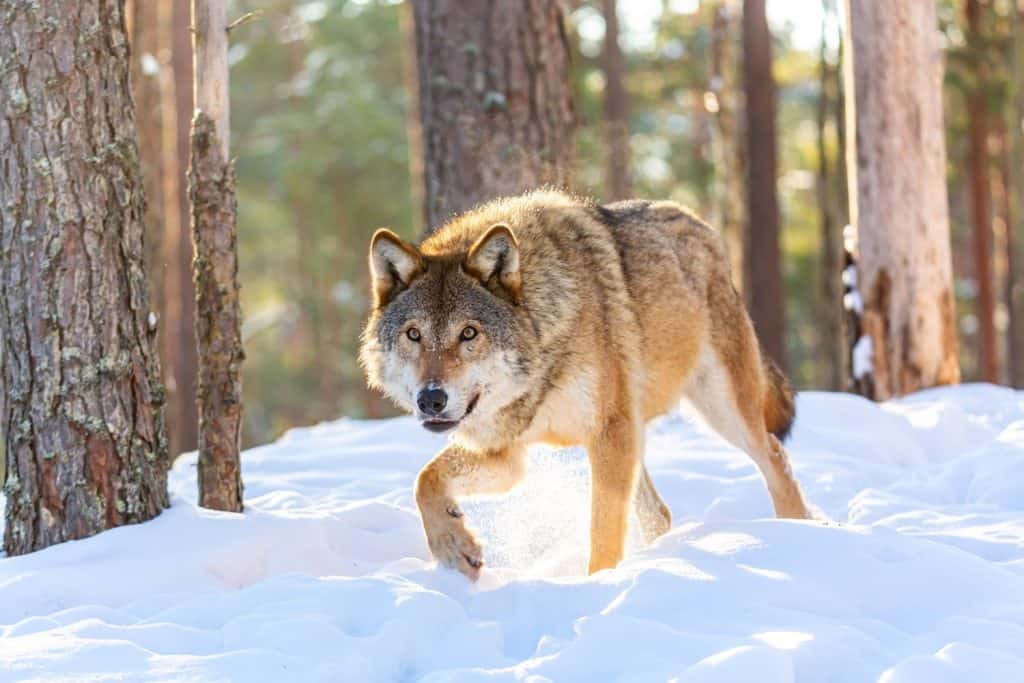
Wolves are skilled hunters and can take down large prey in packs.
©Nick N A/Shutterstock.com
Their role in Lake Clark’s ecosystem puts them higher up on the food chain, where they consume salmon and small mammals and even hunt large prey such as moose and caribou. Visitors aren’t likely to see them, but may hear them howling from time to time if a den is nearby.
Foxes
Lake Clark National Park is home to two species of fox, the red fox and the Arctic fox. While one is easily concealed among the park’s foliage, the other is ideally suited to its Arctic conditions. During the summer, Arctic foxes grow a darker brown coat that helps them blend into their surroundings.
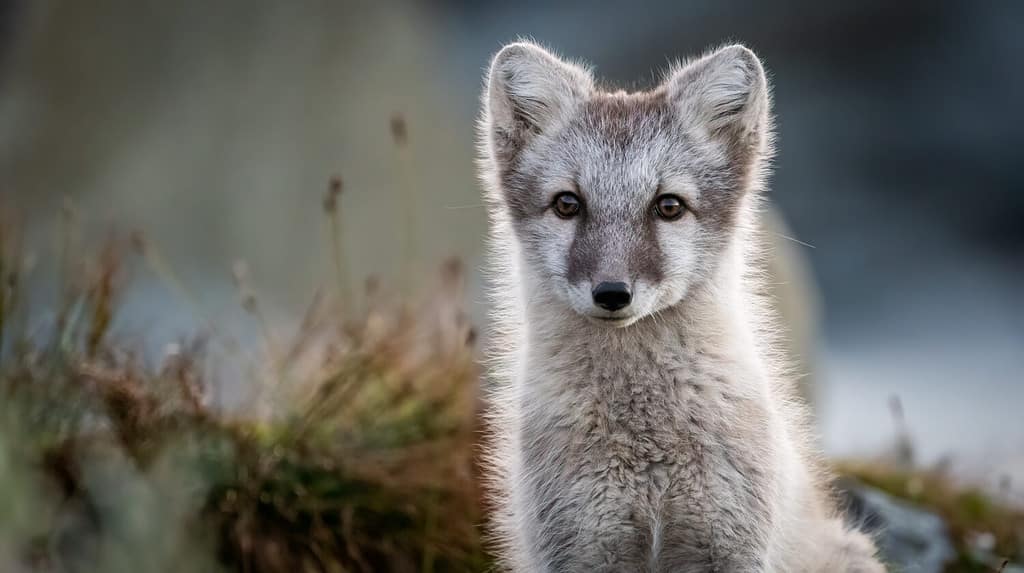
Arctic foxes have some of the best camouflage in Lake Clark National Park.
©Cecilie Bergan Stuedal/Shutterstock.com
While red foxes do not have this ability, they are nimble, agile, and quick to outsmart many predators. Even so, they are both preyed upon by the park’s apex predators, such as wolves and bears.
Porcupine
Porcupines are common throughout Alaska, and they love the spruce trees that grow throughout Lake Clark National Park. The bark of these trees helps supplement their diets, along with that of cottonwood and willow.
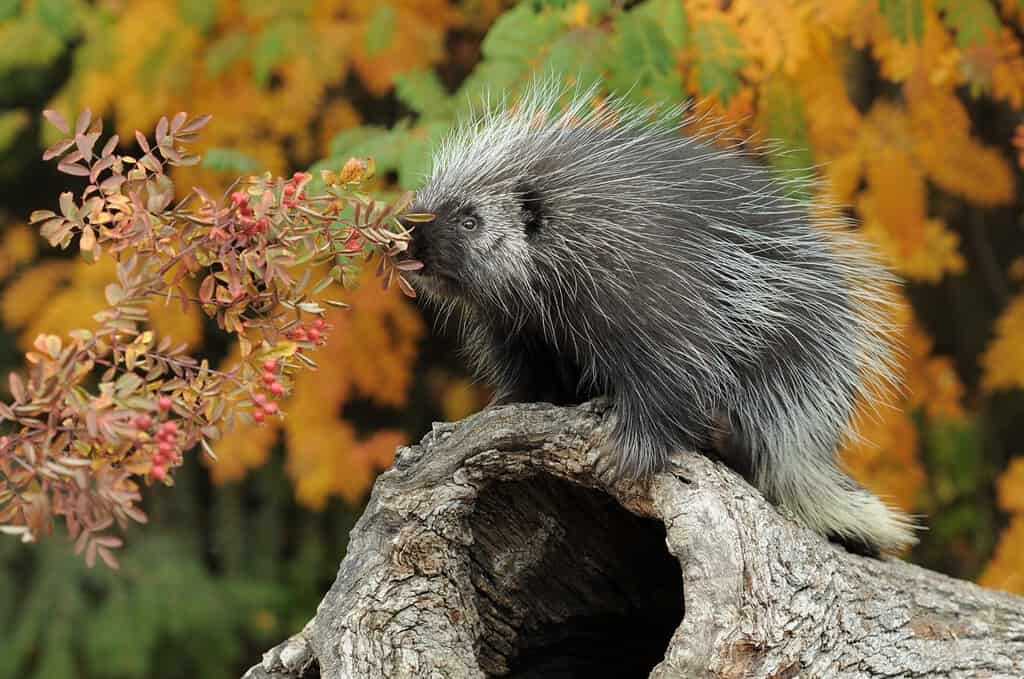
A porcupine’s quills are its best defense against large predators.
©Brian Millenbach/Shutterstock.com
While they can be elusive, hikers can sometimes see them in the park’s forests, shuffling around the bases of trees. They might look cute, but their quills can cause significant pain if a person gets too close. This is an excellent defense mechanism against the park’s predators, but one that visitors want to avoid.
Tundra Swan
Swans may seem like a strange bird to inhabit the Arctic, but the tundra swan thrives at Lake Clark. They attract birdwatchers from all over to witness their graceful descent through the water. Surprisingly, they are one of two swan species that live on these waters.
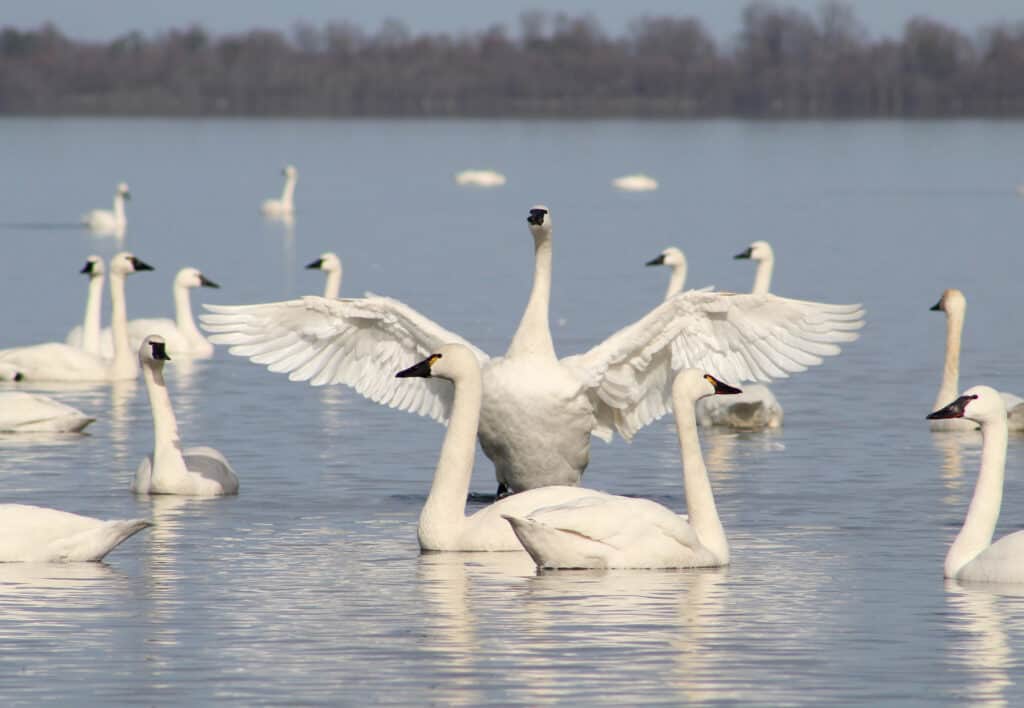
Tundra swans can withstand Lake Clark’s frigid winters.
©hay_mn97/Shutterstock.com
Trumpeter swans can also be found throughout the park, and visitors can often spot them during the fall season. While they look similar, birders can tell them apart by their beak color. Tundra swans have half-black, half-orange beaks, and trumpeter swans have all-black beaks.
Beluga Whale
Lake Clark itself is not home to beluga whales, but they often frequent Cook Inlet, which is accessible via the Johnson River that flows through Lake Clark National Park. Therefore, visitors to the park have a good chance of seeing a beluga whale passing through, depending on the season. Sadly, Cook Inlet beluga whales are endangered, prompting numerous conservation efforts. They are threatened by gold mining activity along the Johnson River, which causes pollution.
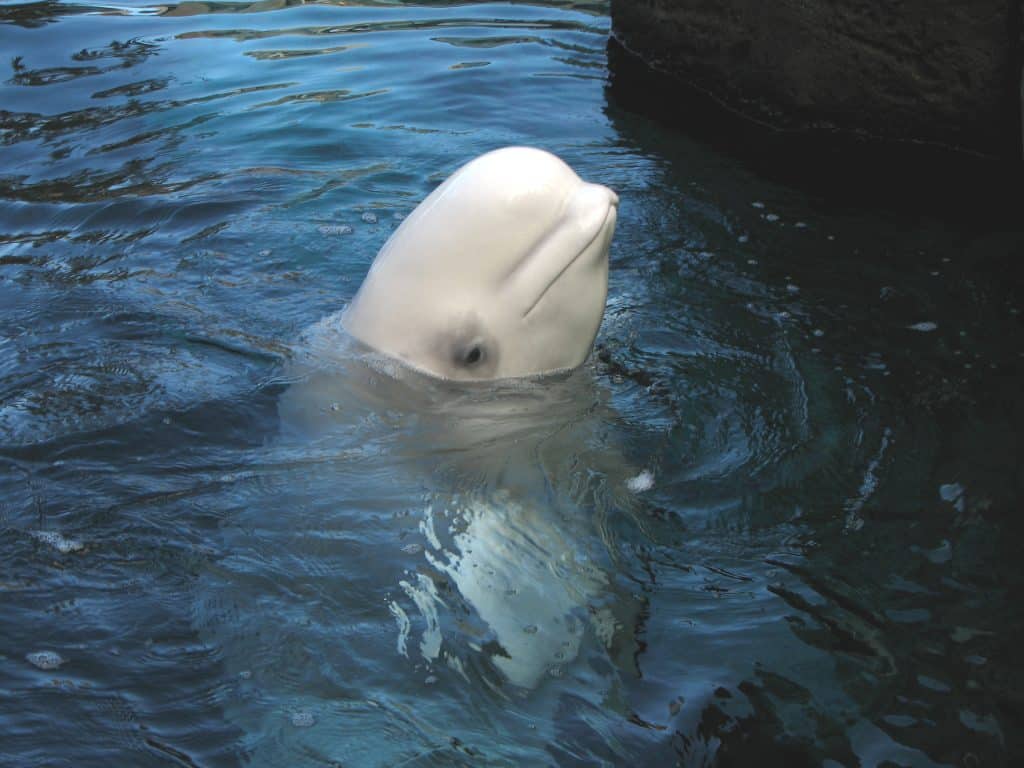
Beluga whales are an endangered species in Lake Clark.
While conservation groups attempt to combat the proposed industrial development, beluga whales rely on the river’s estuaries for foraging. If their food source becomes scarce, it could further harm the native population. In May 2025, a lawsuit was filed to delay mining activity and protect the Johnson River estuary. The impact on future gold mining remains to be seen, but park biologists remain hopeful.
Harbor Seal
Cook Inlet is also home to a native population of harbor seals, which can be observed in the inlet’s shallow bays. Visitors will be happy to know that these seals are out and about year-round. While they live full-time in the saltwater of the Cook Inlet, they often visit neighboring Lake Clark.

Harbor seals are clever, but aren’t afraid to defend their territory.
©jindrich_pavelka/Shutterstock.com
On warm days, they can be found sunbathing out of the water. At other times, they swim in the lake’s shallow water, sometimes playing together. Occasionally, they swim into the lake’s marshlands, which run parallel to the shoreline.
Fish
Lake Clark is home to a significant number of fish species, all of which play key roles in its ecosystem. Many of the park’s mammals and marine animals feed on these fish.
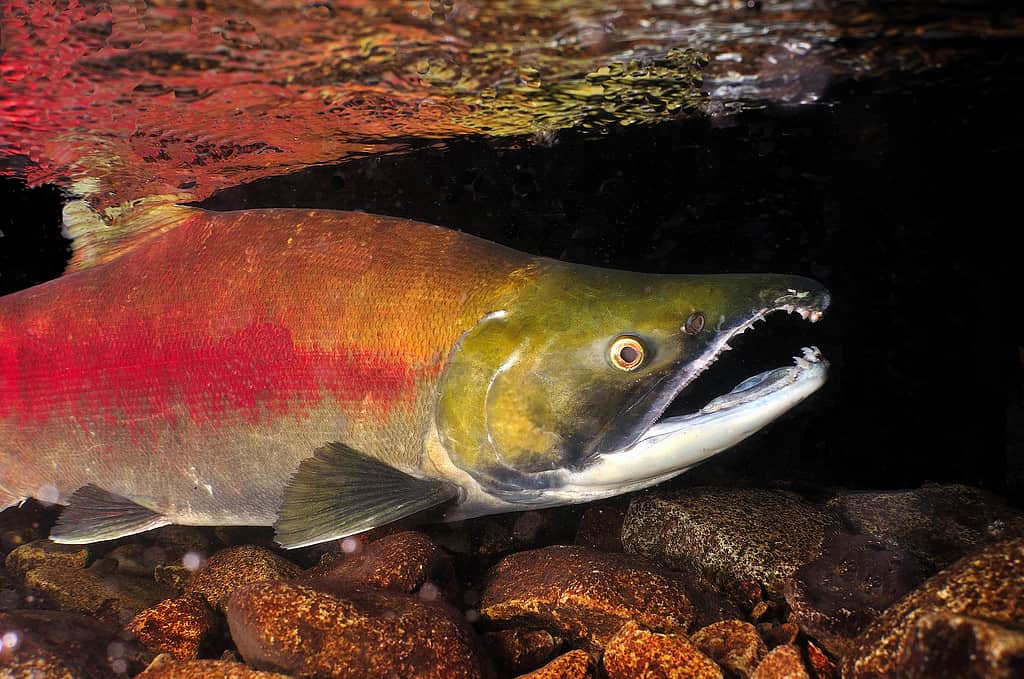
Lake Clark is adjacent to one of the largest sockeye salmon populations.
©Eduardo Baena/iStock via Getty Images
These fish include rainbow trout, northern pike, lake trout, Dolly Varden trout, and, of course, a tremendous sockeye salmon population. Bears and wolves depend on these fish for survival. However, visitors will find the occasional sport fisherman out on the lake in search of the same catch.
Birds and Raptors
The beautiful thing about Lake Clark’s remoteness is how well wildlife thrives in the absence of human activity. This includes the native bird species, which are often easy to spot flying high overhead. A total of 187 bird species call this land home, and it’s a mix of seabirds, songbirds, and predatory birds. Directly on or near the lake, birders can observe mallards, tundra swans, geese, dabbling ducks, red-throated loons, and sea ducks.
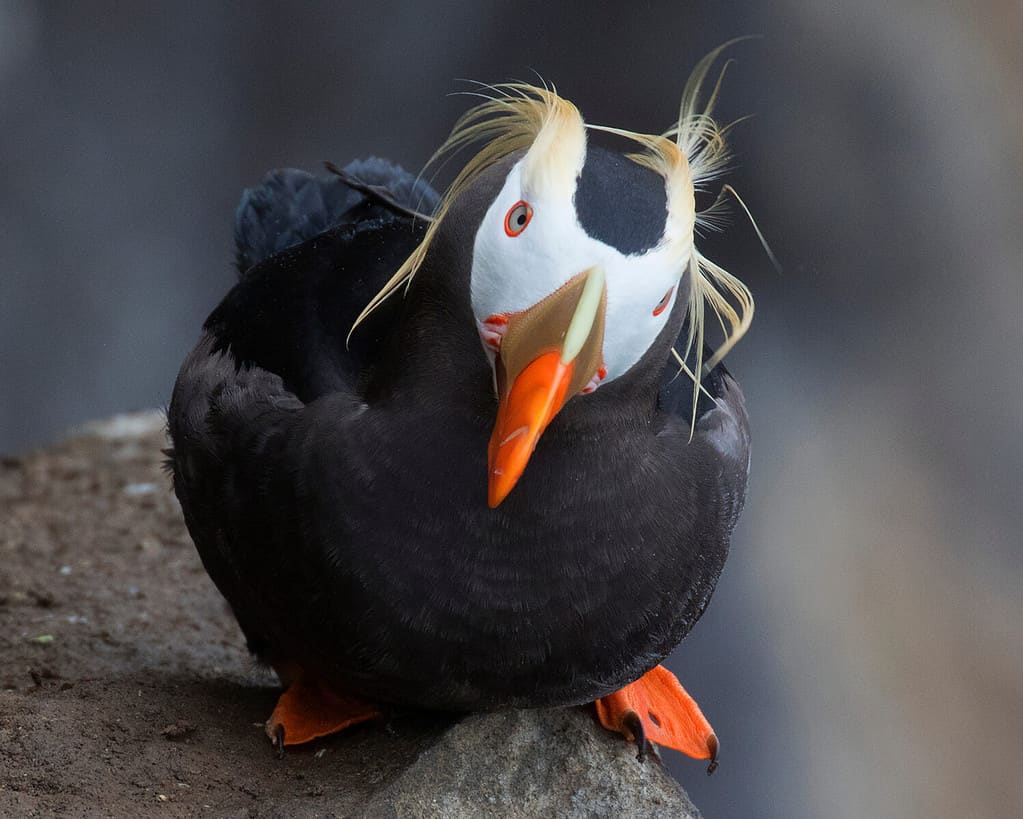
Tufted puffins are a rare sight, but a thrilling one.
©rbrown10/Shutterstock.com
Not far from the lake’s shore, tufted puffins, black-legged kittiwakes, glaucous-winged gulls, and pigeon guillemots can be found nesting in high cliffs and crevices. The golden-crowned sparrow and olive-sided flycatcher are songbirds considered sacred by the native people of Lake Clark and are popular sights for visitors. Raptors, such as the golden eagle, peregrine falcon, and northern goshawk, also soar high above Lake Clark.