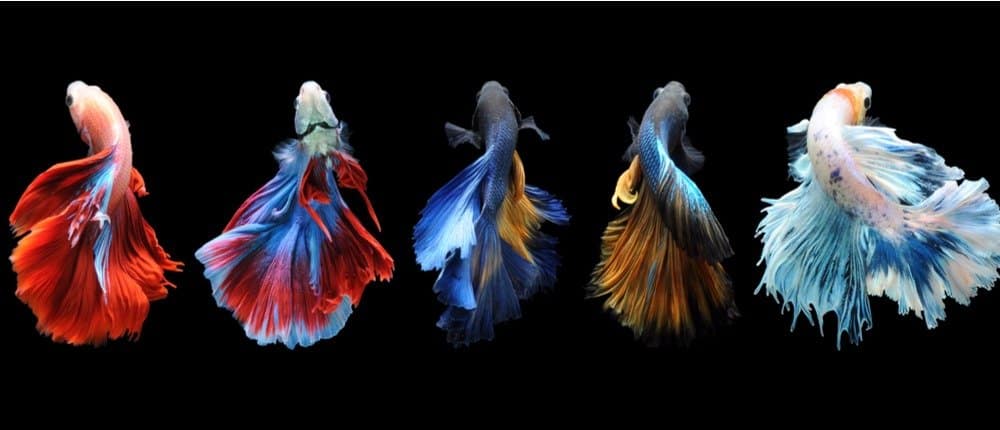

A popular and unique pet, the Siamese fighting fish isn’t a fish that plays well with others. Also known as betta fish, these fish are known for their beautiful fins, colors, and their ability to fight their own kind, but how long do betta fish live?
How long can you expect your Siamese fighting fish to survive? And what is their lifecycle like? If you are looking for ways to increase the lifespan of your pet Siamese fighting fish, you’ve come to the right place!
How Long Do Betta Fish Live?
Betta fish live an average of 2 to 5 years in captivity. The average lifespan of bettas is three years, though some pet owners claim that their betta fish live beyond five years old. However, it all depends on the health of your fish and how well you care for it.
These fish love to live in warm filtered water, though many live in unfiltered tanks and enclosures. The most important part about keeping a pet betta fish? It can’t be kept in a tank with other fish of the same breed.
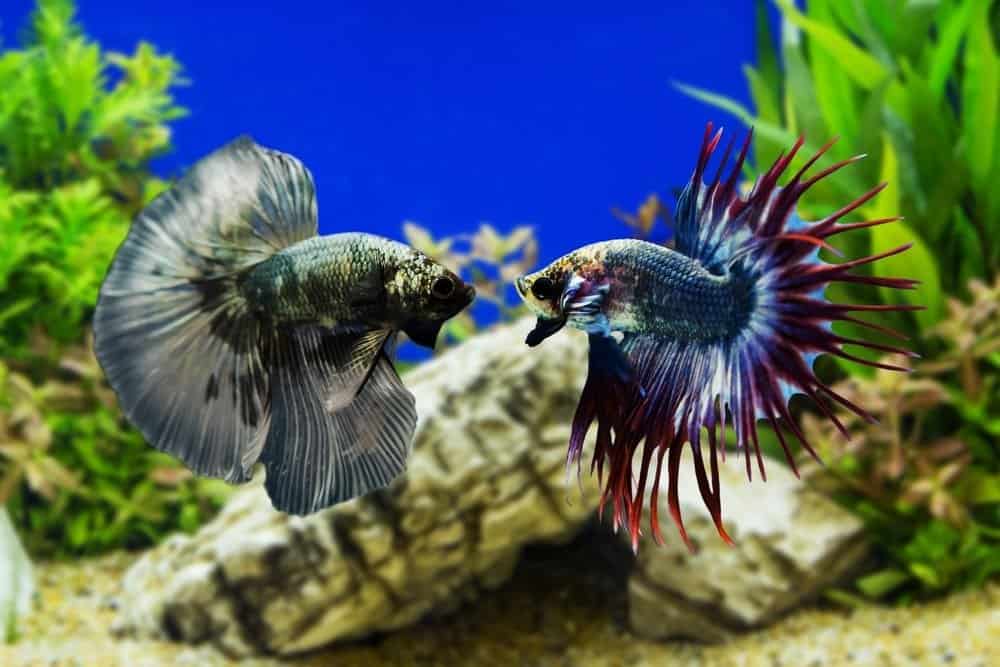
This is because they will fight with one another. In fact, betta fish even attack their own reflections, assuming it to be another fish. This makes the breeding portion of a betta’s life complicated. Let’s talk about that cycle now.
The Average Betta Fish Life Cycle
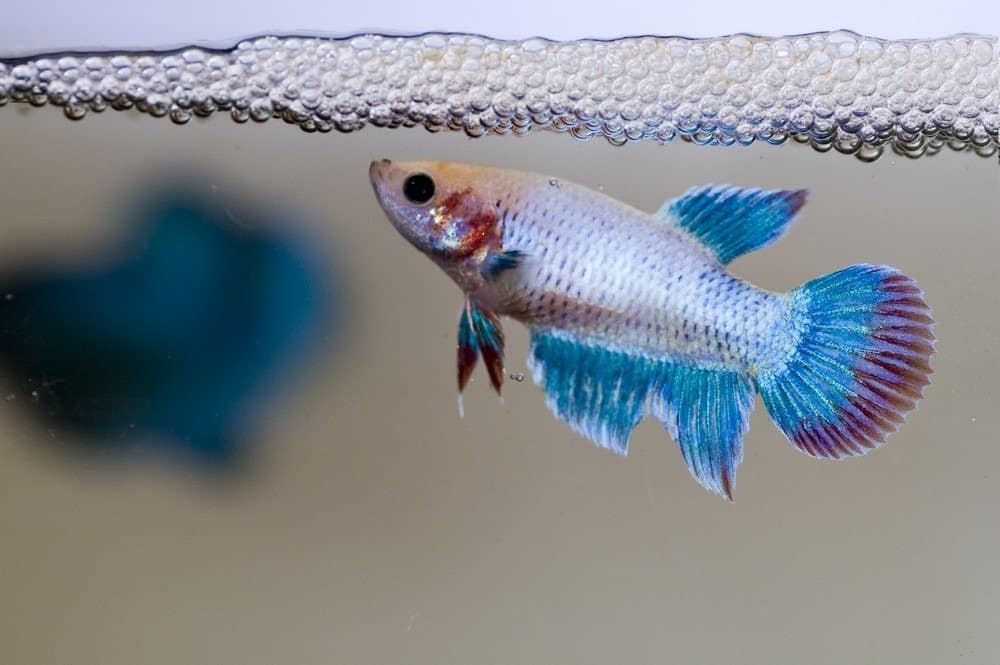
Betta fish live an average of 2 to 5 years in captivity.
©mnoor/Shutterstock.com
Breeding betta fish is easier said than done. Male fighting fish make a bubble nest for their young, and this attracts females to them. They mate, and the male betta carries the female’s eggs into the bubble nest for safety. Once the female is done, she is at risk of being attacked, as males will resume their aggressive behavior as soon as the eggs are safe.
Here’s how a Siamese fighting fish lives once it is hatched from its egg.
Newly Hatched
A Siamese fighting fish hatches within 48 hours of the egg-laying ritual. These tiny babies live near their eggs at the water’s surface and eat the remaining yolk for sustenance. Once they finish eating the egg that they hatched from, their life truly begins.
Baby bettas typically will not fight amongst themselves until they are at least seven weeks old. This is also when they will begin to change color into the beautiful fish we know and love!
Young Bettas
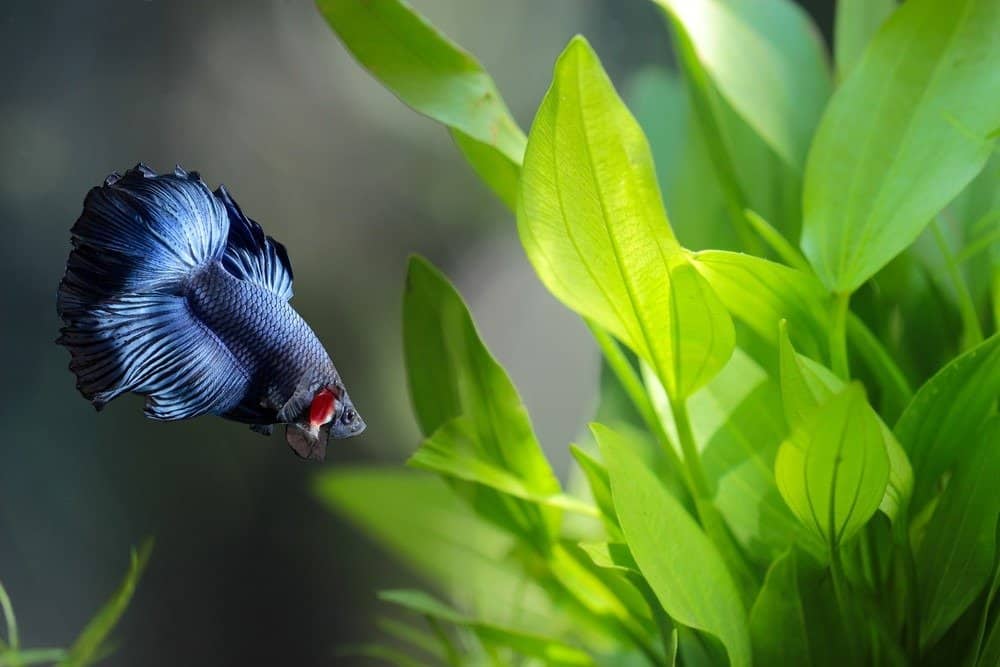
Be sure to separate young betta fish from their siblings once they start showing colors.
©Napat/Shutterstock.com
Be sure to separate young betta fish from their siblings once they start showing colors. They should also have developed their unique form of breathing by now — betta fish have a labyrinth organ that allows them to breathe oxygen at the water’s surface.
Young bettas are mature at three months old. They are usually up to two inches long, with elaborate coloring and tails. Bettas come in a wide variety of tail types and colors, such as half-moon, crown tails, and double tails.
Adulthood: How Long Do Betta Fish Live?
Adult bettas live a solitary life. They are beautiful and lovely fish to keep as pets, if you have the space to dedicate to them. They are capable of recognizing their owners and enjoy following treats or trinkets around in the water.
If properly cared for, your adult betta will likely live for three to five years. Routine tank cleaning, a proper diet, and monitoring their health for any signs of disease will keep your betta alive for the long run. Let’s talk more about giving your Siamese fighting fish a long life.
Tips for Giving Your Betta a Long Life
Routine tank cleaning, a proper diet, and monitoring their health for any signs of disease will keep your betta alive for the long run.
©subin pumsom/Shutterstock.com
There are many steps that you can take in order to give your Siamese fighting fish a long and healthy life. Some of those steps include:
- Give your betta ample room to swim: A five-gallon fish tank is large enough for a single betta, but bigger is better if you have the space for it. Exercise is important for your Siamese fighting fish, and a large tank is an easy way to make sure that they get plenty of it.
- Clean your fish tank often: Even if you put your betta in a large 10-gallon fish tank, it should still be cleaned frequently. Once a week is recommended, but you may want to clean it more than that if it shows signs of algae or buildup.
- Purchase a healthy-looking fish: Bettas are in every pet store around the world, but some bettas look healthier than others. Keep an eye out for a healthy-looking fish, or only purchase a Siamese fighting fish from a store that seems legitimate. Even if you are in love with one particular fish, you shouldn’t buy it if it has wounds or seems unresponsive in its tank.
Keeping Your Pet Betta Comfortable
- Give them some toys: Believe it or not, your Siamese fighting fish can get bored. You can keep your betta entertained by giving them ample toys and live food. Live food allows your fish to chase it and get the exercise it needs, as well as keep your fish entertained. Decorations are also a good idea, such as plants and hiding places for your fish to explore.
- Make sure your fish is warm enough: While betta fish are common household pets, you should make sure that your fish is still warm enough despite indoor temperatures. Most Siamese fighting fish prefer to live in a tank kept between 76 and 81 degrees Fahrenheit, which is much warmer than the average household. Get a heater so that your fighting fish is happy in the long run.