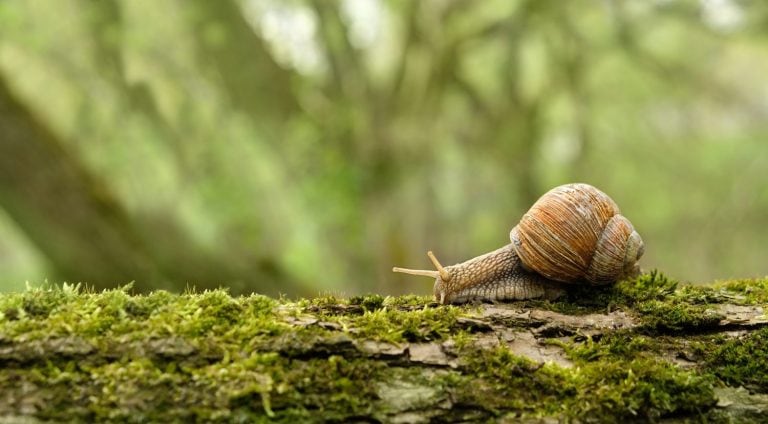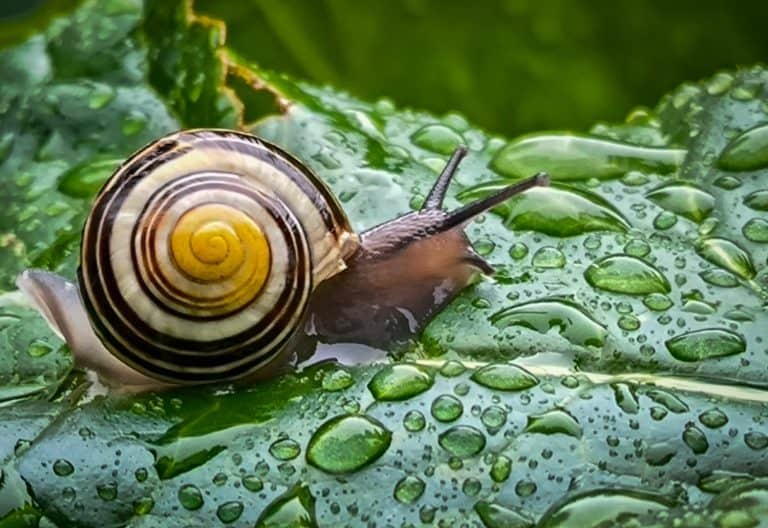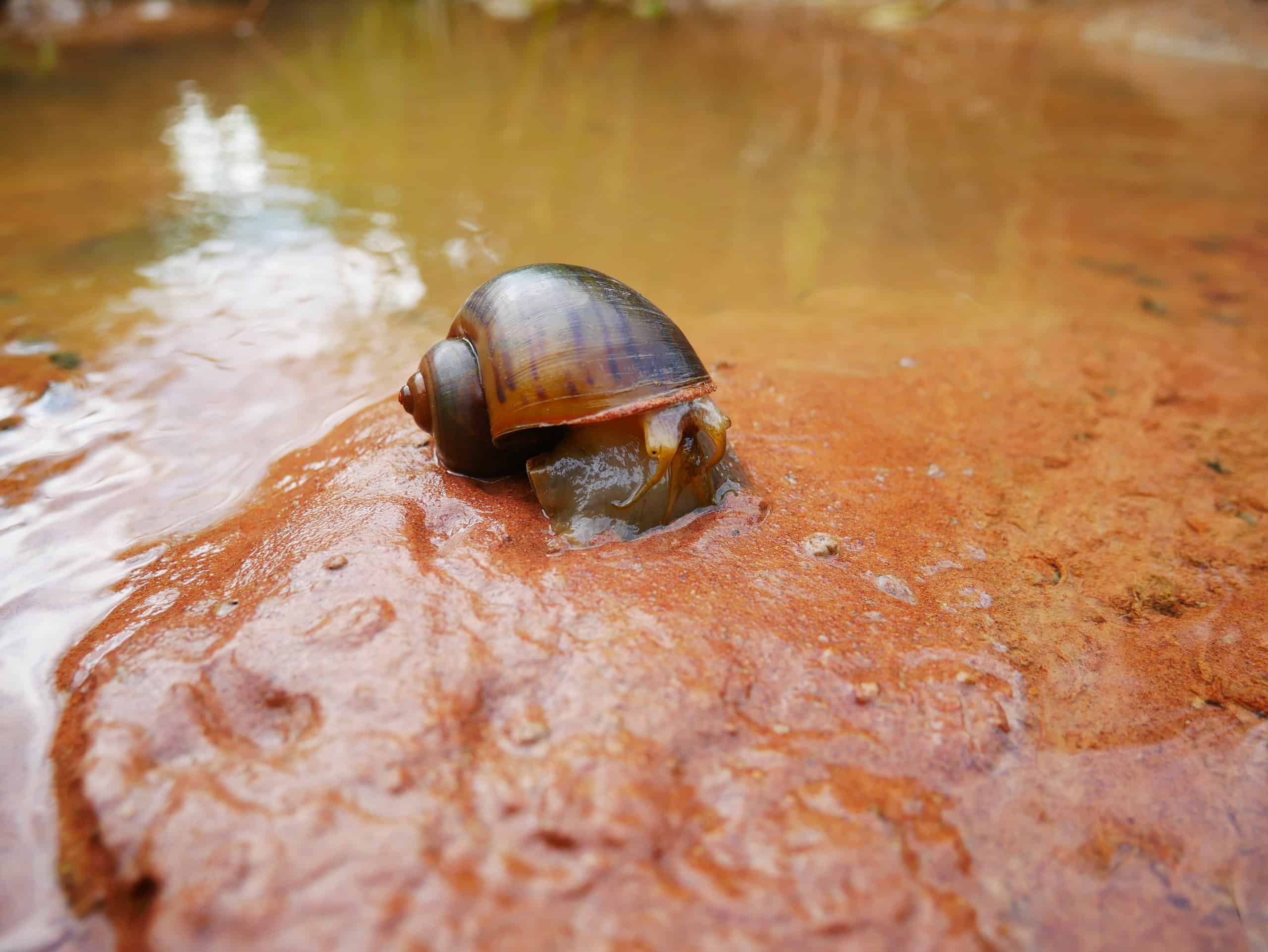

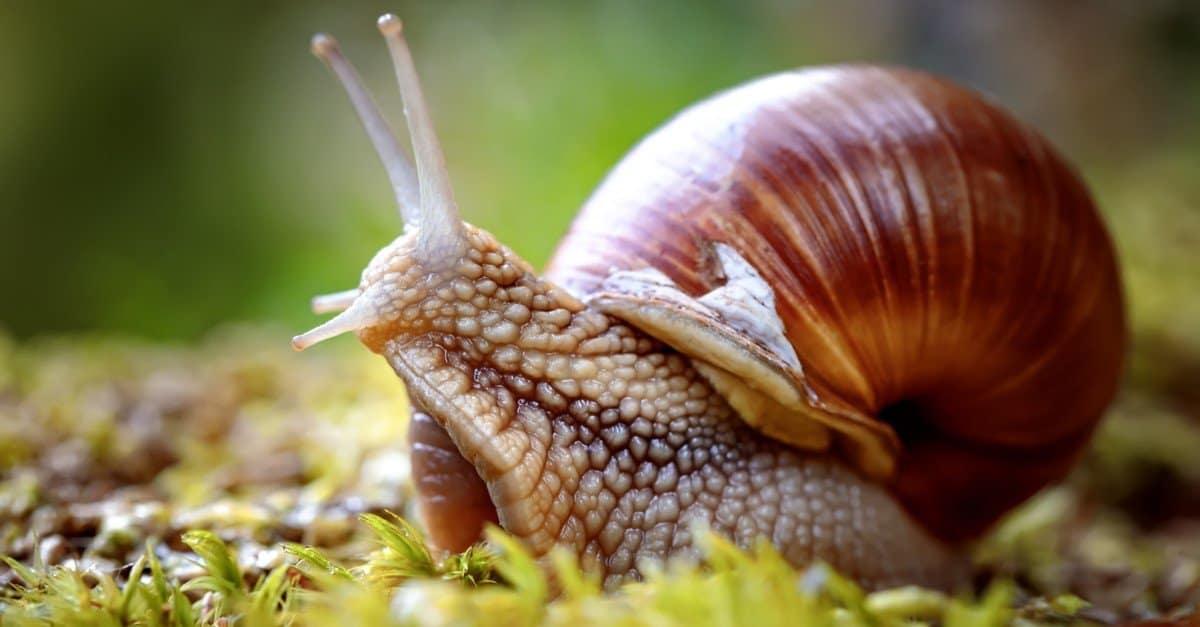
Golden apple snails are known for being one of the most invasive species in the world. Despite the ecological problems they cause , these snails may also benefit us in a surprising way. Researchers believe golden apple snails may hold the key to breakthroughs in human eye regeneration. A research team led by Alice Accorsi discovered that these freshwater snails can regrow fully functional eyes within months of amputation, a finding that could inspire new therapies for vision restoration in humans. Remarkably, the snails have camera-like eyes, similar to those of human’s , making them a promising candidate for eye research.
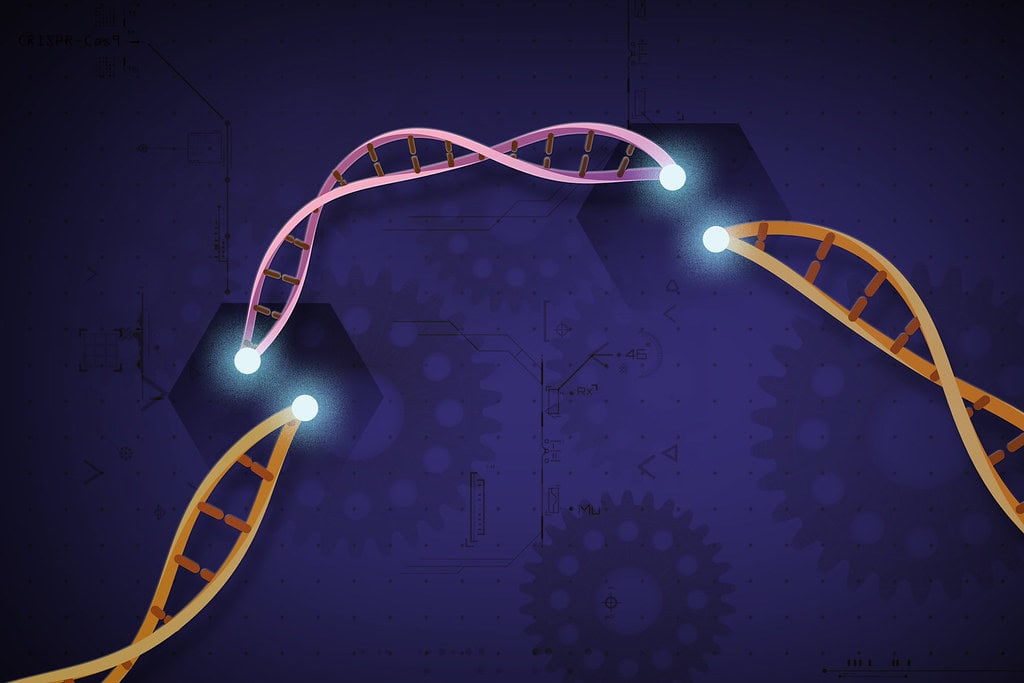
Accorsi’s team used a gene-editing tool called CRISPR to turn off certain genes related to vision in snails. By switching off a key gene called PAX6 , which is crucial for eye formation in both snails and humans, they created eyeless snails. These snails had difficulty moving and eating, showing that PAX6 affects brain function too. This research could help scientists understand how regeneration works at the genetic level and potentially find ways to activate it in humans.
Although human eyes cannot yet regenerate, this discovery offers hope for future treatments for injuries and vision disorders such as macular degeneration. The next step for researchers is to unravel and adapt the molecular “switches” that snails use for regeneration, with the ultimate aim of activating similar repair processes in human tissue.
Golden Apple Snails: An Unexpected Ally
©Serkanyalcinkaya/Shutterstock.com
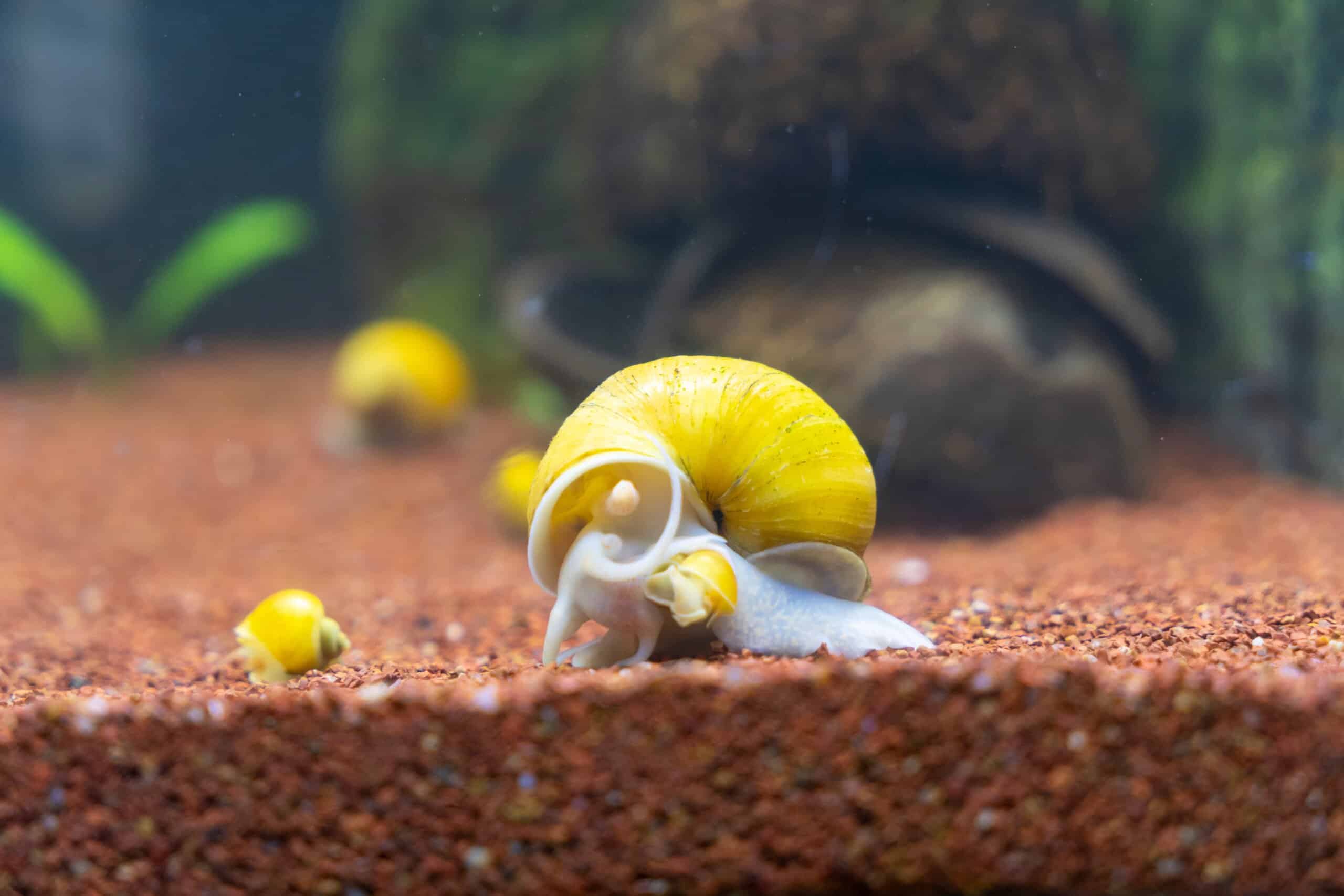
- Golden apple snails are one of the most invasive species our there.
- Scientists discovered these snails can regrow a functional eye within months of amputation.
- Their eyes are structurally similar to human eyes, making them a promising research model.
CRISPR Unlocks Snail Genetics
©"CRISPR Cas9" by National Institutes of Health (NIH) is licensed under PDM 1.0. - Original / License
- Researcher Alice Accorsi used CRISPR/Cas9 to disable key eye development genes in golden apple snails.
- Her work allowed scientists to create genetically engineered snail lineages for eye research.
- The achievement was accomplished in just a few years, much faster than typical model organism development.
The Power of the PAX6 Gene

©vchal/Shutterstock.com
- The PAX6 gene is essential for eye development in both humans and snails.
- Snails without this gene do not develop eyes and struggle with movement and foraging.
- This suggests PAX6 may also play a crucial role in brain development and overall mobility.
Rapid Eye Regeneration
©Nepdar/Shutterstock.com
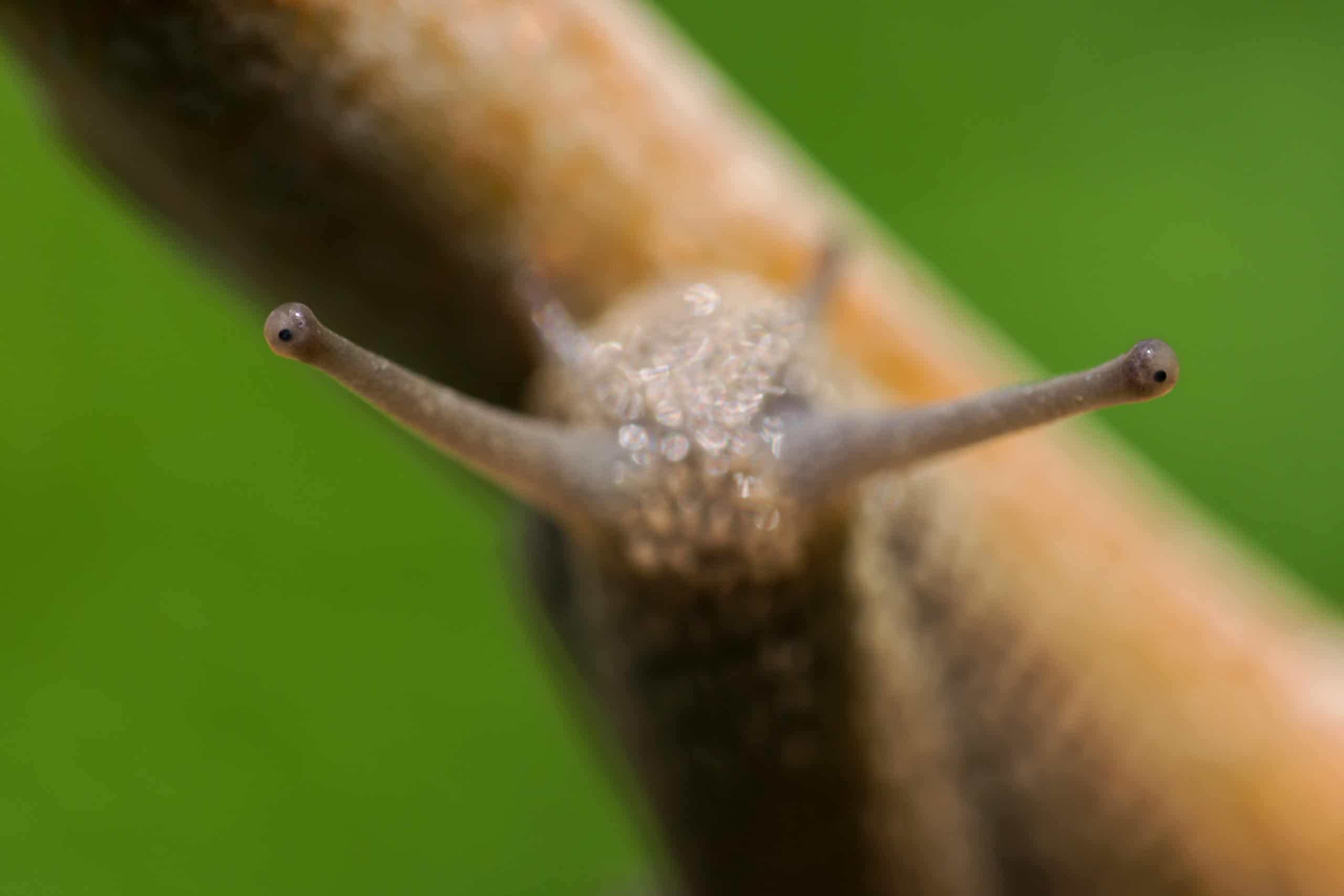
- When a snail’s eye is removed, it begins regenerating immediately and looks nearly normal within a month.
- Full integration with the brain likely takes around three months.
- This rapid regeneration offers a unique opportunity to study neural reconnection and visual restoration.
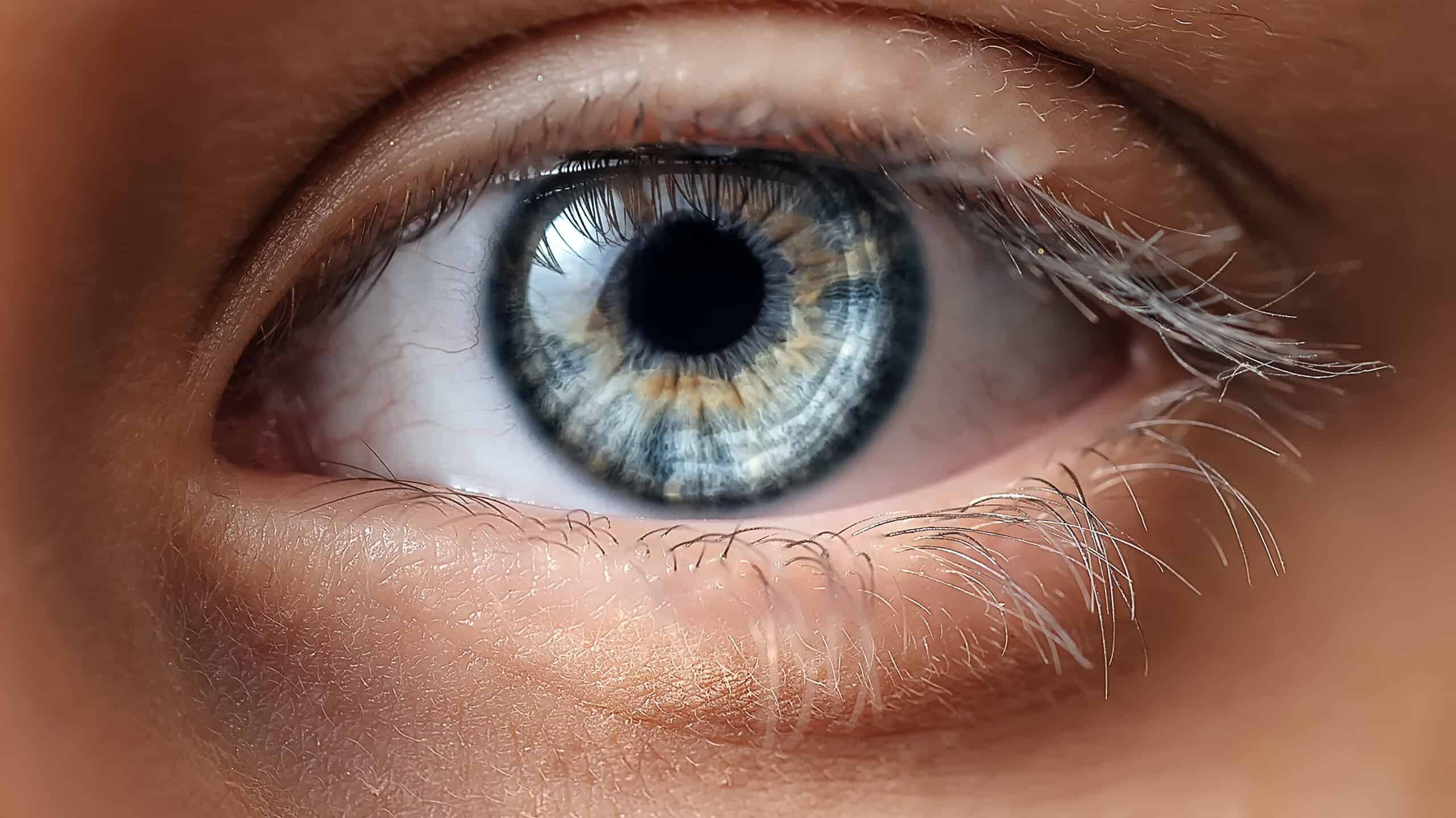
Potential Insights for Human Eyes
©Edgar Martirosyan/Shutterstock.com
- Humans cannot naturally regrow eyes , making this discovery a beacon of hope for future treatments.
- Studying snails’ regeneration could inform therapies for macular degeneration and other eye diseases.
- The challenge is identifying the molecular switches that trigger regeneration and determining if humans share them.
Similar Genes
©Andrey Armyagov/Shutterstock.com
- Snails and humans share many genes involved in eye development.
- Both use similar biological ‘instruments’ but may differ in the genetic ‘conductor’ that initiates regeneration.
- Unlocking these mechanisms could reveal whether humans already possess dormant regeneration potential.
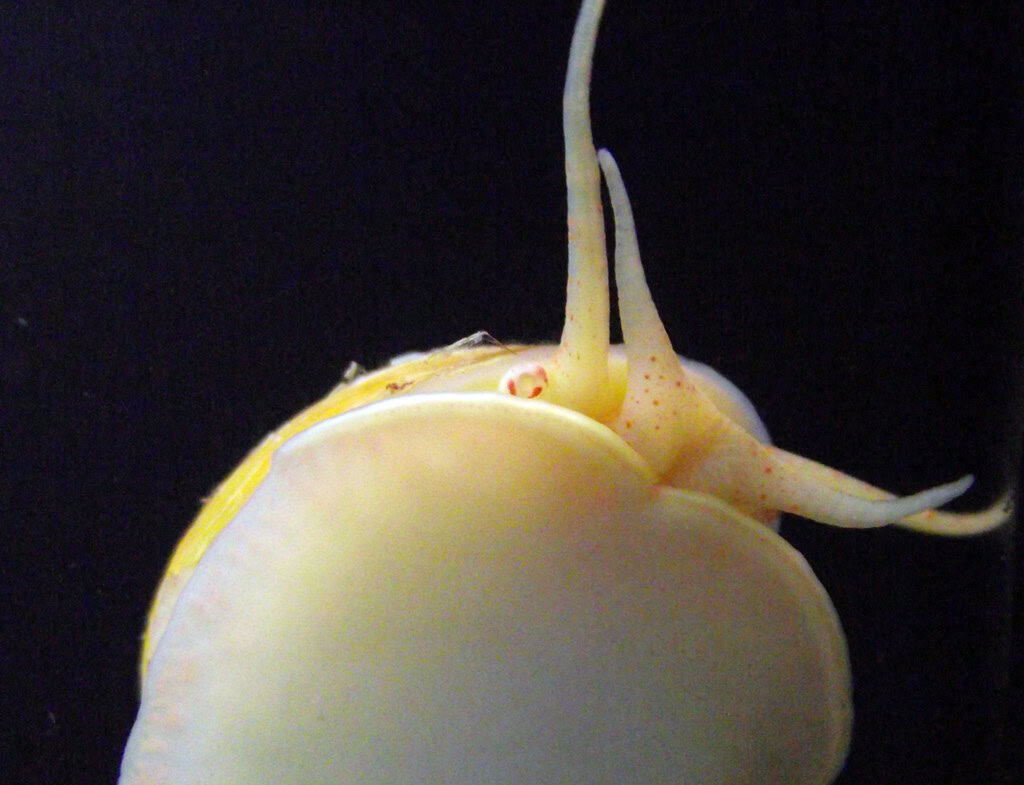
The Future of Regeneration Science
©"golden apple snail" by (: Rebecca-louise 🙂 is licensed under BY 2.0. - Original / License
- Researchers aim to map the genetic aspects of snail eye regeneration.
- Understanding the genetic and molecular sequence could allow scientists to replicate it in humans.
- This knowledge could revolutionize regenerative medicine beyond just vision restoration.