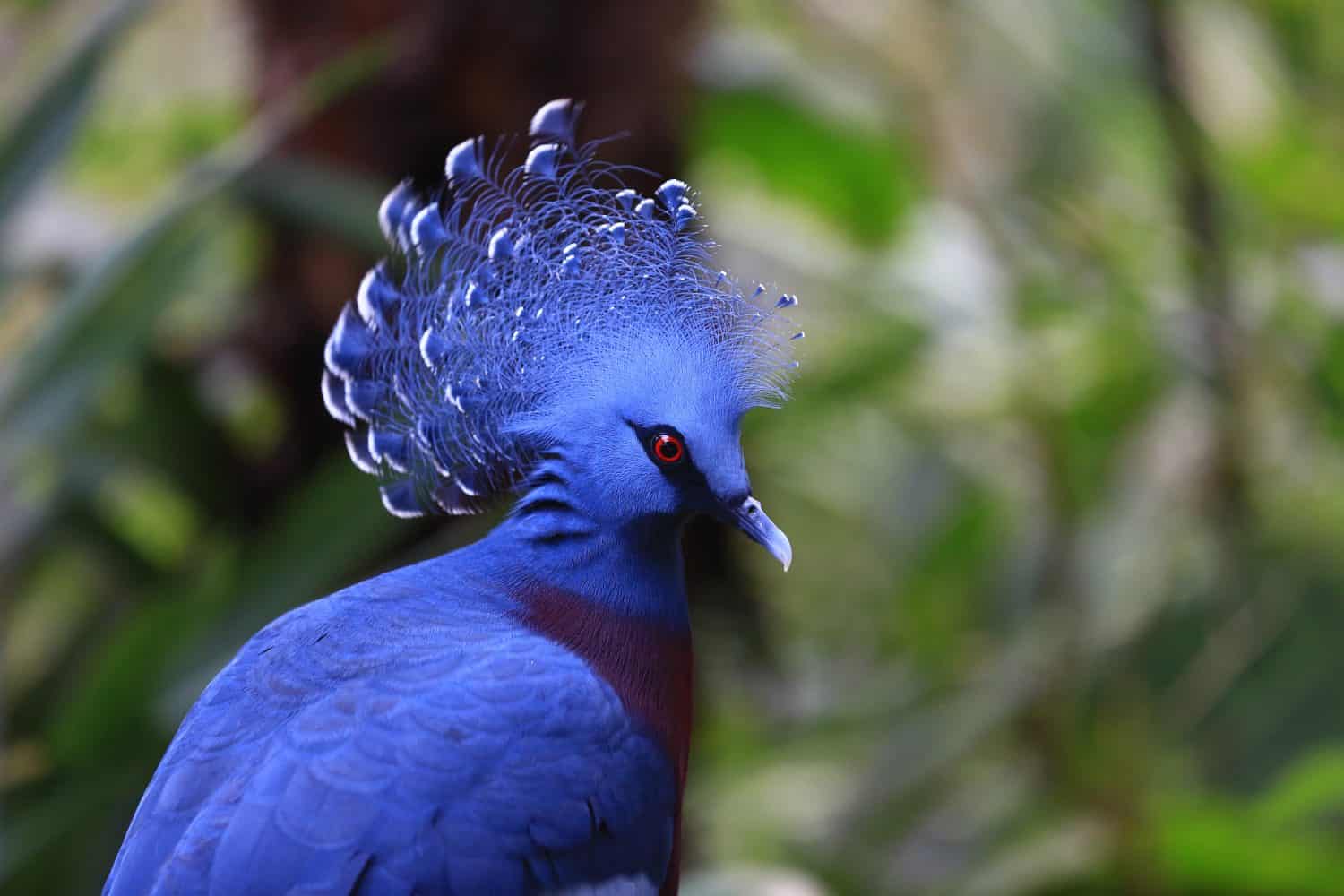

A recent study (Stewart et al., 2024) at the University of Reading, in Berkshire, England, has determined that 500+ bird species across the globe are in danger of becoming extinct within the next 100 years. While 100 years may seem like a long time, from an evolutionary perspective, it is a very short period, which makes this finding especially concerning. The projected rate of extinction is three times higher than the rates recorded over the previous 500 years. The study specifically evaluates how climate change affects species distribution and loss, and how these changes impact global functional diversity—a key indicator of ecosystem health. Continue reading to learn more about the study and the implications of its discoveries.
How the Study Was Conducted

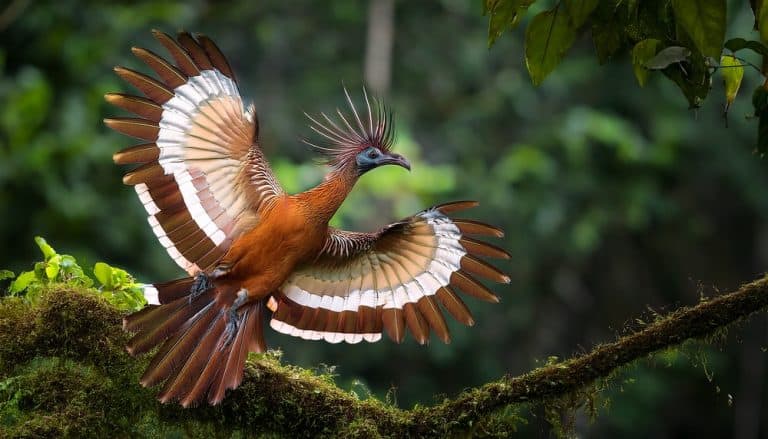
The bare-necked umbrellabird (Cephalopterus glabricollis) is a seed disperser, crucial to the regeneration of forests in Costa Rica and Western Panama.
©Gunilla S-Granfalk/Shutterstock.com
The Stewart et al. (2024) study was entirely computational, using existing data and predictive modeling. The team focused on eight key traits, including beak size, body mass, leg length, wingspan, and tail length, using AVONET, a global open-source database of bird traits. The database, compiled by Alex L. Pigot and Joseph A. Tobias (2022), contains measurements for nearly 11,000 bird species.
The team also used range maps supplied by BirdLife DataZone and NatureServe Explorer to analyze 8,300 bird species worldwide. They then projected range shifts, focusing on two different climate scenarios: RCP 2.6 and RCP 6.0
RCP stands for Representative Concentration Pathway, which describes levels of greenhouse gases in the atmosphere and the amount of resultant radiative damage they will cause by the year 2100. RCP 2.6 is a best-case scenario in which concentrations of greenhouse gases are relatively low and represent a reduction in emissions. In the RCP 6.0 model, greenhouse gases begin to level off by 2100.
Functional Diversity
The team then focused on functional diversity, which informs the health of ecosystems. They looked at bird communities all over the world, using 0.5° latitudinal grids. They measured differences across all bird species within the area in terms of their body shape/size, diet, movement, and ecological role. Are they seed spreaders or insect eaters? Are they ground nesters or arboreal? These are traits associated with functional diversity, which supports ecosystem health. When enough keystone species become extinct, the ecosystem rapidly deteriorates, leaving the remaining species vulnerable.
To understand how these traits might change in the future, the study compared current populations with projected ones under the two climate change scenarios. They analyzed changes in species and examined whether declines in functional diversity were due to the loss of ecologically unique species or simply to a reduction in species number.
Why the Targeted Conservation of 100 Key Species Matters
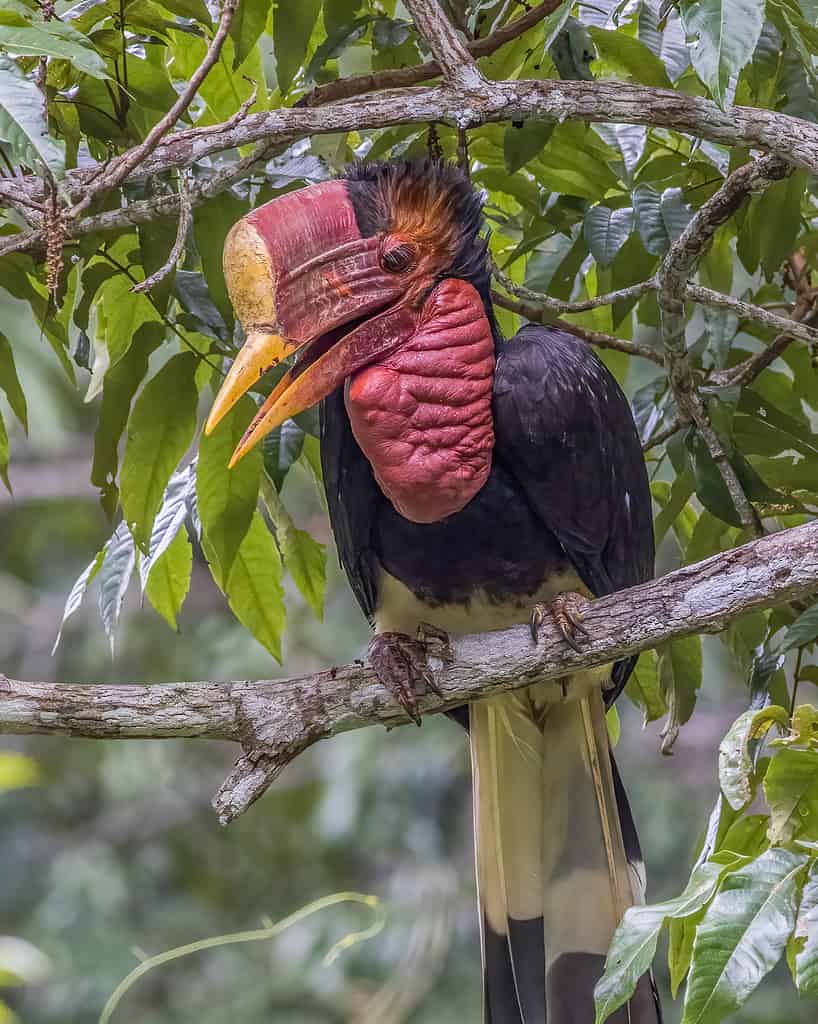
The helmeted hornbill (Rhinoplax vigil) is essential to ecosystems in the Malay Peninsula, Sumatra, Borneo, Thailand, and Myanmar.
©ZakiFF/Shutterstock.com
The study found that even if human activities such as habitat destruction, hunting, and climate change were excluded, roughly 250 species would still become extinct. Ironically, these 250 species are beyond saving without direct human intervention. The study recommends combining threat mitigation with targeted recovery initiatives, such as captive breeding programs and habitat restoration, for the most functionally unique species.
The causes of this projected loss vary among different functional groups of birds. Habitat loss and degradation emerged as the most significant force behind species declines, most notably for birds with broad, rounded wings that are less able to adapt to fragmented landscapes. In contrast, large-bodied birds are disproportionately threatened by hunting, collection, and climate change.
The study highlights the potential loss of ecologically distinctive birds whose extinction would reduce global functional diversity and impair critical ecosystem functions like seed dispersal and pest control. Prioritizing the conservation of 100 of these unique bird species could preserve nearly 68% of global bird functional diversity, which is crucial for maintaining healthy ecosystems.
Researchers Call for Urgent Global Action
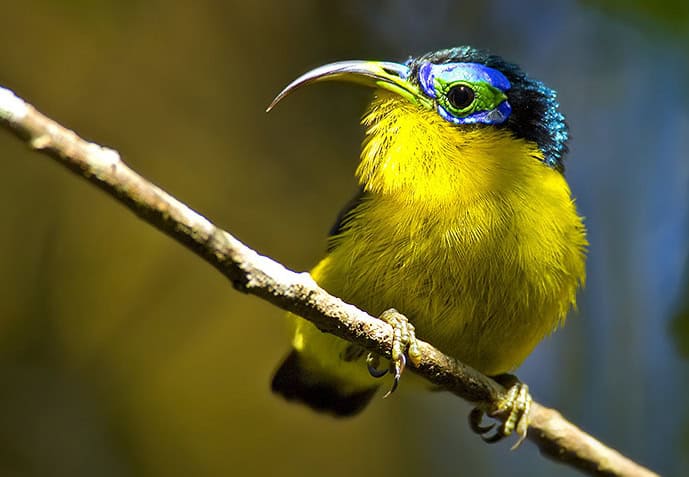
The yellow-bellied asity (Neodrepanis hypoxantha), indigenous to the montane rainforests of Madagascar, functions as a pollinator and seed disperser.
The Stewart et al. (2024) study determined that eliminating threats alone will not save species that are on the brink of collapse. The study concludes that the world is facing a profound and accelerating bird biodiversity crisis, with over 500 species projected to become extinct within the next 100 years if current trends continue.
The findings suggest that many of these losses will not only reduce the number of species but also cause irreparable damage to global functional diversity, the range of ecological roles that birds fulfill, such as pollination, seed dispersal, and pest control. Alarmingly, the study found that even in the absence of human pressures, hundreds of bird species are already on terminal trajectories. The authors stress that conservation must go beyond broad threat mitigation and implement focused recovery strategies. These include targeted protection of highly distinctive species, habitat restoration, and managed breeding programs, to safeguard both avian biodiversity and the vital ecosystem services birds provide.