
When you think of a garter snake or a rattlesnake, do you picture it slithering through the snow in the wintertime? Probably not. Snakes are ectothermic reptiles. This means they don’t maintain their own body temperature. Instead, their body temperature is determined by their environment. So, it seems logical to assume that snakes hibernate in the winter. However, snakes don’t hibernate in the same way that bears and other mammals do. Continue reading to learn how snakes make it through the winter.
The Differences Between Hibernation and Brumation
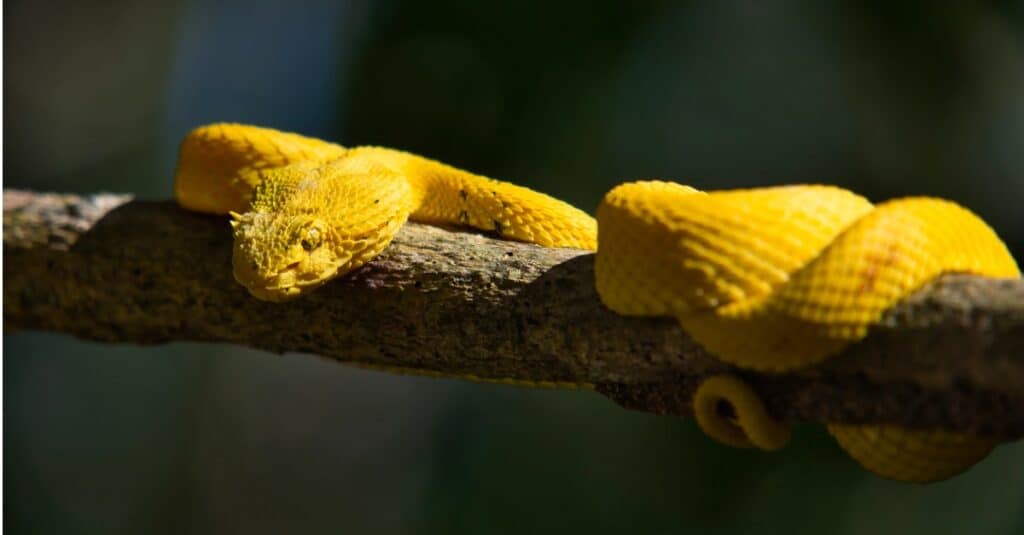
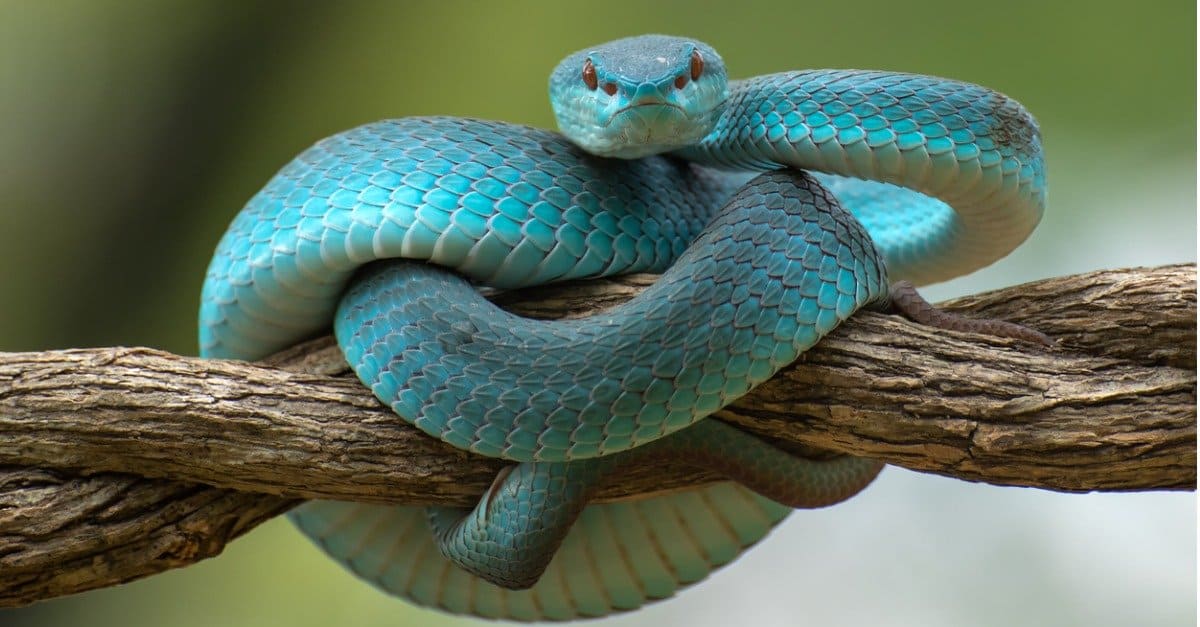
Snakes do not eat more to store fat before entering brumation.
©Fabrice Mieville/Shutterstock.com
Technically, snakes do not hibernate. Instead, they enter brumation in the winter. Snakes must go into this state of partial dormancy to conserve energy when they can’t properly regulate their body temperatures and food is scarce. Though hibernation and brumation are similar, there are some important differences.
When you think of hibernation, you probably picture a bear, a prairie dog, or even a bat. These mammals eat more in the late summer and fall. This allows them to have extra fat on their bodies to use as nourishment while in hibernation during the winter. Hibernation involves sleeping throughout the winter months. Animals in hibernation don’t take breaks or go out to get water or food.
One of the biggest differences between hibernation and brumation is the level of activity of the animal. During hibernation, a mammal sleeps and doesn’t emerge from its shelter throughout the winter. In contrast, during brumation, reptiles may sleep only for short periods and move around in a noticeably slow, sluggish manner due to their slowed metabolism.
What Happens During Brumation?
When a reptile prepares to go into brumation, it doesn’t eat more to store up fat on its body. Instead, it builds the supply of glycogen or sugar in its system. Glycogen keeps a snake’s muscles in good condition so it’s ready to come out of brumation when the temperatures warm up in the spring season.
As the winter season gets closer, a snake eats less and less. Their digestive process is aided by the warm temperatures. So, as temperatures drop, they know the less they eat, the less time it will take to digest it. This is important, as a snake that takes in too much food as temperatures drop is left with food sitting in its stomach. Unfortunately, a stomach full of undigested food can rot and kill the snake. Once again, the reptile’s instincts guide it to do what is necessary to survive the cold winter months.
During the brumation period, the reptile sometimes makes an unexpected appearance. On sunny, warm days in the winter, it’s not unusual to see a snake out sunning itself on a rock. Remember, this reptile is ectothermic. This means its body temperature depends on the temperature in the environment around it. So, when the sun is out and the temperature is warmer than usual, this reptile sees an opportunity to warm its body even in January.
When Do Snakes Go Into Brumation and How Long Does It Last?
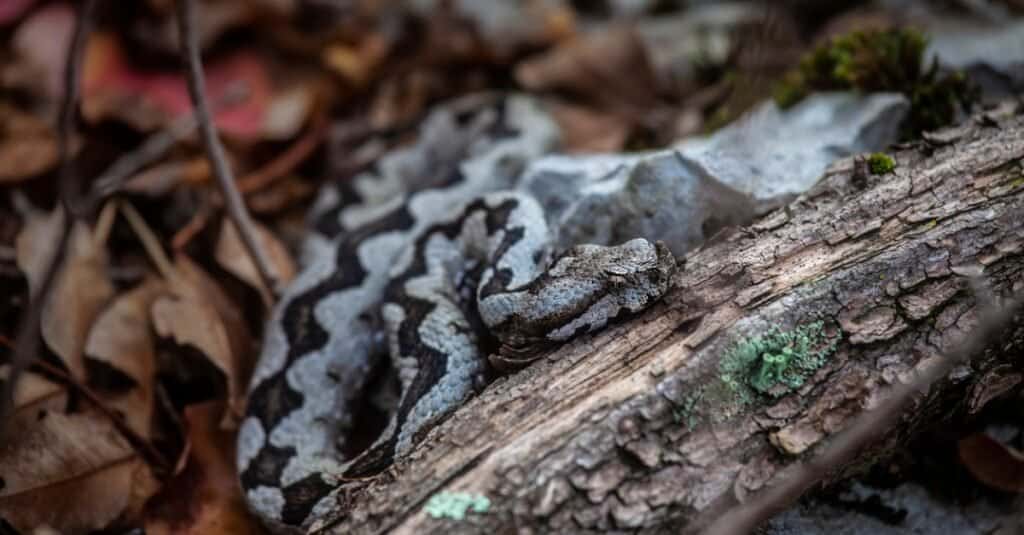
There is no specific time for when and how long snakes go into brumation.
©iStock.com/premat
There’s no specific date when all snakes go into brumation. Like many other animals, this reptile relies on its instincts to tell it when to seek shelter for the cold weather months. When it detects a drop in temperature and changing amounts of sunlight, it knows to go into brumation.
The duration of brumation is influenced by the climate and the altitude. For example, in colder areas, brumation could begin as early as September and last through March or April. A snake in warmer climes may come out of brumation in a matter of weeks. Snakes that live at higher altitudes will also experience longer periods of brumation compared to those that live at lower altitudes.
Shelter During Brumation
When it’s time to brumate in the winter, snakes look for cover of all types. A pile of sticks, a crevice between rocks in a wall, or beneath a pile of mulch are all examples of places where snakes go in the winter. They look for a place where they won’t be disturbed by animals or people while in such a weakened, sluggish condition.
Some snakes spend their brumation period in dens. A den is a small space, usually with a narrow opening that only a reptile could navigate. A den may be located in a rocky hillside, under the foundation of a building, or even beneath a set of outdoor steps. Snakes may even share space with other snakes. Garter snakes are notorious for going into brumation in large groups. This is called communal brumation. There are even different species of snakes that brumate together. Black racers and rattlesnakes have been found wintering in the same place.
While some snakes choose a convenient place in their habitat as a winter shelter, others have a more specific location in mind. For instance, when it’s time to go into brumation, a timber rattlesnake travels back to the den where it was born to take shelter from the cold weather.
A source of water, such as a stream or pond, is a common feature found near a snake’s den or other winter shelters. A snake in brumation must have access to water, or it will become dehydrated during the winter months and die.