
Quick Take
- One tiny fish survives by living alongside sharks, eels, and groupers, and its strategy for doing so involves cleaning. Meet the cleaner wrasse →
- A nearly blind shrimp has figured out how to safely navigate a world full of predators by using a surprisingly clever workaround. See the shrimp's workaround →
- Some of Africa's most vulnerable prey animals have found a defense system by teaming up with a completely different species. Explore the Africa alliance →
- One tree has recruited an entire army to protect it, and the soldiers are far more aggressive than anything you'd expect from their size. Meet the ant army →
In the wild, survival can depend on having someone watching your back. Many animals form partnerships where one species provides protection in exchange for some benefit, be it food or shelter. Some aggressively defend their teammate from danger, while others act as lookouts, audibly alerting when danger is near. Here are eight of nature’s most impressive bodyguards.
1. Sea Anemone: Accidental Bodyguards
©Alex Stemmers/Shutterstock.com
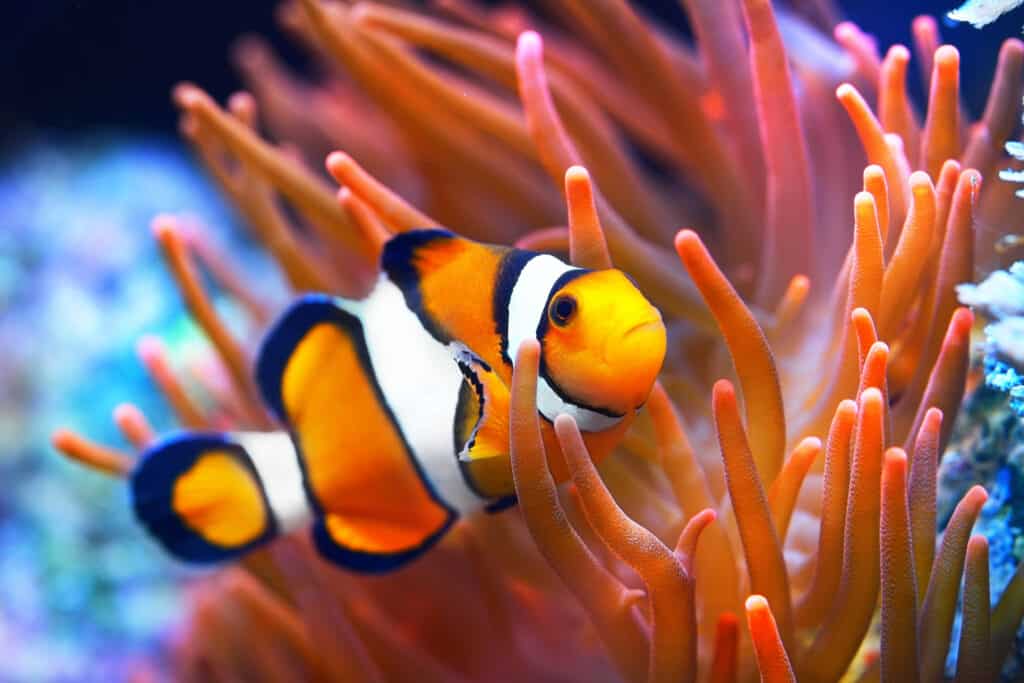
Clownfish are small, but they form a partnership with the intimidating sea anemone. The anemone’s stinging tentacles are capable of killing most fish, but not clownfish. A special mucus coating protects clownfish from these deadly stings, meaning they can swim freely alongside the anemone. The larger creature acts as a bodyguard, warding off clownfish predators. In return, the clownfish act as efficient little assistants. They chase away annoying butterflyfish and other creatures that nibble on the anemone, clean debris, and even help with water circulation by constantly swimming through the tentacles. It’s a truly unique friendship.
2. Acacia Ants: Tiniest Army
©cpaulfell/Shutterstock.com
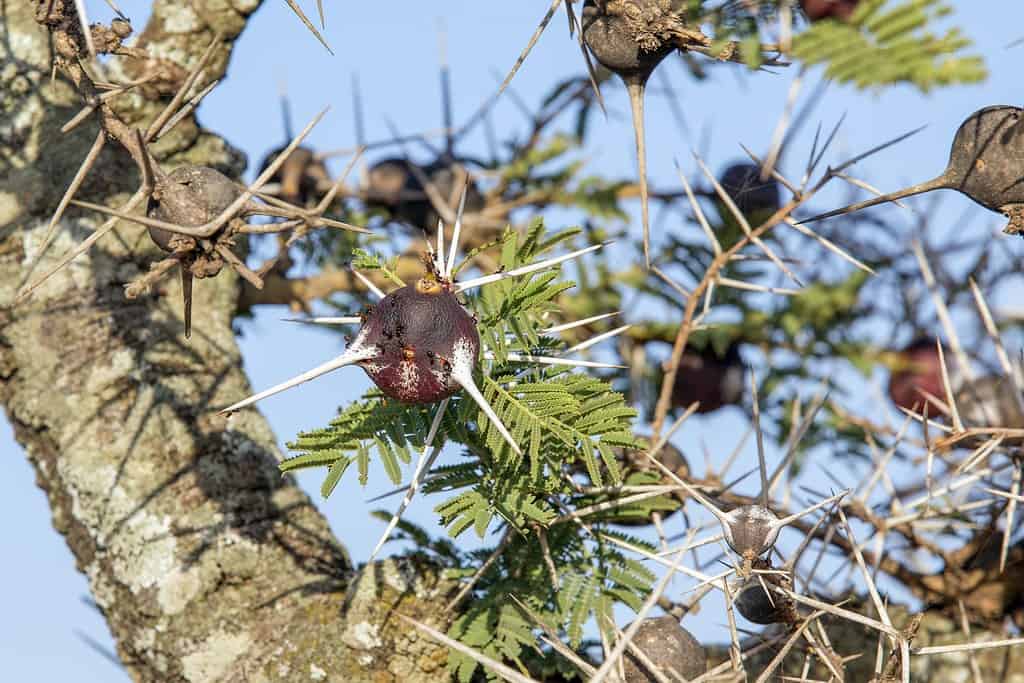
Some species of acacia trees have entire colonies of ants as their personal security. The tree acts as both a home and a food source to the insects, providing hollow areas for shelter and making nectar that feeds the ants all year. In exchange for these lifesaving resources, the ants attack pretty much anything that tries to damage the tree. Hungry insects, curious mammals, and even nearby plants that compete for sunlight are quickly driven away. For such small critters, they’re fearless bodyguards.
3. Oxpeckers: The Security System That Also Provides Pest Control
©Nwdph/Shutterstock.com
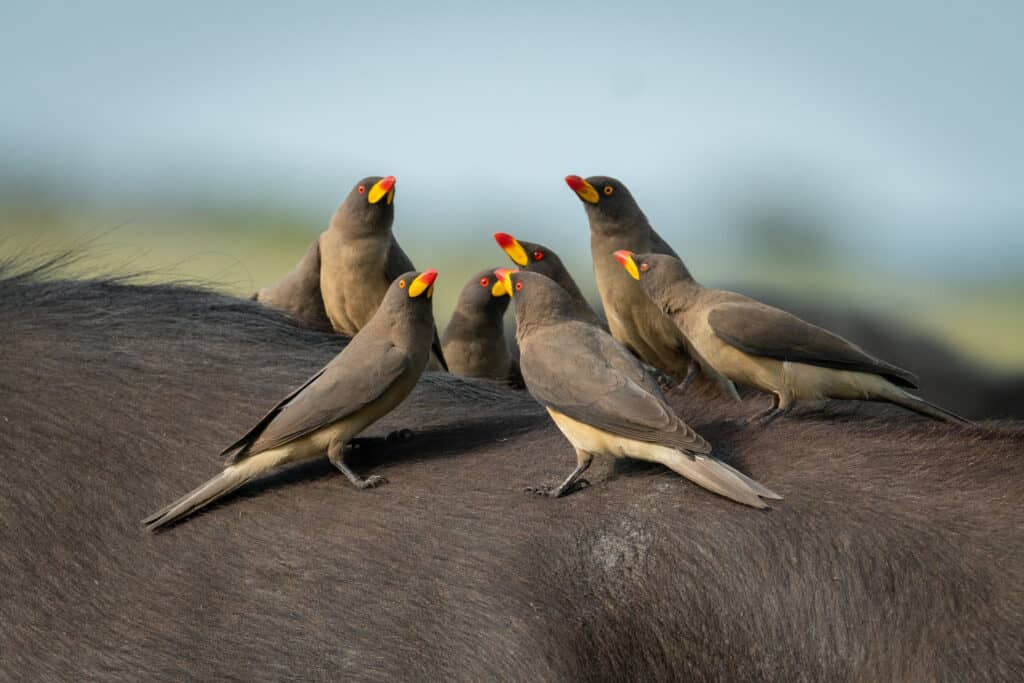
Oxpeckers ride on large mammals like rhinos, buffalo, giraffes, and zebras. They remove ticks and other parasites from their generous hosts, but their most important benefit is defensive. The little hitchhikers act as early warning systems. With their impeccable eyesight, oxpeckers spot danger before the larger animal does, emitting loud calls to alert the host animal. The mammal can then quickly escape to safety. However, because the larger animals likely help ward off oxpecker predators, it’s hard to know who is guarding who. Regardless, the birds provide both pest control and an alarm system.
4. Goby Fish: The Watchful Tenant

©Osama Abuassonon/Shutterstock.com
The pistol shrimp is almost entirely blind, making it an easy target for predators when it’s forced to leave its burrow. Fortunately, it finds an ally in the goby fish. The little fish acts as a lookout, in exchange for free room and board. The shrimp strategically keeps one antenna touching the goby while digging and maintaining their shared home. The goby watches attentively; if it spots danger, it flicks its tail, signaling both creatures to go underground immediately.
5. Marine Apex Predators: Protecting the Janitor
©Daniel Lamborn/Shutterstock.com
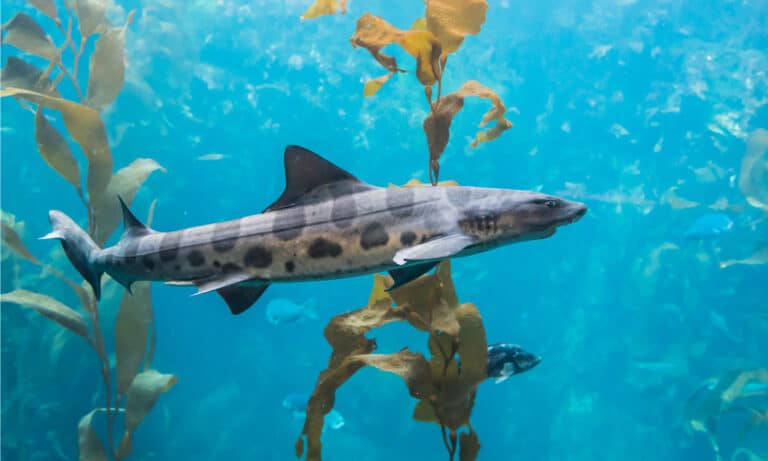
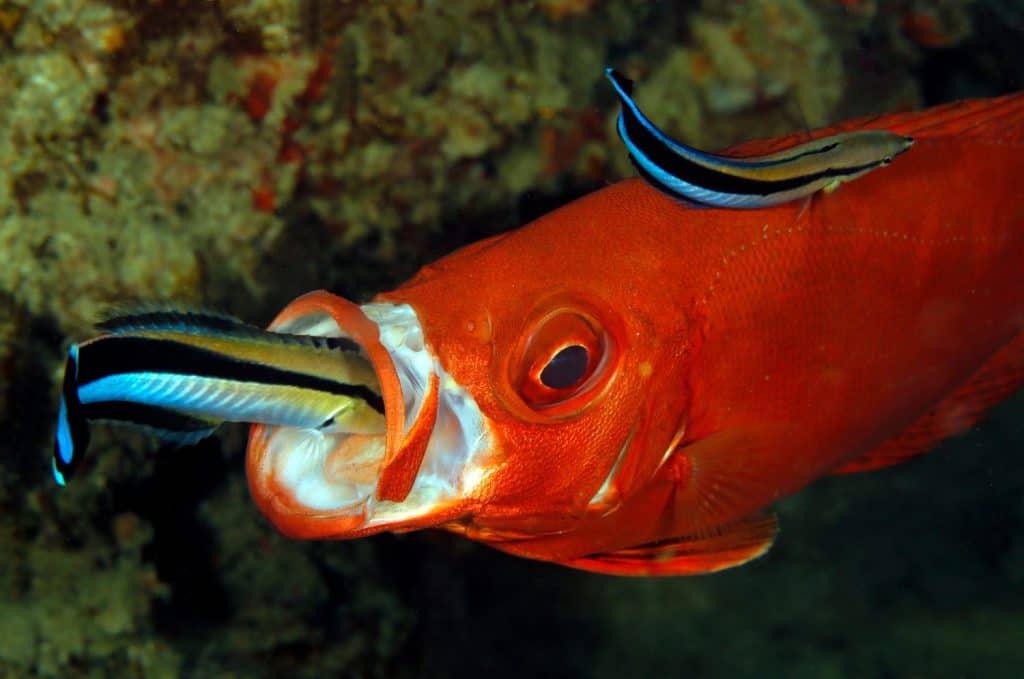
Cleaner wrasse form trusting relationships with some of the ocean’s largest predators, including sharks, groupers, and moray eels. Predators agree not to eat these small fish while also providing them free meals. The fish act as the janitorial staff in a sense, removing and consuming parasites, dead skin, and bits of food from their clients, which voluntarily stay still during the cleaning process. Cleaner wrasse also help keep wounds clean, reducing the chance of infection. Their services are incredibly valuable. And because the tiny fish spend most of their time near apex predators, their enemies are discouraged from coming too close.
6. Meerkat: Standing Sentinel
©iStock.com/Augustine Fernandes – Original
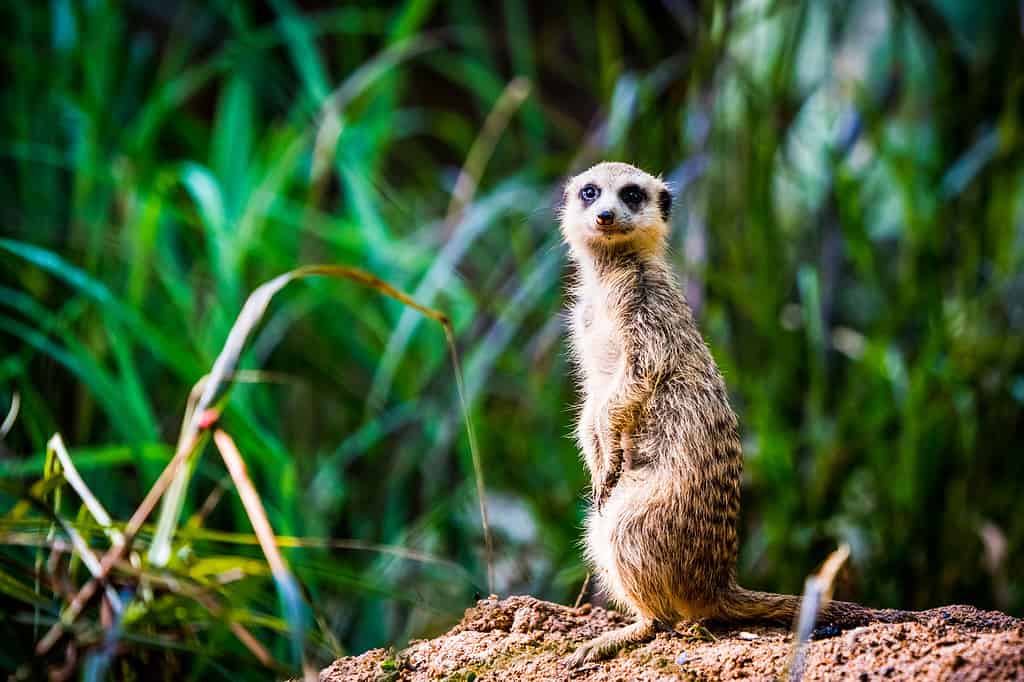
Not every meerkat in a colony searches for food at the same time. While most of the group digs for insects, one individual climbs to a higher elevation to stand watch. This chosen sentinel constantly scans the sky and surrounding landscape for eagles, jackals, and snakes. At the first sign of approaching predators, it makes a specific alarm call that tells the group to flee and hide.
7. Sea Creatures: Protecting Their Tiny Housekeepers
©DiveIvanov/Shutterstock.com
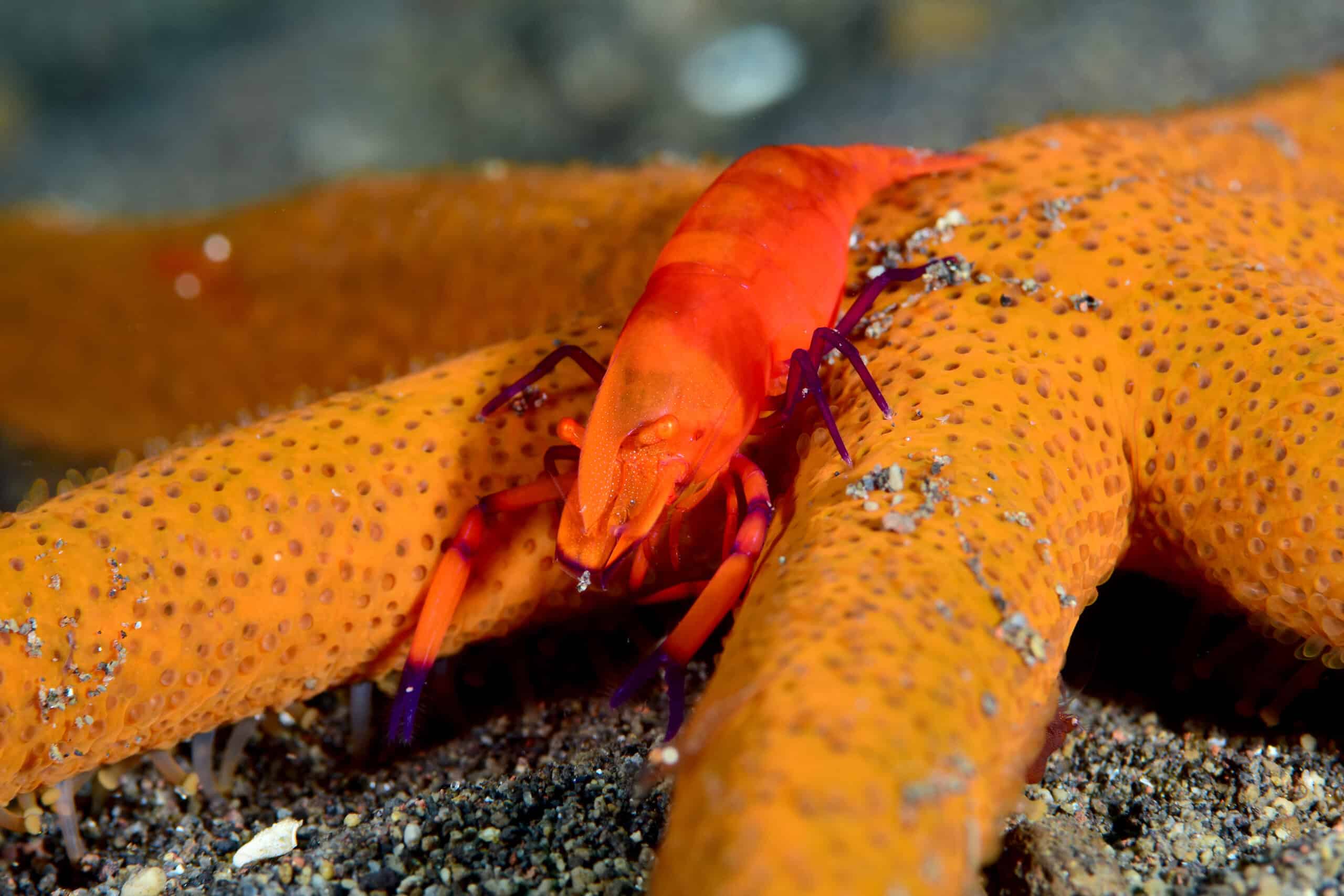
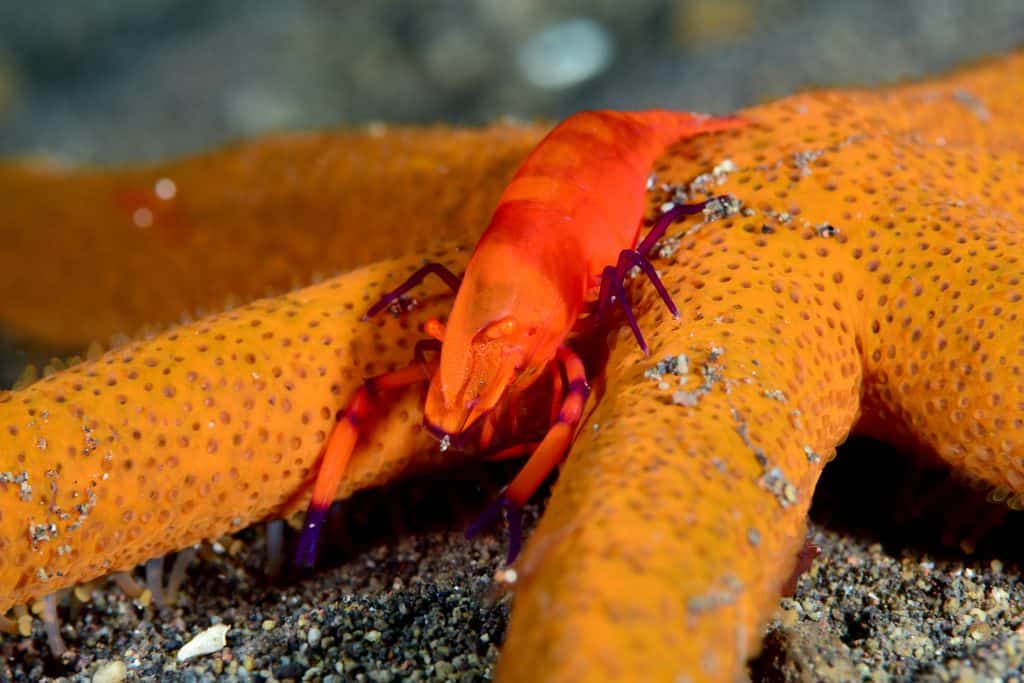
The tiny emperor shrimp rides on larger marine creatures like sea cucumbers, sea slugs, and sea stars. In addition to the free ride, it gets protection from predators and quick transport to new feeding grounds. How do the hosts benefit? The shrimp help clean off parasites, algae, and debris from the larger animals. The small shrimp is a surprisingly excellent housekeeper.
8. Baboons and Impalas: Mutual Defense
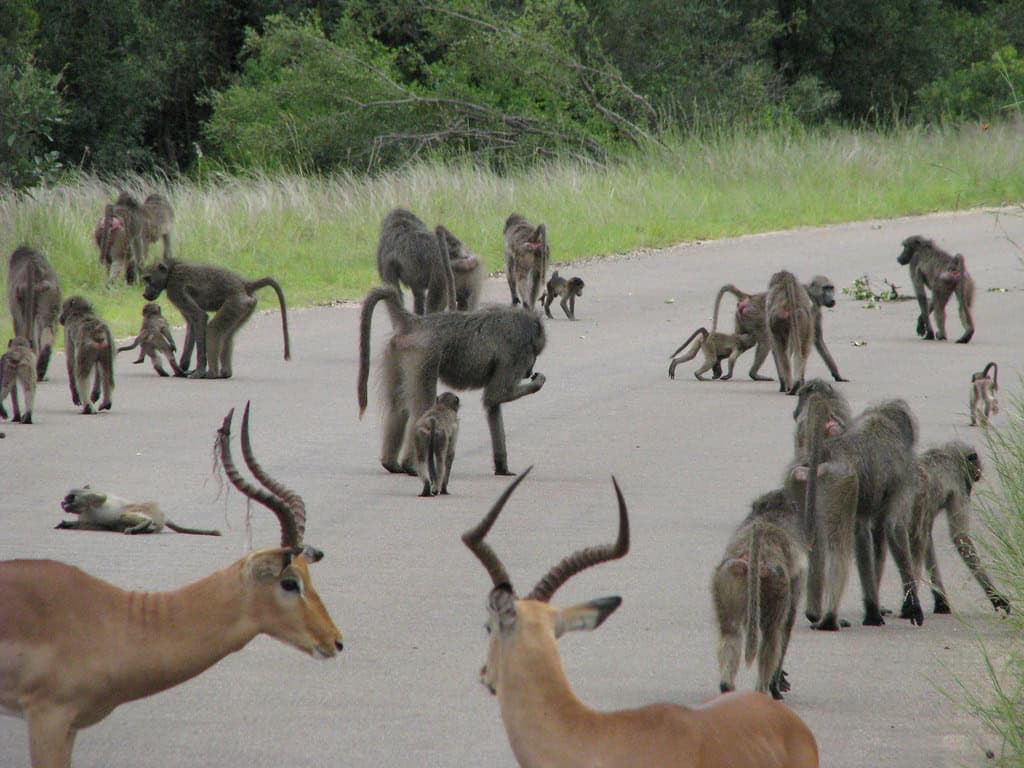
©"impala & baboons" by rosemary_mcd is licensed under BY-ND 2.0. – Original / License
In parts of Africa, baboons and impalas feed near each other because each species brings different strengths to the table. Baboons have excellent eyesight and can see danger quite easily from elevated heights, while impalas have sensitive hearing and a wonderful sense of smell. When one species detects a predator (whether through sight, scent, or hearing), they alert the other and both react immediately. In this way, they each rely on the other’s sensory abilities, giving everyone a better chance to escape. It’s a great example of shared awareness in the animal kingdom.