
Snakes are known for being solitary reptiles, but they do not always hang solo. In colder climates, when winter temperatures set in, snakes seek each other out for warmth. These snake gatherings can be as small as a couple dozen or as large as tens of thousands of snakes, all coiled together. This collection of snakes goes by several names like nest, pit, and even slither; but it is most commonly referred to as a den.
When snakes gather like this for the winter it’s called brumation, which is a state similar to hibernation. Their metabolism slows, they forgo eating, and pause digestion and other physiological processes. Amazingly, some snakes share dens across species, not just with other snakes but with other reptiles like gila monsters. Alternatively, some snake species do not join a den at all, preferring to spend the winter on their own.
In this slideshow, you’ll explore the different terms for snake groupings, learn when and why they den together, and understand how brumation helps snakes survive. You’ll also find out that snake pits can be impressive in size, and reminiscent of a nightmare for snake averse individuals.
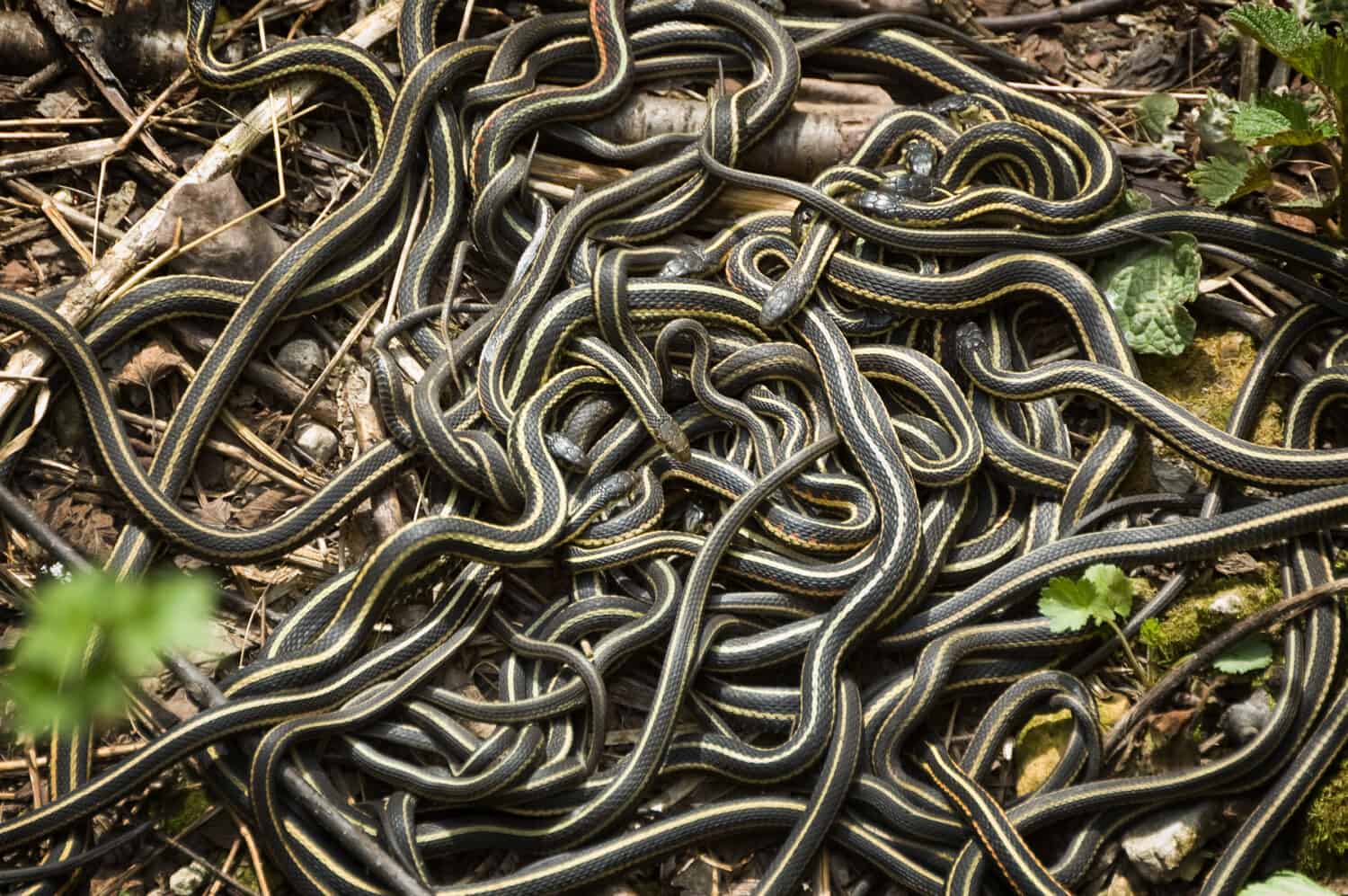
What Is a Group of Snakes Called?
©Cindy Creighton/Shutterstock.com
- A group of snakes may be called a den, pit, nest, knot, bed, or slither
- A group of cobras may be called a quiver.
How Many Snakes Are in a Den?
©iStock.com/vlad_karavaev
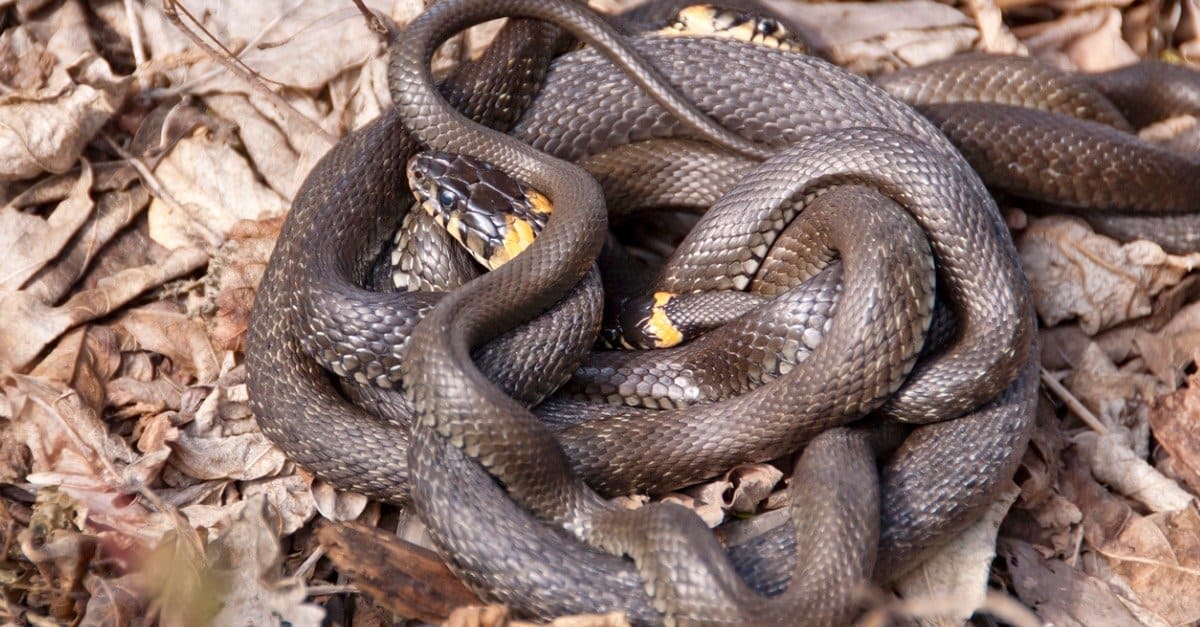
- Snake dens can contain dozens to tens of thousands of snakes
- Garter snake dens in places like Manitoba may host tens of thousands during winter.
Do Snakes Share Dens with Other Species?
©reptiles4all/Shutterstock.com
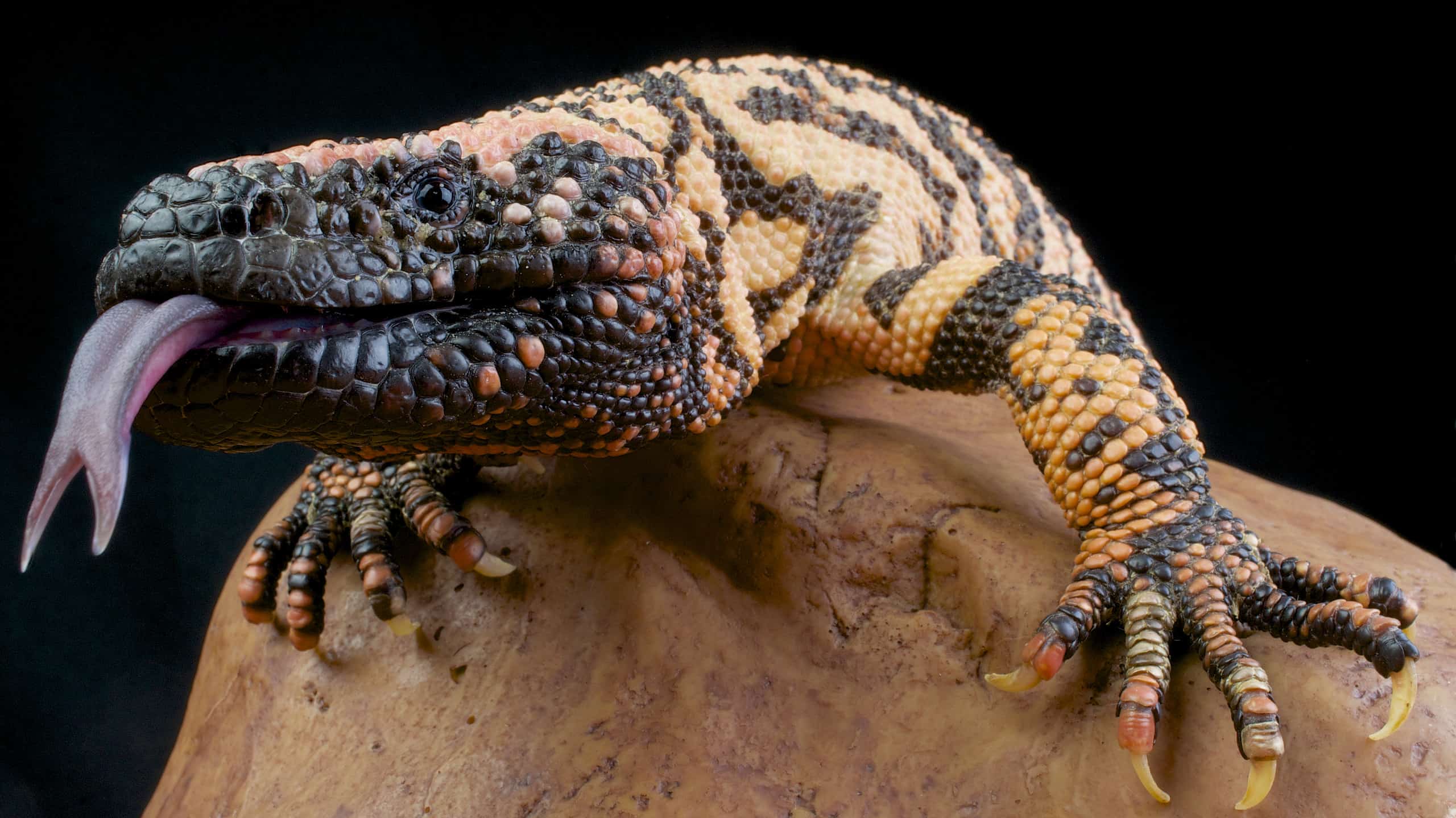
- Some snakes share dens with other snake species and reptiles
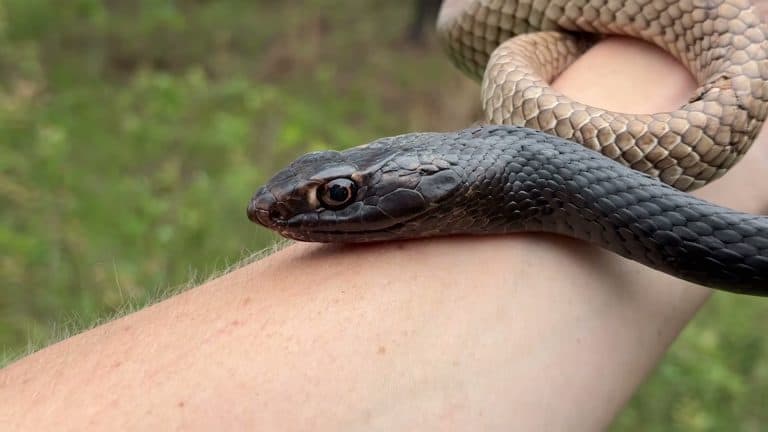
- Examples include black rat snakes with racers, and rattlesnakes with tortoises or gila monsters.
When Do Snakes Enter Their Dens?
©iStock.com/gavwak2012
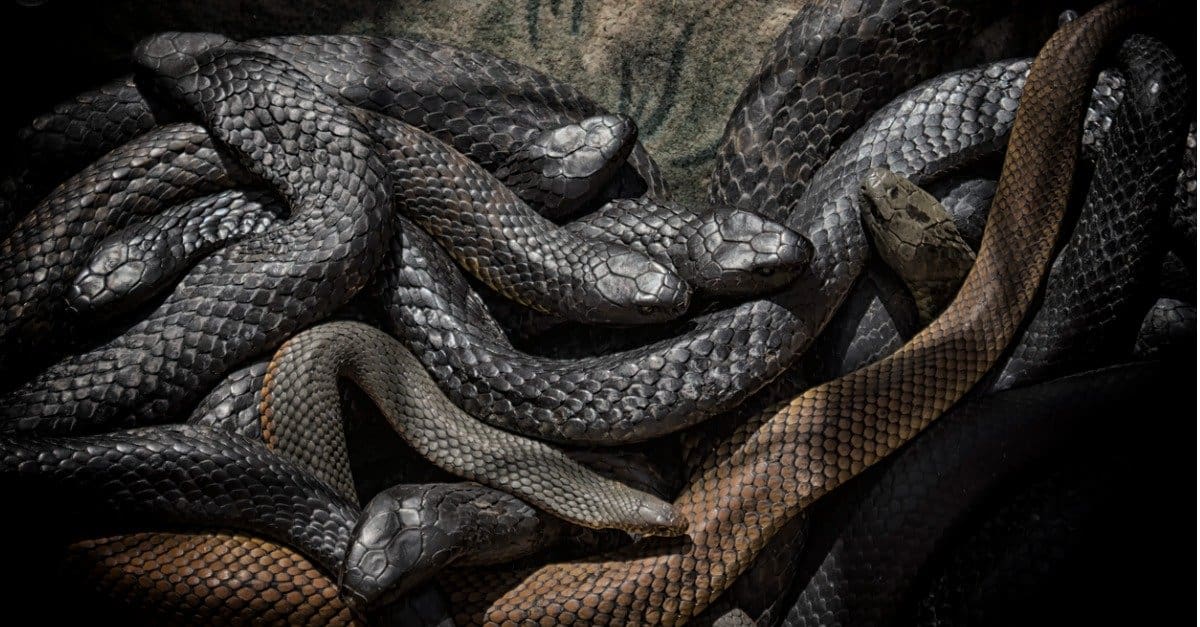
- Snakes in temperate climates move into dens when temperatures drop
- This helps them avoid freezing during the winter due to their ectothermic nature.
Snakes Don’t Hibernate—They Brumate
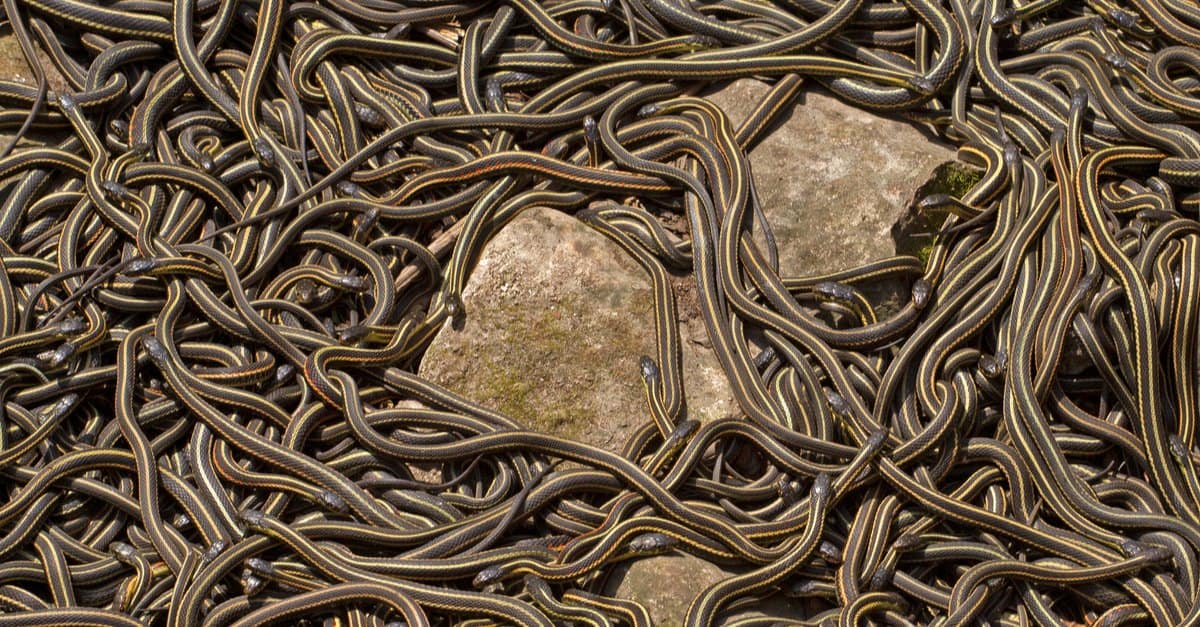
©Jukka Palm/Shutterstock.com
- Unlike mammals, snakes go into brumation, not hibernation
- They eat less, become less active, but remain semi-alert and need access to water.
What Is a Snake Pit or Snake Nest?

©Breck P. Kent/Shutterstock.com
- A ‘snake pit’ usually refers to a den, especially if underground
- A ‘snake nest’ often describes either a visible group or a female snake’s egg-laying site.
Do All Snakes Den Together?
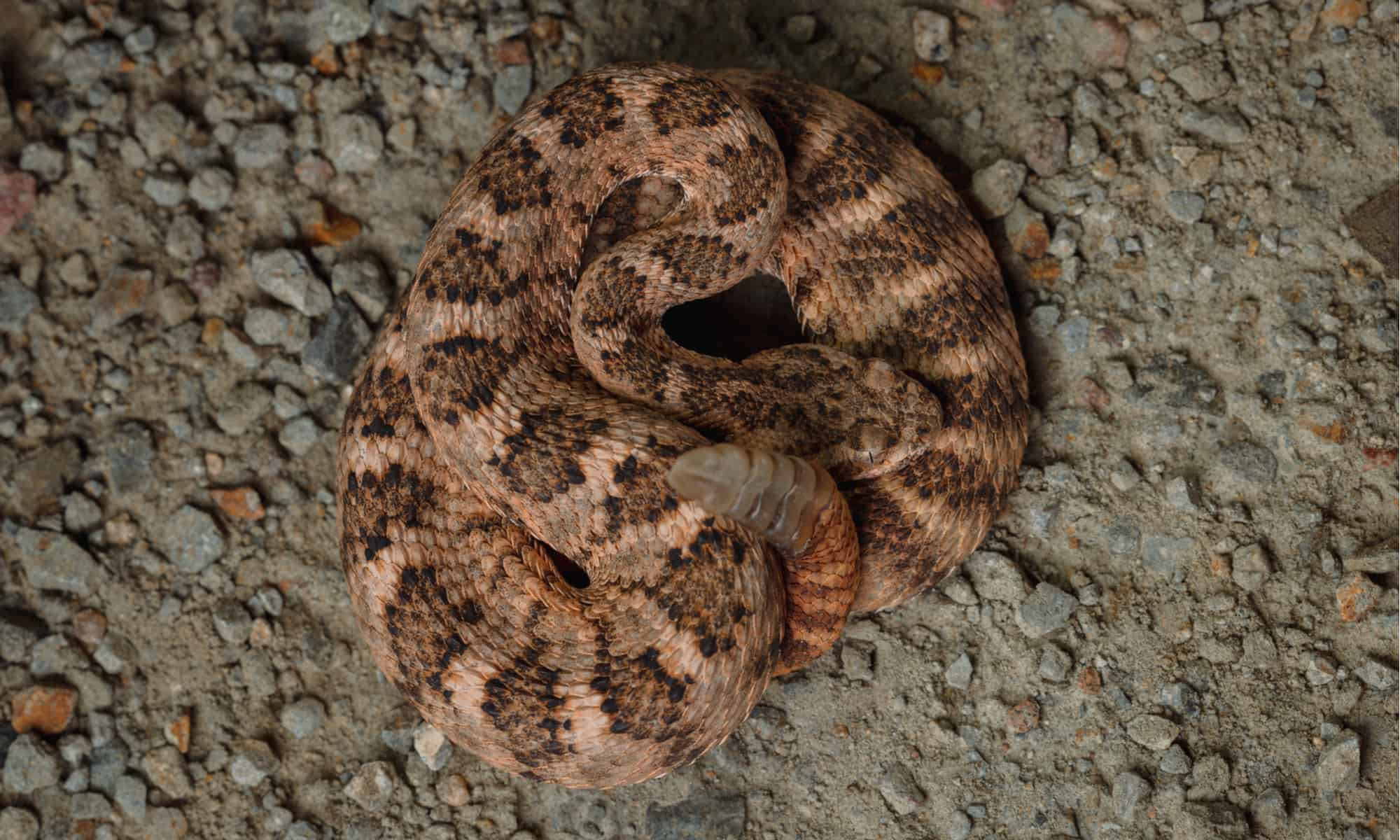
©Alexander Wong/Shutterstock.com
- Some snakes like tiger rattlesnakes and black-tailed rattlesnakes den alone
- Others prefer the warmth and safety of communal dens.
Why Brumation Is Essential
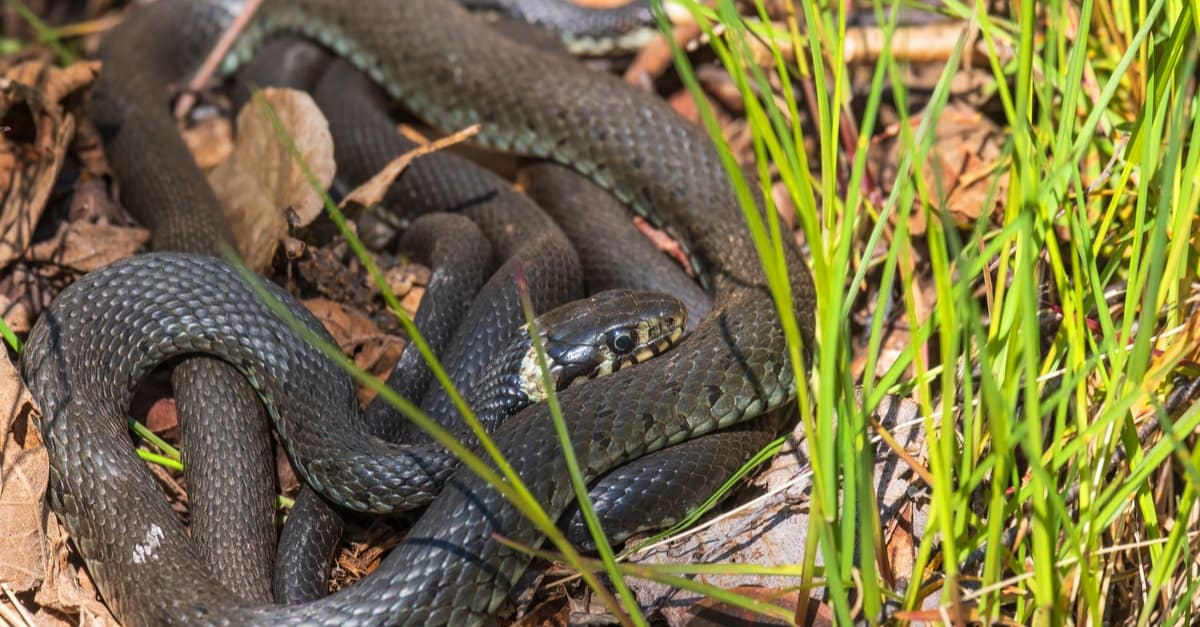
©TTphoto/Shutterstock.com
- Brumation allows snakes to conserve energy in cold months
- Emerging in spring, they are ready to eat and reproduce once temperatures rise.