
Quick Take
- Rattlesnakes aren't getting more aggressive, yet something about this season is making encounters far more dangerous anyway. See why bites are rising →
- A weather pattern most Californians barely noticed is what put hikers on a collision course with rattlesnakes months ahead of schedule. Explore the weather connection →
- If a rattlesnake bites you where there's no cell signal, one common instinct could make the venom spread faster. Here's what to do instead. Get the first aid steps →
- Most hikers watch for rattlesnakes in the wrong places, and the snake's own warning system is easier to miss than you'd think. See trail safety tips →
Lethal rattlesnake bites are increasing in California. With less than half of the year underway and already three deaths reported in the state, experts are concerned that both rattlesnake bites and fatalities could continue to rise.
Deadly Snake Bites Rise in SoCal and Across the Golden State
California has its fair share of rattlesnakes. In total, there are seven different species, all of which have varying degrees of venom toxicity. This means that rattlesnake bites do happen throughout the Golden State. In total, approximately 800 happen annually. However, in 2026, Southern California has already seen an increase in both rattlesnake bites and deaths from rattlesnake venom.
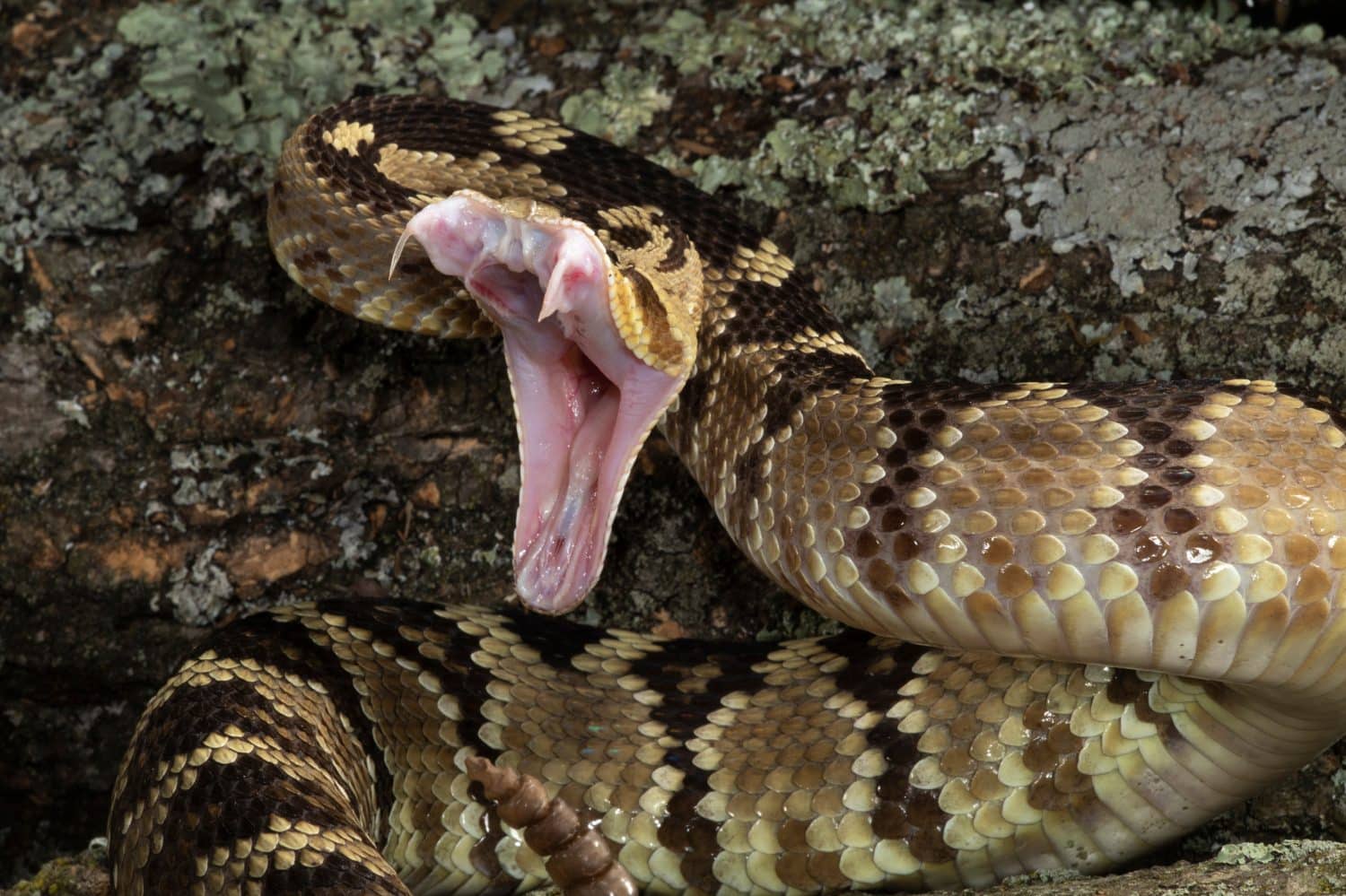
Rattlesnake deaths are double the yearly average in Southern California and triple the average across the state.
©Wirestock Creators/Shutterstock.com
In total, there have been three deaths from rattlesnake bites in California. Two of those deaths occurred in Southern California, one in Orange County and the other in Ventura County. With the advent of antivenom nearly 100 years ago, deaths are typically unheard of in the state. On average, there is less than one rattlesnake-related death per year in California. Nationwide, rattlesnake bites cause about five deaths annually.
Additionally, the California Poison Control System received 77 calls regarding rattlesnake bites between January and March. In a year, the total number is between 200 and 300. This raises the concern that, with an unusually high number of rattlesnake bites and venomous snake deaths, Southern California could be poised for a record year of rattlesnake encounters.
Why Have There Been More Rattlesnake Bites This Spring?
Rattlesnakes begin their brumation period in November. This lasts through the winter, with rattlesnakes not emerging from brumation until late March to early May. This is when temperatures are more comfortable, and the snakes can bask in the sun to warm up and become more active. However, Southern California has experienced significantly above-average temperatures for the winter and the early part of spring. Because of this, rattlesnakes have emerged from their dens earlier than normal.
The average temperature in Los Angeles from January through March is 65°F to 68°F. Beginning on January 10, 2026, temperatures steadily rose. At that time, the temperature was 72°F, and by the end of the month, it reached 84°F, with just a handful of days falling within the average temperature range.
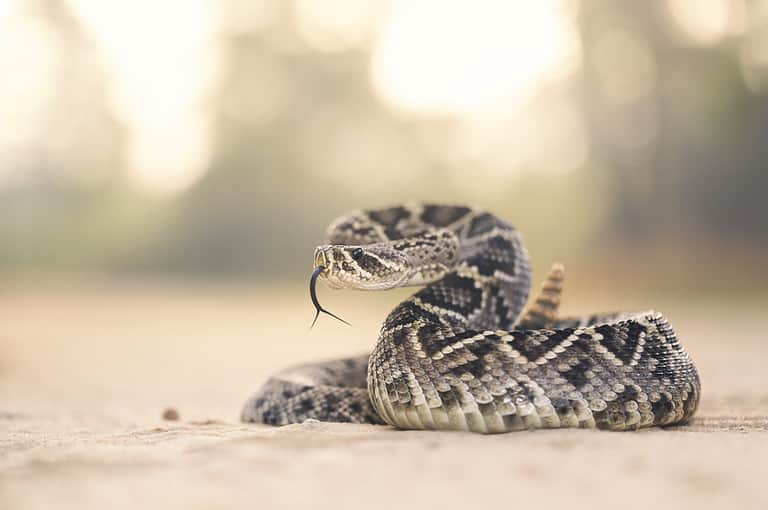
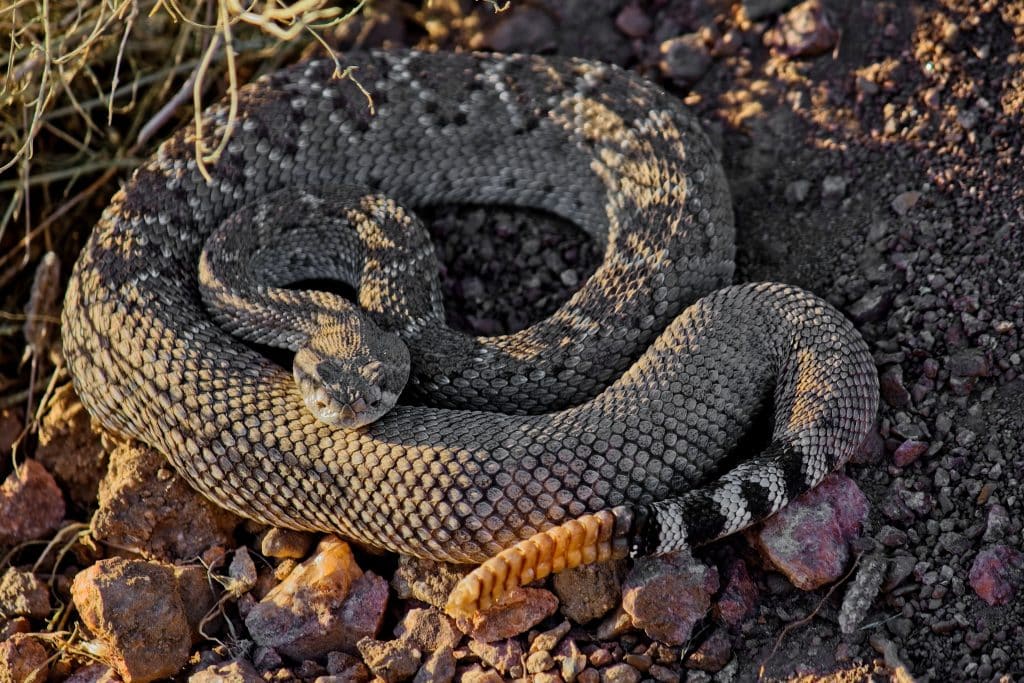
The warmer winter weather has caused rattlesnakes to end brumation early.
©Thomas Torget/Shutterstock.com
February had a few more days within the average range, but essentially followed the same pattern as January. March spiked up to a high of 95°F, with several other days in the 90s, making March 2026 one of the warmest on record for the region.
Unseasonably warm late winter and early spring temperatures caused rattlesnakes to emerge earlier than usual, bringing them into contact with people who did not expect to encounter snakes during this time of year. As a result, there have been far more rattlesnake bites than usual for this time of year, including an increase in fatal bites that Southern California is not used to seeing.
Rattlesnakes Are Not Becoming More Aggressive
The increase in rattlesnake bites in Southern California has many wondering whether rattlesnakes have become more aggressive in the region. While certain rattlesnakes can be aggressive, most species would prefer to retreat rather than attack. What is leading to more attacks is people not being prepared to encounter rattlesnakes this early in the season. People are less alert and less aware of the possibility of encountering rattlesnakes. Consequently, the warning signs rattlesnakes give before attacking go unnoticed.
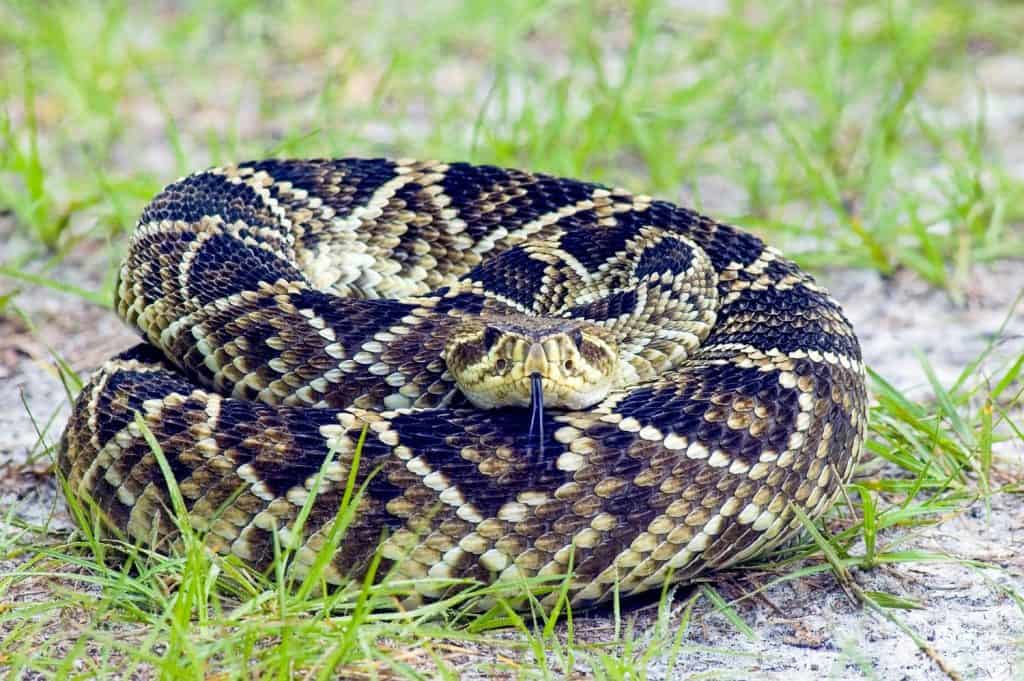
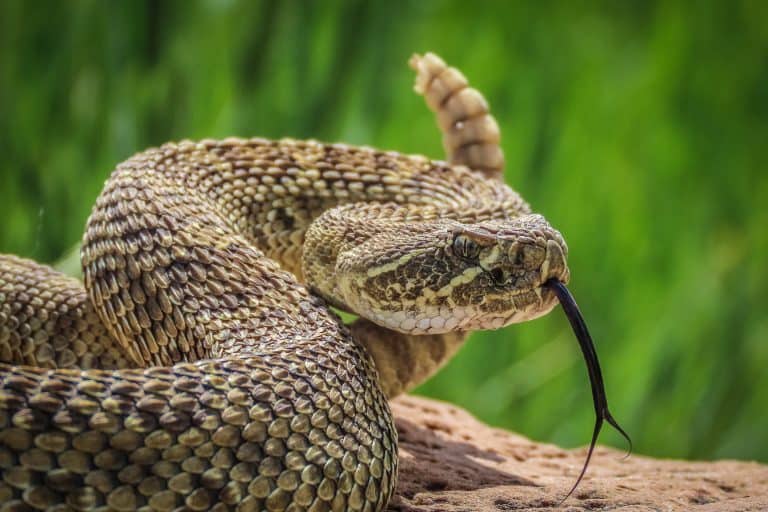
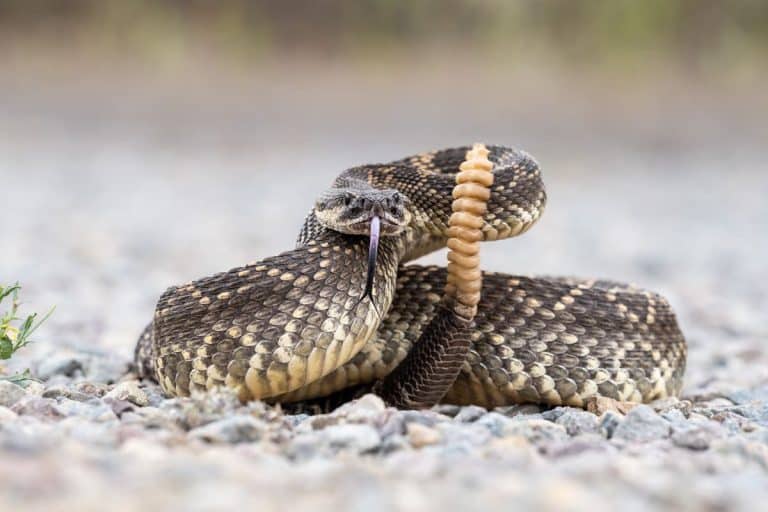
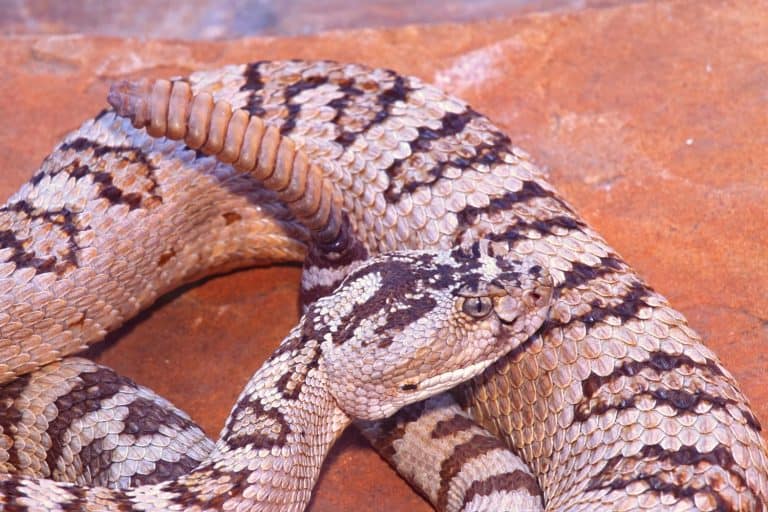
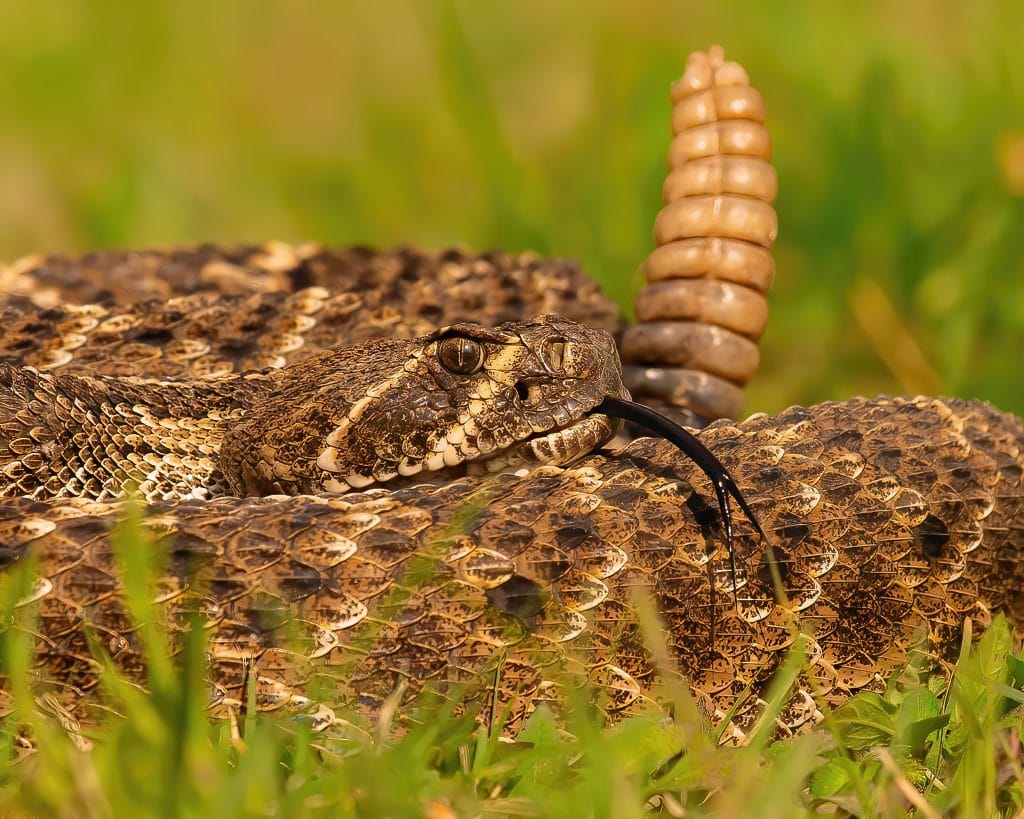
Rattlesnakes will coil, rattle their tails, and hiss before attacking.
©Donna Bollenbach/Shutterstock.com
Some signs that a rattlesnake is within striking distance include:
- Rattling the tail
- Hissing
- Coiling up
If these signs are missed or if a rattlesnake is startled, it is likely to strike. The rattlesnake sees people as a threat. If not given the opportunity to retreat, the snake resorts to striking and injecting venom to survive. Therefore, remain aware of your surroundings when hiking. Rattlesnakes are great at camouflaging and are easy to walk up on if not vigilant.
What to Do If Bitten by a Rattlesnake
Given that the number of rattlesnake bites in Southern California has put the region on track to surpass the annual number of snake bites received, those who are headed out hiking or even enjoying a day in the great outdoors should be aware of what to do if bitten by a rattlesnake. Having this information can save a life.
If bitten by a rattlesnake, the following steps should be taken:
- Call 9-1-1
- To keep venom from spreading quickly, remain calm
- Keep the bitten area immobilized
- Keep the bitten area below the heart level
- Wash the wound, but do not apply a tourniquet
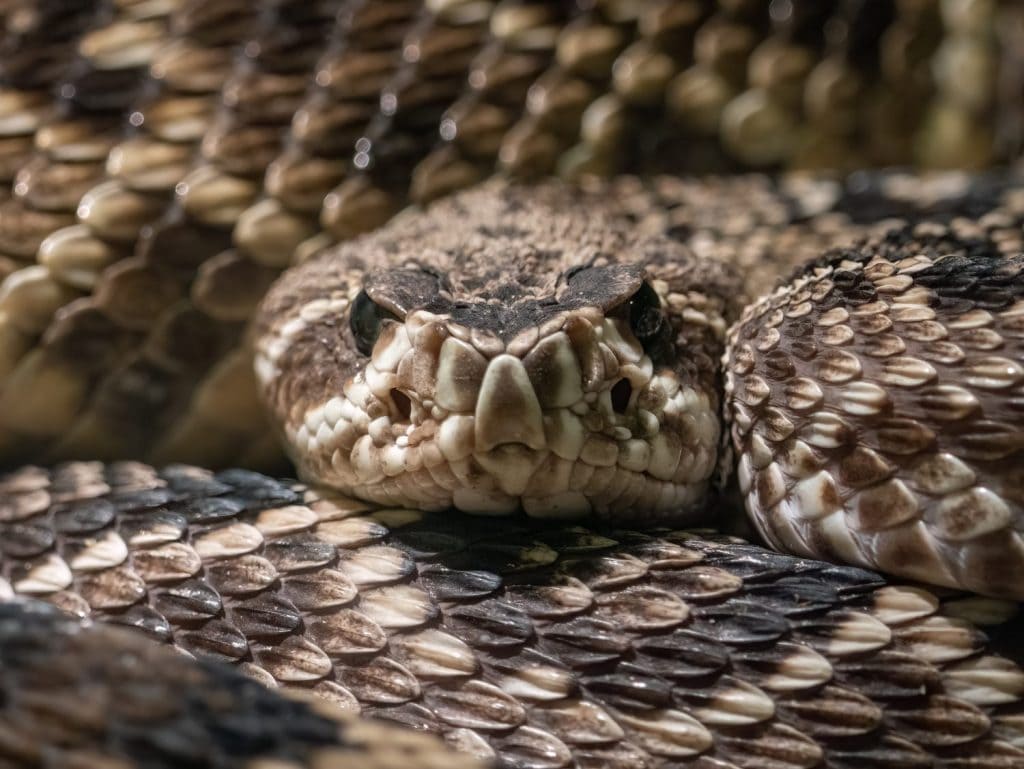
If bitten by a rattlesnake, remain calm, call for help, and immobilize the area.
©Michelle Holton/Shutterstock.com
For those who do not have cell coverage when out hiking and are bitten by a rattlesnake, all hope is not lost. The steps to follow include:
- Move away from the snake
- Remain calm to keep the venom from spreading quickly
- Remove any jewelry, watches, or anything that could restrict blood flow
- Note the time for emergency personnel
- Clean the wound if possible
- Slowly begin back toward the trailhead to find help
It is recommended to take breaks as needed. Never run to try to get back to the trailhead faster. This will only circulate the venom faster. The goal is to find other hikers on the trail who can help, so do not be afraid to flag someone down and ask for assistance. However, if no one else is on the trail, continue moving toward the trailhead until cell reception returns, and call 9-1-1 immediately when it does.
How to Avoid Rattlesnakes While On the Trail
As rattlesnakes have come out earlier on trails thanks to the warmer weather, it is more necessary than ever for those in Southern California, and the rest of California, for that matter, to remain vigilant while on the trails. However, simply being aware of your surroundings is not always enough to prevent a rattlesnake bite.
The best ways to avoid rattlesnakes while hiking or spending time outdoors include:
- Stay on marked trails
- Hike only during daylight hours
- Wear high-top hiking boots
- Wear long pants
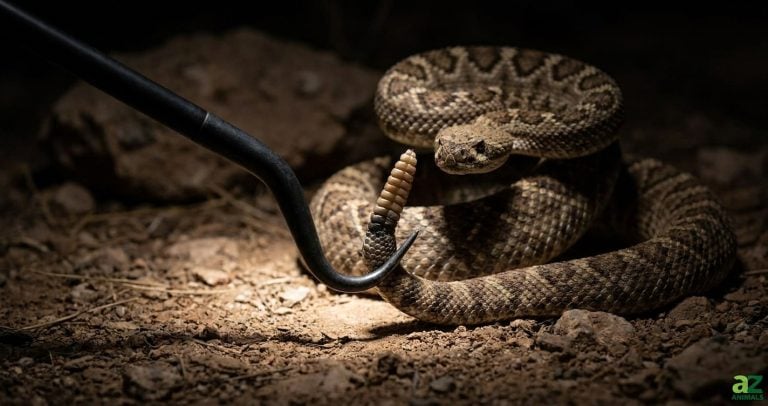
- Use poles or walking sticks to warn snakes of your approach
- Do not approach snakes
- Keep hands out of crevices and do not pick up rocks
- Always read trail reports posted at trailheads
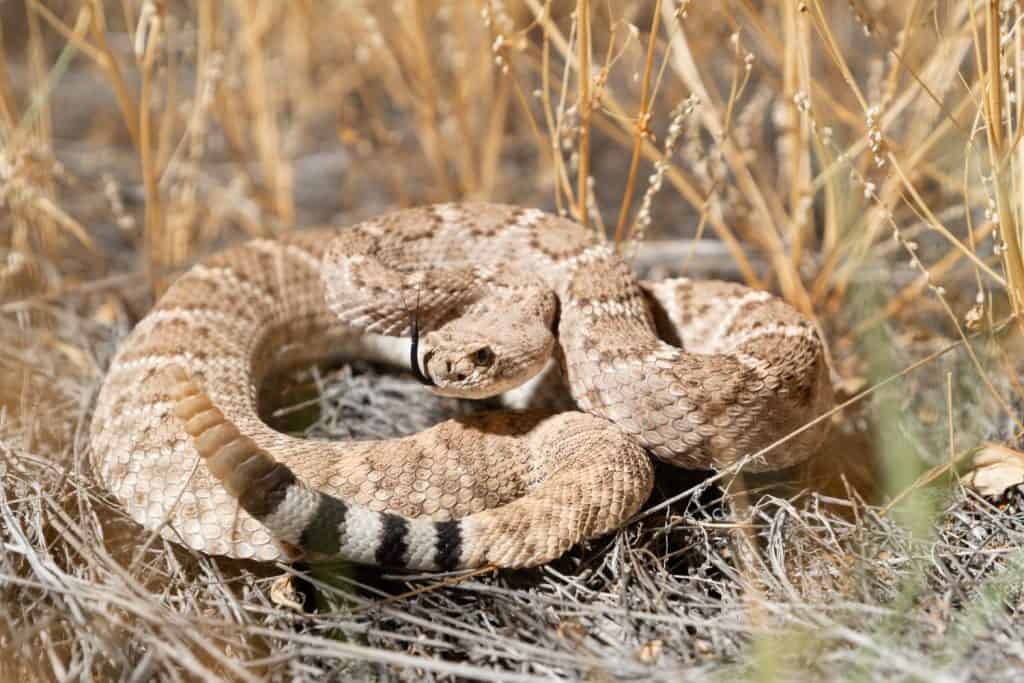
To avoid being bitten by rattlesnakes, stay on marked trails, do not approach snakes, wear hiking boots, long pants, and more.
©Clint H/Shutterstock.com
By following these tips, the odds of being bitten by a rattlesnake decrease dramatically. The increase in rattlesnake bites and deaths this year is sobering and tragic for those who have lost loved ones. However, it does not mean that rattlesnakes have become more aggressive or that their population has increased. The unseasonably warm temperatures have encouraged everything from plants and bugs to rodents to become more active earlier than usual. Consequently, rattlesnakes have as well. They only strike because they feel threatened, not because they are looking for a fight. By staying alert and taking precautionary steps, you can enjoy a day on the trail without being bitten by a rattlesnake.