













Quick Take
- This tiny designer dog doubles as a guard dog, though its protective instinct comes with a catch most owners don't see coming. See the guard dog instinct →
- There's a specific ingredient in most dog foods that could quietly put a Taco Terrier's heart at risk. Check the risky ingredient →
- The Taco Terrier's name has nothing to do with its appearance, and the real origin is surprisingly specific. Discover the name's origin →
- Taco Terriers are loving and affectionate, yet they are a poor fit for one very common household, and the reason might surprise you. See which household to avoid →
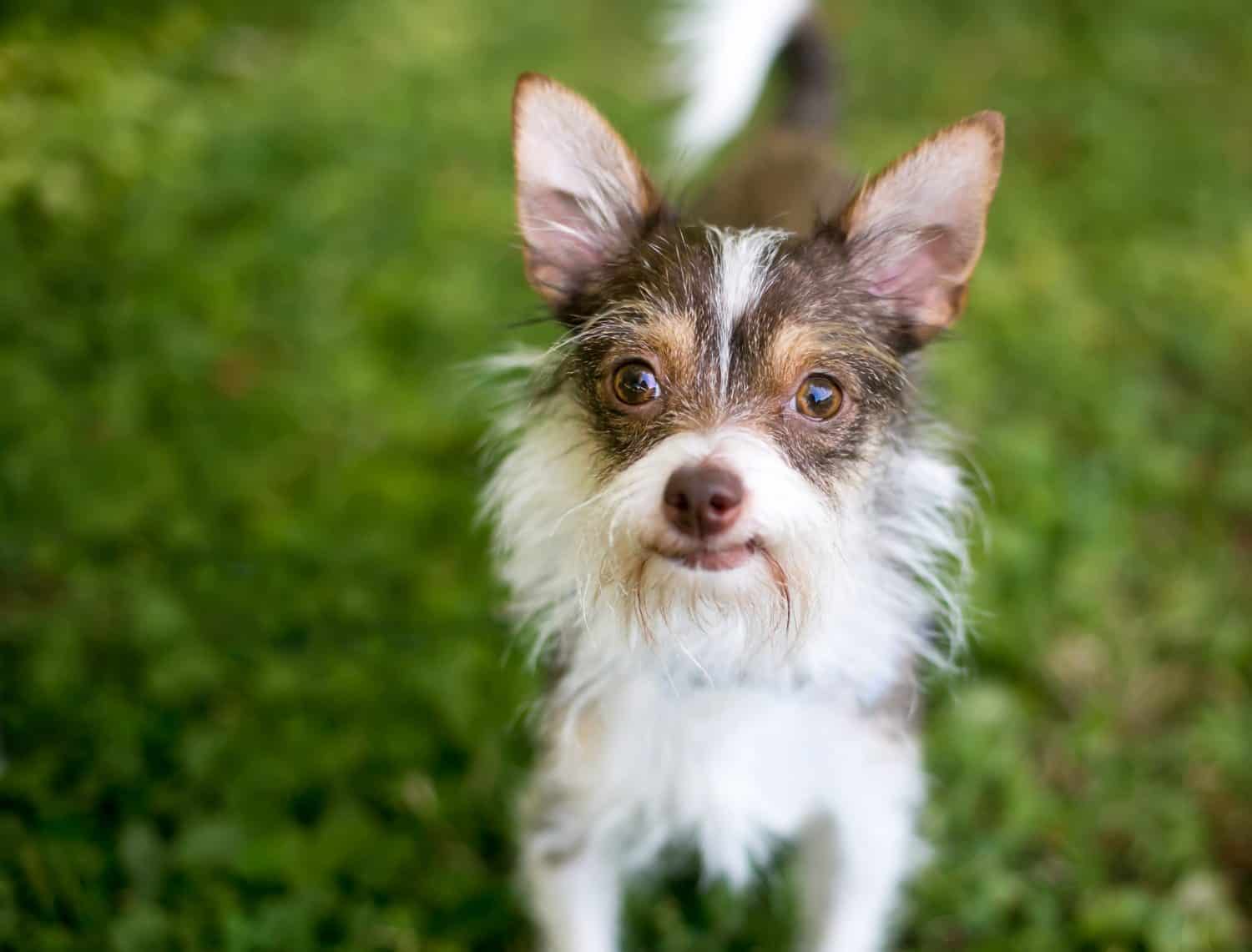
The popular taco terrier is a designer terrier breed created by crossing a toy fox terrier with a chihuahua. The result is an adorable lap-sized dog that will quickly become your new best friend. Taco terrier owners usually fall in love with their dog’s big ears, sweet eyes, and incredibly attached personality.
Taco terriers are lively and affectionate dogs that make great companion animals. Although they’re not a good choice for families with children, these dogs are loving animals that are perfect for active adults.

Owning A Taco Terrier: 3 Pros And Cons
| Pros! | Cons! |
|---|---|
| Loves to cuddle. Taco terriers are perfect lap dogs and will sit with you for hours at a time. | Separation anxiety. Taco terriers don’t like to be left alone and need to accompany their owners to most locations. |
| Great guard dog. Although they’re small, you can count on your taco terrier to alert you whenever a stranger is at your door. | Stranger aggression. Most taco terriers do not like strangers and will growl or bark if approached without warning. |
| Friendly and intelligent. Owners of taco terriers praise their pups for having bright and vibrant personalities. | Extra shedding. Taco terriers are far from hypoallergenic; in fact, they’re known for shedding more than you would expect for a dog their size. |
History Of The Breed
The Taco Terrier, like many designer mixed breeds, has not been around for that long, beginning around the late 1990s or early 2000s. Also known as the Chihuahua Fox Terrier mix, the toy Chitoxy, and the toy Chiwoxy, it has become a very popular dog, with its name referencing the Chihuahua featured in Taco Bell commercials.
Its parent breeds are the Chihuahua and the Toy Fox Terrier, two breeds that have a long history. The chihuahua is believed to have come from Mexico and has been around since the 9th century. It is thought to have been derived from the Techichi dog, an ancient Mesoamerican breed that was kept by the Mexican Toltec people. The toy fox terrier originates from the United States, dating back to the early 1900s. Originally intended to be a dog that would chase rodents and foxes, this small dog became popular in circuses and dog shows.
Size And Weight
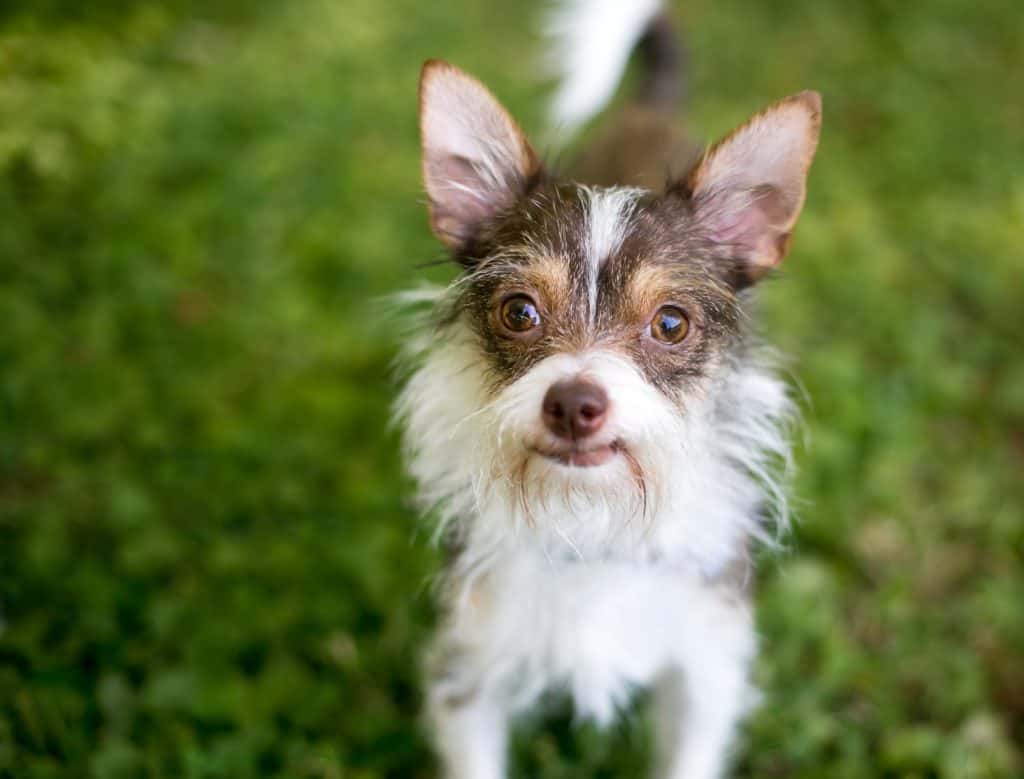
Taco terriers are very small dogs that usually only weigh between three and eight pounds. Even when fully grown, these dogs don’t stand any taller than 11 inches at maximum. Female taco terriers are usually smaller than their male counterparts, although this can vary greatly based on the genetics of the parents. Taco terriers usually have black, white, or tan fur; the length is determined by whether their chihuahua parent had long or short hair. Other distinguishing features include large ears, pointed faces, and small but intelligent eyes.
| Height (male) | 8-11 inches |
| Height (female) | 6-9 inches |
| Weight (male) | 5-8 lbs |
| Weight (female) | 3-6 lbs |
Common Health Issues
Although hybrid dogs are usually healthier than their purebred ancestors, both of the taco terrier’s purebred parent breeds have a handful of health concerns that need to be addressed. Your taco terrier may be susceptible to heart problems, patellar luxation in the knees, eye problems, and a variety of other issues. Make sure to take your taco terrier puppy to the vet as soon as you bring them home. While you’re there, ask the doctor to check for:
- Eye conditions
- Heart murmurs
- Pulmonic stenosis
- Patellar luxation
- Hydrocephalus
- Hypoglycemia
- Skin allergies
- Tracheal collapse
Temperament

Taco terriers make perfect lap dogs and will sit with you for hours.
©iStock.com/Amber White
Taco terriers are incredibly loyal dogs that like to keep watch over their household. Expect your little guard dog to watch the windows and bark at strangers whenever they walk past. These dogs have energetic and attentive personalities; they love to watch television, listen in on family conversations, and generally make themselves part of their owner’s business. Because they’re so small, it’s common for pet owners to bring their taco terrier with them everywhere they go. These little dogs make great lap pets and love to be held for extended periods of time.
When relaxed, taco terriers love to play and will either chew on toys or roll around on the floor. Expect your terrier to display possessive behavior traits, especially if another dog is visiting. Because they experience high levels of separation anxiety, it’s best not to let your taco terrier out of your sight. However, if they know that their owner is in the room, these dogs become incredibly playful companions that the entire family will love.
How To Take Care Of A Taco Terrier
Taco terriers are vibrant and attentive dogs that always seem eager to be involved in the conversation. Keep your taco terrier close by your side, and make sure to keep an eye on them when other pets are around. These dogs love to sit on their owner’s lap and will always have an opinion about strangers. As long as you spend time with them and give them plenty of exercise, your taco terrier will be your best friend for many years to come.
The Best Dog Food
Taco terriers are small dogs that do not need very much food. Look for high-quality kibble that is intended for small dogs. Then, feed about a 1/2 cup portion twice a day; remember to consult your vet to make sure that this amount is correct for your terrier’s size and weight. Alternatively, you can make homemade dog food with lean meat and vegetables. Again, ensure that the portions are small, and reduce the amount you are feeding if your dog starts gaining weight or seems to have too much energy to burn. Dogs who get hypoglycemia should get a solid meal at least ninety minutes before exercising, so their blood sugar doesn’t dip too low.
With dogs like Taco Terriers that are prone to heart conditions, it’s probably safer to opt for legume-free food due to the link between heart failure and legumes in dog food.
Maintenance And Grooming
Taco terriers are known for shedding and need to be brushed regularly to keep their fur from matting, especially if they are descended from a long-haired chihuahua. If they take more after their toy fox parent, this shedding may be reduced to a minimum, but you’re still likely to find black and white hair all over your couch. To solve this problem, brush your terrier at least twice a week, and bathe them every month. You should also inspect and clean your terrier’s ears regularly to prevent infections.
Training
Taco terriers are energetic but temperamental dogs that may be difficult to train. For best results, begin working with your dog as a puppy, and continue training sessions even after they are full-grown. Don’t expect your taco terrier to learn more than basic commands, and remember to refresh their training regularly. These dogs do best with short training sessions. Always end on a positive note to boost your dog’s confidence and encourage them to look forward to training in the future.
Exercise
Taco terriers are playful dogs that need plenty of exercise to maintain a good attitude. Try to take your terrier out for at least one 30-minute walk every day. Remember that small dogs tire easily as puppies; your terrier will be more interested in going for walks once they are fully grown. In addition to walks, you should also make sure that your little chihuahua mix has plenty of room to run around on the floor without interruptions by children or other pets.
Puppies
Taco Terrier puppies are inquisitive but fragile. Like any other chihuahua mix, these dogs should be monitored closely for health issues while they are young. Keep a close eye on your dog until they are larger, and start training early to help them work on their basic commands.
Taco Terriers And Children
Taco terriers make great lap dogs, but they are not a good choice for families with children. These small dogs need a lot of attention and don’t do well around small kids who do not understand boundaries. Far too many taco terriers end up at animal rescues because their families were not prepared to give them the attention they need. Only bring home one of these dogs if you’re prepared to watch them constantly and take them with you when you leave the house.
Dogs Similar To Taco Terriers
Taco terriers are small and vivacious dogs that are great to have around. If you’re looking for another small dog to adopt, consider getting a regular chihuahua, a toy poodle, or a Boston terrier.
- Chihuahua: With big ears and a face that wins hearts, the chihuahua is a classic breed that never goes out of style.
- Toy poodle: The toy poodle is a great choice for families who want a dog that is both small and hypoallergenic.
- Boston terrier: Boston terriers are slightly larger than most toy dogs and love to run around outside.
Taco Terrier Pictures
View all of our Taco Terrier pictures in the gallery.

Mary Swift/Shutterstock.com
Sources
- Wag Walking / Accessed April 6, 2021
- Dog Breed Info / Accessed April 6, 2021
- 101 Dog Breeds / Accessed April 6, 2021
- Dog Breeds List / Accessed April 6, 2021