
Quick Take
- A decades-old Texas claim about captive tigers may no longer hold up. Check the Texas claim →
- One 2022 law reshaped who can own a tiger, and it left a surprising loophole for some owners. See the 2022 law →
- One country pulled its wild tigers back from the brink, and the playbook might surprise you. See India's tiger comeback →
- Some countries still let wealthy owners keep tigers at home. Find out which ones. Explore country-by-country rules →
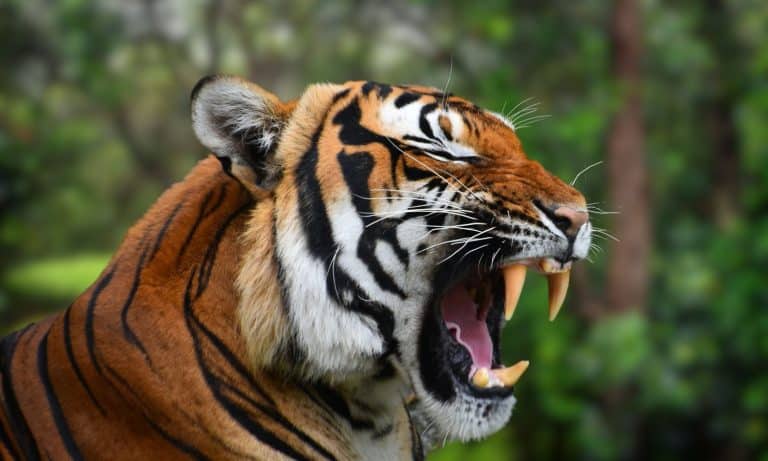
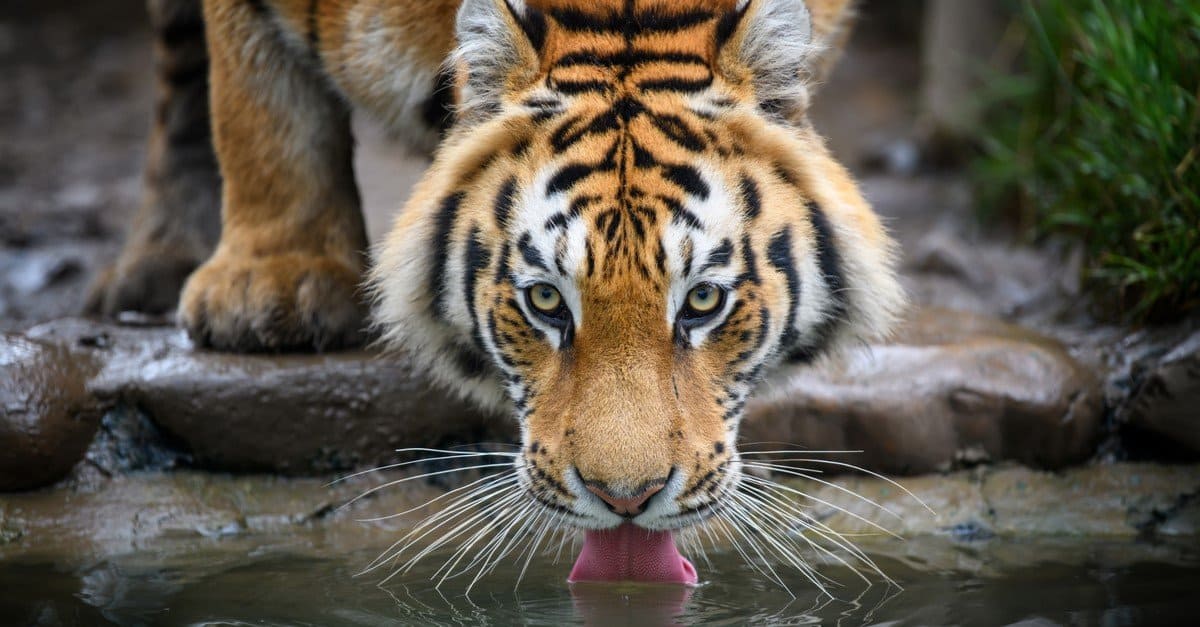
Tigers (Panthera tigris) are the largest of the world’s wild cats, historically comprising nine recognized modern subspecies, of which six are extant and three are officially extinct. The Bali tiger (P. t. balica), the Javan tiger (P. t. sondaica), and the Caspian tiger (P. t. virgata) became extinct in the 20th century due to intense hunting and severe habitat loss, while the South China tiger (P. t. amoyensis) is functionally extinct in the wild and survives only in captivity. The five other extant subspecies of tigers are the Bengal tiger (P. t. tigris), the Amur (Siberian) tiger (P. t. altaica), the Indochinese tiger (P. t. corbetti), the Malayan tiger (P. t. jacksoni), and the Sumatran tiger (P. t. sumatrae/P. t. sondaica). While tigers once roamed expansively across Asia, they have lost most of their historical range. Today, an estimated 5,700 tigers remain in the wild, with the highest concentrations in India’s reserves, the Russian Far East, and the dense tropical forests of Southeast Asia.
Are There More Tigers in Texas Than in the Wild?
For years, it was believed that Texas was home to more captive tigers than existed in the entire global wild population, a result of unregulated backyard breeding and lucrative cub-petting operations. However, a major demographic shift occurred with the passage of the Big Cat Public Safety Act in late 2022, which banned private possession and breeding of big cats in the United States.

Although Texas was once believed to have more captive tigers than the total global population of wild tigers, it is no longer the case, as global wild tiger populations have rebounded while Texas captive numbers have decreased.
©iStock.com/Byrdyak
Meanwhile, intensive conservation efforts in India have dramatically increased its wild tiger population from a historic low of 1,411 in 2006 to 3,682 tigers as of 2022.* This was achieved through a growing network of protected tiger reserves (now numbering 58), aggressive anti-poaching measures, strict wildlife legislation, and technology-driven monitoring systems that track tiger movements.
*Because India officially conducts its massive, tech-driven tiger census once every four years, the sixth official All India Tiger Estimation was launched in January 2026. Field surveys utilizing camera traps and genetic DNA sampling are actively underway, with the finalized next-generation population results expected to be released by the government in 2027.
Does Texas Allow Tigers as Pets?
The claim that owning a tiger in Texas is simpler than owning a dangerous dog is no longer accurate because of the Big Cat Public Safety Act of 2022. While Texas historically had lax exotic pet regulations that made acquiring a tiger easier than managing a legally declared dangerous dog, the Big Cat Public Safety Act largely banned private citizens in the United States from purchasing, breeding, or owning tigers.
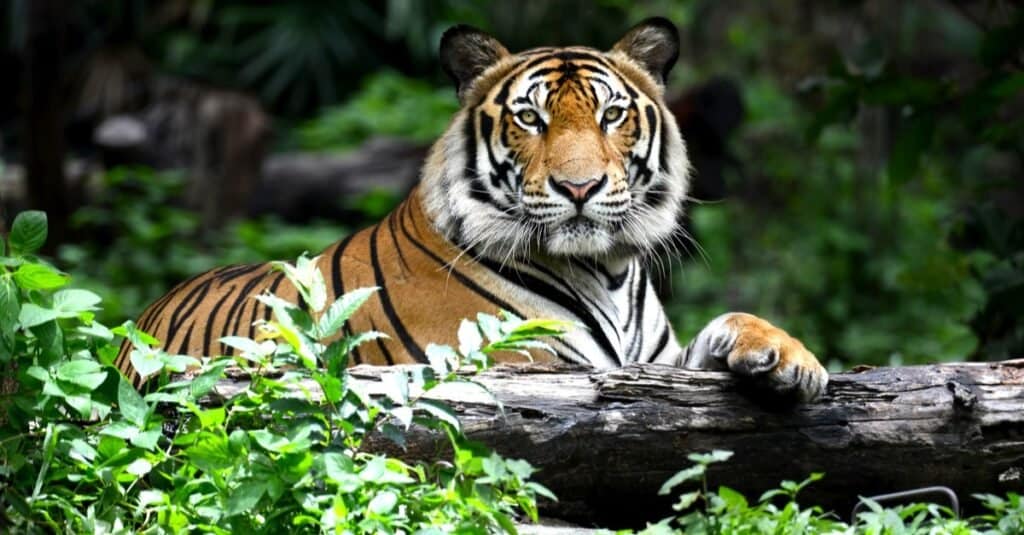
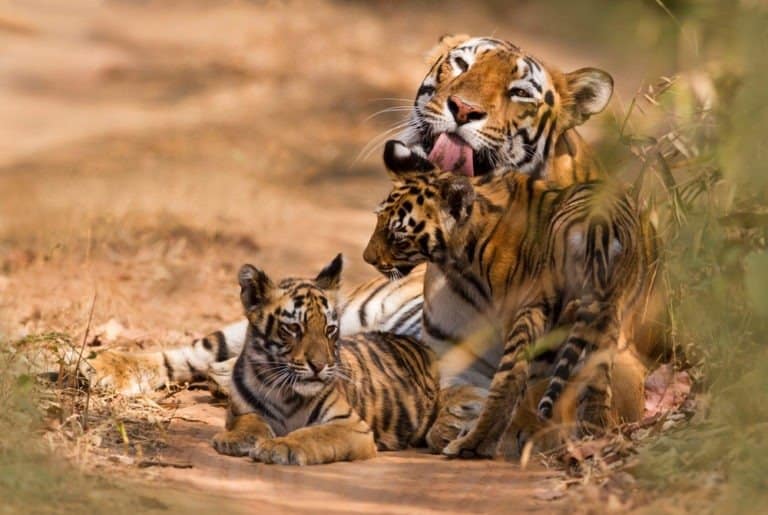
Wild tigers are on the rebound.
©dangdumrong/Shutterstock.com
Existing owners were allowed to keep their tigers, but only if they registered their animals and agreed to strict limitations. Under the Big Cat Public Safety Act, private owners had to officially register their pre-existing big cats with the U.S. Fish and Wildlife Service.
Grandfathered owners remain prohibited from breeding, buying, selling, and allowing public contact with their tigers. This targeted approach allows current pets to live out their natural lives with their owners while ensuring that the pipeline of privately owned tigers in the United States ends.
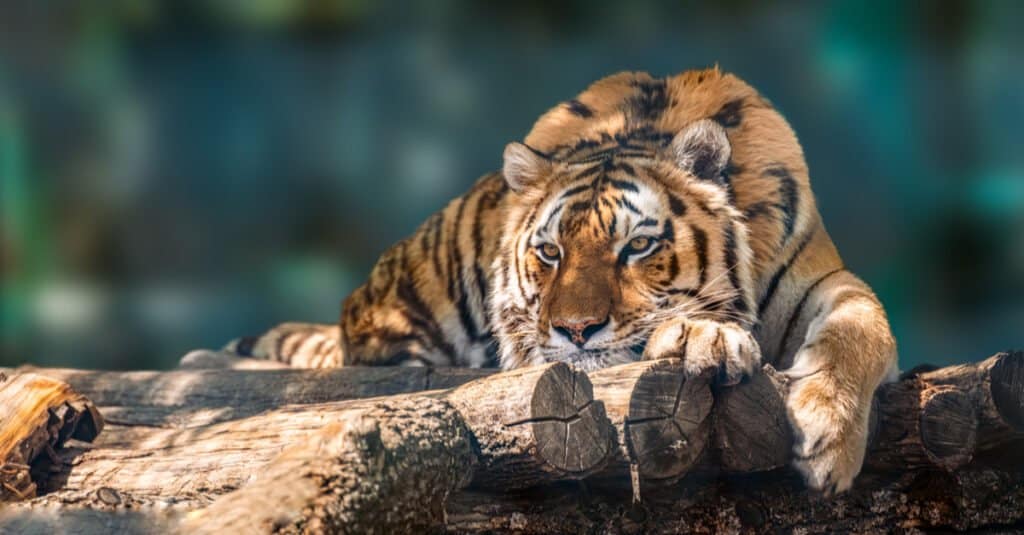
Poaching is a widespread problem.
©iStock.com/Kathrine Andi
Do Other Countries Allow Keeping Tigers as Pets?
While many countries have banned private big cat ownership, several still allow tigers to be kept as pets or private status symbols under varying levels of regulation. In the United Kingdom, individuals can legally own a tiger by securing a license under the Dangerous Wild Animals Act.
In Mexico, tigers cannot legally be kept as companion animals, though registered wildlife facilities can hold them with a government permit, and tigers have been a popular status symbol among wealthy citizens. A similar trend exists in Pakistan, where weak enforcement allows affluent individuals to keep tigers in residential compounds.
Private business owners across Asia, including in China, Thailand, and Laos, hold thousands of tigers in commercial tiger farms. Formerly permissive regions, such as the United Arab Emirates, have enacted strict bans on private exotic pets. Countries including Hungary and France have recently passed legislation banning wild animals, including tigers, from performing in circuses, and France’s law also restricts their private ownership.

It is still legal to privately own a tiger in Germany, Ireland, and the Czech Republic.
©borisenkoket/Shutterstock.com