
Quick Take
- DNA from thousands of wild pigs is exposing a hidden network of illegal transport, with the source states likely to surprise you. See the genetic evidence →
- Some feral hogs terrorizing U.S. farmland weren't born anywhere near it, and their true origin actually crosses an international border. Trace the Canadian connection →
- Moving feral hogs across state lines is largely illegal, yet the practice keeps spreading. The genetic record reveals why laws alone aren't working. Explore why laws fall short →
- A looming disease threat tied to illegal pig movement could blindside an entire industry, and it is already closer to U.S. borders than most people realize. See the disease threat →
America’s feral hog crisis isn’t just a tale of animals gone wild, it’s a story with people at its center. Decades of pig transport for profit or hunting have quietly transformed local invasions into a nationwide challenge, with genetic evidence now revealing the true scope of the problem. Behind the rise in feral swine, scientists have found an unexpected connection linking distant states and crossing international borders.
Continue reading
Uncovering the Real Journey of Feral Hogs
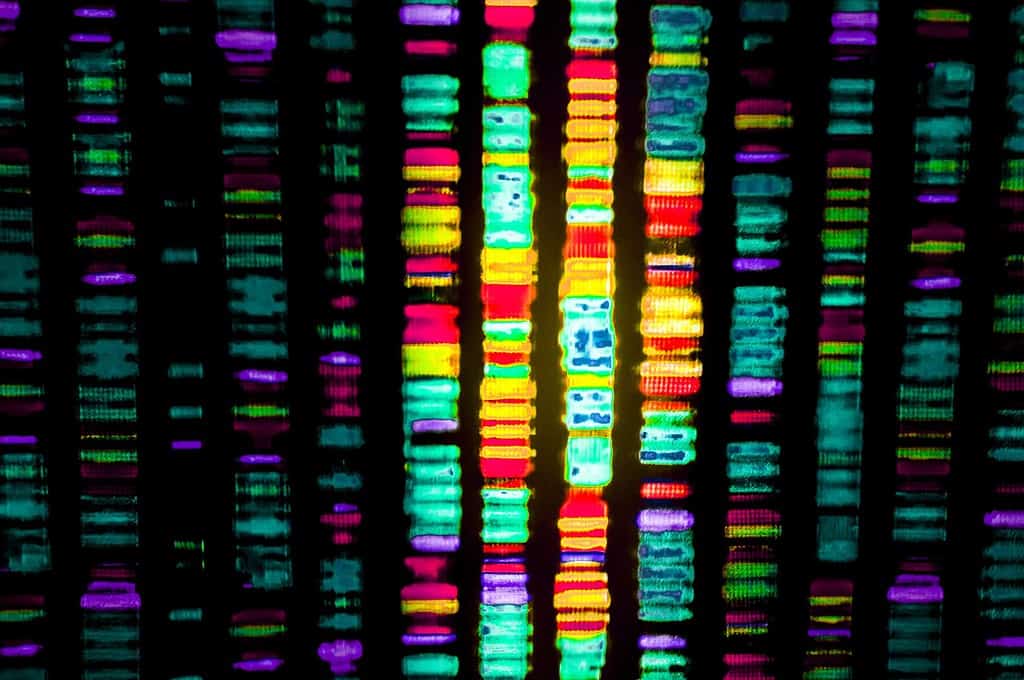
Until recently, the spread of wild pigs was often attributed to escaped livestock or gradual, natural movement. But data from the USDA’s National Wildlife Research Center tells a different story. At the International Wild Pig Conference, Dr. Timothy Smyser detailed ongoing work that’s upending old assumptions. Since 2014, the USDA has collected genetic samples from over 23,000 wild pigs, with thousands more added annually from hog control operations. Researchers have now charted 14,284 unique feral swine genotypes, linking each one to its region of origin, sometimes within as little as 12 miles of accuracy.
©Gio.tto/Shutterstock.com
What they uncovered is striking: nearly one in five feral pigs sampled across the U.S. had been transported with human help. In the words of Dr. Smyser and colleagues, “the majority of translocations originated from coastal Georgia, Florida, the border between Oklahoma and Texas, and south-central Texas.” But it’s not just short hops, when pigs travel more than 1,000 kilometers (about 621 miles), central and northern Texas and Florida dominate as the source.
How Far and Wide Are America’s Hogs Roaming?
The findings helped redraw the map of wild pig invasions. In states with recent pig populations, Iowa, Maine, Michigan, Minnesota, Nevada, New York, Utah, Washington, and West Virginia, every sampled pig turned out to be a translocated animal. And in states like Illinois, Pennsylvania, Virginia, Kentucky, Arizona, and New Mexico, the vast majority of sampled hogs were likewise brought in from elsewhere.
The journey isn’t just regional. South Texas stands out as the nation’s leading supplier of long-distance feral hog transplants, with genetic signatures of Texas pigs cropping up in 26 out of 38 states surveyed. Maps generated from the data show how these pigs, often moved illegally, now impact communities hundreds of miles from their place of birth.
Canada also enters the picture. Researchers traced pigs found in Michigan, Ohio, and Tennessee all the way back to Saskatchewan and Alberta. In these cases, “Canadian bacon” has made an unexpected journey southwards, underscoring the scale and complexity of pig relocation.
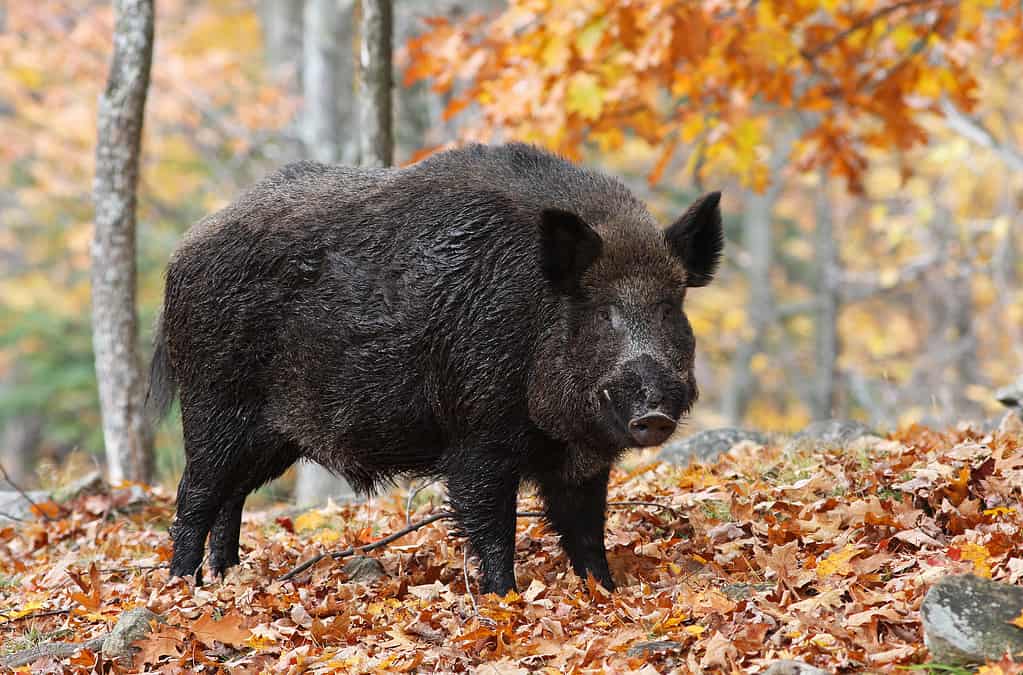
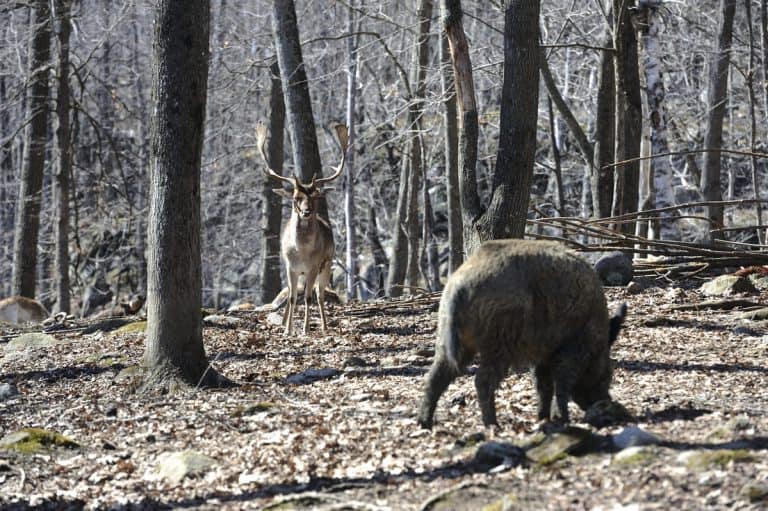
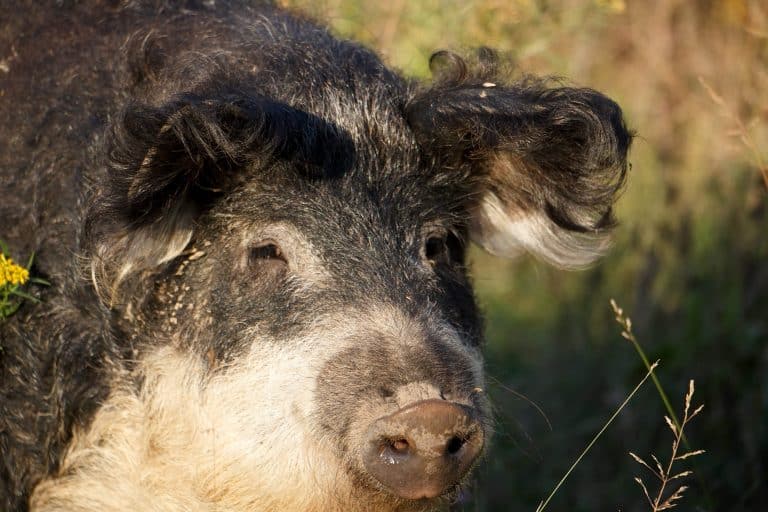
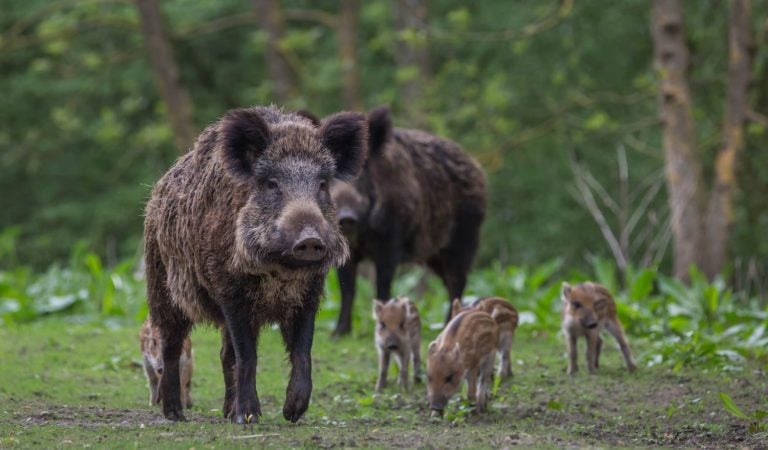
Male feral swine. These omnivorous animals have a strong sense of smell and sharp tusks used for defense.
©Mircea Costina/Shutterstock.com
Why Laws Haven’t Stopped the Pig Problem
Across much of the country, it’s illegal to move live feral hogs without proper authorization. Texas, for example, requires permits to send animals to approved processors or hunting preserves. But despite the patchwork of regulations and the Texas Animal Health Commission’s oversight, the genetic record makes it clear: pigs are still being shuttled across state lines, often outside the law.
The National Deer Association’s 2026 Deer Report notes that 16 states still allow some within-state transportation, while 11 permit importing live feral hogs, many with certain permits or conditions. Very few allow release into the wild, and crossing state borders with live pigs is rarely, if ever, legal. The research, experts argue, shows the necessity for stronger laws and better enforcement. In Missouri, for instance, the sampled rate of translocated pigs has dropped from 13% to 9% as authorities have increased oversight and intervention.
Risks That Reach Far Beyond the Woods
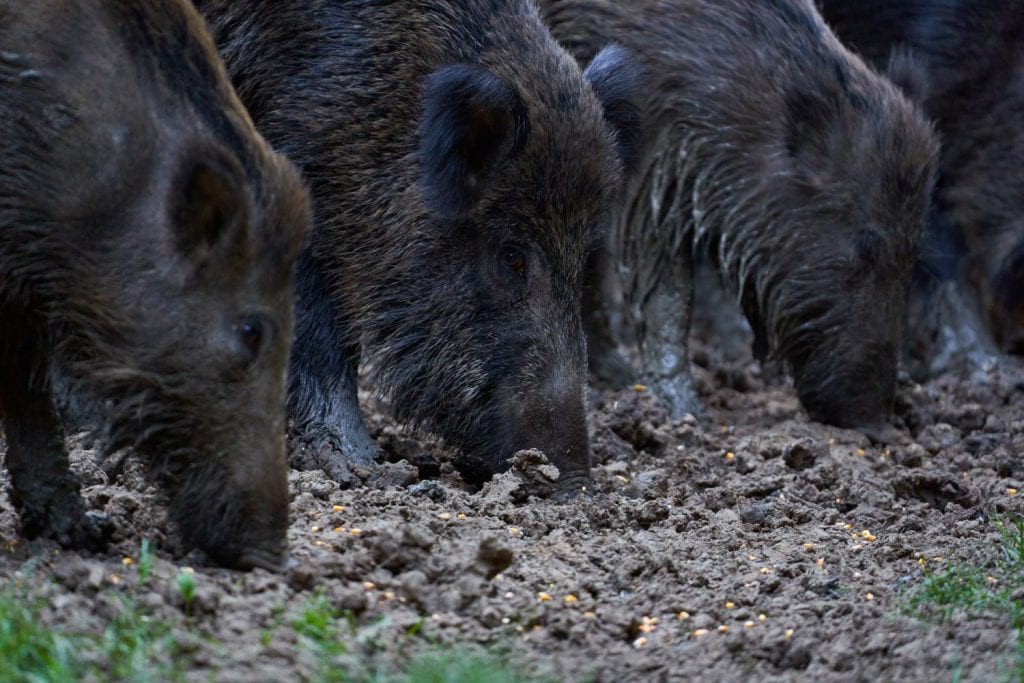
The fallout from transporting wild pigs is measured not only in damaged crops or disrupted wildlife, but in disease risk. The USDA warns that the spread of swine illnesses, brucellosis, pseudorabies, and potentially devastating African swine fever, could shake the entire domestic pork industry. With African swine fever now identified in the Caribbean, illegal pig movements from the South threaten to bring this disease to American heartland producers. For some pathogens, both pigs and people are at risk.
©Slatan/Shutterstock.com
Preventing the next outbreak, and stopping further spread, will require eyes on the ground. Scientists and wildlife officials are pushing for public involvement. Through a partnership including the USDA and the University of Georgia’s Center for Invasive Species & Ecosystem Health, they’ve launched the “Squeal on Pigs” app, an easy way for anyone to report a wild pig sighting in areas not already hit by the invasion. Catching new populations early, outside core states, can mean the difference between a contained incident and a new, unmanageable front.
What the Genetics Reveal About Human Impact
The groundwork for this research was laid not just by scientists but also by vigilant landowners, hunters, and everyday observers ready to report signs of hogs in their communities. What began as a regional effort along the U.S.-Canada border has evolved into an international push, pairing DNA technology with community science to track, and try to contain, the feral pig problem.
Looking at the spread through the lens of genetics, it’s clear: the story of America’s wild pigs is really a reflection of human choices and unintended consequences. As researchers prove, stopping this movement will require not only stronger laws, but a wider awareness of what’s at stake, from local habitats to the national food supply.