In October of 2016, a 2-year-old tiger named Gandhi attacked his trainer in front of a live audience. This tragedy occurred at the Pensacola Interstate Fair. The event started as a regular day, but mid-performance, something shifted. Gandhi grabbed his trainer’s leg with his teeth and began to drag her across the ring. The audience gasped at the shocking turn of events while another trainer wielded a whip, striking the tiger until he released her.
Fortunately, the trainer and Gandhi survived. Gandhi was beaten and punished for reacting like a wild animal in a place where he never should have been. Unfortunately, these kinds of occurrences are not just isolated incidents, but symptoms.
For years, circuses have used wild animals like Gandhi and others to provide entertainment. Lions jump through hoops, elephants stand on tiny stools, and tigers pace in cages under watchful eyes and hot stadium lights. In a welcome shift, more people are starting to see these performances for what they are: acts of domination dressed up as circus magic.
In April 2025, Washington became the most recent state to enact a ban on wild animals in traveling acts. Senate Bill 5065 shows Washington as one of the many states beginning to take a stand against the cruelty and safety risks of these performances.

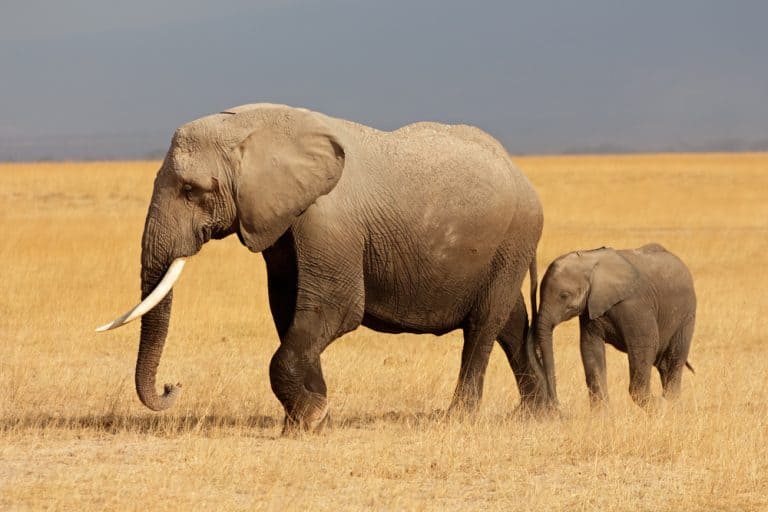
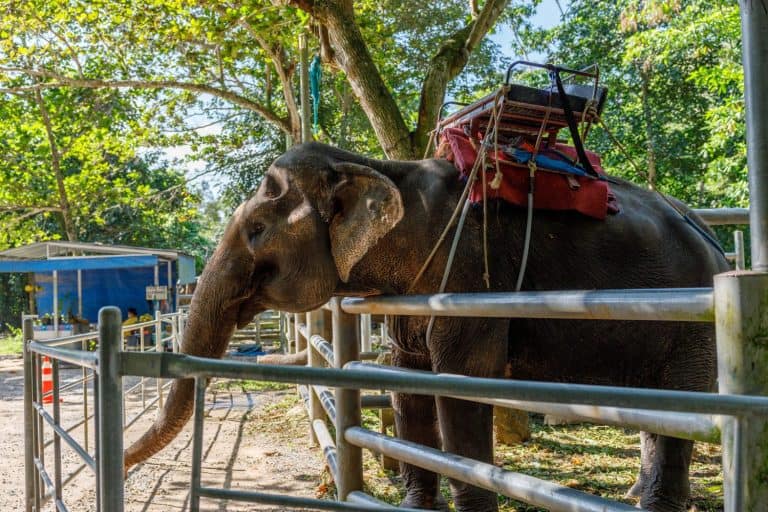
Elephants were often trained using bullhooks, which are one of the many sharp and cruel instruments used to control wild animals.
©Eky Studio/Shutterstock.com
History of Spectacle
Circuses have a long history going back over 100 years. This lengthy history makes these events into a practice, or customary experience. During the first years of the 20th century, circuses such as Ringling Bros. and Barnum & Bailey went around the country. Wild animals would travel thousands of miles in small boxcars to perform. Unfortunately, many animals experienced cruelty behind the scenes of these performances, such as elephants being beaten with bullhooks to train them, and bears with muzzles being made to ride bicycles.
Reports of these cruelties throughout the years stayed behind the curtain. Much of the atrocities that occurred were to bend these wild animals to the circus’s will and “put on a show.” The worst part of all of this is that for decades, it was all legal.
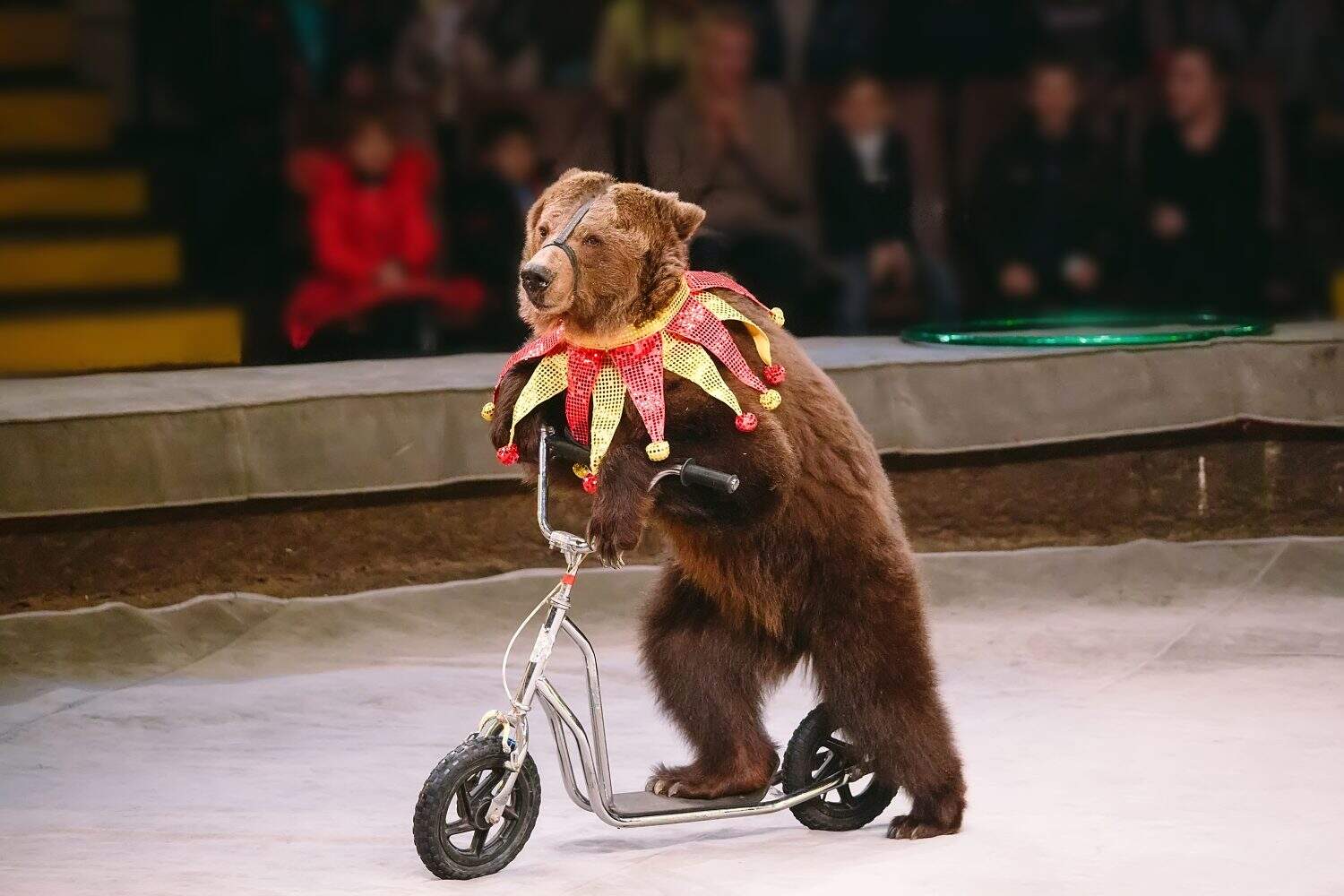
Bears were typically trained since they were cubs to perform standing upright.
©David Tadevosian/Shutterstock.com
The Fall Of The Wild Circus
Not many years have passed since circuses with wild animals were a common form of entertainment. Stories like that of Tyke the circus elephant, who was shot 87 times after trampling her trainer and injuring her groomer, are how we can justify a cultural shift. This change comes from something more fundamental than a general uneasiness. In the last 20 years, public opinion has changed quickly to asking more questions about the purpose of these entertainment forms.
At a turning point, the same questions are being spread through places like zoos and marine parks. Once viewed as family-friendly fun, these places now face more scrutiny. Documentaries like Blackfish reveal the dark side of places like SeaWorld and the psychological trauma captive orcas go through. Traditional zoos are also facing more backlash for allowing the touching of animals and putting them on display. As time moves forward, the pressure to prioritize conservation, enrichment, and care is evident. These cultural changes set the stage for a new movement, one driven by ethics and not so much nostalgia.
Notably, Washington’s passage of Senate Bill 5065 sets up ethical lines for traveling acts, including prohibiting the use of:
Let’s Dive In: How Circuses Break Wild Animals
Although circus animals are often said to be “trained,” this term hides the reality of the situation. These animals usually undergo training based on fear.
Breaking it down:
- Elephants roam many miles daily in the wild and form close herds (even grieving when a family member dies). In circuses, elephants are usually chained for extended periods with training using sharp bullhooks or electric prods.
- Big cats are typically solitary territorial animals. Confining them to tiny cages and forcing them to travel long distances and do tricks can cause psychological distress, such as self-mutilation and depression.
- Primates, which are some of the most intelligent, emotionally complex animals on earth, can be separated from their mothers at a young age, isolated, and trained with negative reinforcement. Psychological distress is also common due to the conditions they are subjected to.
To add to this, no matter how safe the circus claims to be, there is a mental toll of confinement and forced performance that is unavoidable. Encouragingly, this law stops the circus industry’s standard practice of using certain wild animals in traveling acts. Throughout time, the Animal Legal Defense Fund (ALDF) has continued to advocate for bans exactly like this. Recently, the ALDF took to Facebook to celebrate this decision.
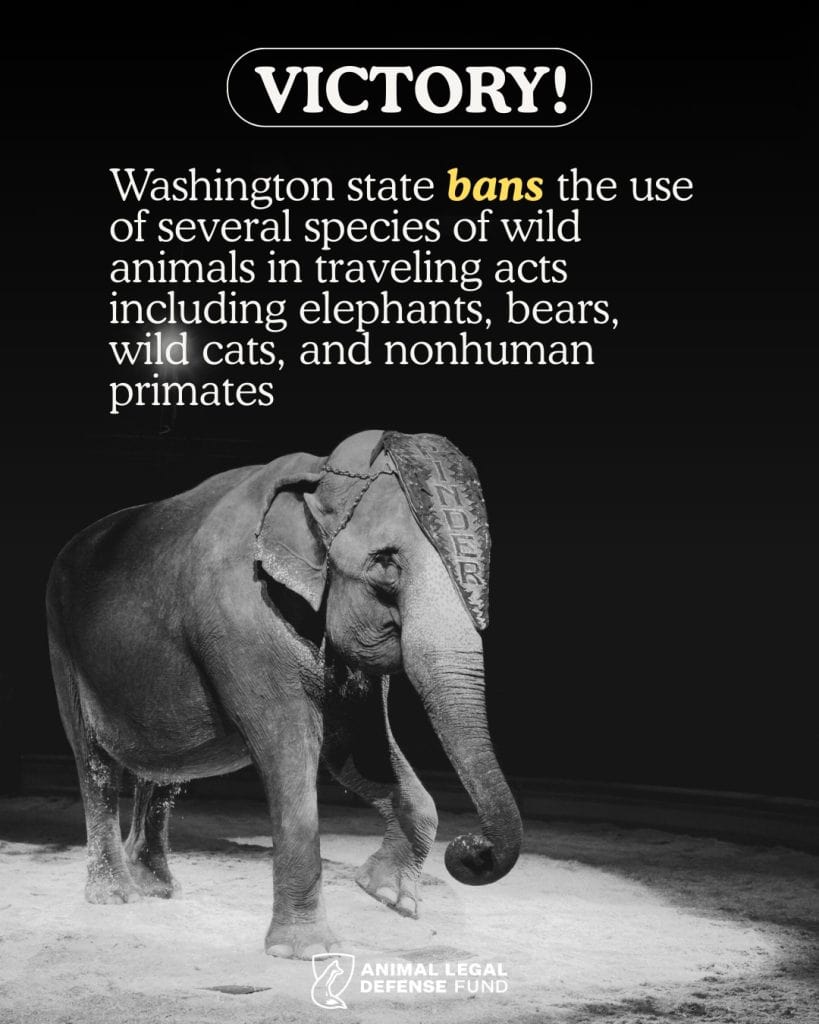
©Facebook/Animal Legal Defense Fund
 Victory for wild animals in Washington! A new law bans the use of elephants, bears, wild cats, and nonhuman primates in traveling acts.
Washington’s Law: Continuation Of An Ethical Movement
Although Washington is the newest state to ban wild animal circus acts, it certainly will not be the last. A wave of legislation has been passing through the city halls and states in the U.S. Take a look at some of the states taking action:
- New Jersey: In 2018, New Jersey started with Nosey’s Law. This bans the use of all wild and exotic animals in traveling acts.
- California: In 2019, California followed with one of the most complete bans in the country.
- Hawaii: Ban the importation of wild animals for circus purposes completely.
In addition, over the past five years, Colorado, Maryland, and Massachusetts passed statewide restrictions. Illinois and New York banned elephant performances, and even in Kentucky, restrictions on endangered species were passed.
Not only are the states taking action, but cities such as Los Angeles, San Francisco, and Portland have all created their own bans on this form of entertainment.
A Final Act For Circuses
Amid growing awareness, this concerns more than Washington, the tiger Gandhi, or the many other animals and individual lives altered in this practice. When these laws are passed, they chip away at the old narrative that an animal must perform for us. On their own, animals are sentient beings with intrinsic worth. These laws are slow work, but it is real and providing us with the groundwork to rewrite what empathy looks like in these spaces.