
Quick Take
- A single encounter in Texas convinced one woman to upend her life, and what she witnessed there turns out to be more common than most people realize. Meet the founder's story →
- The sanctuary's name is actually misleading about who lives there. See who actually lives there →
- Two tigers spent years in a Texas backyard, and their story reveals exactly why this sanctuary had to exist. Read about the Texas tigers →
- Animal rescue is far bigger than shelters and sanctuaries, and the scale of what happens every year will surprise you. Discover the rescue scale →
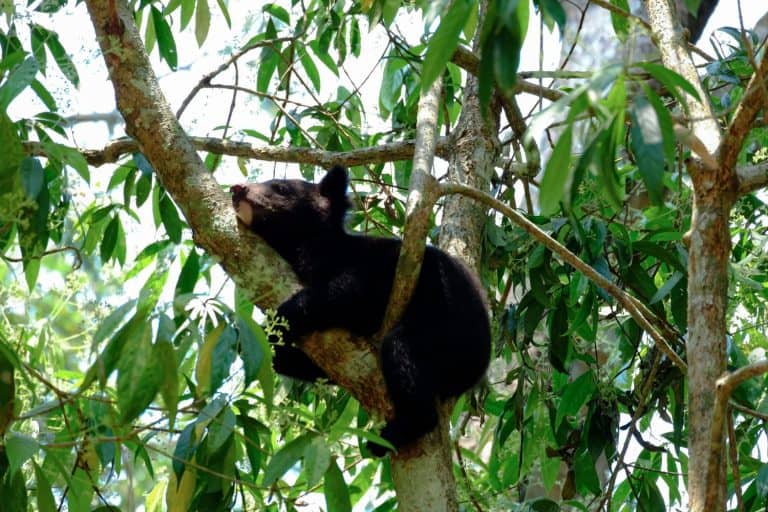
“Lions and tigers and bears! Oh my!” is one of the most recognizable lines from the 1939 film The Wizard of Oz. In Alpine, California, that familiar phrase has taken on a very different meaning. Lions Tigers & Bears is a nonprofit sanctuary that provides lifelong care for rescued big cats, bears, and other exotic animals.
The animals here did not all arrive under happy circumstances. Many were neglected, abandoned, kept as exotic pets, or used in entertainment before being rescued. Today, the accredited sanctuary provides them with permanent habitats, veterinary care, food, and enrichment. The video above offers a closer look at the facility and some of the animals that call it home.
Inside a California Sanctuary for Rescued Exotic Animals
This video takes us to Lions Tigers & Bears in Alpine, California, in eastern San Diego County. Big Cat Rescue produced and shared the video in 2013 as part of its “Sanctuary Spotlight” series highlighting other accredited animal sanctuaries.
Lions Tigers & Bears describes itself as a no-kill, no-breed, and no-contact rescue, sanctuary, and educational facility. It is accredited by both the Global Federation of Animal Sanctuaries and the American Sanctuary Association, organizations that set standards covering animal care, housing, veterinary care, safety, and sanctuary operations.
How Lions Tigers & Bears Got Its Start
Founder Bobbi Brink became involved with captive exotic animals in the early 1990s after seeing firsthand how easily big cats could be bred, sold, and kept by private owners. Brink has said that while living in Texas, she encountered exotic cats being kept and sold in conditions that convinced her something needed to change.
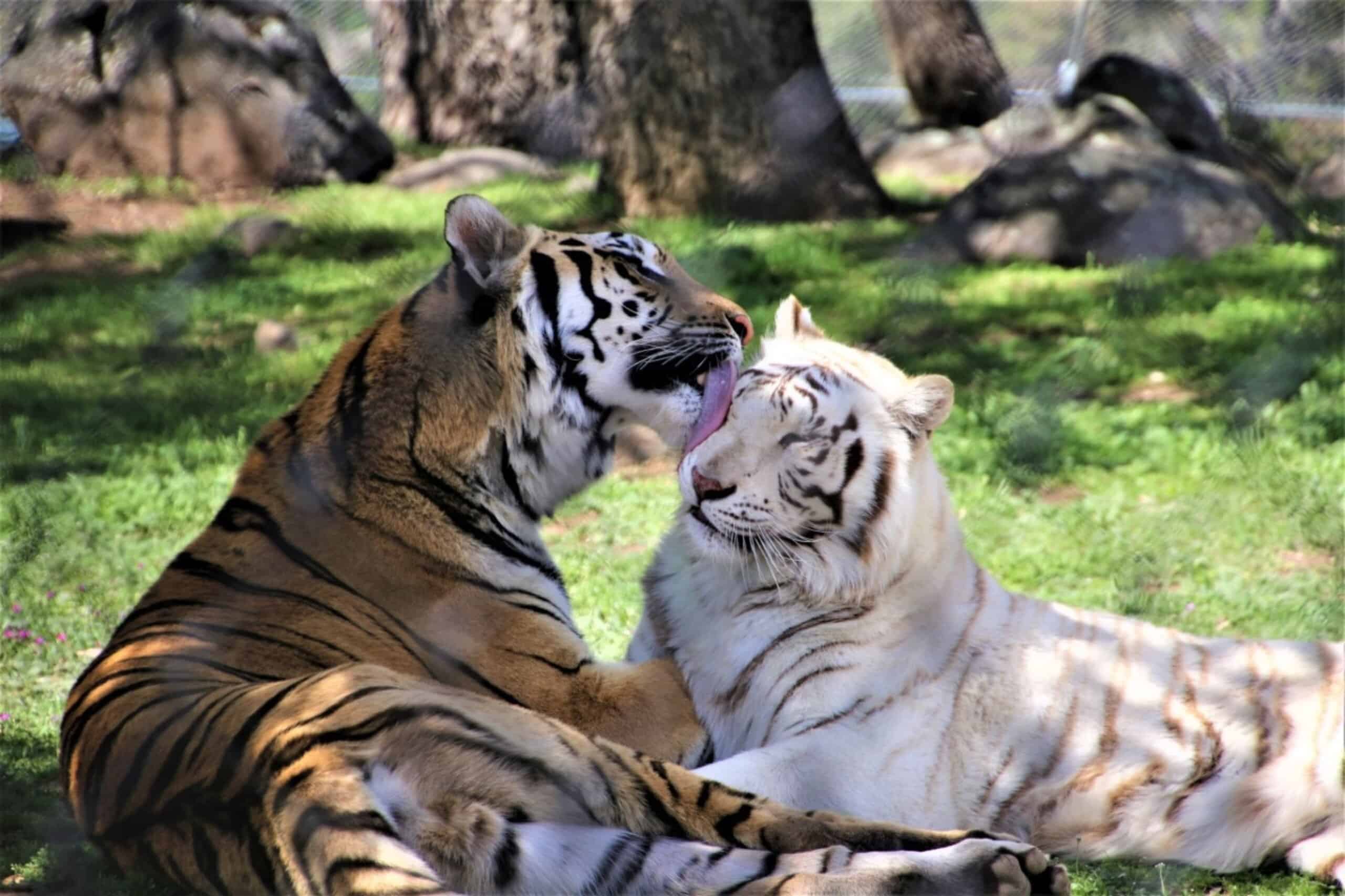
Brink established Lions Tigers & Bears in 2002. Two of its first residents were Raja and Natasha, adult tigers that had spent years in a small concrete-and-chain-link enclosure in a Texas backyard. The sanctuary was created to give animals like them a permanent place to live when returning to the wild was not an option.
Today, Lions Tigers & Bears sits on 142 acres near Alpine on the edge of the Cleveland National Forest in California. According to the sanctuary, more than 60 animals representing 19 species currently live there, and the organization has helped rescue more than 1,000 big cats, bears, and other exotic animals over its history.
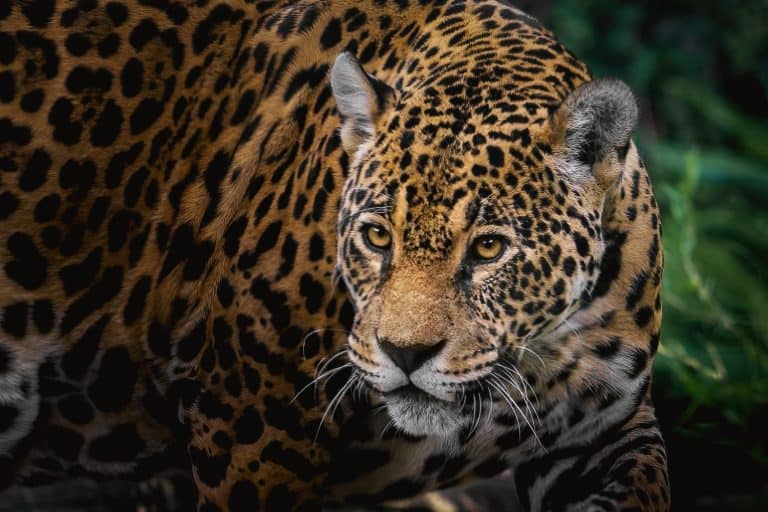
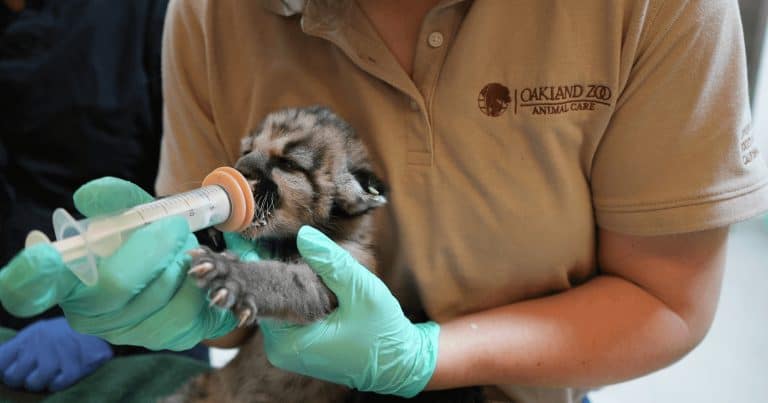
Despite the name, the residents go well beyond lions, tigers, and bears. The sanctuary has cared for animals including leopards, jaguars, mountain lions, bobcats, servals, and rescued ranch animals. These species are housed in appropriate habitats rather than simply being placed together.
How Common Is Wildlife Rescue?

There are millions of dogs in animal shelters every year.
©Foto Zlatko/iStock via Getty Images
Lions Tigers & Bears focuses largely on captive exotic animals, but animal rescue and rehabilitation take many forms. A 2022 systematic review published in PLOS ONE notes that millions of native wild animals are rescued and rehabilitated around the world each year. These cases can involve animals that are injured, orphaned, displaced, or otherwise unable to survive without temporary human care.
One example is Wildlife Rescue & Rehabilitation in Texas. The organization says it receives roughly 10,000 wild animals each year, including opossums, raccoons, bobcats, coyotes, skunks, squirrels, reptiles, and more than 100 species of birds. Animals that can recover are rehabilitated for release, while some that cannot safely return to the wild receive permanent sanctuary care.
Facilities such as these serve different purposes, but the common thread is giving animals appropriate care when injury, displacement, neglect, or life in captivity has left them unable to simply fend for themselves.