
Quick Take
- Classroom pets can be humane and even educational under certain circumstances.
- Some animals, like lizards, fish, and hamsters, are better-suited for classrooms than others.
- Children might develop an interest in veterinary care when exposed to pets in the classroom.
Classroom pets once seemed to be a rite of passage. They live in their tank in a classroom filled with children for most of the year. On weekends or holidays, they get to relocate to the home of one lucky student.
But how humane is this age-old concept? We spoke with animal welfare experts about their opinions on the matter. Keep reading to learn more about the educational upsides and welfare concerns of classroom pets.
Are Classroom Pets Humane?
Not all classroom pets are considered humane. This depends on a variety of factors, from the type of animal to the level of care provided.
“In my experience, classroom pets can absolutely be humanely kept, but only when the decision is intentional and grounded in a real understanding of the animal’s needs,” says Dr. Jo Myers, a veterinarian on Vetster.
Sometimes, pets receive better care within a classroom environment than in a home environment.
“I don’t see ‘classroom versus home’ as the deciding factor for welfare,” Myers explains. “I’ve seen pets in homes that aren’t getting what they need, and I’ve seen classroom pets that are exceptionally well cared for. Each setting has its own challenges and advantages. A social pet in a home where everyone is gone all day may struggle, while a classroom can offer more interaction and shared responsibility.”
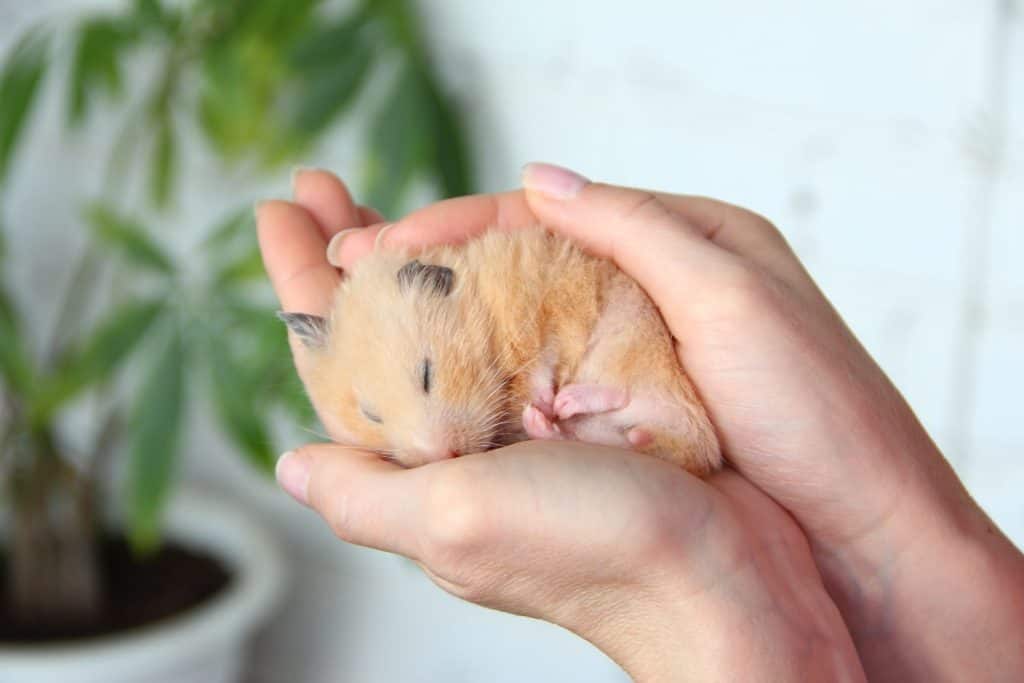
Small mammals like hamsters are usually preferred as classroom pets over larger mammals like dogs.
©Alex Milan/Shutterstock.com
Of course, classroom pets require extra care when class is not in session, she says. For example, someone must take the animal on the weekends and holidays. Depending on the type of animal, this can feel disorienting for the pet.
“The real question isn’t where the pet lives, it’s whether the adults involved truly understand that animal’s physical, environmental, and behavioral needs and can meet them consistently in that setting,” says Myers.
Benefits vs. Concerns of Classroom Pets
There are many educational benefits of classroom pets, especially among children who are taught hands-on care.
“When it’s done thoughtfully, there’s real educational value,” says Myers. “Kids don’t just learn empathy and responsibility, they also learn what proper animal care actually looks like. That includes understanding daily husbandry, recognizing signs of illness, and even learning about the role of veterinary care.”
Of course, there are also some risks associated with classroom pets, including hygiene concerns, student allergies, and stress.
“Hygiene is important, both from a general cleanliness standpoint and because some animals can carry zoonotic diseases,” Myers says. “Allergies are another big consideration. Animal dander, bedding, and even certain feeds can trigger reactions in sensitive children.”
When it comes to animal welfare, schools must ensure that classroom pets are emotionally supported and supervised at all times. Adults should teach children appropriate boundaries and supervise their interactions.
“Many classroom pets are prey species, and a busy, noisy environment with frequent handling can be overwhelming,” says Myers. “That’s why it’s essential that any classroom pet has the ability to opt out of interaction at any time. Proper hiding spaces and retreat areas aren’t optional; they’re a necessity.”
What Animals Make the Best Classroom Pets
According to Myers, some pets are better-equipped for classrooms than others. These include fish, certain reptiles, small mammals (like hamsters or guinea pigs), and even insects.
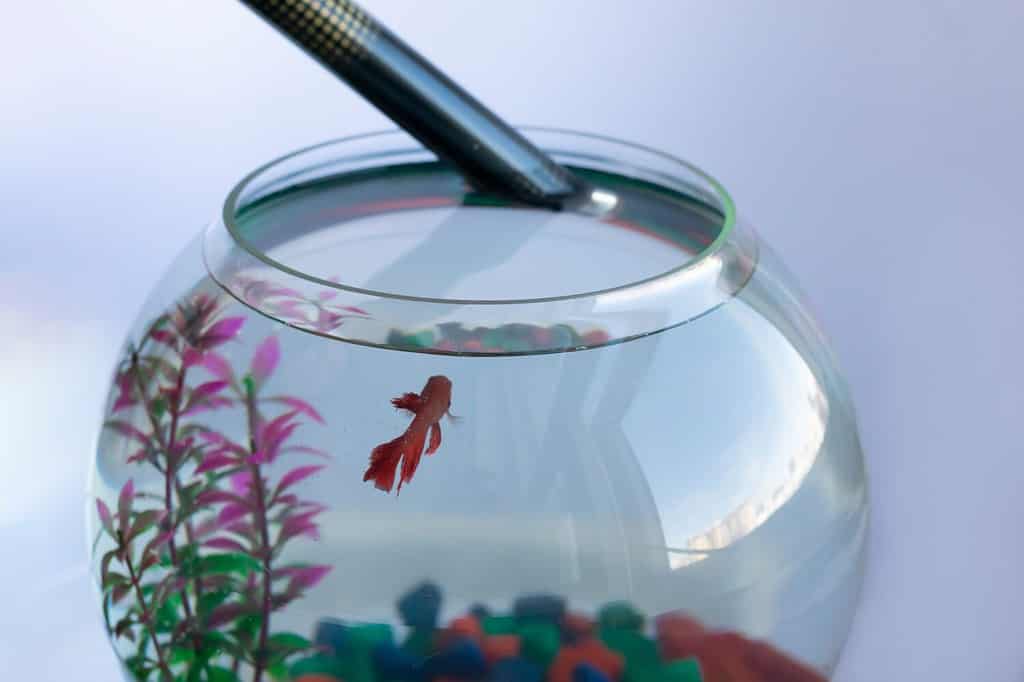
Fish generally make great classroom pets.
©Sunny_Smile/Shutterstock.com
“Generally, species that do well are those whose needs are relatively self-contained within a properly set up enclosure, and that don’t rely heavily on having a strong social bond with a primary caregiver,” she explains. “It’s also easier for everyone if they don’t need care over the weekend.”
Myers also noted that classroom pets don’t always need to provide an interactive experience.
“‘Look but don’t touch’ animals can actually be a better fit in many cases, especially from a welfare and safety standpoint,” she says.
What Animals Should Not Be Classroom Pets?
While certain animals make great classroom pets, others might not do well in such high-energy environments. For example, a cat or dog is likely far too complicated to have as a shared pet.
“There are definitely animals that are not a good fit for most classrooms, usually because their needs are too complex, too fragile, or too risky,” Myers says.
According to Myers, such animals include those that are sensitive to handling or stress or require specialized care. Additionally, avoid animals that pose a bite or injury risk, or those that are young, ill, or immunocompromised.
“In these cases, it’s less about the animal itself and more about whether the environment can realistically support that level of care,” she says.
In my experience, classroom pets can absolutely be humanely kept, but only when the decision is intentional and grounded in a real understanding of the animal’s needs.
Dr. Jo Myers, a veterinarian on Vetster
Should Your Class Get a Classroom Pet?
If you’re a teacher considering a classroom pet for your students, make sure you think through all the potential risks and concerns before committing to the idea.
“The bottom line for me is that a classroom pet should never be an impulse or a tradition that’s carried forward without thought. It should be a deliberate decision based on a clear understanding of that animal’s needs,” says Myers. “If you can confidently meet the pet’s physical, environmental, and behavioral needs, including giving it the ability to retreat and feel safe, then a classroom pet can be a positive experience for everyone involved. If not, it’s better to find other ways to teach those same lessons without putting an animal in a situation where it can’t thrive.”