
Quick Take
- Researchers estimate there are between 60,000 and 80,000 wolves in North America.
- Wolves are not naturally aggressive toward humans.
- Although the risk of wolves attacking or killing people is very low, it is not zero.
- There have been 26 fatal attacks by wolves worldwide from 2002 to 2020.
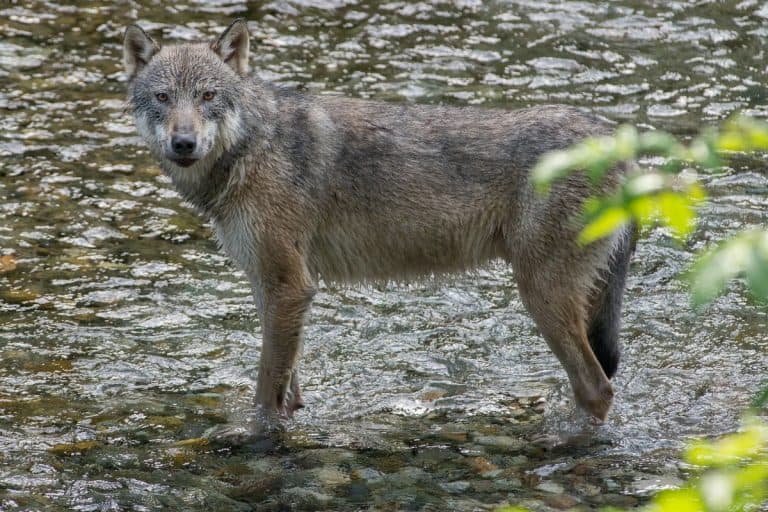
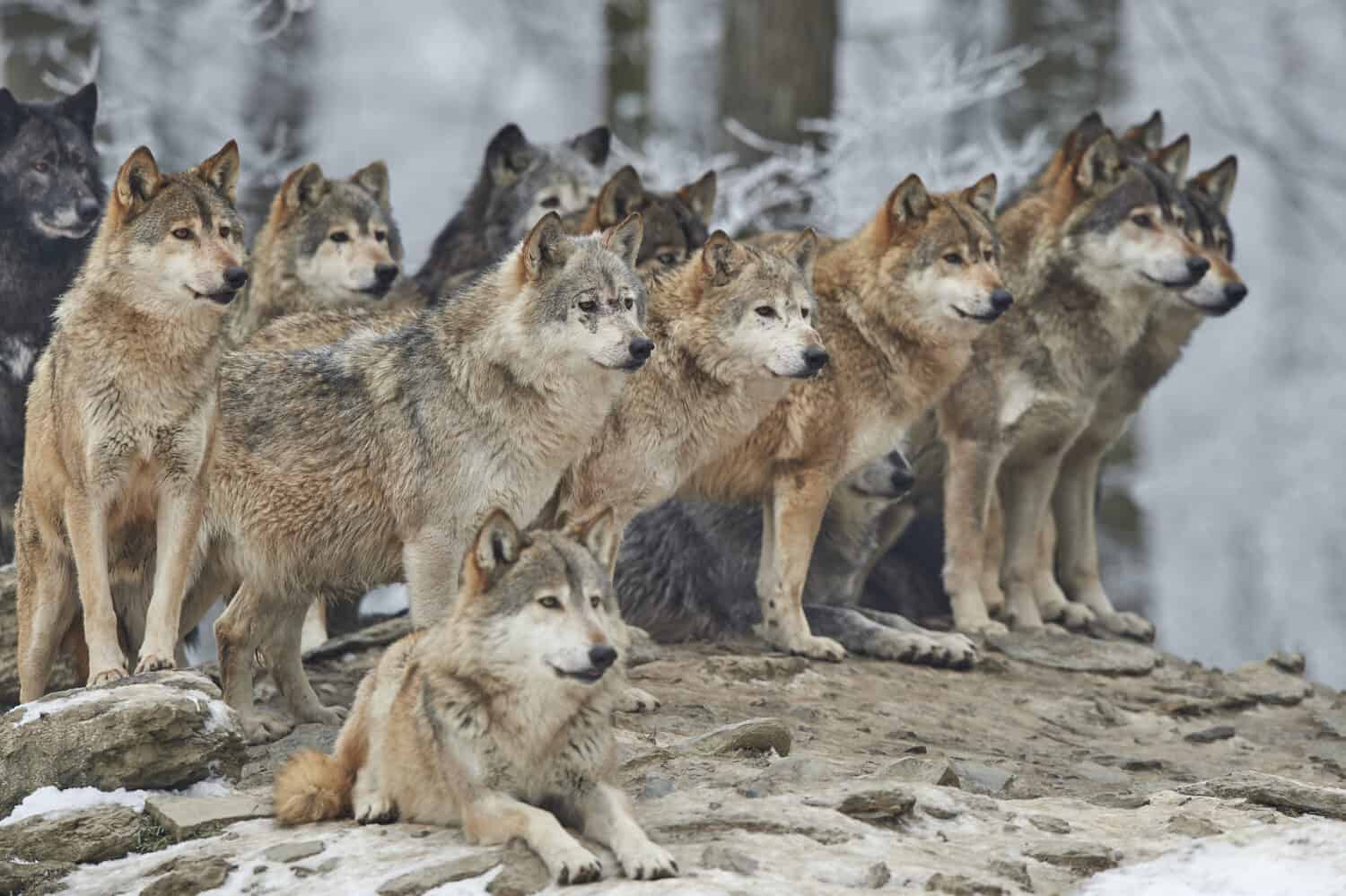
Wolves are the largest wild members of the Canidae family, which also includes dogs, coyotes, foxes and jackals. They are native to Eurasia and North America. In North America, they range in size from 40 to 175 pounds. Population estimates range from 60,000 to 80,000 wolves living among millions of people across Canada, Alaska, the Northern Rockies, and the Great Lakes regions. So, are wolves dangerous to humans? What is the risk of an attack? Read on to learn more about wolf and human interactions.
Are Wolves Dangerous to Humans?
Wolves are widely distributed across Alaska, which is one of the areas where humans are most likely to encounter them. They are typically found in non-urbanized areas, preferring to avoid people, roads, and buildings. Yellowstone National Park is another area where wolves may be exposed to humans. The park receives around 4 million visitors per year, including campers, and there have been no wolf attacks on humans in Yellowstone since wolves returned to the area in 1995.
All wild animals can be dangerous, wolves included. However, wolves are not naturally aggressive toward humans. The risk of wolves attacking or killing people is very low, but it is not zero. There have been instances where wolves have attacked and even killed people. Alaska state wildlife officials have also warned of encounters with wolves in more suburban areas. So in areas where you could come into contact with wolves, it is crucial to remain aware of your surroundings.
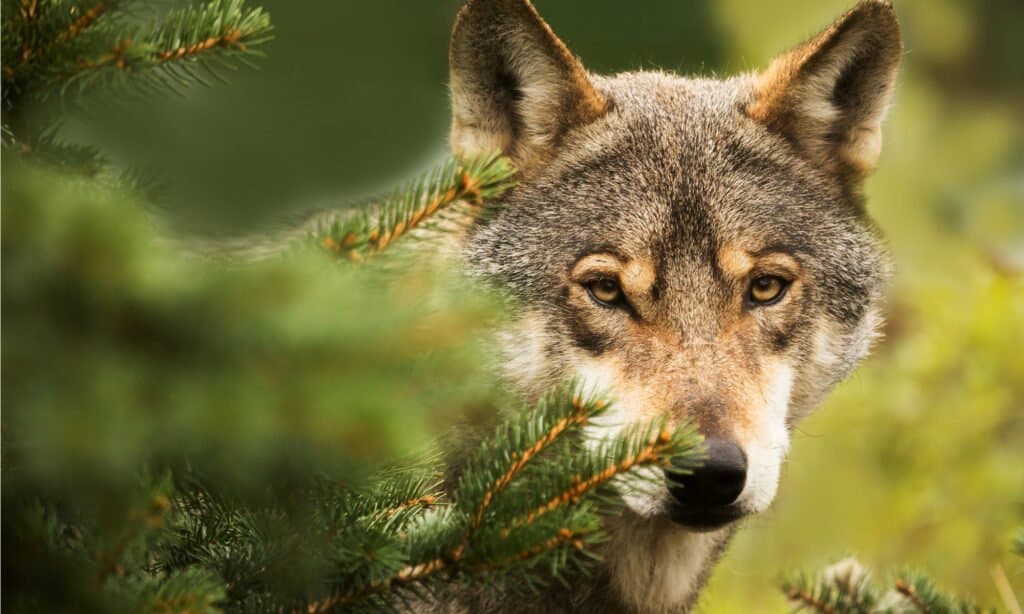
Wolves avoid contact with humans, but there have been instances of fatal wolf attacks in North America.
©Michal Ninger/Shutterstock.com
Wolf Attacks on Humans
From 1900 to 2000, researchers found no documented accounts of humans being killed by wild wolves in North America. However, a person was killed in Saskatchewan in 2005, and a second fatality occurred in Alaska in 2010. Serious injuries caused by wolf aggression have also been recorded.
Outside of North America, researchers have uncovered at least 24 fatal wolf attacks from 2002 to 2020. Half of these attacks took place in Turkey. There were six fatal wolf attacks in Iran, four in India, and one each in Tajikistan and Kazakhstan. During that same period in Europe and North America, researchers only found evidence of 12 total attacks, of which two (described above) were fatal.
Why Do Wolves Attack Humans?
Rabies is believed to have been the cause of most attacks on humans. In the study mentioned above, researchers found a total of 489 victims of wolf attacks worldwide from 2002 until 2020. Of those attacks, 380 (78%) were attributed to rabid wolves. Only 67 were predatory attacks and 42 were defensive attacks.
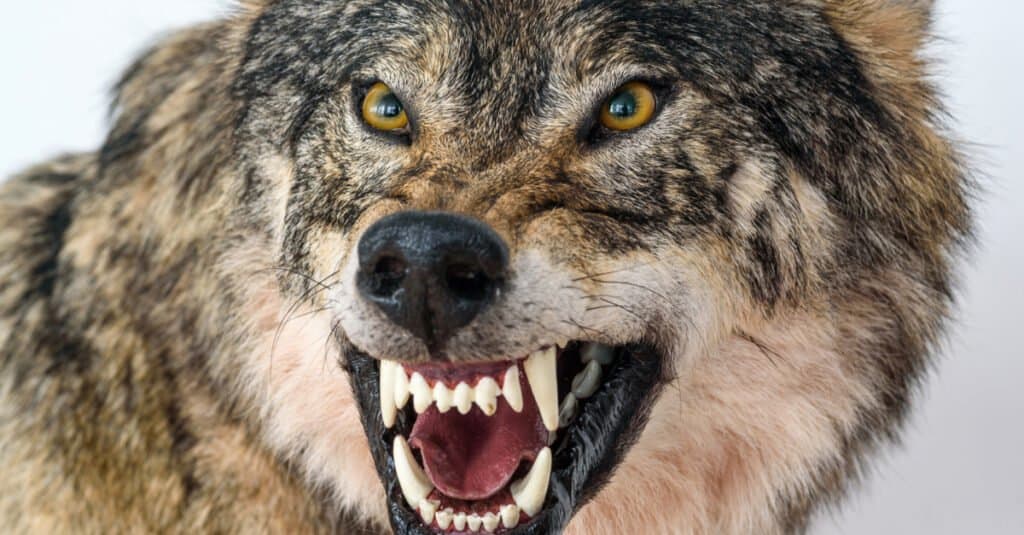
Rabies is a significant factor in wolf attacks on humans.
©shymar27/Shutterstock.com
Another factor in wolf attacks is habituation, which means wolves have lost their fear of humans. This can occur in some protected areas or when people feed wolves. If wolves feel threatened or cornered, or they are protecting their pups, they may also attack in defense.
Are Wolves Dangerous to Pets?
Wolves can be dangerous to pets, with the most common conflicts occurring between wolves and domestic dogs. Wolves have been found to kill dogs throughout most areas where their ranges overlap. Fortunately, fatal attacks on dogs are usually infrequent, and wolf predation on dogs is rare.
Both wolves and dogs are territorial. An unleashed dog that strays into a wolf’s territory might be viewed as a competitor. Many recorded wolf attacks involve free-ranging hunting dogs during hunting or training. Other fatal attacks involve livestock-guarding or herding dogs that were killed while defending livestock from a wolf attack. If you live in wolf country, reduce the possibility of wolf and dog conflict by keeping your pet leashed and close by. When hunting, learn to recognize signs that wolves may be nearby so that you can avoid them.