
Quick Take
- One Florida beach holds the world record for shark bites yet has never recorded a single fatality. The reason why reveals something surprising about what these attacks actually are. See the bite data →
- Three waterways converging at one inlet quietly set the stage for hundreds of shark encounters. Explore the geography →
- When a shark bites a surfer's foot in murky water, it usually isn't an attack. The science behind what's actually happening changes how you should think about ocean safety. See the science behind bites →
- Experts say the spike in shark encounters isn't driven by more sharks, so what is actually driving it? Find out what's driving it →
A recent shark bite in the Florida county known as the “Shark Bite Capital of the World” is making headlines. WKMG-TV News 6 reported that a 21-year-old man was bitten by a shark in Daytona Beach Shores in Volusia County on Saturday, July 25, 2026. The man suffered injuries to his foot and ankle and was released from the hospital two days after the attack.
Since the 1880s, hundreds of unprovoked shark bites have been reported in Volusia County. That’s more than at any other single spot in the world. As alarming as that sounds, according to the International Shark Attack File (ISAF) at the Florida Museum of Natural History, there has never been a fatal attack in Volusia County.
What’s more, most bites are minor and occur when juvenile coastal sharks accidentally bump into swimmers and surfers. What is it about this stretch of warm coastal waters that leads to so many encounters between humans and sharks? It’s a combination of factors, including murky waters, a large number of beachgoers, and a significant population of juvenile sharks searching for food.
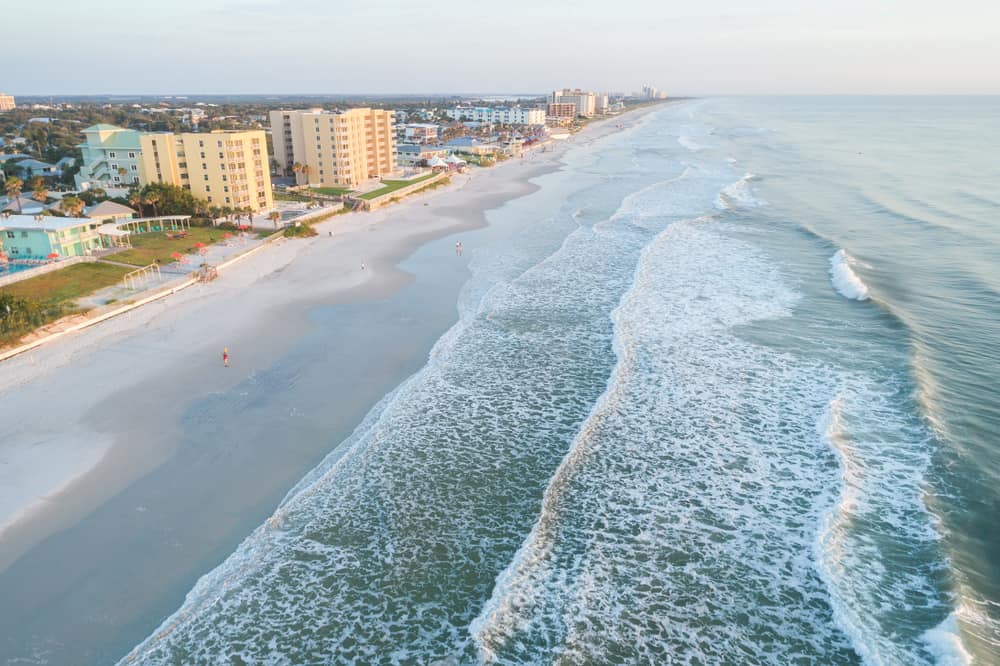
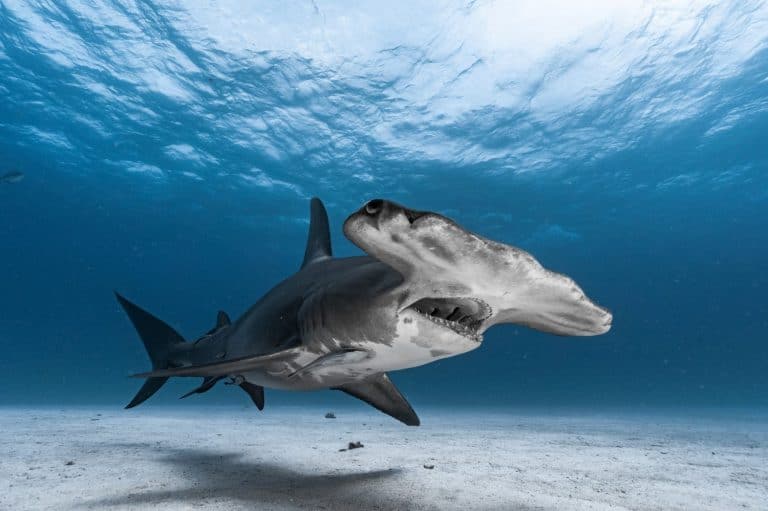
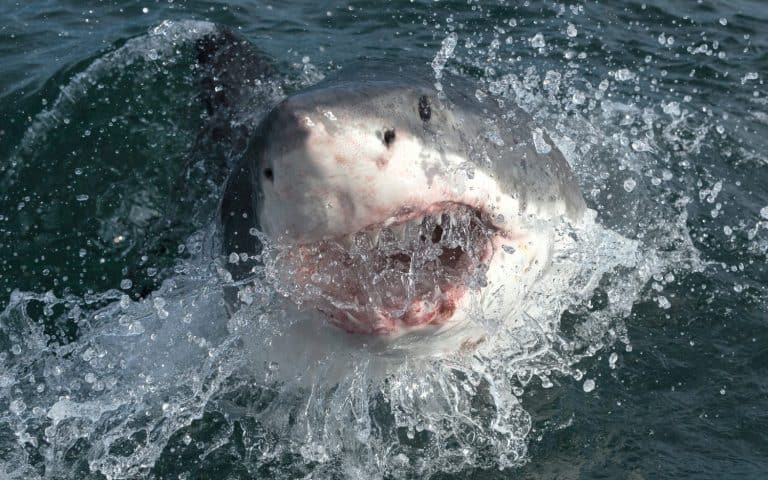
The waters off the coast of New Smyrna Beach in Florida are home to many species of sharks.
©Sky Cinema/Shutterstock.com
New Smyrna Beach Is the Shark Bite Capital of the World
According to the ISAF, New Smyrna Beach (within Volusia County) has the most shark-human interactions each year. Looking at the ISAF data broken down by state and county, we can see that Florida leads the country in confirmed unprovoked shark attacks since 1837 at 828. The second highest state is Hawaii at 162.
Within Florida, Volusia County tops the list with 303 confirmed unprovoked shark attacks since 1882. In 2025, Volusia County recorded 6 of Florida’s 11 unprovoked shark bites, more than any other county in the state.
Countries such as Australia and South Africa may report fewer overall attacks; however, they experience a higher proportion of fatal incidents due to the presence of larger shark species, such as great white, bull, and tiger sharks.
Why Volusia County Has So Many Shark Bites
New Smyrna Beach, south of the Ponce Inlet, is a prime spot for surfers. Here, the Indian River North, Halifax River, and Intracoastal Waterway all empty into the Atlantic Ocean. This creates fast waves and shifting sandbars. It’s not only swimmers and surfers who are drawn to the area, but also an abundance of hunting sharks searching for fish.
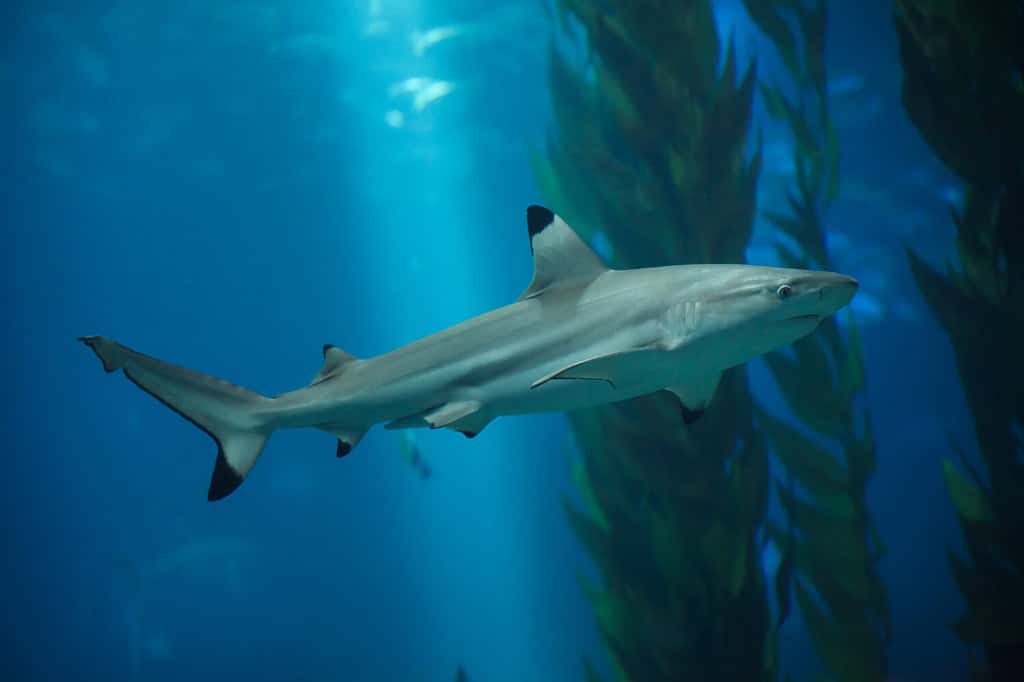
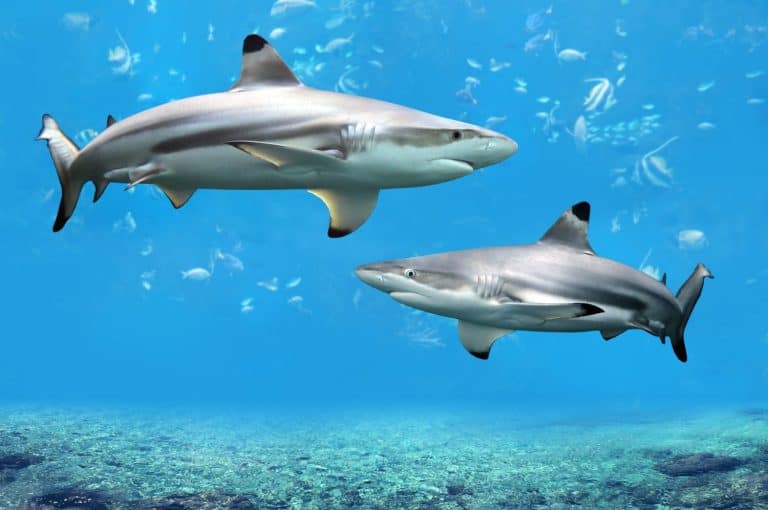
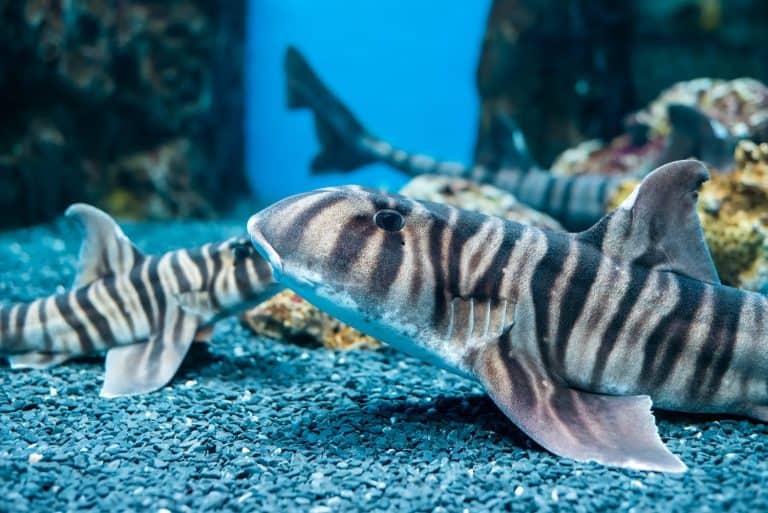
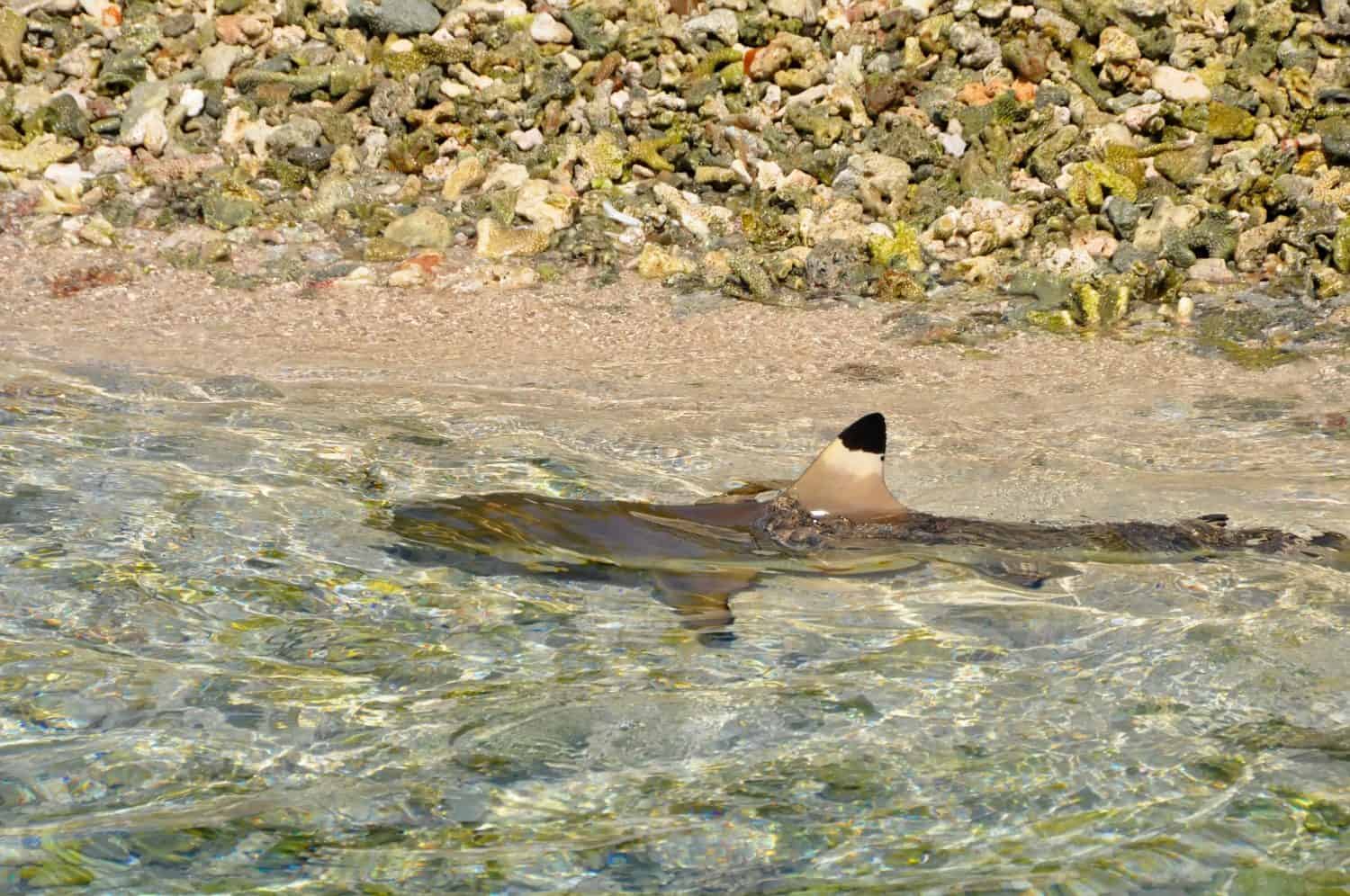
Blacktip reef sharks are often found swimming around coral reefs.
©Vladimir Wrangel/Shutterstock.com
According to the Florida Fish and Wildlife Conservation Commission (FWC), there are nursery grounds for over 13 species in Florida’s bays and coastal waters. Juvenile sharks swim inland following prey fish such as sardines and mullets as the strong tidal waters carry them through the inlet.
Additionally, many species of sharks migrate seasonally along the Florida coast. The FWC explains that migrating shark activity reaches its peak from April to October. This is, of course, also when Florida’s beaches have the highest human activity. According to the FWC, “Experts agree that the increase in the number of shark bites in recent years is more related to an increase in human visitors than to an increase in shark populations or activity.”
Murky Water Makes Mistaken Bites More Likely
According to the ISAF, the majority of shark bites in Volusia County are from juvenile coastal sharks, such as blacktip sharks (Carcharhinus limbatus). The juveniles can be 28 inches long at birth. They tend to swim in shallow waters near barrier islands, salt marshes, and estuaries.
The water off the Florida coast is incredibly murky, with low visibility. Strong waves, shifting sands, brackish waterways, and heavy concentrations of baitfish stirring up bottom sediment all contribute to water so murky that it is difficult to see your feet once you are waist-deep.
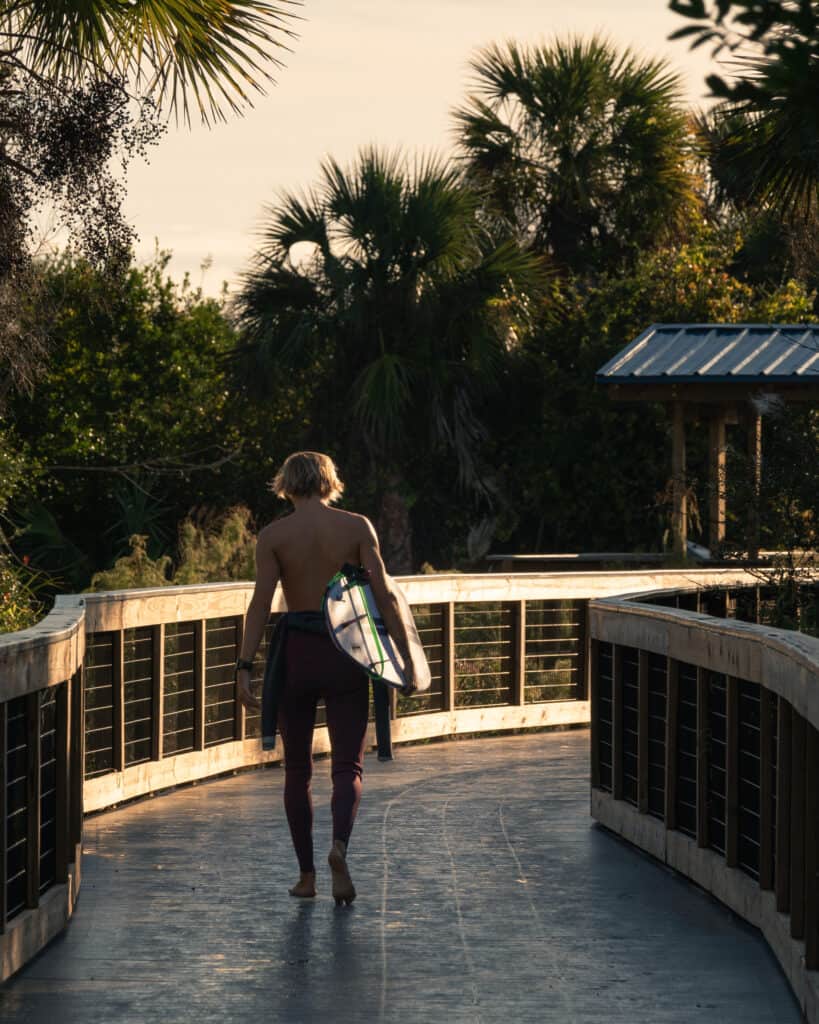
New Smyrna Beach in Florida is known for its prime surfing conditions.
©SR Productions/Shutterstock.com
The murky water limits visibility for both people and sharks. Unfortunately, this increases the chance that a shark mistakes a foot or hand for a small fish and gives a test bite before quickly letting go. This often results in a minor bite rather than an aggressive attack.
Should You Be Worried About Sharks in Florida?
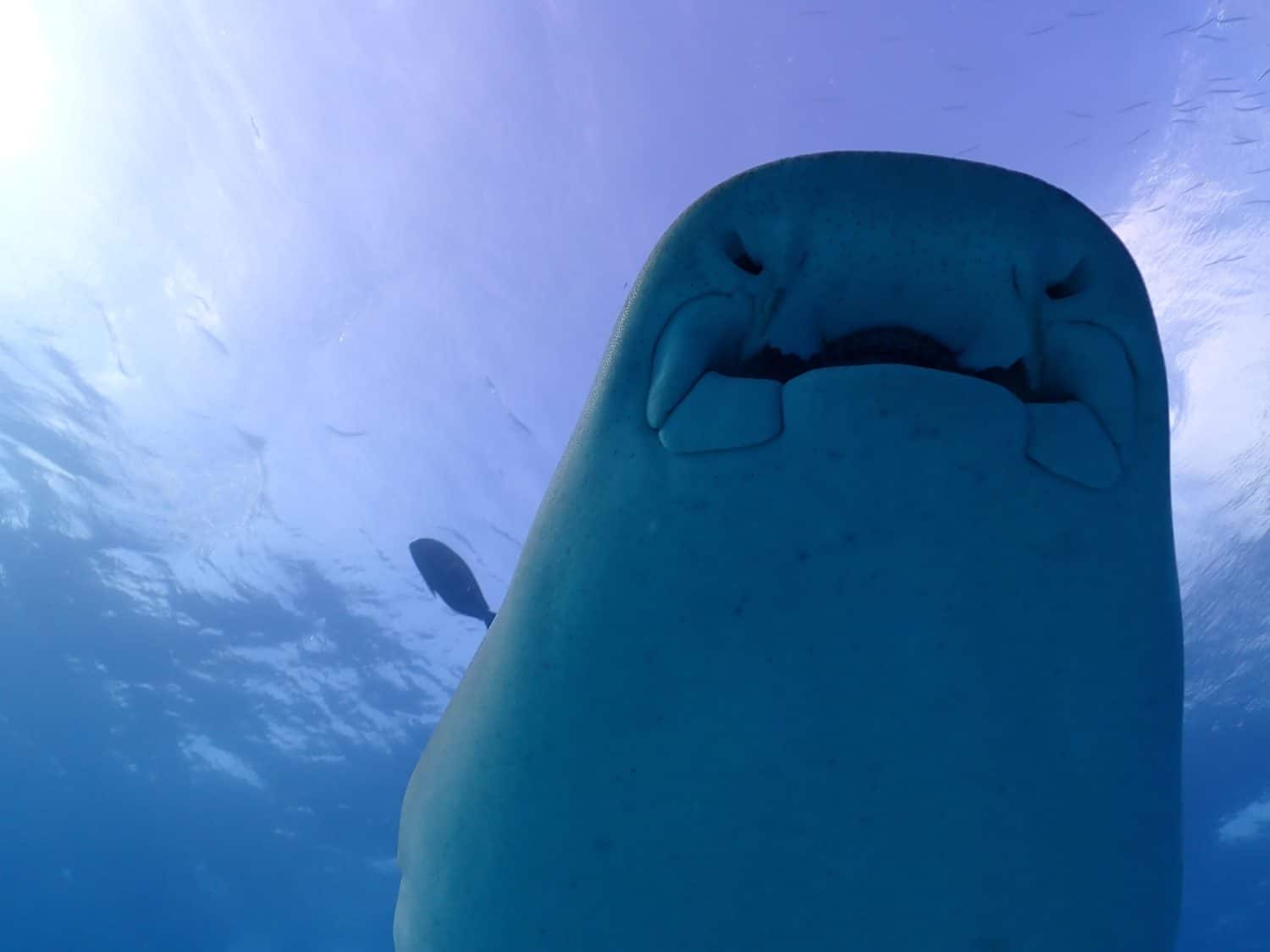
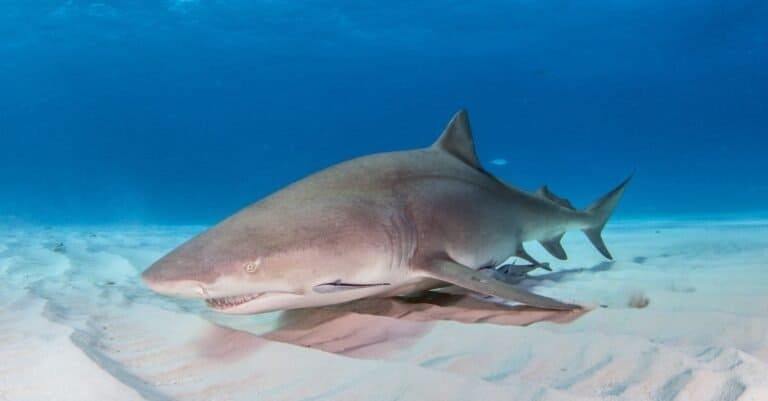
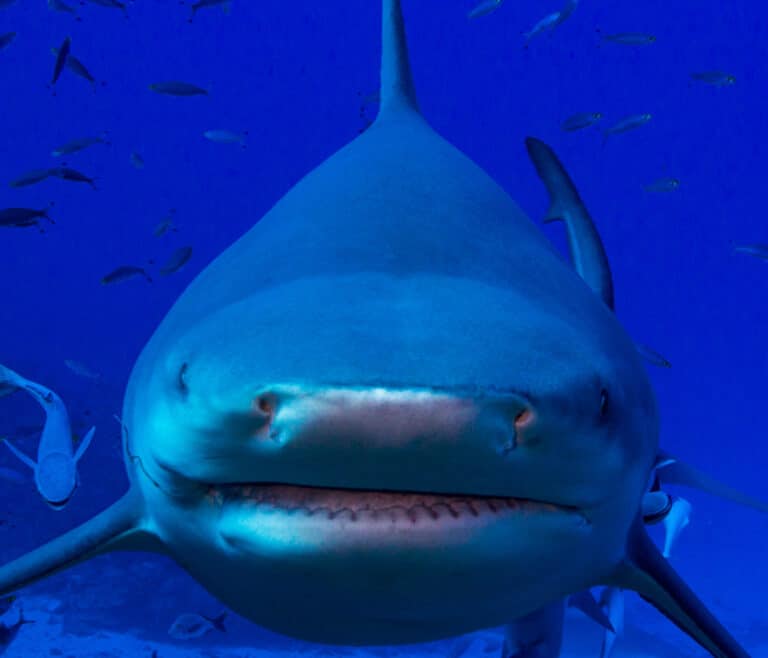
The slow-moving nurse shark is known to be docile and rarely bothers swimmers.
©ANDREA COLOMBO 70/Shutterstock.com
The reality is, sharks have more to fear from humans than we do from sharks. According to the FWC, “On average worldwide, fewer than 10 people die from shark bites each year; however, the world’s fisheries kill an estimated 100 million sharks annually.” Shark populations have diminished due to overfishing, climate change, and habitat loss.
Although sharks do not want to hunt humans, they are present in the water. Experts agree that it pays to be aware of your surroundings. While shark bites are incredibly rare considering the vast number of people in the water each season, it’s best to educate yourself on how to reduce your risk of encountering a shark.