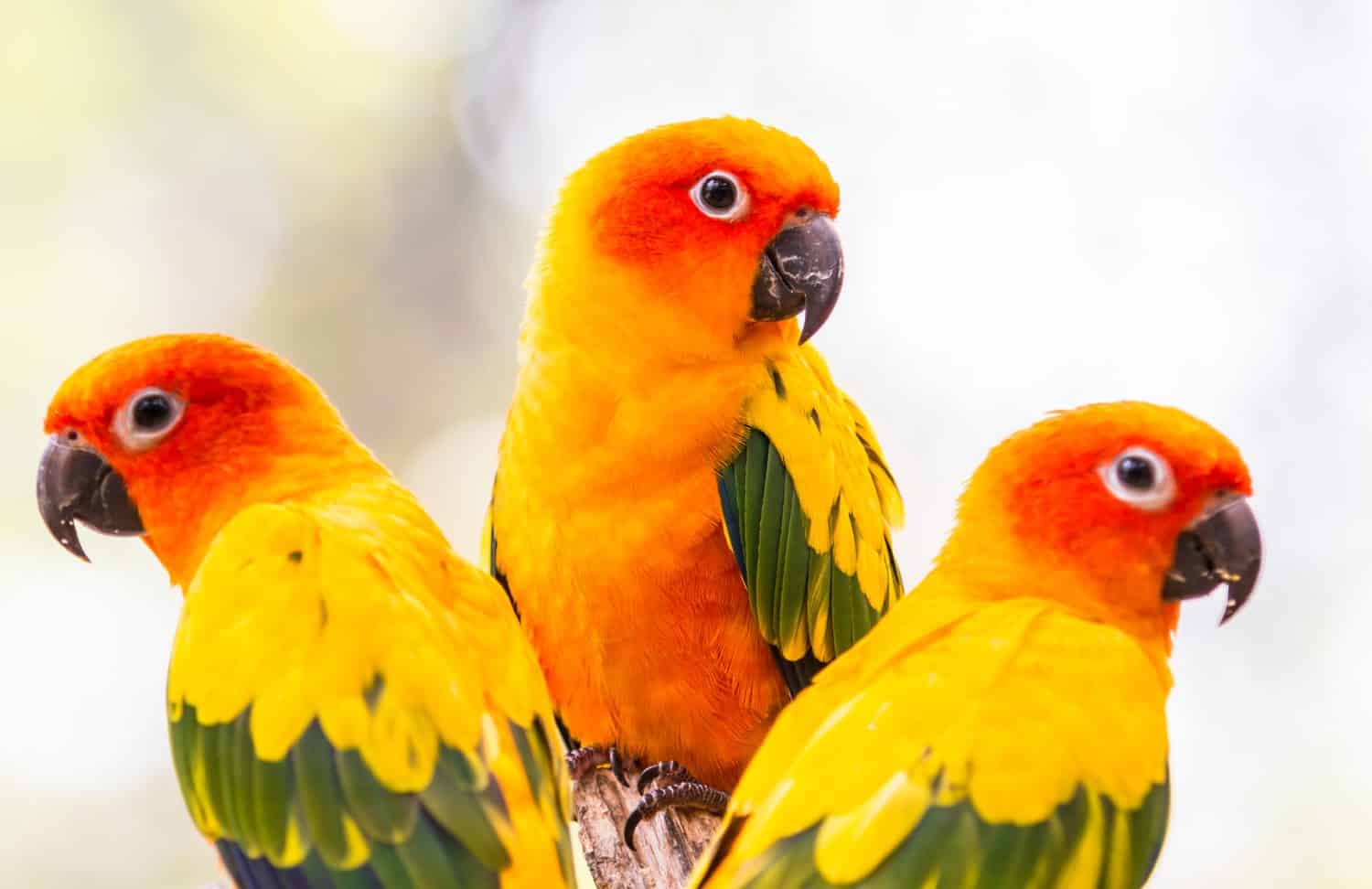

Did you know that parrots are highly sensitive to sudden or loud noises? These adorable, comical birds often become overstimulated by even the slightest sounds. However, some sounds are more abrasive to their ears than others. Here are 10 sounds that seriously stress out parrots.
1. Loud Music
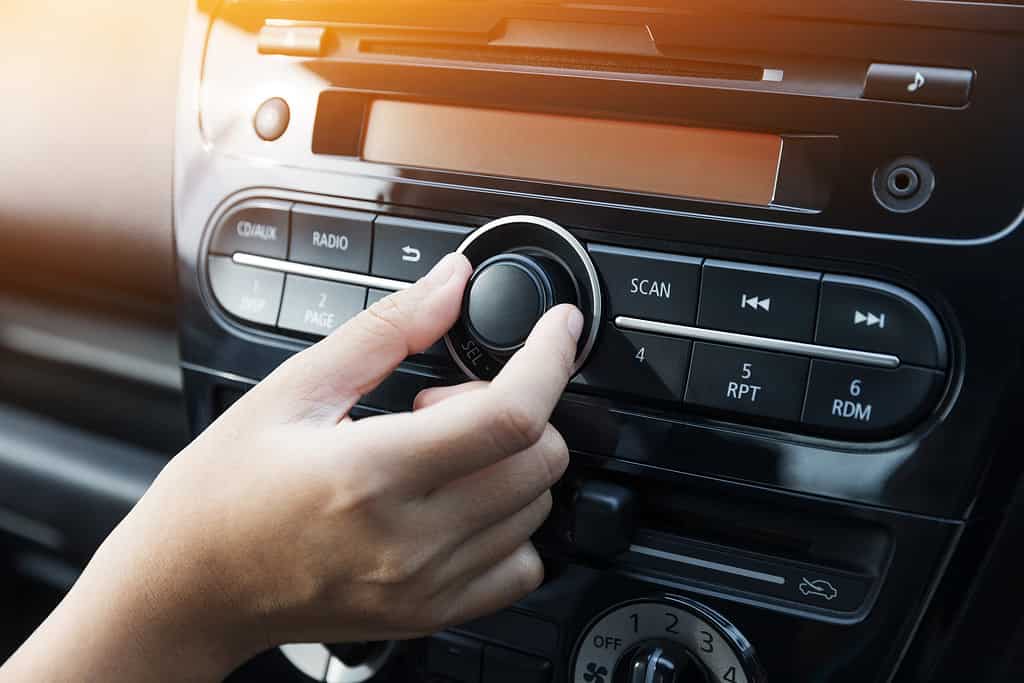
Loud, aggressive music can be disturbing to a parrot’s sensitive ears.
©Suradech14/iStock via Getty Images
Loud music is one of the parrot’s most disliked sounds. These small creatures prefer calming music, like instrumentals or ambient tunes. However, if you were to blast an energetic pop song or heavy metal track, you likely won’t get a positive reaction from your bird.
Parrots can grow anxious when there’s too much going on, and loud music only amplifies their discomfort. You might notice them posturing, lowering their bodies to signal aggression. This occurs when a bird is triggered into their fight-or-flight state. Don’t be shocked if they start biting or attacking you, as this is a common response to fear or stress. It’s not that they want to hurt you, but rather, they feel at risk.
Additionally, like humans, parrots can also experience hearing damage. Loud music can be painful to their sensitive ears. If you want to play your favorite music at a softer volume, however, it shouldn’t be much of an issue. Just don’t blast it like you’re in your car or at a concert venue.
2. Vacuum Cleaner
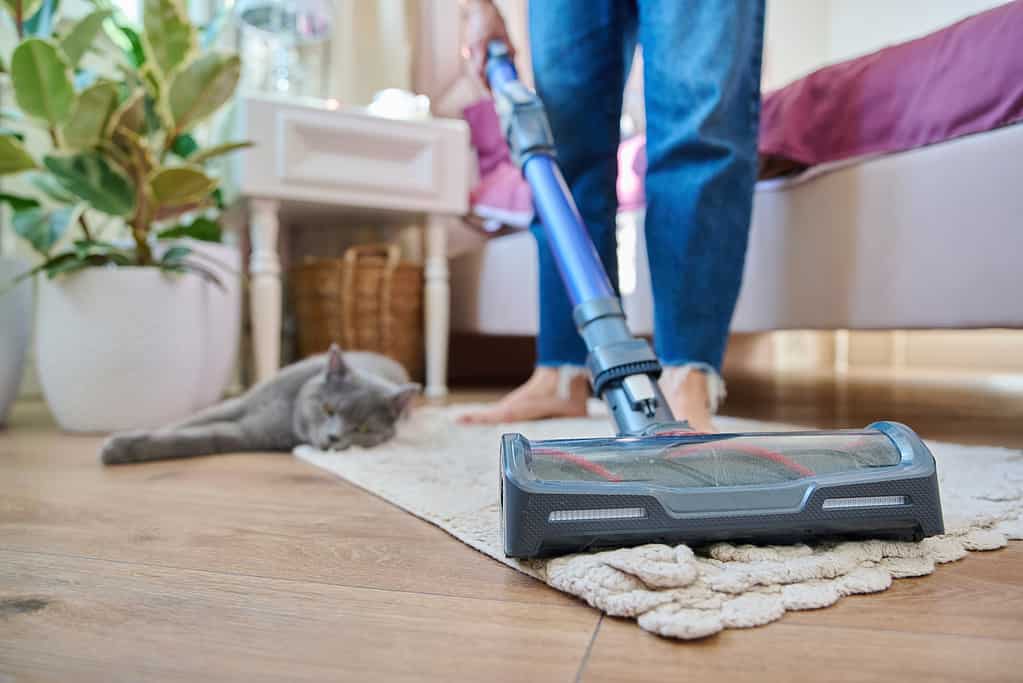
Using a vacuum cleaner near your parrot might set them off.
©Valeriy_G/iStock via Getty Images
Some pets hate the sound of vacuum cleaners, as it is often loud and intimidating. Many cats and dogs will race away any time their owner starts cleaning the floors. Parrots aren’t much different in that regard.
With their sensitive hearing, parrots often associate the sound of vacuum cleaners with danger. Vacuums create high-pitched noises and vibrations that trigger fear and anxiety in parrots. In fact, some vacuums even produce ultrasonic frequencies that humans can’t hear but are greatly disturbing to the bird. This could cause them to revert to their prey instincts and hide to avoid danger. To avoid setting off your parrot, consider moving them to a safer, quieter spot within your home while vacuuming.
3. Fireworks

Fireworks might be a beautiful scene, but it can also scare your parrot.
©Light and Vision/Shutterstock.com
Unfortunately for many pets, fireworks are a common display of celebration—and one we can’t necessarily control. No matter where you live, you likely hear fireworks at some point in the year. These loud bangs are enough to scare anyone, including humans. However, for parrots, it’s their worst nightmare.
Because of their sudden and unexpected pop of sound, fireworks can trigger panic in parrots. Not to mention, since they occur mostly at nighttime, they can disrupt the bird’s sleep. For reference, parrots require a consistent sleep schedule and about 12 hours of uninterrupted peace and quiet for healthy rest. Chances are, this isn’t happening during a loud and obnoxious fireworks show.
4. Noisy People or Pets

Loud children or pets can easily disturb parrots.
©Rawpixel.com/Shutterstock.com
Parrots aren’t much different from people, after all. In fact, they can actually become overstimulated and frustrated by loud people and pets. For example, if you or a roommate talks in high-pitched voices at high volumes, you’ll likely set off your parrot. On the other hand, if you have a dog who’s always barking, you won’t have a happy parrot in your home.
These noises can trigger a bird’s predator instinct, causing it to feel threatened. They might start to display aggressive behaviors or even attempt to flee the area. As their nervous system becomes overloaded, they struggle to feel at peace or calm enough to function properly.
5. Blasting TV

If you’re known to play your TV at a loud volume, remember the noise can trigger your parrot.
©Giuliano Benzin/iStock via Getty Images
As they do with music, parrots prefer the TV at a low volume. Blasting your favorite show or movie will likely set them off. The loudness can cause them to feel disoriented and even unsafe. When there is a mixture of sounds co-occurring, parrots often become uneasy in the environment. Because they communicate via auditory signals, a loud TV can interfere with their communication. Additionally, as noted earlier, high volumes can threaten a parrot’s ability to hear. In some cases, this can even cause extreme pain and irreversible damage.
6. Crashing Sounds

Accidents happen, but crashing sounds can cause panic in your parrot.
©RamilF/iStock via Getty Images
Parrots are considered prey animals, meaning they are hunted in the wild. Instinctively, the birds have a deeply ingrained response to external stimuli, such as sudden loud noises. That being said, crashing sounds can trigger their survival mode. Once they switch over to their fight-or-flight response, they might become aggressive, attempt to escape, or even freeze in terror.
While crashing sounds typically occur unintentionally (such as a plate shattering or a large object falling onto the floor), try to keep these disturbances to a minimum. No animal deserves to experience a constant state of anxiety. In fact, it’s not a sustainable way to live.
7. Thunder

A heavy thunderstorm can be frightening for a parrot.
©Azovsky/Shutterstock.com
Thunderstorms are infamous for setting off animals, especially pets like dogs and cats. Parrots also usually respond negatively to loud cracks of thunder. As mentioned above, the bird hates sudden sounds, especially those that can shake a building. A sudden boom of thunder can immediately prompt a fight-or-flight response from a parrot, as with many of the other sounds on this list. The startling, jarring sound is enough to set them off and trigger intense panic.
Since you can’t control the weather, if possible, move your parrot to a quiet room away from any windows. You can even cover their cage with a thin, breathable fabric so they feel safe and at peace.
8. Shouting

Parrots do not like loud shouting or yelling.
©fizkes/Shutterstock.com
We already covered noisy people, but this one goes a bit beyond loud voices and howling laughter. Shouting in particular can act as a distress call to parrots. The bird might interpret the sound as a dangerous, looming threat. Just as humans often feel uncomfortable when someone screams nearby, parrots can pick up on that energy, too. Additionally, the high-pitched tones can further disturb their hearing, even causing pain.
If you have a parrot, make sure you’re not yelling. If you have a young child who is especially vocal, consider moving your parrot to a quieter space so they are not constantly petrified and on the defensive.. Parrots deserve (and require) peace and calm.
9. Banging

Nearby construction can cause loud banging, which might cause anxiety in your parrot.
©hans.slegers/Shutterstock.com
Banging is yet another sudden, aggressive sound that parrots hate—and who can blame them? This persistent, loud noise can make them feel disoriented. As noted earlier, parrots use sounds to communicate, so when there’s continuous banging happening nearby, they might feel cut off from their “flock.”
Additionally, the noise might signal danger to the bird. This perception of a threat can cause them to become panicked, aggressive, and severely stressed. Additionally, depending on the time of day, the banging can disrupt the parrot’s sleep and lead to behavioral issues.
10. Overall Noisy Environment

Your friendly (noisy) gathering at home can trigger chaos for your parrot.
©Foxys_forest_manufacture/iStock via Getty Images
Just like many humans, parrots also grow anxious or frustrated by a noisy environment. In fact, they can become overstimulated by noise. For example, if you throw a massive dinner party with your friends, your parrot might grow stressed. From the clanking of utensils on dinner plates to the cacophony of laughter in your living room, these otherwise pleasant sounds can become too much for your pet bird.
Parrots especially hate the unpredictable, sudden noises that often accompany a noisy environment. Not only can they become startled and agitated, but they also might struggle to sleep through the loudness. These animals require uninterrupted, consistent sleep, which can be impossible to get in such a rambunctious setting. If you raise a parrot in a chaotic environment, they might be more prone to developing behavioral issues.