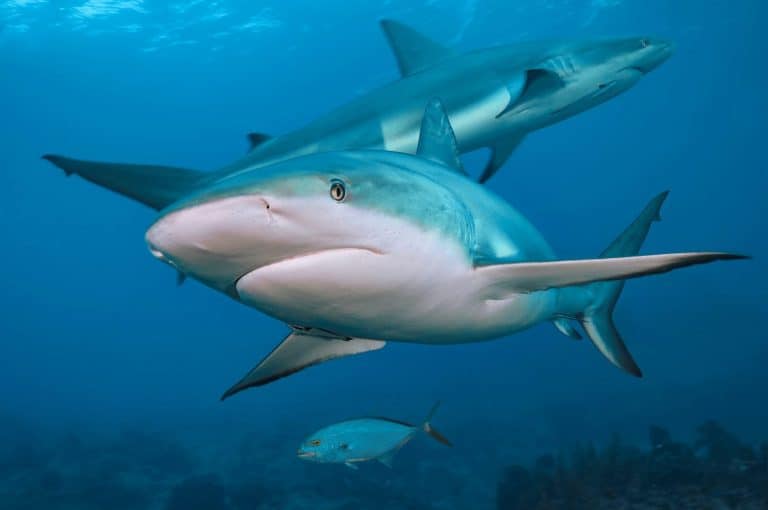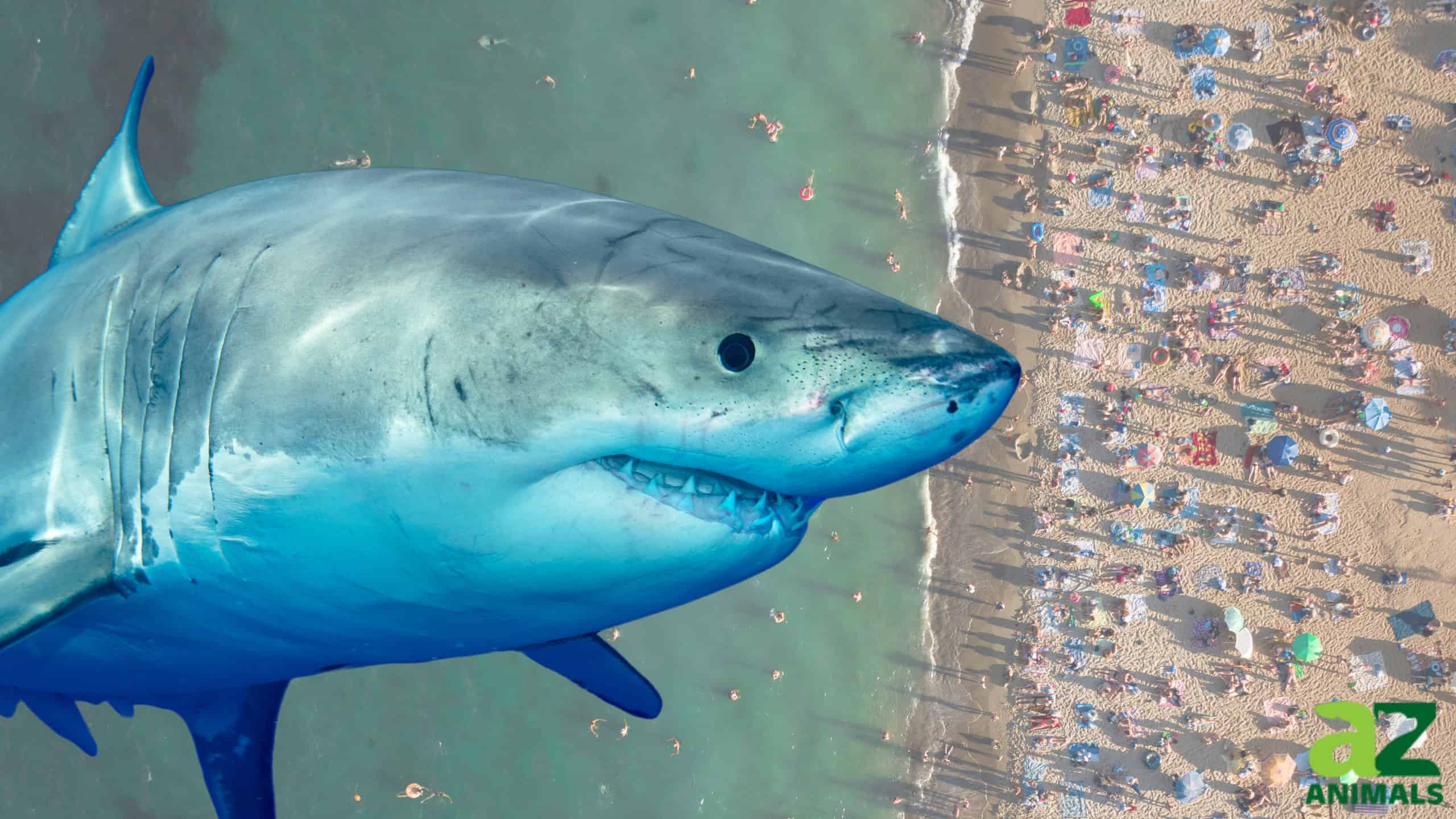

California’s beaches are legendary—hundreds of miles of sun, surf, and sand that draw millions of people every year. Along with all the zen vibes and glamor of the West Coast, though, is the ever-present knowledge that surfers and swimmers are sharing the waves with sharks. Attacks are exceedingly rare, but do happen occasionally because of the sheer numbers of people in the ocean and their similarity to sharks’ normal prey. Five beaches have historically had more attacks than average. Find out why incidents cluster at these locations and how to keep yourself safe from this rare danger.
Sharks of the Golden Coast
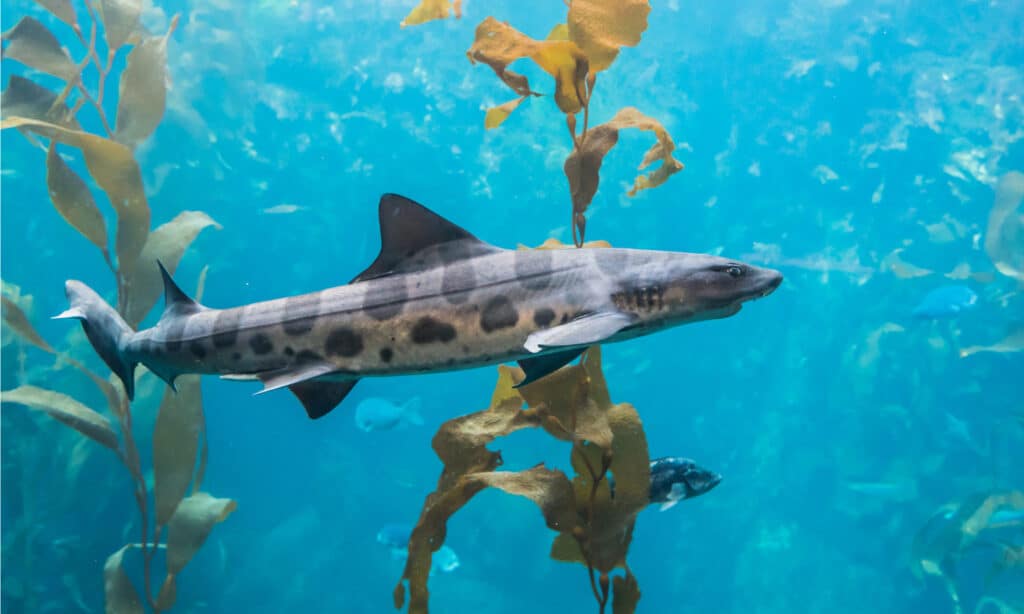
A leopard shark swims in a kelp bed along the Pacific Coast of California.
©David A Litman/Shutterstock.com
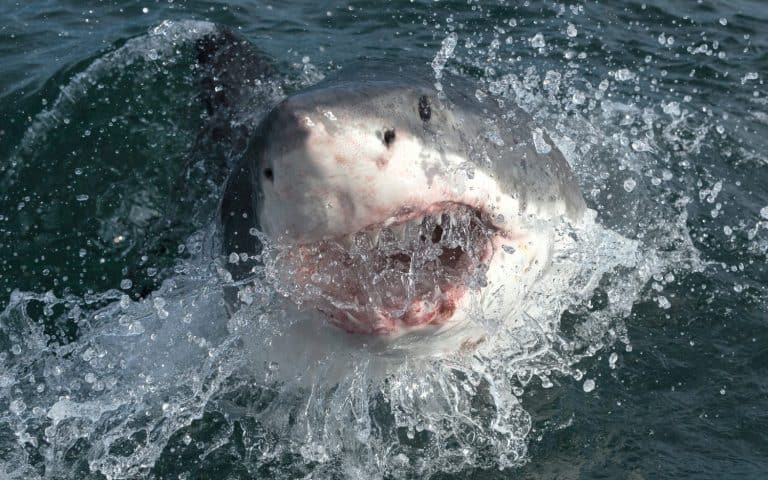
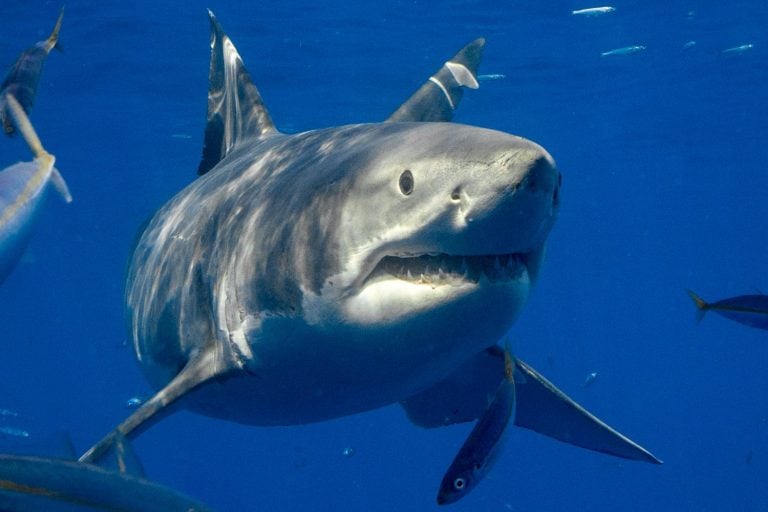
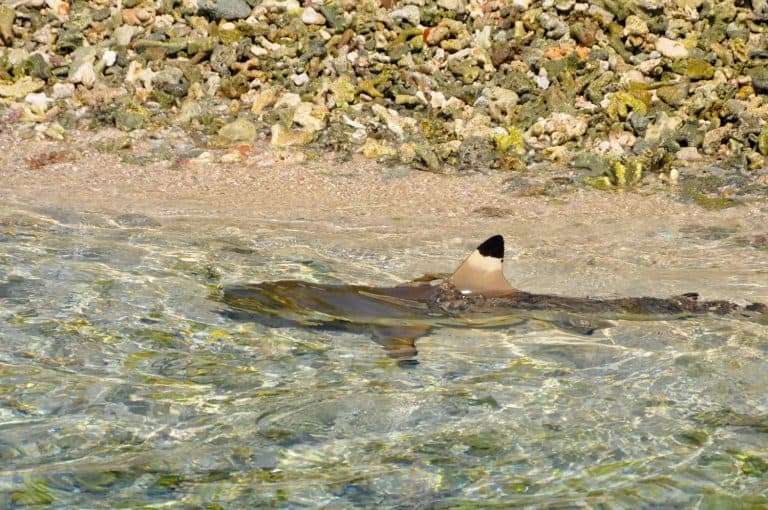
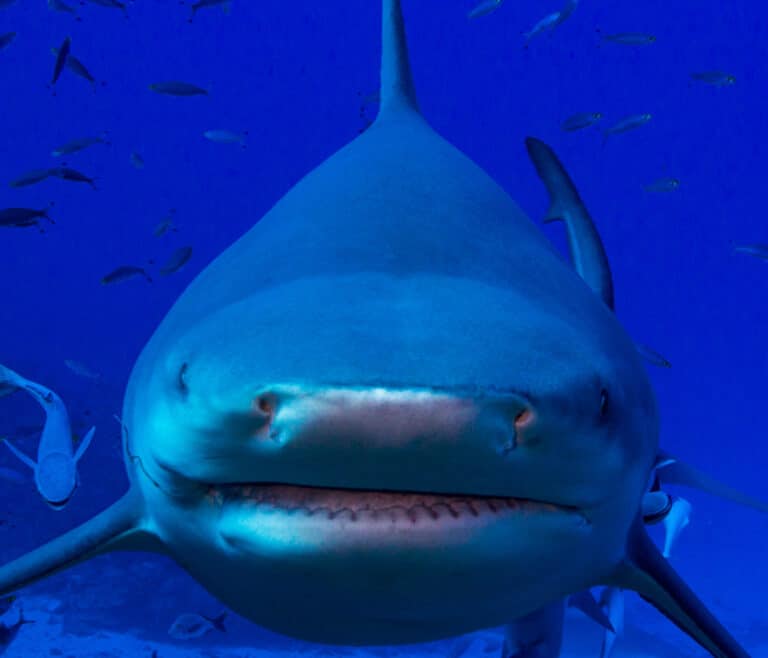
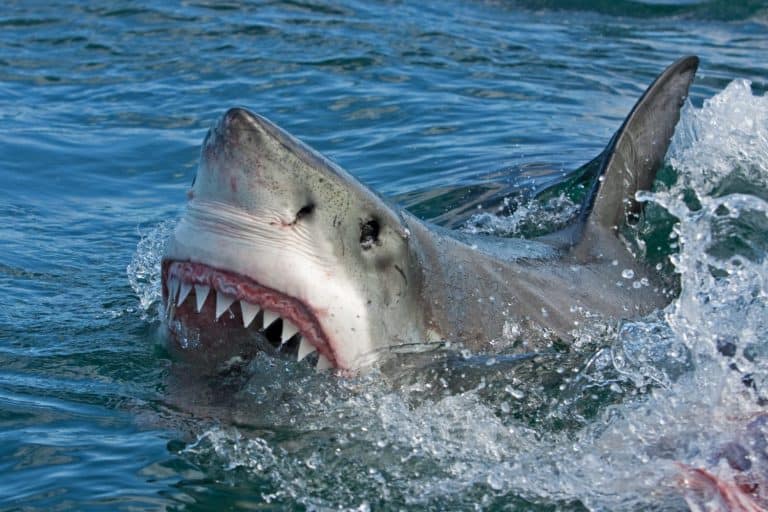
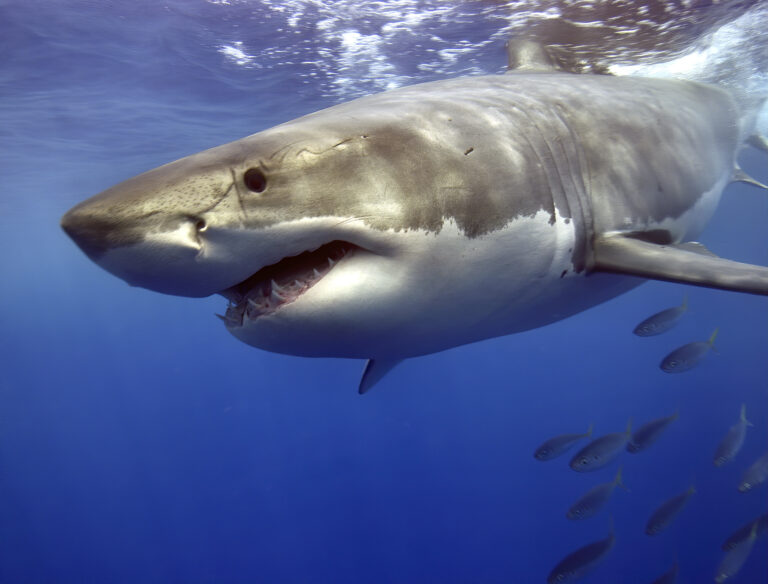
Stretching for more than 800 miles, California’s shoreline is home to a surprisingly wide variety of shark species. The one that captures the most attention, of course, is the great white shark. Other residents of the coast include leopard sharks, blue sharks, Pacific angel sharks, and thresher sharks. On rare occasions, tiger and mako sharks make appearances as well. Most of these species are harmless. Great whites are responsible for most incidents with people.
Why Do Sharks Bite People?

Dr. Liberty Boyd is a postdoctoral research fellow at Florida Atlantic University. Her professional experience includes work at the NOAA’s Pacific Islands Fisheries Science Center. Currently, she is part of the United Nations’ International Youth Council as an ocean and climate advocate.
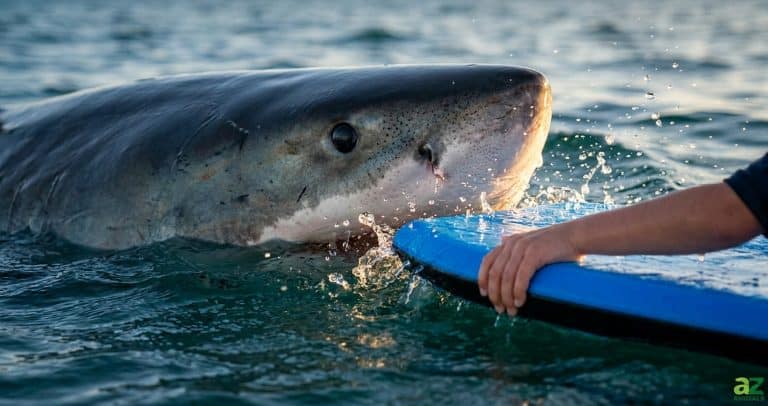
“Most bites are cases of mistaken identity during feeding. Sharks often investigate things with their mouths, so they may bite something and realize it isn’t prey and move on,” Boyd explains.
In California, great white attacks often happen in areas where the sharks regularly feed on seals and schools of fish. Surfers in the water, paddling on their boards, look like seals viewed from below by ocean predators. Another group at special risk are spear fishers.
“Struggling fish and blood can attract sharks, triggering feeding behavior. Blood, vibrations, or rapid movement can draw sharks in and cause competitive feeding behavior,” Boyd says.
How Common Are Shark Attacks?

Statistically, this vending machine is more likely to kill you than a shark.
©Ground Picture/Shutterstock.com
Globally, unprovoked shark bites number between 63 and 69 per year. Only a handful are fatal—fewer than six on average. The United States typically reports the highest number of incidents, making up more than half the global total. In 2023, there were 36 unprovoked bites across U.S. waters. Florida leads by a wide margin, while California usually records fewer than three per year.
“Shark attacks in Florida are very rare considering how many people swim, surf, and dive in the state every day,” Boyd says. “On average, there are about 16-20 unprovoked bites per year, with fatalities being extremely rare (often none in a given year).”
On the other coast, from 1950 to 2021, California logged 201 confirmed incidents. 107 involved non-fatal injuries, while only 15 were fatal. Spread across seven decades and millions upon millions of visitors, that amounts to fewer than one attack per year. To put that in perspective, on average, two people every year are killed by vending machines falling on them!
Five of California’s Top Beaches for Shark Attacks
Surfers are one of the vulnerable populations to shark attacks.
©Riderfoot/Shutterstock.com
Even though shark bites are rare, some coastal areas see more activity than others. Some of the risk factors include the water depth, seal populations, time of year, and the number of people the beach attracts. This is especially true for beaches that attract surfers, divers, and fishermen who venture farther out into deeper water. These five locations top the list for recorded shark incidents:
La Jolla (San Diego County)

Seals at La Jolla beach.
©PradaBrown/Shutterstock.com
La Jolla has recorded as many as 12 shark interactions over the years. With its kelp forests, rocky reefs, and abundant marine life, La Jolla draws both humans and large marine predators. One of California’s most infamous incidents happened in 1959. Diver Robert Pamperin was fatally attacked while diving near La Jolla Cove. The area’s most recent documented encounter was on June 6, 2011. A freediver was injured by a sevengill shark bite at the Children’s Pool. This area was originally built to be safe for families at the beach, but it has since become a gathering spot for harbor seals.
San Onofre State Beach (San Diego County)
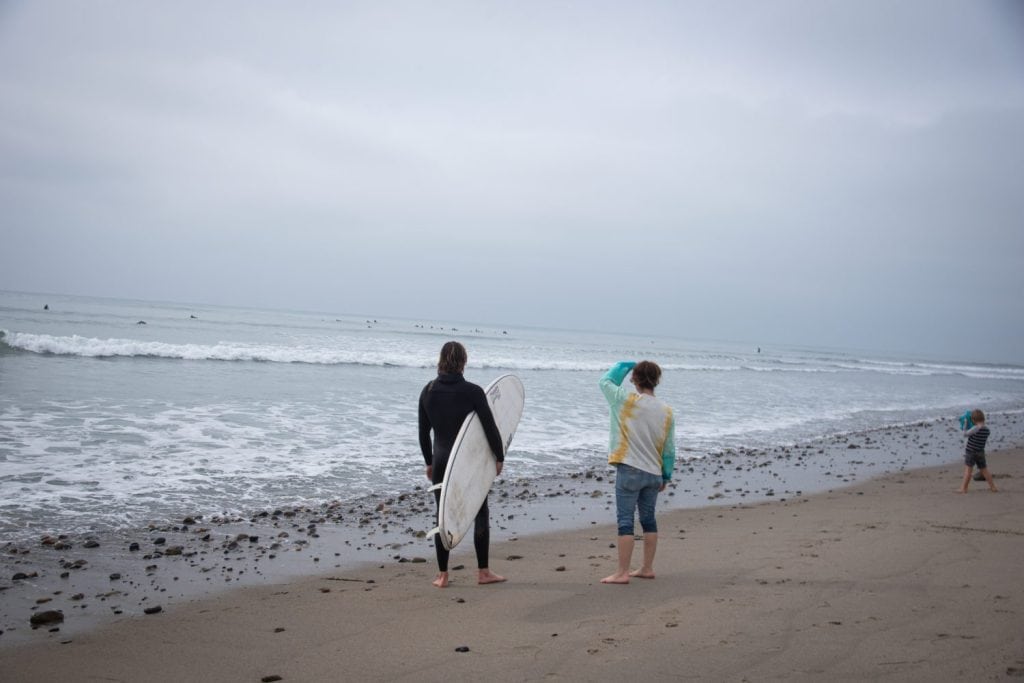
The San Onofre State Beach is popular with surfers… and Great White Sharks.
©SCLS/Shutterstock.com
San Onofre State Beach, renowned for its world-class surf breaks like “Church” and “Trestles,” is one of California’s most popular surfing destinations and also among the beaches with a higher number of shark incidents. Since its establishment in 1971, at least eight encounters have been recorded, placing it alongside other top beaches in the state for such incidents. These events are rare and typically non-fatal, but they highlight the presence of great white sharks drawn by San Onofre’s deep-water drop-offs and abundant marine life. The most recent documented encounter occurred in October 2022.
It’s safer to swim in groups and remain close to shore rather than venturing out alone.
Liberty Boyd, postdoctoral research fellow at Florida Atlantic University
Humboldt Bay (Humboldt County)

This is Humboldt Bay, rich with marine life, including Great White Sharks.
©EWY Media/Shutterstock.com
Humboldt Bay, on California’s far northern coast, has cold, nutrient-rich waters that support a vibrant marine ecosystem, including seals and diverse fish species, which in turn attract great white sharks.. The bay has recorded at least eight shark attacks, making it one of Northern California’s most notable sites for shark-human encounters. Humboldt County as a whole has seen approximately sixteen shark attacks since 1960, according to multiple shark incident databases and news reports. The most recent confirmed incident occurred on October 2, 2022, when a surfer at Centerville Beach—just south of the bay—sustained serious injuries from a great white shark but survived the attack.
Salmon Creek Beach (Sonoma County)

Cold-water beaches in Northern California attract fewer people to the water.
©paulaah293/Shutterstock.com
Salmon Creek Beach in Sonoma County is a renowned cold‑water surf spot known for strong currents, active seal colonies, and surfing throughout the year. The beach has recorded at least eight shark incidents, placing it high among California’s top locations for shark‑human encounters. On October 3, 2021, a surfer named Eric Steinley was seriously injured in a great white shark attack, suffering a severe bite to his leg but surviving due to the rapid actions of fellow surfers and first responders. Later that year, on December 22, 2021, another non-injurious encounter with a shark was reported at the same beach, underscoring Salmon Creek’s status as a hotspot for such incidents.
Huntington Beach (Orange County)

By far, Huntington Beach is one of the most popular beaches in the state.
©Ronald Enriquez/Shutterstock.com
Huntington Beach, proudly bearing the nickname “Surf City, USA,” is celebrated for its vibrant surf culture and draws millions of visitors each year. The city has recorded at least seven shark attacks, placing it among California’s more notable beaches for such encounters. Despite the number of incidents, the risk of a shark attack for any individual visitor remains extremely low because of the high volume of beachgoers. Most recently, on March 5, 2025, a great white shark sighting led to a one-mile-long precautionary closure of the beach, though no attack or injury was reported
Reducing Your Risk of Shark Attack
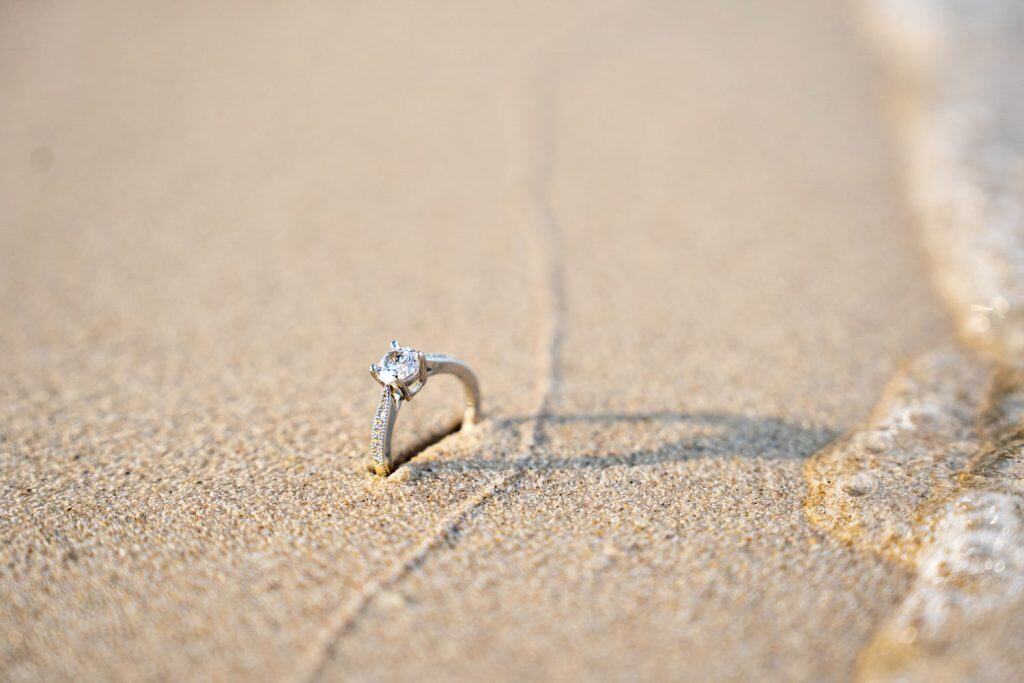
Avoid wearing bling, like glittery engagement rings, in the water.
©PBXStudio/Shutterstock.com
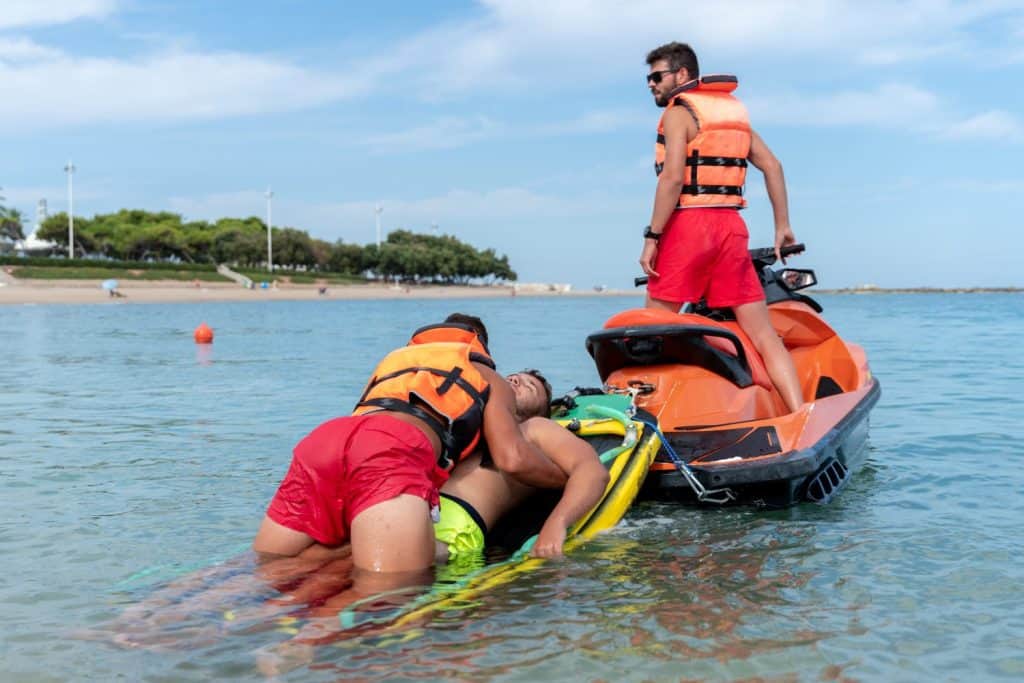
Even though it’s highly unlikely you will get bitten by a shark, people can reduce the risk greatly by taking a few precautions. “It’s safer to swim in groups and remain close to shore rather than venturing out alone,” Boyd advises. “I recommend staying away from places where people are fishing or discarding bait, as this can attract sharks to the area. Also, avoid diving with people who are spearfishing.”
Here are a few additional tips from experts:
- Don’t swim at dawn or dusk.
- Stay away from large seal colonies.
- Avoid wearing shiny jewelry or bright clothing that glitters like fish scales.
- Don’t swim in murky, choppy conditions.
- Try not to splash excessively.
- Get out of the water if you get cut and are bleeding.
Sharks and the Ocean’s Balance
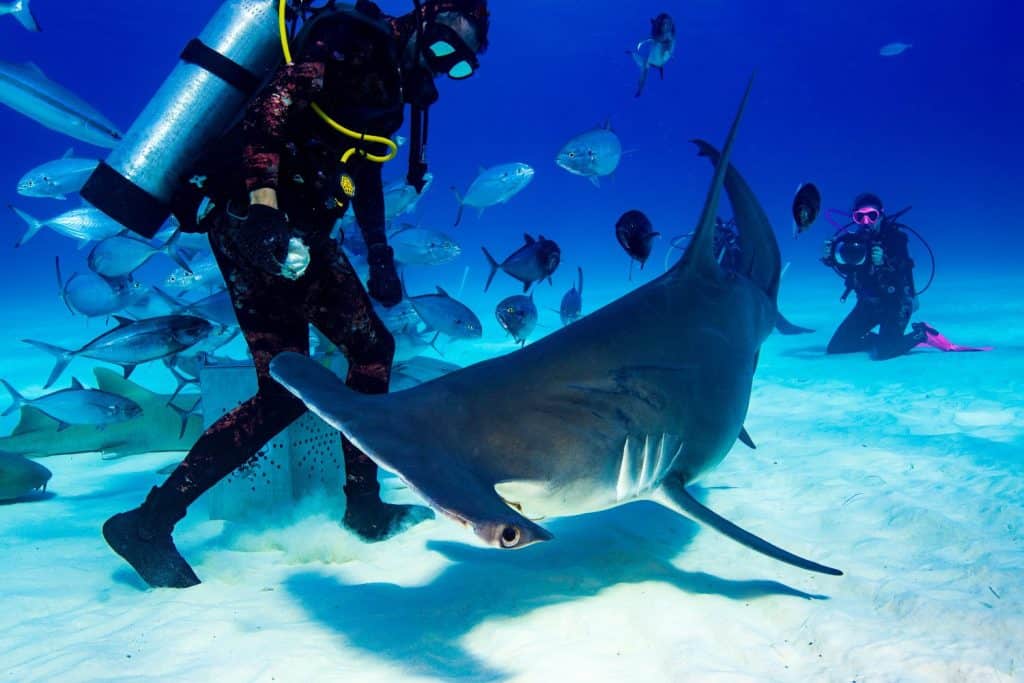
Divers with a hammerhead shark.
©bcampbell65/Shutterstock.com
“Sharks are critical to ocean health,” Boyd says. “They control populations of other species and help keep ecosystems balanced. We need sharks far more than they need us. Respecting their role and changing how they are portrayed in the media is the best way to stay safe and protect these ecologically important and iconic marine animals.”