
Quick Take
- The golden toad went from over a thousand individuals to a single sighting in just two years, a collapse so rapid that it defies easy explanation. See the population collapse →
- The golden toad's breeding strategy left it walking a razor's edge, and it took nothing more than the wrong kind of rainy season to tip it over. Explore the breeding strategy →
- Scientists blame several culprits for the extinction, and the one most tied to climate change is not the one most people would guess. Examine the extinction causes →
- The golden toad may be declared extinct, but at least one possible sighting suggests the story may not be completely closed. Read about lingering hope →
Golden toads never spent a lot of time in the open, but no one expected them to disappear altogether. These strikingly beautiful amphibians were one of the first ever animals to have their extinction blamed on climate change. One year, they simply did not emerge for their annual breeding season. We investigated why this was.
Introducing the Golden Toad
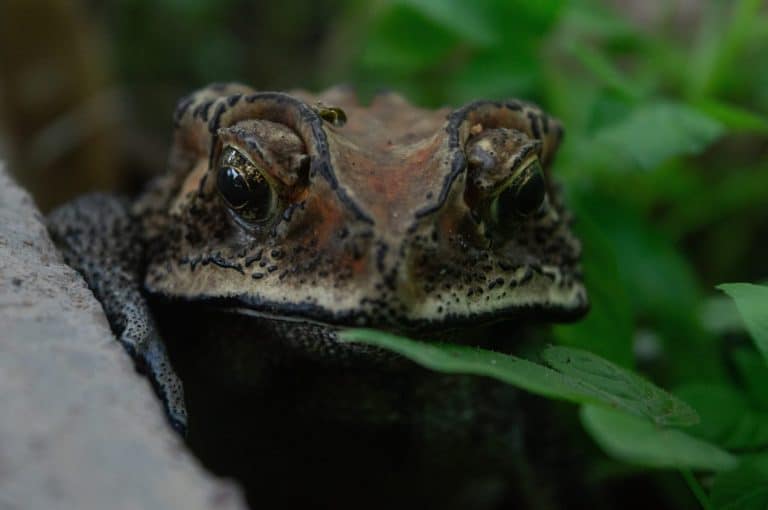
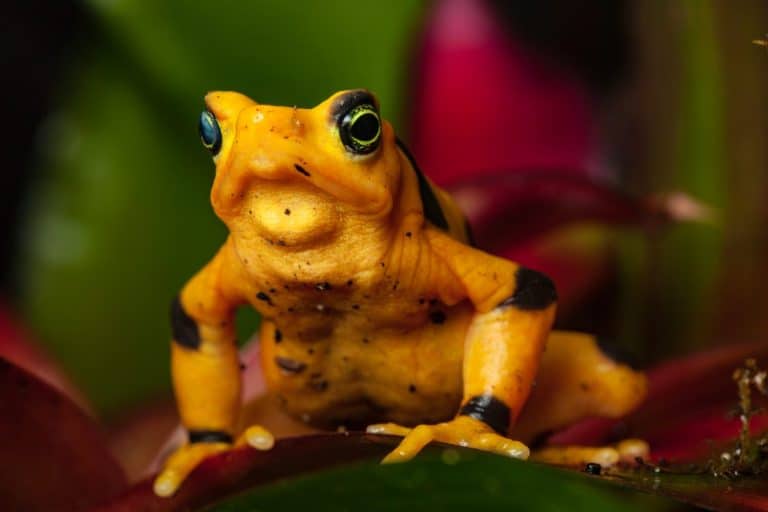
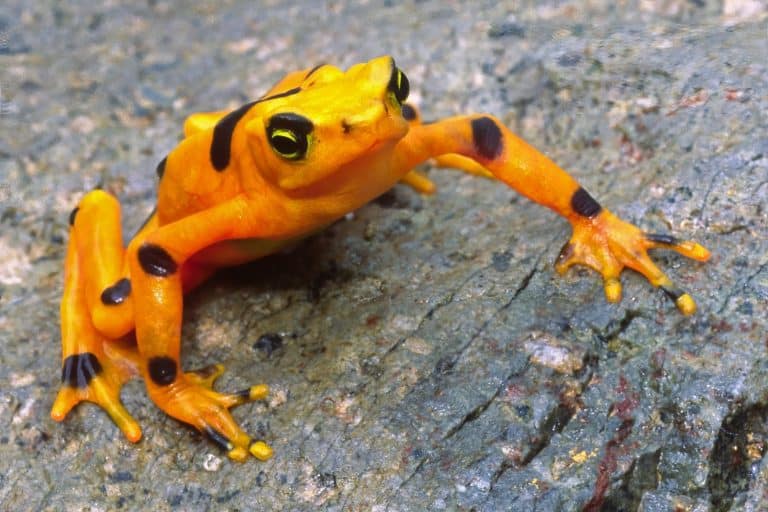
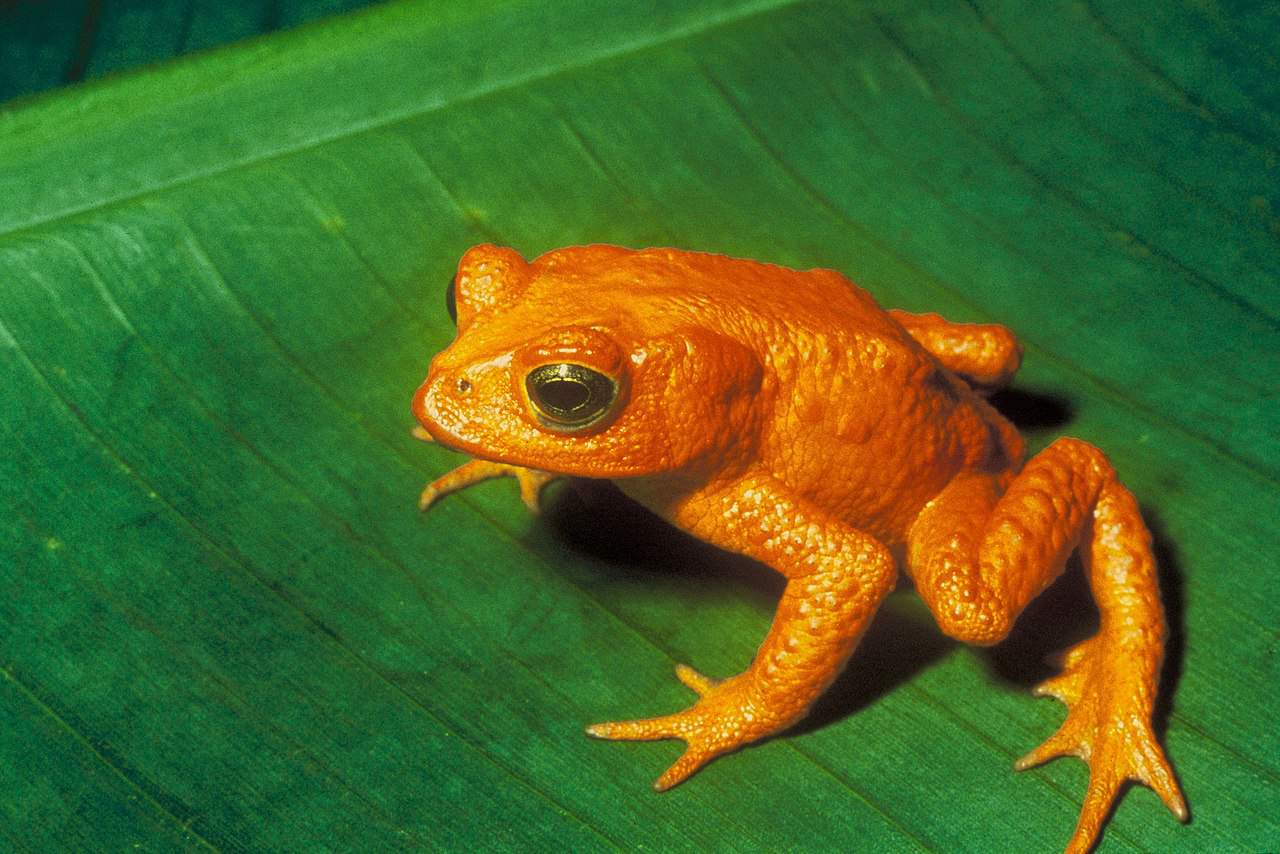
The golden toad (Incilius periglenes) owes its name to the strikingly golden-orange skin displayed by the males. The females had a more typical toad-like color, ranging from dark to pale olive, with small red spots outlined in yellow.
These little toads were found in the Monteverde Cloud Forest Reserve in Costa Rica. However, their range covered just 1.5 square miles, making them incredibly vulnerable.
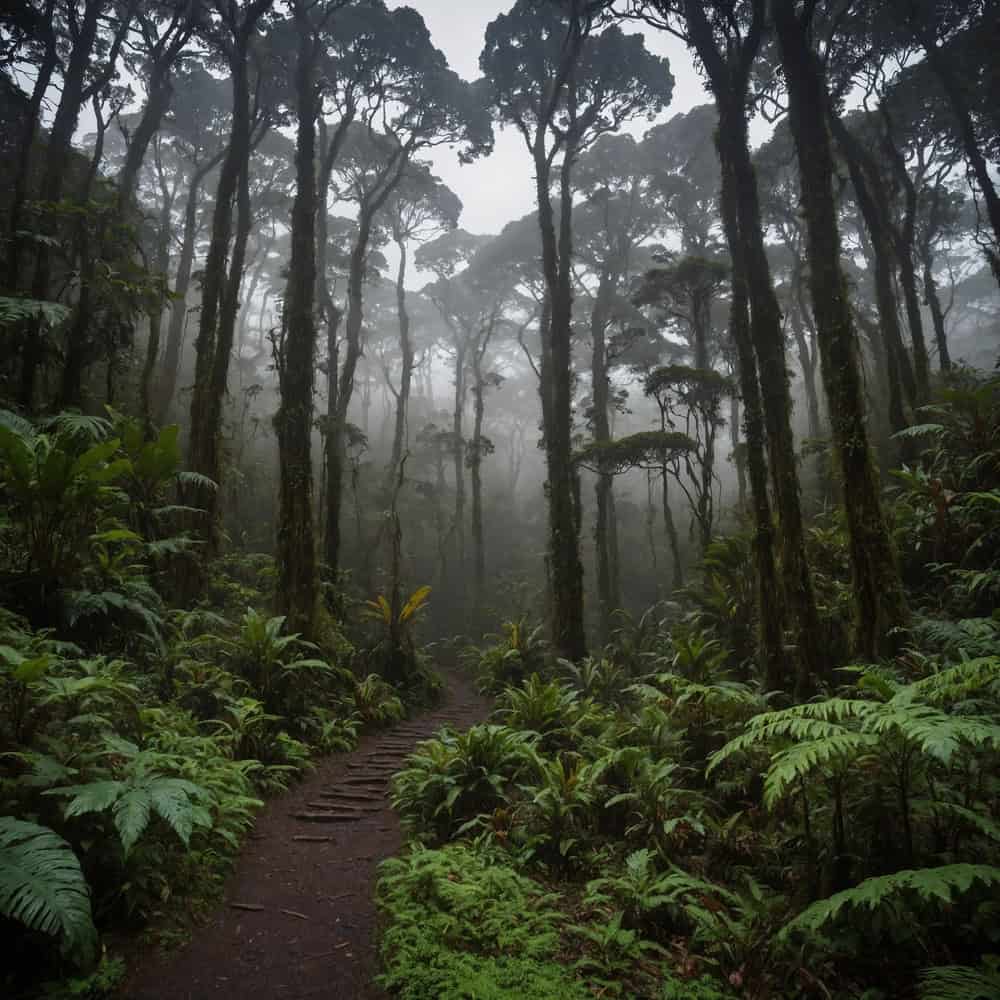
Golden toads lived in the Monteverde Cloud Forest Reserve.
©Naeemphotographer2/Shutterstock.com
Their diet was made up mainly of insects, and their hunting technique was to wait for prey to wander past before projecting their sticky tongues to catch and eat it. For most of the year, the toads hid away in moist underground burrows. Once a year, they emerged for the mating season, which coincided with the rainy season between April and June. The males hung around in small ponds or puddles waiting for the females to join them. Because the males outnumbered the females by about eight to one, competition was intense. Some males even attacked others during mating. The females then laid around 200 eggs in the water.
The Decline of the Golden Toad
Golden toads could only be seen during their mating season. In 1987, just over a thousand were observed mating. Only 10 were seen in 1988, and in 1989, just a single male was spotted. The last ever sighting was recorded on 15th May 1989. From 1996 to 2003, they were classed as critically endangered, and in 2004, the golden toad was declared extinct.
What Happened to the Golden Toad?
This species is described by scientists as ‘reproductively vulnerable’ because they had a narrow window of time in which to breed. They needed exactly the right amount of rainfall for the breeding season to be successful. If the rain were too heavy, the larvae would be washed onto the forest floor, become stranded, and perish. If there was not enough rain, they would dry out and die.

Climate change has contributed to the loss of the golden toad.
©Piyaset/Shutterstock.com
So, what happened in 1987 to cause such a catastrophic population crash? There are several theories. Their disappearance coincided with a very dry period caused by an El Niño event in 1986-7 during which a warm Pacific current affected the South American climate. The breeding pools dried up before the larvae had matured. Their loss has also been generally linked to climate change and global warming, which cause severe drought and reduced mist and moisture in the ecosystem.
Deforestation has also been blamed for killing many of the adults when they left the reproductive area. Another theory is that they succumbed to the chytrid fungus, which thrives in warm, dry conditions and has threatened several toad species around the world. Some scientists believe that the prolific growth of the chytrid fungus Batrachochytrium dendrobatidis is also linked to climate change.
What Does Their Loss Mean?
The loss of any species is a tragedy. Golden toads were both predator and prey, making them an important element of local food webs. Their predators now have less food, and the local insects they prey on are at risk of overpopulation.
Furthermore, their sudden decline heralded the beginning of a global amphibian crisis, which is still ongoing, with over 40% of amphibian species threatened worldwide. Sadly, they have become a symbol of modern-day extinction.
Is there any hope left for the golden toad? There are unverified reports that a local naturalist, Eladio Cruz, claimed to have sighted golden toads in 1991 in a remote area of the Children’s Eternal Rainforest, observing a large group of males, females, and tadpoles. However, this sighting has never been independently confirmed. Many valleys and ridgelines in the forest remain unexplored, so there is a remote possibility that a few still survive.
Other toads previously assumed extinct have been rediscovered. One example is the Monteverde Green-eyed Frog (Lithobates vibicarius). It was spotted in the early 2000s, having disappeared from the area in the late 1980s.
The Children’s Eternal Rainforest is protected, but local collaboration and international support will be needed to sustain it. Conservationists and everyone who loves this little creature hope for a flash of gold in a forest pool once more. Absence does not always mean extinction, but right now, the odds are not in this little toad’s favor.