
Quick Take
- The invasive species that wiped out California's red-legged frog was not accidentally introduced. It was brought in on purpose, for reasons that made complete sense at the time. How bullfrogs were introduced →
- Before conservation could begin, scientists had to solve a problem that had nothing to do with the frogs themselves. Without fixing it first, no number of released frogs would have survived. The bullfrog eradication effort →
- The method scientists used to raise thousands of frogs for release is stranger than it sounds, and that strangeness is a big reason the population has survived drought, flooding, and brutal winters. The zoo-based rearing method →
- Restoring one native frog species quietly triggered a comeback for an entirely different animal that nobody was directly trying to save. Unexpected species benefits →
The California red-legged frog, an iconic native species and the largest native frog in the American West—also once featured in a Mark Twain short story—had completely vanished from Yosemite National Park by the 1970s. Once abundant in the state, the California red-legged frog (Rana draytonii) was nearly driven to extinction by a combination of factors. These include predation by the invasive American bullfrog (Rana catesbeiana), habitat destruction, and other ecological threats. Today, conservation efforts have paid off, and the 10,000th California red-legged frog was released in Yosemite Valley. Yosemite is now home to multiple generations of this federally threatened species, all of which can trace their origins back to the decade-long restoration project.
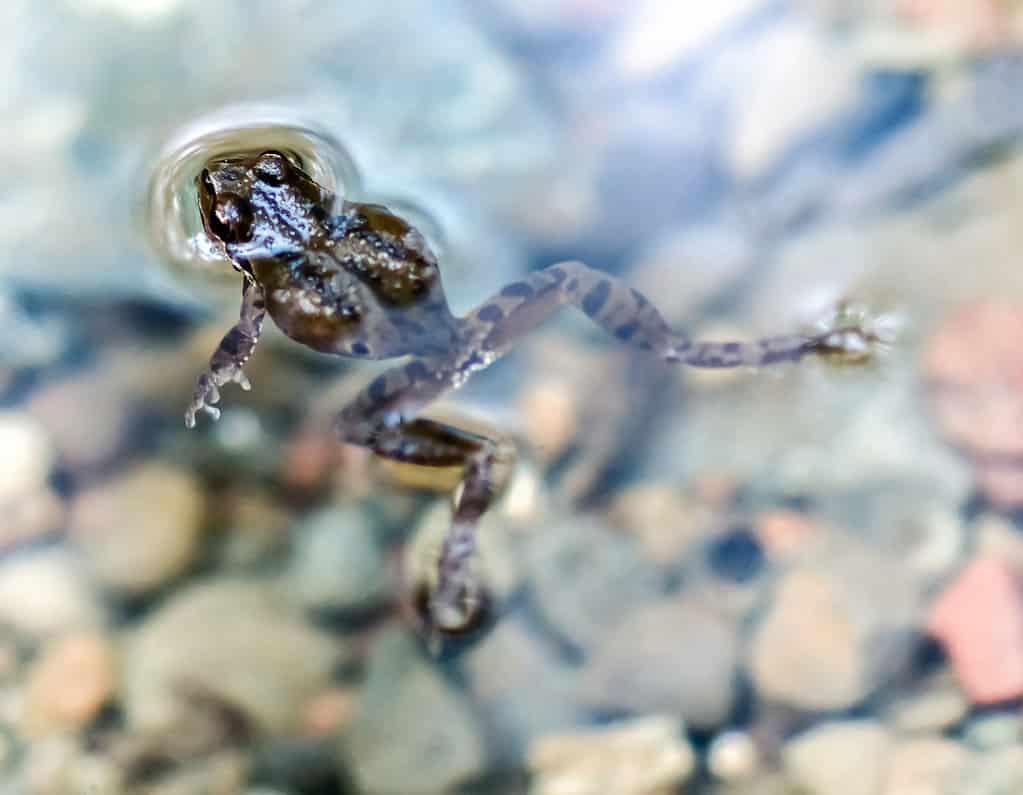
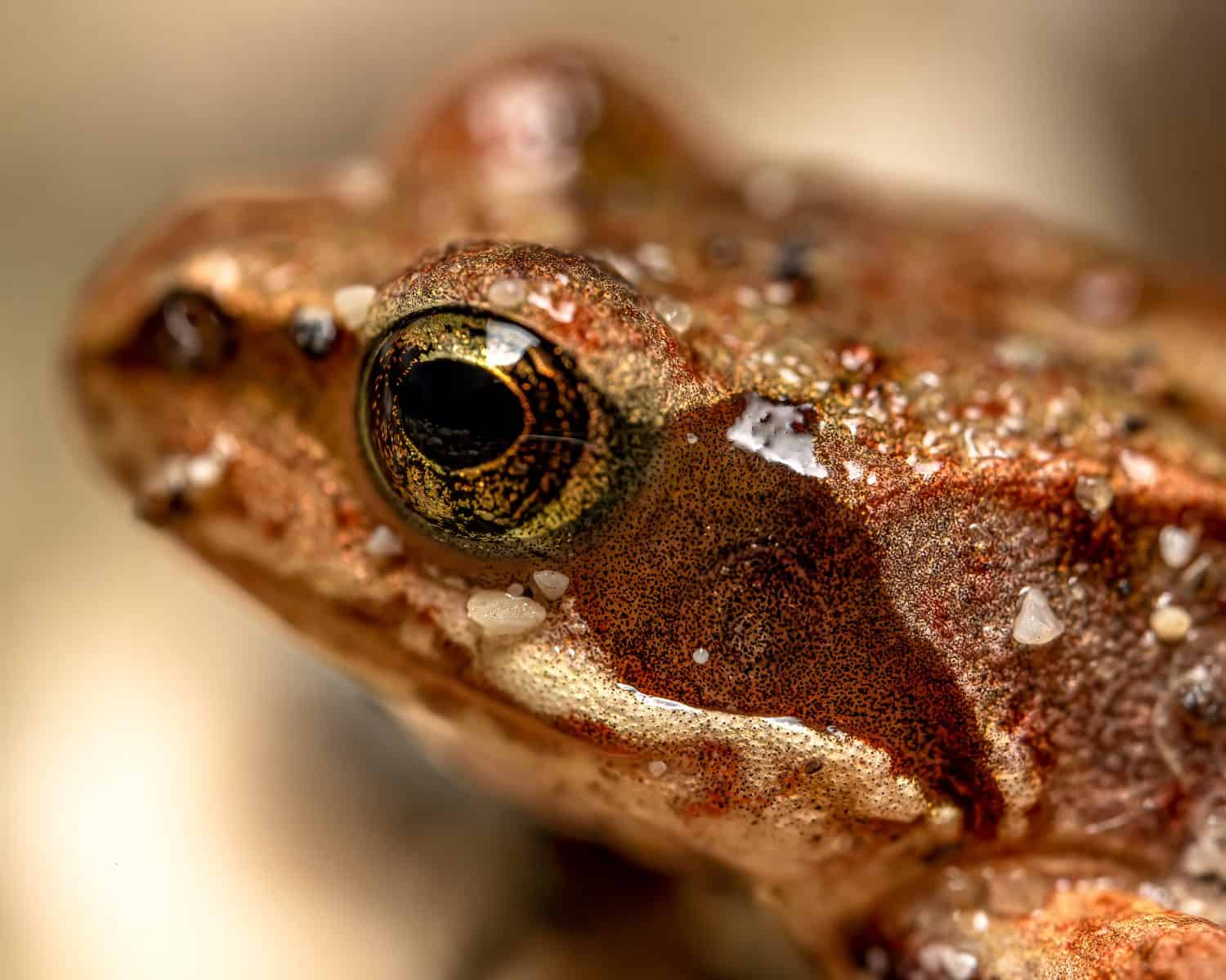
The California red-legged frog can reach 2 to 5 inches in length.
©iStock.com/yhelfman
Why California Red-Legged Frogs Vanished From Yosemite
The California red-legged frog is a large frog that grows to about 2 to 5 inches in length. The frog can vary in color and is usually olive, brown, or grey. However, the underside of its belly and legs is often colored red. The California red-legged frog lives around water sources, including streams, ponds, river systems, and wetlands. Decades ago, a combination of events occurred in California that disrupted the ecological balance and threatened the frog’s existence.
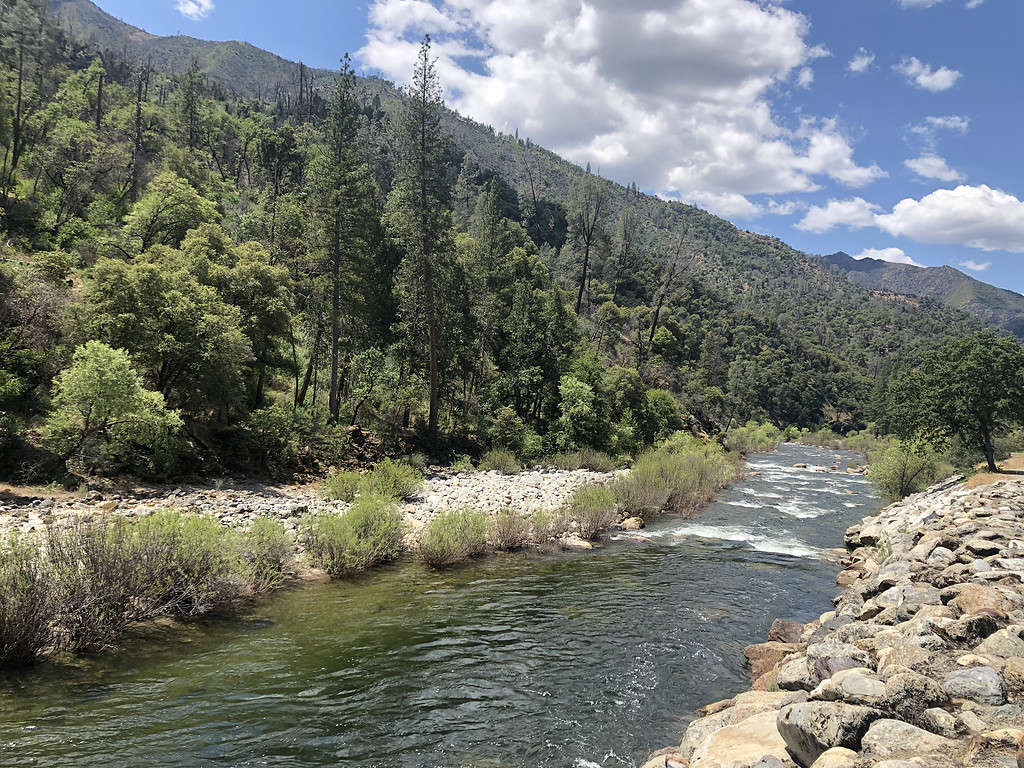
Recovery efforts along the Merced River in Yosemite National Park have helped native species populations to rebound.
©Wesam Taleb/iStock via Getty Images
American Bullfrogs
Experts agree that the number one factor that contributed to the population decline of the red-legged frog in California was the introduction of the bullfrog. Non-native American bullfrogs were intentionally introduced to the American West throughout the 19th century and up until the 1950s. Native to the eastern and central parts of the U.S., people thought bringing bullfrogs to California could help reduce pest populations and add a food source for hunters.
Unfortunately, the bullfrogs caused havoc in California’s ecosystems. American bullfrogs are opportunistic feeders and quickly began to outcompete—and prey on—native amphibians like the California red-legged frog. Additionally, they are carriers of the fungus that causes a fatal skin disease in amphibians called chytridiomycosis.
Raccoons and Habitat Loss
Raccoon populations soared in the 1970s as raccoons adapted to urbanization and fed on abundant food waste from open refuse sites. In turn, the higher numbers of raccoons preyed on the native frogs.
Another factor was habitat loss. California red-legged frogs require water sources, like ponds and marshes, for breeding. However, the loss of wetlands throughout the area caused the frogs to lose important breeding habitats.
The 10-Year Conservation Effort Behind the Comeback
In May 2026, a decade of conservation paid off as the 10,000th frog was released into Yosemite Valley. A partnership led by the National Park Service that includes the U.S. Fish and Wildlife Service, the California Department of Fish and Wildlife, Yosemite Conservancy, and San Francisco Zoo & Gardens has led to the comeback of the California red-legged frog to Yosemite National Park.
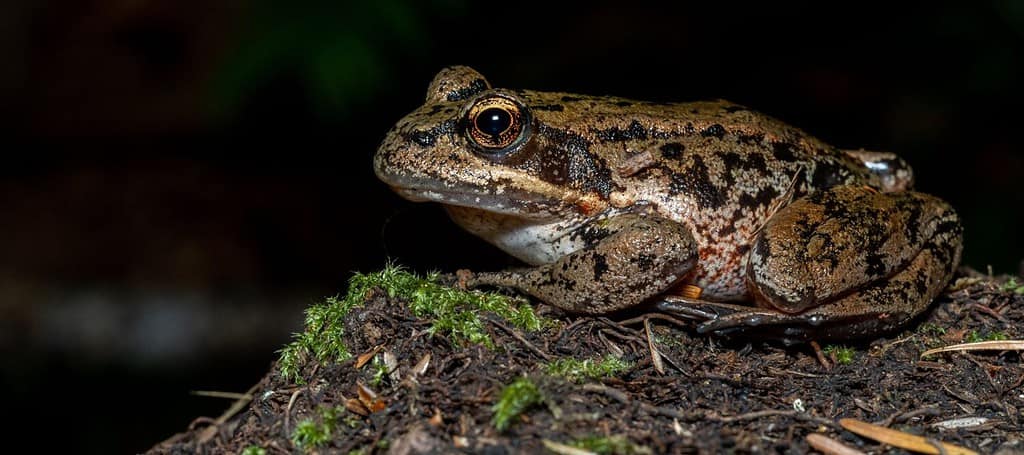
It’s been a decade-long project to return the native California red-legged frog to Yosemite National Park.
©Wirestock Creators/Shutterstock.com
Rob Grasso, aquatic ecologist at Yosemite National Park, said in a statement, “This milestone reflects years of focused work to restore a species that plays an important role in the park’s ecosystem. After invasive bullfrogs eliminated red-legged frogs from the area decades ago, we removed those threats and created conditions for recovery. Today, multiple generations of frogs are established in Yosemite Valley.”
The recovery efforts included:
- The successful eradication of invasive bullfrogs from Yosemite National Park.
- A frog-rearing facility at the San Francisco Zoo, where staff released one and two-year-old zoo-raised frogs that had hatched from wild-collected eggs.
- Meadow and wetland restoration along the Merced River systems is giving California red-legged frogs a chance to thrive in healthier ecosystems.
How Scientists Reintroduced Thousands of Frogs
The program to reintroduce the native frogs to the park begins with scientists collecting eggs in the wild. The staff at the zoo raises the frogs until they are one to two years old, when they are released back into Yosemite Valley. This gives the frogs the best chance to survive the vulnerable period from egg to tadpole to becoming a juvenile frog in a controlled environment before returning to the wild.
This year, staff will release around 830 juvenile frogs back into the park. Every California red-legged frog living in Yosemite today is a direct result of the program’s efforts over the past 10 years. Dr. Rochelle Stiles, director of field conservation at the San Francisco Zoo & Gardens, said in a statement, “Today, every frog in the valley traces back to this effort. Despite drought, severe winters, and flooding, the population has proven resilient.”
What Yosemite’s Frog Recovery Means for Conservation
Eradicating bullfrogs has helped more species than just the red-legged frog. The northwestern pond turtle, a native freshwater pond turtle, has also made a comeback since the removal of American bullfrogs. Native species play important roles in their ecosystems, serving as prey and predators, and helping to maintain the natural balance of the environment.