
Quick Take
- The superhero names given to these nine mice aren't random. They're a clue to what conservationists are actually betting on to save the species. Meet the superhero mice →
- Scientists declared this species extinct in 1972, but then something happened that upended the entire extinction timeline. Discover the rediscovery story →
- Decades of federal protection still left a critical gap that kept these mice one land deal away from disappearing forever. See the protection gaps →
- These are North America's smallest mice, and their extinction would trigger an ecological chain reaction far bigger than their size suggests. Explore their ecological role →
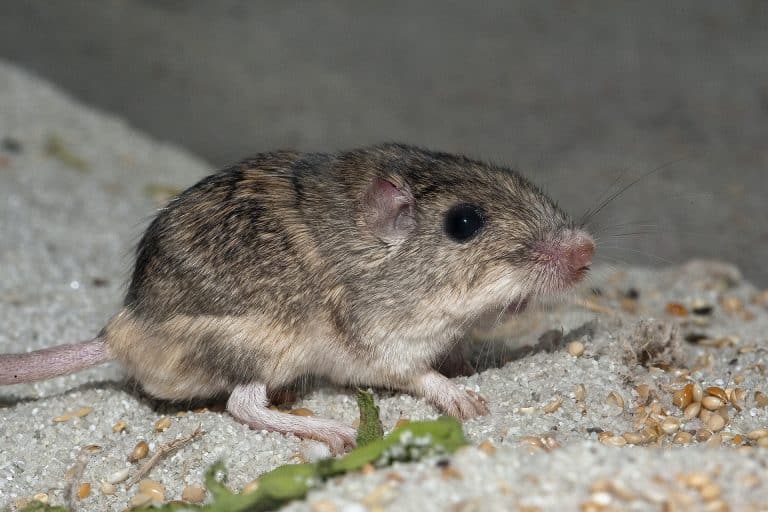
Pacific pocket mice are a species of endangered mouse only found in Southern California. As population numbers have declined, so has genetic diversity. To combat this, nine tiny California mice are joining a high-stakes genetic rescue in hopes of keeping the species alive.
How Nine Pacific Pocket Mice May Save Their Species
Pacific pocket mice were once an abundant species along the coast of Southern California. But as land overlooking the ocean became desirable property, much of the pocket mouse’s habitat was lost. As a result, the population size also decreased.
To help ensure genetic diversity and increase a healthy Pacific pocket mouse population, the San Diego Zoo Wildlife Alliance has recently released nine mice at one of the species’ last known habitat locations. Released at Marine Corps Base Camp Pendleton in July, these mice face significant pressure to survive and help grow the endangered Pacific pocket mouse population.
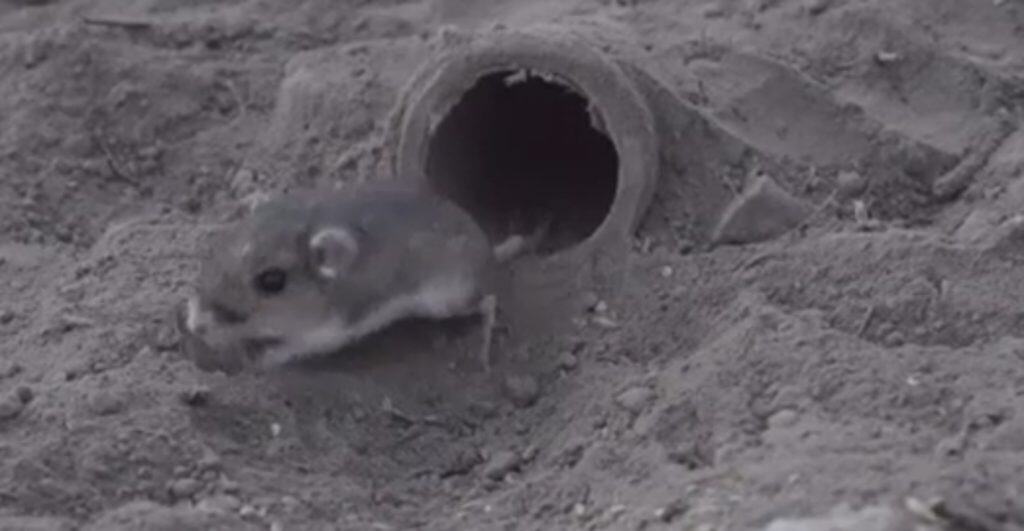
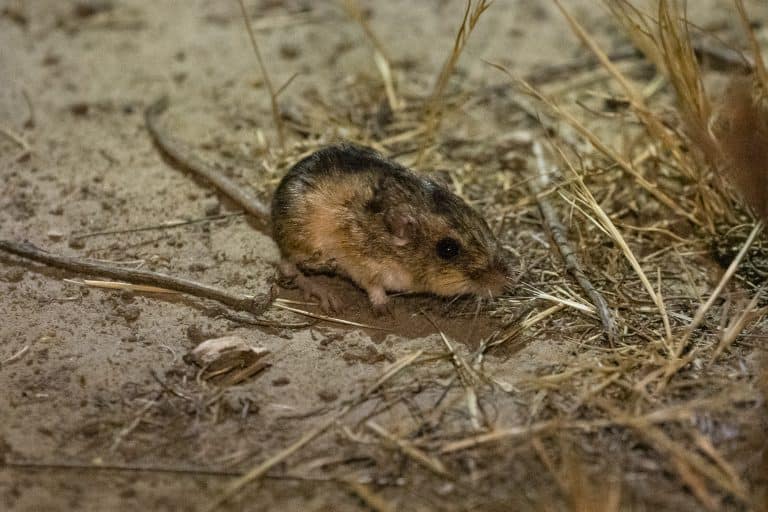
The San Diego Zoo Wildlife Alliance is introducing captive-bred Pacific pocket mice, similar to this, into the habitat at Marine Corps Base Camp Pendleton.
©San Diego Zoo Kids / YouTube – Original
The nine mice were given superhero-inspired names to reflect their important mission. The names include:
- Whiskerine
- Aqclawman
- Conan the Burrowbarian
- Pocket Raccoon
- Professfur X
- Endangered Avenger
- Green Lantail
- Doctor Squeak
- IncrediBelle
These tiny mice grow to about five inches long and weigh about as much as a quarter, making them the smallest mice in North America. Despite their small size, Pacific pocket mice play a crucial role in their ecosystems by dispersing seeds and promoting plant growth through their digging activities. Their extinction would be a significant loss for their habitats.
Pacific Pocket Mice Were Once Thought Extinct
In the early part of the 20th century, the Pacific pocket mouse had an expansive 124-mile habitat along the Southern California coastline from Los Angeles to the Mexican border. Due to urbanization and human activities, the mice lost much of their habitat. They lost so much, in fact, that by 1972, the mice were believed to be extinct.
In 1993, a small population of Pacific pocket mice was rediscovered in the Dana Point headlands. Two other subsequent populations were found on Marine Corps Base Camp Pendleton. Thanks to quick action, the mice were federally protected as of 1994. The goal was to stabilize the population and then downgrade the species to threatened by 2023.
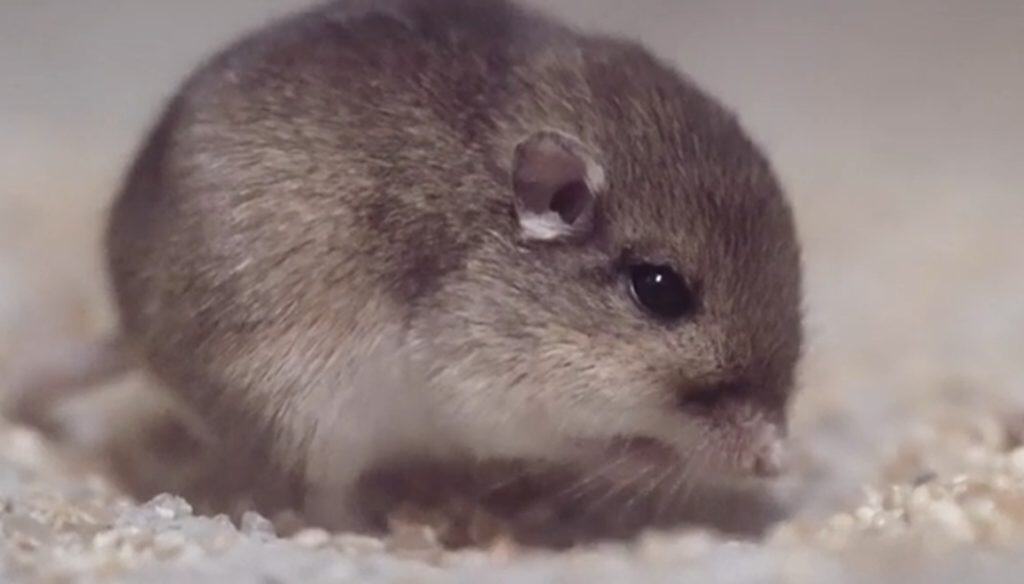
Pacific pocket mice were thought to be extinct in 1972.
©San Diego Zoo Kids / YouTube – Original
To help make this happen, the San Diego Zoo Safari Park began a captive breeding program in 2012. The current release at Camp Pendleton marks only the second time that captive-bred Pacific pocket mice have been introduced to the military base; the previous release occurred in 2024. The mice have also been released several times at Dana Point over the last decade.
The population has yet to reach a point where it can be downgraded from endangered to threatened. This is why conservationists are pushing for more protections for the Pacific pocket mouse.
Are Pacific Pocket Mice a Protected Species?
The Pacific pocket mouse has been designated as an endangered species since 1994. However, this federal designation did not include habitat protection, nor did it provide state-level protection from the California Department of Fish and Wildlife. This may change in late 2026 if the CDFW classifies the Pacific pocket mouse as a threatened or endangered species.
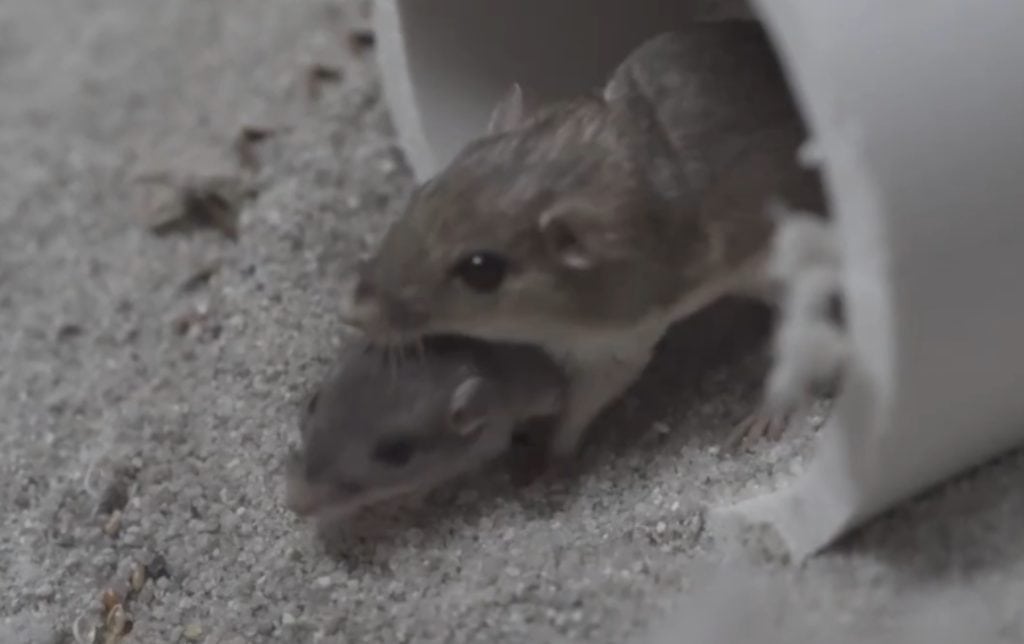
Pacific pocket mice are federally protected but not protected as an endangered species in California.
©San Diego Zoo Kids / YouTube – Original
After denying the Pacific pocket mouse a state classification that would automatically designate protected habitat, the CDFW reversed course after receiving a petition from the Center for Biological Diversity. The petition asks for a threatened or endangered species classification for the Pacific pocket mouse. To determine if this classification is appropriate, the CDFW is currently conducting a year-long study. The results are expected by the end of 2026.
While the CDFW conducts its review, the Pacific pocket mouse has received temporary protection. This means that the three coastal locations where the mice are known to live—totaling 740 acres—cannot be altered. Therefore, Pacific pocket mice have earned a year-long reprieve from habitat loss, the biggest contributor to the decline of the species. Whether this will become permanent remains to be seen.