
Pigs, like many prey animals, are remarkably skilled at hiding signs of pain. In the wild, showing weakness makes them vulnerable, so they have developed the ability to mask discomfort until it becomes severe. For caretakers, this instinct creates a challenge: by the time a pig shows obvious signs, the problem may already be advanced. That’s why learning to spot subtle clues early is one of the most important responsibilities of anyone raising pigs, for pets or profit.
Pigs as Pets

Pet pigs can be leash trained.
©michelmond/iStock via Getty Images
Having a pig as a pet isn’t that unusual if you live on a farm, but in recent decades, it’s become a niche hobby for people in towns and suburbs as well. Their suitability as pets depends on the type of pig and the expectations of the owner. Many people are drawn to so-called “mini pigs” or “teacup pigs,” but in reality, most of these grow much larger than advertised—often reaching 100 to 200 pounds even when considered “miniature.” Pot-bellied pigs are the most common pet variety, prized for their intelligence, trainability, and affectionate personalities. Some people also keep Kunekune pigs or Juliana pigs, both of which are smaller than standard farm breeds but still require ample space and care.
Pigs can make loving, entertaining, and surprisingly clean companions when properly socialized and trained, but they are also strong-willed, prone to rooting and chewing, and require consistent enrichment and secure housing. They have powerful teeth and jaws and can deliver a serious bite when adequately provoked. Their long lifespans—often 15 to 20 years—mean owning one is a serious commitment, and owners should be prepared for the challenges of a highly intelligent animal that does not behave like a dog or cat. For those with the right setup and mindset, however, pigs can become clever, affectionate family members.
Why Pigs Hide Pain

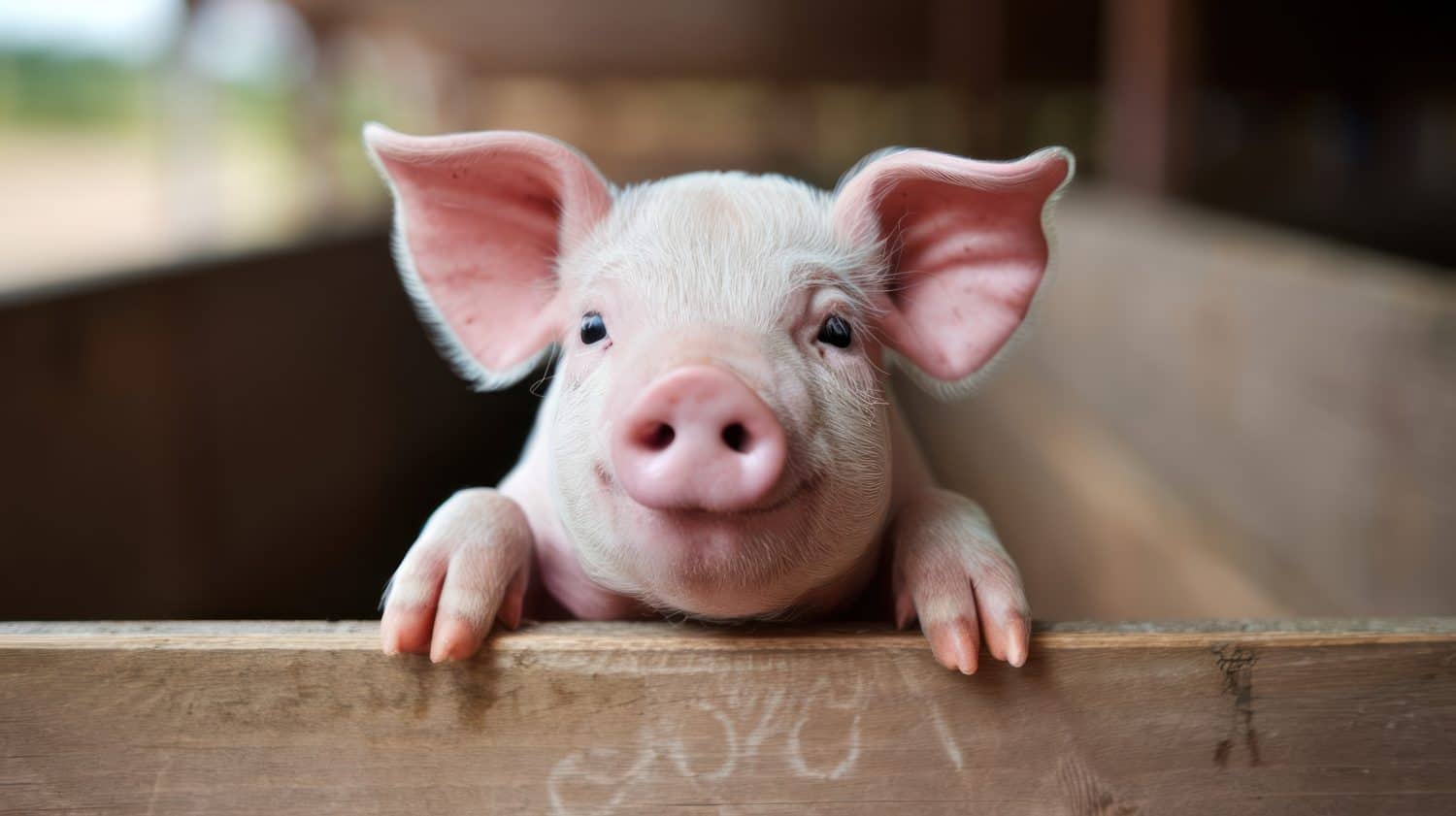
“I see you, pig. I really do. Tell me what’s the matter.”
©adriaticfoto/Shutterstock.com
Understanding why pigs disguise pain helps explain why their owners have to really pay attention to how they are acting. In a natural setting, a pig that limps, cries out, or isolates itself becomes an easy target for predators or even other members of its herd. Pigs are opportunistic omnivores. A herd will turn on a sick or injured member and may kill and eat it. While this sounds horrific, it serves to keep the herd strong and avoid attracting predators.
But for a pet pig, this survival tactic makes it harder for humans to know when help is needed. Farmers, veterinarians, and pet owners have to look past the animal’s “everything’s fine” mask to notice small changes in posture, appetite, or mood. Pet owners should get into a regular routine of daily care for their animal that includes handling them and observing their behavior to make sure they’re still in their version of hog heaven.
1. Mobility Changes
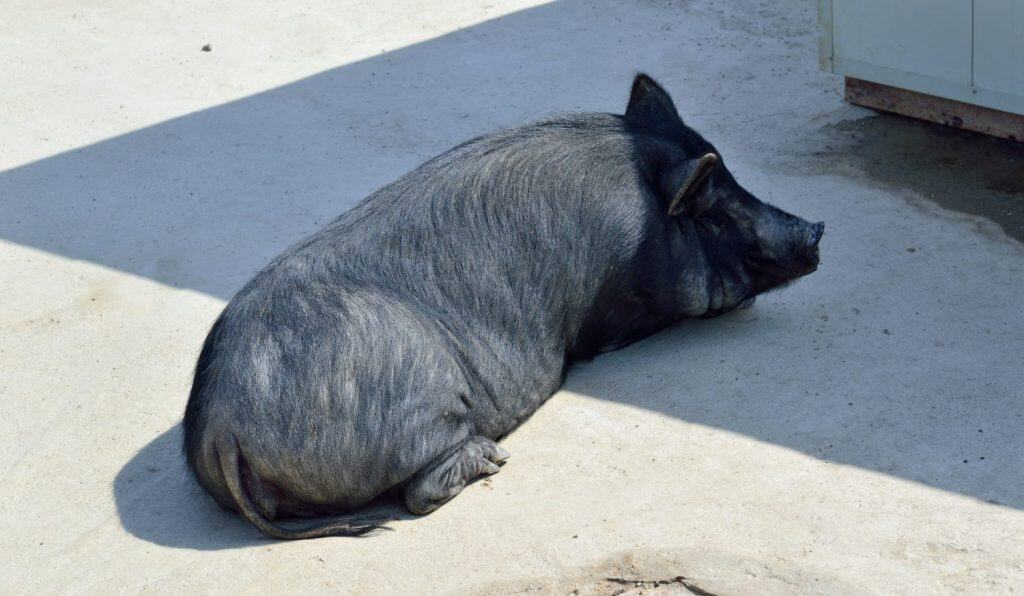
If your porker has lost the pep in his step, something may not be right.
©Yi Chang Sic/Shutterstock.com
One of the clearest and most reliable indicators of pain in pigs is a change in movement. Lameness is perhaps the most recognized sign. A pig may limp, favor one leg, or refuse to put weight on a sore foot. It might walk more slowly and stiffly, with short, awkward steps. It might be reluctant to rise, or it might hesitate at thresholds that require it to pick up its feet more.
There can be a lot of reasons for this. Injuries, joint infections, hoof problems, fractures, and some internal diseases can all make movement more painful. Because pigs spend much of their time on their feet—walking, rooting, and exploring—movement changes are both common and easy to spot for attentive caretakers.
2. Behavioral Changes
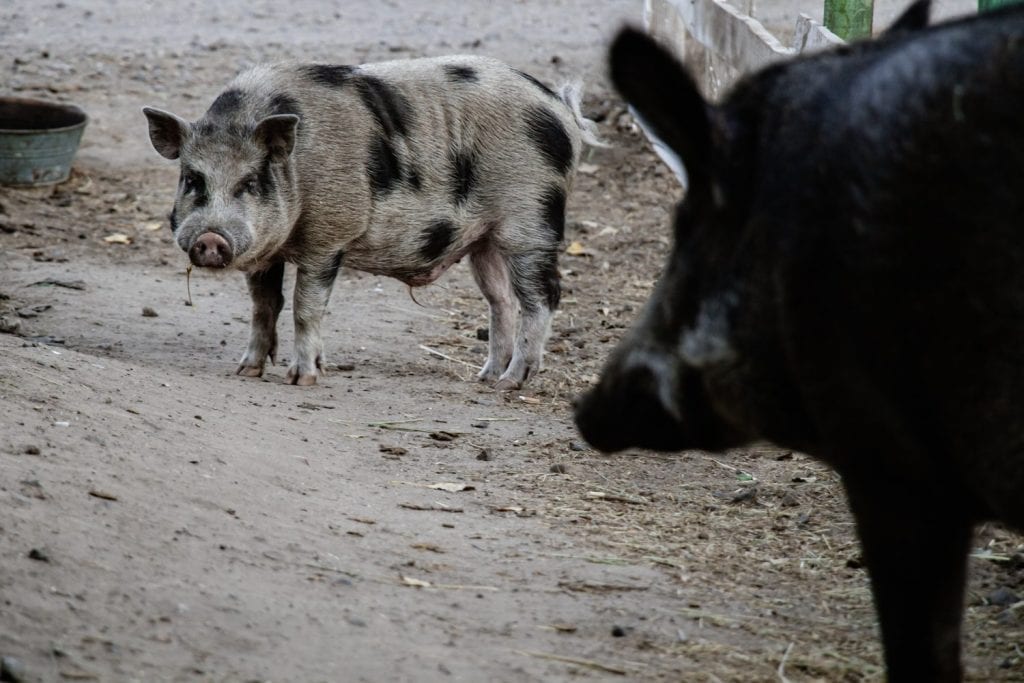
Pigs have personality. If yours is no longer the life of the party, have it checked out.
©Dmytry Ganzheev/Shutterstock.com
Behavior is another window into a pig’s inner world. They are intelligent, social creatures with individual personalities that can be quite quirky. When pain sets in, their behavior can change dramatically, sometimes becoming aggressive or withdrawn.
Some normally calm pigs may become unusually aggressive. This can be seen in their vocalizations, such as loud squealing, continual grunting, or whining. They might protest during normal handling and bite at you or at other pigs or pets to keep you away from sore areas or just because they’re irritated.
At other times, a normally outgoing pig may become withdrawn, avoiding people and other pigs. Maybe it doesn’t do things it used to love, like rooting or investigating new objects, or playing with others. If your pig seems disinterested in its environment, the cause may not be psychological—it could be experiencing real pain.
3. Physical Symptoms
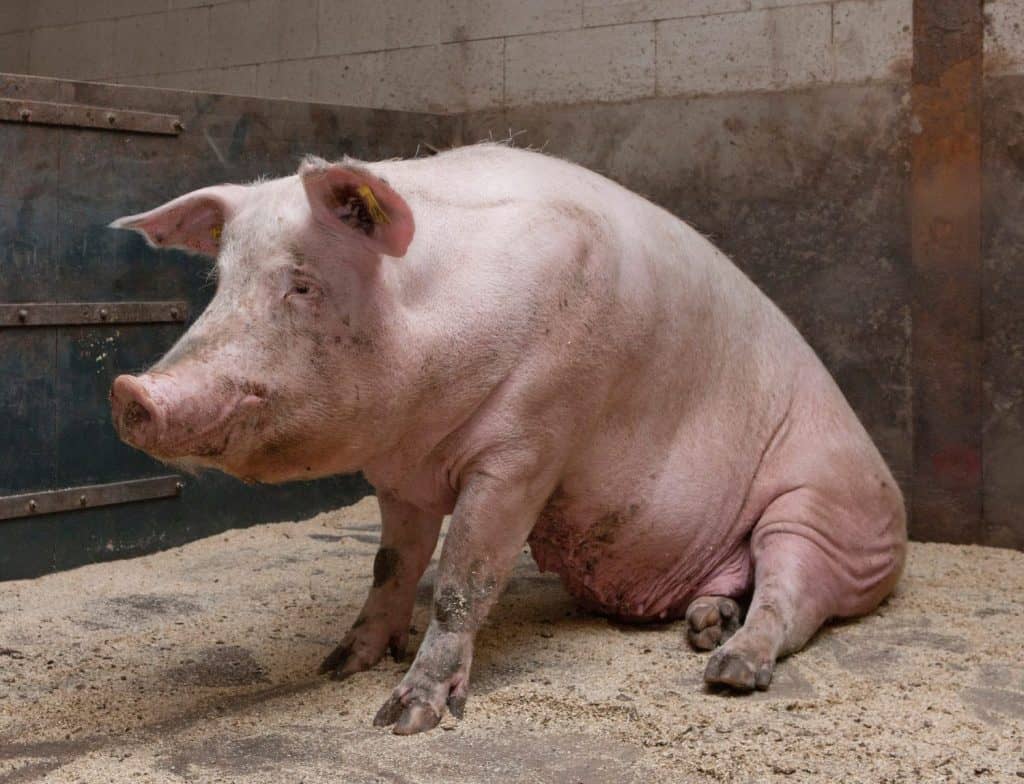
A lumpy pig might be a pig in pain.
©AlbHen/Shutterstock.com
Physically handling your pig can reveal areas of pain or illness. Swelling, redness, or heat in a joint or limb can indicate inflammation or infection. Hernias, abscesses, or injuries beneath the skin may produce lumps or bulges. Ulcerative lesions or sores can be painful to the touch, and pigs will often react strongly if these areas are probed.
Posture is another valuable clue. A pig in visceral pain—such as from gastrointestinal issues, urinary tract infections, or meningitis—may arch its back, tuck its abdomen, shift its weight, avoid lying on one side, or press its belly against the ground. These unusual stances are not random; they are ways the animal is trying to relieve internal pressure and feel more comfortable. It can be a way it is telling you something is off.
4. Eating Issues
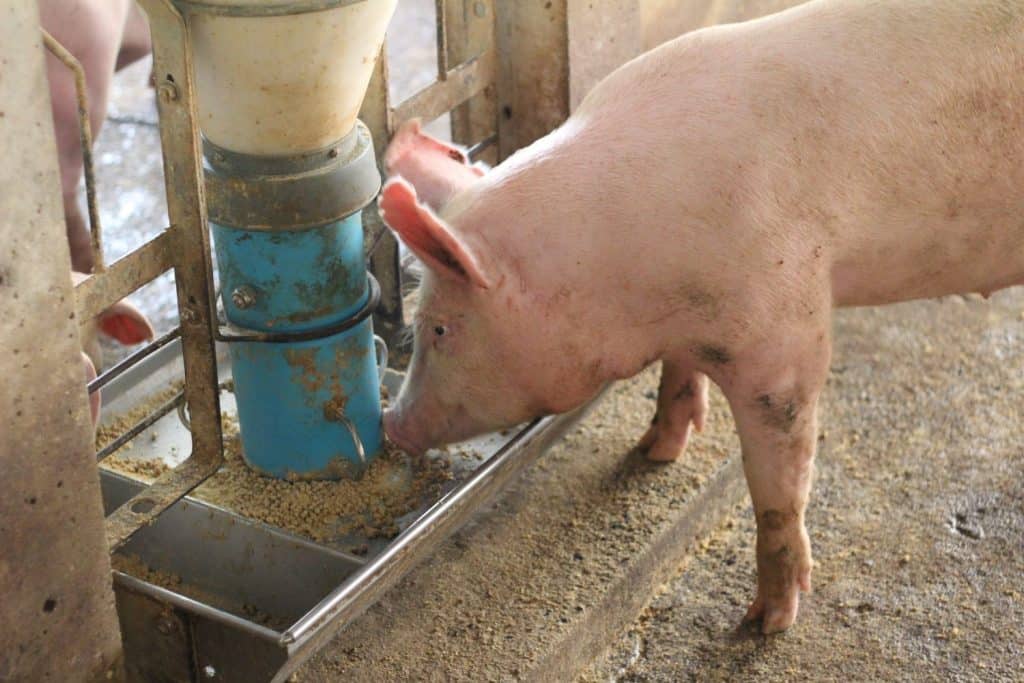
If Arnold is not eating like a pig, better find out why.
©CHIRATH PHOTO/Shutterstock.com
Pain often interferes with appetite. A pig that usually eats eagerly but suddenly ignores food is waving a red flag. Because pigs have strong digestive systems, they normally maintain consistent eating patterns. Disruption often points to stress or illness.
Pain in the gut, mouth, or limbs can all reduce feeding interest. For example, dental problems make chewing difficult, while limb pain makes it hard to reach feeders or compete with others. In turn, reduced intake leads to weight loss, lethargy, and weakened immune response.
Abnormal defecation or urination is another clue. Painful pigs may strain, defecate irregularly, or produce stools that differ in color and consistency. Blood in urine or feces is always serious and demands immediate veterinary care.
Things You Can Do
Pigs will tell you what’s wrong with them if you can decipher the code.
©Art_man/Shutterstock.com
For minor aches and discomfort, pig owners can sometimes provide supportive care at home, though it should never replace veterinary attention for serious issues. Rest and reduced activity are important—keeping the pig in a quiet, clean, and comfortable space helps ease stress on sore joints or muscles. Applying cold packs to swollen areas or warm compresses to stiff muscles can bring relief. Gentle massage, when tolerated, may also help with circulation and relaxation. Maintaining soft bedding prevents pressure sores and adds comfort. Owners should ensure the pig stays well-hydrated and receives a balanced diet, since proper nutrition supports healing. Over-the-counter medications made for humans should not be given without a veterinarian’s approval, as many are unsafe for pigs.
When to Call a Veterinarian

Not all pig pain problems can be handled at home. Sometimes you have to call in the pros.
©Motortion Films/Shutterstock.com
You should call a vet any time your pig seems very sick or in pain, or if something feels “off” and doesn’t get better quickly. Warning signs include not eating, limping, breathing hard, acting strangely, or having cuts or sores that don’t heal. Some of the most common problems that need a vet’s help are lung infections (with coughing or runny nose), tummy troubles like bloat, constipation, or long-lasting diarrhea, injuries to the legs or joints, skin problems like mange or abscesses, and urinary infections. Issues with eyes, trouble having babies, or sudden problems like seizures are also emergencies.
If in doubt, go ahead and consult with a vet. Pigs are stoic about their pain, but that doesn’t mean you have to be. They can deal with a lot, but going the extra mile for it is as much for your own comfort as theirs. If you think of your pig as your ‘lil baby, well then, baby it!