

P
Species Profile

Pig

Sus scrofa domesticus

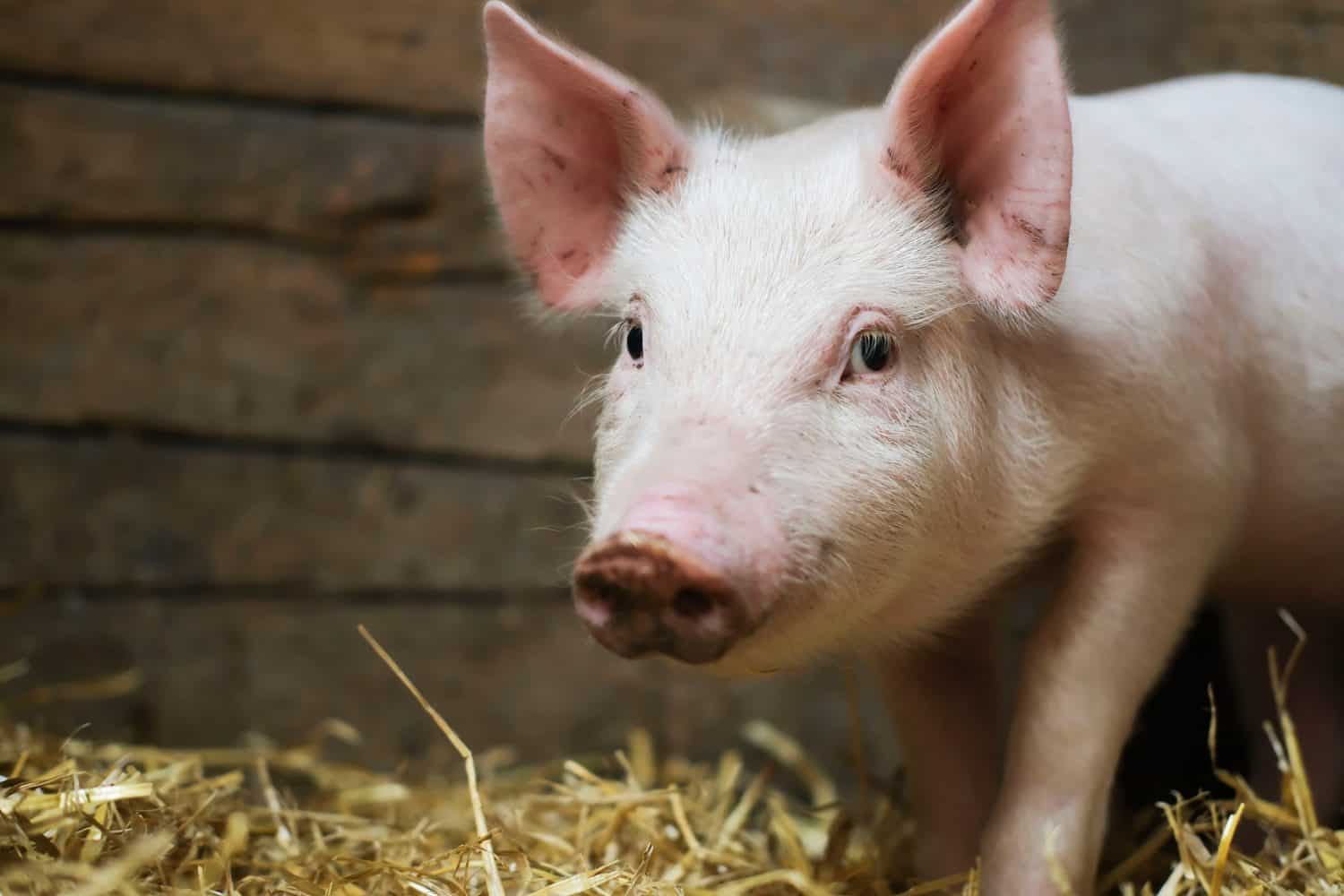
Root, grunt, outsmart the barn.
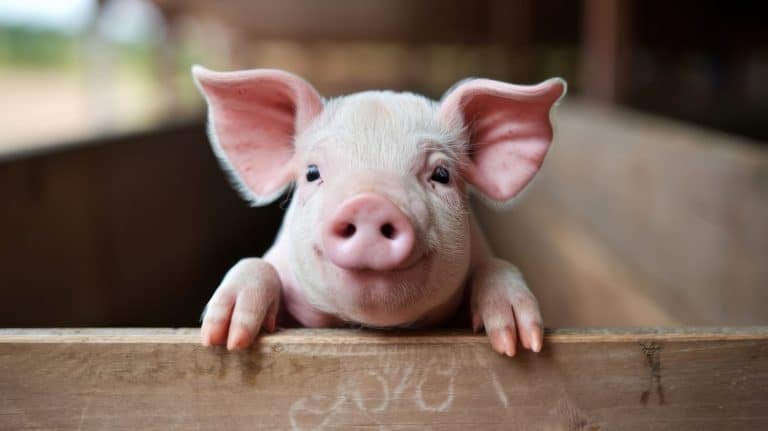
Inna_Kandybka/Shutterstock.com

Pig Distribution

Click a location to explore more animals from that region

Origin Location

This map shows the native origin of the Pig. As a domesticated species, they are now found worldwide.

Loading map...

Size Comparison

Human 5'8"
Pig 2 ft 6 in

Pig stands at 43% of average human height.

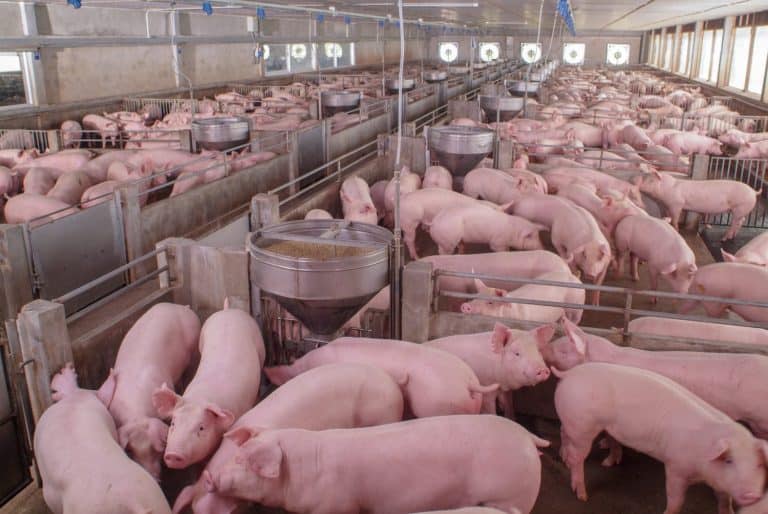
Pigs are free on farm in a pen in mud. Welfare and care of farm animals. Gender selection of livestock. Selective focus.

At a Glance

Domesticated
Also Known As Pig, Hog, Swine, Porker, Piggy, Farm pig
Diet Omnivore
Activity Diurnal+
Lifespan 5 years
Weight 350 lbs
Status Not Evaluated
Did You Know?

Scientific name: Sus scrofa domesticus-domesticated from wild boar (Sus scrofa) with major domestication centers in Anatolia/Near East and China ~9,000 years BP (archaeology + ancient DNA; e.g., Larson et al.).

Scientific Classification

The domestic pig is the domesticated form of the wild boar (Sus scrofa), widely kept worldwide for meat production and also as companion animals; it is a highly intelligent, omnivorous suid with a strong snout adapted for rooting.

Kingdom
Animalia
Phylum
Chordata
Class
Mammalia
Order
Artiodactyla
Family
Suidae
Genus
Sus
Species
Sus scrofa

Distinguishing Features

  • Stout-bodied hoofed mammal with a flexible snout (disk-like nose) used for rooting
  • Omnivorous diet; opportunistic forager
  • Typically reduced tusk development and more variable coloration/body form compared to wild boar due to domestication
  • Highly social and intelligent; complex vocalizations and behaviors

Physical Measurements

Males and females differ in size

Height
2 ft 9 in (2 ft 4 in – 3 ft 3 in)
2 ft 7 in (2 ft 4 in – 2 ft 11 in)
Length
5 ft 11 in (4 ft 7 in – 6 ft 11 in)
Weight
551 lbs (331 lbs – 992 lbs)
507 lbs (309 lbs – 772 lbs)
Tail Length
10 in (8 in – 12 in)
12 in (8 in – 1 ft 4 in)
Top Speed
11 mph
running

Appearance

Primary Colors
Secondary Colors
Skin Type Thick mammalian skin with sparse coarse bristles; pigmentation ranges from unpigmented to darkly pigmented; frequent wallowing in mud for thermoregulation and ectoparasite relief.
Distinctive Features
  • Domesticated form of the wild boar (Sus scrofa); readily forms feral populations with major ecological impacts.
  • Adult size highly variable: head-body length commonly ~0.9-1.8 m; shoulder height ~0.5-1.0 m (breed- and sex-dependent).
  • Adult mass highly variable: many domestic pigs ~50-350 kg; some lines exceed this under intensive feeding.
  • Lifespan typically ~10-15 years; individuals may reach ~20+ years in companion/managed settings.
  • Powerful mobile snout with a tough nasal disc adapted for rooting; excellent olfaction and manipulative foraging.
  • Omnivorous diet: consumes roots, tubers, invertebrates, carrion, and human-provided feeds; opportunistic scavenger.
  • Cloven hooves (two functional digits) typical of Artiodactyla; dewclaws present on hind/fore feet.
  • Sparse bristly hair; skin can sunburn easily when unpigmented (pink/white individuals).
  • Thermoregulation via wallowing due to limited functional sweating; mud coating reduces heat load and parasites.
  • Social and intelligent: forms stable groups, uses vocalizations extensively; strong exploratory and problem-solving behaviors.
  • Reproduction: gestation ~114 days; litters commonly large under domestic selection; multiple pairs of teats along the ventrum.
  • Feral pigs (domestic × wild boar ancestry common) can cause severe rooting damage, predation on ground-nesting fauna, and disease transmission to wildlife and livestock.

Sexual Dimorphism

Males are typically larger and more muscular, with thicker neck/shoulders and more developed canine teeth. Females generally have smaller heads and bodies, with more conspicuous mammary development during lactation.

  • Greater average body mass and shoulder/neck musculature (often a pronounced 'shield' in mature boars).
  • Larger head and snout; thicker jowl region.
  • More developed canines (tusks), especially in intact males.
  • More prominent scent/marking behavior in intact males (preputial secretions).
  • Generally smaller overall size with relatively finer head and neck proportions.
  • More visible mammary line; enlarged teats and mammary tissue during lactation.
  • Typically less-developed canines than intact males.
  • Maternal behaviors: nest-building and strong piglet-guarding postpartum.

Did You Know?

Scientific name: Sus scrofa domesticus-domesticated from wild boar (Sus scrofa) with major domestication centers in Anatolia/Near East and China ~9,000 years BP (archaeology + ancient DNA; e.g., Larson et al.).

Chromosome number is 2n = 38, matching wild boar populations commonly used in domestication and enabling fertile wild-domestic hybrids.

Gestation averages 114 days ("3 months, 3 weeks, 3 days")-a well-established reproductive constant in swine science/veterinary texts.

Adult size is highly breed-dependent: typical mature mass ~100-350 kg, but can be <50 kg (miniature breeds) or >350 kg (large commercial lines/boars); shoulder height commonly ~55-100 cm.

Normal rectal temperature is about 38.6-39.8 °C in healthy pigs (standard veterinary reference ranges).

Dental formula is I 3/3, C 1/1, P 4/4, M 3/3 (=44 teeth), supporting an omnivorous diet typical of Suidae.

Before farrowing, many sows show intensive nest-building that peaks roughly 12-24 hours pre-birth (well documented in ethology studies of maternal behavior).

Unique Adaptations

  • Rooting snout "tool": a prenasal bone plus strong neck/shoulder musculature lets pigs lever soil and debris-an evolutionary hallmark of Suidae.
  • Exceptional olfaction: pigs devote large nasal surface area to scent detection, supporting efficient foraging (including truffles in some working traditions).
  • Omnivorous dentition + robust jaw: 44-tooth dentition and strong masseter/temporalis muscles suit mixed diets (roots, tubers, fruit, carrion, small animals).
  • Hoofed but flexible footing: like other even-toed ungulates (Artiodactyla), pigs bear weight mainly on the 3rd and 4th digits (cloven hooves) while the 2nd and 5th digits act as dewclaws for added support on soft ground.
  • Thick skin and subcutaneous fat: helps buffer minor trauma during rooting and social jostling; also supports energy storage, though overheating risk increases in hot climates.
  • Rapid life-history under selection: early maturity (often ~5-8 months depending on breed/management) and large litters (commonly ~8-14 piglets in many modern lines) reflect strong artificial selection for productivity.

Interesting Behaviors

  • Rooting and exploratory foraging: pigs use a muscular snout and sensitive "rooting disc" to dig, flip litter, and locate buried foods-behavior shared across Suidae (e.g., wild boar, bearded pigs, warty pigs).
  • Highly social living: domestic pigs form stable dominance hierarchies, recognize individuals, and use frequent nose-to-nose contact and vocalizations to coordinate group activity.
  • Wallowing: because pigs have limited functional sweat glands, they cool by wallowing in water/mud and then seeking shade; dried mud can also reduce sunburn and ectoparasites.
  • Maternal nest construction: sows gather and arrange vegetation/available materials into a birth nest; confinement systems that block nesting commonly increase stress-related behaviors.
  • Play and object manipulation: especially in juveniles-running, pivoting, mock fighting, and pushing/chewing novel items-often increases with space and environmental enrichment.
  • Vocal communication: pigs produce context-specific grunts, squeals, and barks used in coordination, distress signaling, and mother-offspring contact; call structure changes with arousal (documented in bioacoustics research).
  • Feralization and landscape effects: when domestic pigs become feral, they revert quickly to boar-like behavior (nocturnality, increased wariness) and can cause major soil disturbance via rooting, altering plant communities and impacting ground-nesting wildlife.

Cultural Significance

Domestic pig (Sus scrofa domesticus) is key livestock for pork, lard, and rural incomes; taboo in Jewish and Islamic traditions yet a luck symbol elsewhere. Pigs help medical research (xenotransplants) and feral pigs can harm crops, spread disease, and change habitats.

Myths & Legends

Chinese Zodiac: the Pig (often called the Boar) is the final sign; folk tradition links it with prosperity, honesty, and a full household, reflecting the animal's historic value as stored wealth on the hoof.

Journey to the West (China): Pigsy, a pig-faced disciple of the pilgrim monk, embodies appetite and flawed humanity yet becomes an unlikely companion on a sacred quest.

Norse mythology: Saehrimnir, the magically renewing boar of Valhalla, is slaughtered and eaten each night and is whole again by morning-an emblem of endless feast and warrior afterlife.

Norse mythology: Freyr's golden-bristled boar, forged by dwarves, can run through air and sea and shines in darkness-an image of divine fertility and protective power.

Hindu tradition: the boar avatar of Vishnu lifts the Earth from primordial waters-boar imagery tied to strength, rescue, and cosmic restoration.

Greek myth: Circe transforms Odysseus' men into pigs, a cautionary tale about temptation and loss of human reason.

Medieval European tradition: St. Anthony the Abbot is often depicted with a pig; in parts of Europe, "St. Anthony's pigs" were community-raised and associated with healing and charitable care.

Conservation Status

NE Not Evaluated

Has not yet been evaluated against the criteria.

Population Stable

Life Cycle

Birth 11 piglets
Lifespan 5 years

Lifespan

In the Wild
3–10 years
In Captivity
8–23 years

Reproduction

Mating System Polygyny
Social Structure Managed Domestic
Breeding Pattern Transient
Fertilization Managed Selective
Birth Type Internal_fertilization

In managed herds, a boar or semen from selected boars is used to breed multiple sows; sows show estrus ~2-3 days every ~21-day cycle and are bred by natural service or AI. No pair bond; gestation averages 114 days.

Behavior & Ecology

Social Sounder Group: 12
Activity Diurnal, Crepuscular, Cathemeral
Diet Omnivore Energy-dense starch sources-especially maize (corn) and other cereal grains (typical preferred/primary feed base in domestic production; NRC, 2012).

Temperament

Highly social, forming stable dominance hierarchies; rank affects access to feed and resting sites.
Exploratory and strongly motivated to root/forage; frustration can increase oral manipulation behaviors.
Mixing unfamiliar pigs reliably elevates aggression for hours-days until hierarchy stabilizes (Arey & Edwards 1998; Turner et al. 2006).
Maternal behavior includes nest-building and heightened defensiveness around farrowing and early lactation.
Individual recognition and social memory support stable group living; performance depends on group size and housing complexity.
Across domestic pigs, the core pattern is matrilineal sow-offspring cohesion with adult males more solitary; managed mixing increases aggression after regrouping, while free-ranging pigs retain sounder structure and may become more nocturnal under disturbance.

Communication

Low-frequency grunts Contact/foraging context; commonest call type
Squeals/screams Acute distress, pain, or intense social conflict
Barks Alarm/alert in some contexts; more frequent in outdoor/free-ranging pigs
Roars/growls Threat and aggression during contests
Nursing-related vocal exchanges between sow and piglets Maternal solicitation and coordination
Call-type repertoires described with multiple discrete categories in domestic pigs Kiley 1972
Olfactory: urine, feces, and gland odors for social recognition and reproductive signaling.
Tactile: nosing, nudging, and body contact for affiliation, assessment, and displacement.
Visual: posture, head/ear position, piloerection, and approach/avoidance signaling during contests.
Chemical: salivary/foam cues and pheromonal components (notably from boars) affecting sexual and social behavior.

Habitat

Biomes:
Tropical Rainforest Tropical Dry Forest Savanna Mediterranean Temperate Grassland Temperate Forest Temperate Rainforest Boreal Forest (Taiga) Alpine Wetland Freshwater +5
Terrain:
Plains Hilly Valley Riverine Coastal Island
Elevation: Up to 14107 ft 7 in

Ecological Role

Omnivorous generalist forager and ecosystem engineer (through rooting/soil disturbance), strongly shaped by human provisioning in domestic settings; when free-ranging/feral, functions similarly to wild boar as a broad-spectrum consumer.

Soil turnover and aeration through rooting (ecosystem engineering) Nutrient cycling via manure deposition and carcass/scavenging utilization Seed predation and occasional seed dispersal (depending on fruit/mast consumption) Regulation of some invertebrate populations through predation Trophic linkage between plant production, detrital resources, and higher-level consumers (when acting as prey for large carnivores in free-ranging contexts)

Diet Details

Main Prey:
Earthworms Beetles Fly larvae Soil invertebrates Ground-nesting bird eggs and chicks Small vertebrates Carrion +1
Other Foods:
Cereal grains and concentrates Legume seeds/meals Roots and tubers Mast and nuts Fruits Green forage Fungi Human-associated food scraps +2

Human Interaction

Domestication Status

Domesticated

Domestic pig (Sus scrofa domesticus) is from wild boar (Sus scrofa). Domestication began about 9,000–10,000 years ago in Southwest and East Asia (China), then moved and mixed with wild boar. Humans keep pigs in commercial, smallholder/free-range, research, pets, cultural uses, and feral. Gestation ~114 days; litters 8–12; mature 5–8 months; strong rooting; slaughter 5–7 months; lifespan 10–20+ years.

Danger Level

Moderate
  • Bites and crushing injuries: adult pigs are powerful (many domestic types commonly ~200-350 kg; some individuals larger), and can cause severe lacerations or fractures, especially during feeding competition or if startled.
  • Aggression in specific contexts: sows can be protective around piglets; intact boars may show increased aggression and can inflict puncture/wounding with tusks if present.
  • Zoonotic and occupational disease risks in close contact or farm settings: documented hazards include influenza A viruses (swine-origin strains), hepatitis E virus (HEV genotype 3 in many regions), Salmonella spp., Leptospira spp., and Streptococcus suis (notably an occupational risk in swine handling/processing).
  • Allergens and respiratory exposures: swine dander and farm bioaerosols can exacerbate asthma/allergic disease; confinement facilities can produce high particulate and ammonia exposure.
  • Escape/feralization risk: escaped domestic pigs can become feral, increasing human conflict (property damage from rooting, traffic hazards) and raising bite/attack risk similar to wild boar contexts.

As a Pet

Suitable as Pet

Legality: Laws about keeping Domestic Pig (Sus scrofa domesticus) as pets vary. Many areas treat pigs as livestock, with zoning limits or bans and rules for registration, permits, health papers, or limits on number. Check local codes, HOA, and state rules.

Care Level: Experienced

Purchase Cost: $50 - $1,500
Lifetime Cost: $10,000 - $40,000

Economic Value

Uses:
Food production (meat and edible offal) By-products (fat, skin, bones, collagen/gelatin) Leather and industrial materials Biomedical and pharmaceutical supply chains Biomedical research models Waste-to-value (manure for fertilizer/biogas) Companion animal trade/services (pet pigs, feed, veterinary care)
Products:
  • Pork (fresh cuts), bacon, ham, sausages
  • Edible organs (liver, heart) and casings
  • Lard and rendered fats
  • Gelatin/collagen from skin and connective tissues
  • Leather (pigskin)
  • Heparin (traditionally sourced from porcine intestinal mucosa)
  • Bioprosthetic materials (e.g., porcine-derived heart valve tissues used in medical devices)
  • Manure for fertilizer and anaerobic digestion (biogas)

Relationships

Related Species 11

Wild boar
Wild boar Sus scrofa Shared Species
Bearded pig Sus barbatus Shared Genus
Javan warty pig Sus verrucosus Shared Genus
Sulawesi warty pig Sus celebensis Shared Genus
Philippine warty pig Sus philippensis Shared Genus
Visayan warty pig Sus cebifrons Shared Genus
Common warthog
Common warthog Phacochoerus africanus Shared Family
Red river hog Potamochoerus porcus Shared Family
Bushpig Potamochoerus larvatus Shared Family
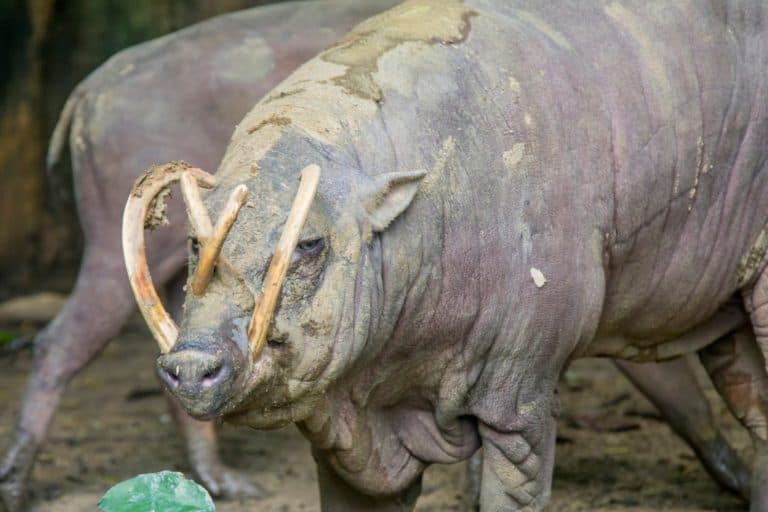
North Sulawesi babirusa Babyrousa celebensis Shared Family
Pygmy hog Porcula salvania Shared Family

Quick Take

Among the first animals to be domesticated by humans, the pig is found everywhere in the world except in Antarctica, North Africa, and far-northern Eurasia. These highly social and intelligent creatures are among the most populous large mammals in the world and are very biologically similar to humans.

The domestic pig is a major food source for humans. Approximately 70 to 80 million pigs are found on farms in the U.S. alone, and nearly 1.5 billion are slaughtered annually worldwide. Some pig species are classified at various levels of endangerment, and examples of many of these species can be found in zoos around the world.

An educational infographic about pigs featuring anatomical diagrams, a world map of their habitat, and data on their intelligence, diet, and global population.
From defying lethal snake venom to sharing complex human biological traits, discover why these 'farm animals' are actually some of the most intelligent survivors on Earth. © A-Z Animals

An Incredible Animal: 5 Pig Facts

  • Mud wallowers: Pigs lack sufficient sweat glands to effectively regulate their body temperatures, so they often wallow in mud to cool down on hot days. The mud is also used as a sunscreen and as a way to protect their skin from parasites.
  • Highly intelligent: The pig is among the most intelligent animals on the planet. It can perceive time, remember objects, use learned information to navigate environments, and engage in a range of playful behaviors.
  • Unique among hoofed animals: Unlike most hoofed mammals, pigs do not have multichambered ruminating stomachs, so they can’t subsist on grass and leaves alone. Also, unlike most hoofed creatures, pigs build nests for their young.
  • It’s in the tail: The easiest way to tell whether a pig is domesticated or wild is by looking at its tail. Domestic pigs have curly tails, while wild pigs have straight tails.
  • Hundreds of breeds: In 2007, the Food and Agriculture Organization of the UN reported that there were more than 740 classifications, or breeds, of the domesticated pig; 137 are listed as extinct, and 130 are classified as endangered.
pig

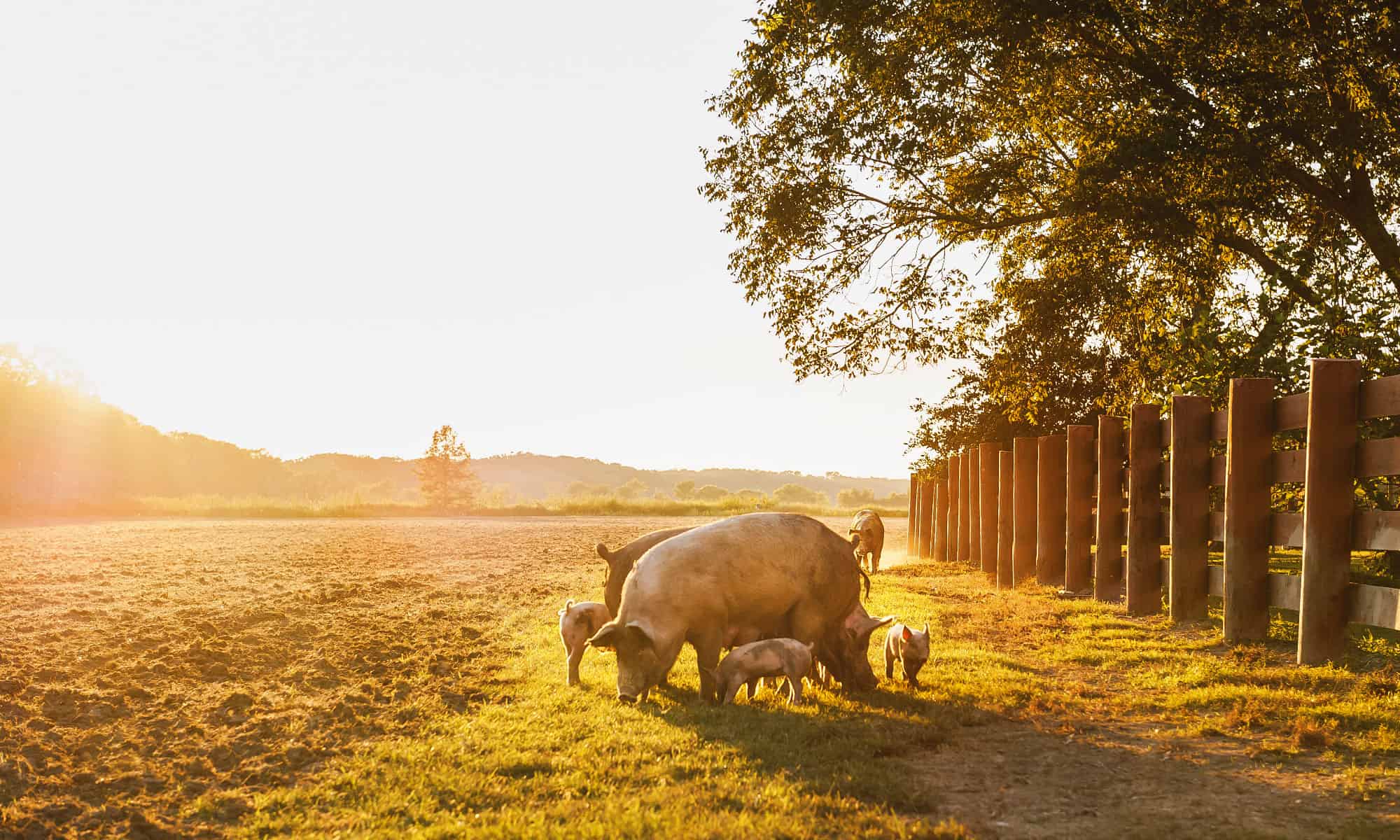
A sow grazing with her litter of piglets.

Classification and Scientific Name

The pig is a mammal belonging to the order Artiodactyla and the family Suidae, which is also known as the even-toed ungulate family. That family is further subdivided into four to eight genera, with domesticated pigs and wild boars belonging to the genus Sus. Species belonging to that genus are regarded as suids or swine; eight living species currently exist.

The scientific name for pig is Sus scrofa, a name which applies to the wild boar, the Eurasian wild pig, as well as the domesticated mammal.
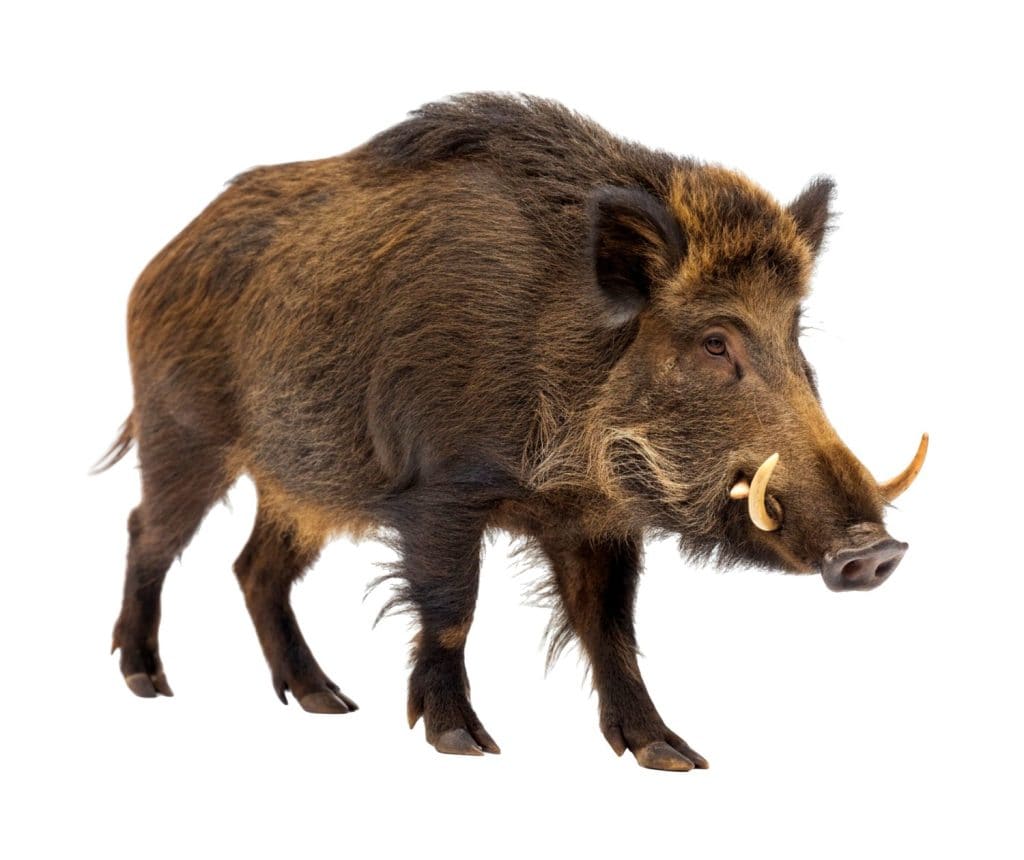
Eurasian Wild Boar Single Eurasian Wild Boar Fa Isolated On White Background

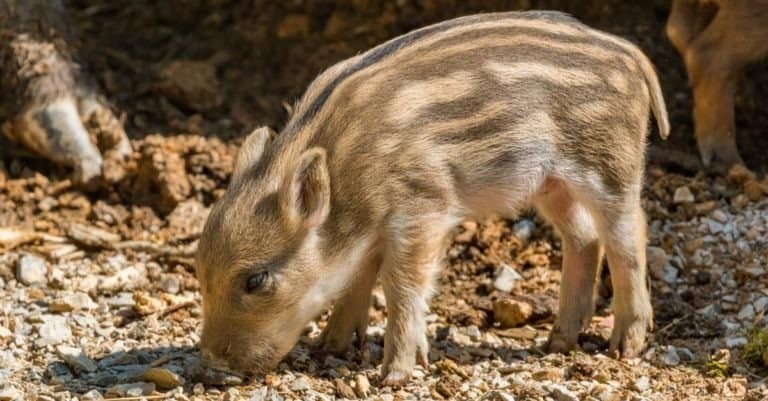
The domestic pig originates from the Eurasian wild boar.

Evolution

The domestic pig originates from the Eurasian wild boar. Evidence suggests domestication of this species occurred multiple times and in multiple locations across Asia, Southeast Asia, India, Europe, and Africa. Domestication began approximately 9,000 years ago in Eastern Turkey. In 1539, Hernando de Soto brought domestic pigs to North America, which eventually established the initial populations of “feral hogs.” In the early 1930s, Eurasian boar were released onto hunting preserves in Texas, where some interbred with the feral hogs. Today, there are potentially three types of wild pigs in Texas and North America: feral hogs, hybrids between Eurasian boar and feral hogs, and Eurasian boar. There are also hundreds of breeds of domestic pigs of all sizes and colors.
pig

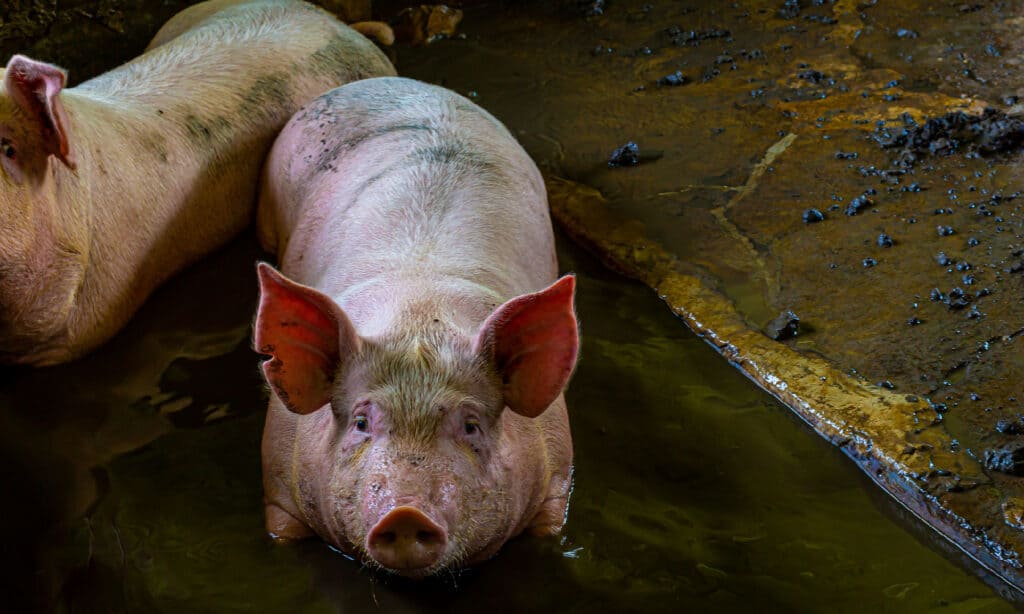
1 billion pigs are slaughtered every year for food.

Appearance and Behavior

Pigs span many breeds, so they vary a bit in appearance. In general, however, they are known for their stout bodies, short legs, and prominent snouts. On average, they grow to a size of between 300 and 700 pounds. The largest pig of all time, Big Norm of Hubbardsville, New York, weighed 1,600 pounds at his death in 2008. In 2012, a hog named Reggie set the weight record at the Iowa State Fair for Biggest Boar, weighing in at 1,335 pounds.

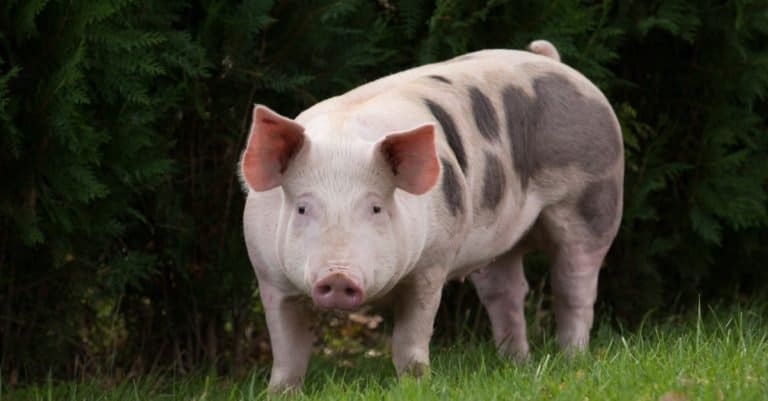
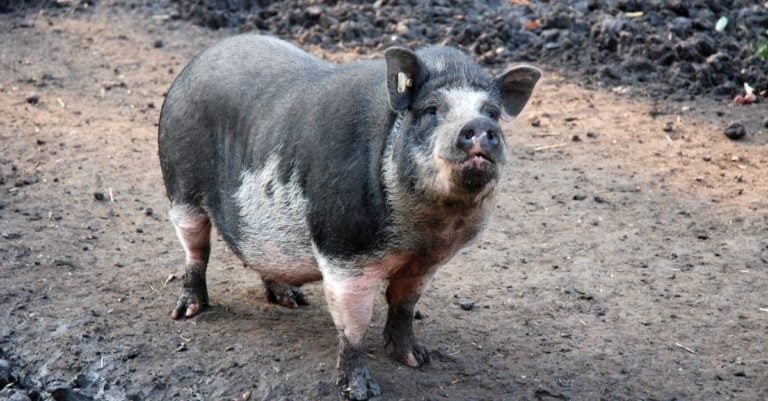
Most of them have sparse patches of bristles covering their skin. Some have patterns of spots, while others are more uniform in color. They have four hoofed toes on each foot, and their large heads contain a total of 44 teeth. These animals have scent glands covering their faces, and they rub their faces against objects to spread their scent and claim their territory. Their snouts are highly sensitive, and they dig into the soil to root around for food.

Today, there are more than 500 breeds of domesticated pigs in the world. The most popular include the Yorkshire, also known as the large white, which can grow up to 850 pounds in size. The Chester White is known for its all-white appearance and medium floppy ears. The Landrace pig, another all-white breed, is particularly prized for its bacon.

Highly social animals, pigs gather in groups, called sounders, in the wild. These groups typically consist of two or more females and their young. Males tend to be more solitary. These animals communicate using a variety of sounds, including squeaks and grunts. They also use various body postures to get their point across. For example, they might raise the crest of hair on their backs, grind their teeth, jerk their head, or cock their ears.

Pigs are biologically very similar to humans. As a result, they are often used in medical research and experimentation. Their heart valves are sometimes transplanted into human hearts, saving human lives.
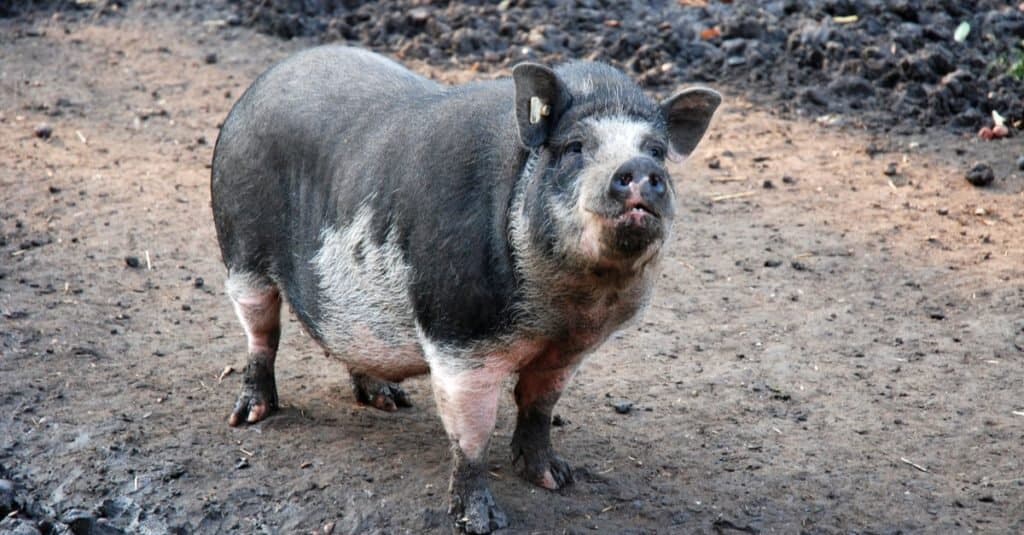
asia potbelly pig looking funny

Pigs are highly social animals that live in groups.

Habitat

These animals have thrived so well because they can survive in a variety of habitats. They are found in grasslands, rainforests, wetlands, scrublands, temperate forests, and savannas everywhere in the world except for Antarctica, Northern Africa, and far northern Eurasia. They are also omnivores and will consume just about anything.

In the wild, their ranges vary in size. The pygmy hog, for example, has a range of approximately 60 acres; the Eurasian wild hog, on the other hand, has a range that can extend to more than 7 square miles in size.
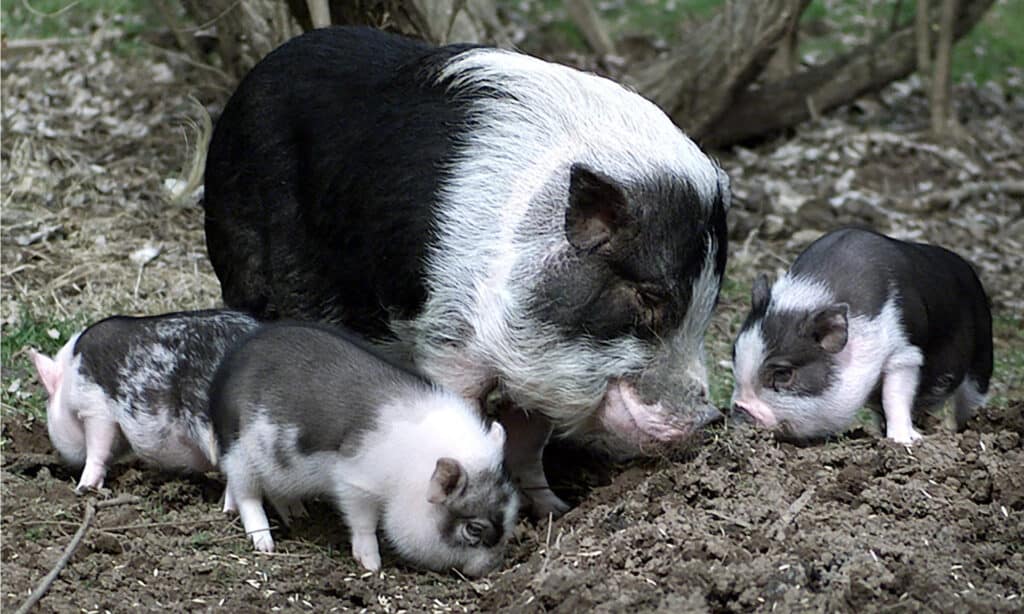
Potbelly pig with babies

Pigs were first domesticated 40,000 years ago.

Physiology

Although pigs have sweat glands, they don’t rely on perspiration to regulate their body temperature (a trait they share with elephants and rhinos). They prefer a cooling dip in a mud pool, which also helps keep parasites at bay and serves as a sunscreen.

Due to an evolutionary mutation, pigs are believed to enjoy a degree of resistance to snake venom. They are one of only four mammals that scientists have found to have such immunity formed from mutation. This puts the pig in the special category with the hedgehog, mongoose, and honey badger when it comes to resisting snake venom. These mutations appear to have evolved independently of each other.

Unlike ruminants, which have multichambered stomachs, pigs are monogastric. In other words, they have only a single-chambered stomach. As a result, they are omnivorous and will eat almost anything.
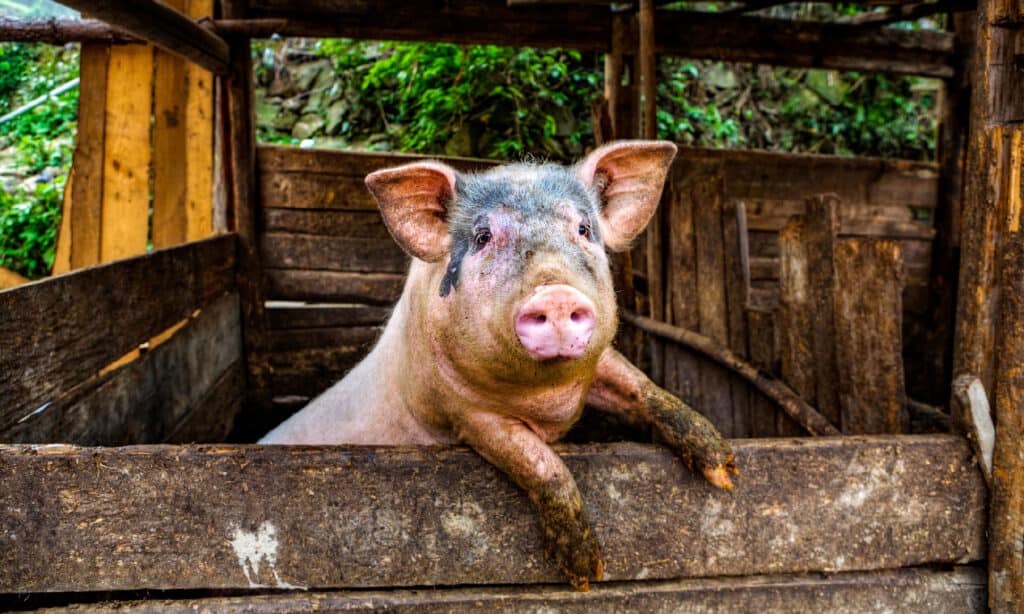
Pig Poop

Pigs have a digestive system very similar to humans.

Diet

True omnivores, these animals subsist on both plants and animals. In the wild, wild boars primarily subsist on roots, fruit, rodents, and small reptiles. On the other hand, domesticated swine are fed diets that typically consist of grains like soy, wheat, corn, and barley. They are often given “slop,” which is made up of things like fruit rinds, vegetable peels, and other food scraps. As a result, they are useful on farms because they will eat human leftovers and are not picky eaters.

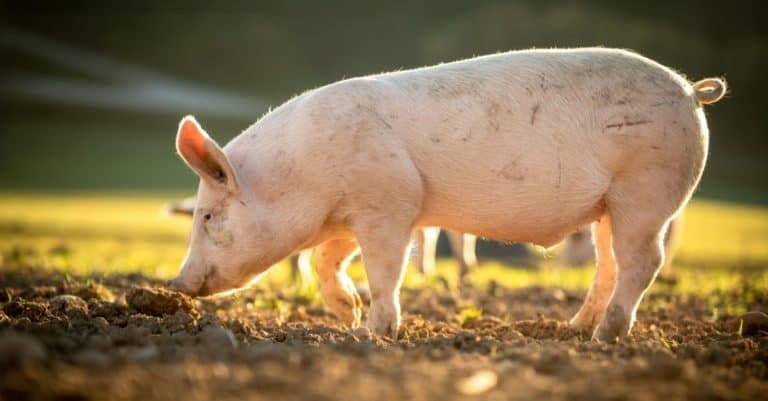
These animals use their snouts to root around in the soil for food. They are famous for being able to find truffles. Their rooting behavior helps the environment by clearing away dead animals, controlling insects, spreading seeds, and breaking up soil, which promotes new plant growth. At the same time, this behavior can be highly destructive to local environments.

What Do Pigs Eat
Pigs are omnivores and require a varied diet full of fiber, minerals, and vitamins.

Predators and Threats

Wild pigs are highly adaptable and can survive in a variety of ecosystems, but they do have their predators. Juveniles may fall prey to small mammals such as coyotes, bobcats, foxes, and others. However, humans and mountain lions are the primary predators of wild pigs in North America. In some areas, hunting is used to control populations, while other regions rely on fences or trapping programs to reduce numbers. These methods help reduce damage caused by wild pig populations, but it is worth noting that these animals play an important role in the natural ecosystem as well.
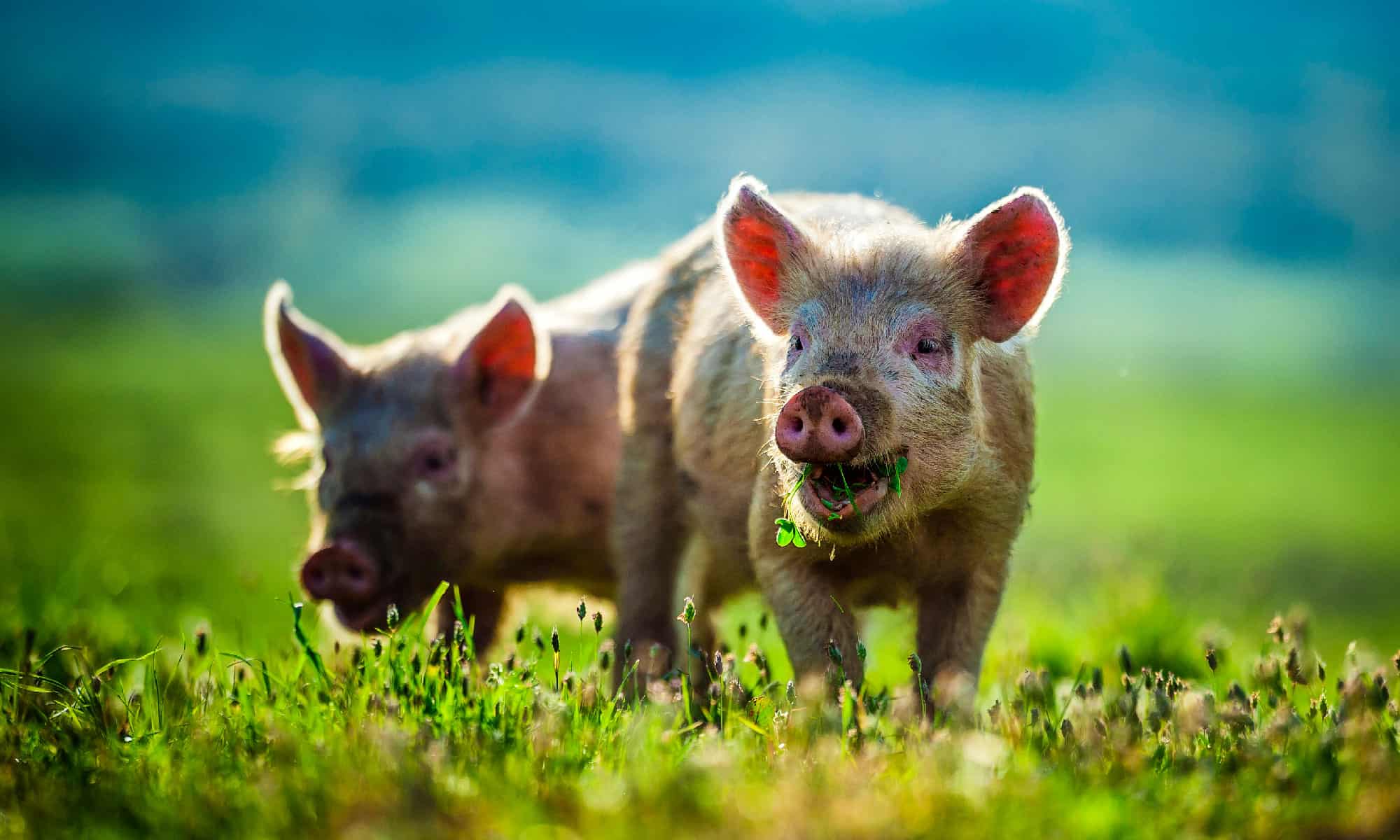
pig

Pigs are omnivores — their diet consists of both plants and animals.

Reproduction, Babies, and Lifespan

Female pigs, called sows, go into heat every 21 days throughout the year; each heat lasts for eight to 36 hours. Males follow females and nudge them repeatedly to show interest. The female then allows the male to taste and smell her urine. Males usually stay with females for several days before moving on to new ones. The gestation period lasts approximately three months, three weeks, and three days (about 114 days). Sows make nests for their young within 24 hours of giving birth. A baby pig is called a piglet, and anywhere from 10 to 14 piglets are born per litter, on average. A female may have up to two litters per year.

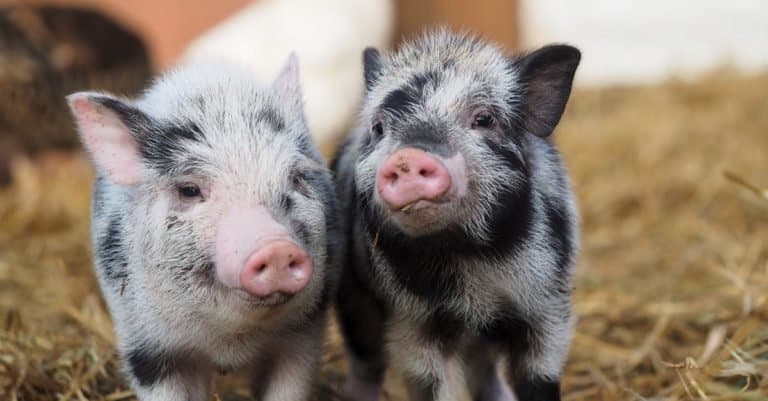
Newborn baby pigs, or piglets, start feeding within one hour of birth. They are typically weaned after about two to three weeks. At birth, piglets weigh around 2.5 pounds, and they usually double in size within about a week.

Wild pigs and wild boars live for an average of 10 to 14 years in the wild, with maximum recorded lifespans of around 20 years. Domesticated pigs have an average lifespan of 6 to 10 years.
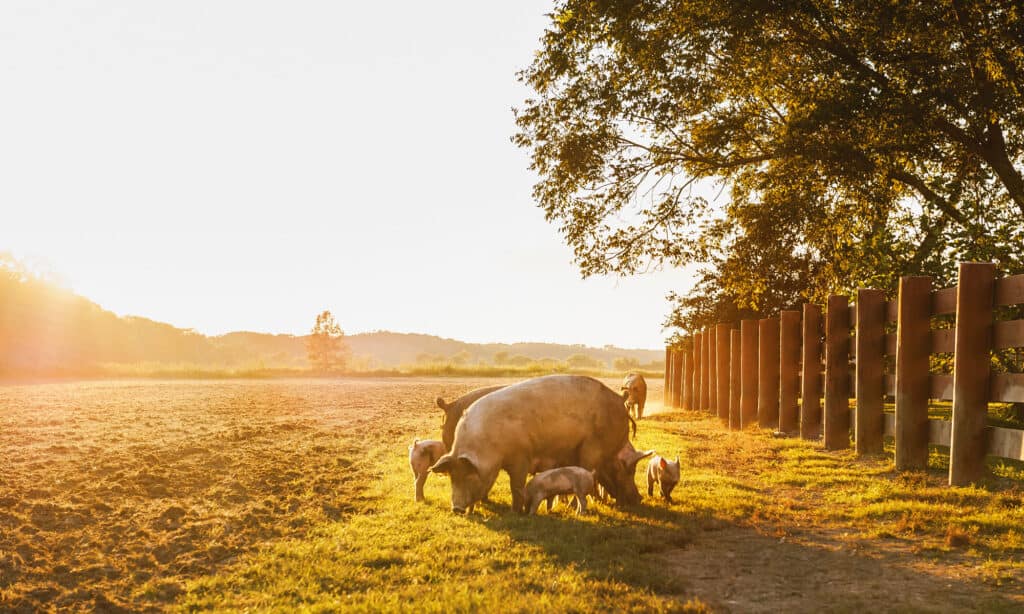
pig

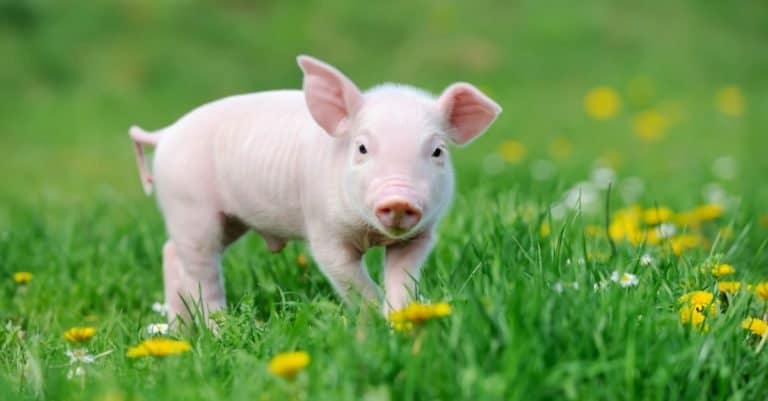
Pigs are pregnant for over three months and have a litter of between 10 and 13 piglets.

Population

Large populations of feral pigs are still found across the world, including in areas of North America, South America, Australia, New Zealand, and Hawaii. Exact figures for the total wild pig population are unknown. However, it is believed that there are approximately 2 billion domesticated pigs on the planet at any given time. Roughly 1 billion pigs are slaughtered every year, but intensive farming practices make it easy for farmers to keep up with demand.
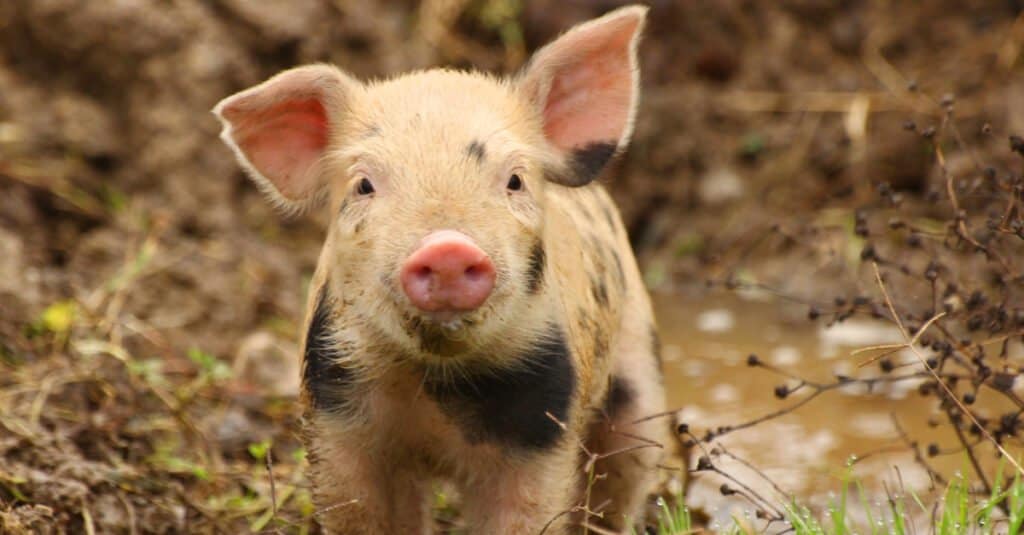
piglet

1 billion pigs are slaughtered for food each year.

Conservation

The biggest threat faced by pigs is exploitation by humans. Pork and pork products account for more than 40% of all meat and poultry consumed worldwide (as of 2017). Every year, China alone processes more than 500 million pigs for food. The U.S. processes around 64 million per year, Brazil processes around 40 million per year, and Germany processes around 27 million per year.

In the Zoo

Pigs of all species are found in zoos around the world. Domesticated pigs are often found in the petting zoo sections of larger zoos, where they are used to let people enjoy close-up experiences. Various species of wild pigs are also found in zoos around the globe. For example, the San Diego Zoo has a population of Visayan warty pigs, the most endangered pig species in the world. It was the first zoo outside of the Philippines to breed them, and more than 60 have been born there since 2002. Like many prominent zoos, the San Diego Zoo also boasts red river hogs and pig deer, or babirusa pigs, which are natives of Indonesia.
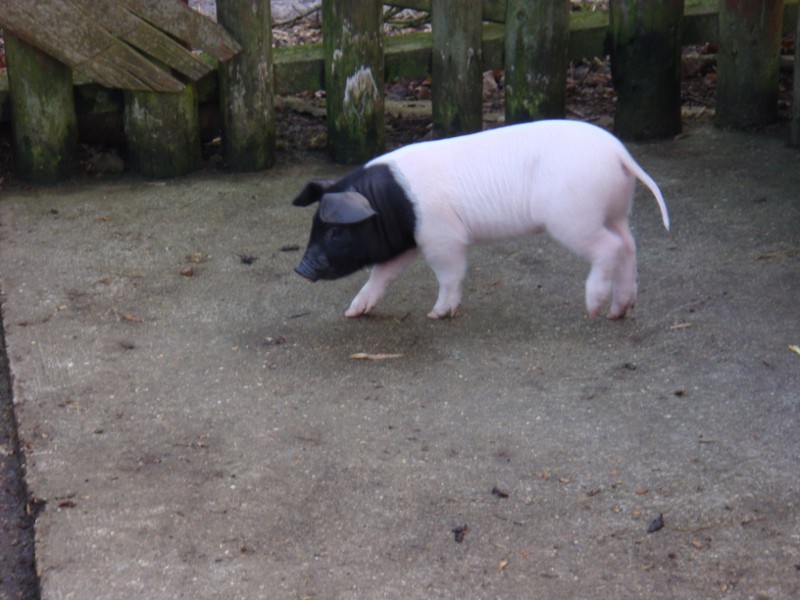
Many zoos have pigs on display.

View all 246 animals that start with P

Sources

  1. San Diego Zoo / Accessed December 20, 2020
  2. New World Encyclopedia / Accessed December 20, 2020
  3. Thought Co / Accessed December 20, 2020
  4. Untamed Science / Accessed December 20, 2020
  5. Live Science / Accessed December 20, 2020
  6. Britannica / Accessed December 20, 2020
Heather Hall

About the Author

Heather Hall

Heather Hall is a writer at A-Z Animals, where her primary focus is on plants and animals. Heather has been writing and editing since 2012 and holds a Bachelor of Science in Horticulture. As a resident of the Pacific Northwest, Heather enjoys hiking, gardening, and trail running through the mountains with her dogs.

Thank you for reading! Have some feedback for us?


Pig FAQs (Frequently Asked Questions)

Pigs have four digits on each hoof, which are called twos. There are two functional toes and two non-functional toes per foot.