
Bees are both feared and respected. Many people who fear being stung believe that bees have no place and should be eradicated. However, given that bees play a crucial role in pollination, the production of food, and helping to create diversity in plants and animals in habitats around the world, they are a necessary part of the food chain.
What is not always understood is that bees do not sting indiscriminately. The reason bees sting is that they perceive a threat. If bees had their way, they would prefer to be left alone to collect pollen and nectar and to create honey. However, when the hive needs to be defended, bees will sting and even lay down their lives for the future success of the colony.
Why Bees Have Stingers
Bees sting to protect against perceived threats to the hive and the queen bee.
©Ivan Mikhaylov/Shutterstock.com
Bees are a feared insect because of their ability to produce a painful sting. If bees did not have stingers, they would be basically incapable of protecting themselves and their hives. Therefore, the main reason bees have stingers is to defend themselves. The overall goal of the worker bees is to keep the hive safe. This means protecting the queen bee and the larvae at any cost. The best way to do this is to sting predators and perceived threats to the hive.
When bees sting, they release pheromones that alert others in the colony to the presence of a threat. This sends other bees into protection mode, when a swarm of bees may attack the threat. The bees attacking are all female. This is because the male bees do not have stingers. Any and all bees protecting the hive are female. The role of male bees is to mate with the queen and then die shortly after. Therefore, the future of the hive and how strongly it is defended lies with the females.
The sting releases venom into the animal or other creature attempting to attack the hive. The venom can cause anything from a painful welt to an adverse reaction. Whatever the result of the sting, the overall goal is to get it to retreat. The more persistent the invader, the larger the defensive response from the bees.
What Stingers Are Designed For
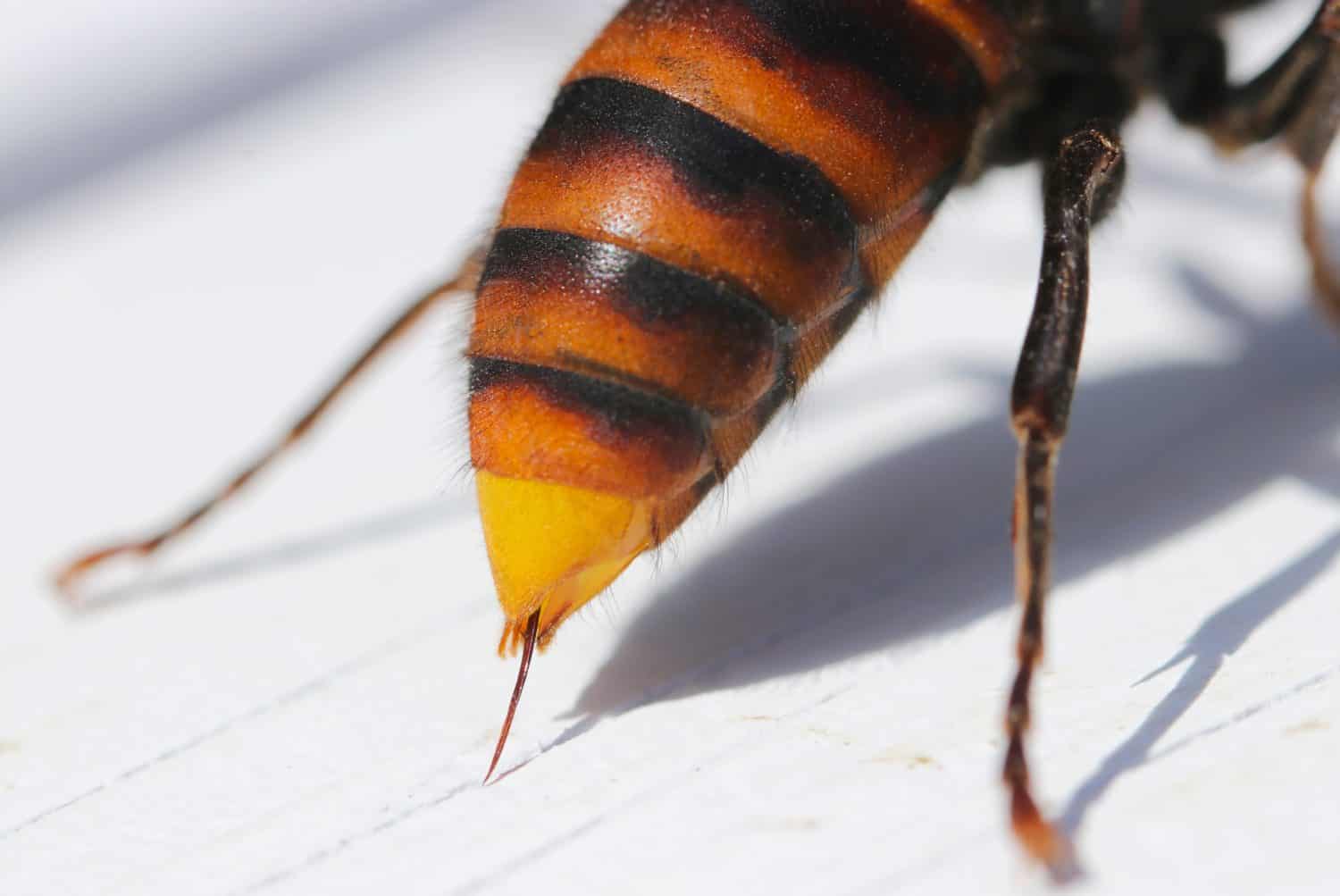
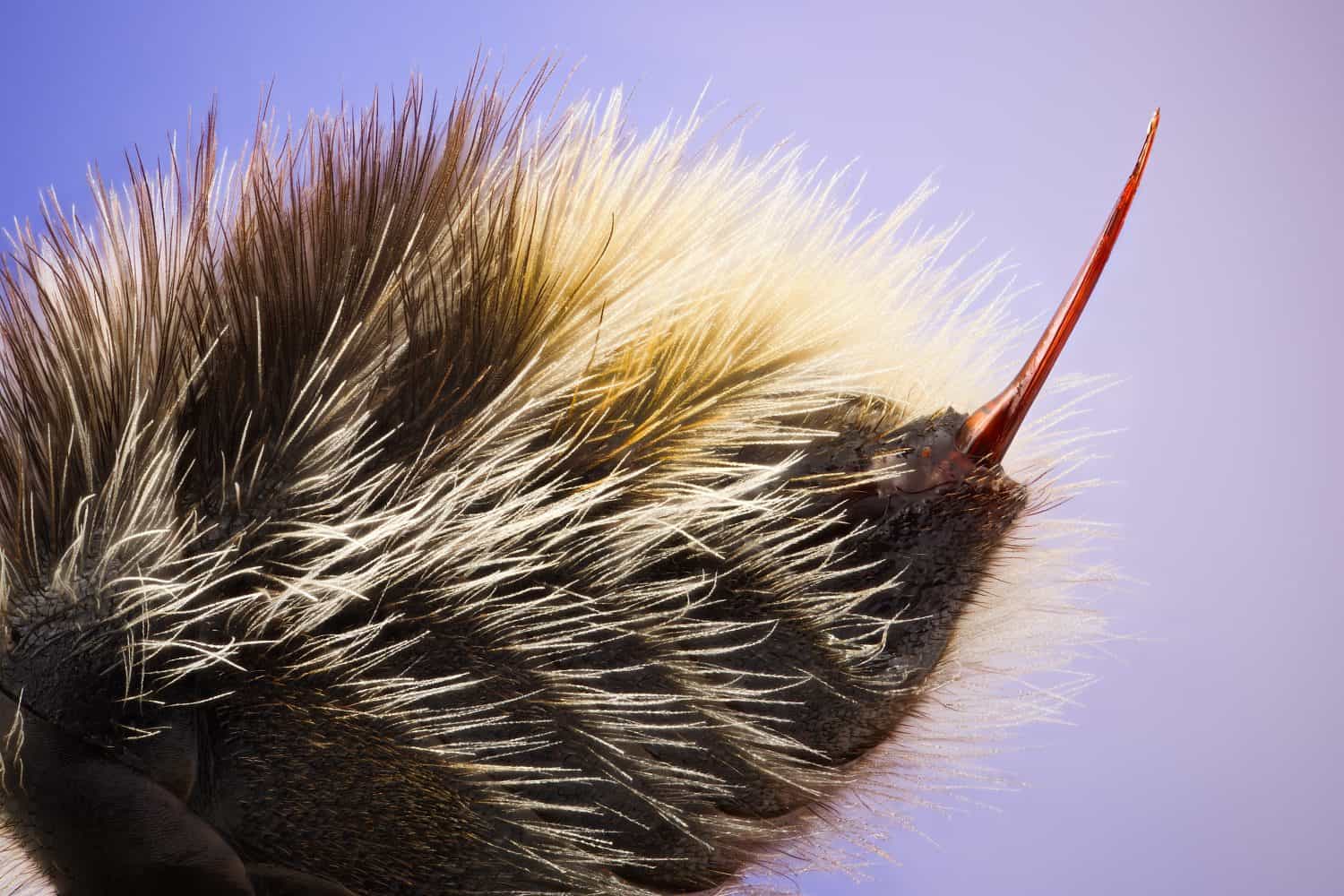
Stingers are designed to inject venom into the animal or creature deemed a threat by the bee.
©SAI A.D.A/Shutterstock.com
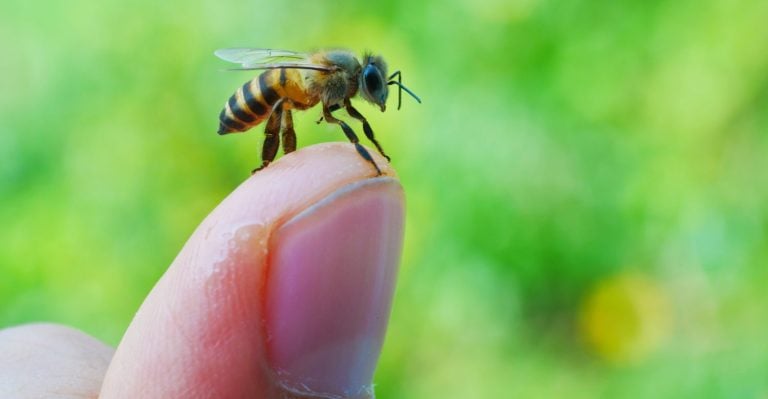
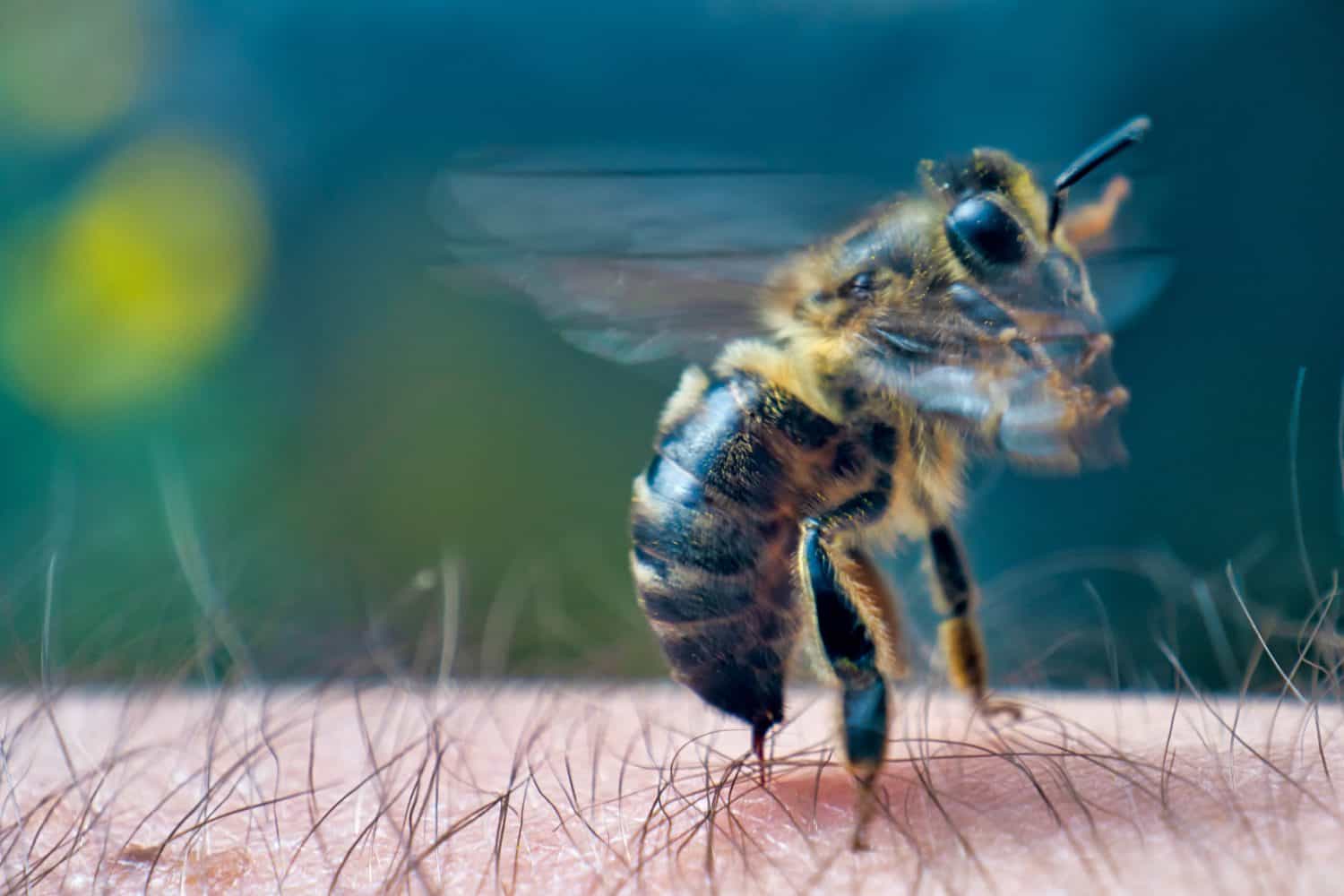
Depending on the stinging insect, stingers are designed for various things. Some stingers are designed to allow multiple stings, while others are a last-resort defense, as using them results in the bee’s death. The bumblebee has a smooth stinger. Because of this, the bee can sting multiple times. Consequently, any insect or animal disturbing a bumblebee can be stung repeatedly until it retreats. Honeybees, on the other hand, have barbed stingers. This barb makes it difficult for animals to remove. As a result, venom continues to course through the animal. This causes more pain and discomfort, encouraging the animal to stop the invasion of the honeybee hive.
When these bees sting, however, the barb is detached from the honeybee, causing it to die. Therefore, honeybees will do whatever they can to dissuade the offending creature from attacking before stinging. The one exception is a bee stinging another bee. The barb does not come detached, then, allowing the honeybee to sting multiple times.
Africanized honey bees have venom similar in potency to European honey bees and, like them, die after stinging mammals. They are considered more dangerous because they defend their hives in much larger numbers and with greater persistence. Instead of a few bees attacking, African bees sting as a group when their hive is threatened.
The other difference between the honeybee and bumblebee stings is that the bumblebee, despite being larger, has a less venomous sting than the honeybee. This is made possible by the ability to sting multiple times. Honeybee venom is more potent, causing greater pain and swelling. The goal is to sacrifice as few honeybees as possible during defensive maneuvers, with each stinging bee delivering a potent dose of venom.
Why Bees Sting
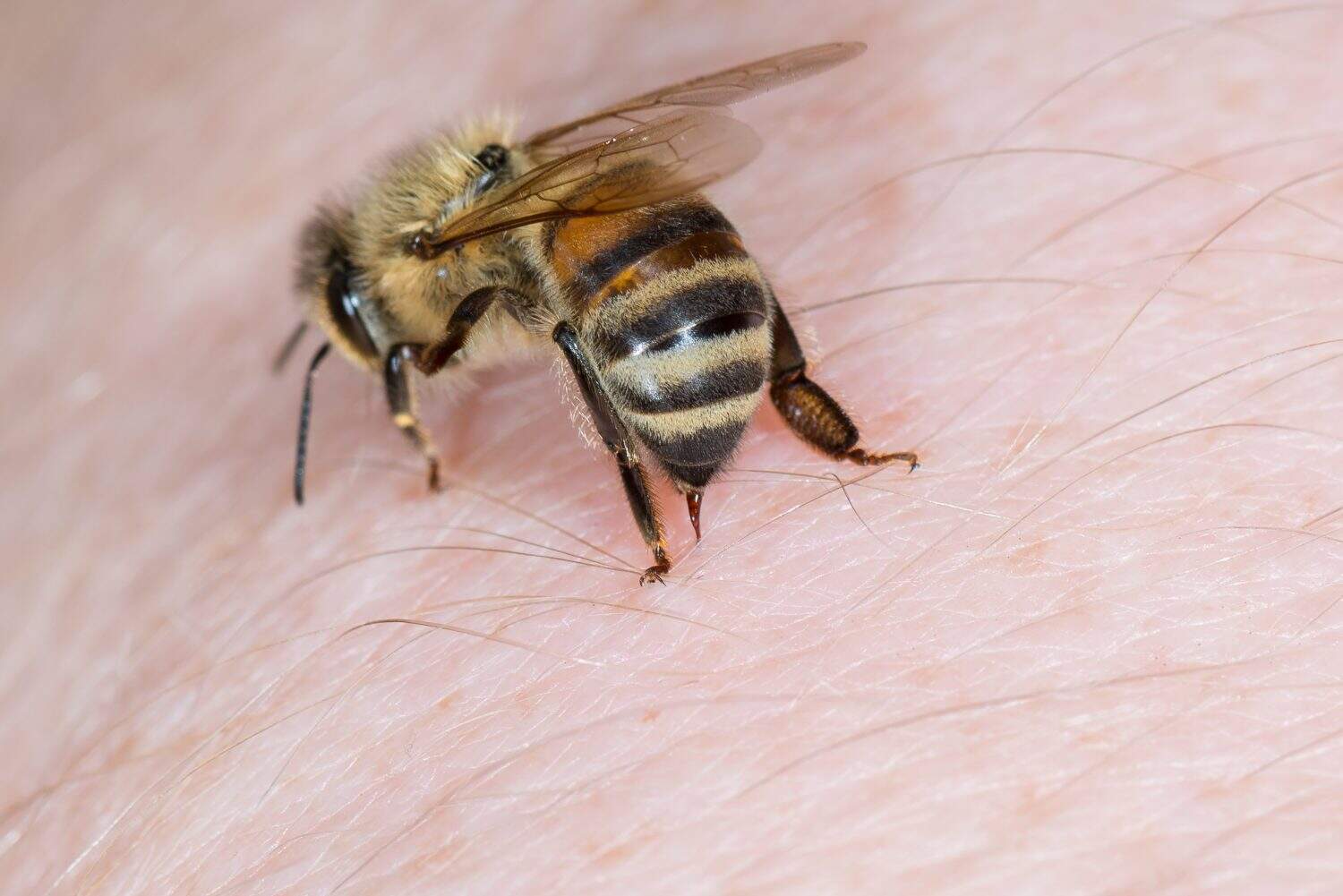
Bees sting as a defense mechanism against threats, with some losing their lives in the process.
©Mirko Graul/Shutterstock.com
When bees sting, it is done for one reason. That reason is always defensive in nature. Bees will not sting if they do not feel threatened. Instead, despite the fear people have of being stung, bees would prefer to collect their pollen and nectar and stay away from mammals as much as possible.
Bees, specifically honeybees, have a barbed stinger. The design of this stinger makes it challenging to remove from the mammal stung. Consequently, while the stinger is still in the body of the offending mammal, venom will course through the body. This is done to stop the mammal from attacking, given the painful nature of the sting. Additionally, once the mammal is stung, according to Biology Insights, a pheromone is released that signals to other bees that there is danger present. This will lead to other bees stinging until the threat is neutralized and the hive is again safe.
Stinging a mammal is the last thing a honeybee wants to do. It is the last defensive resort. This is because once a bee stings, the barbed stinger cannot be removed by the bee without disemboweling itself. Therefore, while the honeybee is prepared to give its life to save the hive and the queen, any other actions it can take, such as buzzing around the animal to bother it and get it to leave, will be done before it ultimately stings to end the disturbance and harm to the hive.
Why Bees Sting Each Other
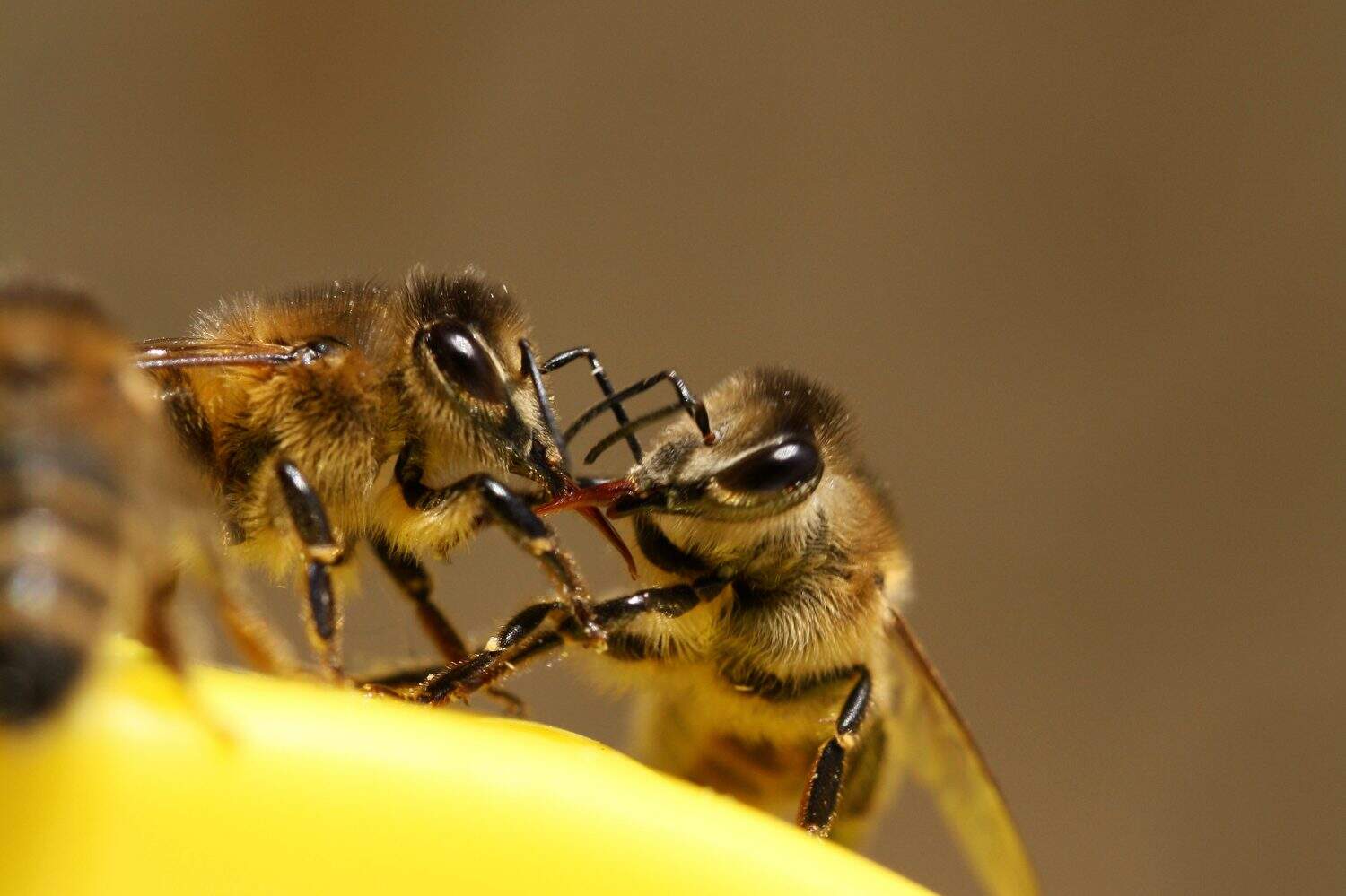
Bees will fight and sting other bees that are attempting to invade their hives.
©MakroBetz/Shutterstock.com
Bees will sting when they feel threatened, even stinging other bees. The fortunate thing for the bees (unless on the receiving end of the sting) is that when stinging another bee, they do not die. However, in the heat of battle, it can be difficult to distinguish friend from foe, and innocent bees may be stung and killed.
One of the reasons that bees will sting one another is that the colony is under attack. If a bee from another colony comes to the hive to attempt to steal resources, the invading bee will be stung to death. If multiple bees attempt to attack, it is likely there will be casualties on both sides. If the invading bees prevail, they may take over the hive. If they fail, the original hive and its queen will survive.
Another reason bees sting each other is to gain access to desirable nesting sites. If multiple colonies want to build a nest in the same location, a battle may ensue. The bees who successfully dominate will be the ones to claim the territory as their own. In most cases, bees attack each other due to a scarcity of resources. When resources are plentiful, there are far fewer interspecies conflicts, allowing all bees to exist in a region together in harmony.
What Happens To People When Stung By A Bee

Bee stings can cause anything from painful welts to allergic reactions in people.
©WIRACHAIPHOTO/Shutterstock.com
When people are stung by a bee, various reactions can occur. It all depends on whether the person stung is allergic to the venom injected into their body after being stung, which will determine the necessity of care post-sting. For those who are not allergic to bee stings, the most likely reaction to the venom being injected into the body from the stinger is swelling around the injection site. The site can be painful, and the size of the welt will vary depending on whether the sting occurred in a more muscular or fatty area of the body.
Additionally, where there is less tissue, such as on the face, the sting will look more prevalent. Things such as ice may help to reduce the swelling. In cases where an appendage was stung, that area of the body should be elevated to combat swelling as well.
If a honeybee is responsible for the sting, the stinger may remain at the site. That stinger will have to be removed to stop the venom from being injected into the body. It is recommended to use something like a fingernail or the edge of a credit card to slide along the skin and remove the stinger. Tweezers should be avoided when removing the stinger, as squeezing it can inject more venom into the body.
Those who have an allergic reaction to a bee sting will have a much stronger reaction to the venom entering the body. This is why it is necessary to remove the stinger as soon as possible, to keep the smallest amount of venom entering the body and decrease symptoms, especially for those who have adverse effects from the sting. If someone has never been stung before, it may not be clear if an allergy to bee venom exists. The easiest ways to determine if an allergy to bee venom is present include:
- Hives
- Excessive itching
- Swelling in the face, throat, or tongue
- Problems breathing
- Breathing becomes wheezy
- Dizziness
- Nausea
- Stomach cramps
If any of these signs are present after being stung by a bee, it is necessary to seek medical attention immediately. For those who know they are allergic, carrying an EpiPen is recommended to stop the reaction in its tracks. However, in most instances, even after the EpiPen injection, it is still recommended to seek emergency medical attention to confirm the reaction has been stopped and no other intervention is necessary.
What Happens When Animals Are Stung By A Bee

Animals stung by bees may experience swelling, painful areas on the body where they were stung, and even allergic reactions.
©Madcat_Madlove/Shutterstock.com
Just like with people, the reaction to being stung by a bee varies by animal. Some animals will not exhibit any reaction, except for some swelling and pain at the sting site. Others may have a massive allergic reaction. It all depends on the sensitivity and size of the animal, as well as the number of stings it received, which will determine the reaction to the bee venom.
The reason that most domestic animals are stung by bees has to do with their curious nature. Some wild animals will actually try to raid the hives and will be stung in the process. Either way, some of these animals will not have a severe reaction, while others will become gravely ill. Just like people, the reactions have to do with where the bees stung the animals, how many times the animals were stung, and if there are any preexisting allergies to the bee venom.
For domestic animals, it is recommended to take them to a veterinarian after bee stings to ensure they do not have an allergic reaction and to remove any stingers. Unfortunately, for wild animals that have a poor reaction to bee stings, if they run off to hide themselves due to feeling ill, it is unlikely they will recover. If a wild animal seeks human assistance, contact a reputable wildlife rescue organization so the animal can receive care and have the best possible long-term prognosis.