
Quick Take
- One animal on this list plays dead not to escape a predator but to catch one. See the ambush predator →
- The opossum can't actually choose to play dead, and that very limitation is exactly what makes it work. Discover the involuntary trance →
- One species fakes its own death to avoid an encounter that has nothing to do with predators. Meet the mating avoiders →
- The eastern hognose snake commits to its death act so hard, it will undo an attempt to correct it. Watch the snake reset its pose →
Running, fighting, and hiding are not the only ways animals escape. Some take a much more dramatic approach. They go completely still, perhaps flip over on their back, and simply pretend they are dead. This behavior is common enough that it has a name: thanatosis or death-feigning. It’s surprisingly effective at making predators lose interest, help animals avoid unwanted attention, and even lure prey closer. From snakes that stage elaborate deaths to fish that use the tactic as a hunting strategy, these animals are experts at faking their own demise.
1. Virginia Opossums
©iStock.com/ScrappinStacy
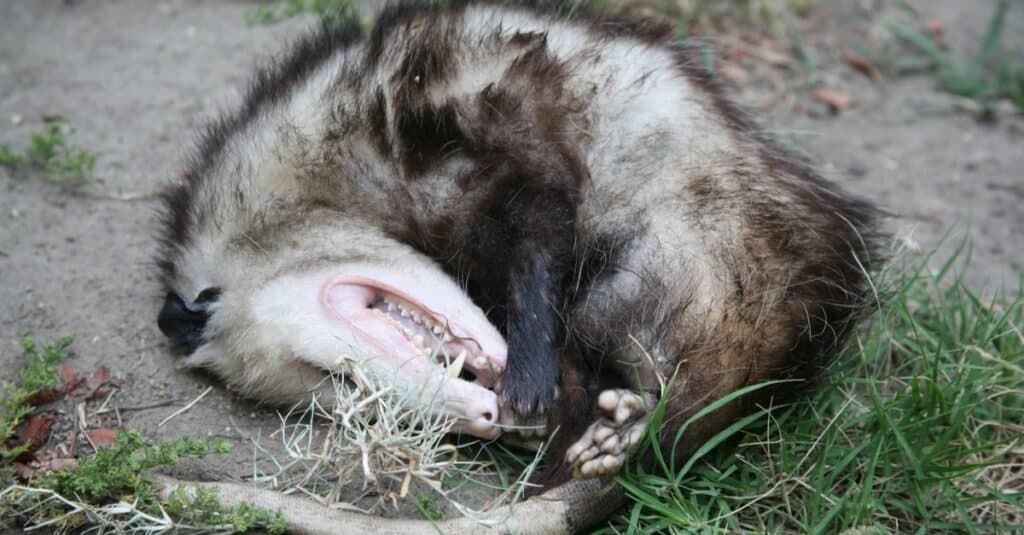
The Virginia opossum is so famous for faking death that the phrase “playing possum” has been heard by pretty much everyone. When frightened, an opossum falls on its side and becomes stiff. To really nail the act, it will also bare its teeth and let its tongue hang from its mouth. Remarkably, it might even emit a bad-smelling fluid, as though it’s already begun to decompose. What’s most interesting about this behavior is that it’s not voluntary. When scared badly enough, the animal automatically enters a trance-like state. It can last from several minutes to several hours. Because many predators prefer freshly killed prey, the performance works.
2. Eastern Hognose Snakes
©iStock.com/Rex Lisman
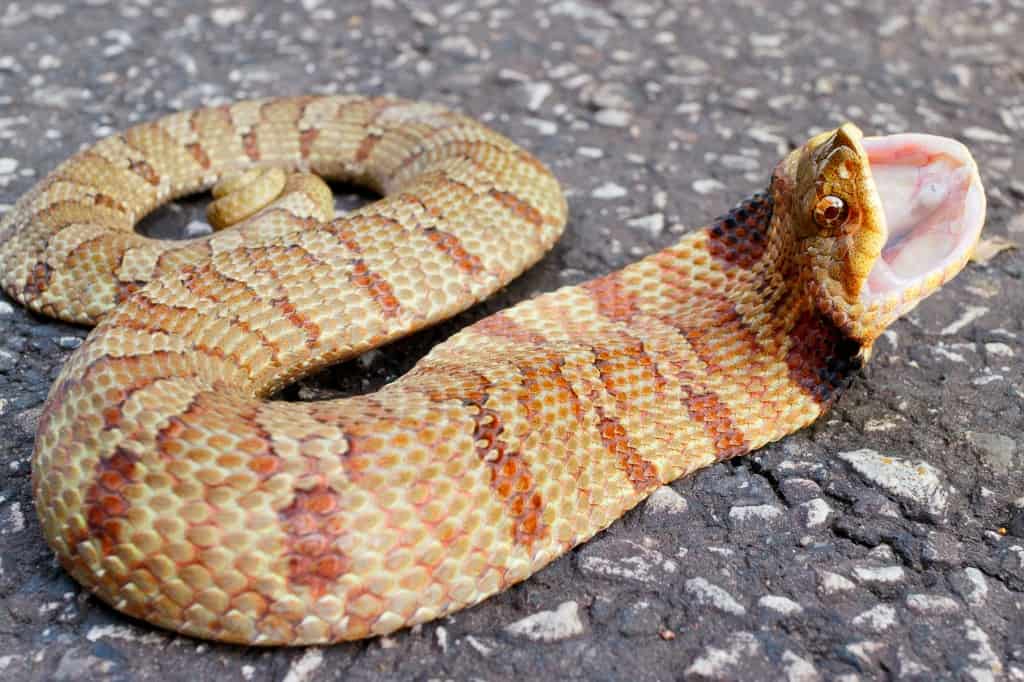
The eastern hognose snake does not simply go limp to fake its own death. It truly puts on a show, like it has something to prove at drama camp. First, it tries flattening its neck, hissing, and striking (with its mouth closed). These are all attempts to scare the threat away. If that strategy fails, the real show begins. The snake rolls onto its back, opens its mouth, lets its tongue dangle out, and releases a terrible rotting smell. The most laughable part is that if someone flips the snake back to an upright position, it will immediately roll onto its back again!
3. Leaf-Litter Frogs
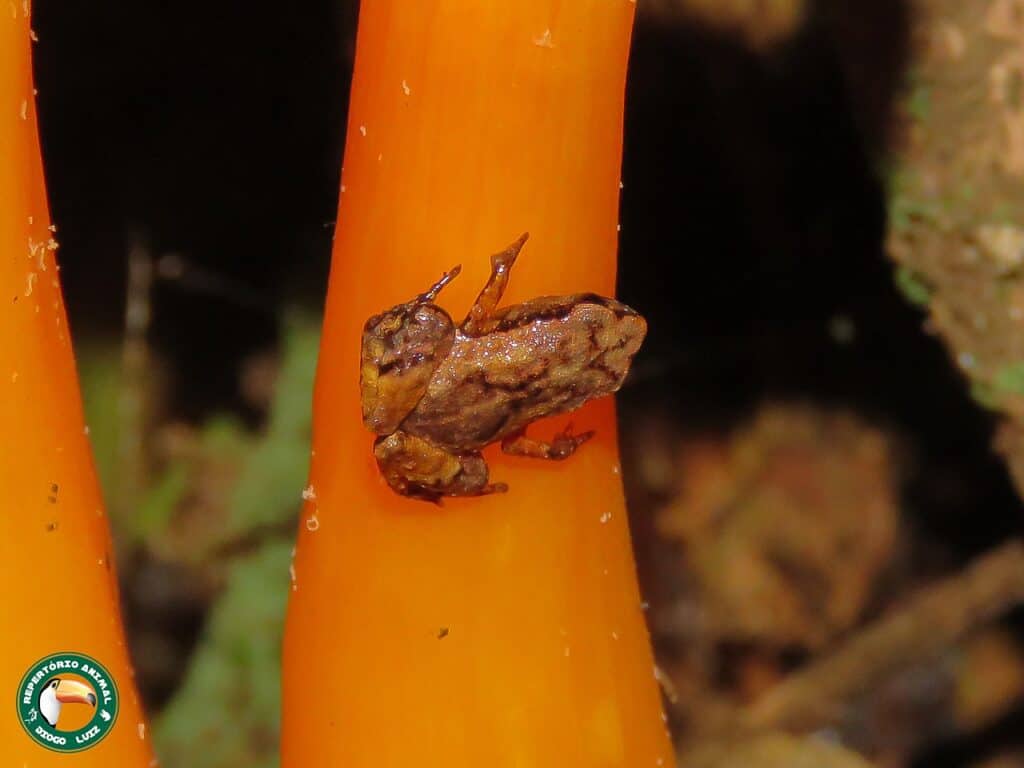
Certain leaf-litter frogs found in Brazil have their own theatrical response to danger. When threatened, the tiny frog flips onto its back, closes its eyes, and stretches its arms and legs into haphazard positions. Researchers have documented frogs holding this pose for about two minutes before peeking to see whether the danger is gone. Once the coast is clear, it just hops away.
4. Fire-Bellied Toads
©Swaroop Pixs/Shutterstock.com
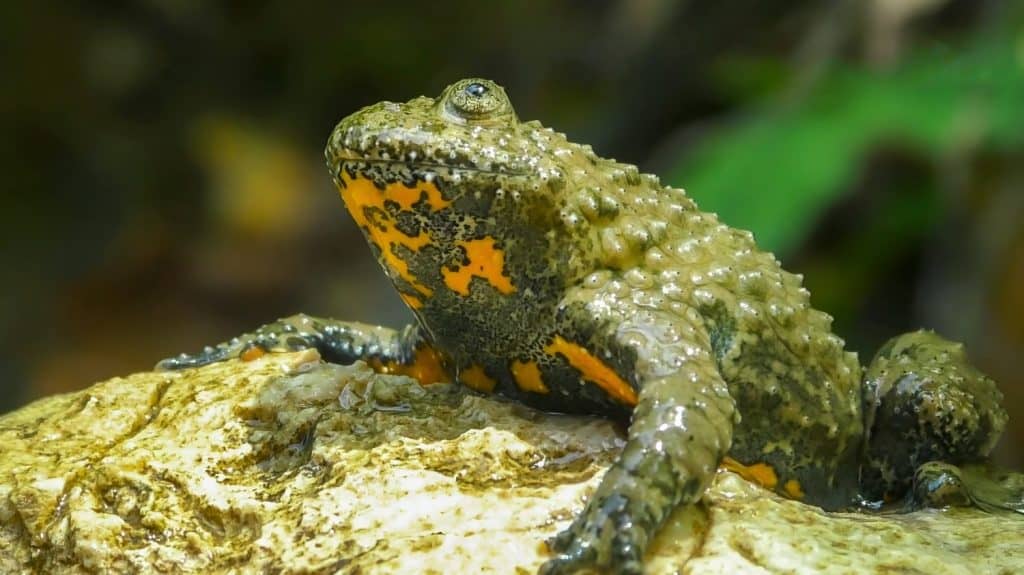
Fire-bellied toads are quite convincing with their death act. When danger is near, the toad arches its body or completely flips over. The goal is to expose the vivid red, orange, or yellow markings on its belly. The colors signal to predators that the toad has unpleasant toxins in its skin. If the warning is not enough to deter the predator, the toad goes into full death mode, going completely motionless. The predator is left with a potential meal that not only is dead but also might be poisonous. This is not an appealing option for most animals, and will encourage them to move on.
5. Death-Feigning Beetles
©GypsyPictureShow/Shutterstock.com
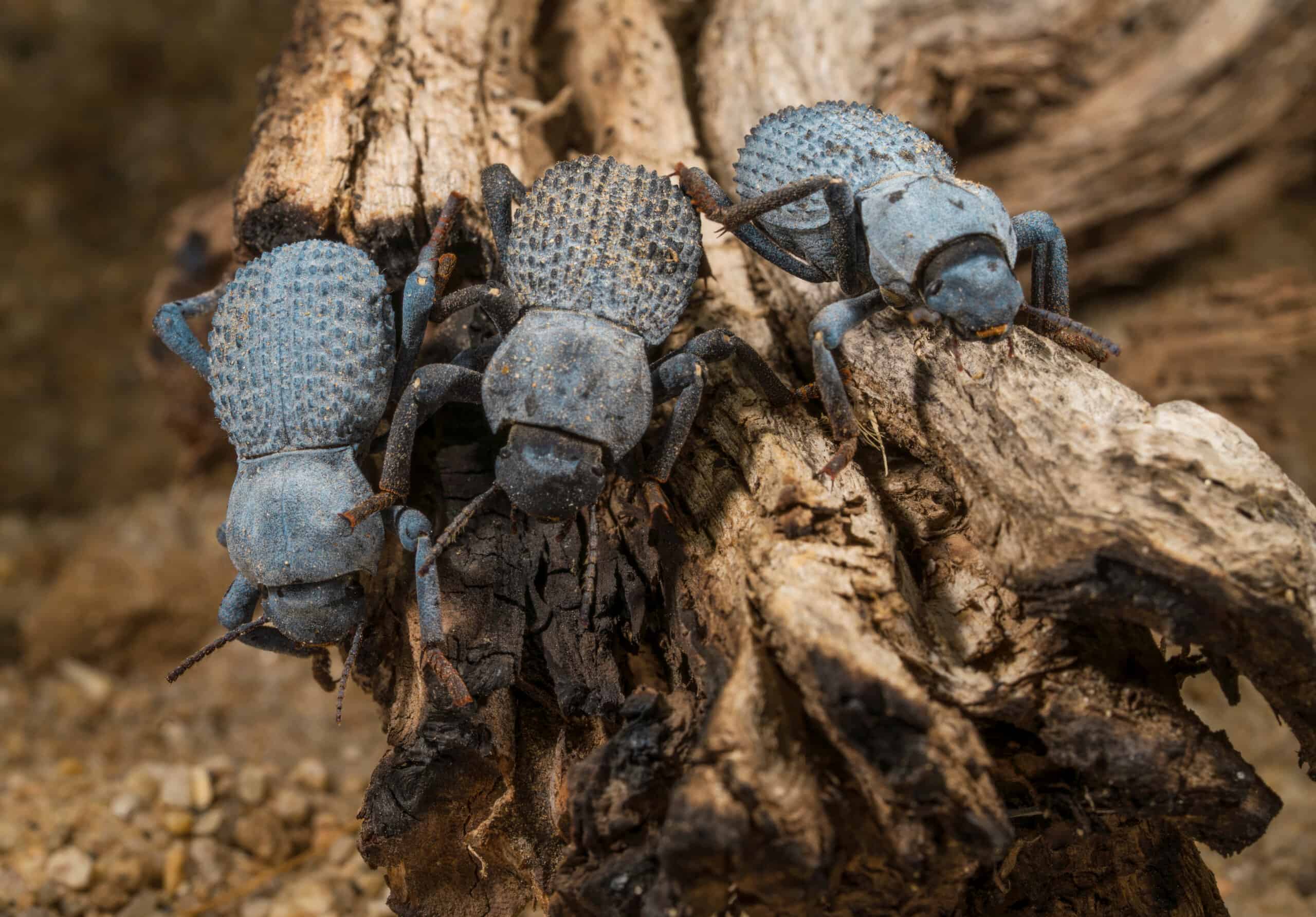
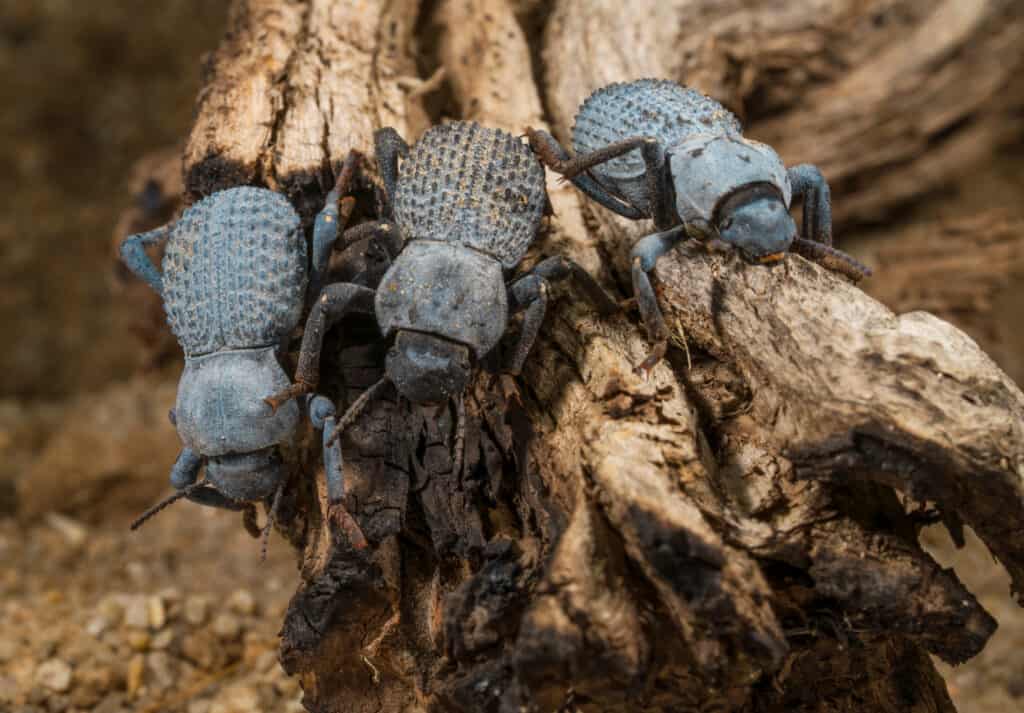
Death-feigning beetles get their name due to their impressively still behavior when they sense trouble. They pull in their legs, stiffen their bodies, and remain motionless until the threat moves away. Their lack of movement actually means they might not be noticed at all. They might look more like a pebble or dried bit of vegetation. Experiments with these beetles have shown that the ability to stay “dead” for longer periods can be inherited. Those that are the most patient might have a better chance of surviving.
6. Young Fire Ants
©iStock.com/Tanes Ngamsom
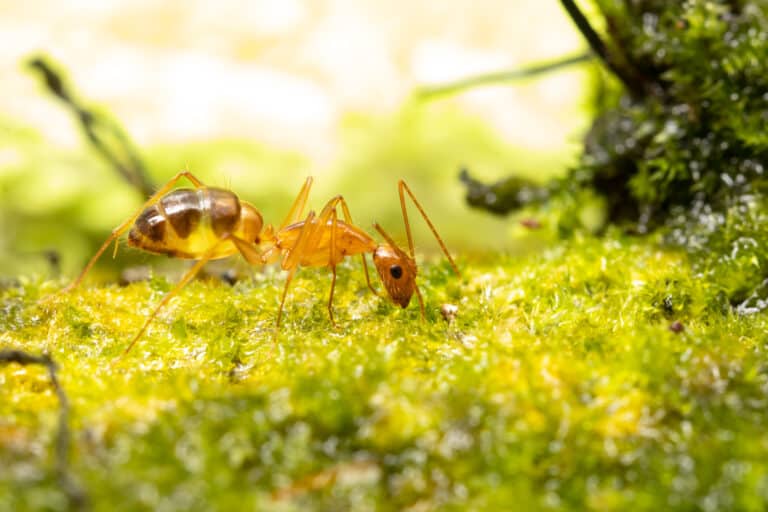
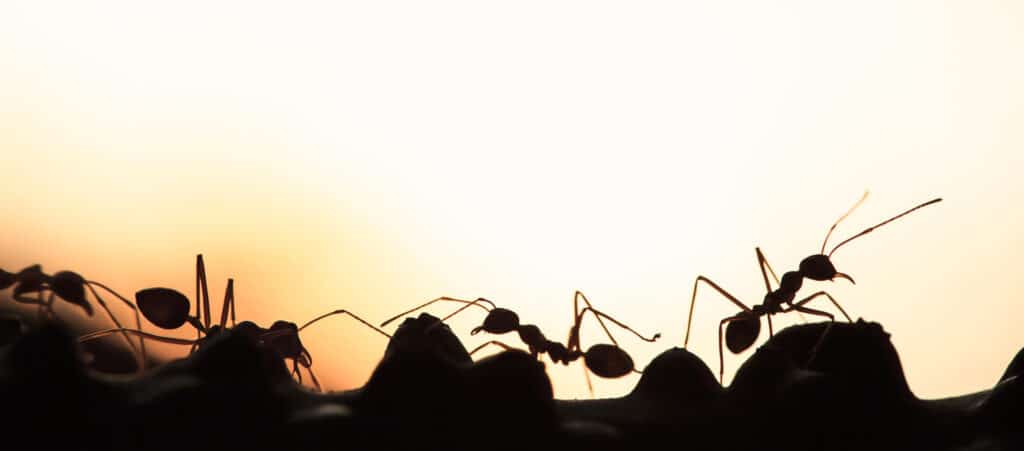
Younger worker ants sometimes fake their deaths when enemy ants invade. Instead of fighting rivals that they know to be stronger, the younger ants curl up and keep still. When they spot them, the attackers tend to just move on, seemingly buying the act. Once the bigger ants have left, the young workers go back to their normal routine. Older ants are more likely to fight, leaving the death-feigning to the more vulnerable youngsters.
7. Moorland Hawker Dragonflies
©"Aeshna juncea (male)" by S. Rae is licensed under BY 2.0. – Original / License
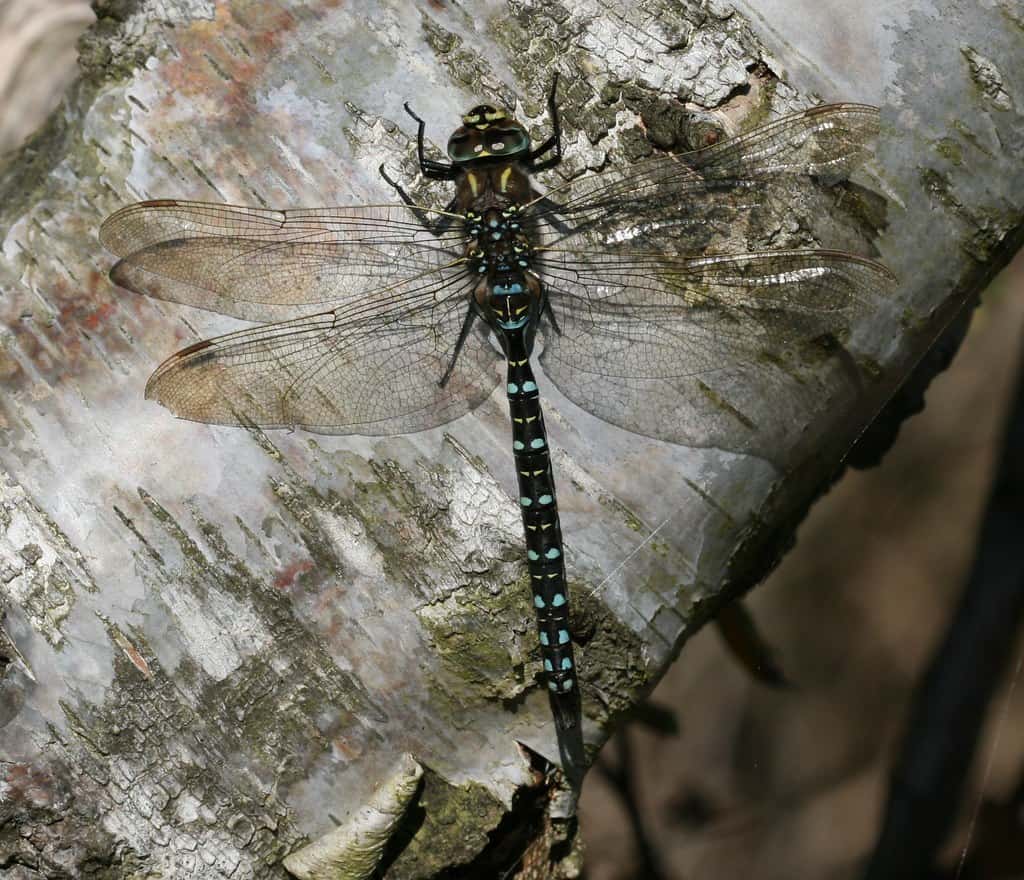
Female moorland hawker dragonflies sometimes fake death for a reason that has nothing to do with predators. She simply doesn’t want to be bothered by males. And she doesn’t just roll over; she actively fakes a horrific crash landing. When chased by an unwanted male, a female will nosedive straight toward the ground, crash headfirst into plants, and then lie completely still. The male believes the chosen female has actually passed away in the tragic accident and flies off. After he leaves, she gets up and continues on with life. It is an effective way to avoid mating attempts that could either injure her or use up energy better spent elsewhere.
8. Livingstone’s Cichlids
©Charlotte Bleijenberg/Shutterstock.com
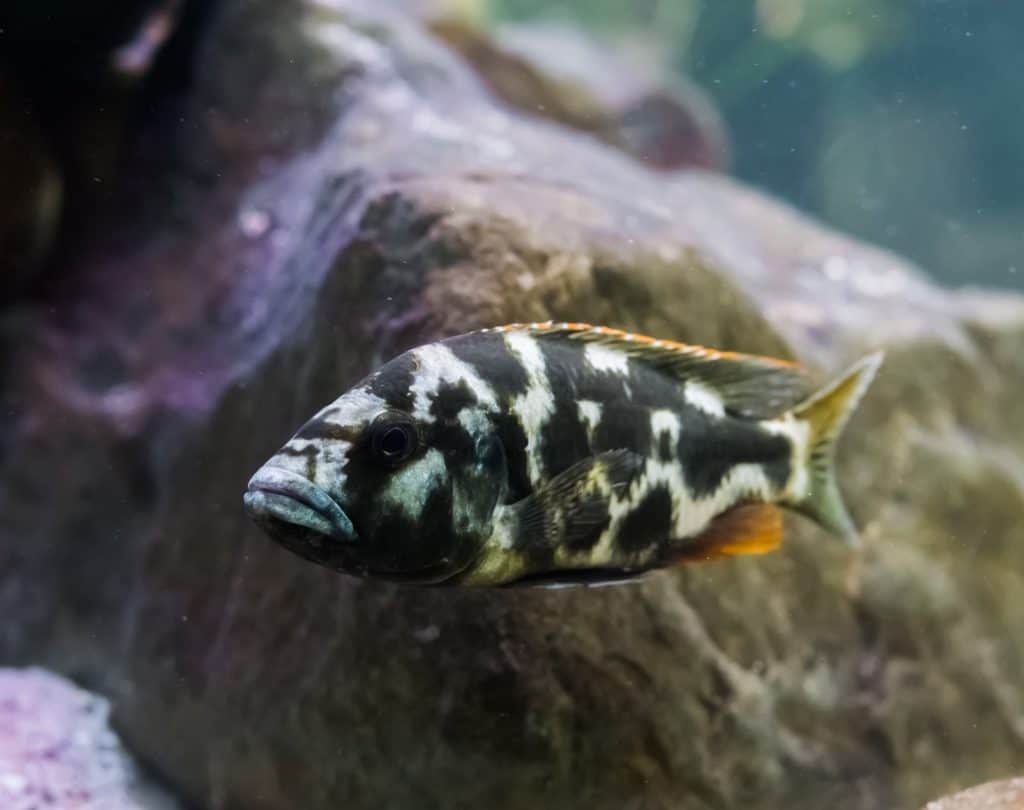
Most animals play dead to avoid becoming dinner, but the Livingstone’s cichlid uses the trick to find dinner. This predatory fish lies motionless on its side at the bottom of an African lake. It even displays blotchy coloring that makes it look like a dead or dying fish. Smaller fish investigate the seemingly harmless carcass. The masterful cichlid then shoots up and attacks.